




















The punk project making London’s museums accessible Against the price of art
There’s a short circuit in the world of contemporary art, and it’s not just an aesthetic issue. Today, for many young artists, attending a major exhibition costs as much as a utility bill. And that’s not a figure of speech: in London, a temporary visit to the Tate can exceed £18, a prohibitive amount for many creatives under 30 earning less than the minimum wage. According to a recent study, the average annual income of artists in the UK has dropped to £12,500, a -40% decrease compared to 2010. In this context, a museum ticket is no longer a cultural gesture, but a luxury. And yet, paradoxically, these very artists are the lifeblood of the cultural system: they create, curate, inspire, yet remain excluded from what they help build.
A hidden key near the Tate
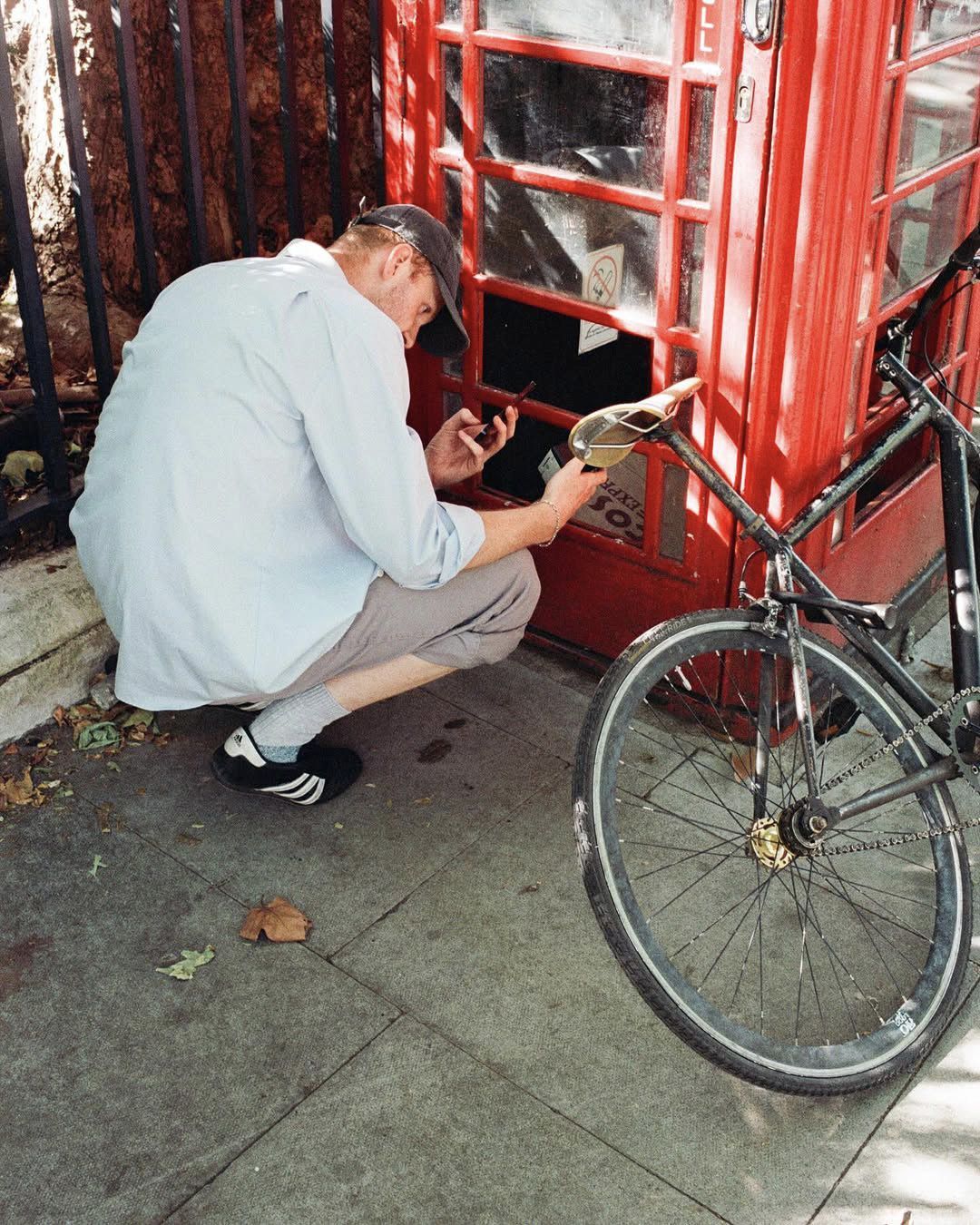
In response to this divide, the Artist Membership Project was born, an act of collective resistance with the flavor of a punk performance. The idea is simple but powerful: buy museum memberships, hide them in lockboxes scattered across the city (especially near major institutions like the Tate Modern), and share the coordinates via a WhatsApp group among artists, students, and precarious cultural workers. Grab the card, enter for free, put it back. A clandestine but collaborative system that, in just a few months, has involved over 600 people and saved thousands of pounds in entry fees. Art, from elitist, becomes a common good.
Curator Ben Broome, the mind behind the project, defines it as «a work of art in itself, but also a political act.» Not a permanent solution, but a gesture of protest: the institutions that should be inclusive are becoming increasingly exclusive. While major museums defend ticket prices due to structural needs, the system proves unsustainable for those who keep it alive. Meanwhile, the cards pass from hand to hand, among those who otherwise would never set foot in those galleries.
A provocation that helps
The project hasn’t been welcomed by everyone: some museums, like the Barbican, have deactivated cards involved in the network, citing «suspicious activity.» But others, like the Whitechapel Gallery, have understood the message and started internal discussions. The question is no longer just «how much does art cost?» but «who is it made for?». In an era where we (often emptily) talk about accessibility, Broome’s gesture acts as a mirror: it reveals the economic fragility of the artistic community and calls out the inclusive rhetoric of institutions rarely backed by real policies.
There are alternative models: the MoMA in New York, for instance, offers a discounted membership for artists, accessible with a simple proof of activity. In Italy, by contrast, it’s still difficult to talk about cultural accessibility without slipping into charity or exception. The point is that a young artist who can’t afford an exhibition today will never be a part of the system tomorrow. So rather than shutting down projects like this, perhaps we should listen to them. Because if art is truly public, it shouldn’t shut out those who create it.