



























Understanding the appeal of necrotourism From concerts to guided tours, cemeteries turn into (or return to being) third places
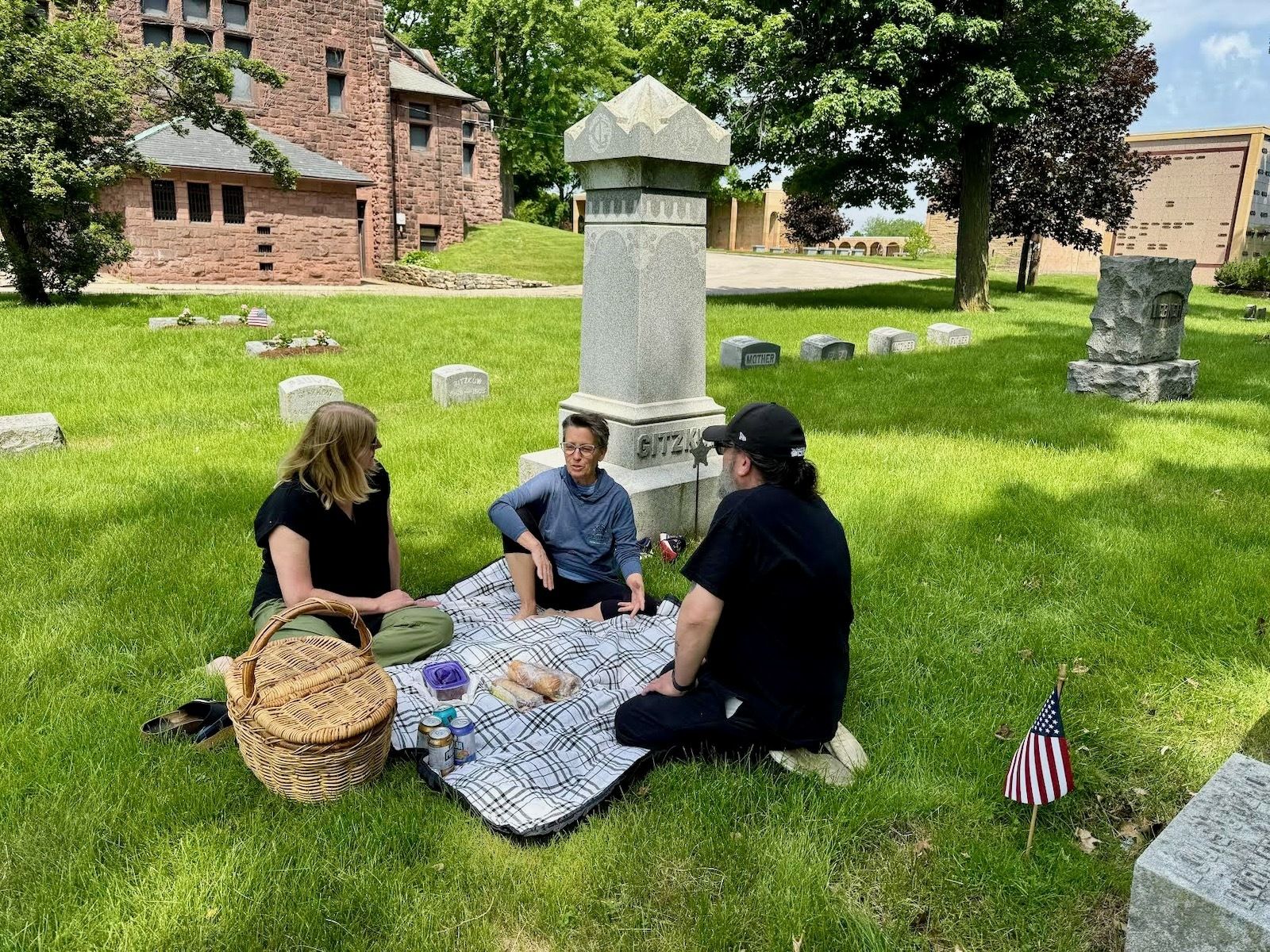
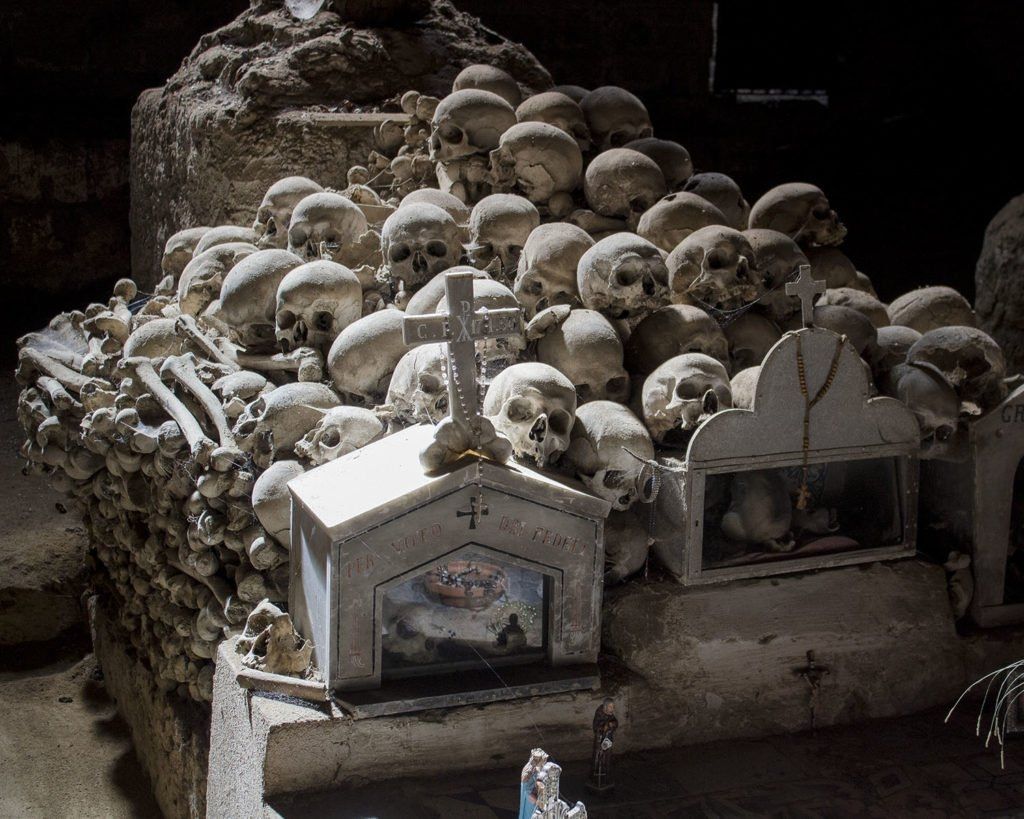
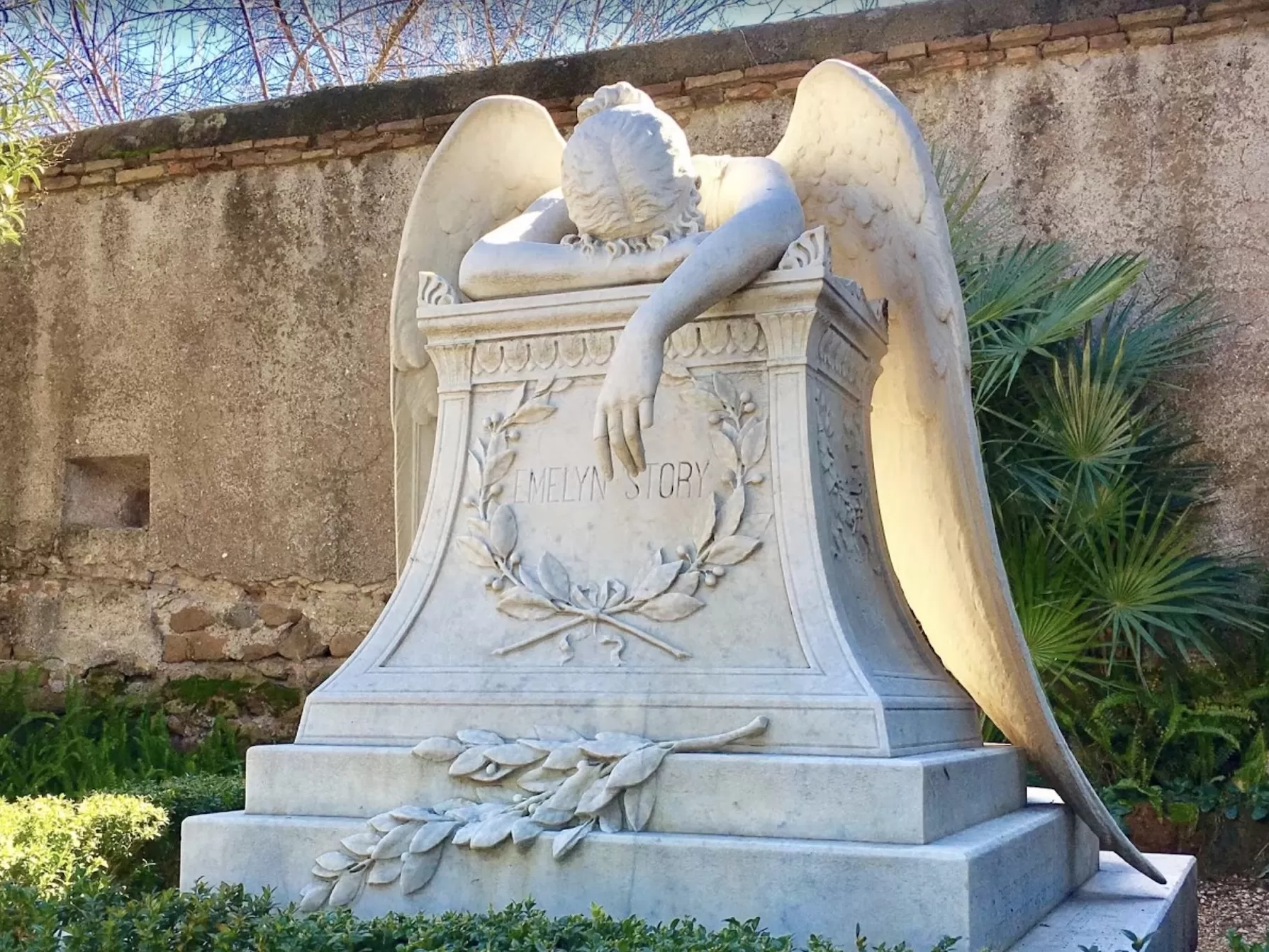
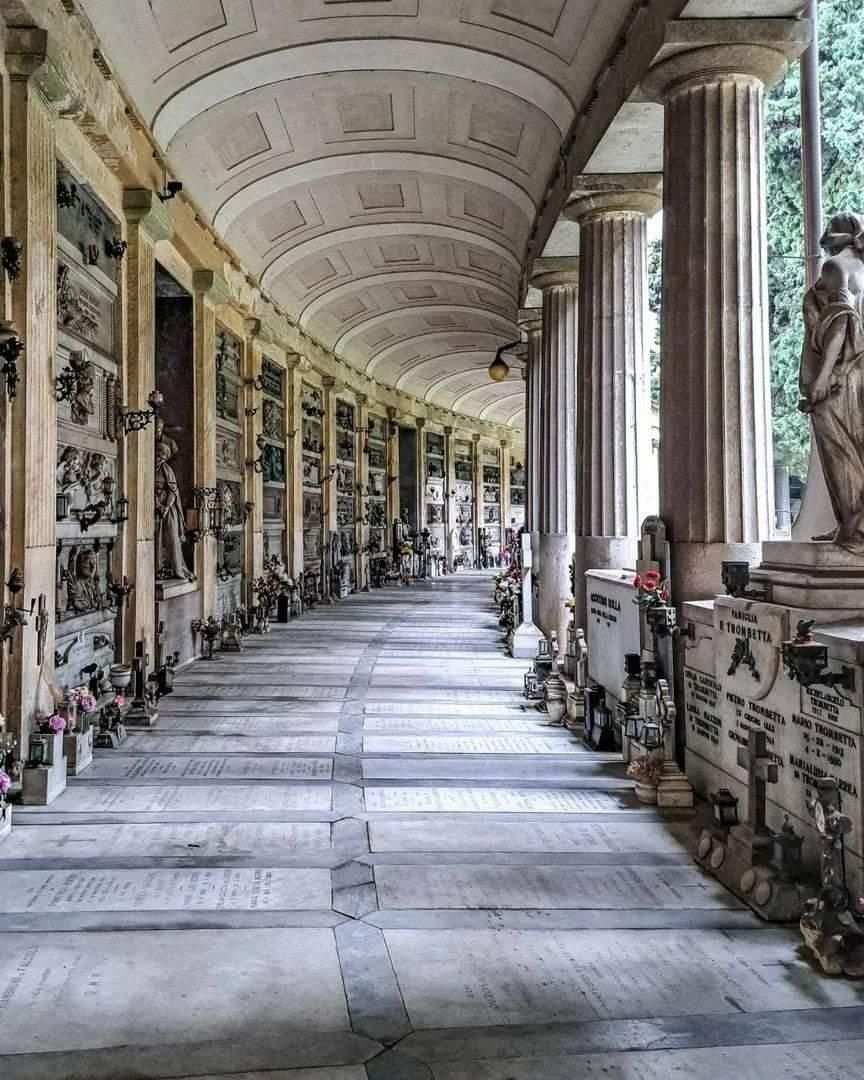
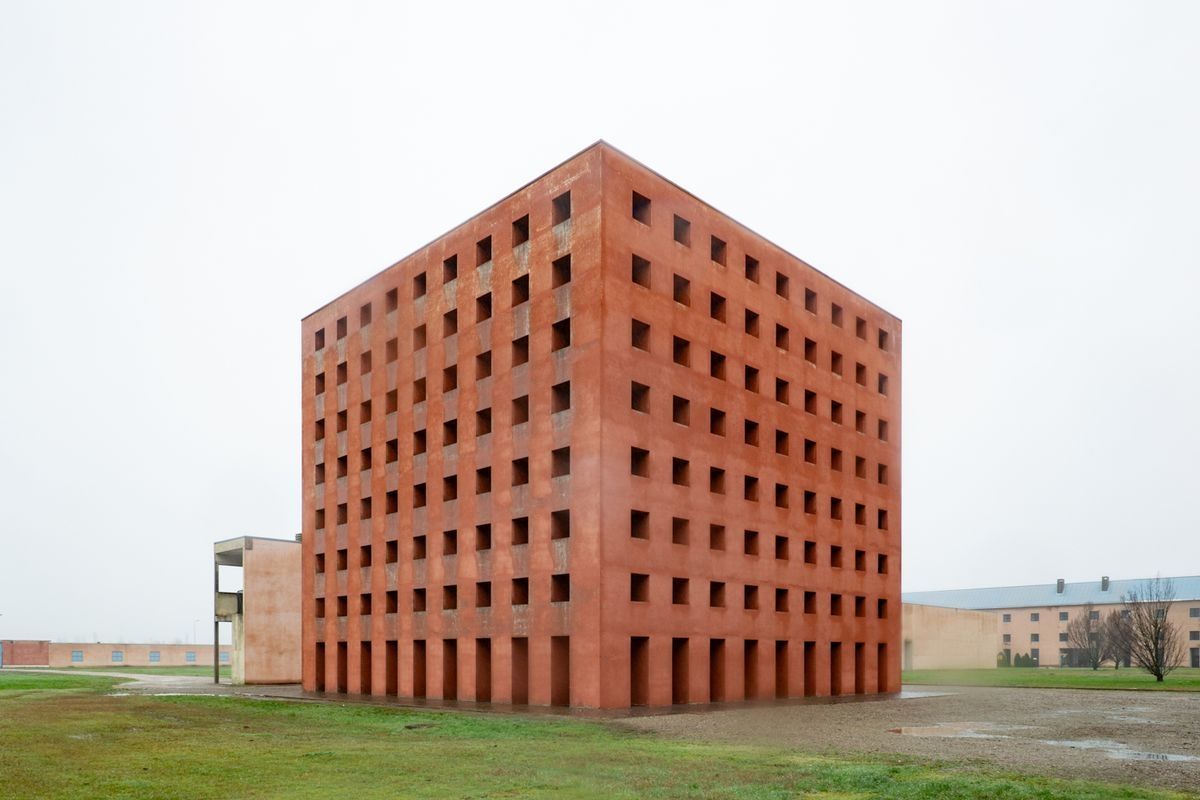
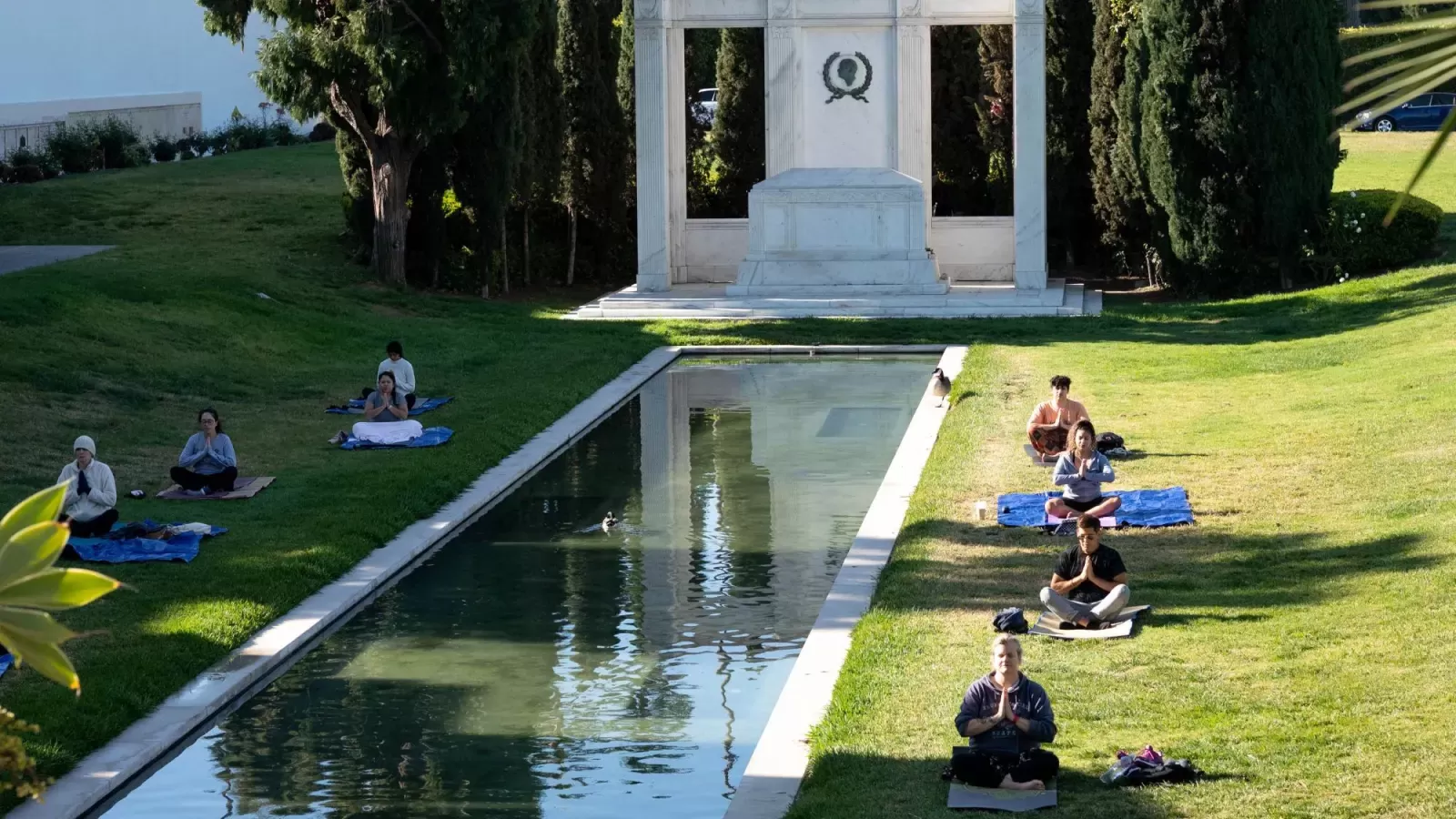
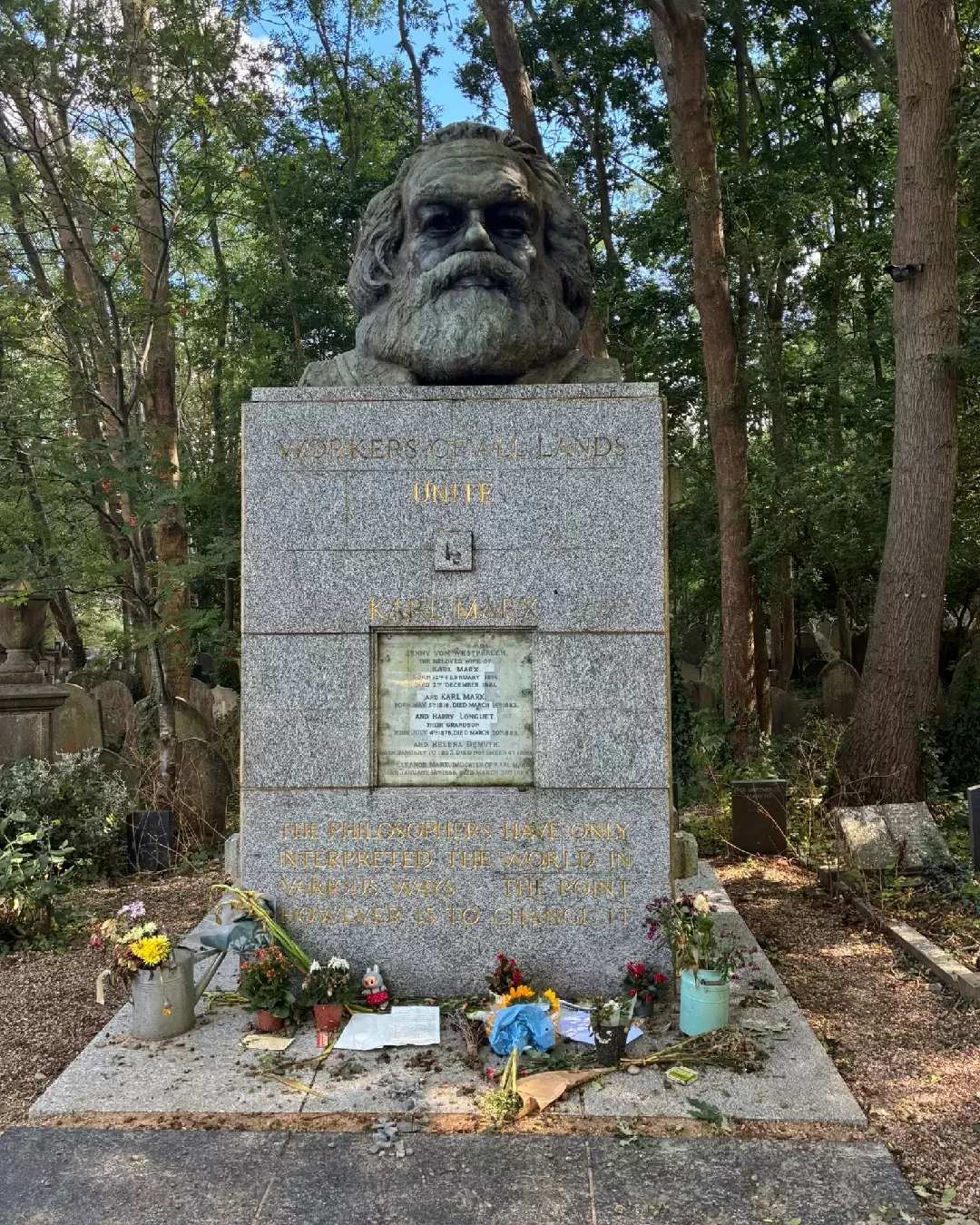
Imagine lying on a lawn for a Sunday picnic, surrounded by 19th-century tombstones and centuries-old cypress trees. Scandalous? Not for millions of people around the world who have discovered a completely new way of experiencing cemeteries, which become, in addition to being places of commemoration, true cultural centres where you can breathe in history, art, and even have fun. The so-called necrotourism, that is, traveling and visiting the most interesting cemeteries in the world, is a trend that is revolutionising our relationship with death. While it may be a rather peculiar – at times problematic – hobby, cemetery tourism is no longer a niche curiosity but a billion-dollar business. As proof that necrotourism has become a widespread hobby, something happened in recent days that would have seemed incomprehensible just a few months ago, but now carries meaning: on the tomb of Karl Marx in London’s Highgate Cemetery, a Labubu appeared – one of those viral figurines that sell like crazy in toy stores, sparking queues, waiting lists, and a resale market on par with Supreme in its heyday. A real paradox, considering that the person who left the gift on the philosopher’s tomb is presumably a fan of his work – and a sign of how dark tourism has now become fully embedded in pop culture.
labubu at the grave of karl marx … ……. pic.twitter.com/gC0DTGnDB2
— db (@somebodyHalpme) July 21, 2025
The global dark tourism market (which includes necrotourism) was valued at $31.89 billion in 2023 and is expected to reach $38.64 billion by 2030, growing annually by 2.9%, according to Grand View Research. Other studies suggest even more optimistic figures: Market.us projects the sector will reach $40.2 billion by 2033, up from $29.6 billion in 2023. These numbers point to a silent revolution in how we think about cultural tourism, with cemeteries no longer seen purely as places of mourning but reimagined as spaces to experience and rediscover in daily life.
But what about Italy?
In Italy, the relationship with cemeteries remains steeped in sacredness and reverent respect. People visit cemeteries only a few times a year to pay respects to loved ones. While in English-speaking countries the link between city life and death is much stronger – even tied to commercial holidays like Halloween, for Italians, a picnic among the tombs still feels like a provocation, if not a sacrilegious act. Yet it wasn't always this way: our medieval ancestors regularly transformed Christian cemeteries into marketplaces, venues for celebrations, and even pasture grounds for livestock. In the 19th century, monumental European cemeteries were conceived as early public gardens, green spaces meant for walking, reading, and socializing. Only in the past century did we begin to segregate death from everyday life, relegating cemeteries to sporadic, melancholic visits.
@thedyerghoulhouse Milan Monumental Cemetery has my heart. #cemeterytok Originalton - leo
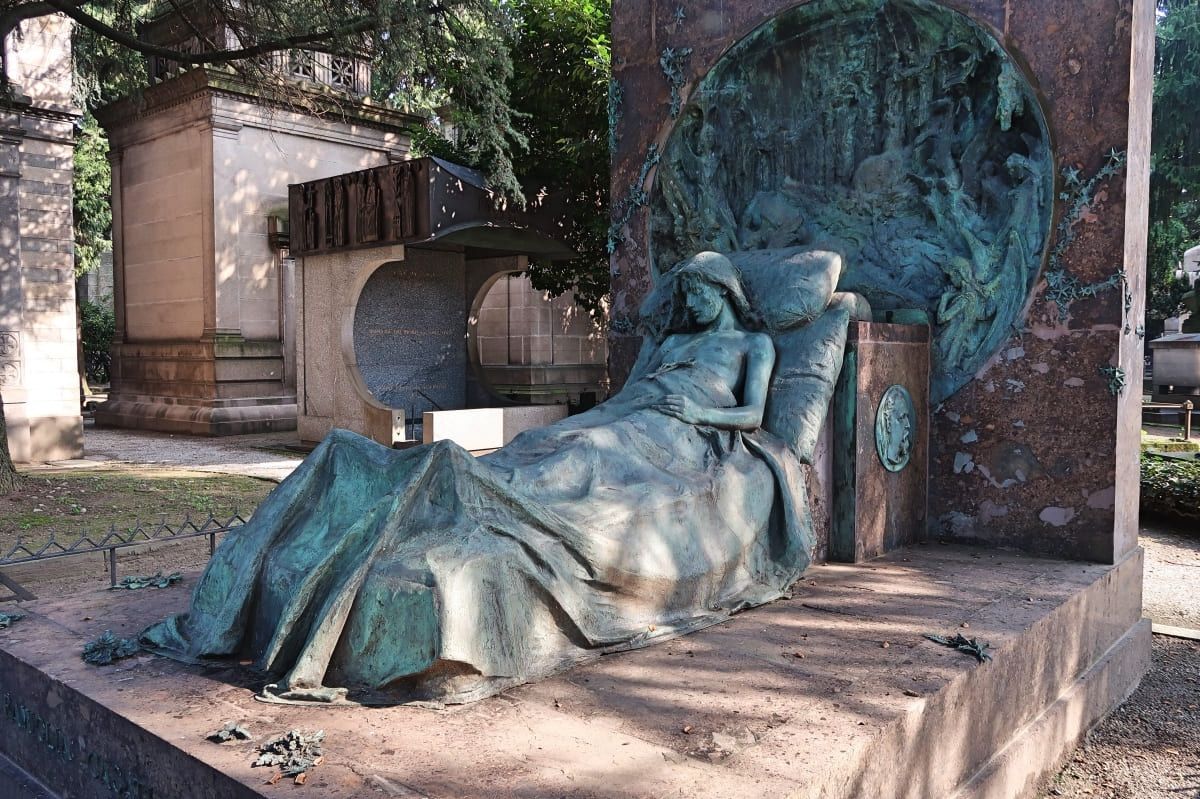
But something is also changing here in Italy, with new innovative initiatives such as intimate concerts at the Anglican cemetery in Bagni di Lucca, immersive theatrical performances in Cavriago, or shows at the monumental San Cataldo in Modena. Milan’s monumental cemetery has become a true cultural hub, with literary events and concerts attracting visitors from across Lombardy, not to mention the purely touristic appeal, with Milan’s Monumentale, Genoa’s Staglieno, and Rome’s Verano and Non-Catholic cemeteries drawing millions of taphophiles each year. Yes, there is a technical term for those who feel an irresistible attraction to cemeteries: taphophilia, from the ancient Greek «taphos» (tomb) and «philia» (love). It’s not about morbidity, but a genuine fascination with the intertwining of history, art, architecture, and nature that these places hold.
Cemetery tourism abroad
The transformation of cemeteries into tourist attractions is no accident. Père-Lachaise in Paris (perhaps the most famous cemetery in the world) owes its success to a clever marketing strategy: after its founding in 1804, urban planner Nicolas Frochot had the remains of famous figures relocated there to attract Parisians to what was then the outskirts. It worked so well that today crowds of fans gather at the graves of Jim Morrison, Édith Piaf, Oscar Wilde, and Frédéric Chopin. In addition to Karl Marx, London’s Highgate Cemetery rides the wave of celebrity tourism with the burial site of George Michael, while Woodlawn in the Bronx draws jazz lovers from around the world to the graves of Duke Ellington and Miles Davis.
@seeingstarrsss blue velvet in the cemetery where david lynch was laid to rest
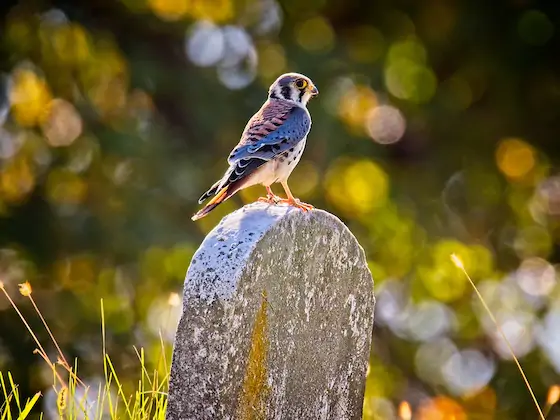
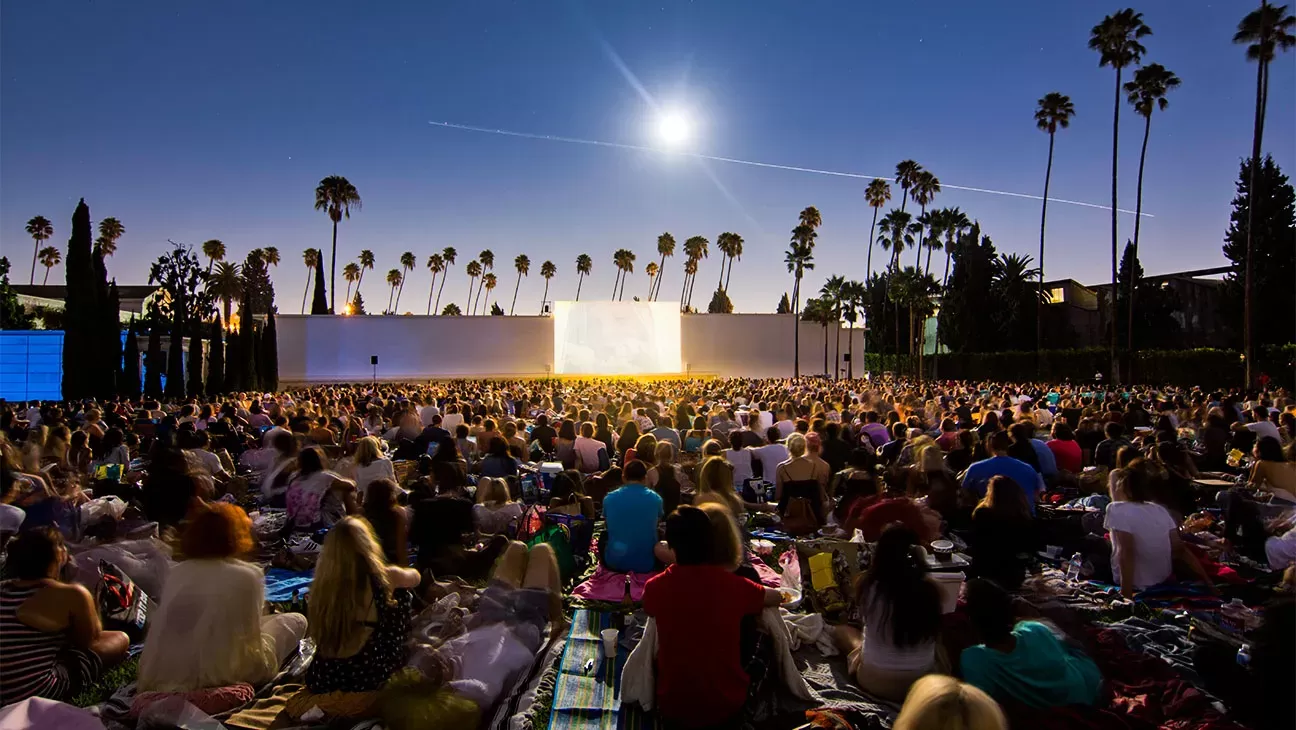
But there are also more innovative cemeteries, which – thanks to the foresight of institutions and organizations – have understood that to survive economically, they must completely reinvent themselves. The Hollywood Forever Cemetery has revolutionized the concept with outdoor movie nights: since 2002, it has invited people to lie on the cemetery lawns to watch films under the stars. Milwaukee launched the Death and a Sandwich days, reviving the 19th-century tradition of picnics among the tombs. Others offer themed tours that go far beyond hunting for celebrity graves: at Washington’s Congressional Cemetery, visitors explore the stories of African Americans and the LGBTQ+ community who shaped American history. In France, as reported by Il Post, the collective Les Aliennes offers feminist itineraries to rediscover women forgotten by official history. Even birdwatching has found a home in cemeteries: Père-Lachaise, after eliminating pesticides for green space maintenance, has returned to being an urban biodiversity oasis attracting not only tourists but also naturalists. Necrotourism, therefore, is not just a passing trend, but perhaps a symptom of a Western society learning to coexist differently with the idea of death, transforming traditionally sacred and frightening places into spaces of beauty, knowledge, and even leisure.