




















The issue of intentionality in today’s fashion By Victor-Hart™️
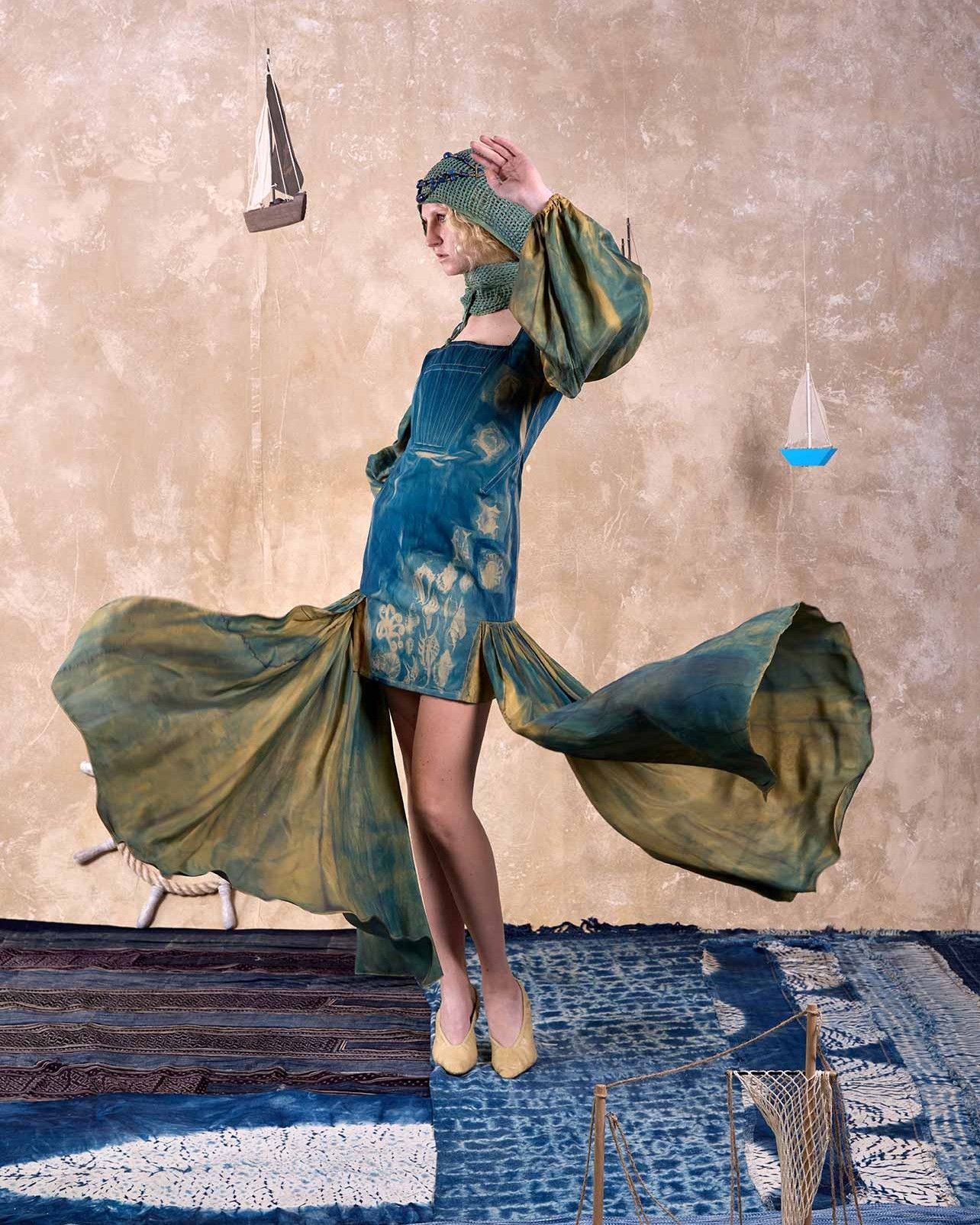
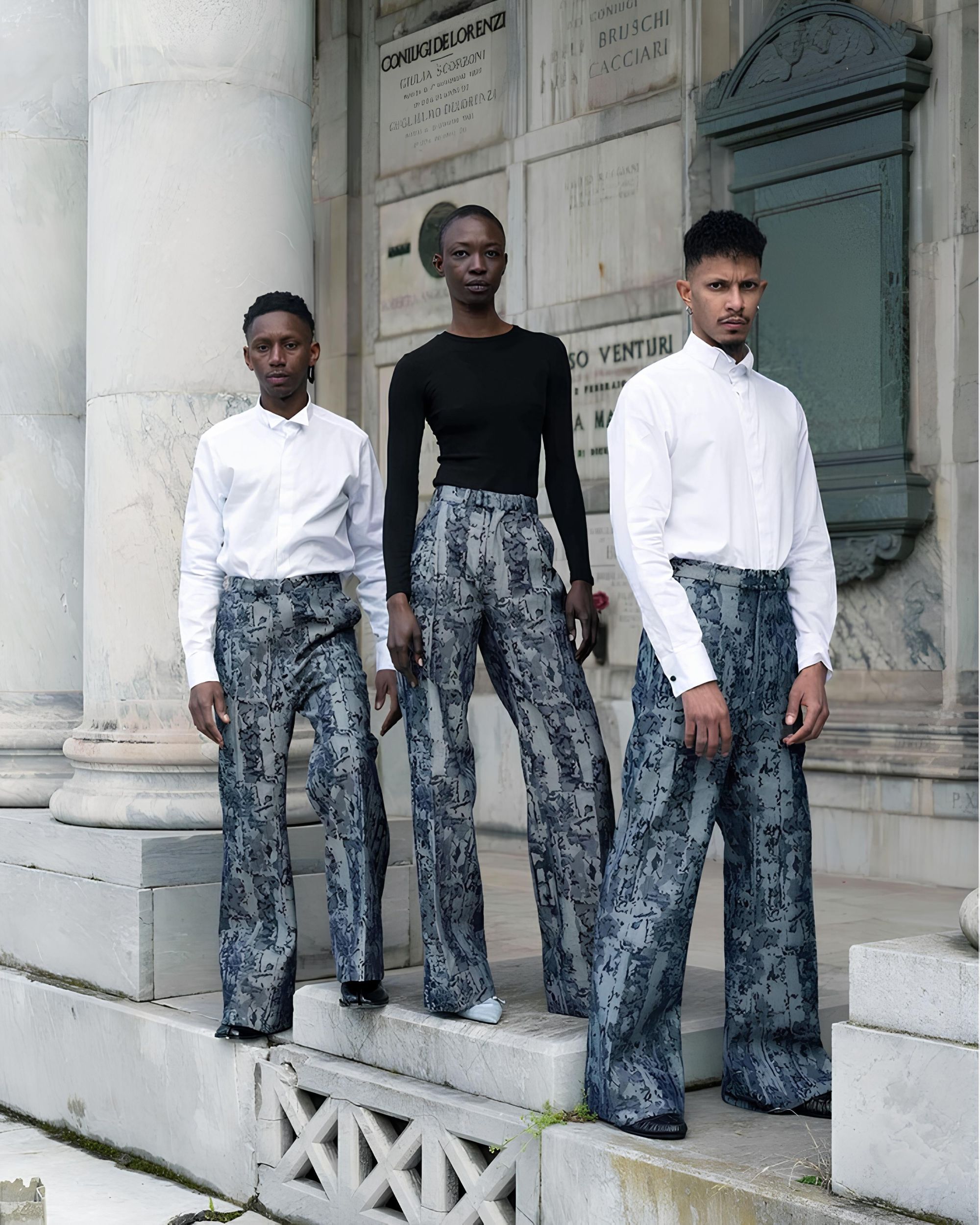
Among the most compelling projects supported in the latest edition of the Camera Moda Fashion Trust, Victor-Hart™️ stands out for a creative trajectory that blends independence, international vision, and a strong sense of stylistic discipline. A Ghanaian designer based in Bologna and specialized in denim craftsmanship, Victor-Hart™️ represents one of the most original voices of a new generation of creatives who, despite working outside the traditional hubs of Italian fashion, are steadily gaining visibility and recognition within Milan Fashion Week. The central theme running through Hart’s work is the idea of intentionality in fashion. This sense of purpose shapes not only his design practice but also the garments themselves. It offers a counterpoint to the overt commercialism of institutional fashion, where that sense of direction is increasingly being lost.
For our first newsletter, which every start of the month focuses on giving space to insider perspectives within the fashion industry, we asked Victor-Hart™️ to share his thoughts on what it means to be a designer in 2025. At a time when sustainability, cultural identity, and the balance between tradition and innovation are reshaping the industry, his experience offers a conscious fashion model. It is grounded in material culture while opening up new expressive possibilities that may serve as a much-needed response to the challenges facing the fashion system today.
Fashion today is overflowing with viral designers, people who get attention online but lack the real knowledge and purpose behind design. I see this everywhere: aesthetics that catch the eye but have no depth, no craft. I’m not part of that. I stand for something different. I believe in great craftsmanship. While online critics often dismiss my garments as too simple, those who actually wear them understand something deeper happens. There's a transformation that can't be captured in a photo. My clothes might look minimal, but they have weight, presence, and a way of shifting how you see yourself. That’s because great craftsmanship, even in its quietest form, goes beyond surface. It touches something personal. The truth is, many people today haven’t developed their taste for quality. Instead, they relate to what’s loud, quick, and marketable—designers who scream identity without building it. I want to be a designer who cares about the work. I’m interested in the process of making, of constructing something that has purpose. Fashion, to me, should offer a new way of seeing. It should solve problems, even if it’s something as simple as the placement of a pocket. Viral gimmicks don’t build lasting design. They confuse the industry and blur the difference between creators and performers. Everyone printing t-shirts suddenly wants to be a designer, but they don’t understand cut, structure, or why certain things are made the way they are.
For our first newsletter, which every start of the month focuses on giving space to insider perspectives within the fashion industry, we asked Victor-Hart™️ to share his thoughts on what it means to be a designer in 2025. At a time when sustainability, cultural identity, and the balance between tradition and innovation are reshaping the industry, his experience offers a conscious fashion model. It is grounded in material culture while opening up new expressive possibilities that may serve as a much-needed response to the challenges facing the fashion system today.
Fashion today is overflowing with viral designers, people who get attention online but lack the real knowledge and purpose behind design. I see this everywhere: aesthetics that catch the eye but have no depth, no craft. I’m not part of that. I stand for something different. I believe in great craftsmanship. While online critics often dismiss my garments as too simple, those who actually wear them understand something deeper happens. There's a transformation that can't be captured in a photo. My clothes might look minimal, but they have weight, presence, and a way of shifting how you see yourself. That’s because great craftsmanship, even in its quietest form, goes beyond surface. It touches something personal. The truth is, many people today haven’t developed their taste for quality. Instead, they relate to what’s loud, quick, and marketable—designers who scream identity without building it. I want to be a designer who cares about the work. I’m interested in the process of making, of constructing something that has purpose. Fashion, to me, should offer a new way of seeing. It should solve problems, even if it’s something as simple as the placement of a pocket. Viral gimmicks don’t build lasting design. They confuse the industry and blur the difference between creators and performers. Everyone printing t-shirts suddenly wants to be a designer, but they don’t understand cut, structure, or why certain things are made the way they are.
In 2025, fashion is clearly shifting. It’s no longer just about silhouette or what’s trendy. Today, design needs to mean something. Whether it’s sustainability, inclusivity, cultural storytelling, or innovation, the strongest fashion today is intentional. That’s where I place my own work. I try to use my collections to explore identity and heritage. I don’t just reference culture, I live it, reflect on it, and use it to tell new stories. I think design should carry memory, presence, and something that connects to the future. I’ve always admired how some designers embed deeper values into their work - take Marine Serre, for example, transforming deadstock materials into something luxurious and conscious, fusing cultural memory with environmental urgency. I’m drawn to that kind of honesty. It’s not about chasing relevance but building it from the ground up. Cultural authenticity is now essential. Whether through diasporic creativity or direct collaboration with artisans, fashion is moving away from the surface. This movement toward honesty and depth also connects to the growing demand for sustainability. Young consumers are no longer impressed by greenwashing. They want real responsibility, recycled materials, ethical labor, garments that last. Circular fashion is now part of the everyday vocabulary, not an afterthought. Inclusivity too is finally becoming integral, not performative. Adaptive clothing, inclusive sizing, gender-neutral design, these aren’t extra features, they’re part of how we need to think from the start. Accessibility has become a creative strategy, not just a social checkbox.
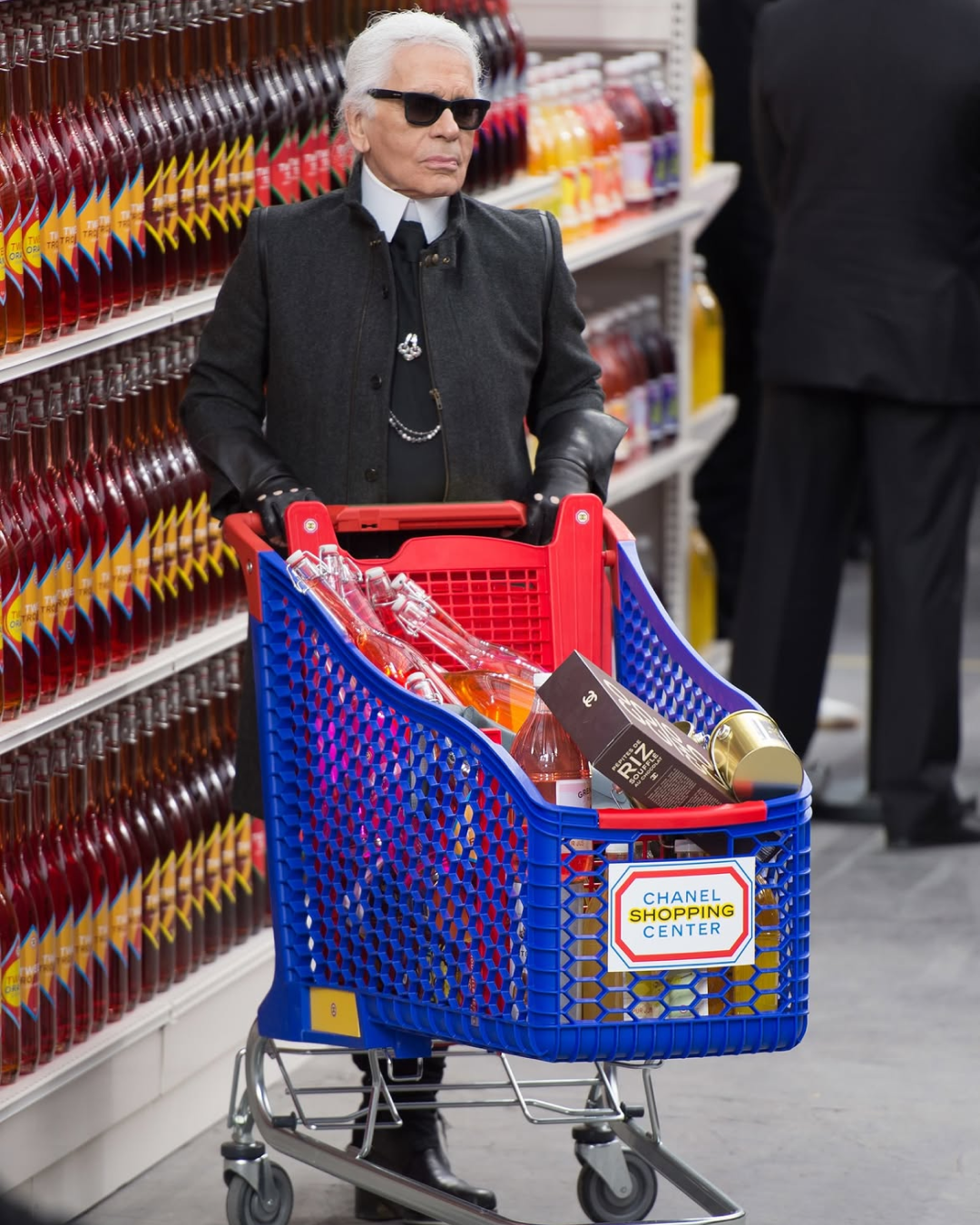
This evolution is shaping a new aesthetic: one that is minimal, precise, and designed for longevity. You can see it even in the shifts happening at major houses like Chanel or Valentino, where the focus is turning from flashy branding to something more emotional, more refined. At the same time, emerging designers are facing a confusing market, overwhelmed by trend-hopping and shallow branding. Many brands today rely on vague references, without any foundation or story behind what they make. This saturation has created a consumer who’s more confused than ever. But the truth is, the legacy houses have lasted because they’ve always had intention at the core. That’s what makes us trust them, their heritage isn’t aesthetic alone, it’s in the way they construct, think, and evolve. That’s what I believe emerging designers must carry forward. We need space and opportunity to build new identities with clear values. We need to rethink how brands are built—not just with moodboards and marketing, but with intention, process, and real ideas. As AI and digital shortcuts expand, the role of the designer must become even more human, more considered. The future doesn’t belong to those who chase the algorithm, but to those who bring purpose back into the work. That’s the kind of designer I want to be.