

































How liquid architecture is defining 2025 The future of design is ephemeral
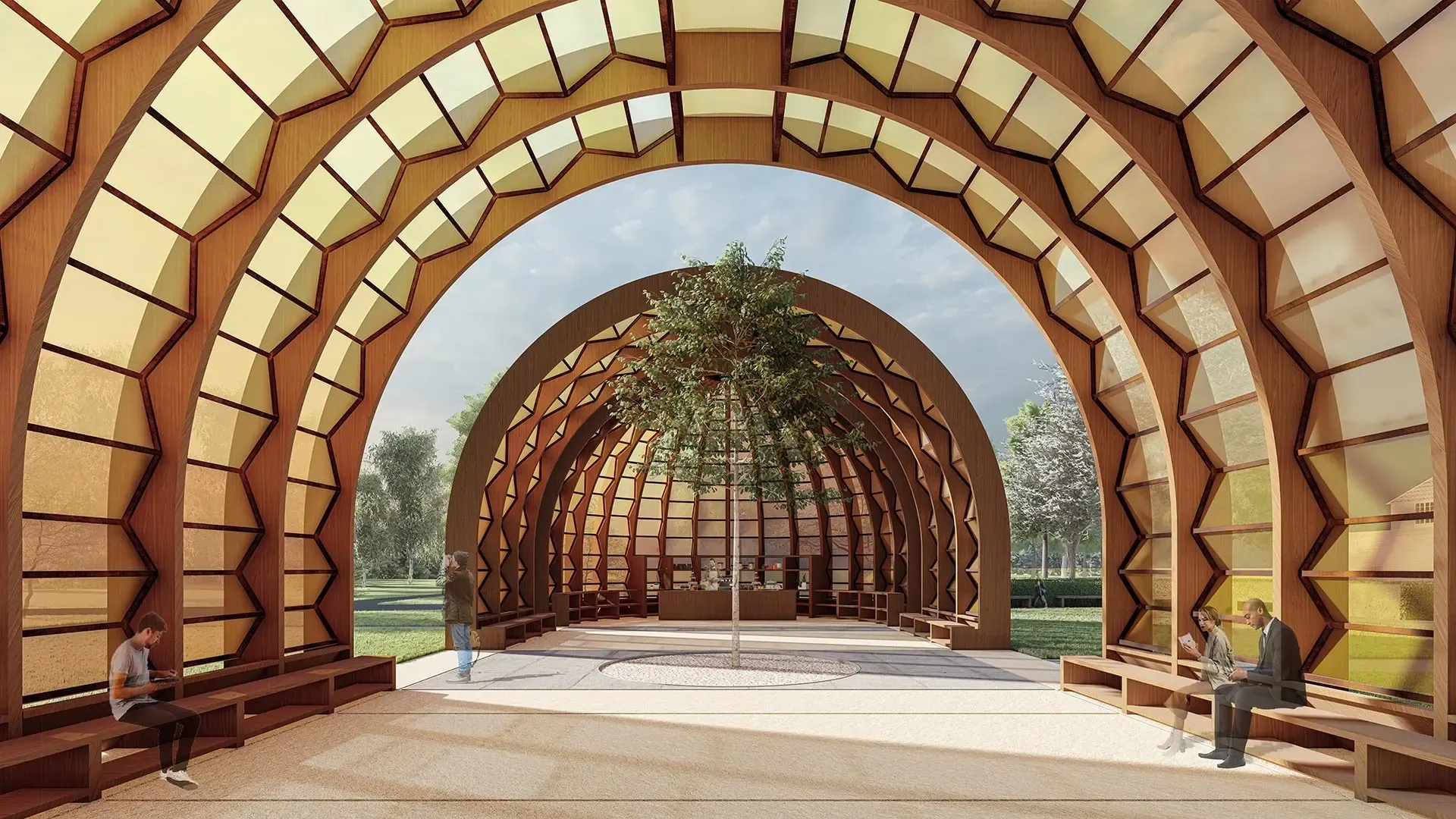
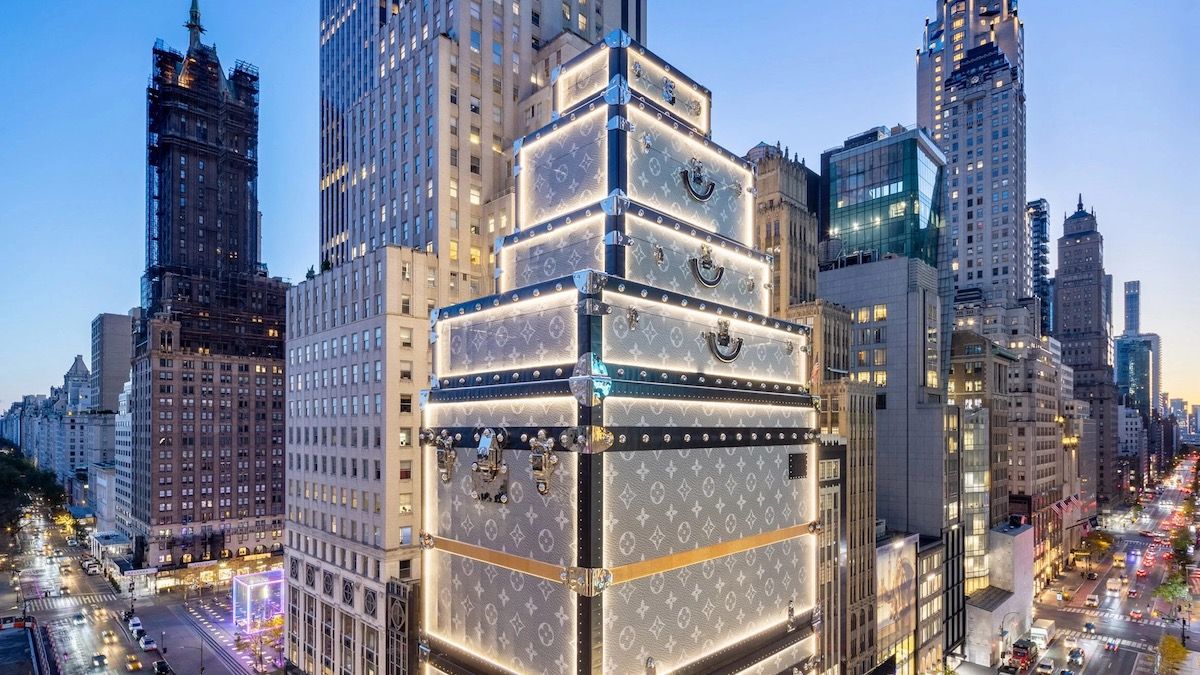
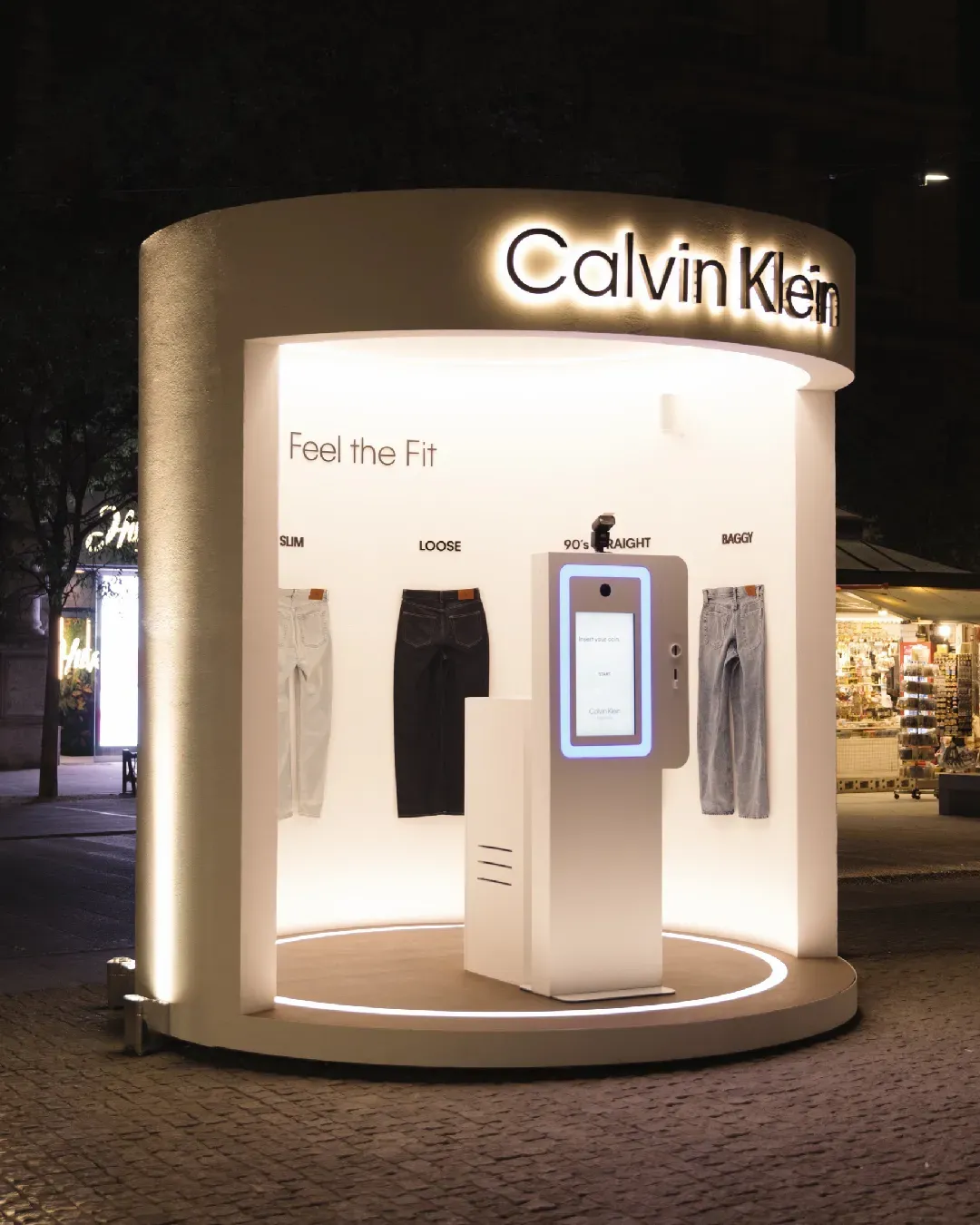
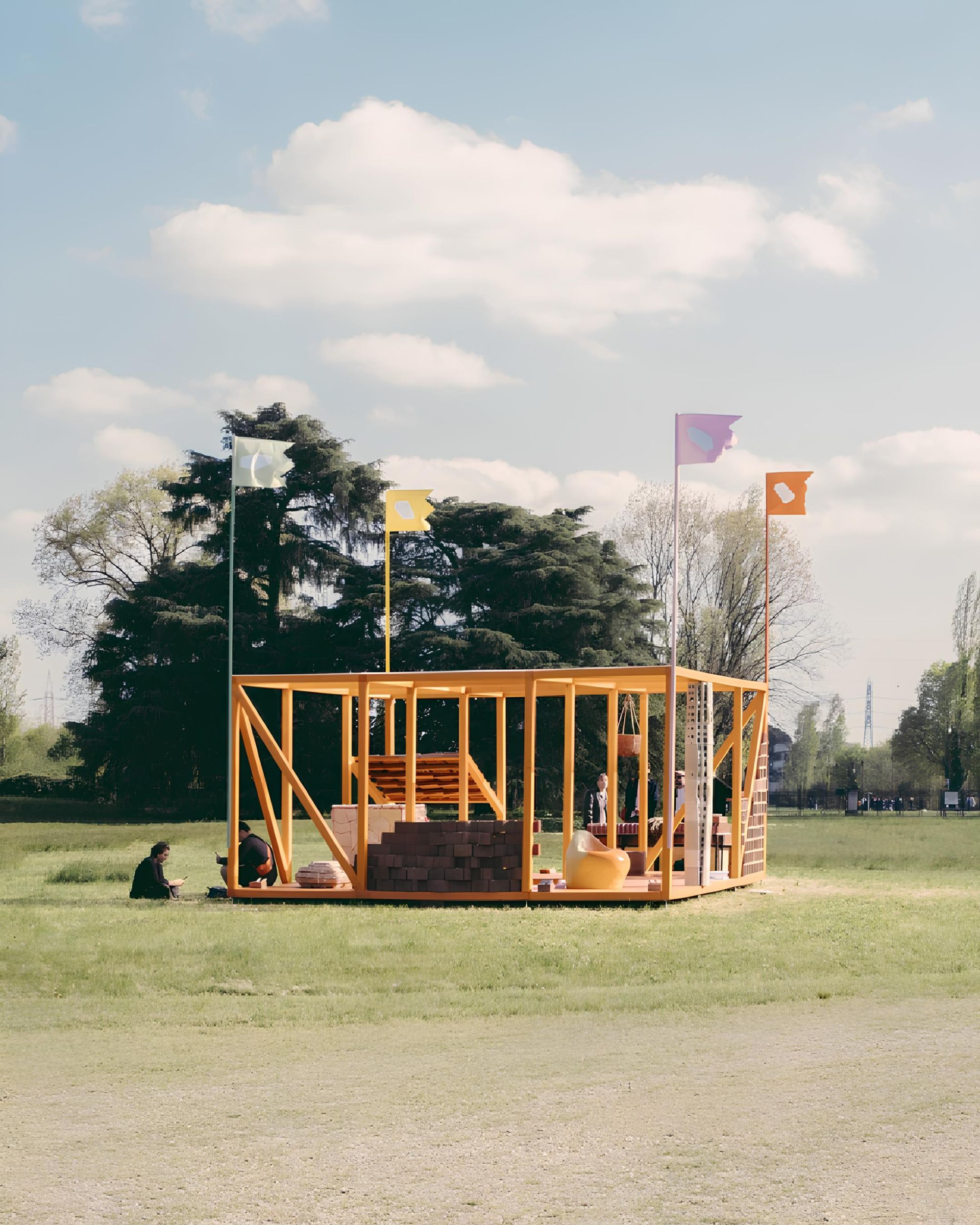
In 2025, between Salone del Mobile and Fuorisalone, over 300,000 visitors crossed the city, taking part in more than a thousand widespread events. The estimated economic impact exceeded 270 million euros, but the most interesting figure is not the financial one: it’s the proof that contemporary architecture no longer lives only in space, but in time. It is liquid, like our society. The term liquid architecture is not a recent invention. As early as the 1990s, theorist Marcos Novak used it to describe flexible and digital environments in continuous transformation. Today that concept has become physical, urban, and perfectly aligned with our way of inhabiting cities: in a transitory, modular, reversible way. Its appeal is deeply psychological: liquid architectures are not built to last, but to fuel a sense of urgency, the FOMO generated by the exclusivity of the experience. Pop-up pavilions, immersive spaces, ephemeral flagship stores, itinerant installations - everything revolves around a simple idea: design the experience, not the permanence.
Design Week as an example
Milan is the European capital of liquid architecture, a laboratory where the post-pandemic uncertainty about urban spaces has turned into necessity and experimentation. During Design Week, the city becomes a network of temporary spaces, true examples of the concept of temporary urbanism: architecture that reactivates neighborhoods, former factories, and abandoned areas. Alcova 2025, for instance, brought design to the former industrial areas of SNIA and to the greenhouses of Varedo: two normally invisible places that, for ten days, became the beating heart of contemporary creativity. BASE Milano, with its We Will Design program, instead transformed a former factory into a living laboratory, where students, artists, and designers coexist to generate new forms of temporary community. In this sense, Milan is a global case study: a city that experiments on itself every year with a temporary urban model, where architecture behaves like software - updating, installing, and uninstalling itself.
Detachable design in Milan and around the world
@ludovica.tomasoni Il programma completo: Tram di Swarovski, previa registrazione si può fare colazione con la patisserie di Swarovski Cafè o assistere ad un workshop floreale il pomeriggio, vi verrà poi dato un voucher da presentare in negozio per avere un bouquet di fiori, il tram parte da Piazza Fontana. Via Spiga, per ammirare gli addobbi di Ralph Lauren e fermarsi a prendere una bevanda calda/ fredda. Portrait Milano in corso Venezia 11, da vedere un'installazione artistica interattiva e robotica tra Audi e Studio Drift. Via Durini promuove l'eccellenza del design in città, qui si possono ammirare le novità 2025 negli showroom dei brand più importanti di design. Università Statale in via Festa del Perdono, ci sono decine di installazioni tra design, architettura e creatività, tempo stimato 1h per vedere bene tutto. Library of Light in Pinacoteca di Brera, i libri come bussola della mente, scultura luminosa e rotante che di giorno riflette la luce e di sera illumina creano giochi d'ombra con il cortile. Ikea in via Vigevano 18, presenta la nuova collezione e offre un programma variegato dal giorno tra laboratori, food e workshop fino alla sera con giochi e musica. Godetevela! #milano #milan #designweek #designweek2025 #fuorisalone #fuorisalone2025 suono originale - Ludovica Tomasoni
Behind the lightness of the concept, liquid architecture moves heavy numbers and logics. The figures from Design Week prove it: over 2,000 exhibitors from 37 countries, 300,000 visitors, and an economic impact exceeding 270 million euros (source: Confcommercio). But what matters most is the ability of these architectures to turn the immaterial into value: communication, identity, narrative. A pavilion lasting ten days can generate more content, interactions, and collaborations than a permanent building. It’s the logic of the event as cultural infrastructure: an ecosystem that brings together brands, institutions, designers, and the public around a collective experience.
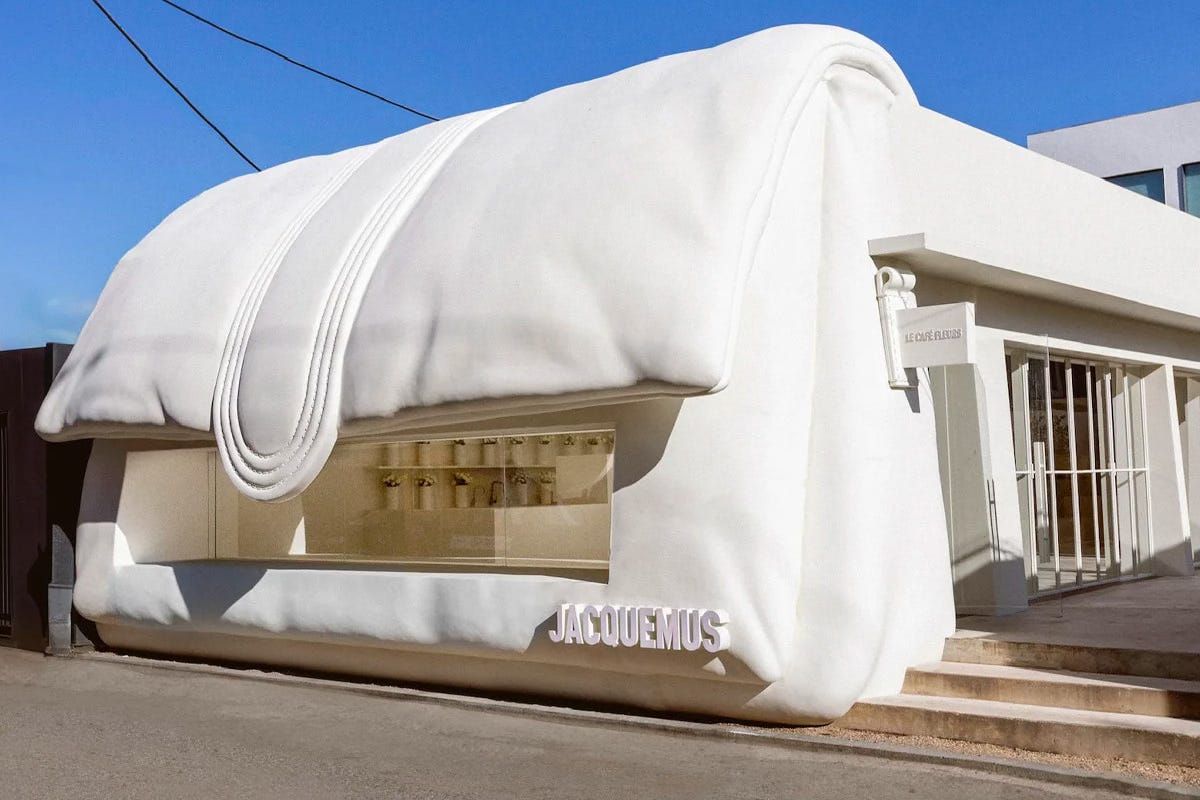
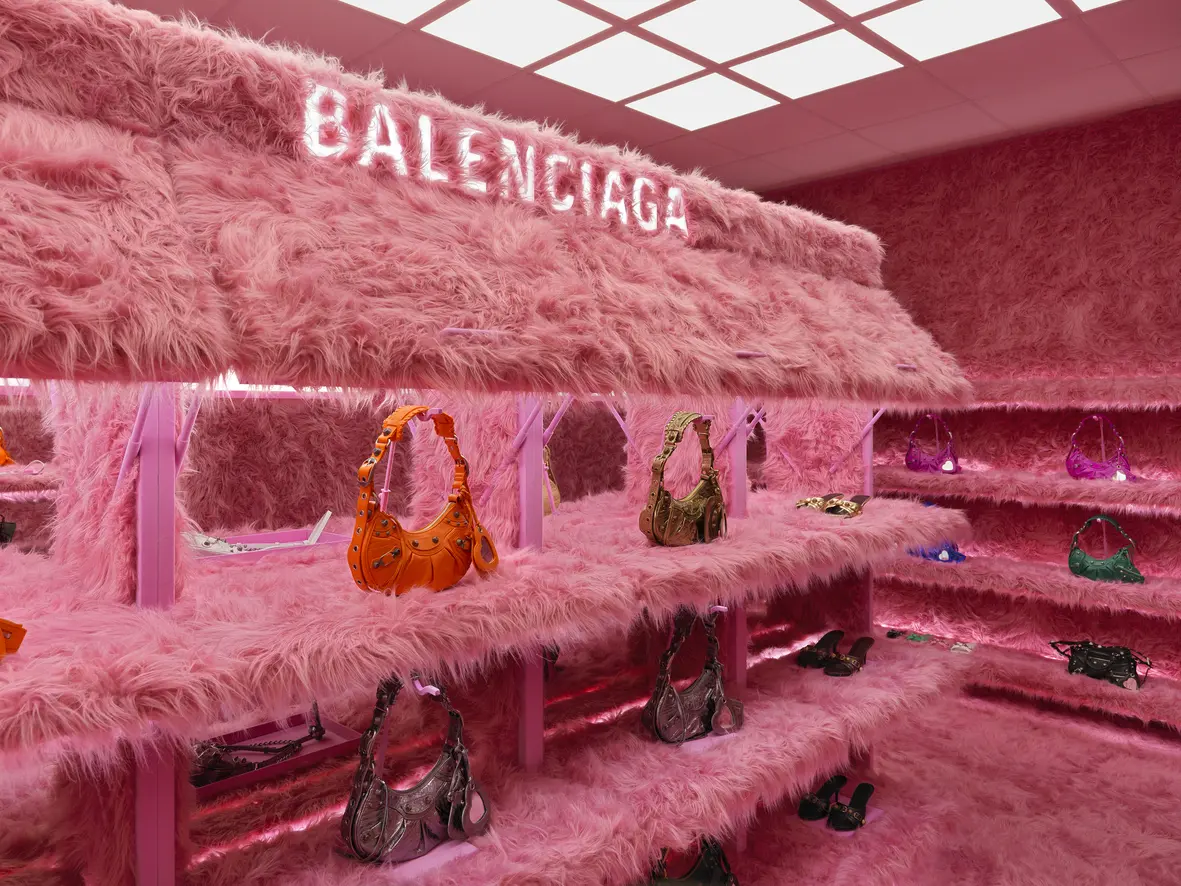
Liquid architecture is not only Italian. One example is the Serpentine Pavilion 2024, designed by Marina Tabassum in Kensington Gardens, London — a kinetic and dismantlable structure that behaves like a living organism. The same principle can be found in the temporary flagship stores of globally renowned fashion brands such as Louis Vuitton, Jacquemus, or Balenciaga — buildings created to disappear, where time becomes part of the design. In music, another example comes from Travis Scott’s portable backstage designed by Rick Owens.
The waste of liquid architecture
But all this lightness comes at a cost: assembling and disassembling, transporting materials, and powering short-lived events generates a significant environmental footprint. According to some studies by the Politecnico di Milano, temporary events can produce up to three times more waste than permanent spaces of the same size. The risk is to create a new form of aesthetic waste merely for the sake of producing Instagrammable buildings. This awareness is redefining the role of the designer, who must now design for disassembly and reusability. There are also virtuous practices: Alcova has introduced a protocol for the full reuse of materials, and more and more studios are adopting modular and reusable structures capable of traveling from one event to another, turning the supply chain into a reuse chain. Liquid architecture works when it leaves a trace, whether social, cultural, or design-related. When a pavilion becomes a prototype, an installation turns into a public space, or a setup generates a new way of thinking about the city. After all, turning the ephemeral into legacy is precisely the challenge of our time. Milan, with its ability to reinvent itself every year, proves that architecture does not have to last forever to be meaningful. It just needs to, even for an instant, change the way we see the world.
What to read next
This flagship market in Paris's 3rd arrondissement decimated by flames
Nothing remains of Paris's oldest market