.gif 2000w)

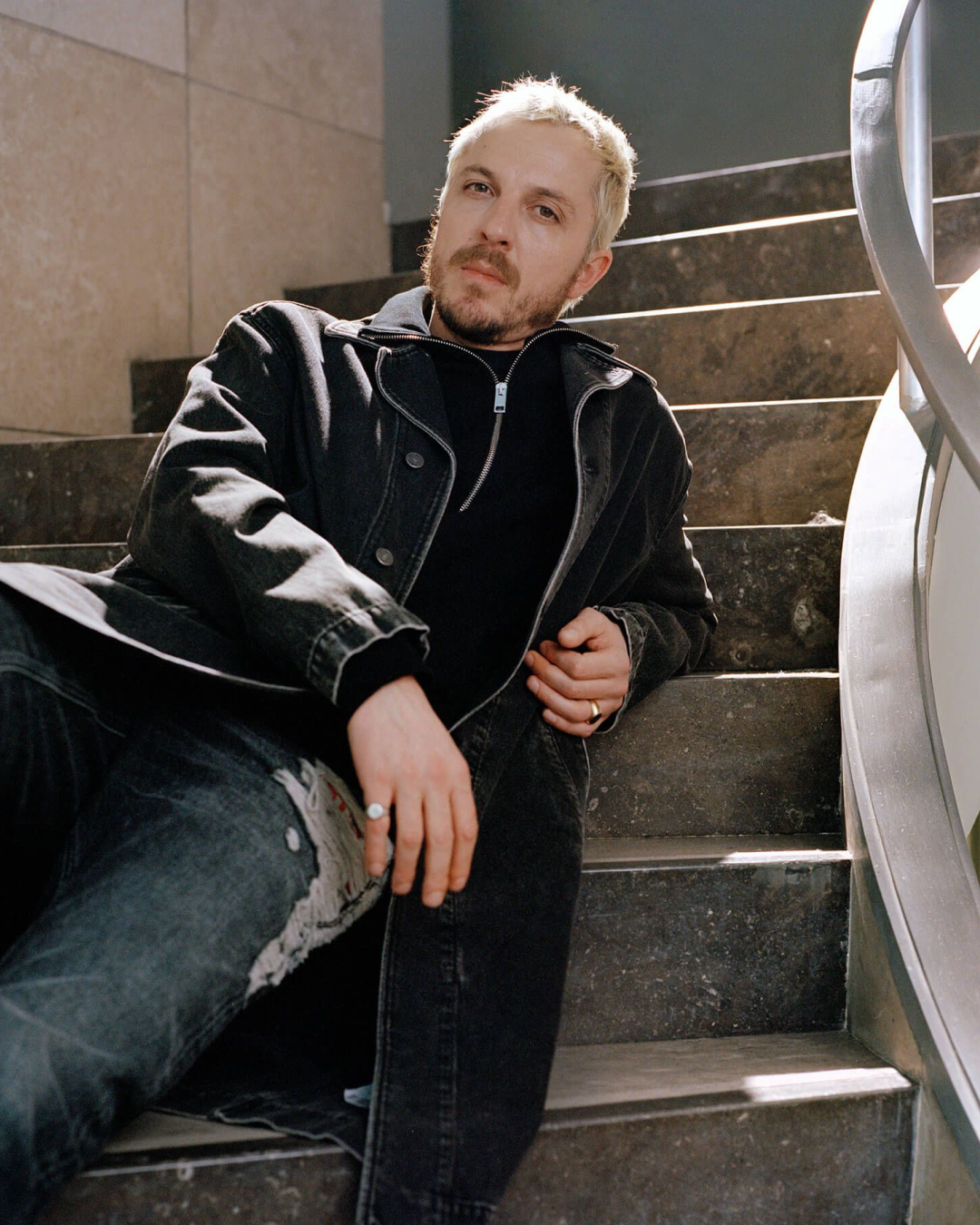

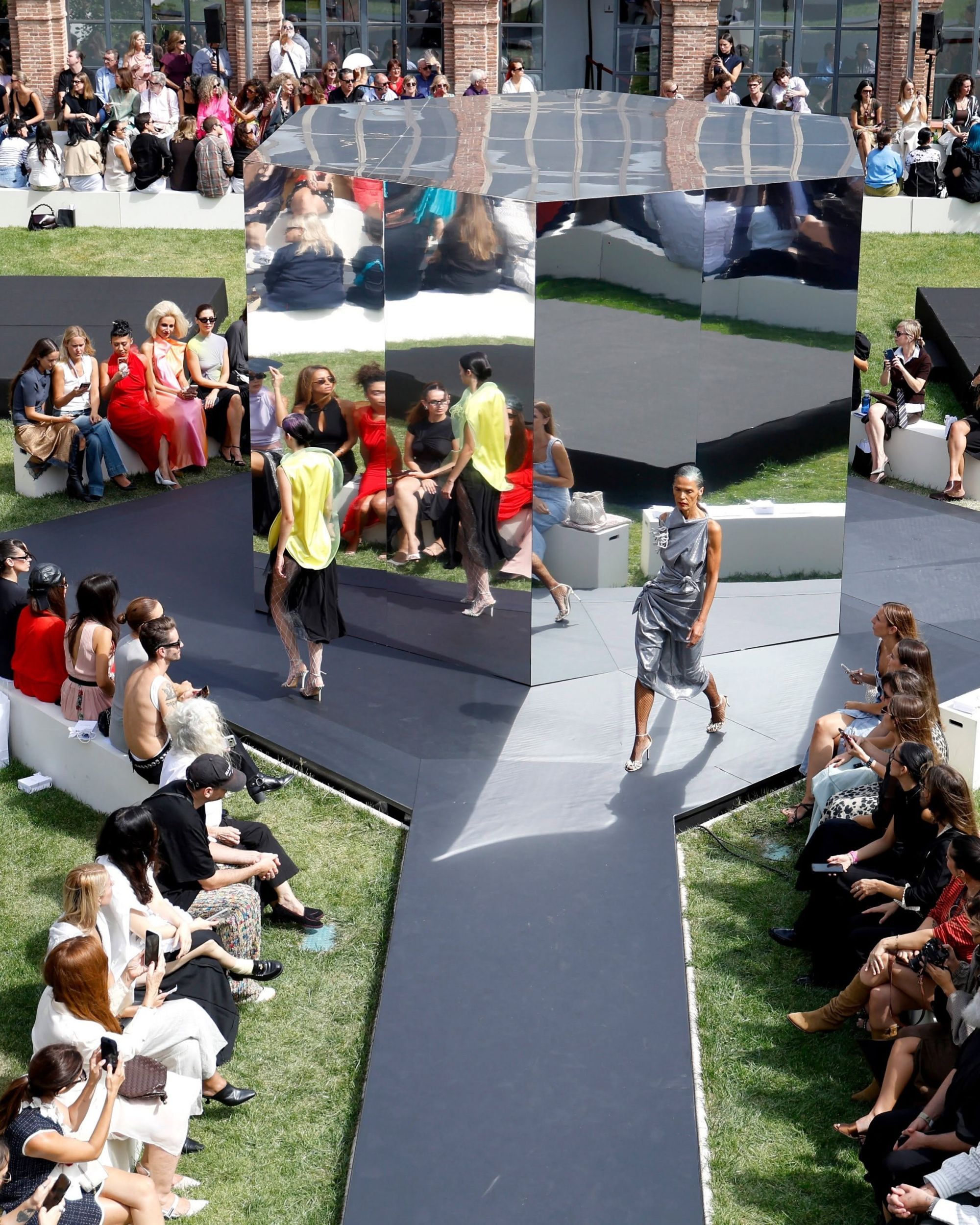

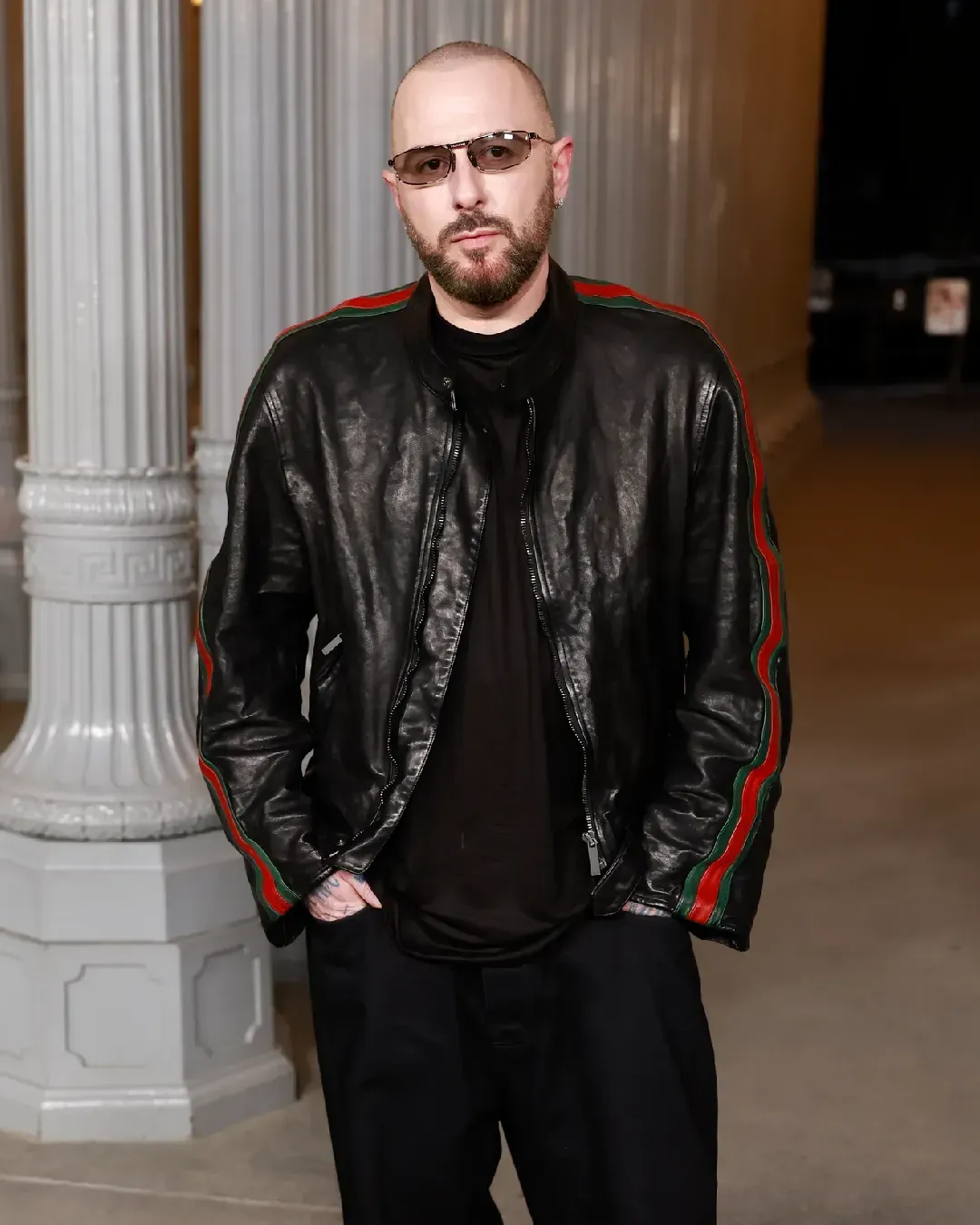
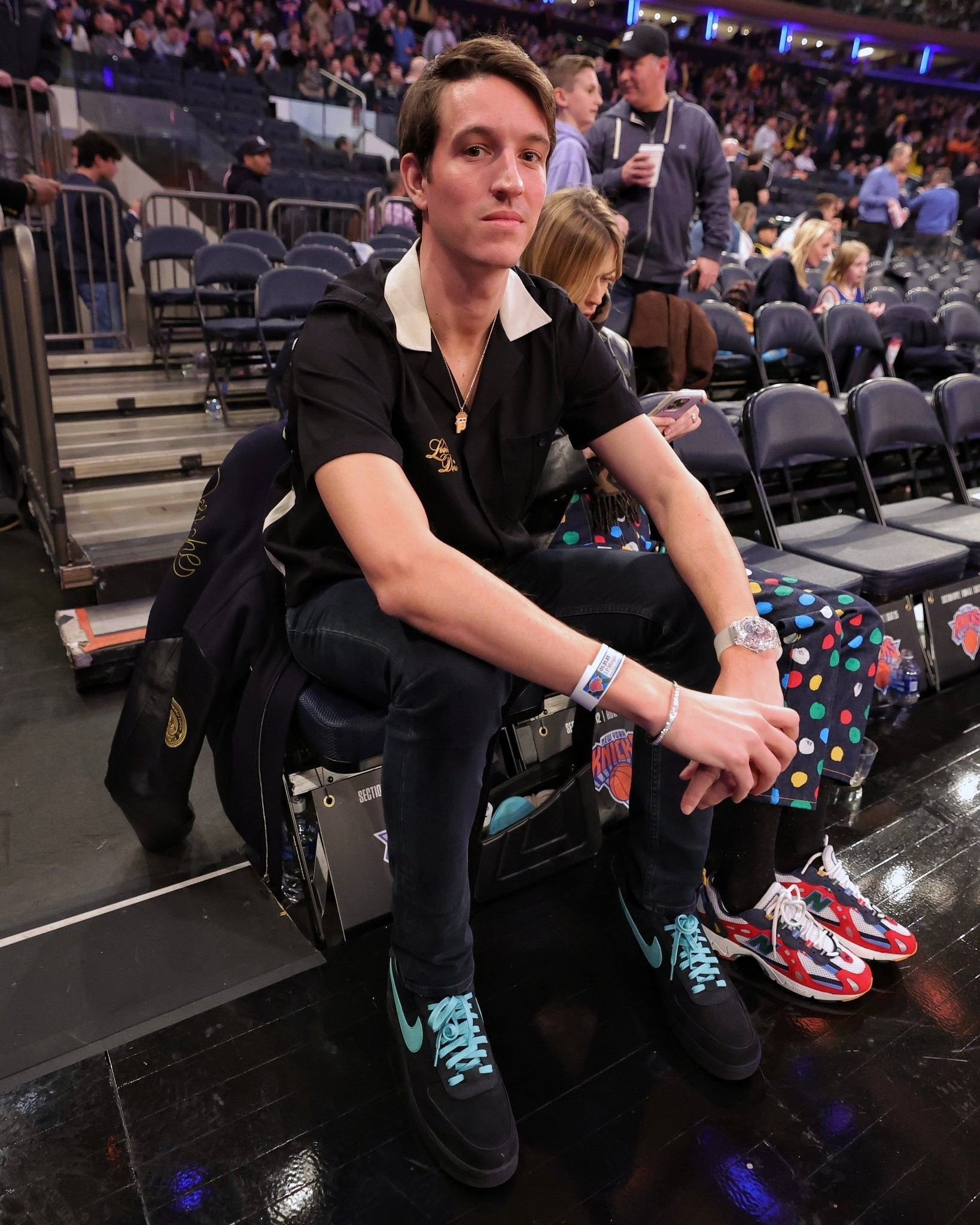


























Have cargo pants reached their last stage of evolution? Military, oversized, skinny, now they're just plain weird
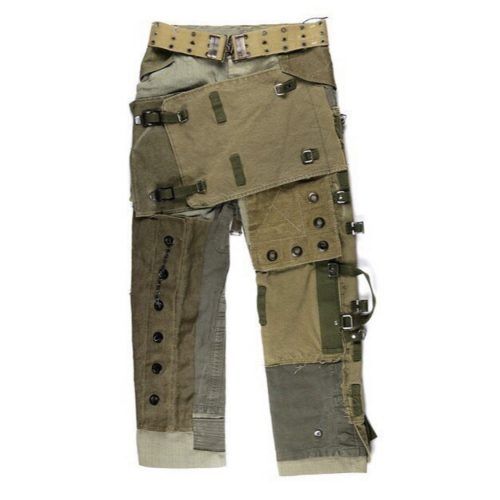
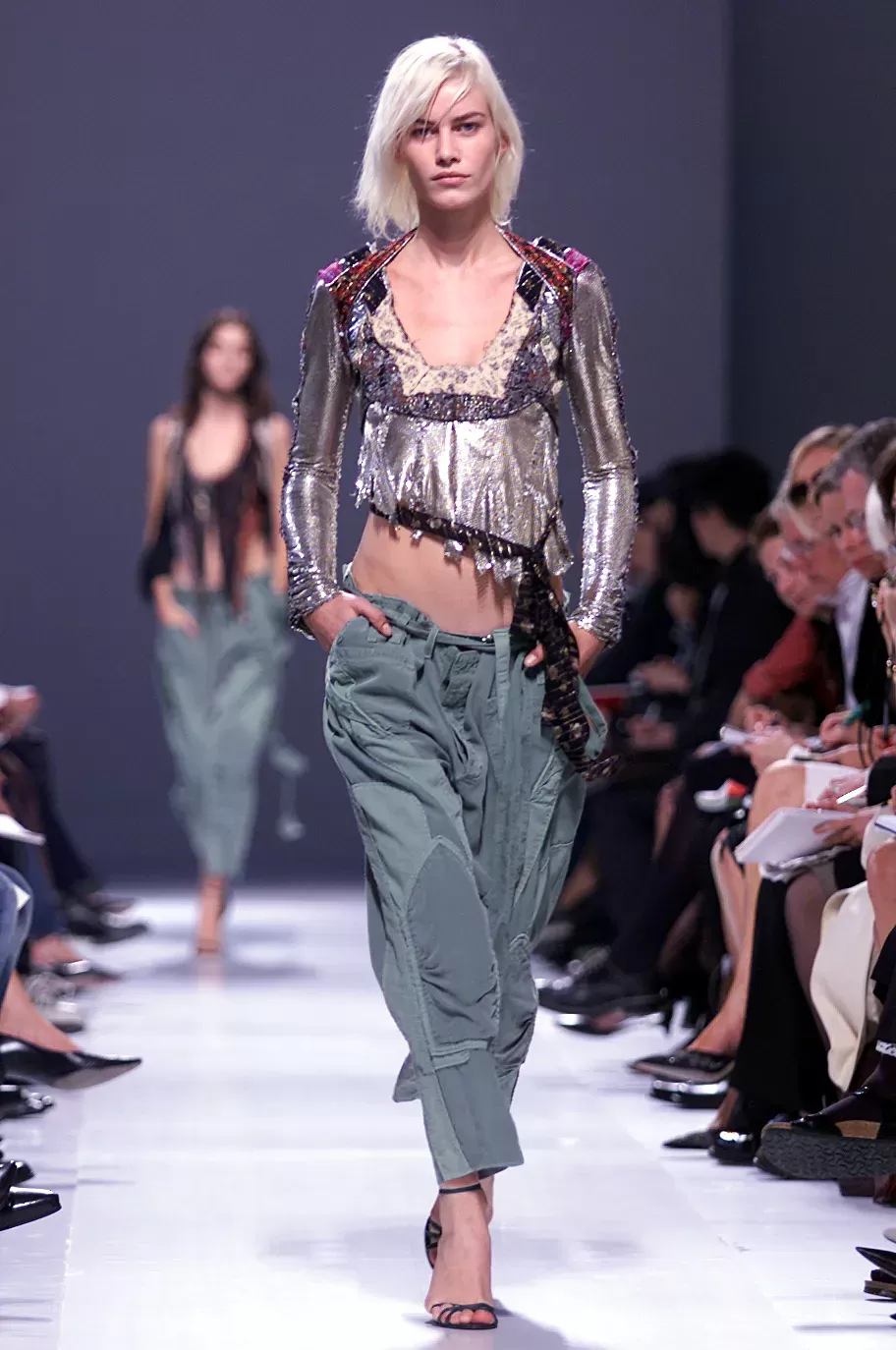
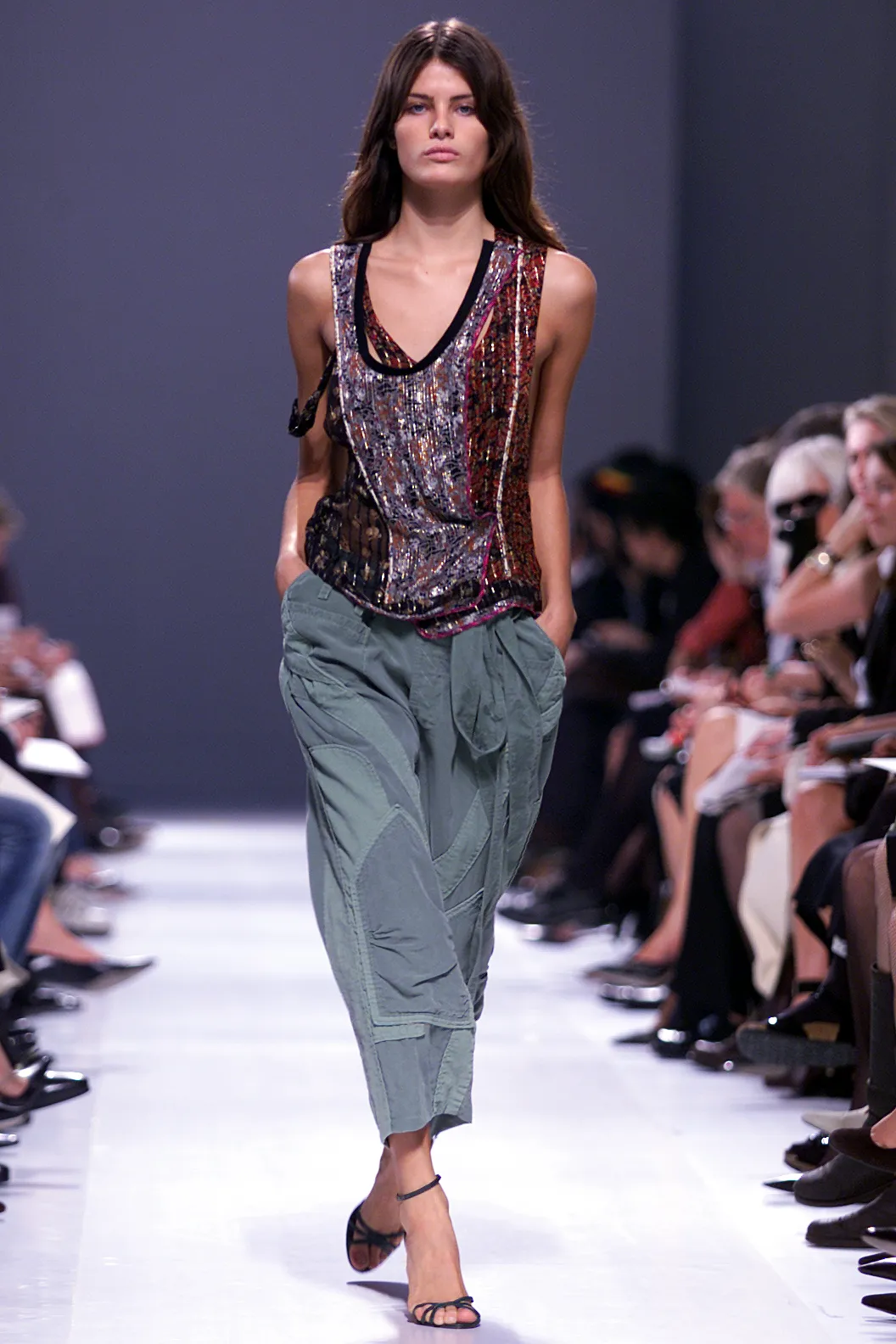
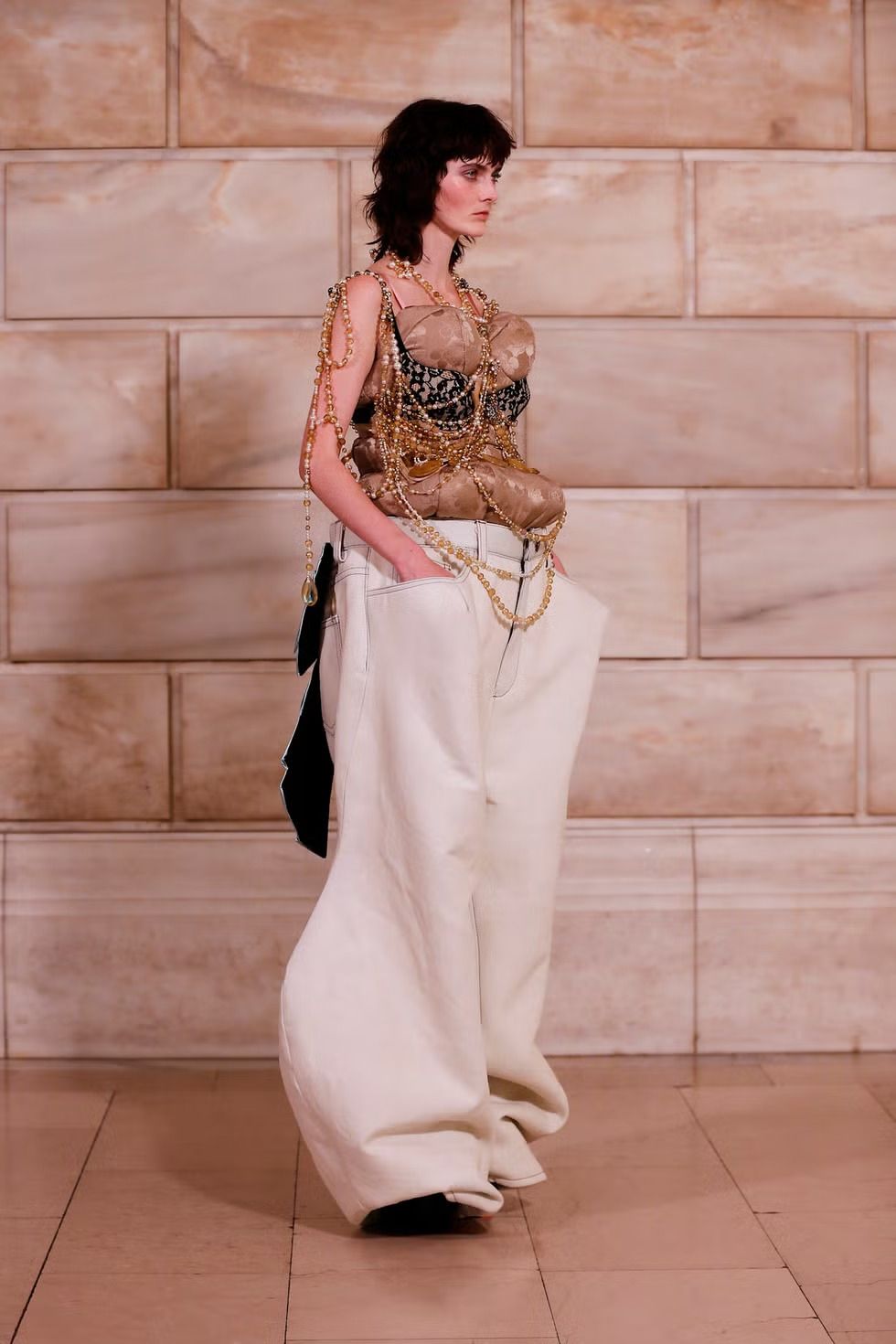
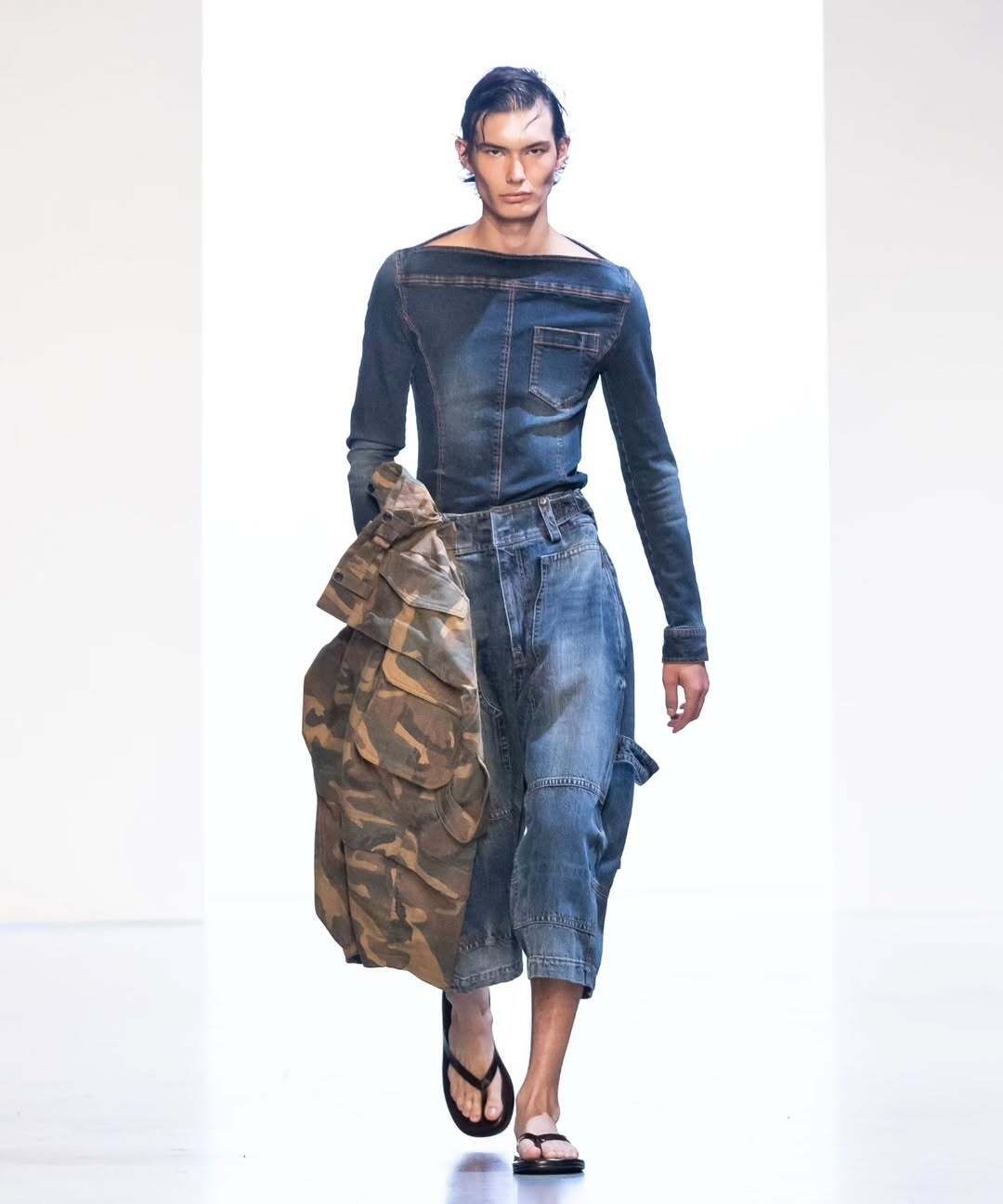
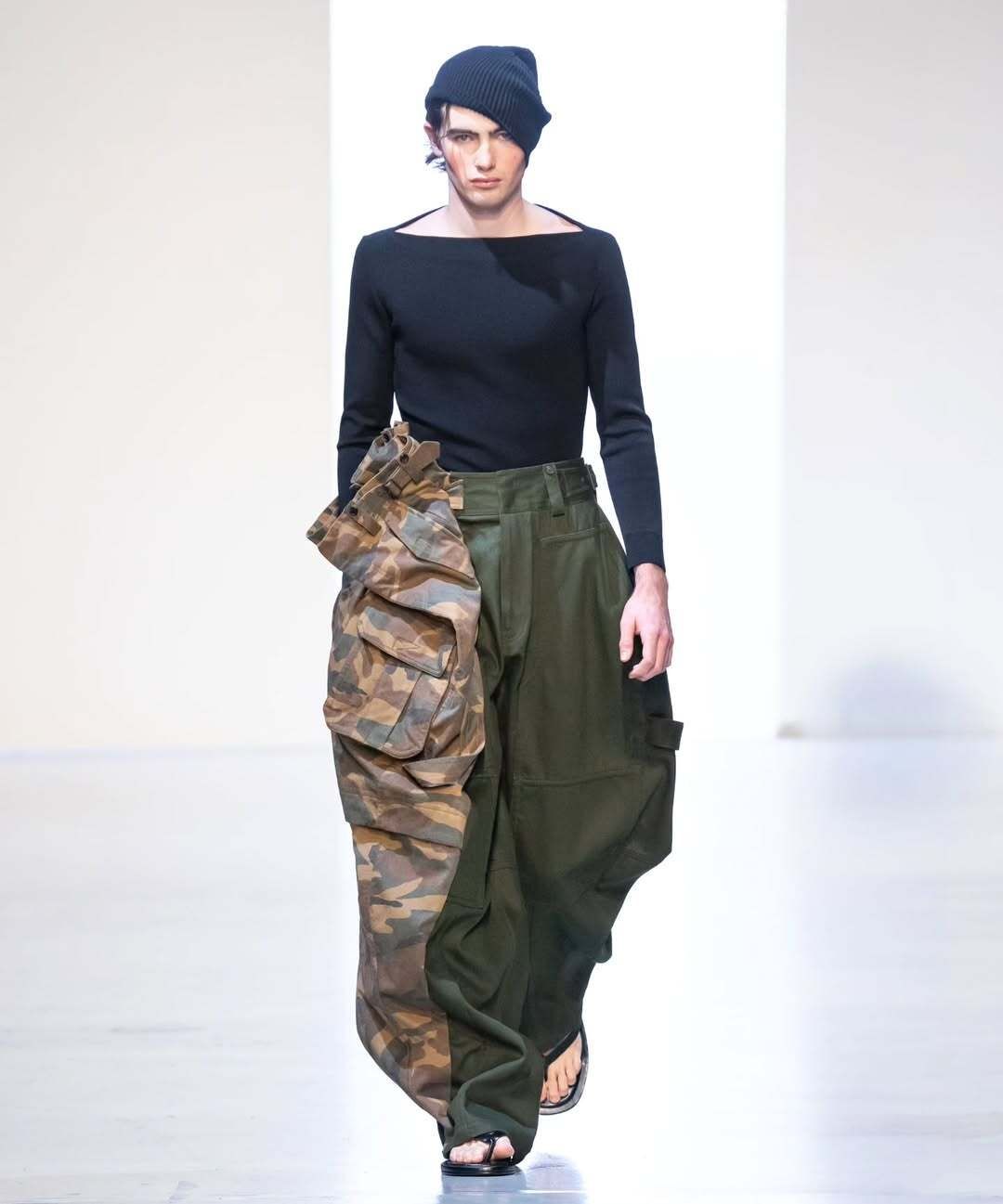
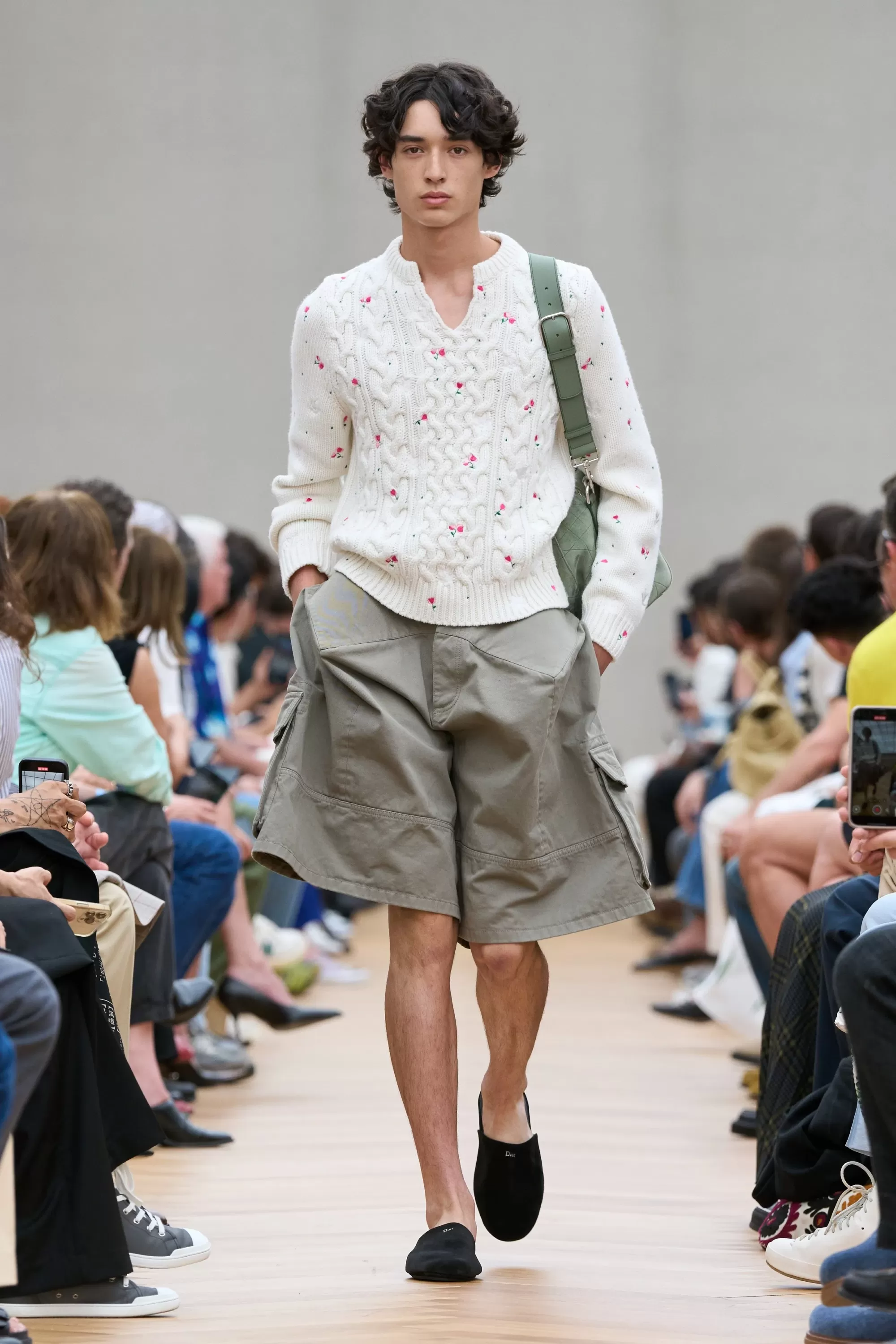
The history of cargo pants is nearly a century old. Born in the late 1930s in British barracks, they were conceived out of necessity and consequently established themselves in the wardrobes of every cis-hetero American man. The garment has managed to cross geographies, generations, eras, and different subcultures, appealing to dad-core tastes as much as to hip hop, punk, trashcore, and Y2K. Today, well into the new millennium, the silhouette of cargo pants takes on a completely different form: after being transformed into skinny jeans in the 2010s, in 2025 cargos are fashionable in every possible way – in fact, the weirder, the better. Many designers wanted to reinterpret cargo pants this summer during the latest Fashion Weeks, perhaps precisely because they represent a basic garment that once held a rather conservative meaning, but now corresponds to no ideology. From war to luxury, from the suitcases of American tourists to the trendiest streets of Seoul, today they mean everything and nothing at all – and that’s exactly what makes them great.
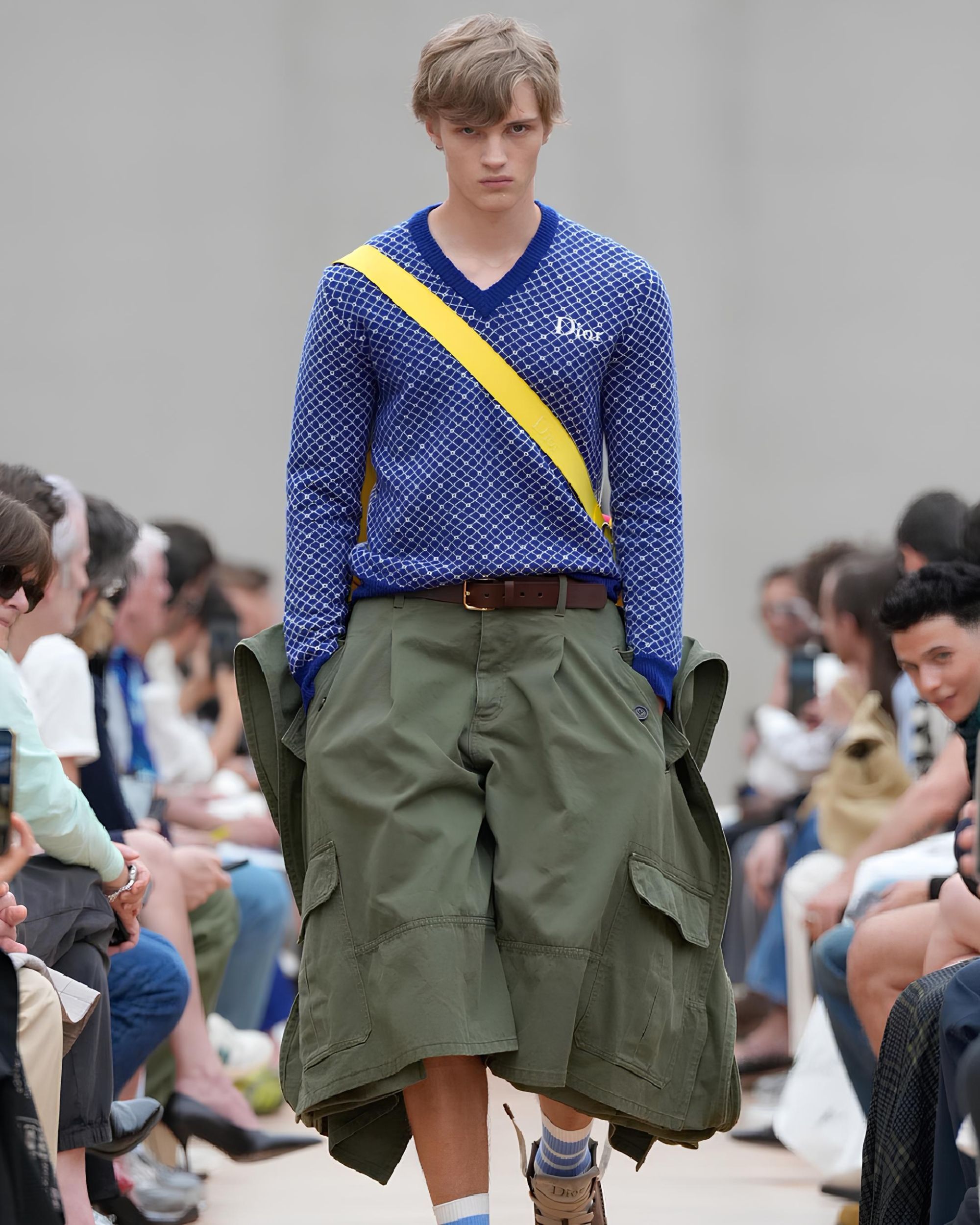
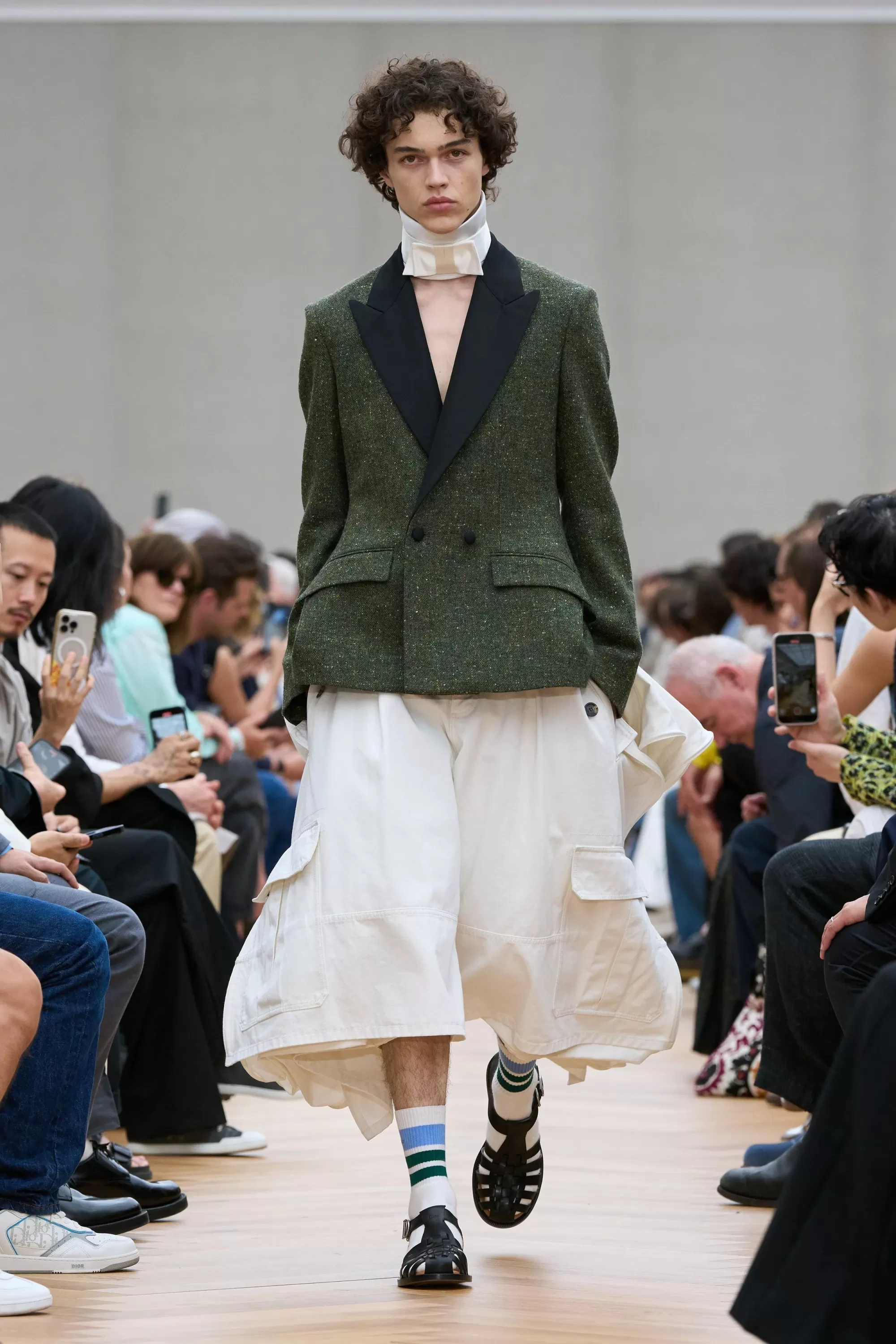
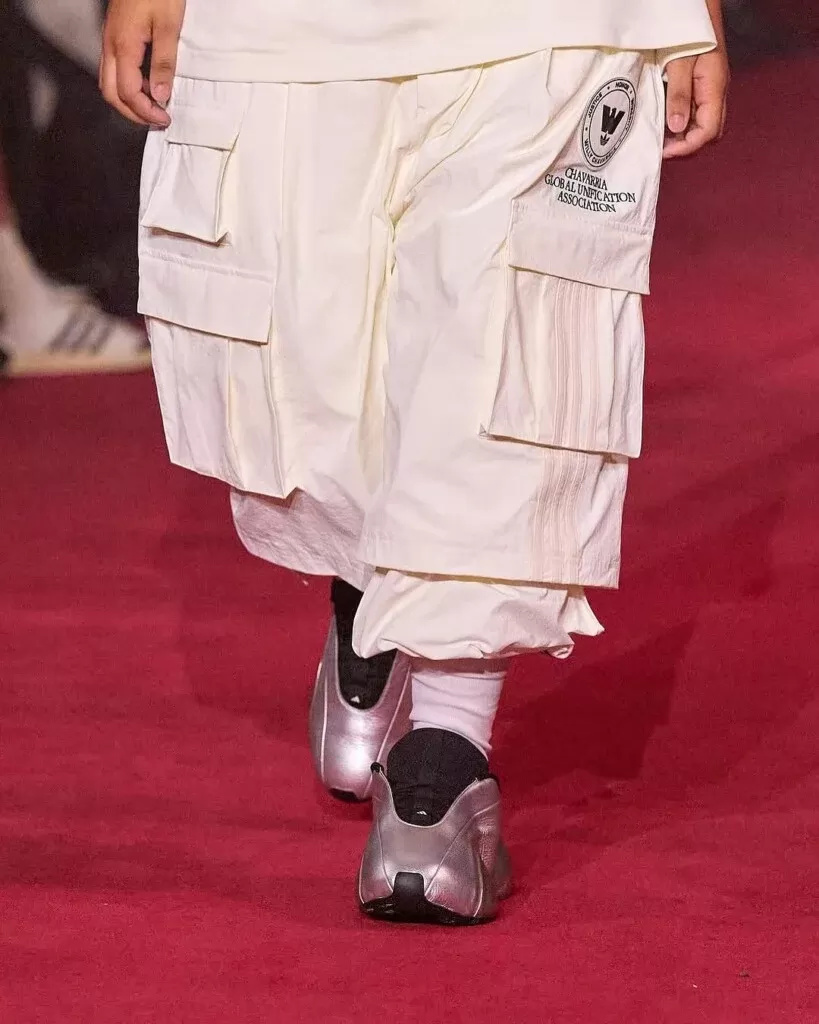
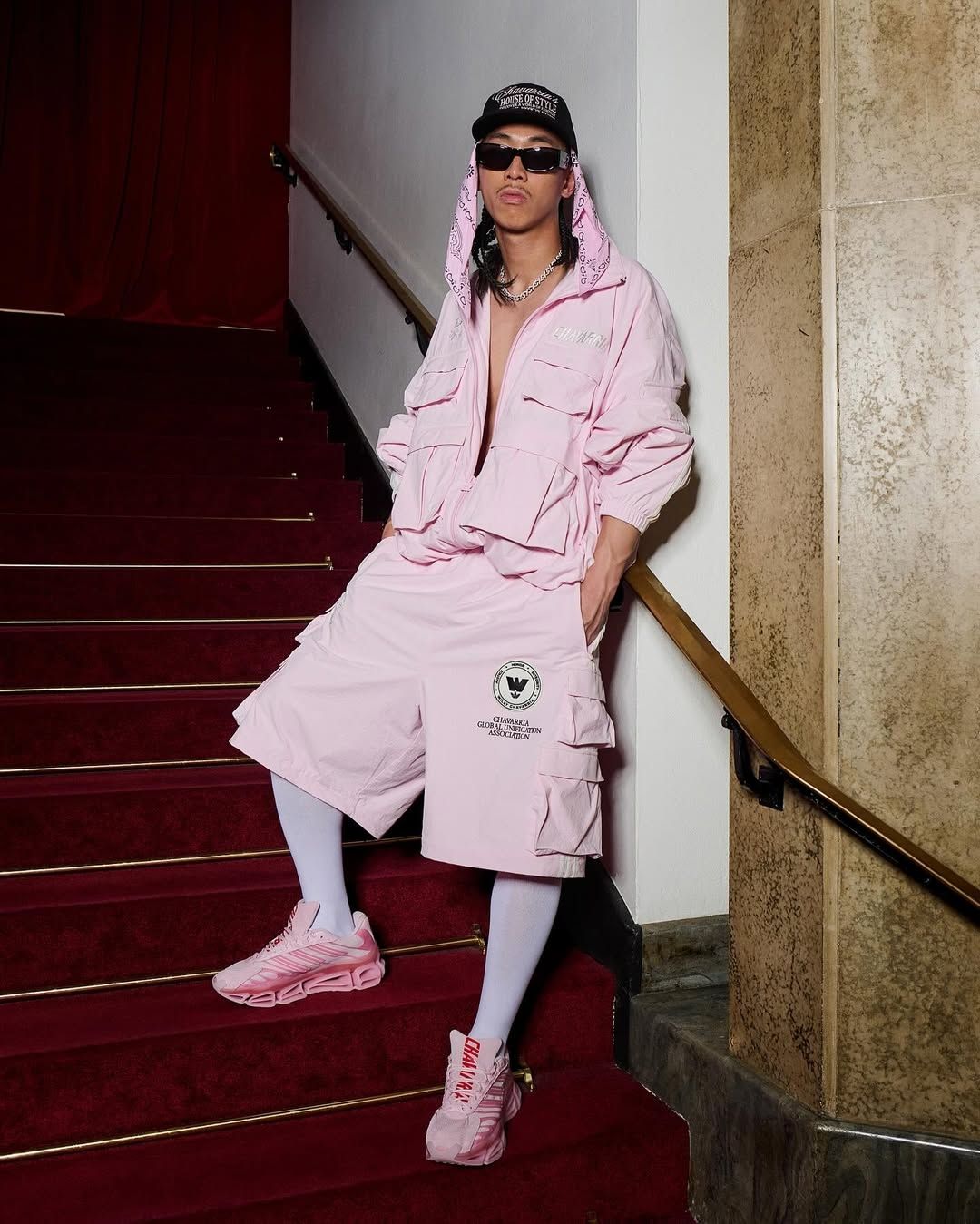
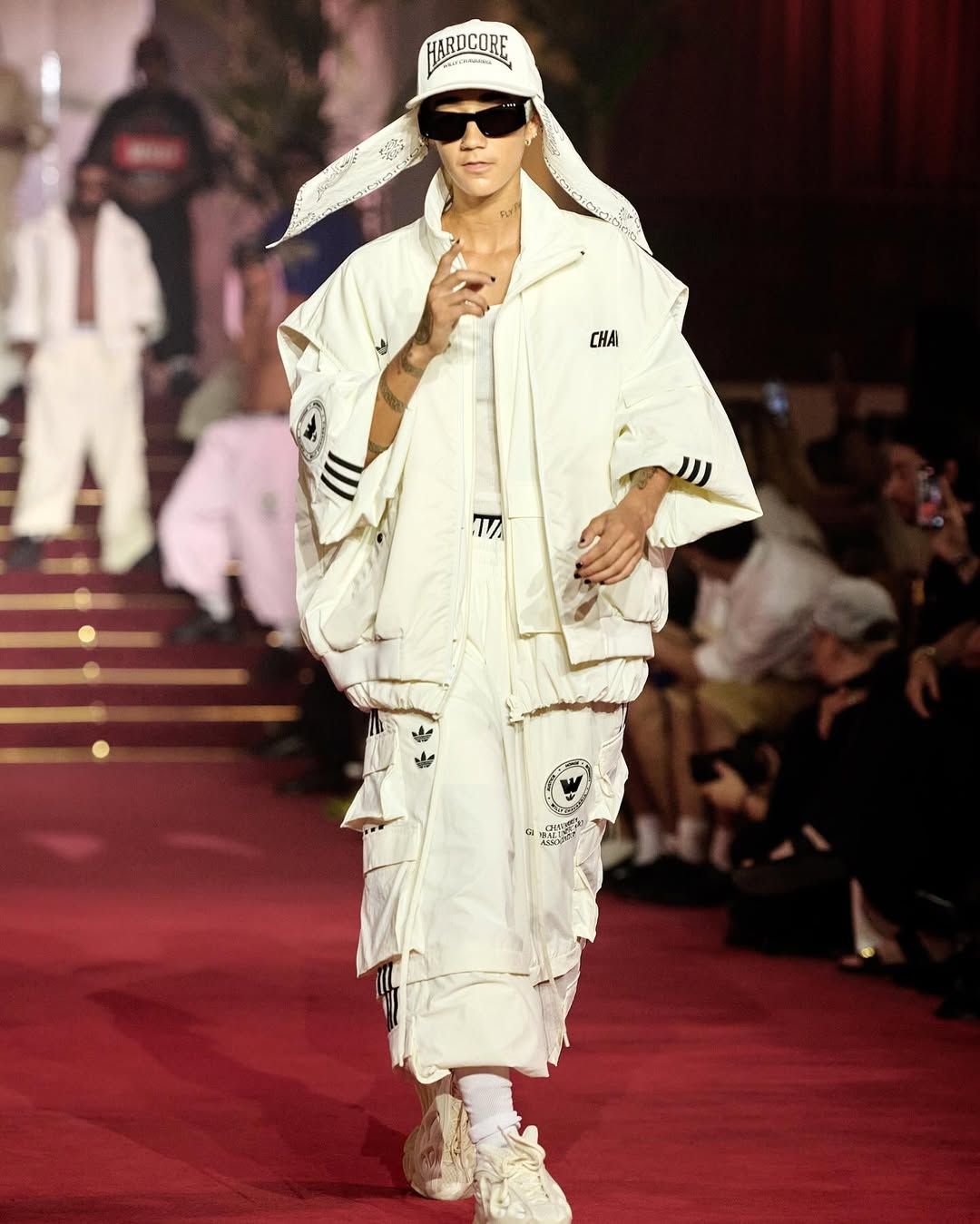
Like a t-shirt, cargo pants represent a blank canvas to start from. That’s how it worked for Jonathan Anderson, who made ample use of the garment in his first collection for Dior Men. This summer, the designer's debut show for the maison fused classic Christian Dior elements, like the haute couture evening dress of 1947, Delft, with archetypes of new millennium street style, resulting in pants with large pockets folded over themselves like an accordion. Or take Willy Chavarria, who has always infused a strong political sense into his collections. For SS26, he used oversized white cargo shorts to tell the story of the complex period facing Latino communities in the United States. Made in collaboration with the American Civil Liberties Union and adidas, the white outfits imitated the uniforms worn by inmates in El Salvador's prison, an impactful aesthetic reference that brought one of America's most hotly debated topics into the fashion spotlight.
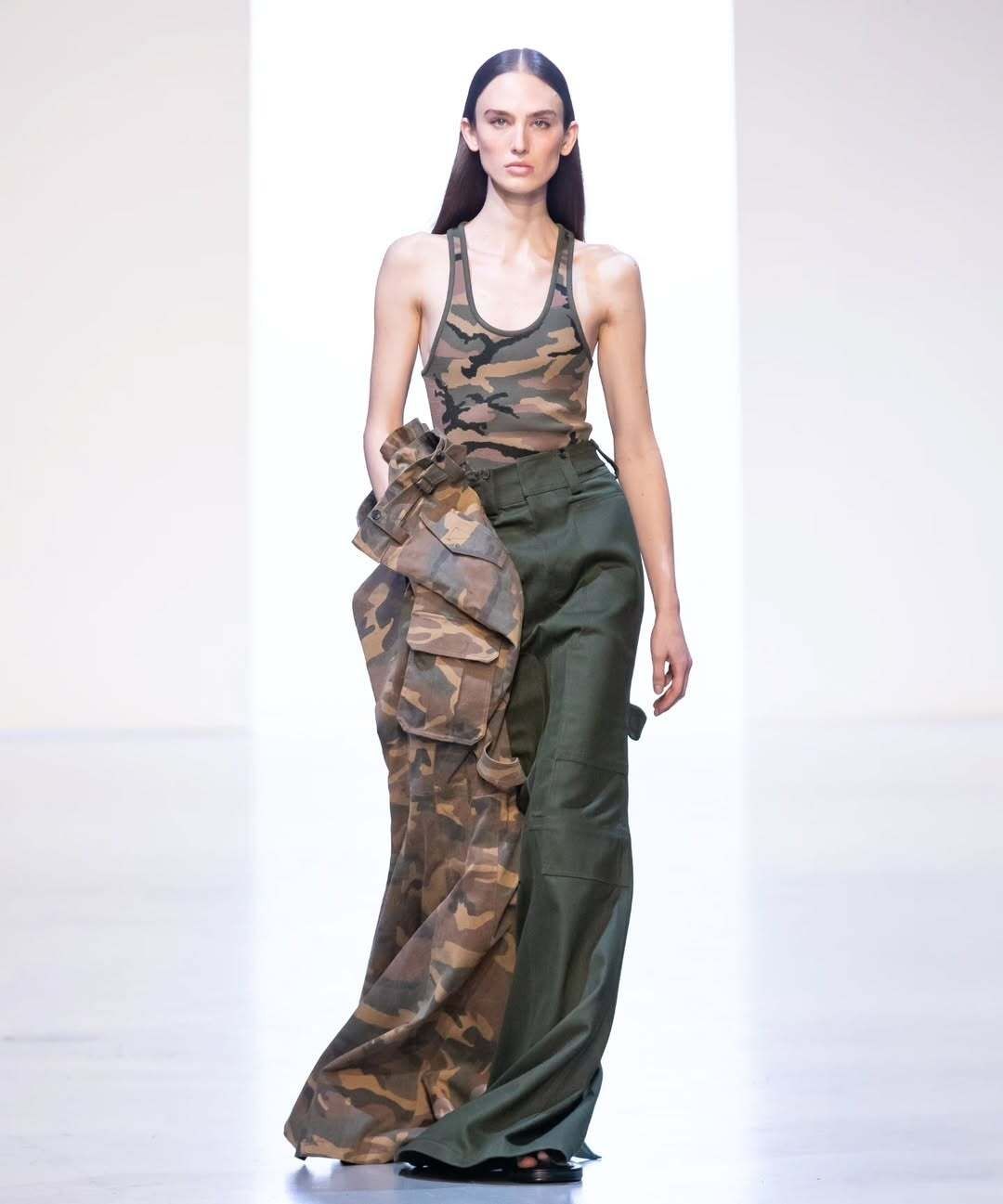
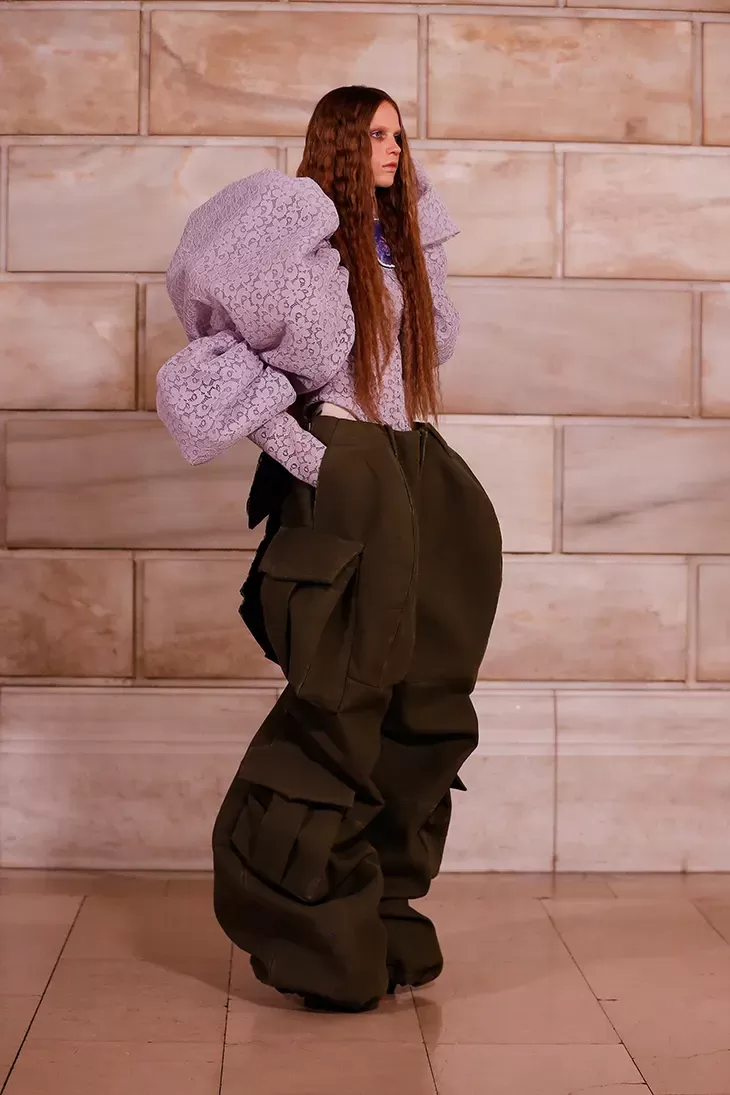
While the adoption of cargo pants by Willy Chavarria and Jonathan Anderson during Fashion Week was quite elevated - linked in the first case to a socio-political issue and in the second to the exclusive world of luxury - some brands interpreted the trend in a more accessible, albeit strange, way. This is the case of Juun.J, a Korean designer who for SS26 designed “double” cargo pants, consisting of two pairs of pants sewn together: one solid-colored pair worn normally by the models on the runway, while the other, camouflage, was draped on one side to add volume to the look. Meanwhile, Marc Jacobs, who presented FW25 off-calendar, played with cargos by deforming and enlarging them as much as possible. Paired with shirts featuring oversized bows, they looked like human clothes worn by dolls on the models’ bodies.
And so, in less than a century, cargo pants have gone from the military to subcultures, from subcultures to street style, and finally to the top of the luxury fashion world – no less than at Dior, mimicking a couture piece from the late 1940s. Whether through political inspiration or satirical intent, large pockets were standout protagonists of the latest Fashion Week, injected with a sense of surprising imagination. Initially hated by the fashion world, since dad-core gained traction in the fashion industry, cargo pants have experienced a majestic rebirth, becoming a true anti-fashion icon – and for this reason, a piece that fashion proudly claims to have “discovered.” The fashion industry’s fascination with utilitarian aesthetics, after all, is now well established: yet it’s certain that there was very little actually functional in the latest collections.