






























A good little soldier and why you should never trust big corporations The film stars Alba Rohrwacher in one of her best performances
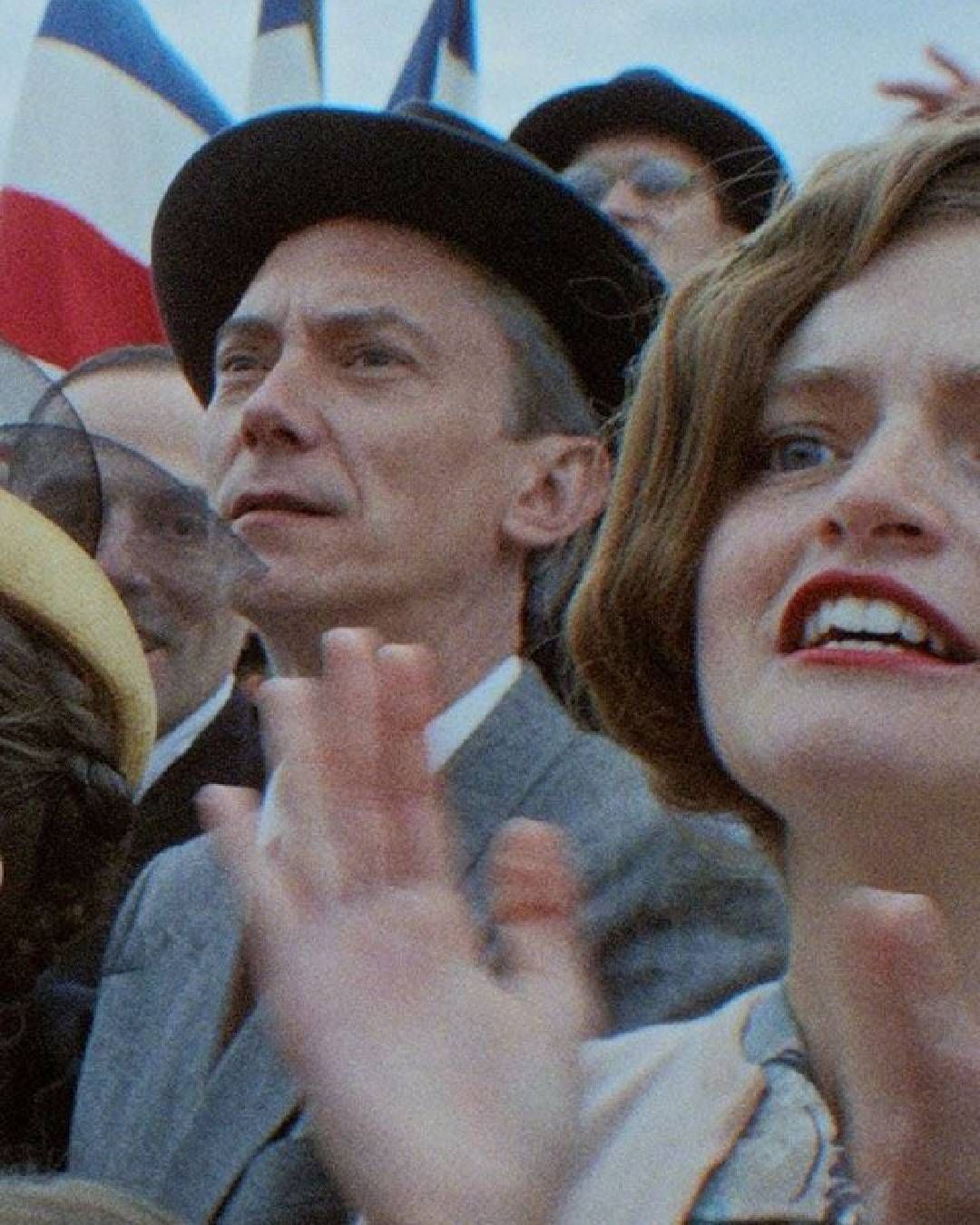
From 2015 to 2021, Stéphane Brizé focused on his "Work Trilogy"—interrupted in 2016 by the film A Woman's Life. Upon its conclusion in 2023, he turned to a story about the emotional and existential crises of an actor with Out of Season, whose protagonists are the talented and harmonious Guillaume Canet and Alba Rohrwacher. The latter is called back by the French auteur to tackle employer branding and workplace harassment issues in an insurance company where she plays the role of HR director. The film is A Good Little Soldier, with which the director and screenwriter makes another appearance on the Lido in competition at the 83rd Venice Film Festival, featuring a title that embodies the protagonist's position in the trenches of modern corporate life.
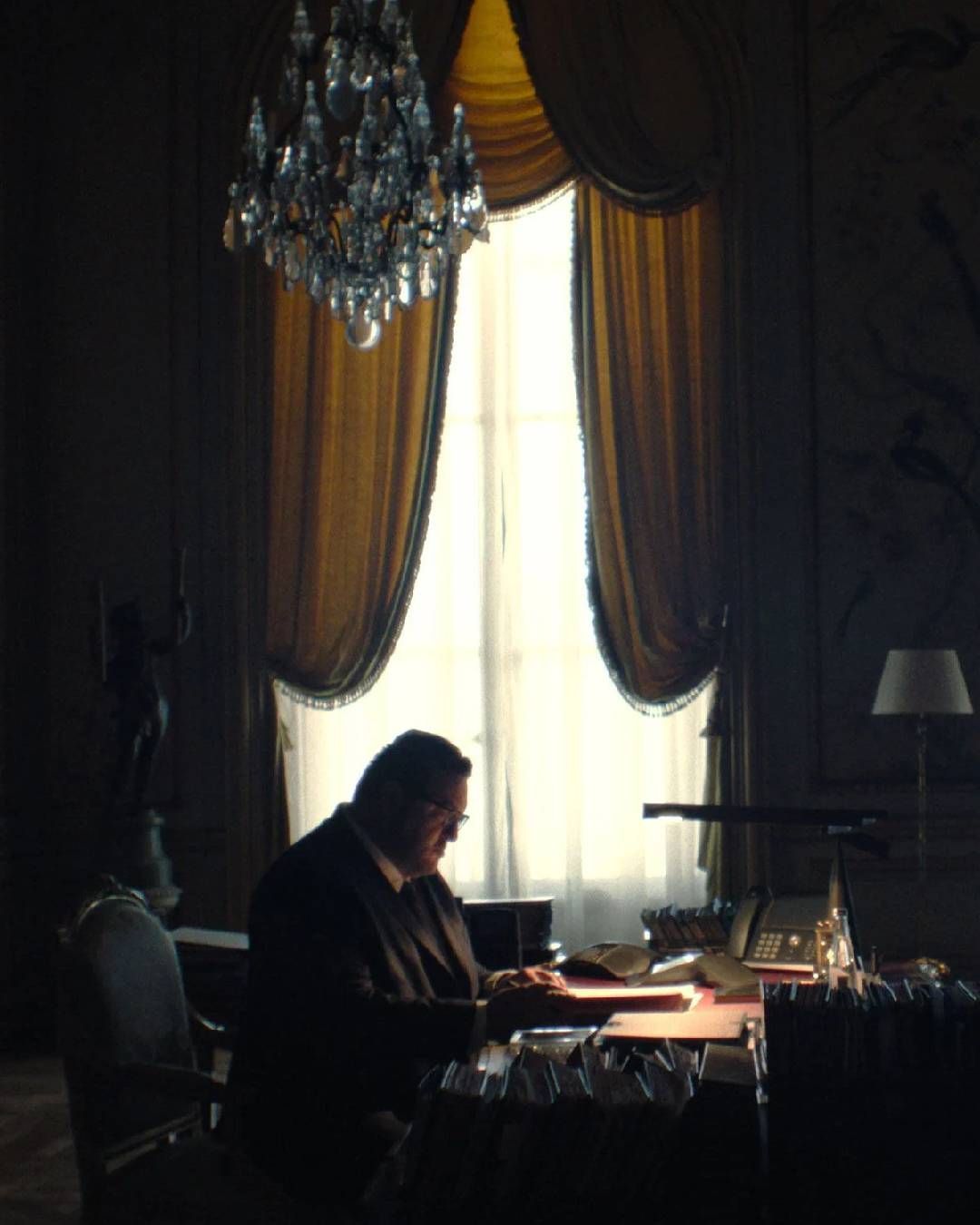
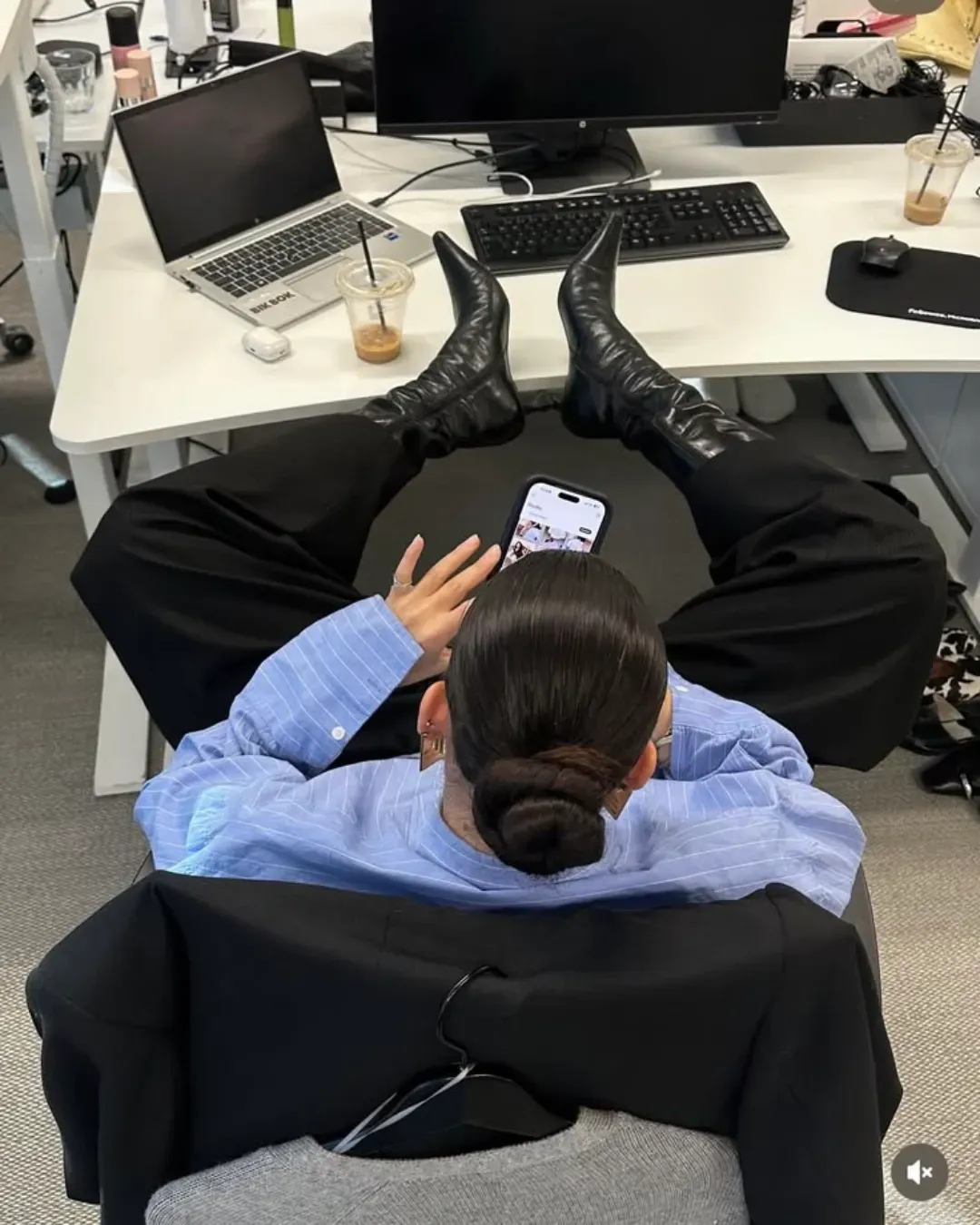
Carla (Rohrwacher) has recently moved to a new company; she is never home, rarely sees her son, and spends every moment of the day in front of paperwork or a screen. The protagonist never returns to her apartment—or at least, the film never shows it once. We never see Carla in a place of comfort, free from the demands of her role, or enjoying a moment of leisure to clear her mind. Her daily routine consists of exhausting meetings, finding ways to best market the company's image, and ensuring that everyone performs their duties with utmost respect and peace of mind.
The very peace of mind she deludes herself into thinking she feels within the strict mechanisms she finds herself trapped in. She has been assigned a prominent position at the company Amali, but there is no guarantee it will stay that way. In fact, she is certain she cannot take it for granted. While the insurance company tries every possible way to communicate its ideals by promoting listening and collaboration, behind closed doors it attacks and abandons its employees. Brizé tells us nothing new with A Good Little Soldier, but it remains terrifying because, despite labor policies changing over the years, certain processes do not seem to have moved an inch away from the toxicity of places that often have a clean façade while their hands are in the mud. Places that present themselves to the world solely through slogans, like the one Carla invents in the film: "Amali takes care of its clients and takes care of its employees."
In the film, courses on happiness alternate with the distress caused by the dehumanization of employees, who are reduced solely to their results. And while being part of a broken system can hurt anyone involved, the discomfort of one's position weighs even heavier on those who are aware of the ongoing hypocrisy. If Carla does not rebel—or experiences deep difficulty in asserting her ideas—it is also due to her gender, which has always dictated social and psychological behaviors, even at work. High up on Amali's corporate ladder, but by no means protected from the company's whims, the protagonist brings to light the obstacles that women, more than their male colleagues, often (if not always) must overcome both to reach positions of power and to maintain them once achieved.
Carla's insecurity also comes into play—a sense of inadequacy that makes her doubt her every move. This forces her even further to smooth down her morals and adapt regarding whose side to take: her colleagues, whose jobs she should protect, or the company. By choosing a female lead, Stéphane Brizé approaches his frequently analyzed theme from a new perspective, introducing gender-related elements that condition the protagonist's choices and discomfort, enriching the commentary previously carried out in The Measure of a Man, At War, and Another World.
What also changes compared to the trilogy is the placement of his frequent collaborator Vincent Lindon. While in the previous three titles he had always been the proletarian or the injured party, this time the actor takes on the role of the company's CEO—ironically taking revenge for the harassment suffered by his previous characters and following the ruthless clichés used to depict executives. His performance is irresistible. Irresistible because he is an incredible actor, but also because he is deeply malicious, possessing a self-centered arrogance that Brizé uses with humor. The screenplay is full of ironic moments that draw genuine laughter during the screening, some of which feature Rohrwacher herself in one of her best performances. It is a form of comedy that serves to make the reality hidden behind the company's promotional spots even harsher—a dishonesty with which the little soldier will have to decide whether or not to compromise.