





























The Copenhagen Paradox at 3 Days of Design 2026 Inside the Perfect Machine of Nordic Design
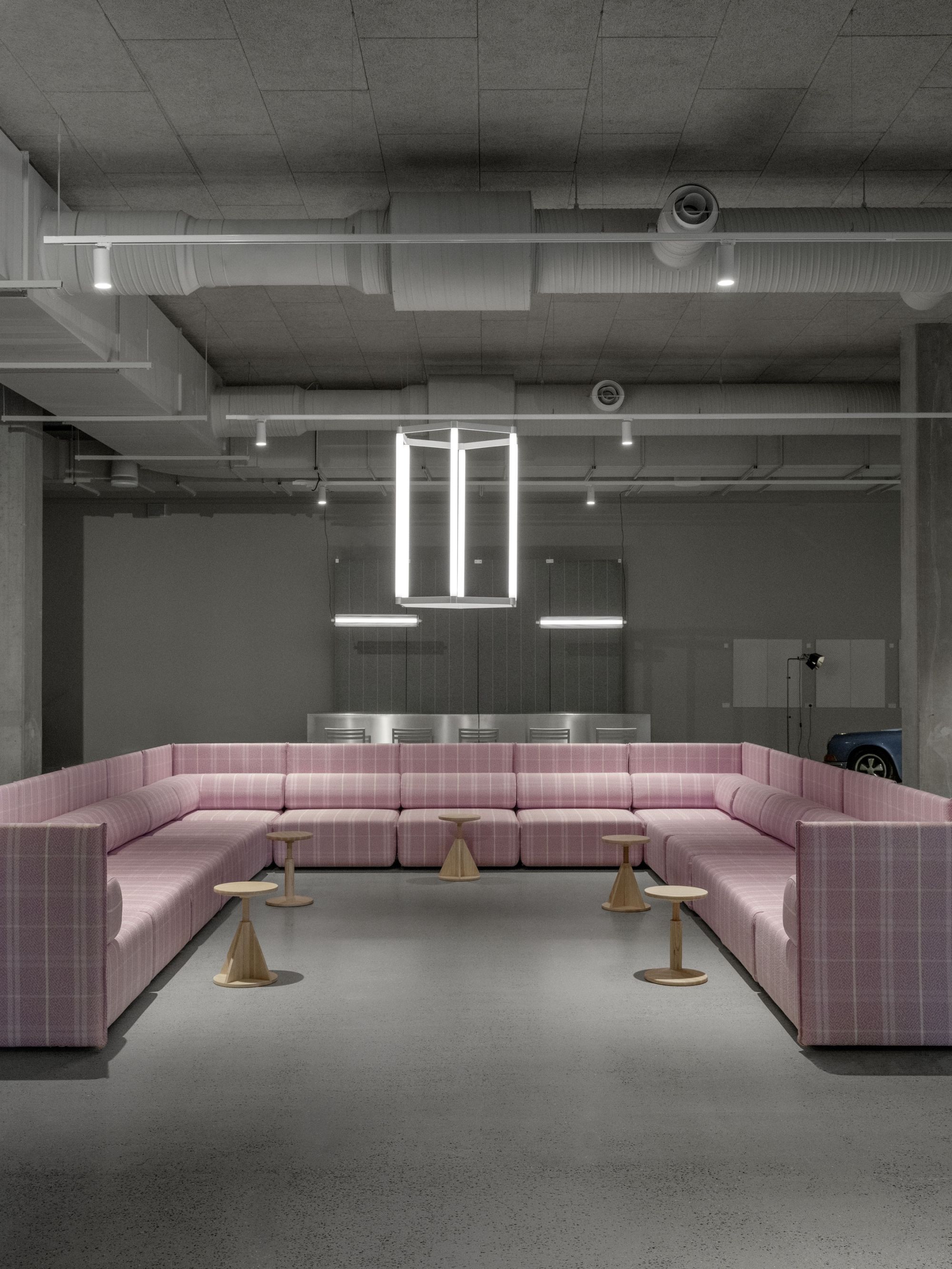
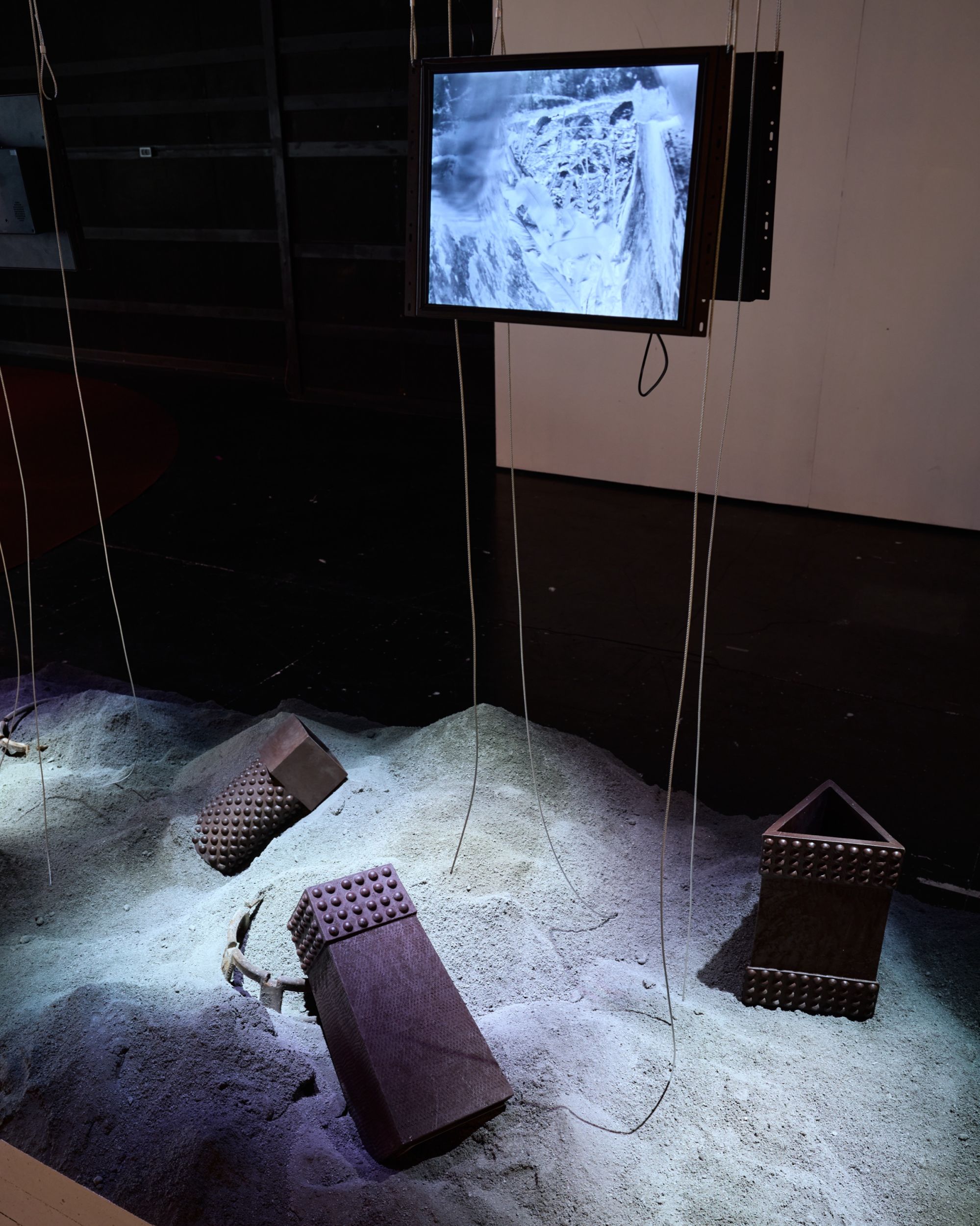
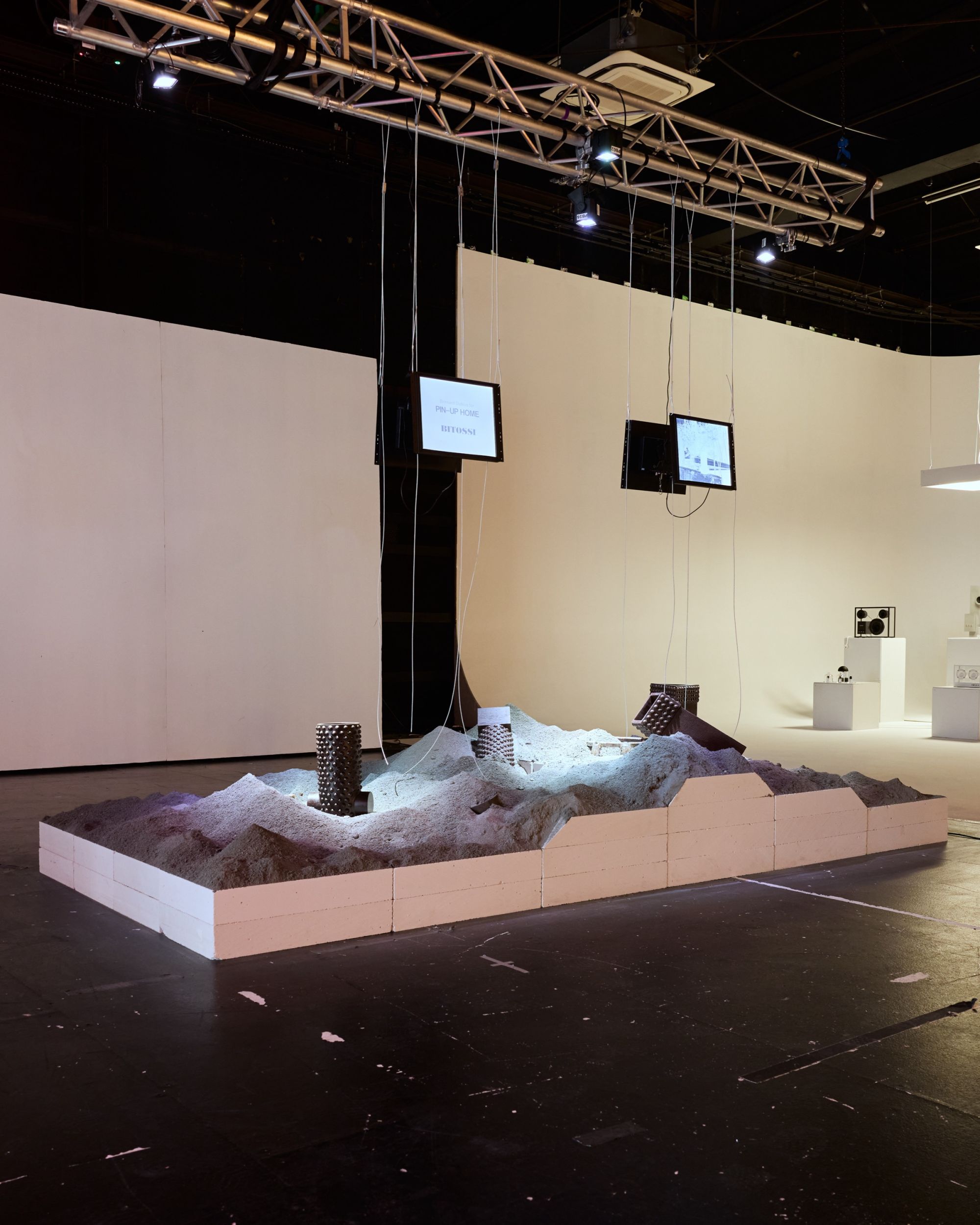
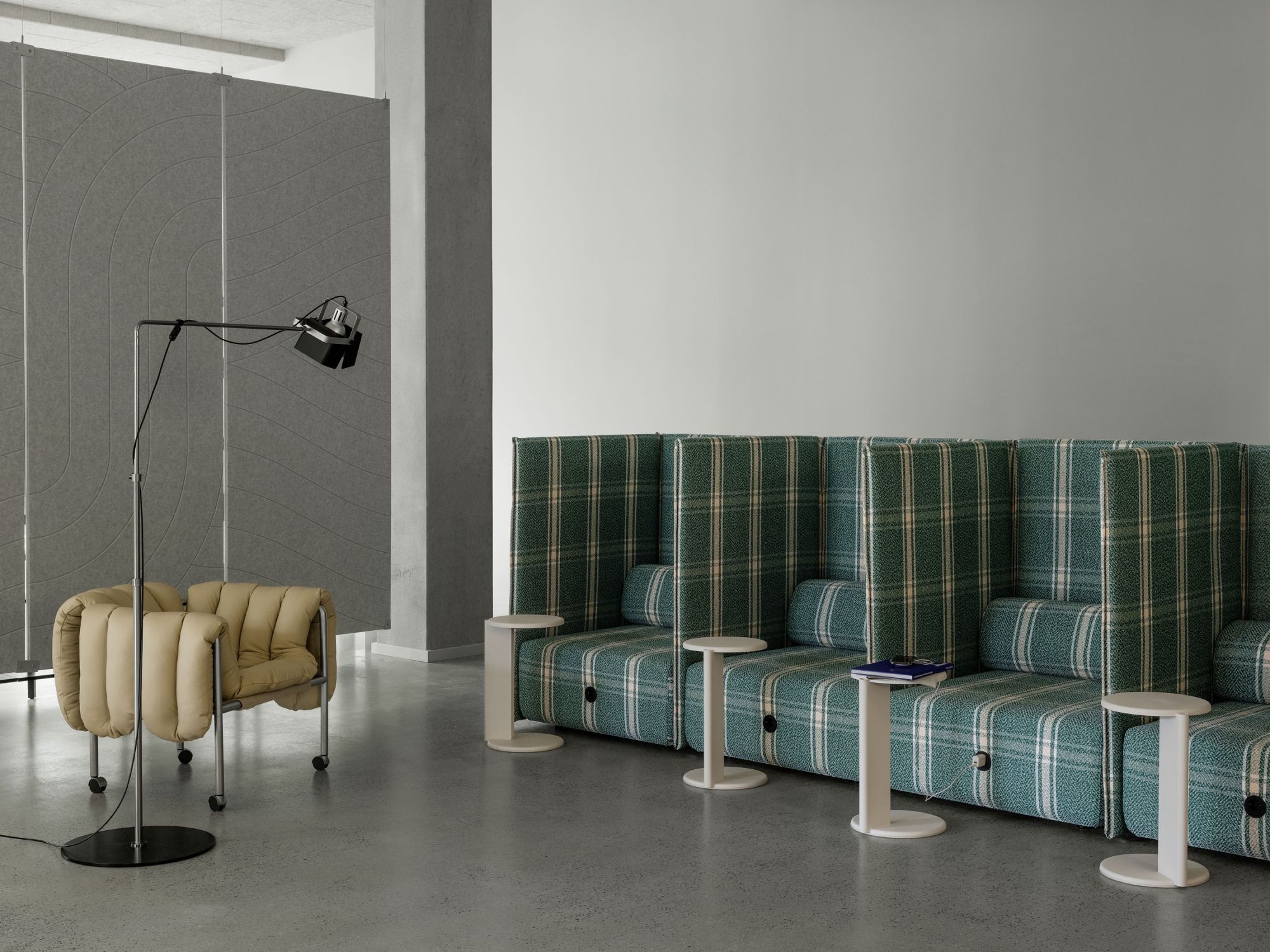
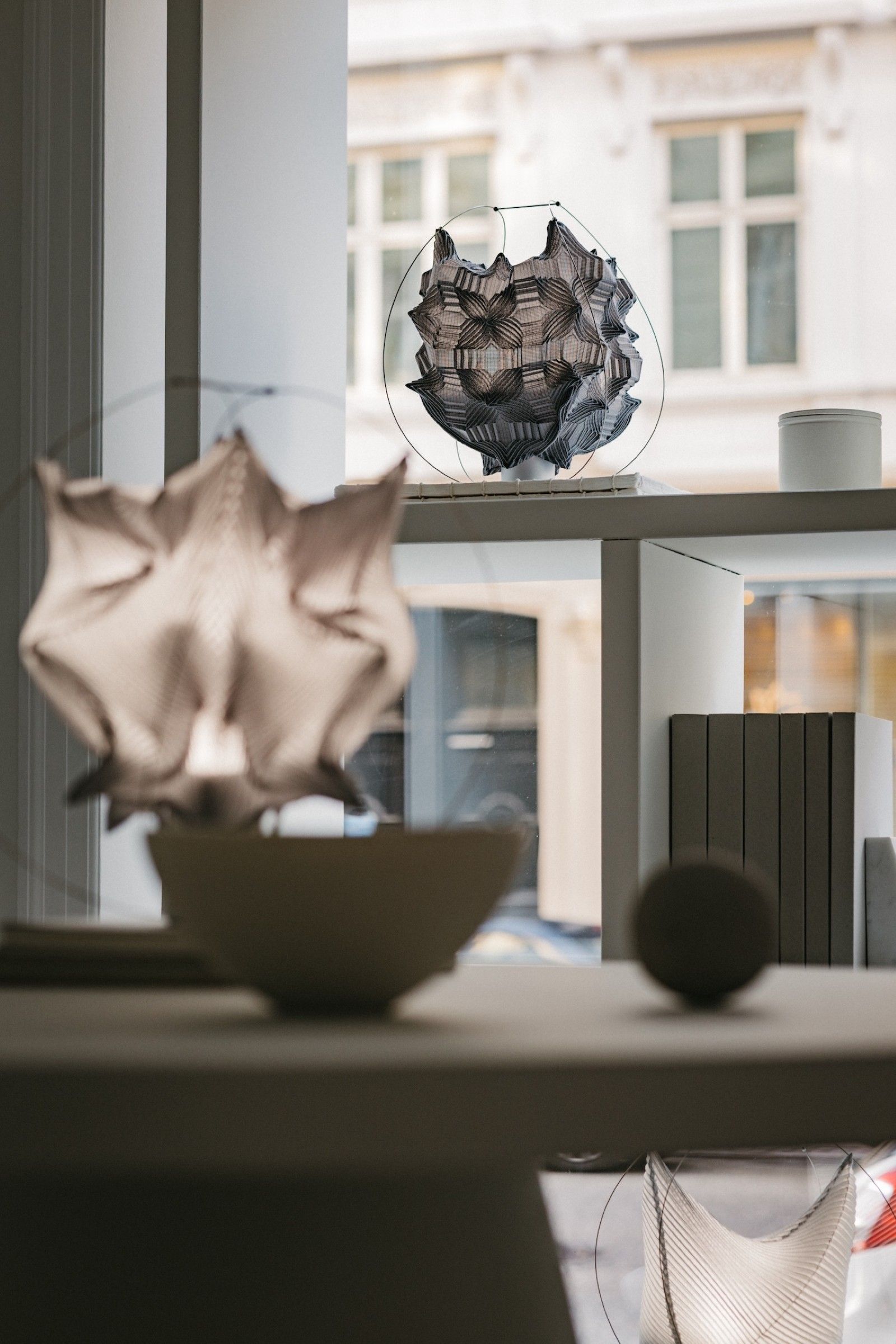
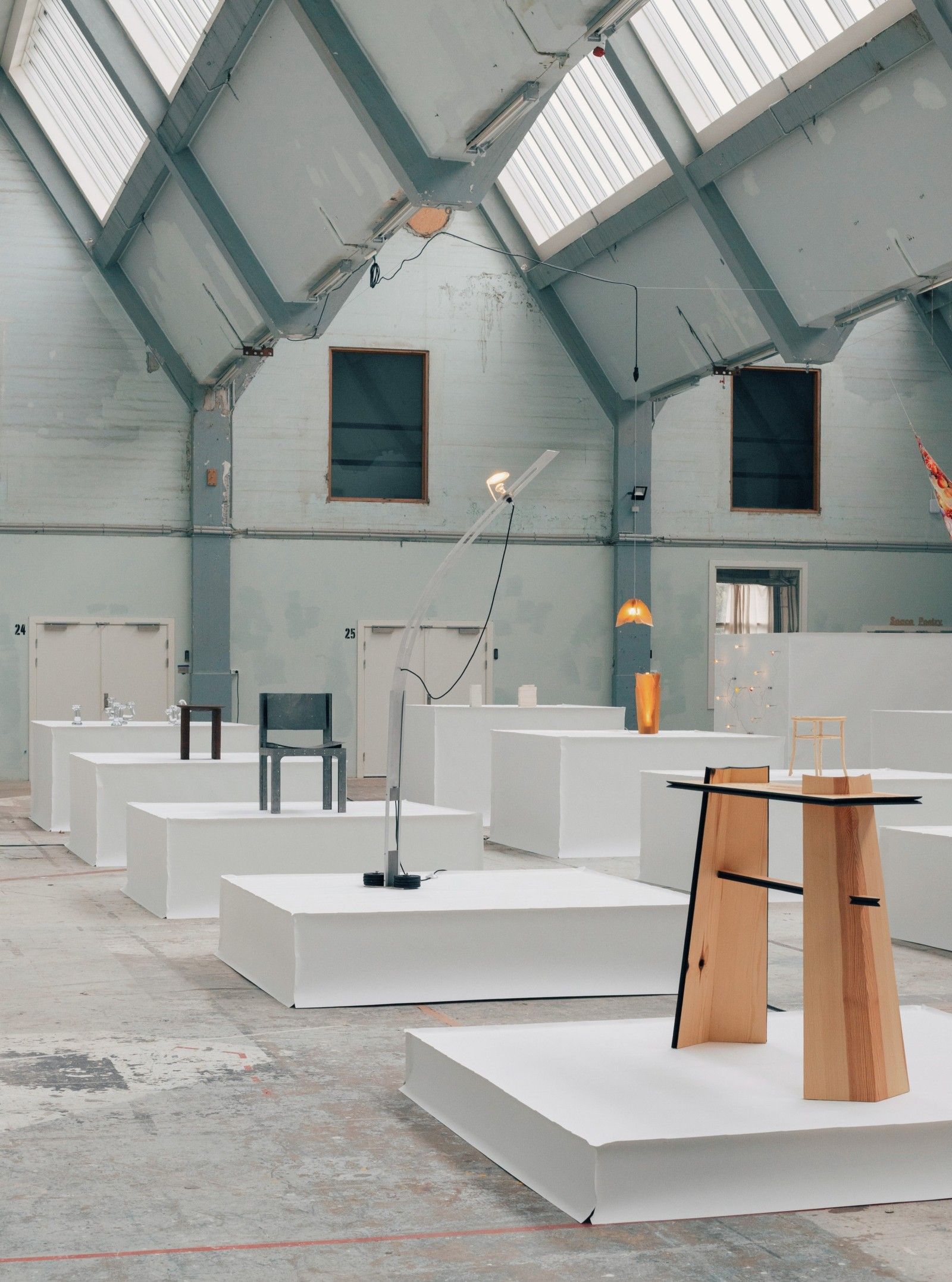
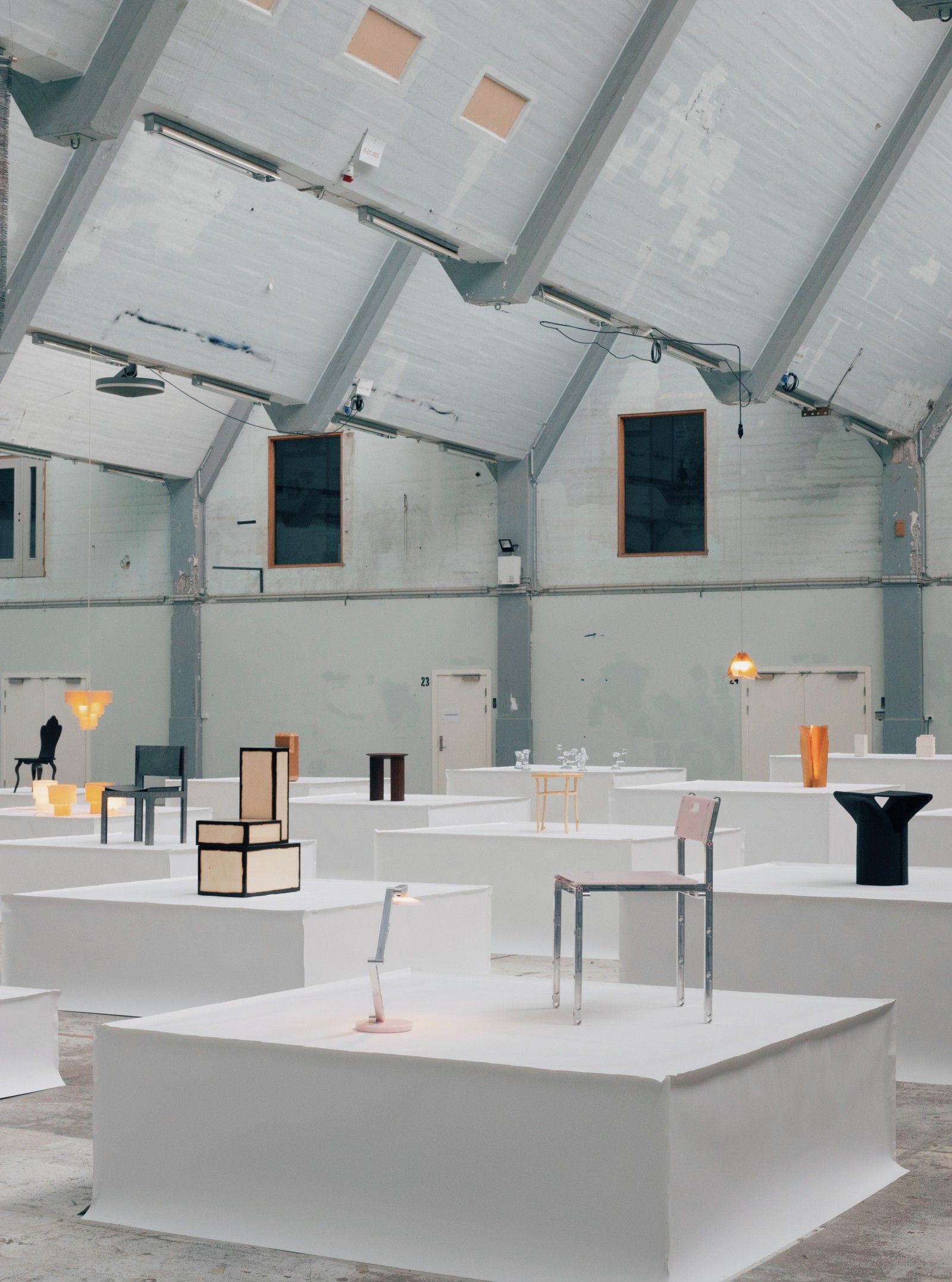
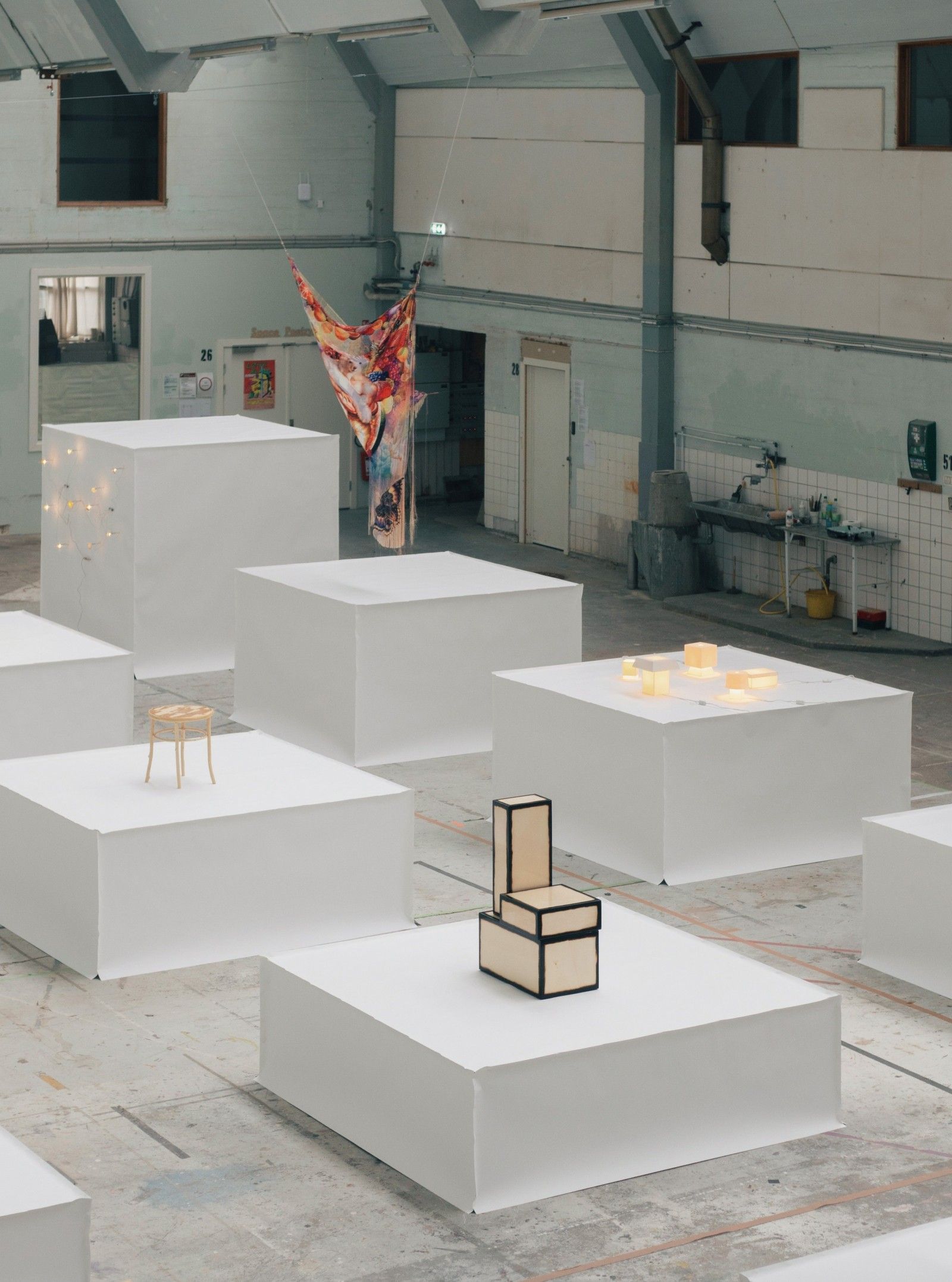
Although it continues to live on in the stories shared on social media, the curtain has fallen on 3 Days of Design, and we, now bereft of one of the most eagerly awaited events in the Western design calendar, are trying to take stock of what unfolded in Copenhagen. There are two ways to reconcile projects and exhibition quality, geopolitical complexities and evolving scenarios: the first is to let yourself be seduced by the efficiency of a city that seems to generate beauty effortlessly, where every detail communicates coherence, control and measure without ever clashing with its own history; the second is to wonder whether this perfection, exhibited and reiterated, does not end up translating into a feeling of reassuring predictability.
Just like its variable climate, Copenhagen, even when rain mists the streets and canals, continues to function as one of the most impeccable and credible backdrops of contemporary design.
A question of self-referentiality?
For the past thirteen years, designers and journalists, curators and entrepreneurs have been arriving, meeting and moving with the same ease within a narrative that, despite never betraying expectations, risks appearing already written. Everything, from the outfits of recognized and recognizable insiders, played on ice or camel tone-on-tone, to the codes and design languages, is aligned with the genius loci, the rhythms and the light of the host city. Yet, behind the reassuring image of the Danish capital, something seems to be quietly simmering.
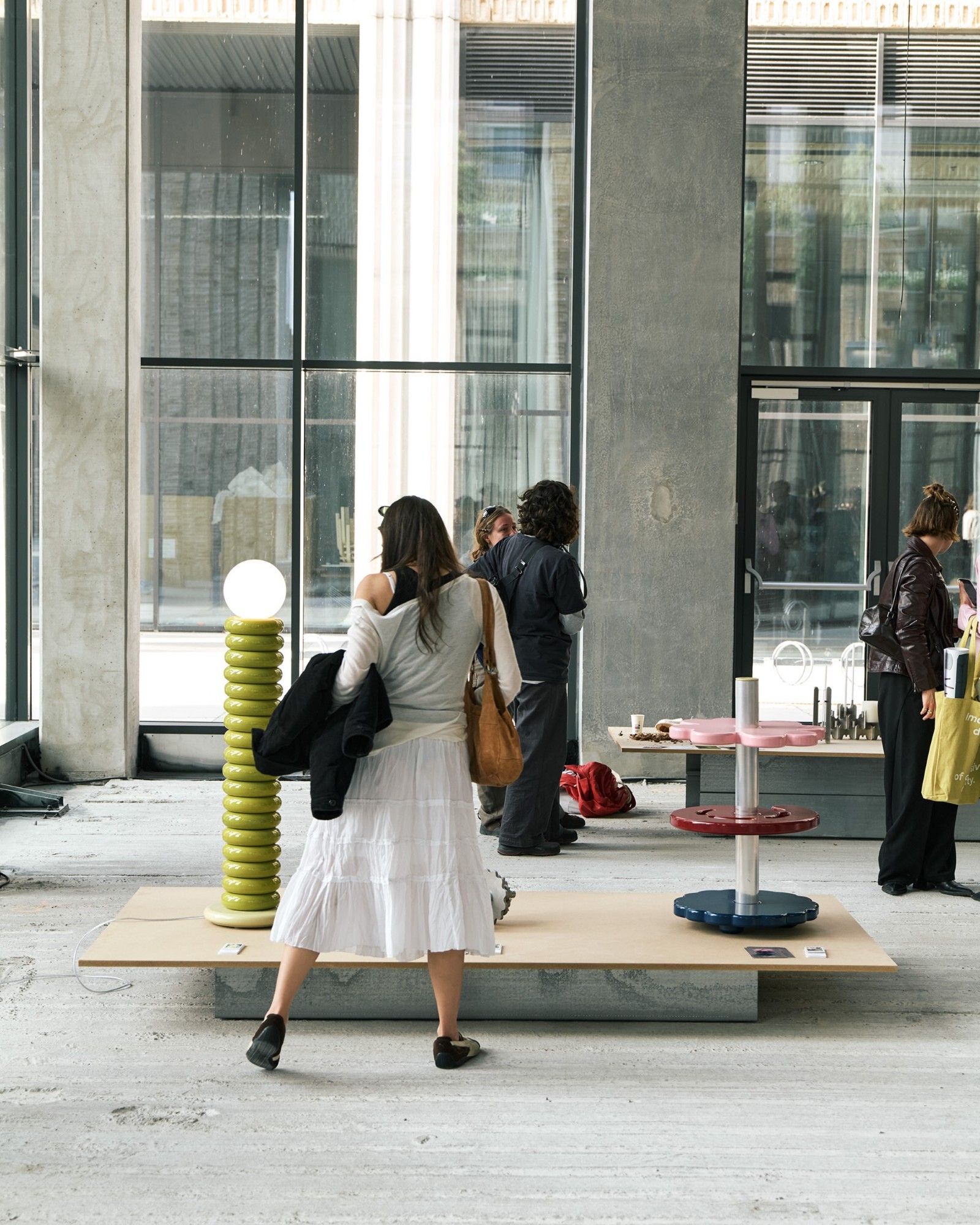
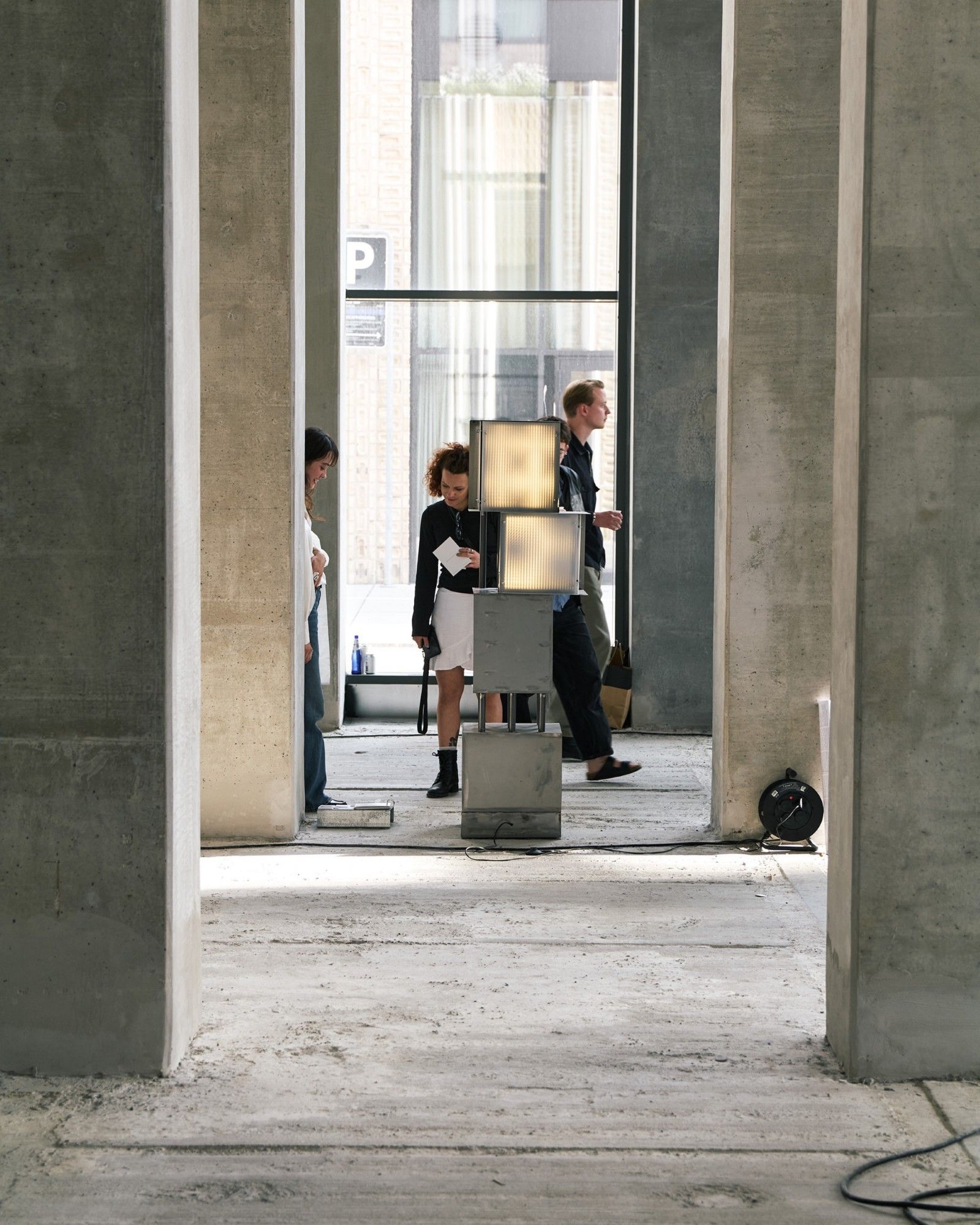
The 2026 edition, built around the claim Make This Moment Matter, attracted over 400 brands. A number still far from the volumes of the Milan Design Week, but enough to generate the first signs of congestion: some queues at the entrances of the locations and tired routes are normal in Milan, but anomalous for a culture accustomed to the natural dilution of bodies in space.
At the Palæ Bar, the Nordic Bar Basso, the nighttime conversation revolves around the same topic: from next year the days could become four. «Too many events, too little time», whispers Eero Koivisto, founder of CKR. A possibility denied by founder Signe Byrdal Terenziani who has repeatedly reaffirmed her loyalty to the original name, but the mere fact that the hypothesis is circulating says something. Not only that. The rumors about the future of Stockholm Design Week, the role of Malmö, the presence of Helsinki by the water and the consolidation, albeit on a local basis, of a relational format (in jargon ‘meet & greet’) like Trends & Traditions, suggest the construction of an integrated Nordic exhibition network, which looks at Milan from a complementary rather than subordinate position.
The Copenhagen Paradox
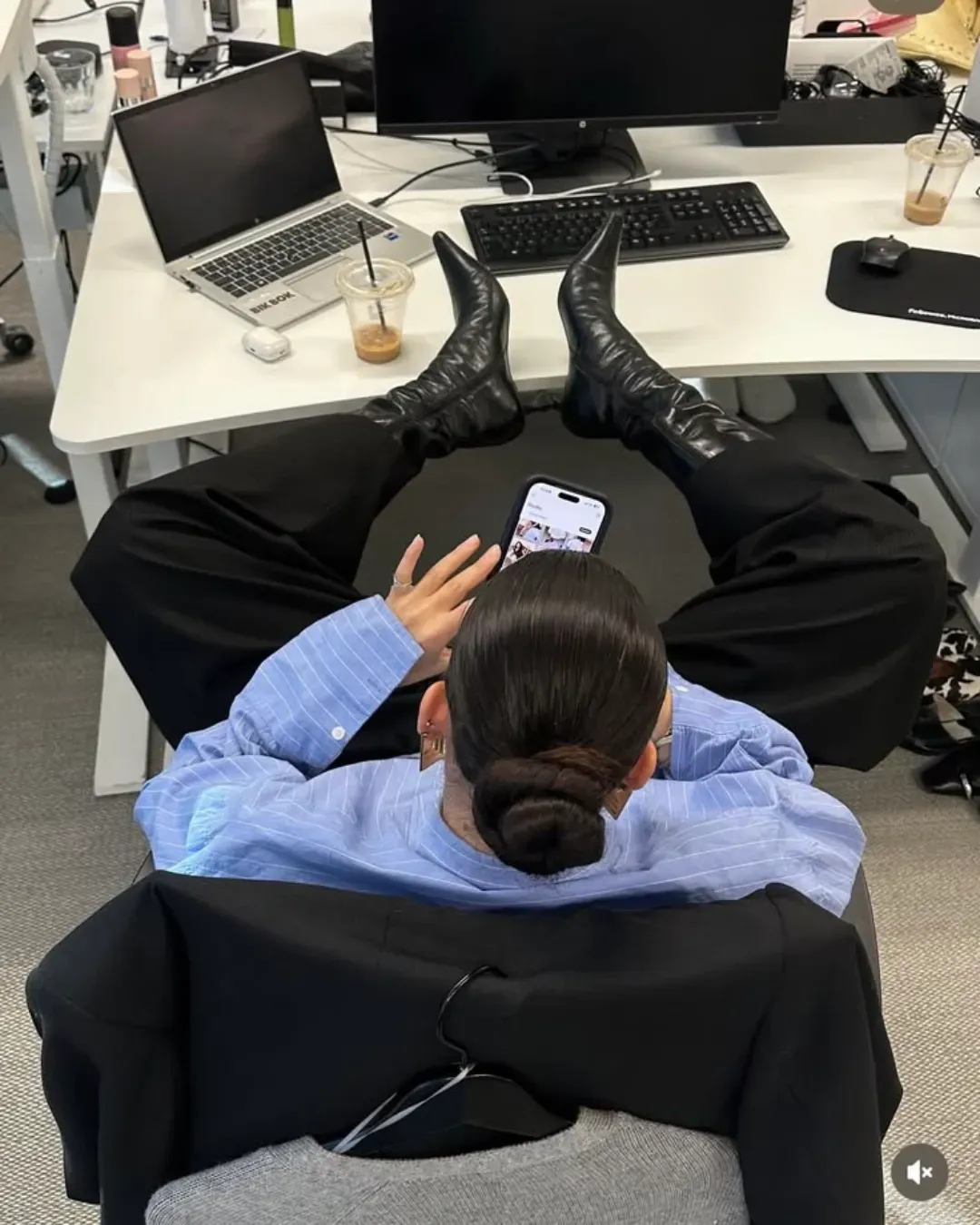
@sofijaninesa day 1 recap of 3 days of design - favorite week in copenhagen #copenhagen #thingstodo #designtok #copenhagenstyle ELEGANCE GIRL - Baby thug
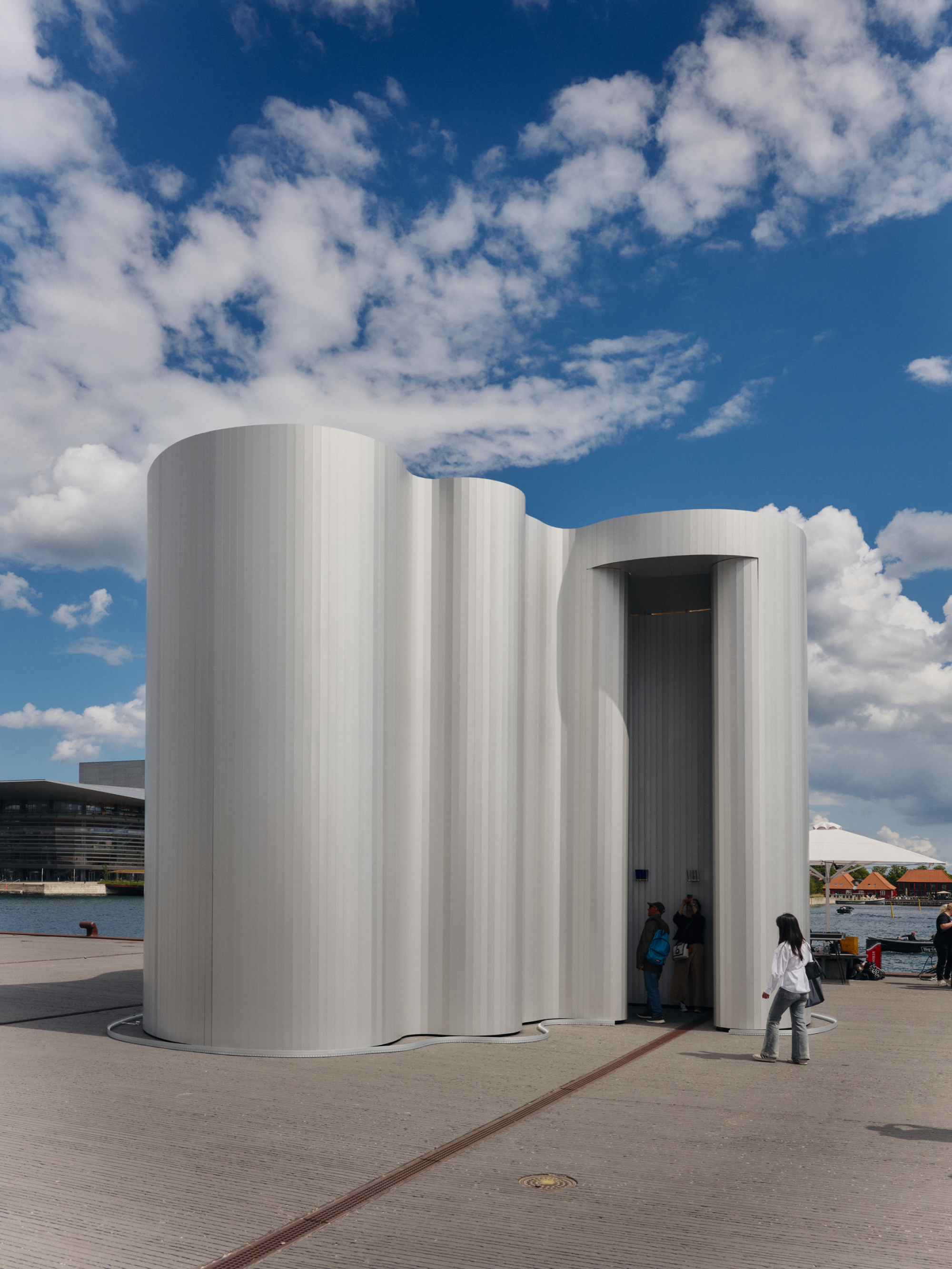
Despite the appearance of the first monumental installations, such as the The Aalto 90 Pavilion (a 7-meter-high aluminum pavilion built by Hydro with Iittala, in homage to the Aalto City vase collection) and a growth in the number of exhibitors, the event reaffirms that the goal is quality, not quantity. But what scale should a design event maintain, whether it is a festival, a biennial or a week, to produce culture and business without losing credibility? When Signe Byrdal Terenziani insists on the theme of purpose and on the need to design with intention, she identifies a real issue.
In a present marked by instability, media noise and polycrisis, every project must make sense in order to contribute to collective well-being. But it is precisely here that the Copenhagen paradox emerges. Also this year Nordic design reaffirmed the centrality of industrial design, material culture and product construction. Yet, precisely while claiming meaning, it seems to prefer reassurance over challenge.
3 Days of Design remains probably the event that more than any other continues to believe in industrial design as cultural infrastructure. Not a traditional fair, not a design week that replicates the transversality of the Milanese model, but a vertical platform, built around the product, seriality and that idea of design that for generations has represented a collective promise: improving the quality of life of ordinary people through the accessibility of furnishings. A well-tested and recognized format that however struggles to act as a bridge between different cultures and disciplines, with the exception of the relationship cultivated over time with Japan and Korea.
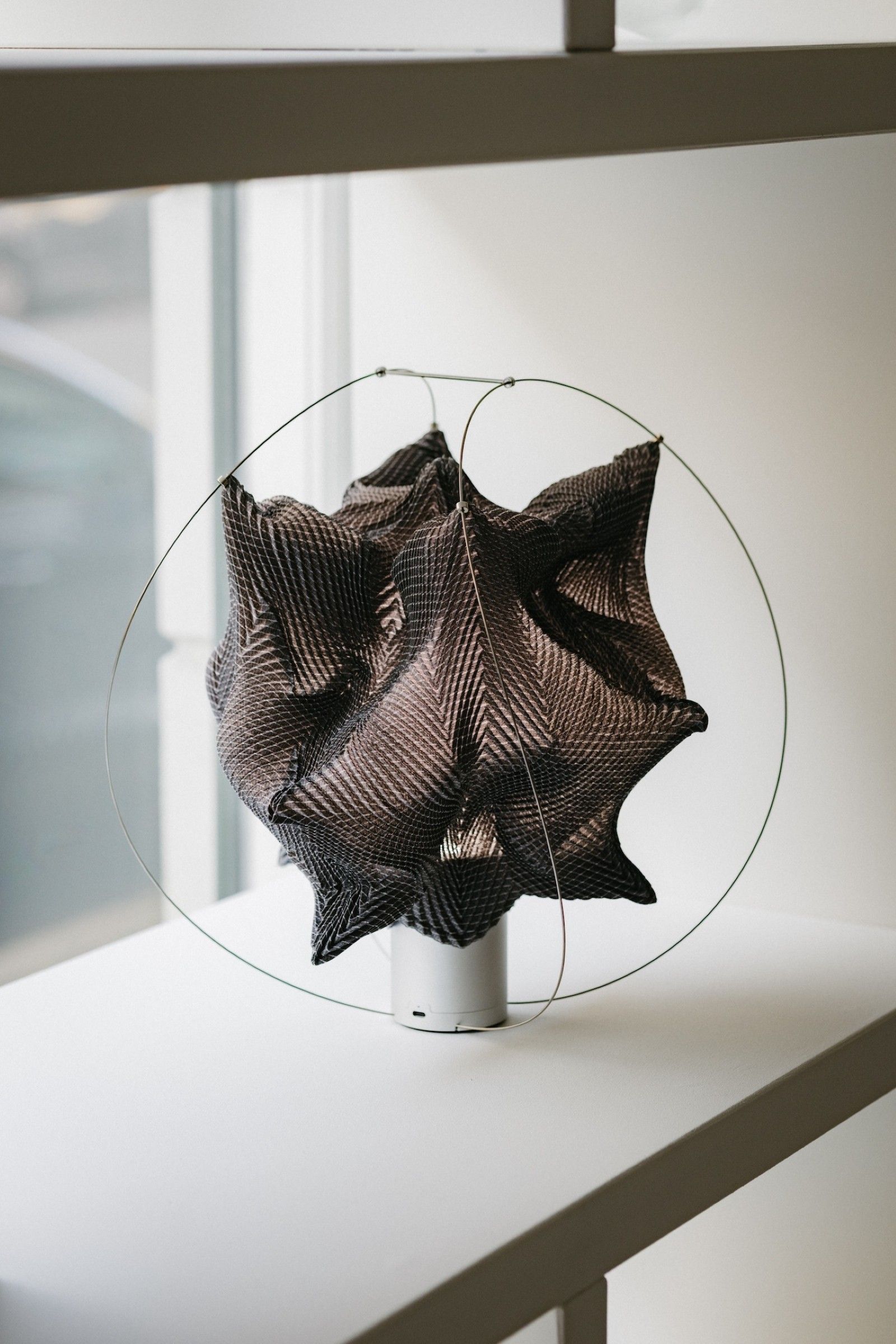
«Japan Creative Association and Portrait of Korean Living are crossing projects that look at another latitude of the hemisphere», recalls Luca Nichetto. «The East is a culture always twinned not only for aesthetic affinity, but also for a common attention to material culture, constructive precision, continuity between tradition and innovation». Even fashion, with the exception of Issey Miyake who exhibited for the first time with Ambientec the O Series lamp collection, does not seem to find fertile ground.
«It is a coherent choice. The Danish model is solid, deeply rooted in Nordic culture,» observes the designer. «In Copenhagen everything reminds the visitor where they are. Design, architecture, the urban landscape and even the setups build a compact identity narrative,» without any hesitation in claiming belonging. «While Italian companies let themselves be admired, Danish ones invoice», provokes Nichetto. The joke however contains an uncomfortable truth: «If Nordic design defends a more accessible segment, some of the most emblematic Made in Italy brands present in the city choose to preside over the Premium and Luxury segment».
Pragmatic, but at what price?
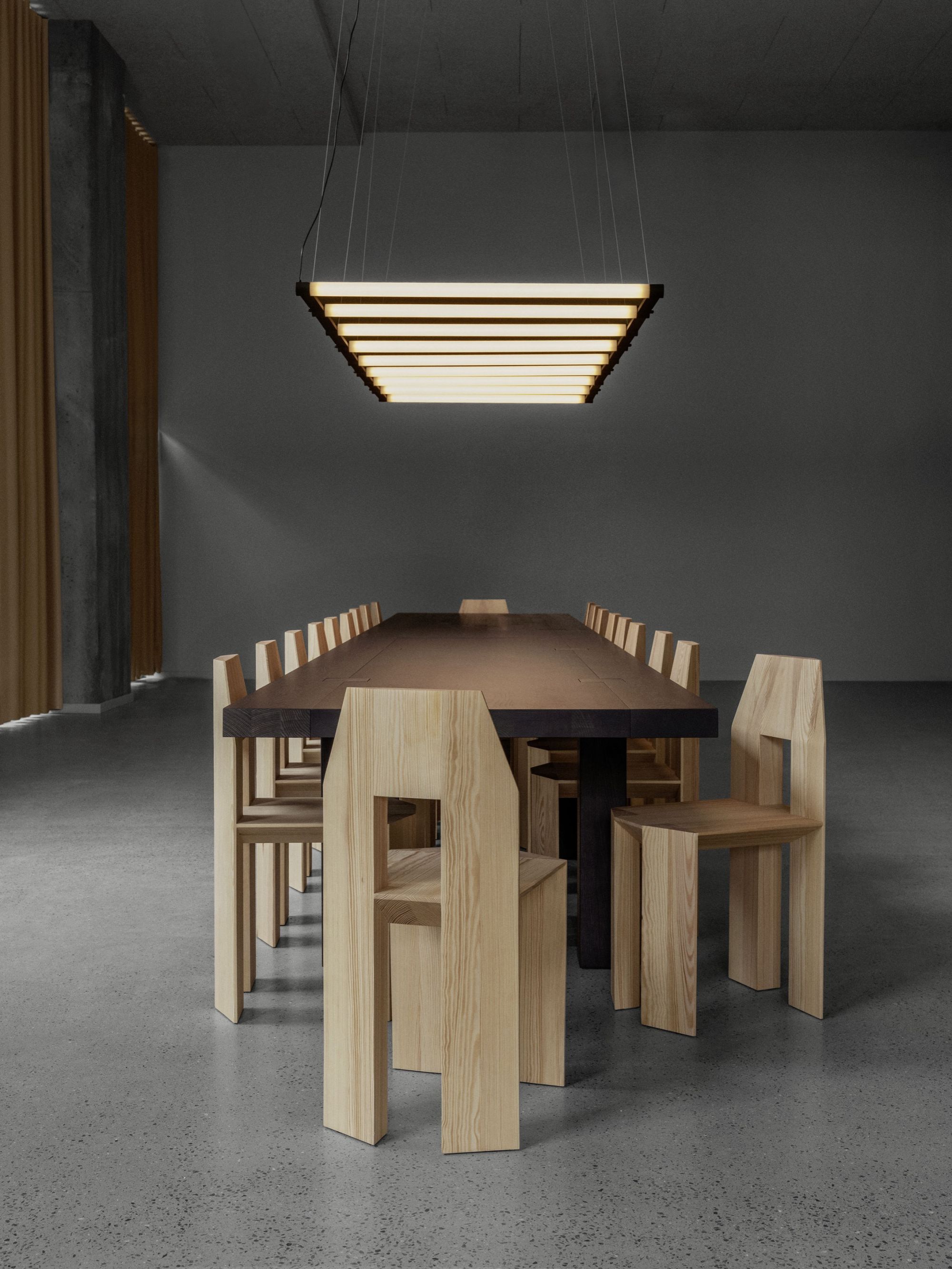
Wondering why companies in Denmark manage to scale the market is a question that makes sense: «Because production, distribution and communication fill the void left by the Italians». Different quality, same perception. «Brands like New Works, Wendelbo or Raawii demonstrate that in Northern Europe there is still a supply chain capable of quickly turning a project into a business. With the result that a lamp can reach the market at 200 euros while maintaining a coherent and desirable image». It is not just a question of design but of recognizing the centrality of the serial dimension.
Constructive explosions, archives, technical sections, material taxonomies: the three days of Danish design have been a triumph of furnishings, lights and accessories often told as systems to be understood before being objects to desire. Hay, Fredericia and Vitra, for example, but also Royal Copenhagen and Kvadrat have made room for monumental three-dimensional archives: and these are only the tip of the iceberg of a marketing architecture where the history of the product is broken down, ordered, catalogued and returned to the public as identity heritage. But after the third model of chair broken down into its smallest constructive detail, one should ask: is this all we ask of design?
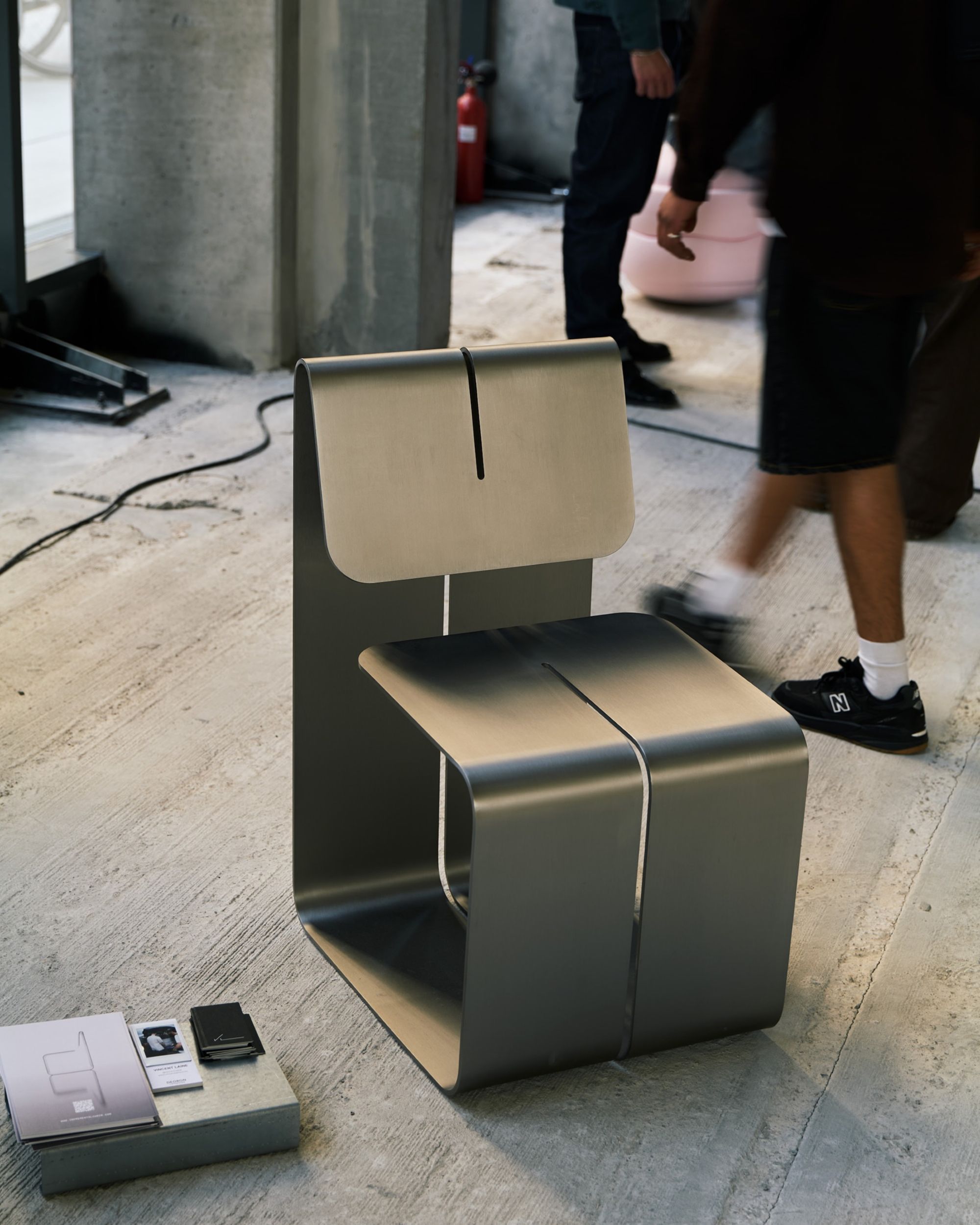
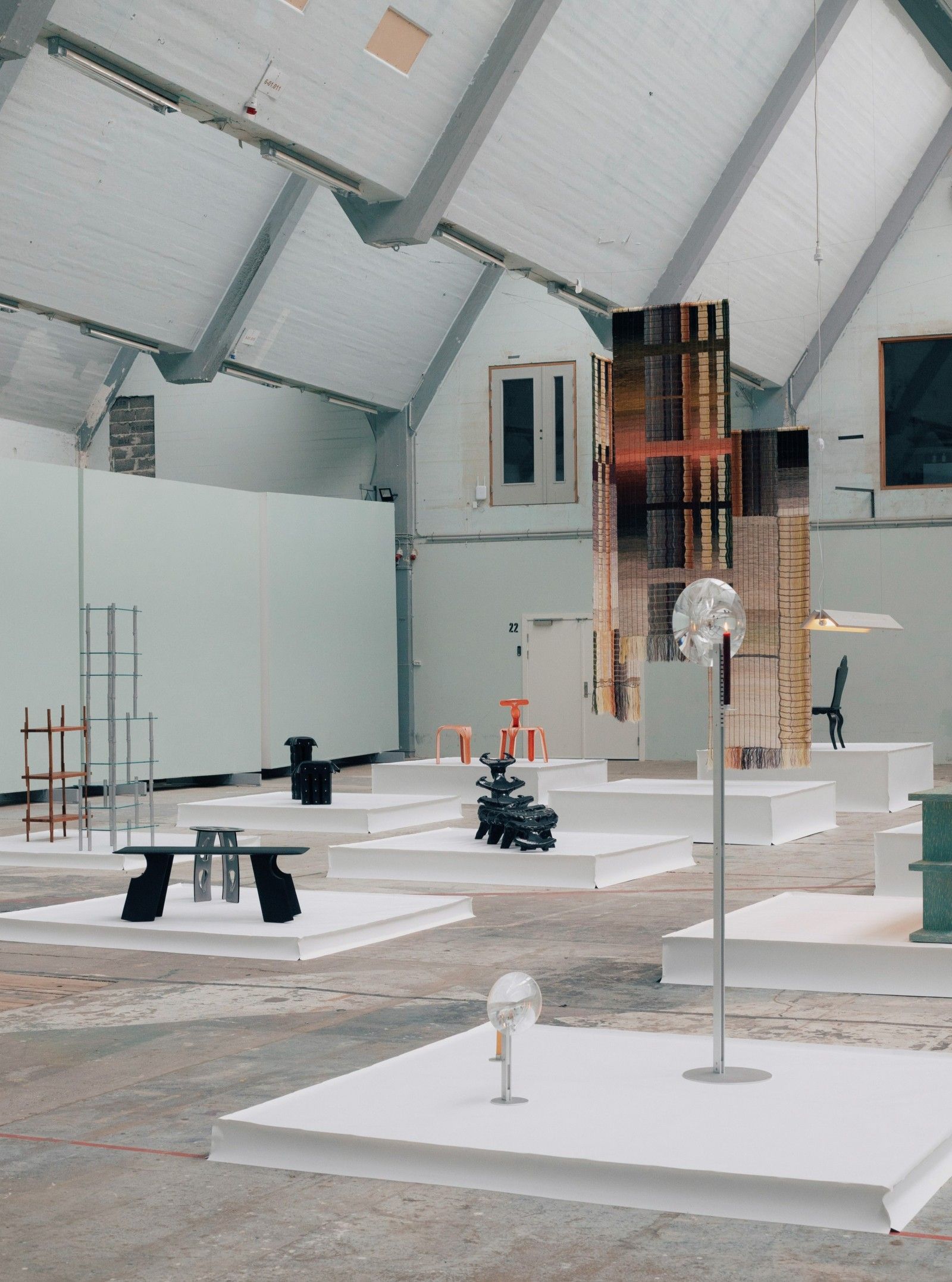
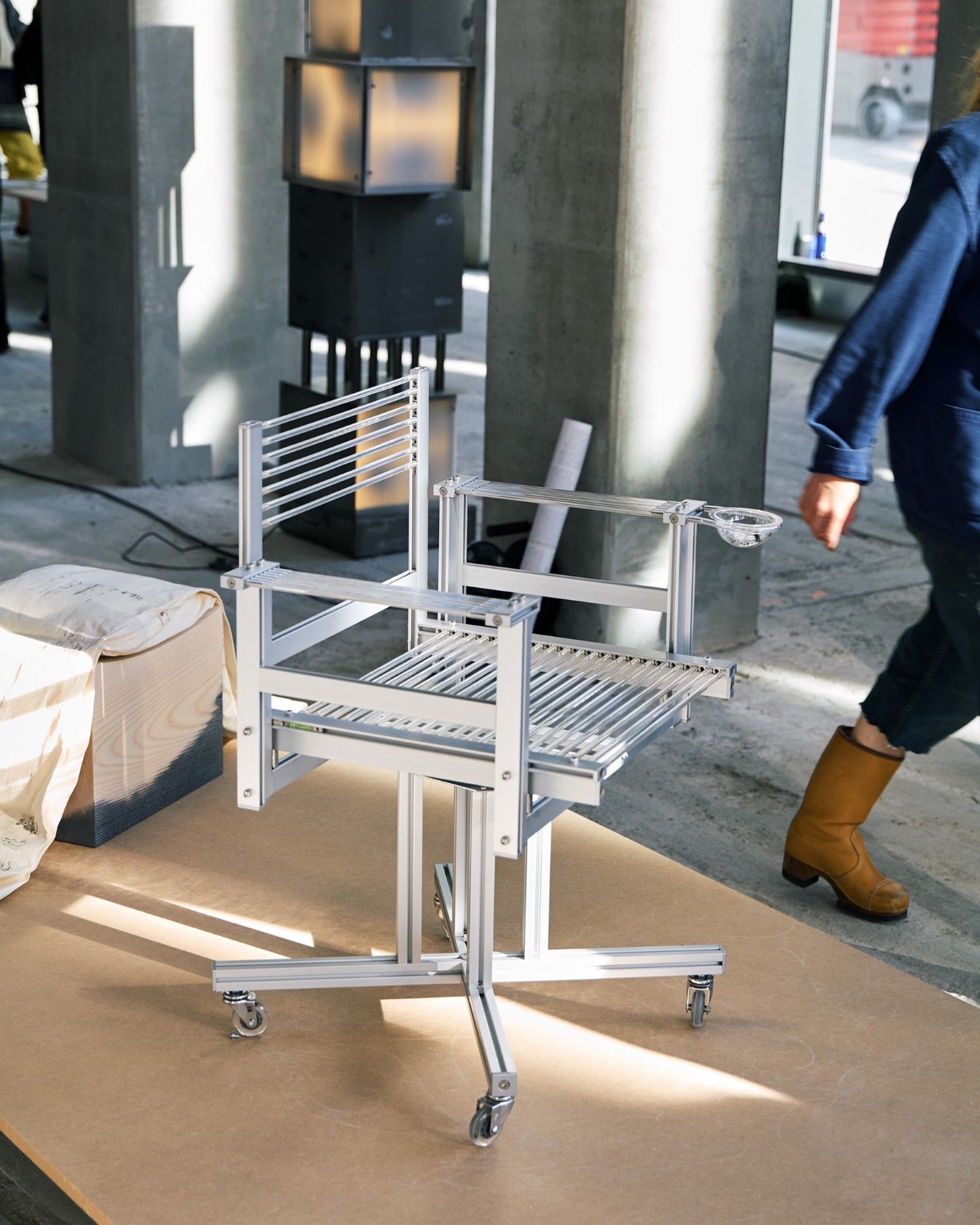
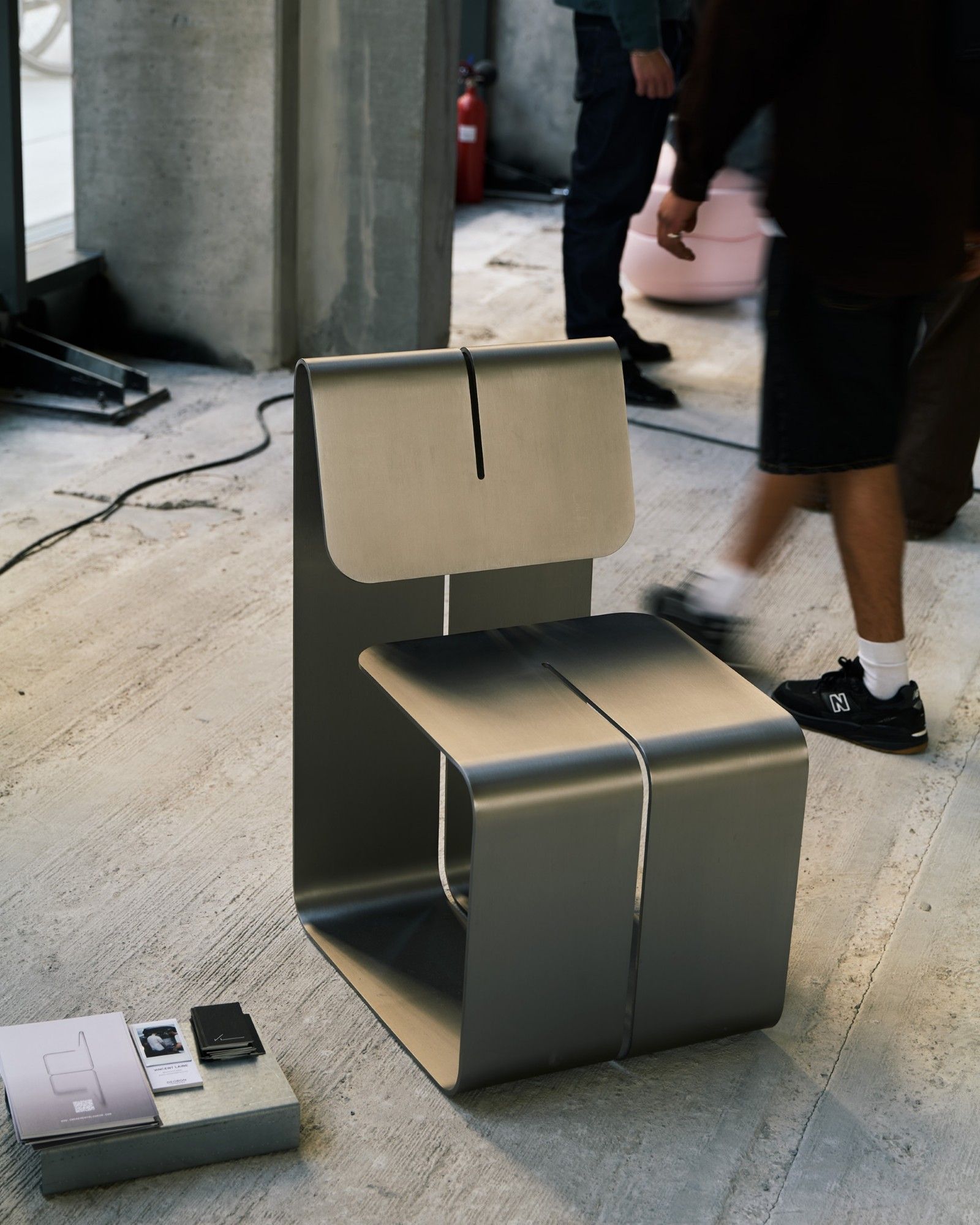
Because good design does not always reassure, does not always confirm, does not always align. On the contrary, it upends habits and convictions, insinuates doubt, suggests points of view and postures, often uncomfortable. And it is striking that, beyond a precise and well-articulated research on circularity and sustainability, fragility, migrations and social transformations are themes neglected even by the narratives of the youngest designers on show. Despite the super-sophisticated selection of the Ukurant designer collective and the Italians of Deoron, Form in the Making of Ukraine House in Denmark is probably the only real plunge into the most pressing current events.
The Mediterranean in Denmark
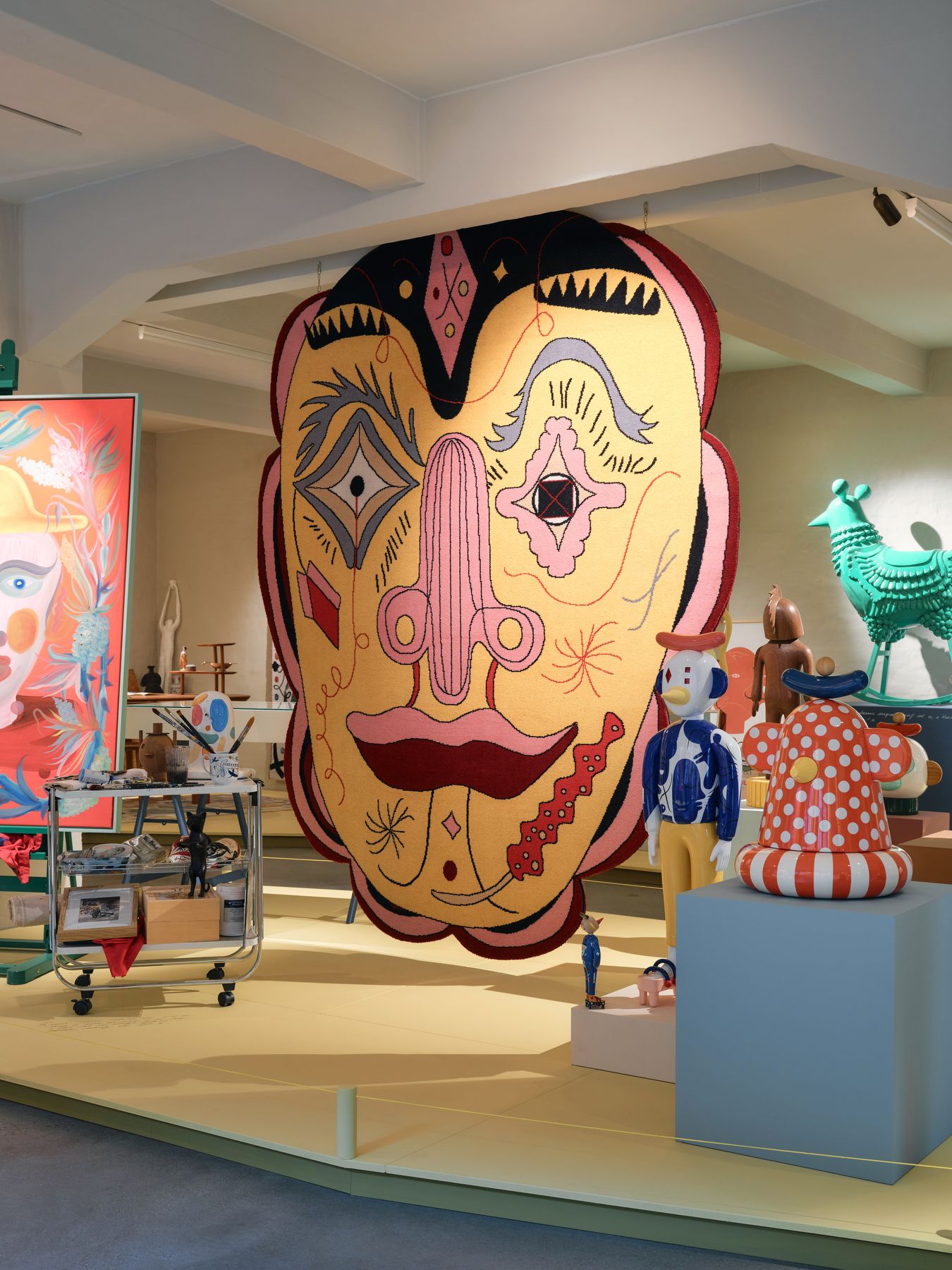
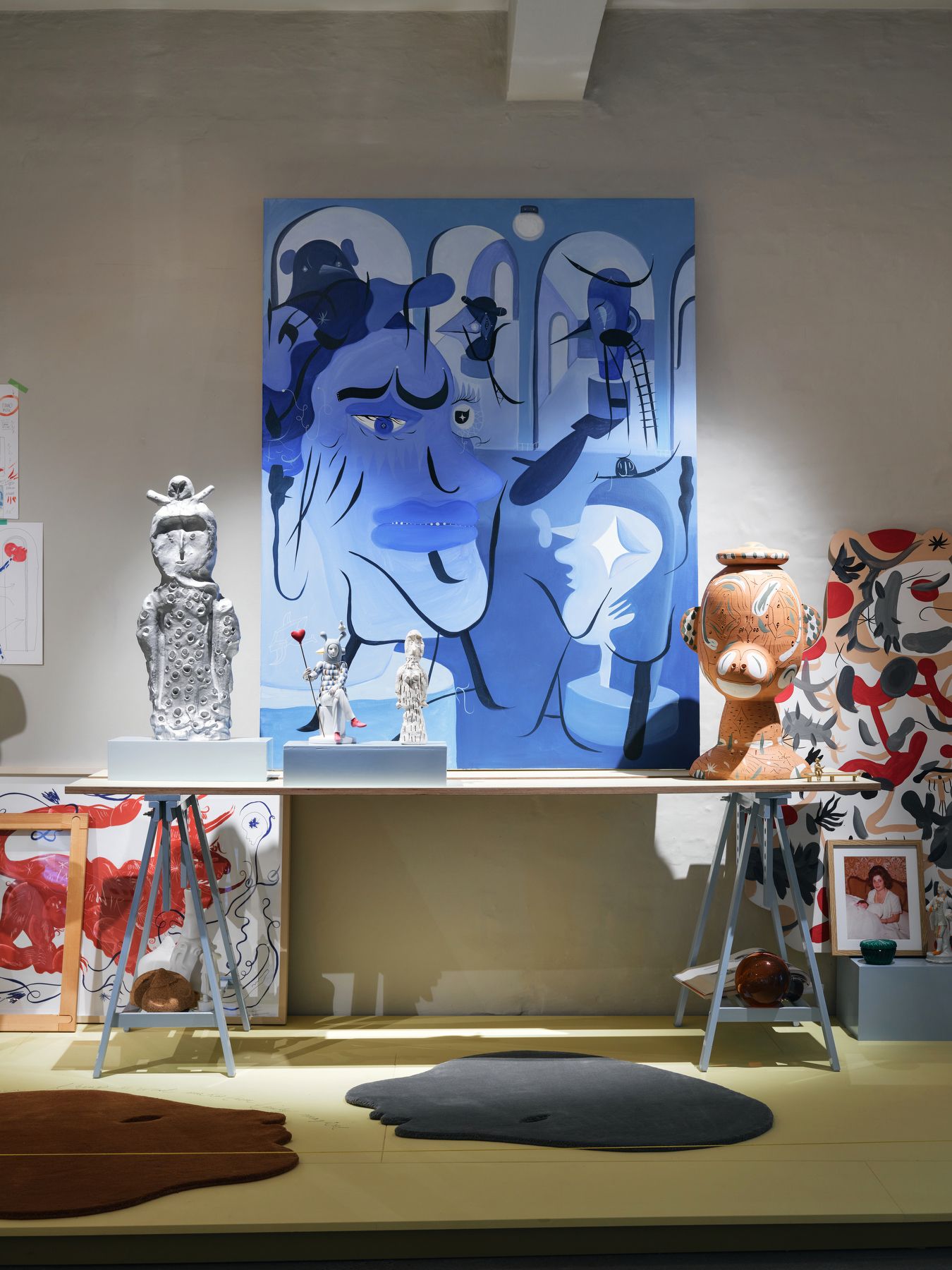
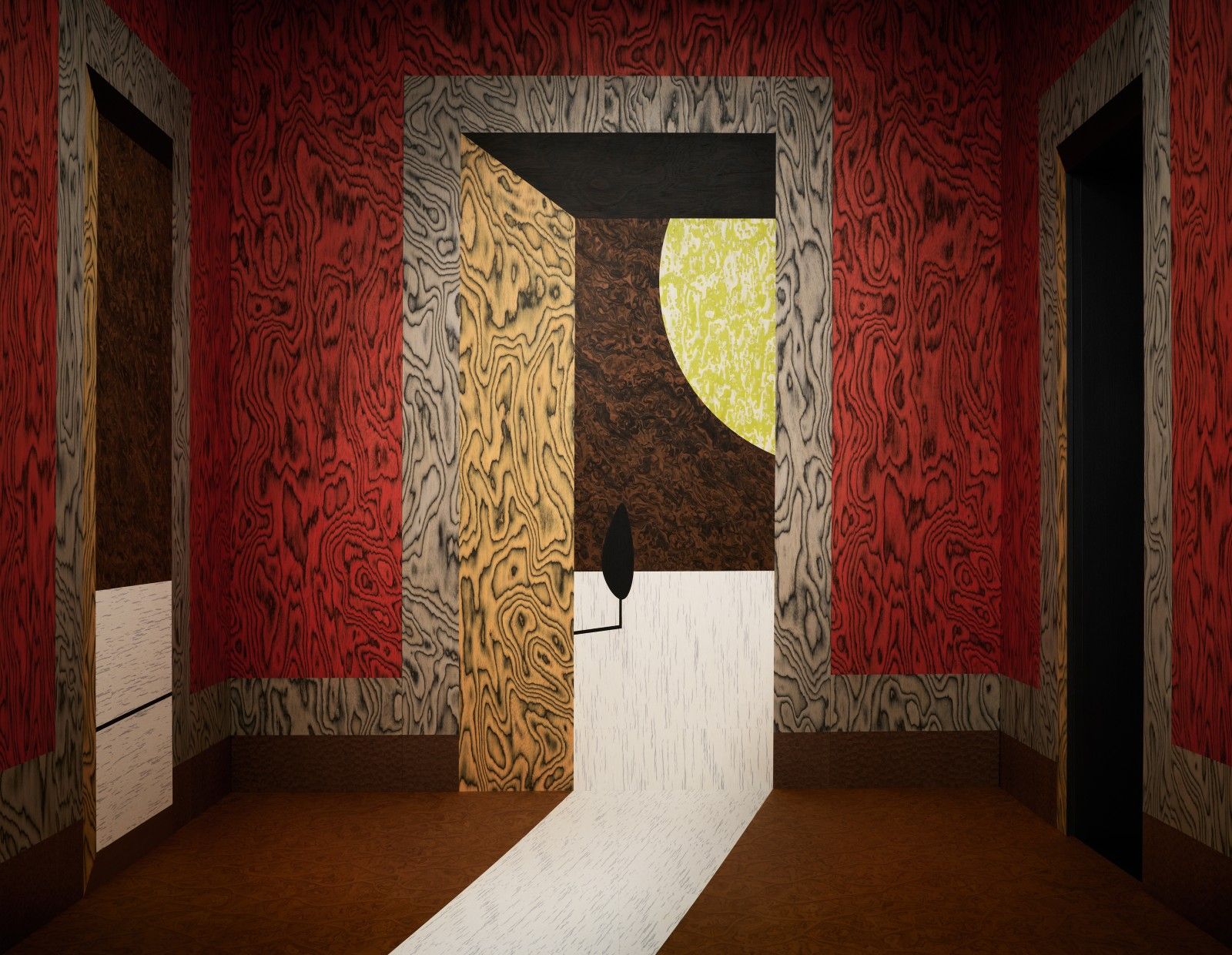
And it is precisely in this void that the difference with the Italian system emerges, porous beyond any plausible understanding, heterogeneous and disordered, torn at the edges, but still vivacious and unpredictable as every organism capable of evolving is in nature. We were reminded of this by the GamFratesi who, for Alpi, signed Piazza Interiore, a performative and decidedly ‘meaningful’ installation, to use a term dear to Terenziani. And it was also reiterated by Jaime Hayon who, with Jaime, what are you doing?, shared a more intimate and open reflection on the contemporary imagination.
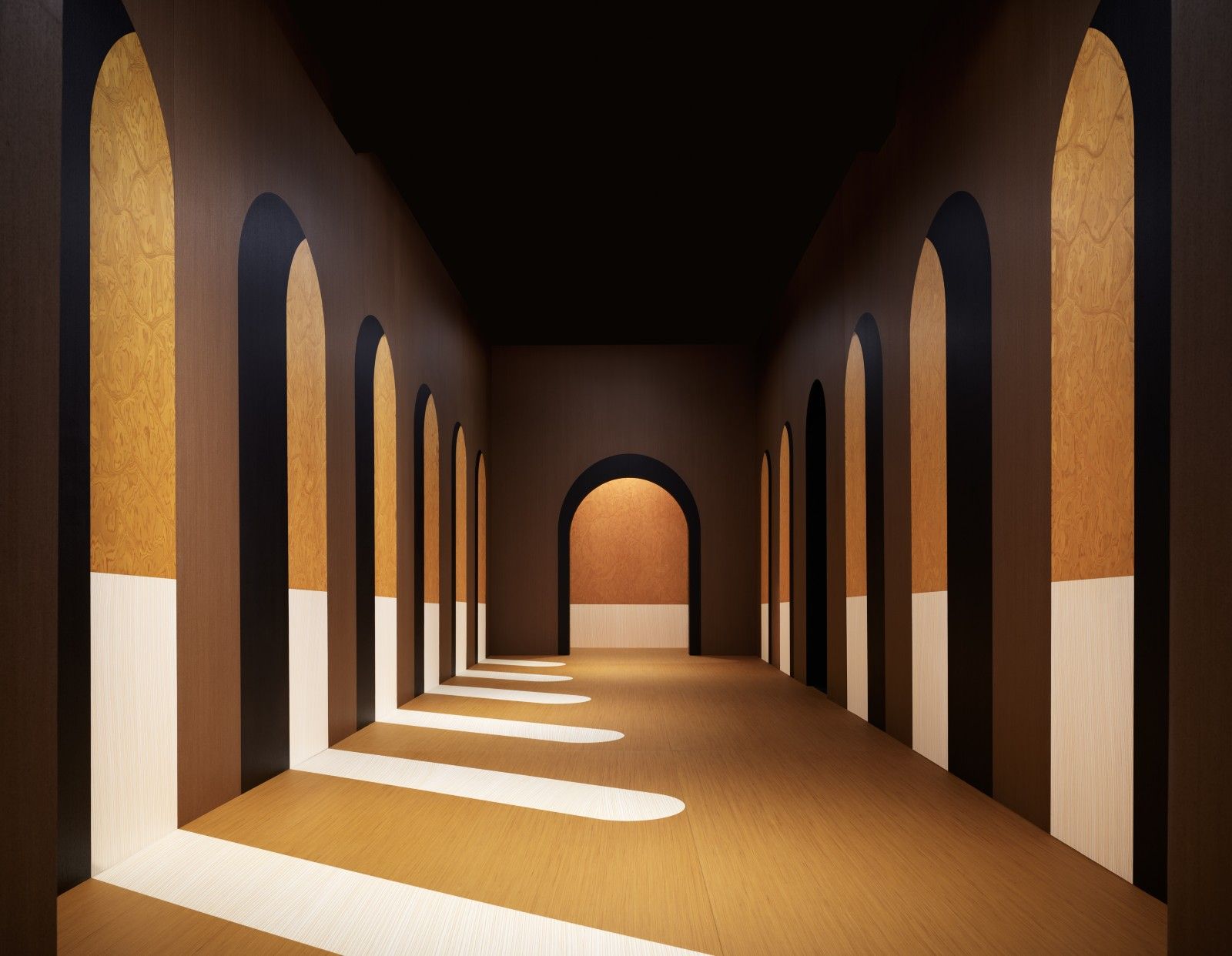
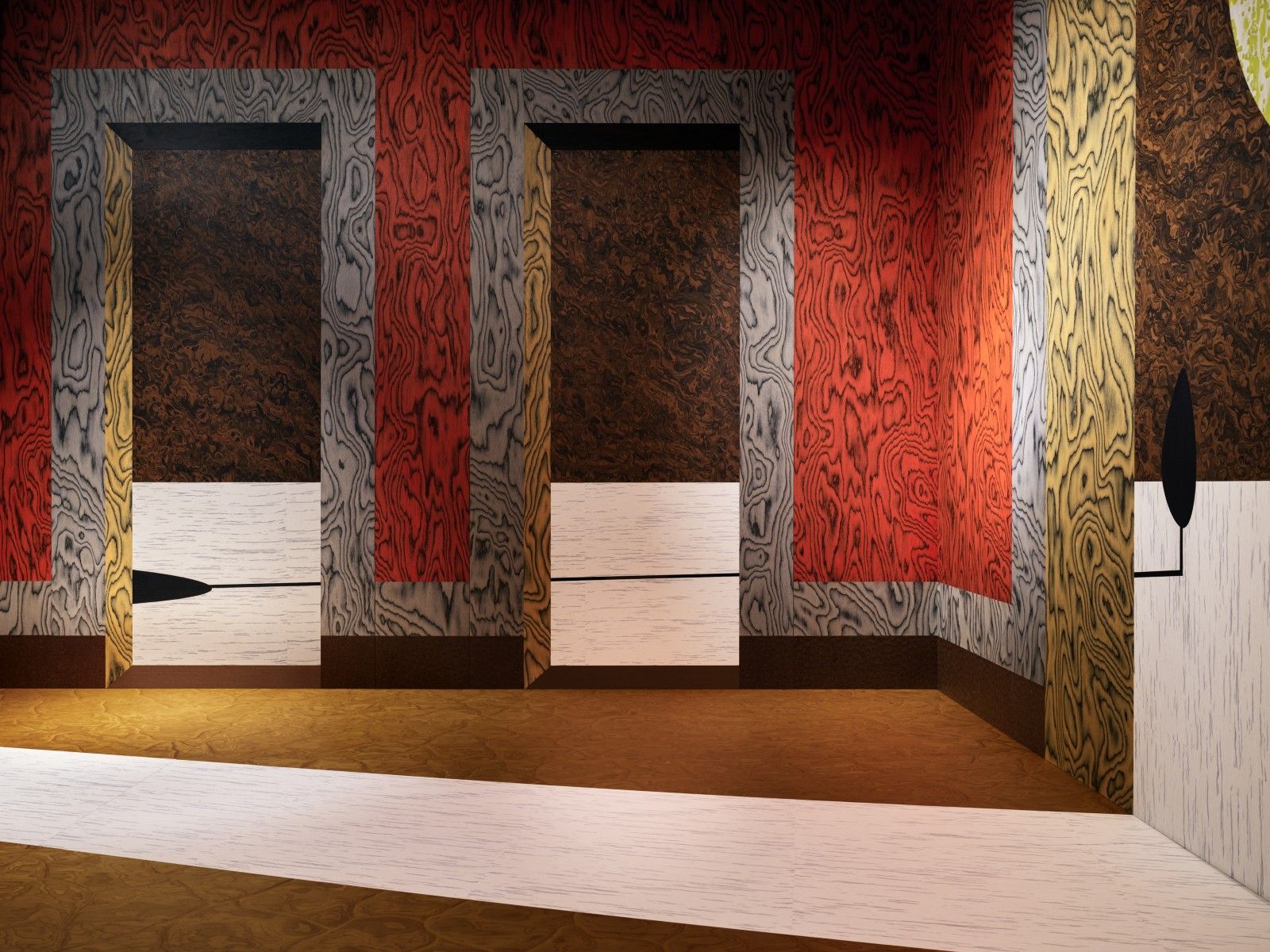
Inspired by the metaphysical aura of Giorgio de Chirico, the installation created by the Italo-Danish duo is a sequence of environments with Mediterranean sensitivity, dominated by wood and suspended architectures, sharp shadows and silent perspectives. But the key to the project lies entirely in the posture suggested to the public: to sit in the center of the square. A simple gesture that restores the sense of proportions and the value of a public space that becomes a place of encounter, confrontation and belonging.
The same sensitivity also runs through the story that the Spanish designer, together with the St. Leo gallery, dedicated to his mother Raquel Benchimol, who recently passed away: the question she asked him throughout her life becomes the starting point for a reflection on maternal love, memory and imagination. An intimate and delicate plunge that carries with it a warm, deeply Mediterranean sensitivity, capable of reminding us that design is not only a synthesis of functions, but also a narrative of identities, belongings and relationships. A language that builds cultural connections and brings seemingly distant worlds closer.
A distinction that leads us straight to the conclusion: if Copenhagen continues to be one of the most convincing places to observe industrial design in action, despite its complexity today out of focus, Milan remains a laboratory of ideas and experiences open to crossings and sharing. The challenge awaiting both cities does not concern the quality of the product: it concerns the ability to transform the concept of ‘meaning’ into something more than a keyword. Something that does not limit itself to confirming the present, but still has the courage to question it.