








































Italians spend nearly a third of their lives online What our digital habits reveal
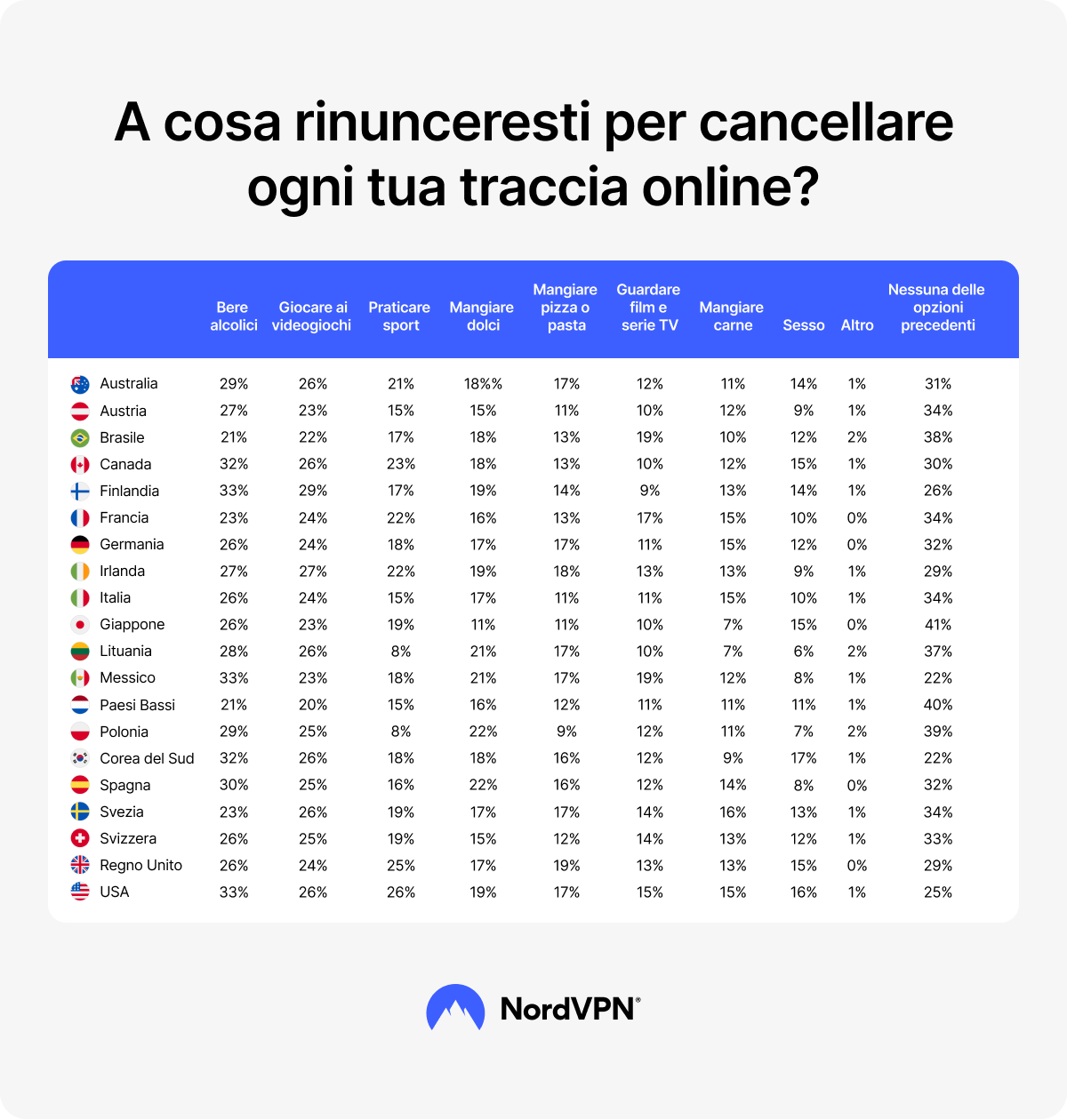
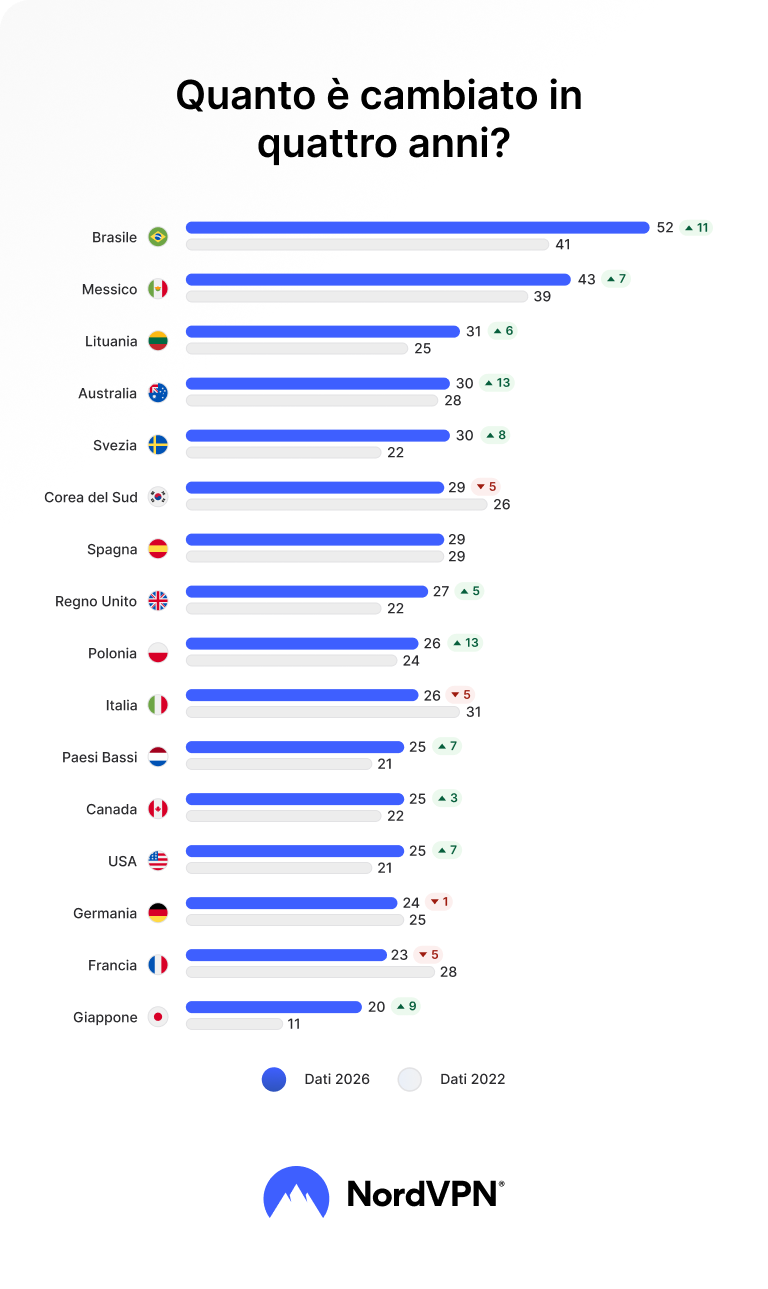
As shown by a study conducted by NordVPN, the average Italian spends 25 years, 6 months, and 1 day of their life online: practically one third of their existence, considering that the average life expectancy is 84 years. The connection starts at 8 in the morning and does not stop until 10:00 p.m., for a total of around 50 hours a week.
Entertainment dominates the ranking of digital activities: in first place is watching TV series and films in streaming, with 6 hours and 34 minutes per week. This is followed by listening to music (4 hours and 20 minutes), online videos (4 hours and 19 minutes), and social media, which take up just over 3 hours a week. Added to this is the phenomenon of the second screen: 29% of Italians admit to checking social media while watching films or series, a form of parallel consumption that has now become almost automatic.
A new presence
But in the 2026 landscape, another significant figure stands out: Italians spend an average of 53 minutes per week interacting with AI-based chatbots. This is no longer simply technological curiosity about a novelty: artificial intelligence has now become a tool for daily use, even though only 11% consider it essential to their routine. However, 18% already believe that it has concretely improved the quality of their online experience. Today, AI also plays a role in quick searches, signaling a structural transformation in the way we retrieve information and make decisions.
The problem of privacy
Despite growing awareness of digital risks, Italians continue to share sensitive information with apparent ease. 64% have entered their full name on online platforms, 66% their date of birth, and 43% their full home address. This is perhaps the most striking contradiction: users show a certain level of caution with AI, considering that only 3% have uploaded confidential documents to artificial intelligence tools, while being less cautious when it comes to sharing personal and private data. It is therefore essential that digital security also be applied in this sense to these new tools.
Some fundamental practices for browsing safely suggested by Briedis include: regularly checking for possible data leaks, relying on trustworthy security software, always verifying suspicious links and messages, avoiding sharing personal or financial information with AI tools, and remaining vigilant against increasingly sophisticated phishing techniques.