



































There are some rather quirky Christmas traditions In many countries, the holiday goes far beyond the traditional Christmas tree
Certain Christmas customs, such as decorating the tree or setting up the nativity scene, are now common throughout much of the West, but alongside these established traditions, there are others that are less well-known and often tied to specific geographical areas – yet equally cherished by those who practice them.
What film do you watch on Christmas?
scusate ma chi cazzo l’ha mai visto una poltrona per due ma qualcuno veramente l’ha mai visto per intero?
— (@deadpoetstan) December 24, 2024
nonostante lo facciano ogni vigilia di Natale
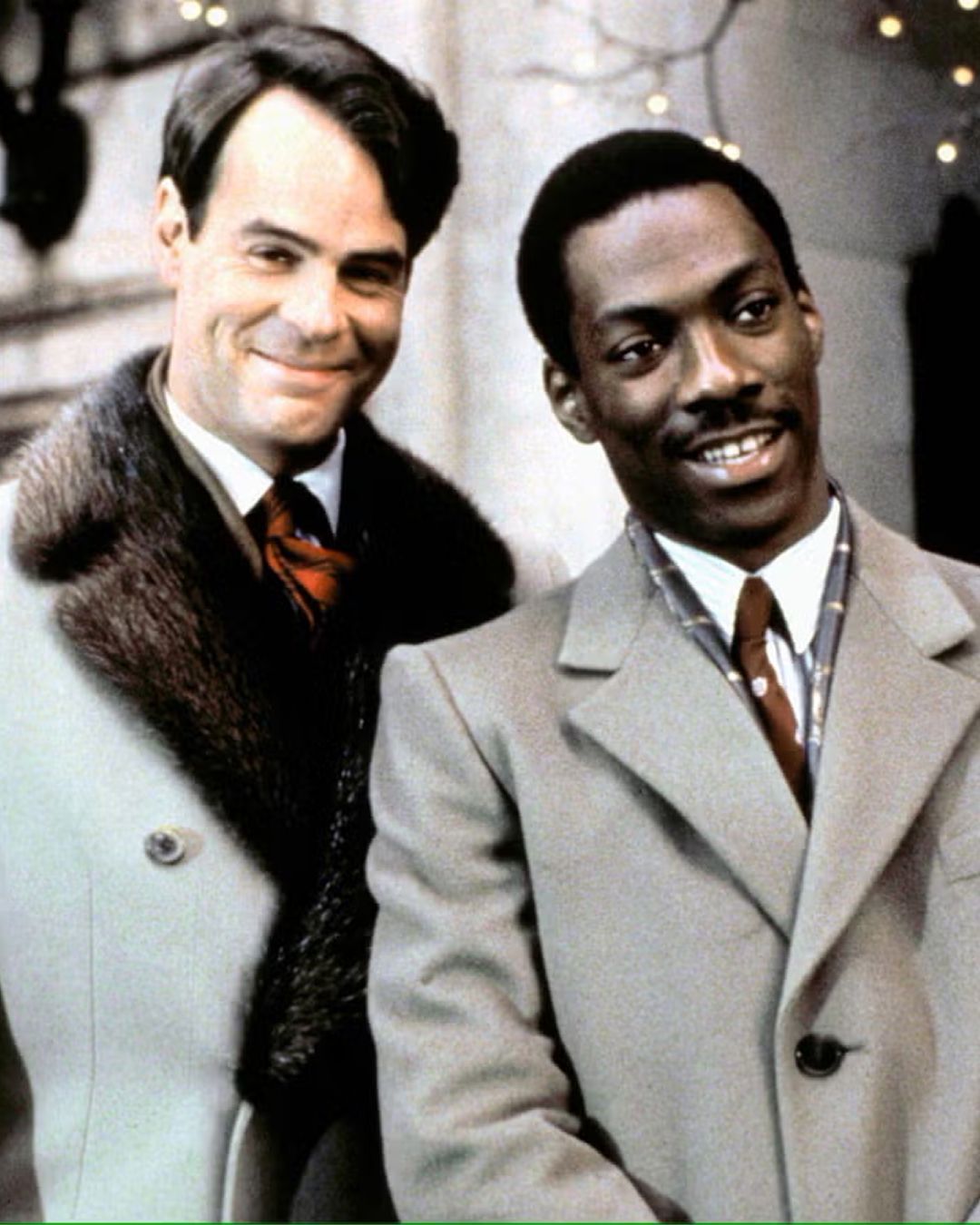
For example, in several countries, national television networks keep the Christmas tradition alive by airing certain films every year, each linked to the holidays by atmosphere, setting, or themes. In Italy, on Christmas Eve, many families gather in front of the television to watch Trading Places, the 1983 film directed by John Landis starring Eddie Murphy and Dan Aykroyd. Broadcast by Italia 1, Trading Places has practically become part of a collective ritual – not coincidentally, its viewership remains high each year, even though it is not strictly a Christmas title.
In France, however, since the 1980s, Christmas Eve has been associated with the comedy Le père Noël est une ordure, set in a hotline for people seeking help in difficult times. In Australia, the tradition is to rewatch the 1983 film Bush Christmas at Christmas, while in Japan the most representative film of this period is Tokyo Godfathers, following three homeless people who find an abandoned newborn on the night of December 24.
KFC for Christmas in Japan
@leo.in.nihon KFC Christmas in Japan #japan #japankfc #japanchristmas #japanfood Honey Tea - Oh Yu Sik
Still in Japan, another custom that has gained great popularity at Christmas involves KFC: on December 25, over three million people choose to dine at the well-known American fast-food chain. Some locations open reservations as early as November, yet it is common to see very long lines in front of the busiest restaurants.
This habit dates back to 1970, when the first KFC outlet in the country opened – in Nagoya, in central Japan. It is said that after hearing an American living in the city complain about the absence of the traditional Christmas turkey, the owner of the restaurant decided to offer KFC’s typical fried chicken as a substitute, creating a tailored promotional campaign. The idea quickly caught on, also helped by the fact that there were no specific Christian Christmas traditions in Japan, and the brand ended up being associated with the holiday.
Christmas Traditions in Northern and Eastern Europe
Not everyone knows that in the Nordic countries, during the holidays, the tradition of the so-called “Yule Goat” is widespread, a symbol rooted in ancient Germanic traditions and tales of the god Thor, who according to some stories traveled in a chariot pulled by two flying goats. Today, the "Yule Goat" appears in decorative versions to hang on the tree, but some cities build monumental installations made of straw or wood. The most famous is in Gävle, Sweden, first created in 1966 and so famous that it is watched day and night to prevent vandalism.
In Eastern Europe, the Christmas period is accompanied by deeply rooted customs often tied to folk tales. In Ukraine, it has long been believed that decorating one’s home with fake cobwebs at Christmas brings good luck. The tradition comes from a legend in which spiders, moved by compassion for a family too poor to decorate their tree, covered it with threads that turned to gold and silver at sunrise. In the Czech Republic and Slovakia, the main dish of the Christmas lunch is carp, and after serving it, some scales are kept in the wallet with the belief that they can ensure prosperity and good fortune for the coming year.
What to read next



How Ploom* Flavour Garden Went, Between Ernia's Live Set and Four Immersive Worlds
Music, new talent and immersive installations: on October 15th, Superstudio Milano transformed into a great garden of creativity