
















Moët & Chandon organizes the fifth edition of Biodiversity Days Celebrating ten years of UNESCO Champagne with new plantings and a collective commitment to biodiversity
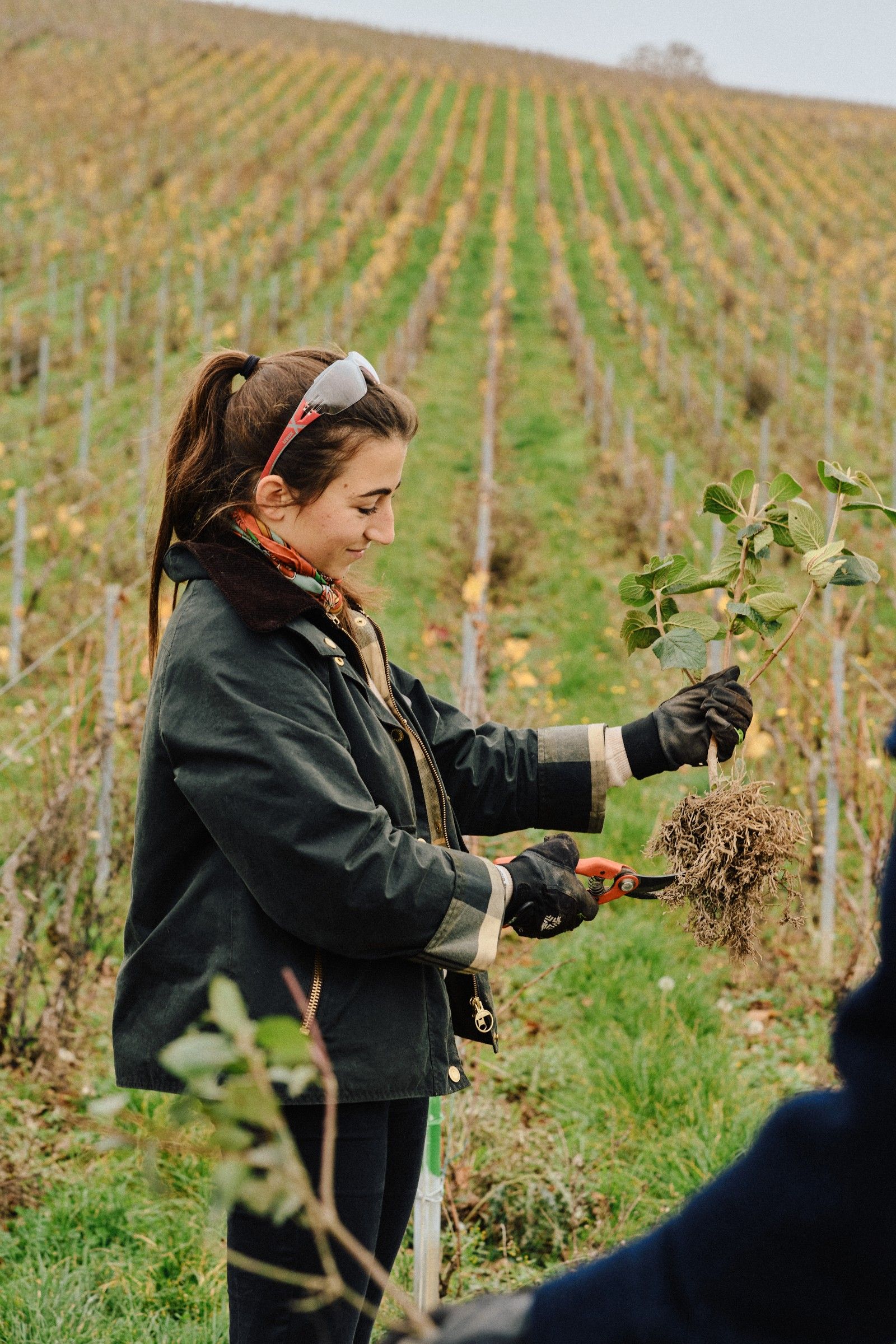
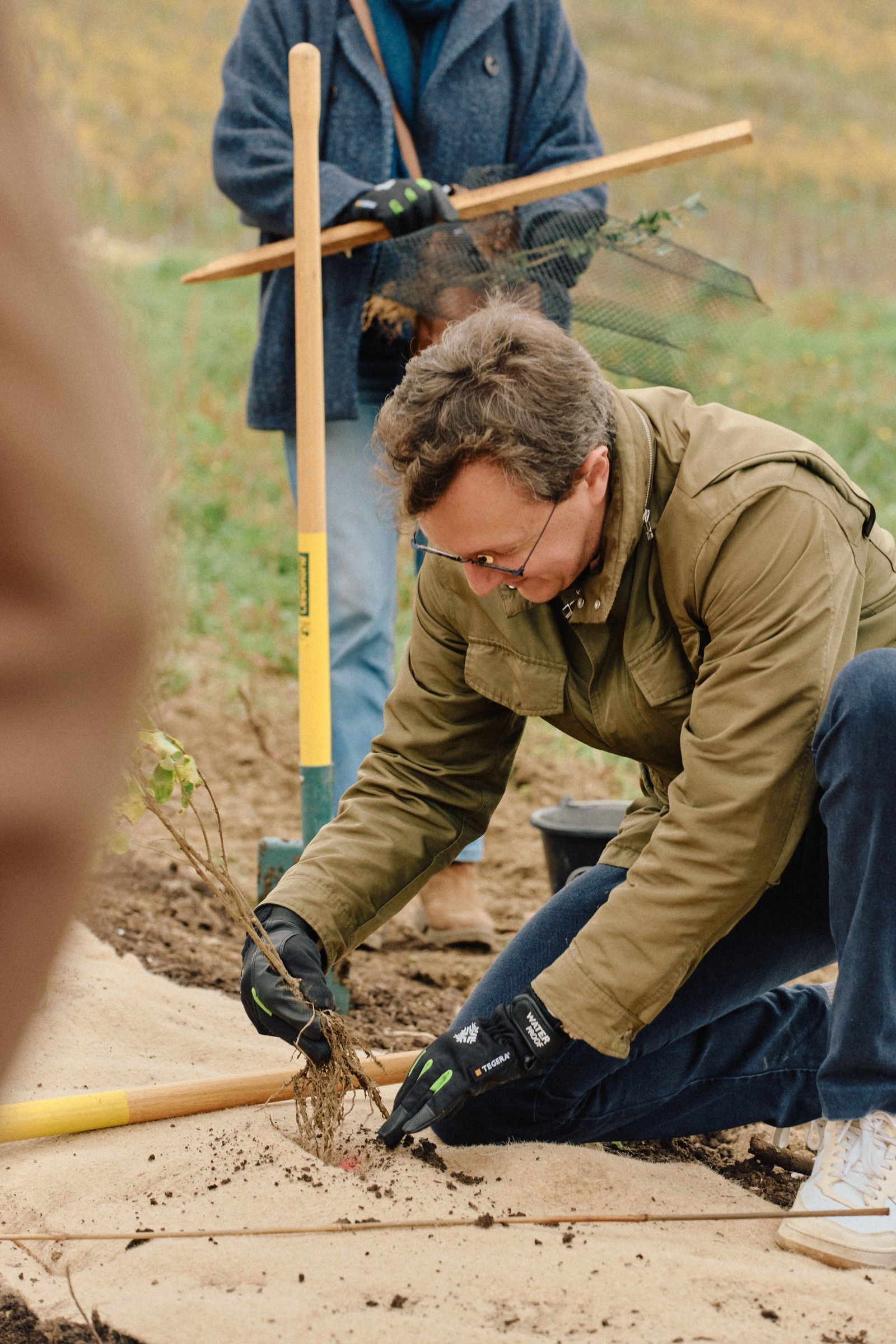

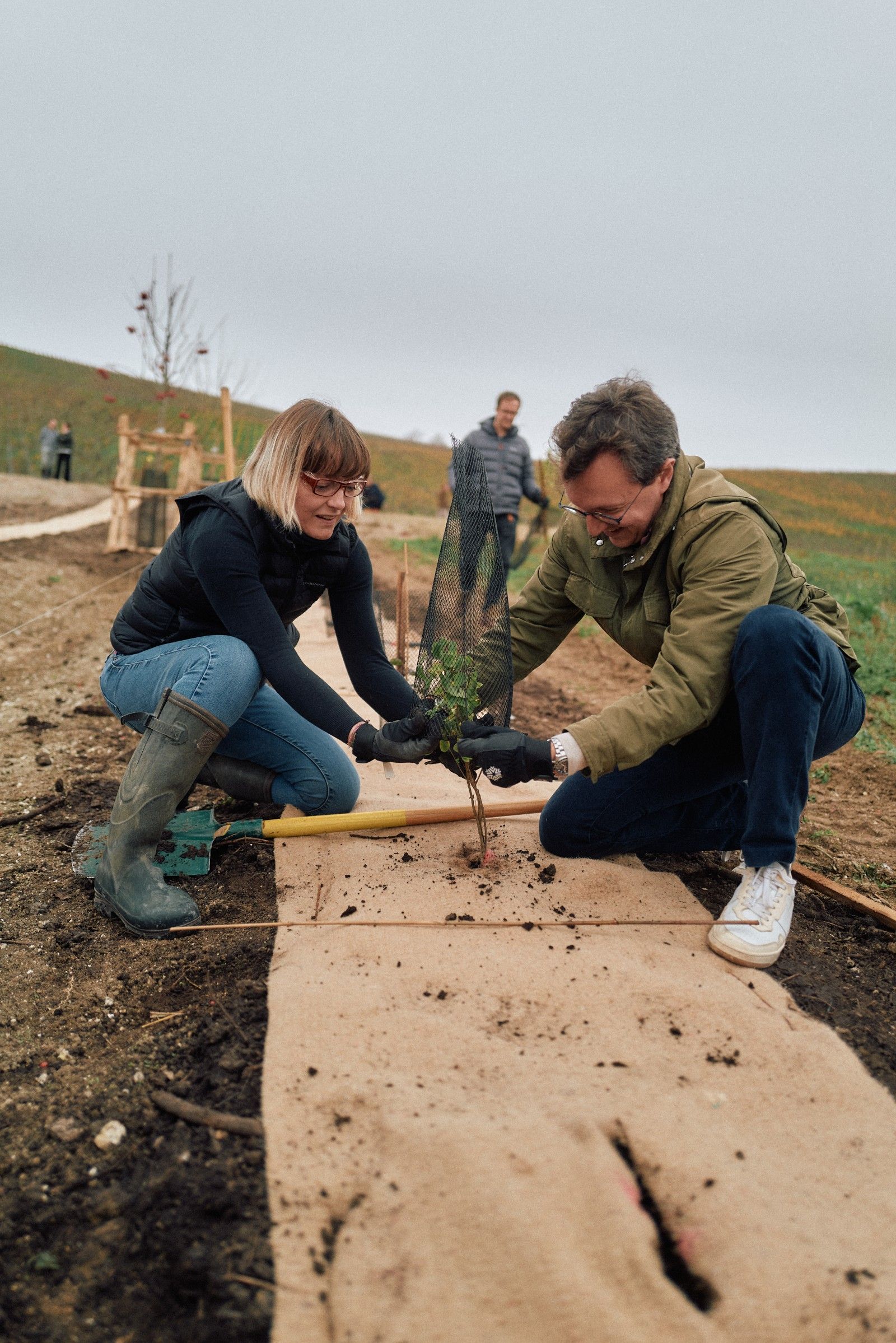
Last Saturday, Moët & Chandon celebrated the fifth edition of its Biodiversity Days, the annual event that is part of the Natura Nostra programme and reinforces the Maison’s commitment to protecting the natural heritage of the Champagne region. For more than twenty years, the Maison has devoted itself to environmental protection. This year’s edition, held at Pressoria in Aÿ-Champagne, marks a significant milestone as it coincides with the tenth anniversary of the inscription of the Champagne Hillsides, Houses and Cellars on the UNESCO World Heritage List.
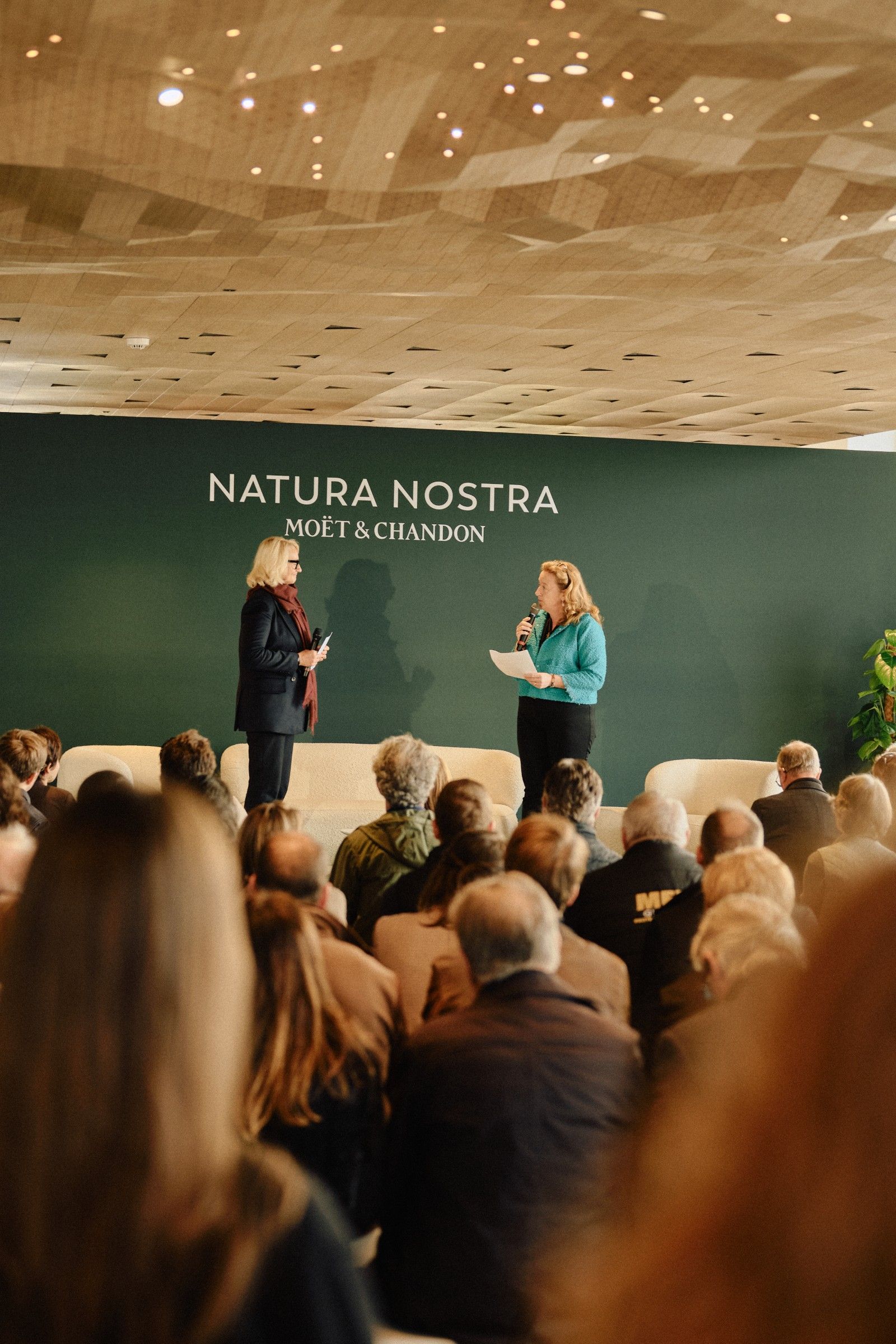
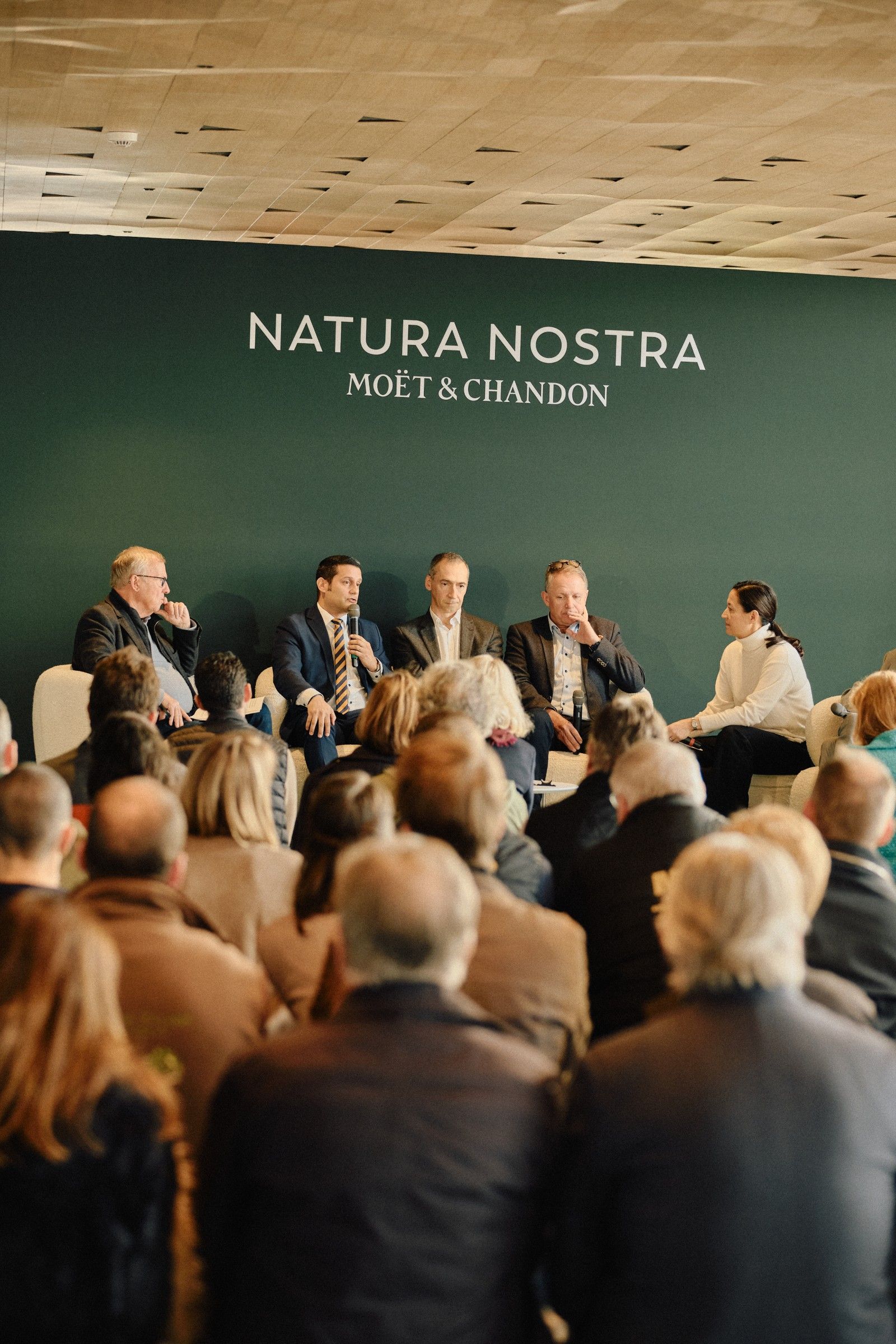
Pressoria in Aÿ-Champagne is a cultural and educational centre for which Moët & Chandon acts as patron. This added symbolic value to the day. Overlooking the Maison’s historic vineyards, the venue reminds everyone of the importance of preserving the region’s heritage. The Aÿ-Champagne plot has belonged to Moët & Chandon since the early 19th century. Today it focuses on biodiversity, with plans to replant vines in 2026. The day was not limited to practical activities; it also included moments of reflection. A round-table discussion brought together local and regional representatives, environmental experts and members of the UNESCO Local Mission. They all examined the importance of collective action in protecting the Champagne landscape. The discussion highlighted the role of collaboration and shared responsibility as essential drivers for lasting change.
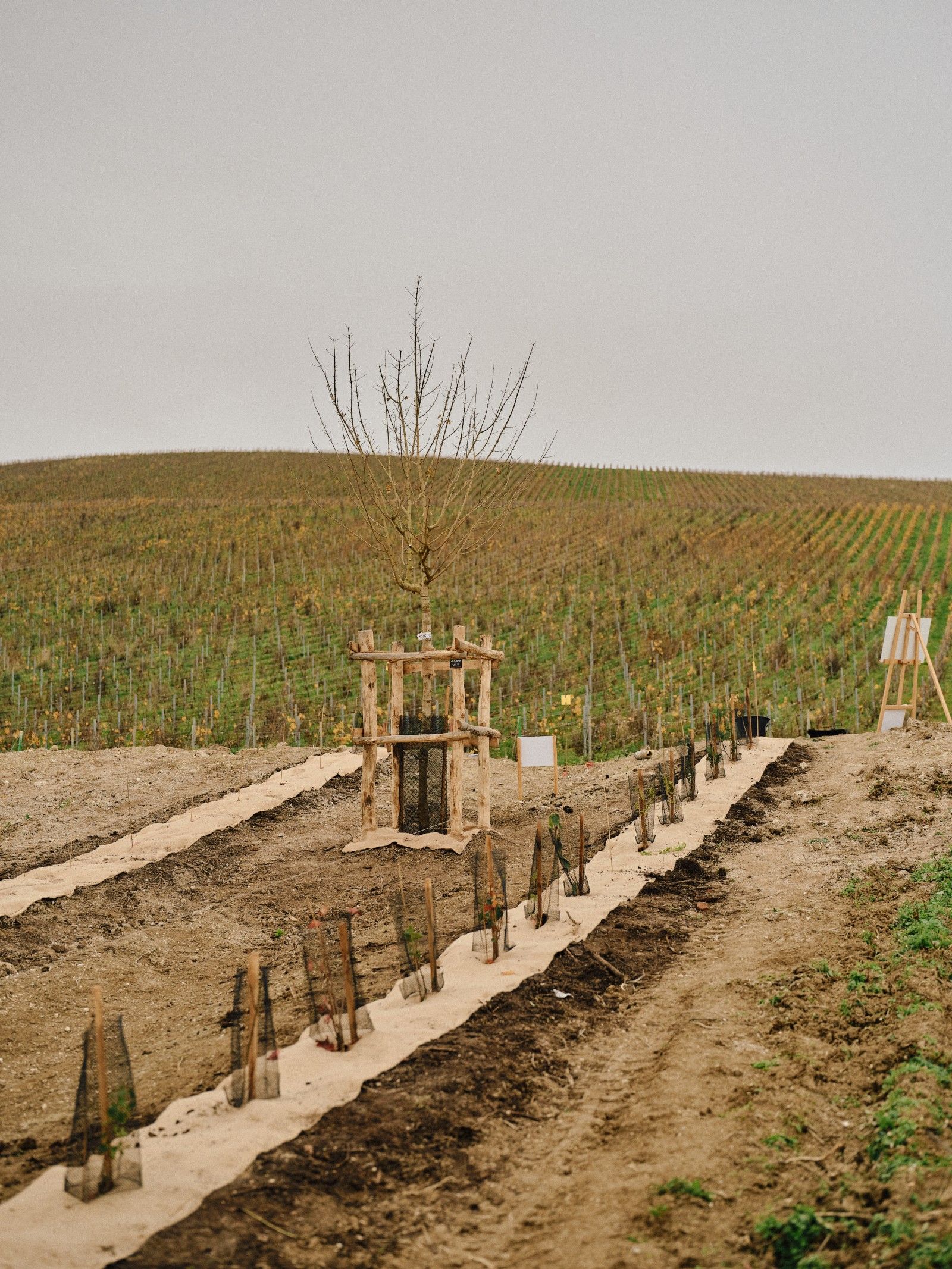
Since its launch in 2021, the Natura Nostra programme has acted as a catalyst for the regeneration of biodiversity in Champagne. The project has already achieved remarkable results, including the creation of 55 kilometres of ecological corridors by early 2025, with the target of reaching 100 kilometres by 2027. In 2025 alone, another 25 kilometres of corridors will be completed, bringing the total to 80 kilometres by the end of the year. Such success stems from a collaborative approach. The Maison works closely with its viticultural partners and regional authorities – including the Région Grand Est and the Marne Chamber of Agriculture – to implement these initiatives. Agroforestry specialists select the most suitable plant species for the local environment, thereby ensuring long-term durability and alignment with the principles of the circular economy.
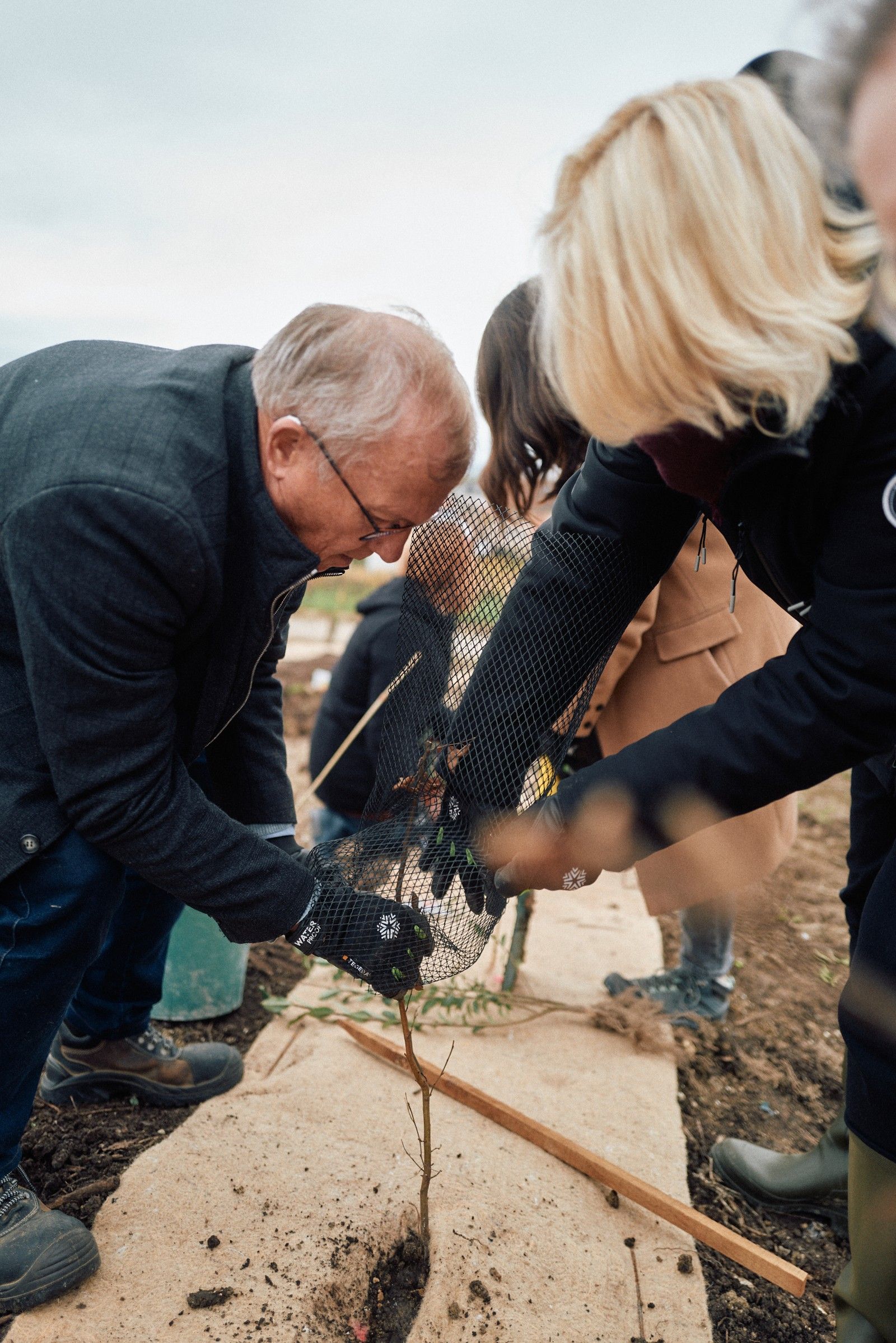
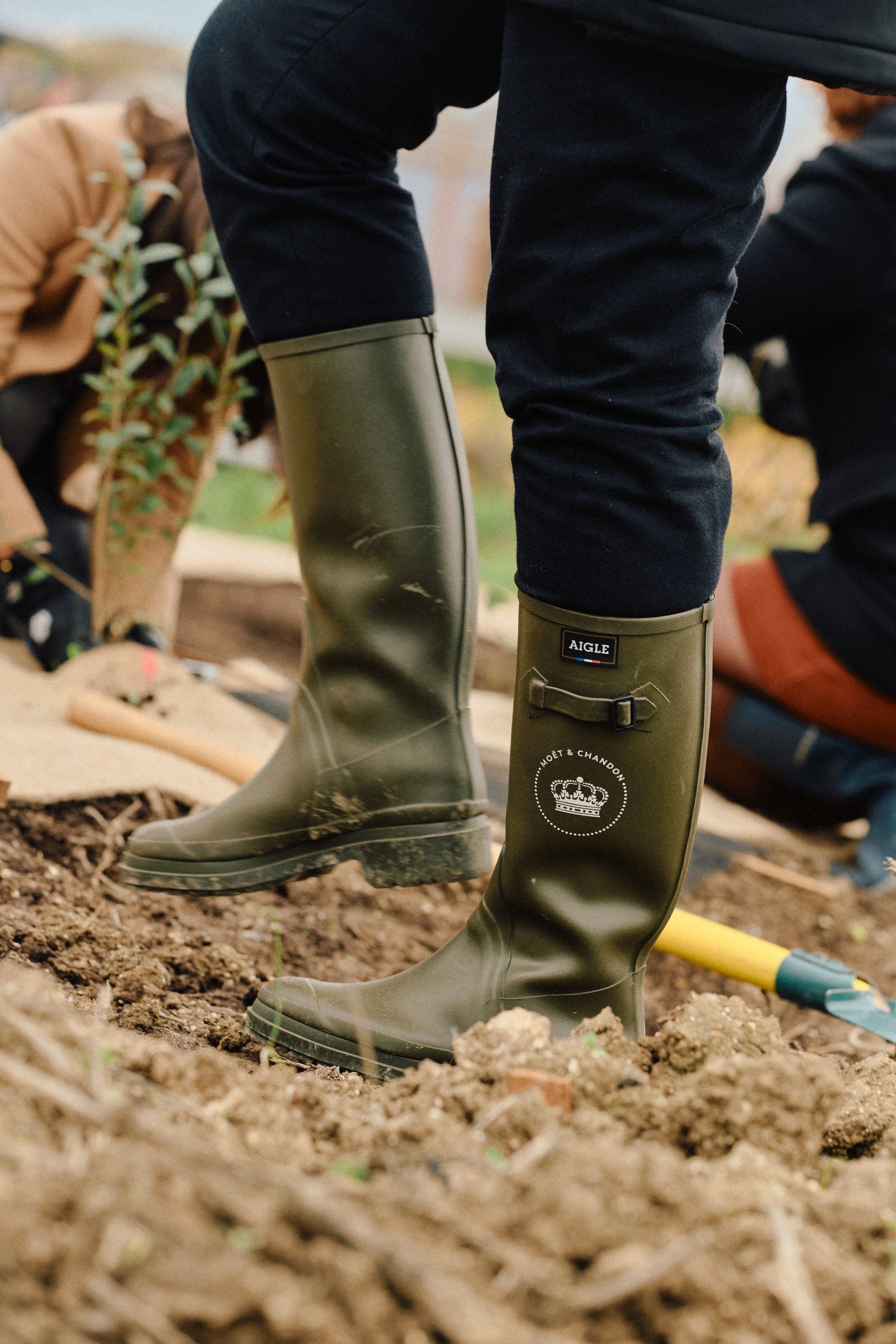
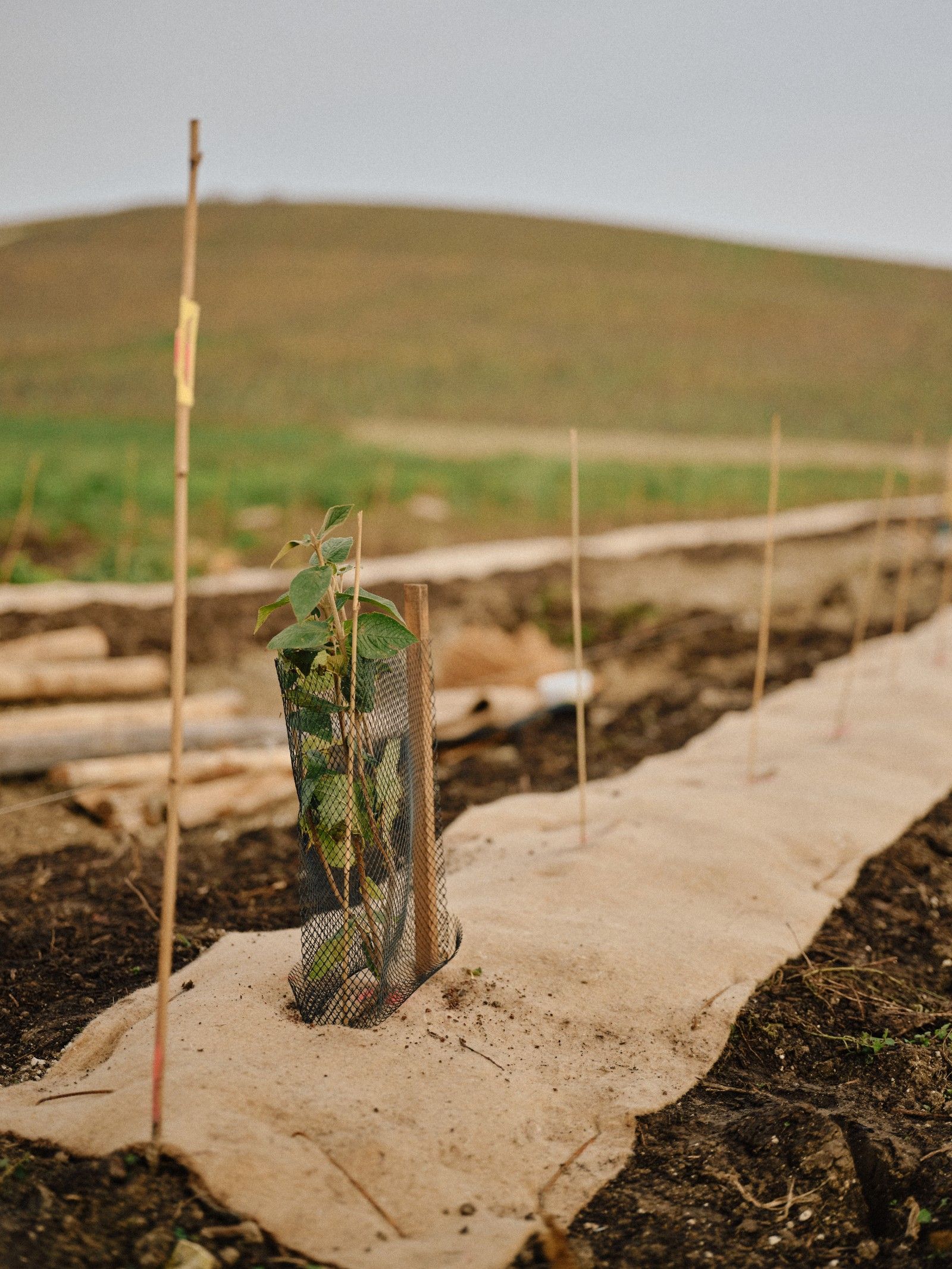
The Biodiversity Days gathered 90 participants, including Moët & Chandon employees, viticultural partners, local representatives and regional stakeholders. Everyone worked together to support biodiversity. One of the day’s main activities was planting 500 metres of hedges and trees in historic plots at Aÿ-Champagne. These plots have rested for more than two years to encourage a richer biodiversity landscape. These actions fit into Natura Nostra’s broader vision: creating ecological corridors that strengthen habitats for local flora and fauna, improve soil stability and water retention, and help build a more sustainable future for Champagne.