





























Milan is still the best city in Italy According to the annual report by ItaliaOggi and Ital Communications
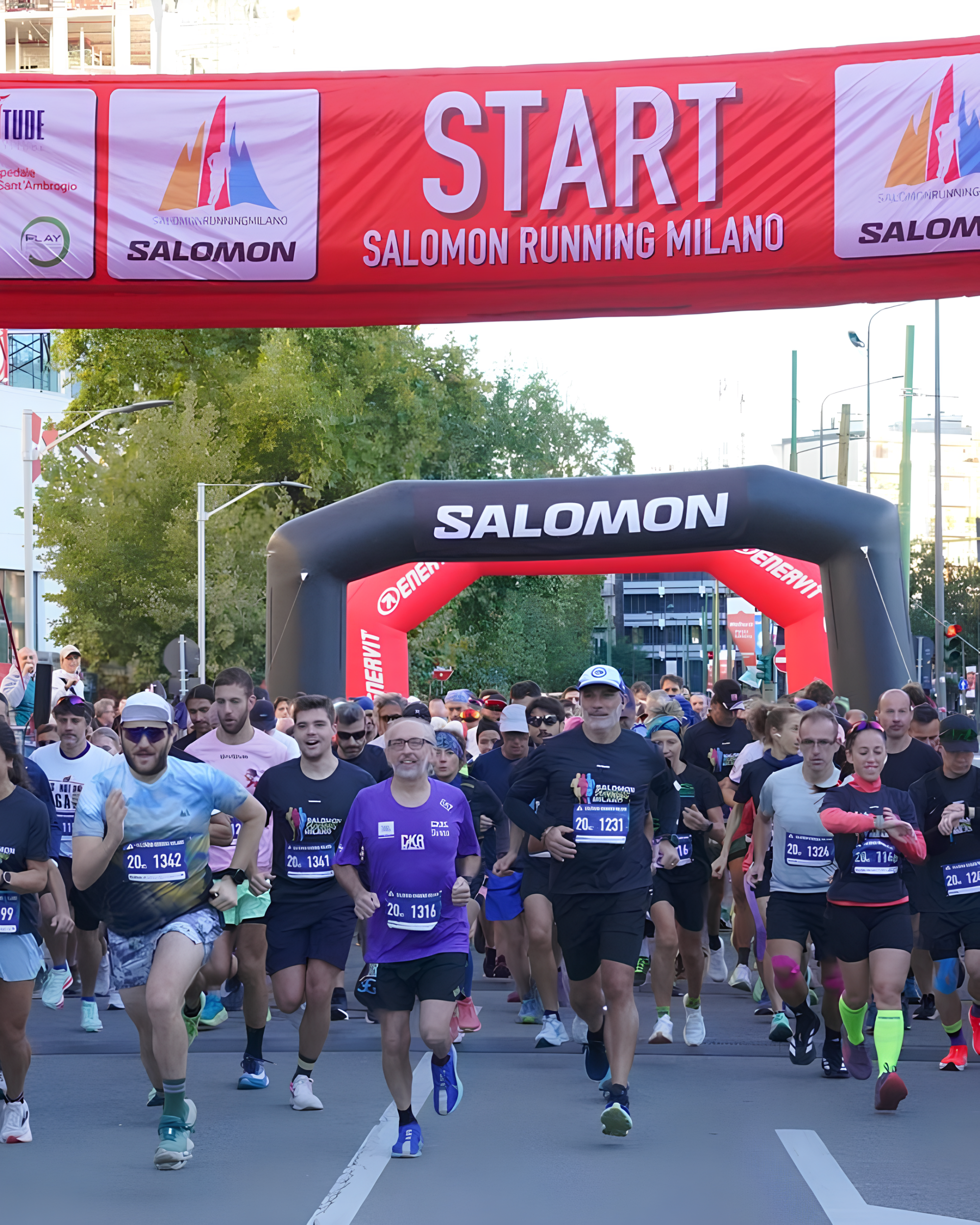
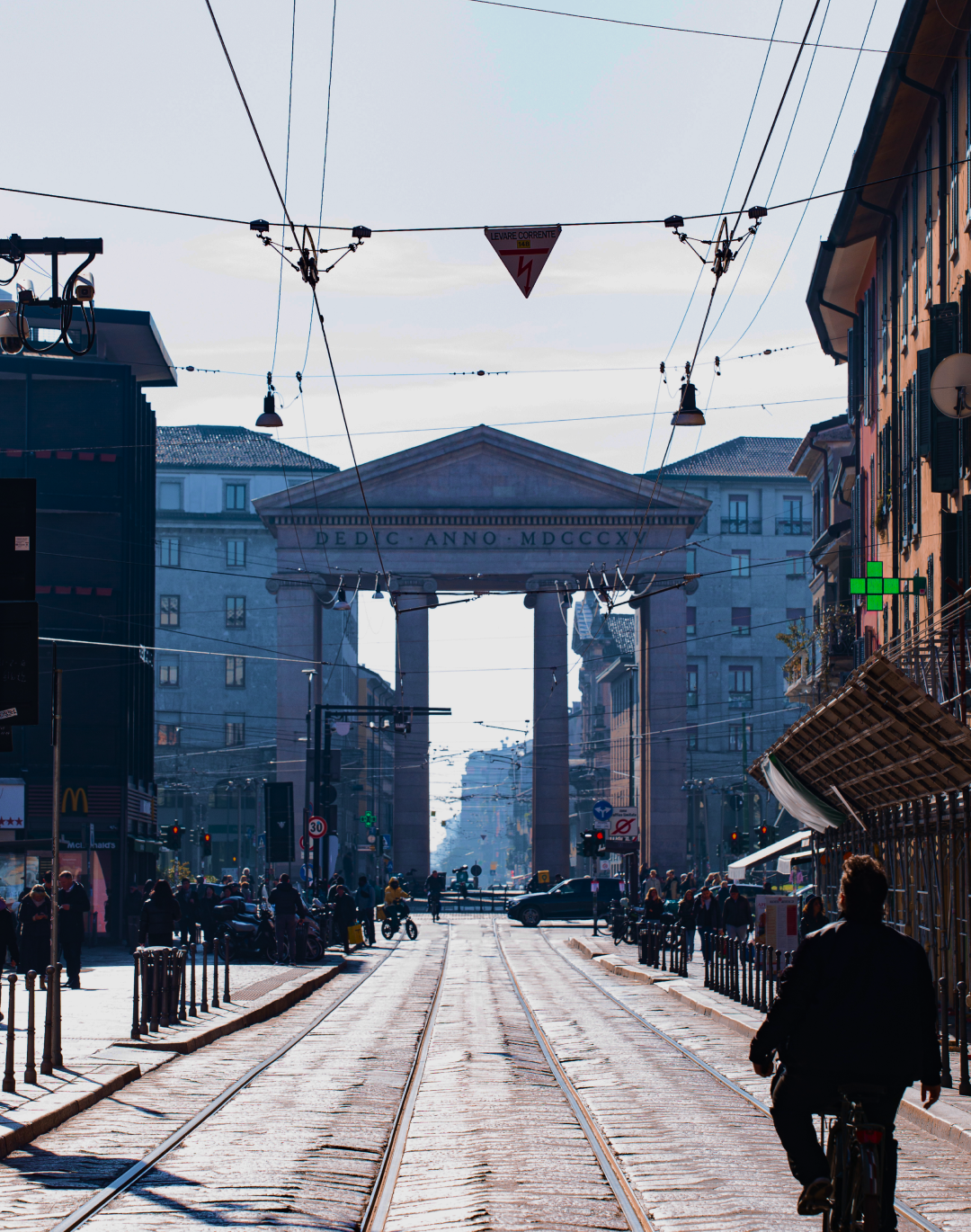
«Milan l’è on gran Milan», over time more than just a simple verse, has become a sort of prophecy. Almost ninety years after Giovanni D’Anzi’s song, the Lombard metropolis remains the economic and cultural center of the country. A city unlike any other in Italy and which, according to the 2025 report by ItaliaOggi and Ital Communications created in collaboration with Sapienza University of Rome, confirms itself as the best Italian province for quality of life.
Where do people live best in Italy?
The study, now in its 27th edition, reaffirms what Milan should ideally represent: a mix of services, infrastructure, job opportunities, and cultural vibrancy that is difficult to replicate elsewhere. The top 3 cities with the best quality of life in Italy continues with Bolzano, which confirms its second place, and Bologna. Two cities supported by a solid economic structure, a productive ecosystem in motion, and a management of public services that, though not without flaws, remains among the most efficient in the country.
Although the top of the ranking remains almost identical to last year, the positive surprise comes from Rimini and Ascoli Piceno, which climb more than twenty positions and signal a transformation in central Italy. On the opposite side, the ranking highlights the slowdown of areas such as Pordenone, Gorizia, and Foggia, which fall significantly. At the bottom remain Caltanissetta, Crotone, and Reggio Calabria, territories that continue to suffer from structural weaknesses difficult to overcome in the short term.
What the report measures
To understand why Milan not only ranks first, but does so with a score of 1000 out of 1000, one must consider all the variables included in the study. These consist of nine key areas: business and employment, environment, education, population, safety, income and wealth, welfare, healthcare, tourism, and culture. A broad analysis, made up of 97 indicators, that evaluates not only the ability to generate income, but also to guarantee social well-being, adequate services, and a balanced urban fabric.
As reported by Il Messaggero, Alessandro Polli, professor at Sapienza and scientific coordinator of the project, highlights three macro-trends: the growing divide between central-northern and southern Italy - worsened by the presence in the South of broad areas of social hardship, an increasingly complex national financial situation, and the consolidation of the primacy of the major northern provinces, which even in an unstable economic phase show a capacity for resilience above the national average.
Are we sure about Milan?
non conosco una persona che sia felice e ancora entusiasta di vivere a milano una
— (@senzatregua__) September 5, 2025
The Milan of the report does not coincide with the city described by its citizens. The quality-of-life ranking is confirmed by the numbers, but it falters as soon as more immediate factors come into play: the cost of rent, which has reached unsustainable levels; young people choosing to leave because an average salary no longer covers even a single room; the confidence in the job market that is shrinking and opening gaps of precarity as rapid as they are deep.
In recent years, Milan’s official narrative has drifted increasingly away from the actual lives of those who truly inhabit the city. The race in prices, competitive pressure, and a development model that moves without pause have transformed the metropolis into a place that rewards only those who already have the means to stay. And now, with the arrival of the 2026 Olympics, the situation has taken an even more radical turn. The redevelopment of the South Milan area, ideally an opportunity, has turned into one of the most aggressive gentrification operations in recent years, with entire historically low-income neighborhoods such as Corvetto being transformed.
A vertical city in its pace, ambitions, and real estate growth, which however risks becoming vertical also in its inequalities: those at the top keep rising, while those at the bottom find less and less space to stay. At this point, the question changes shape. It is no longer about understanding where life is best, but whether Milan will truly manage to bear the weight of the myth it has built. A city that keeps running, but that perhaps should ask itself who will be able to keep up.
Takeaways:
– Milan continues to lead the rankings on quality of life, but the daily perception of its citizens tells of a city increasingly divided between those who can afford it and those forced to leave.
– The metropolitan model of vertical growth fuels opportunities and innovation, but at the same time widens the generational divide, especially regarding rents, salaries, and access to work.
– The real issue is no longer whether Milan is the “best” city, but whether it will be able to sustain the narrative it has built without losing the community that made it vibrant.
What to read next
Calvin Klein has opened a Denim Kiosk in Piazza Castello in Milan
Here is what went down at the opening event
Gen Z is spending more on art than any other generation
A new Arts Economics report on global collecting reveals the trend
Data centers are invading our cities
The more demand for artificial intelligence grows, the more everything needed to make it work grows too