

































Black Rabbit, catering according to Netflix Even though the Netflix show starring Jude Law and Jason Bateman isn't what it seems
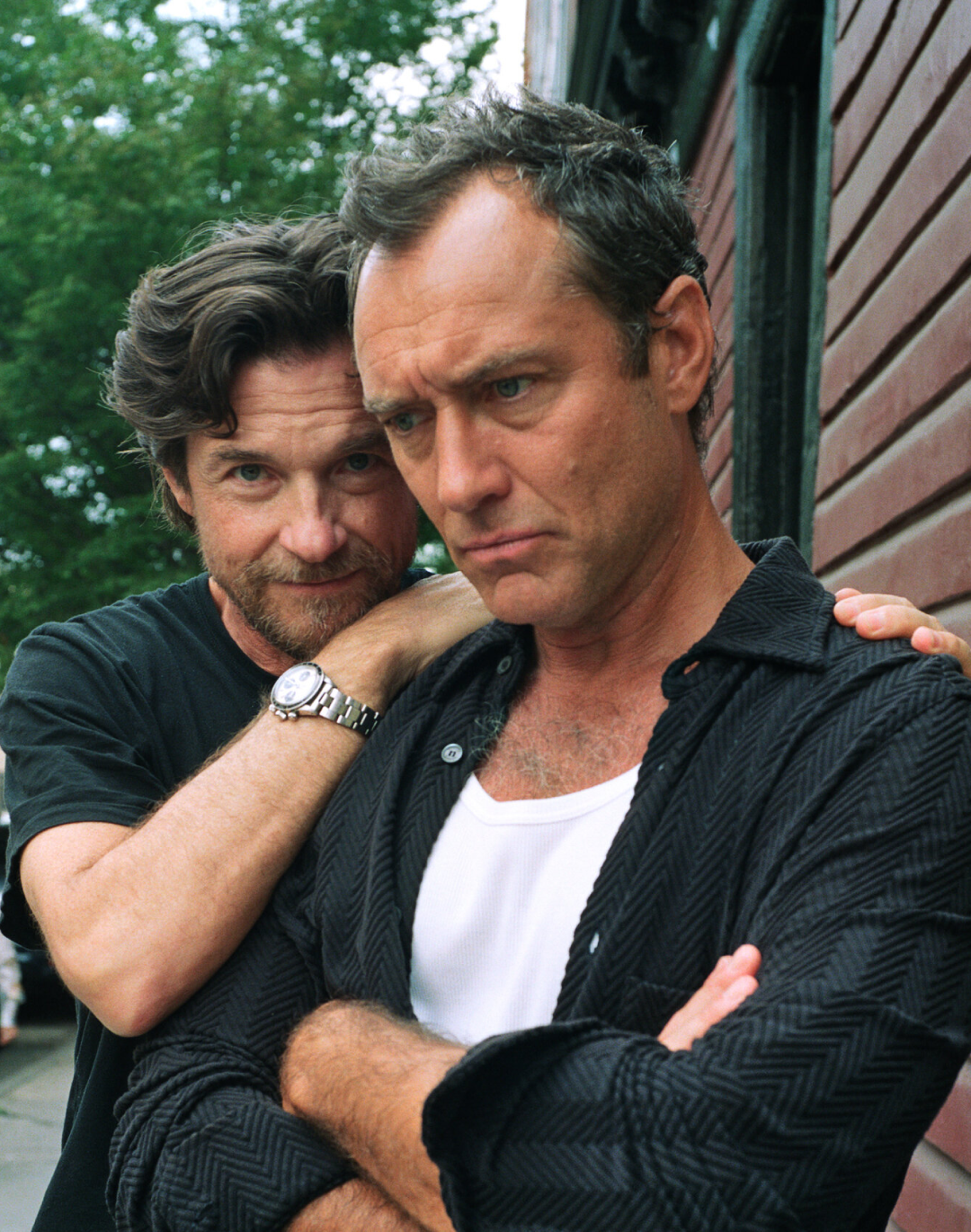
The operation carried out by Black Rabbit, the new Netflix series available on the platform from September 18, is quite clear. Created by Zach Baylin and Kate Susman, the eight-episode show is the result of two converging projects, one serial and one cinematic, which merge into a story starring Jude Law and Jason Bateman. On one hand, with the support of the streamer and the return of one of the faces from one of its most successful projects, the miniseries tries to follow in the footsteps of Ozark, borrowing its lead actor, who, just as in the four-season project, also directs the first episodes. The conception of Black Rabbit is, in fact, the work of showrunners Baylin and Susman, who previously worked together on the 2024 film The Order, starring none other than Jude Law, with director Justin Kurzel of Macbeth and True History of the Kelly Gang returning to collaborate on the show.
Under these two declared influences, Netflix’s new monthly series begins with the ambition of meeting expectations: from the very first minutes, Black Rabbit makes clear both the direction of its story and the tone it will carry. The result is a dark and tight narrative, built on coercion, blackmail, and strained family ties, unfolding around two brothers, a restaurant, and the countless ways in which that venue risks becoming their downfall. The culinary setting, now a staple in recent audiovisual storytelling, is not used here to celebrate a passion for food, but rather as the backdrop to a personal and criminal drama.
Black Rabbit explores the mechanisms of keeping a business afloat while the characters’ personal lives completely fall apart—lives in which not only anxieties and turmoil are involved, but also a criminal underworld demanding its share. At the core of it all, Black Rabbit dissects the bond between its two protagonists, brothers Jake (Law) and Vince (Bateman). The latter has landed in New York after wandering aimlessly for months without direction and without money, forced to return to the city to scrape together some cash while rediscovering the thrill of nightlife in luxury pubs. A spark that quickly fades when, despite his desire to leave his demons behind, they return to claim their dues—with interest.
For Vince—and unfortunately for his brother Jake—this marks the beginning of a downward spiral that tightens like a noose around their necks, all while gripping the attention of the viewer. Dragged into the desaturated streets and rooms of Black Rabbit, where no color reigns except its opposite, the audience finds itself immersed in a crime thriller that may not be innovative, but is gritty enough to convince. Structured to push viewers to see just how far debts—both financial and emotional—will take them, it suggests that everyone around them is doomed to follow. And in this fragile puzzle of shifting pieces, the writing and performances of the co-leads add depth and nuance to a narrative that refuses to remain on the surface, instead digging much deeper.
If Vince’s shady past is marked by a string of addictions, the most dangerous is Jake’s addiction to his brother. His greatest weakness, his open wound, is what drags him into trouble and fuels a desperate and painful bond between the characters, showing how even the people we love most can be toxic. Black Rabbit will not revolutionize the genre, but amid the flood of (not always excellent) Netflix titles, it certainly manages to stand out for its raw spirit.
What to read next
«Club Kid is a once-in-a-lifetime opportunity», interview with Jordan Firstman
Everything about the directorial debut of the American actor and screenwriter
"Cambogia" teaches actors that you have to care about your own characters
Valerio Lundini's directorial debut premiered at the Rome Film Festival
In "The Debut" Julianne Moore gives a masterclass in acting
The film, premiering at the Rome Film Fest, hits theaters on January 1, 2027