






















Fondazione Prada has launched a €1.5 million fund for independent cinema «The real challenge of cinema is to seek lasting depth and resonance,» interview with Paolo Moretti, Head of the Prada Foundation Film Fund
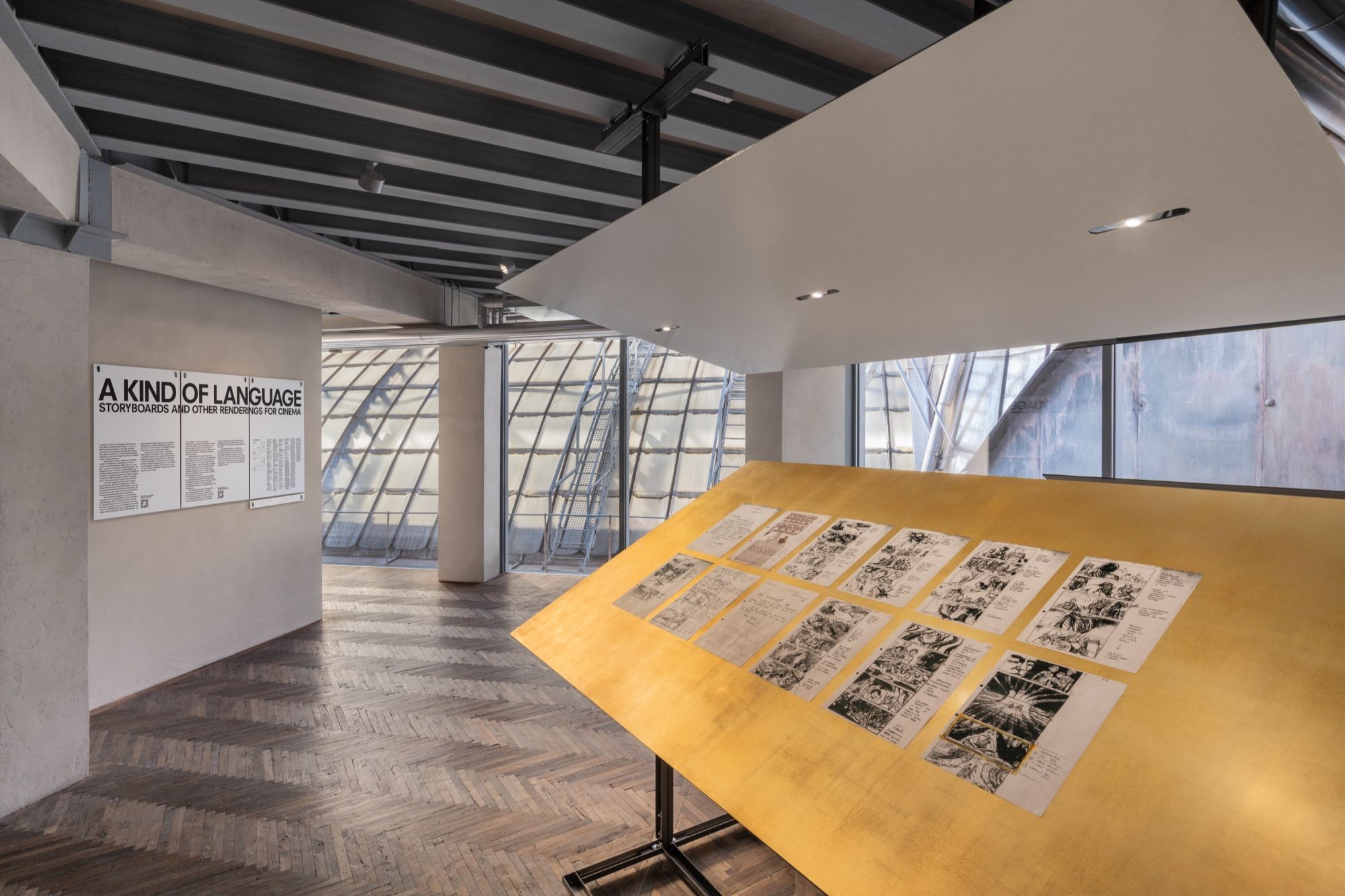
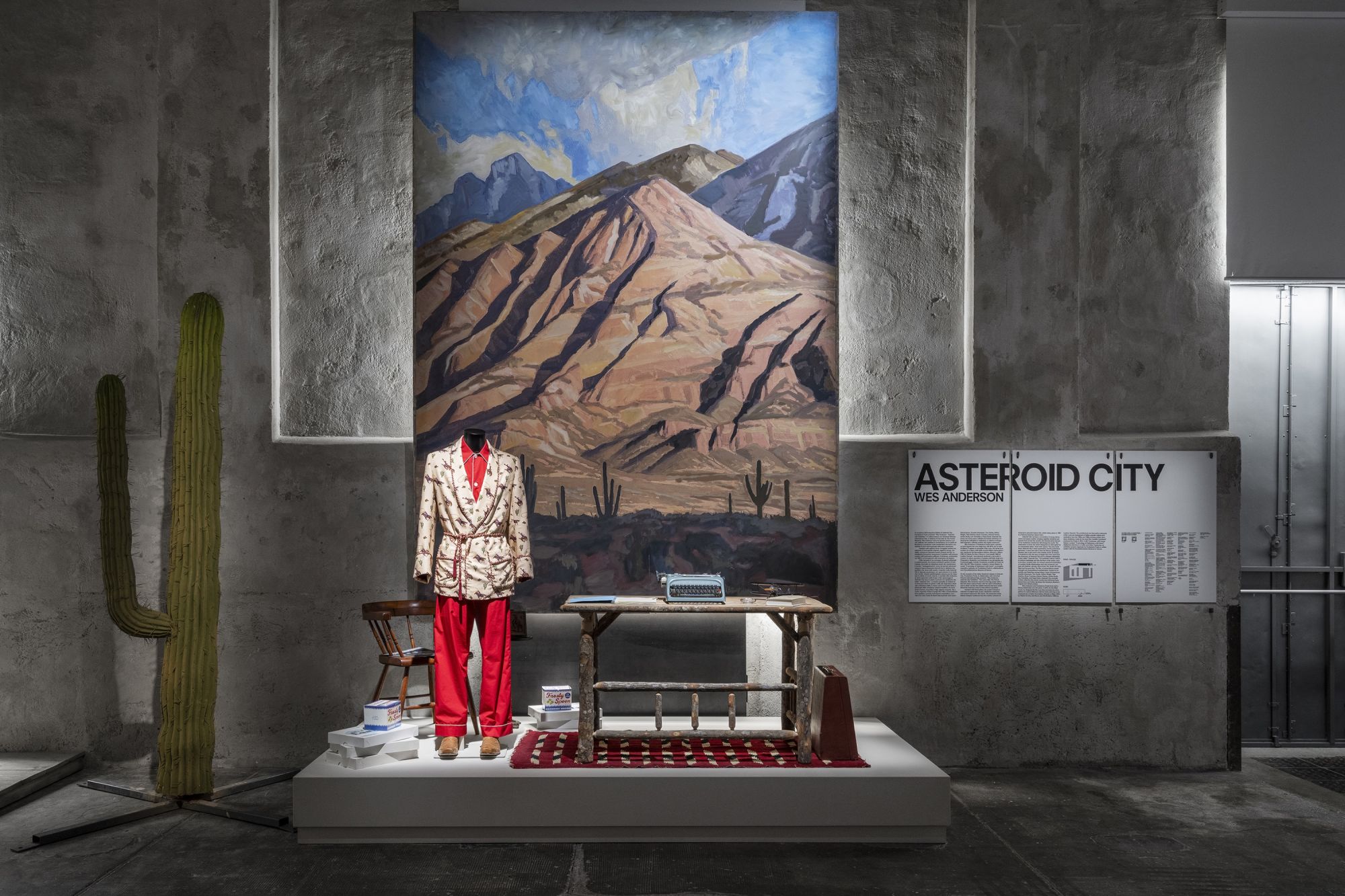
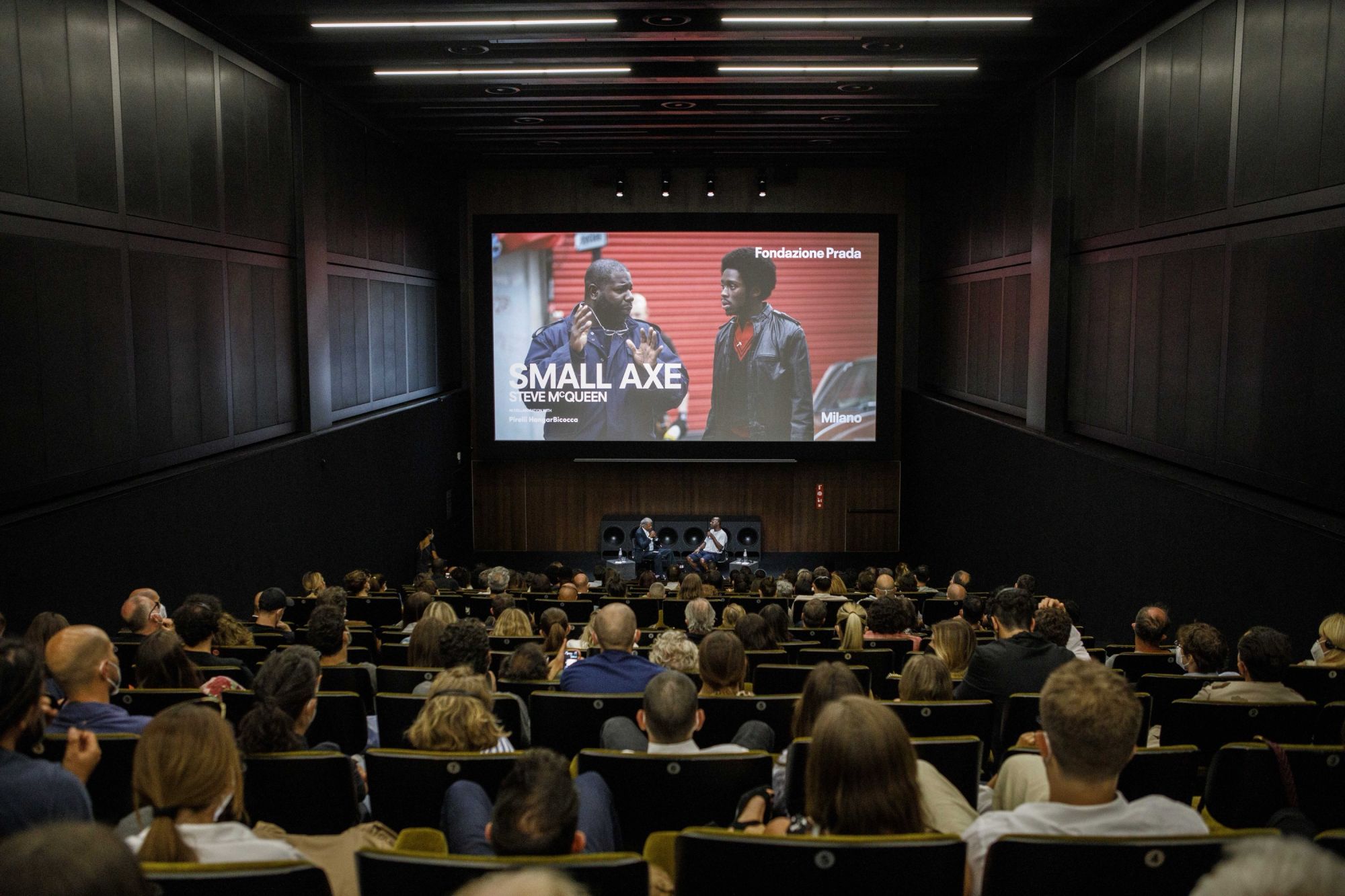
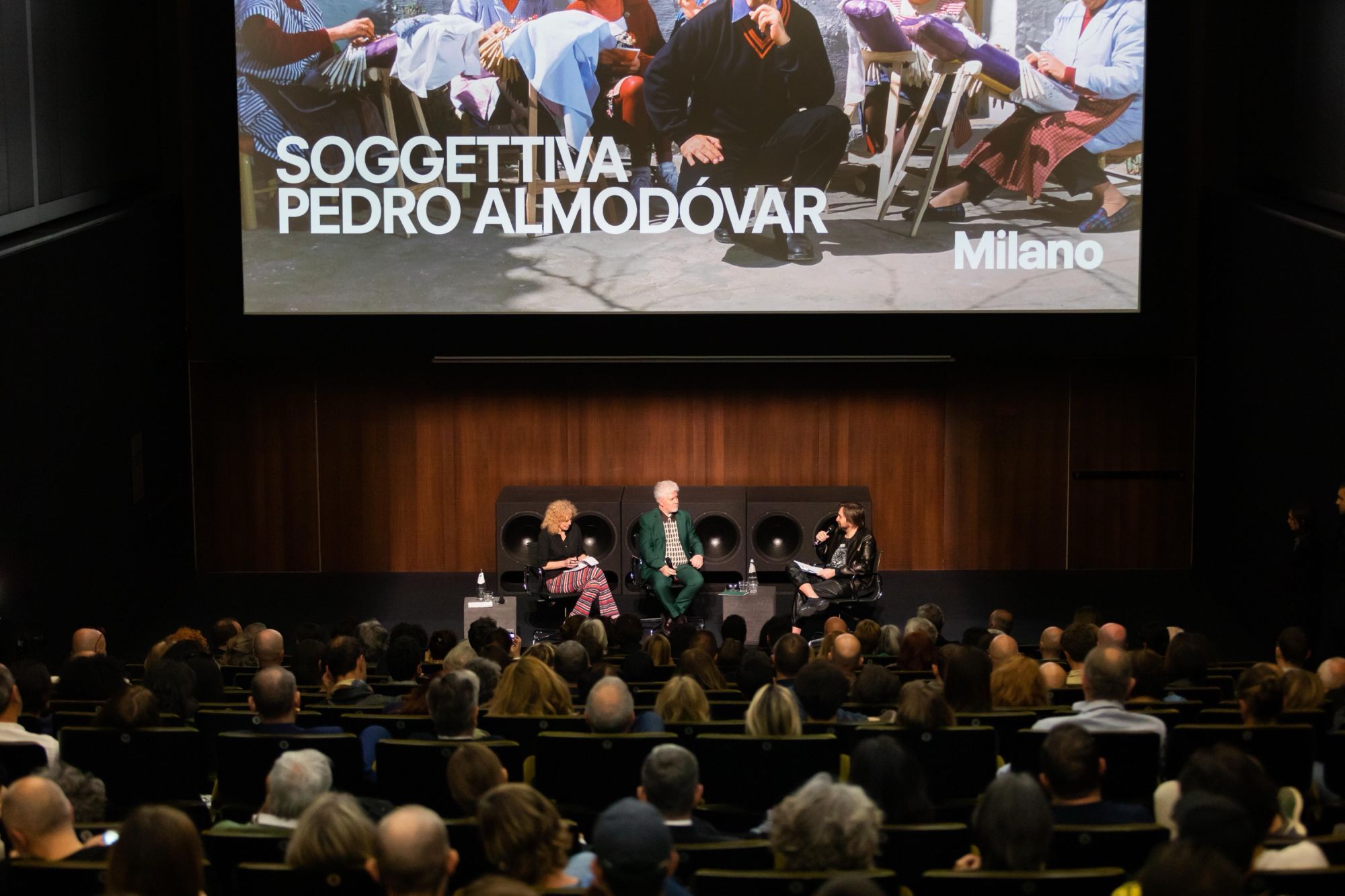
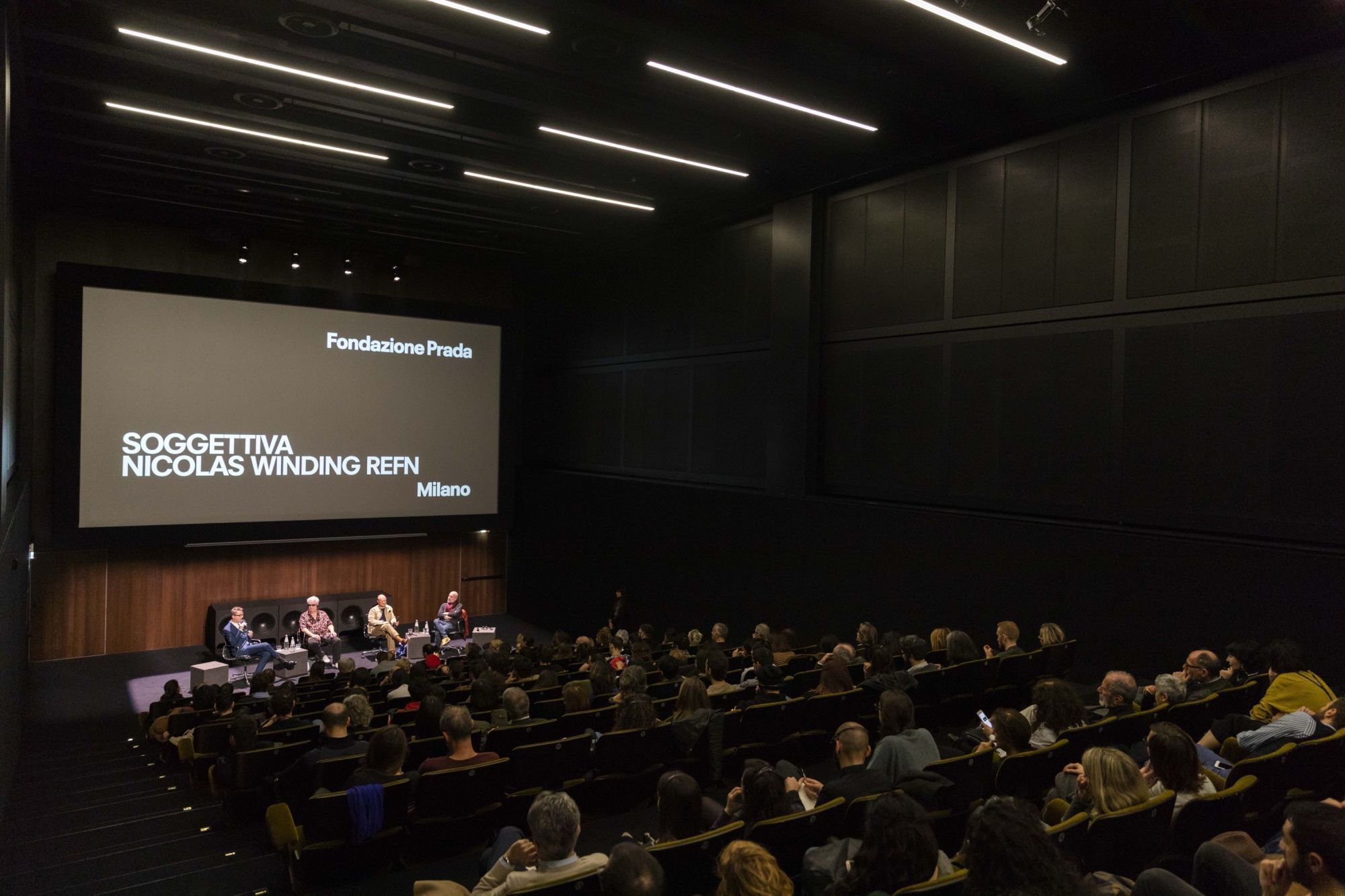
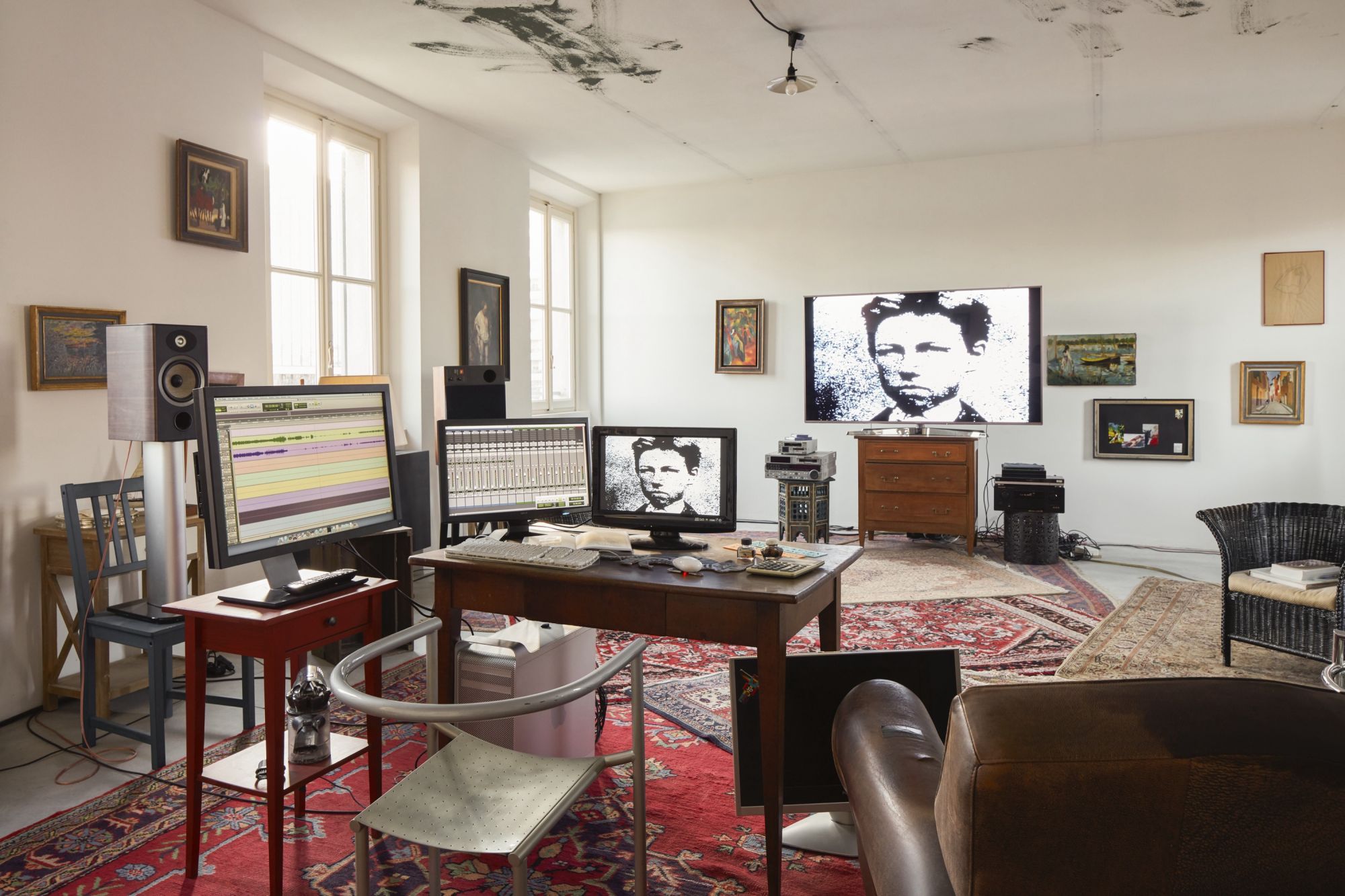
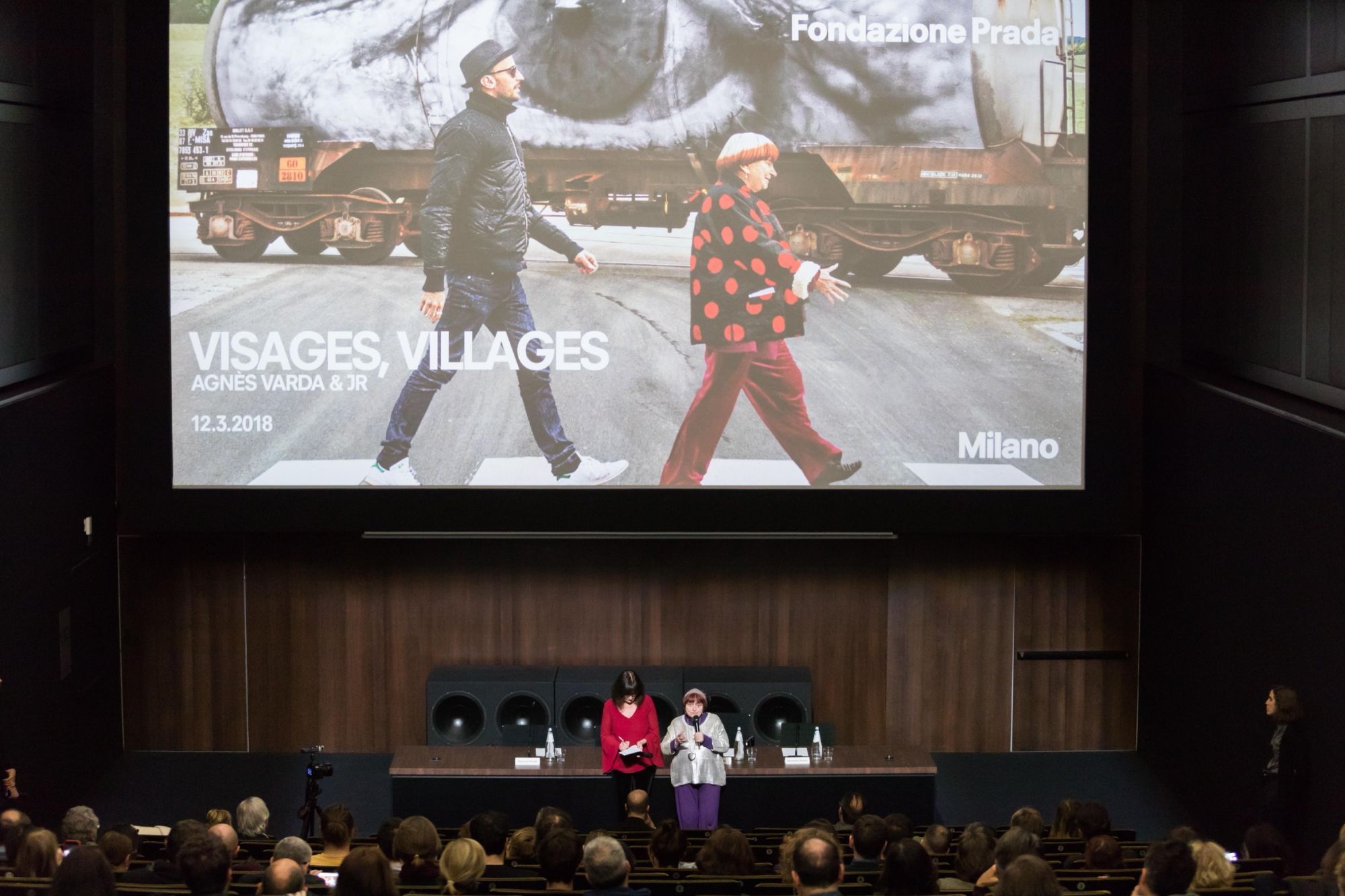

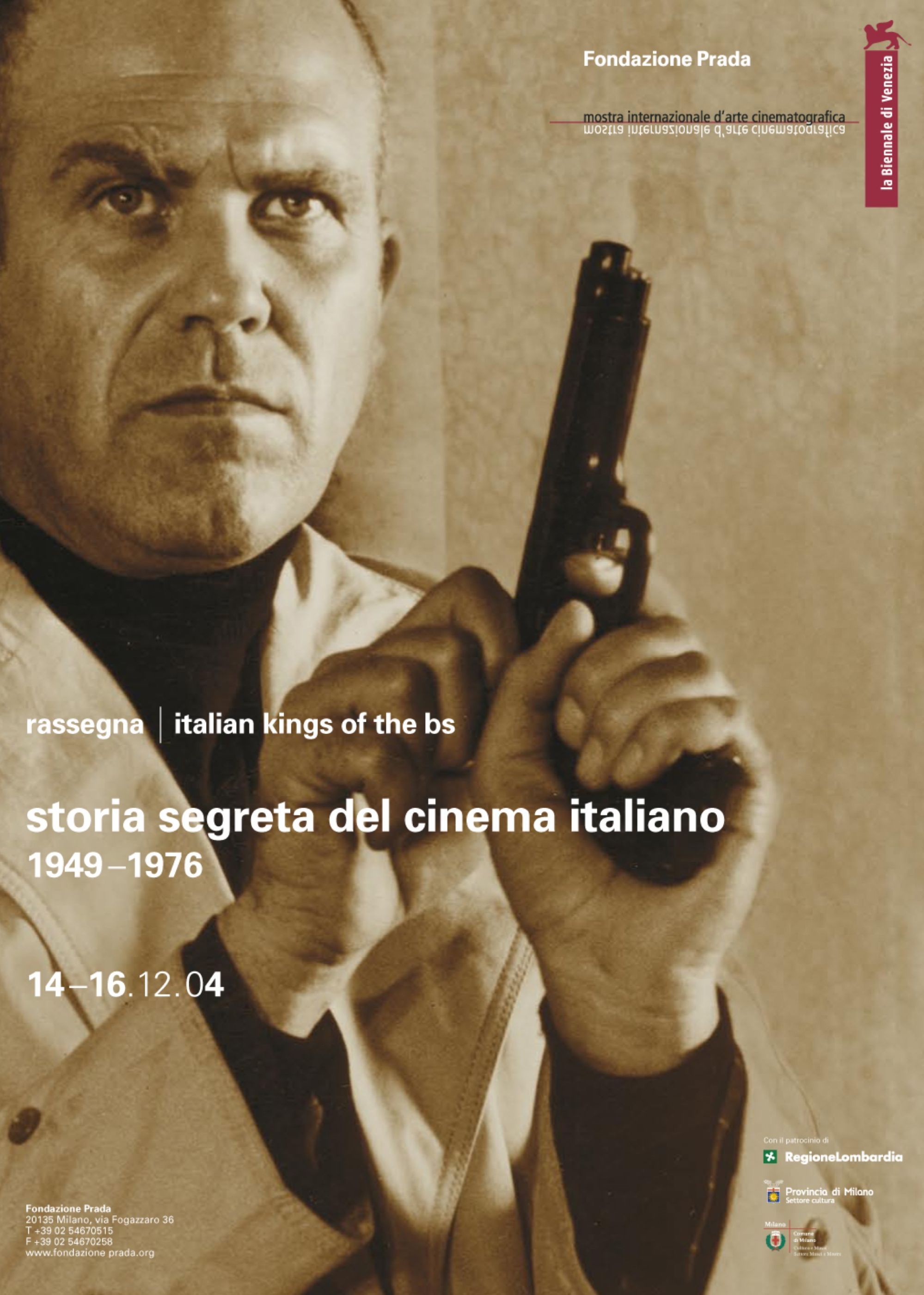
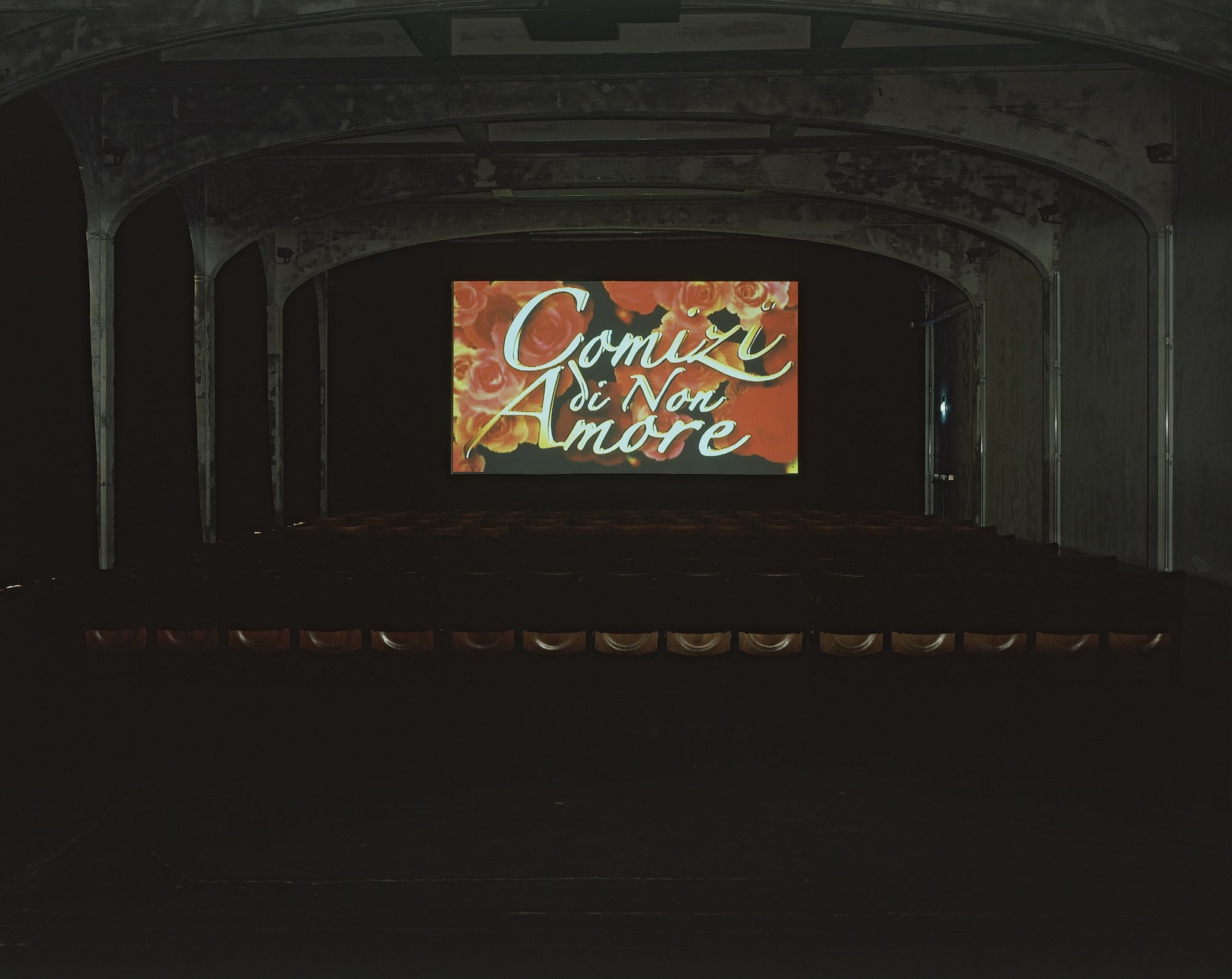
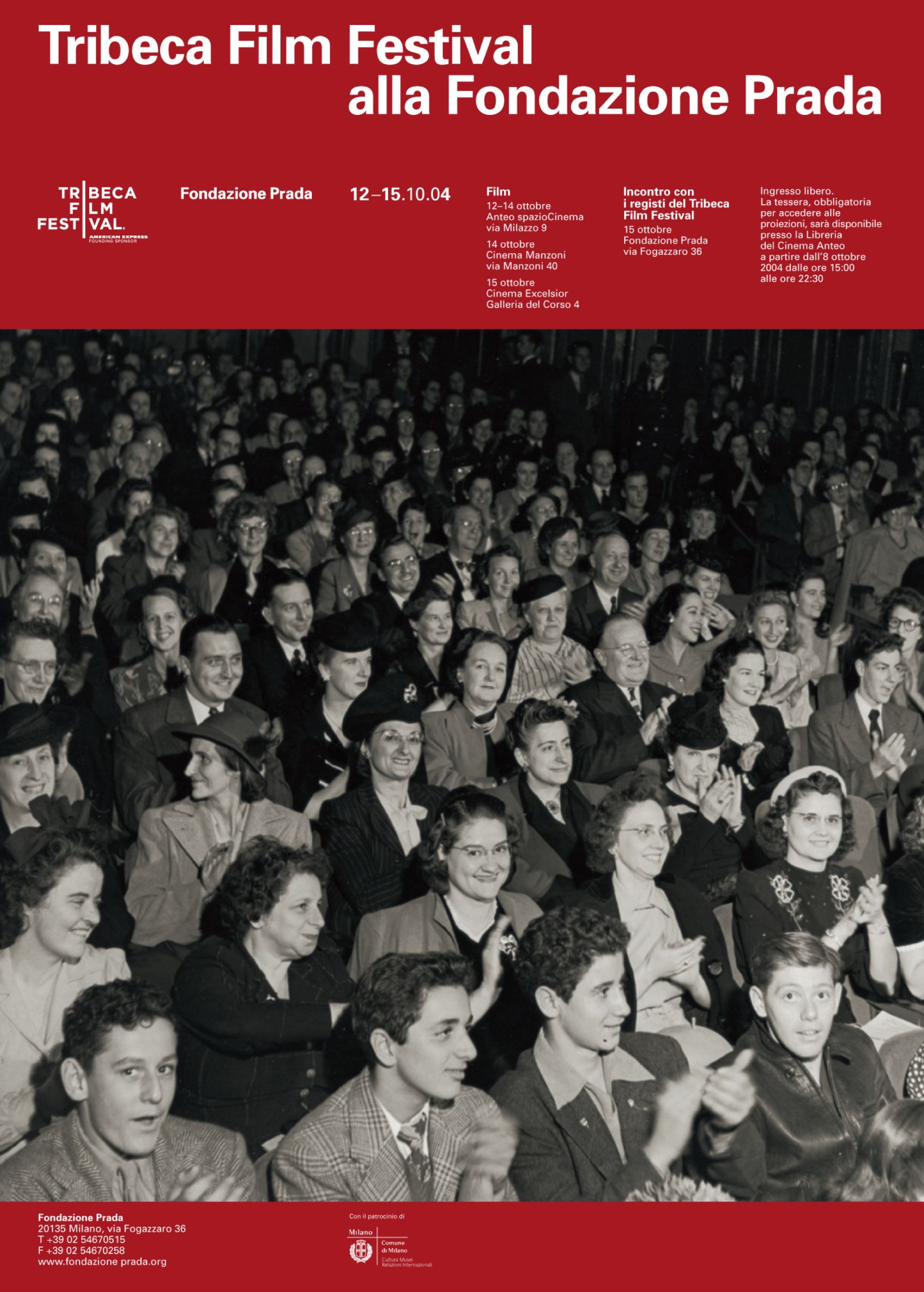
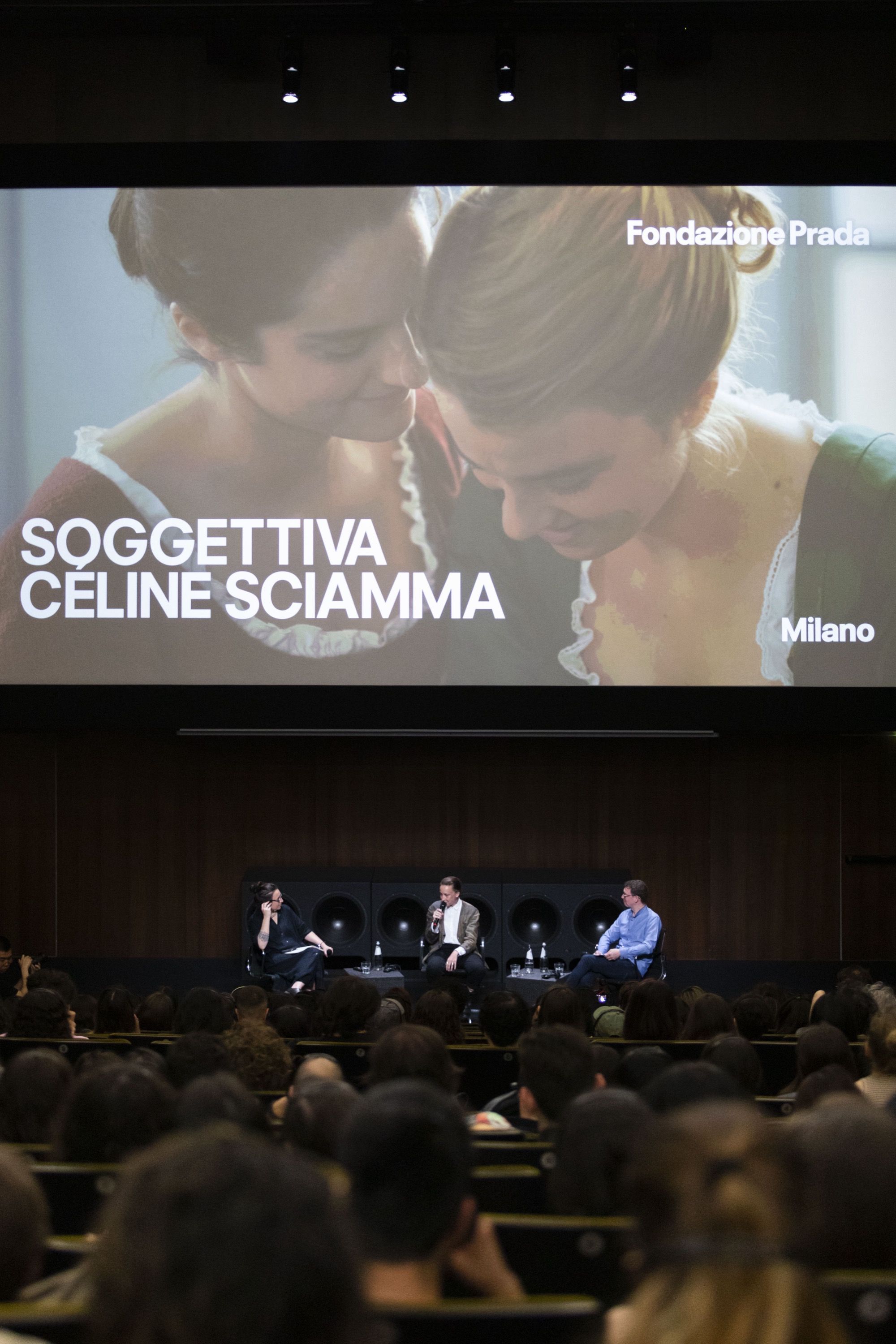
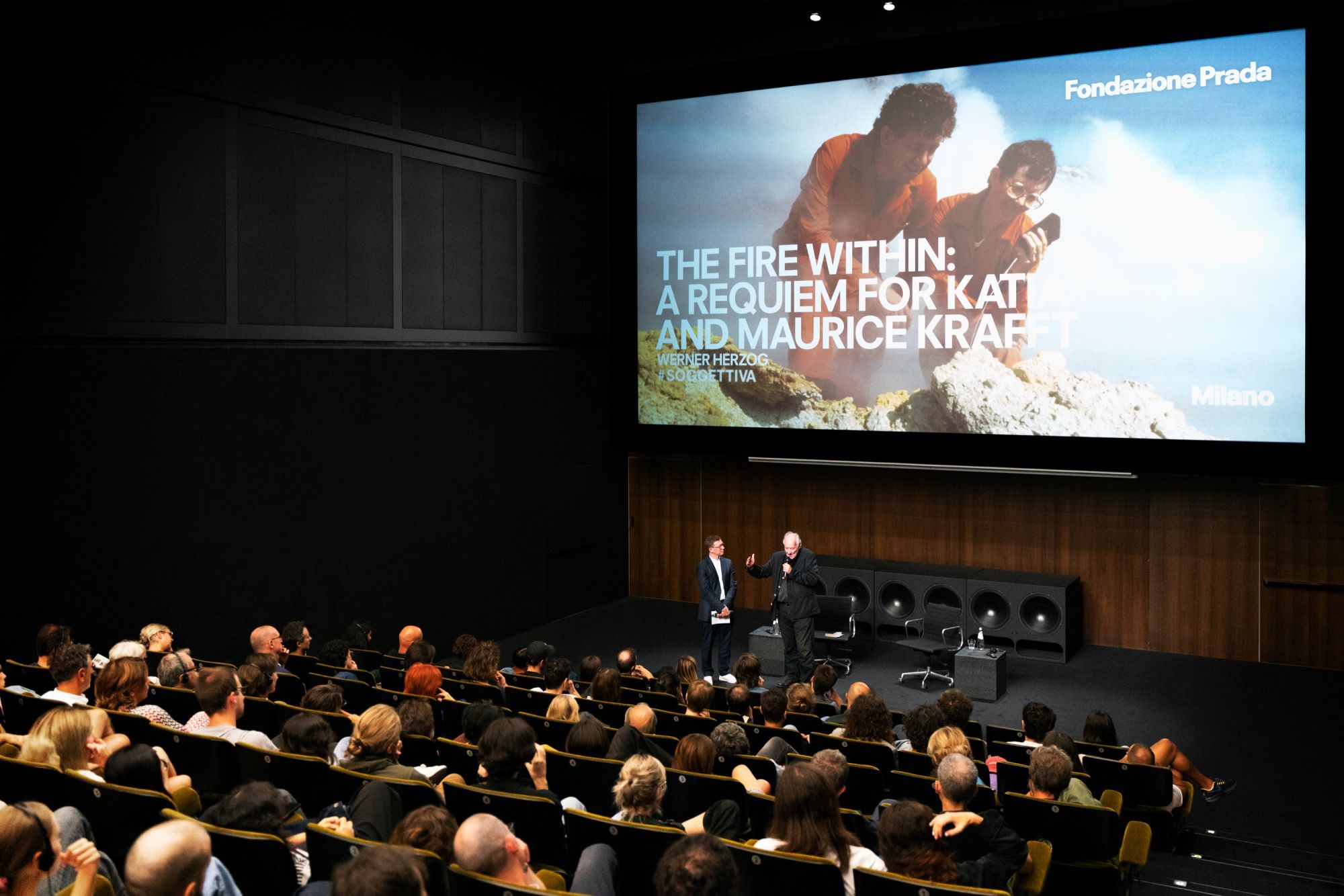
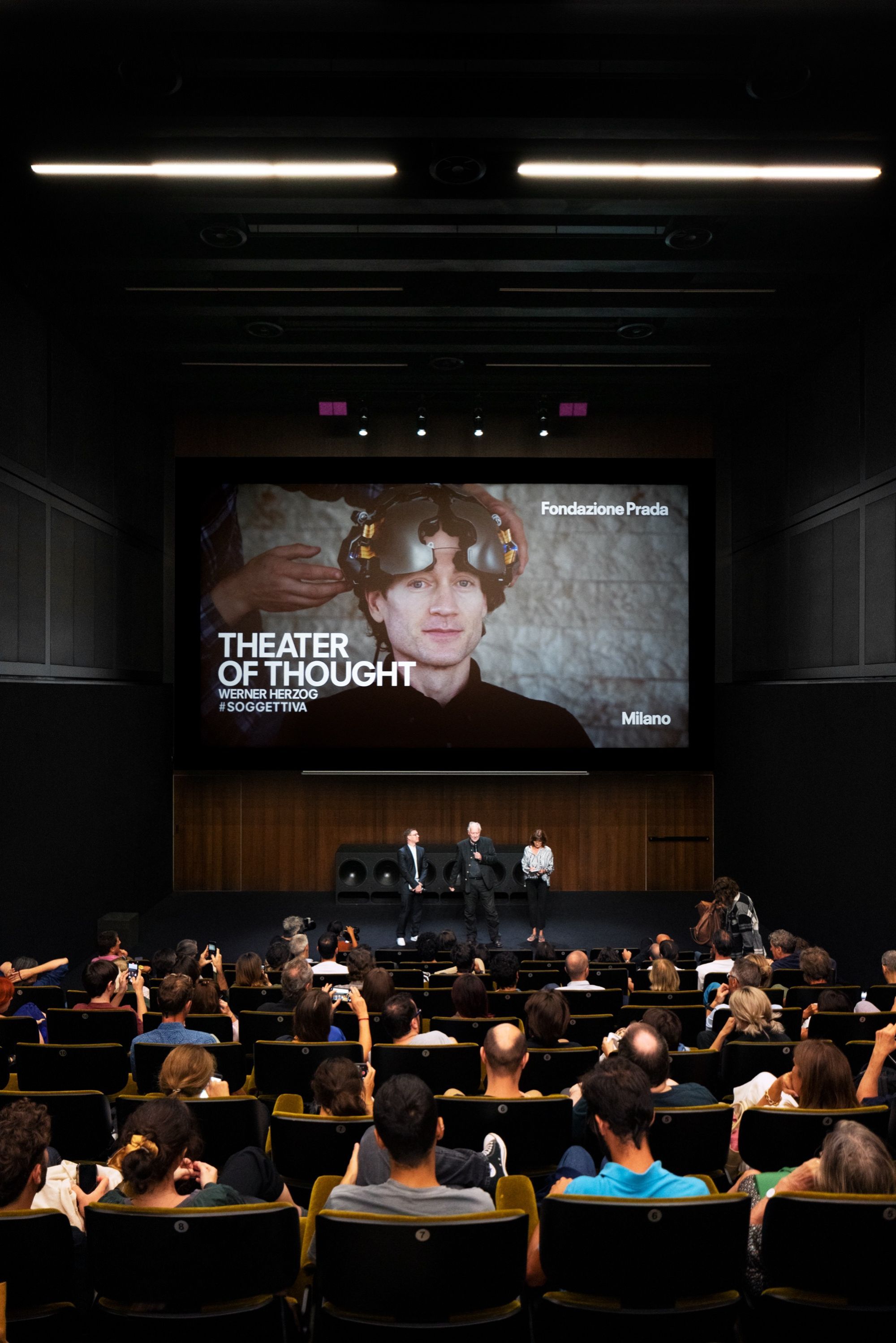
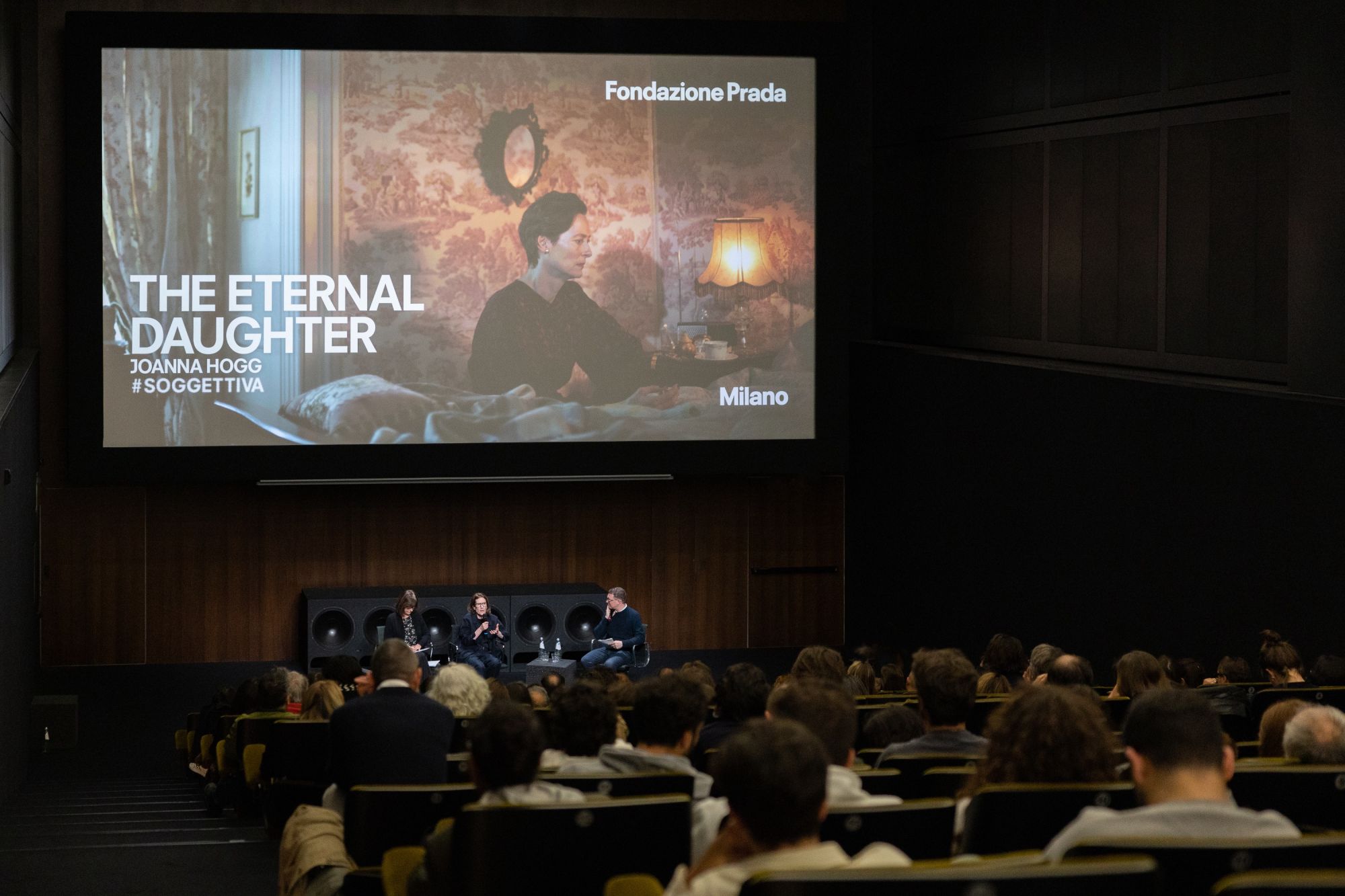
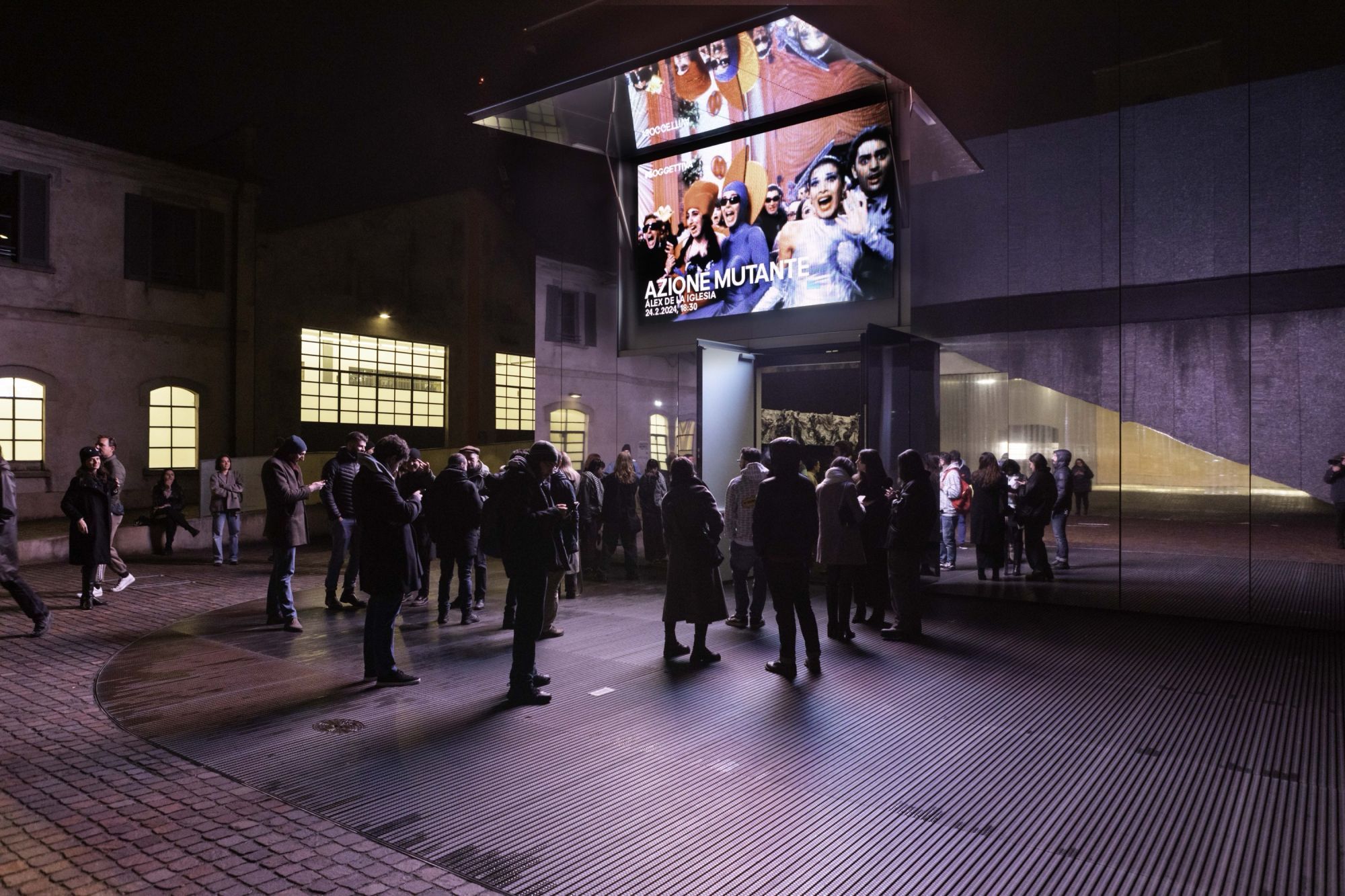
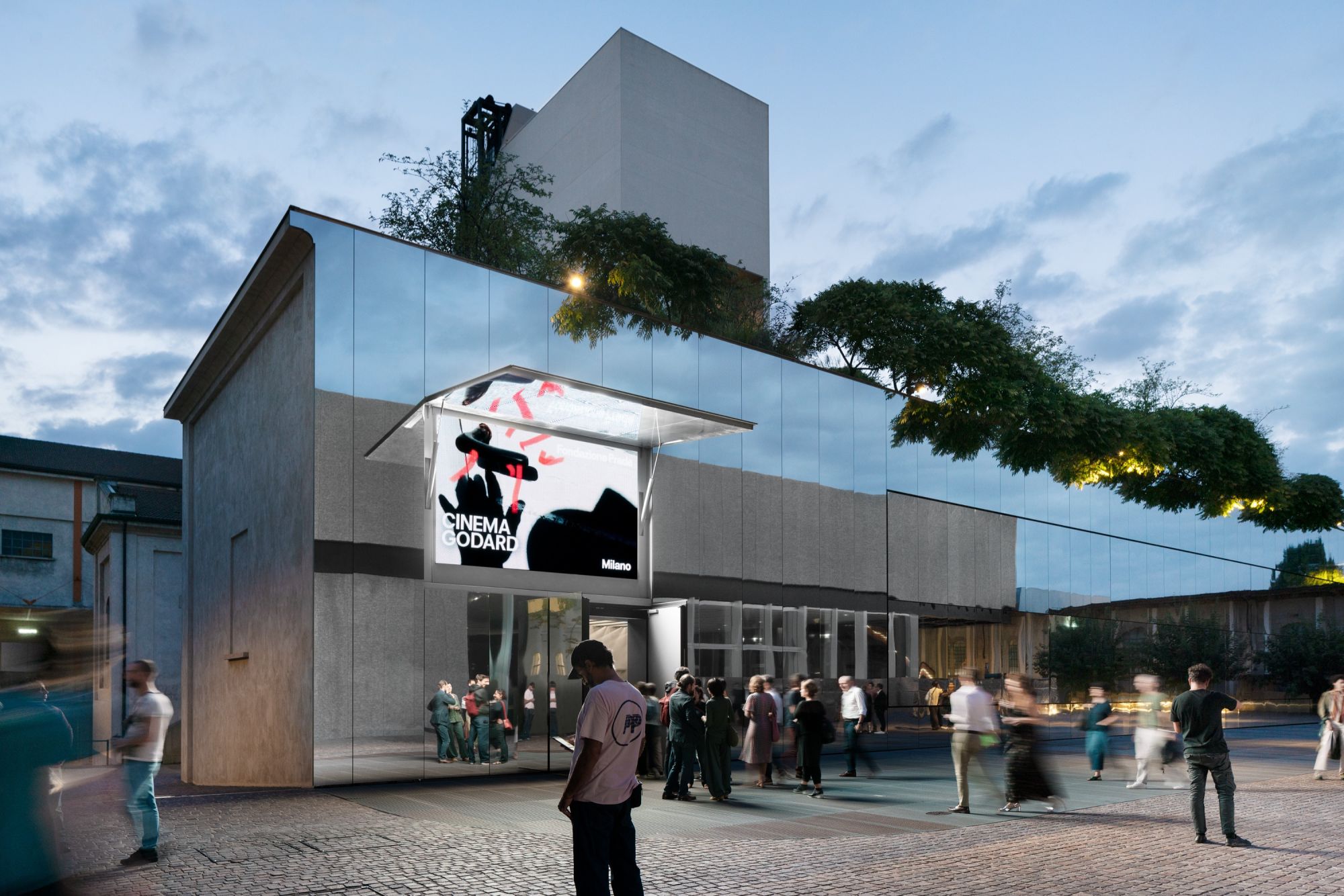
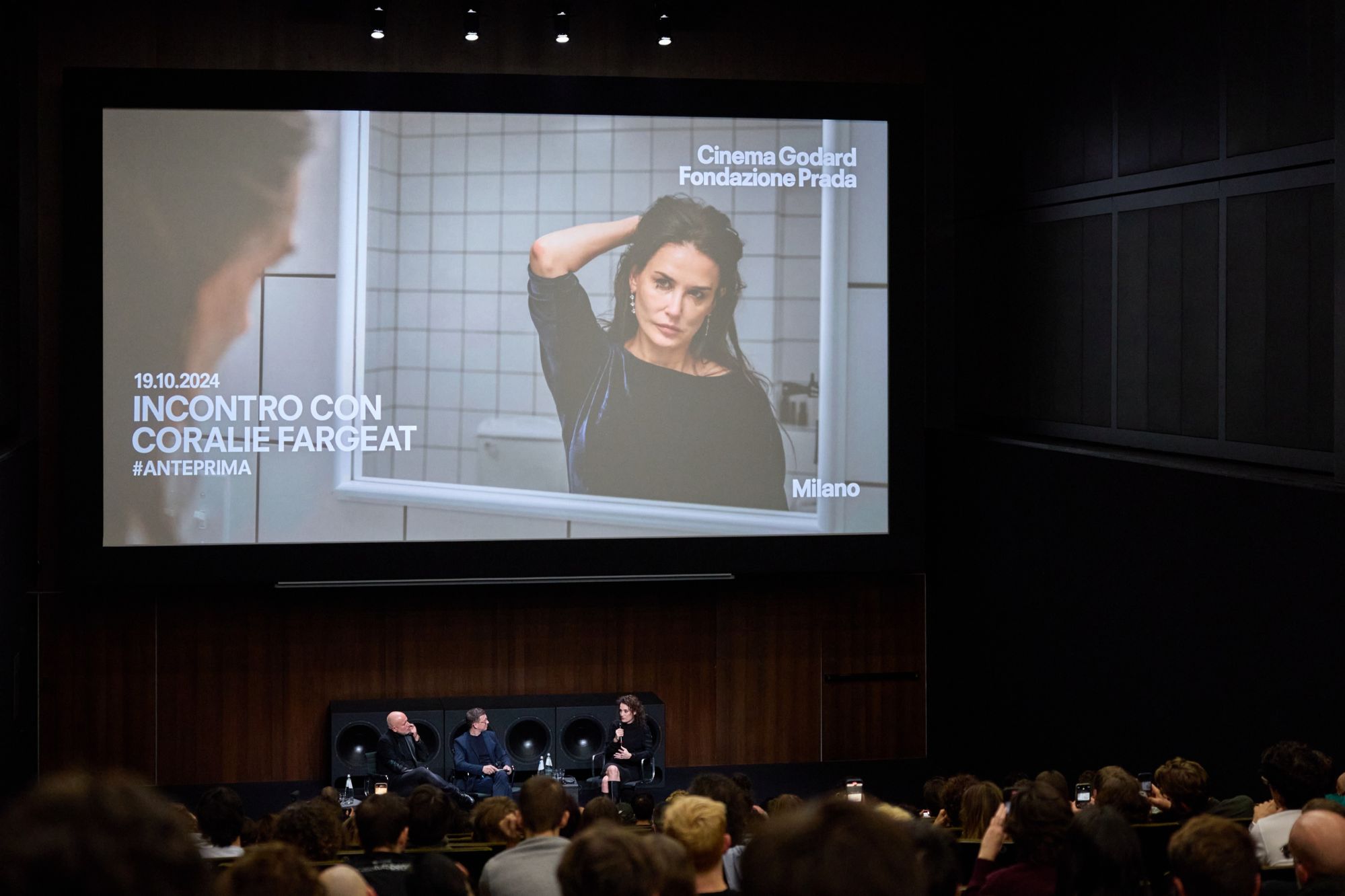
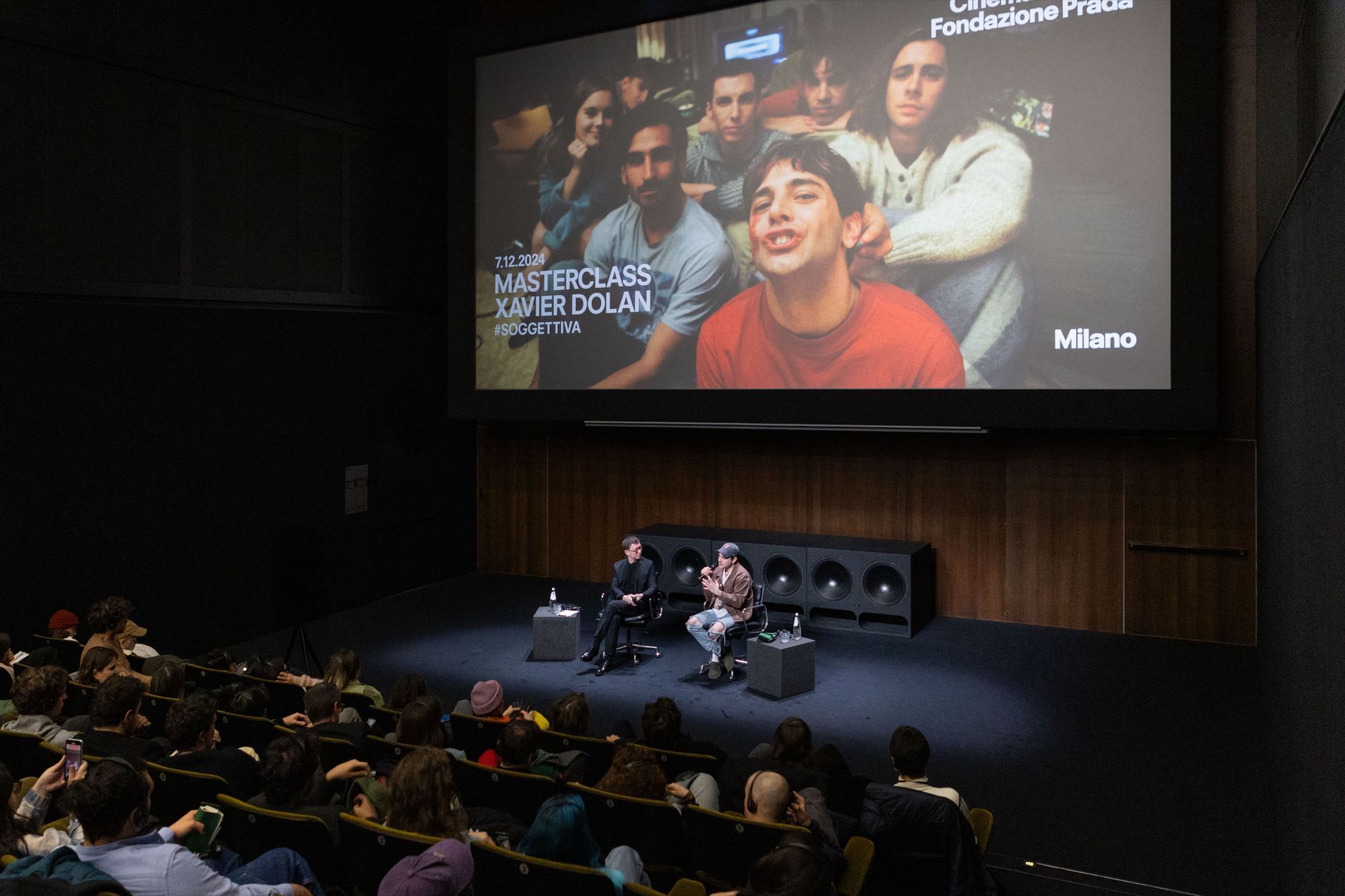
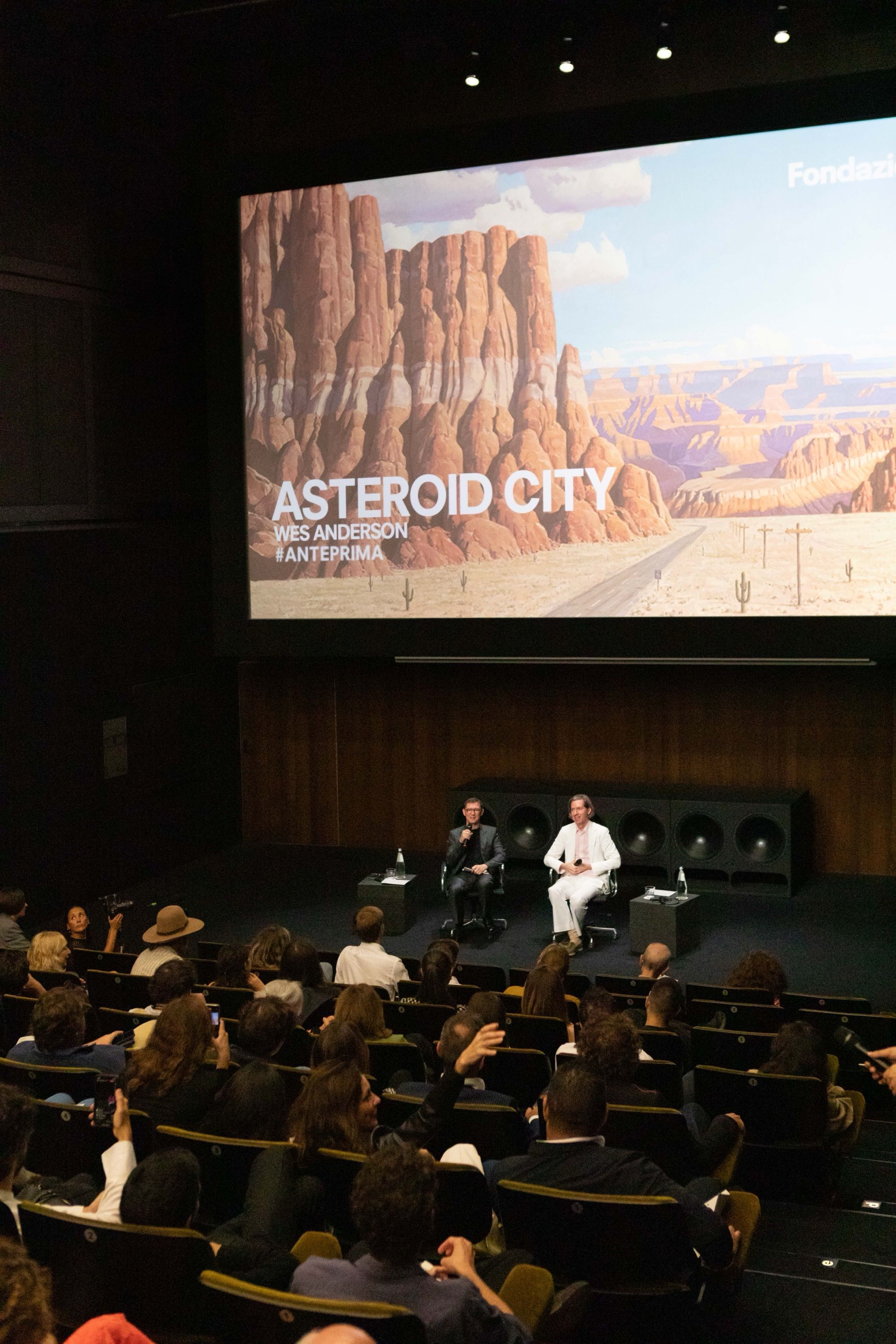
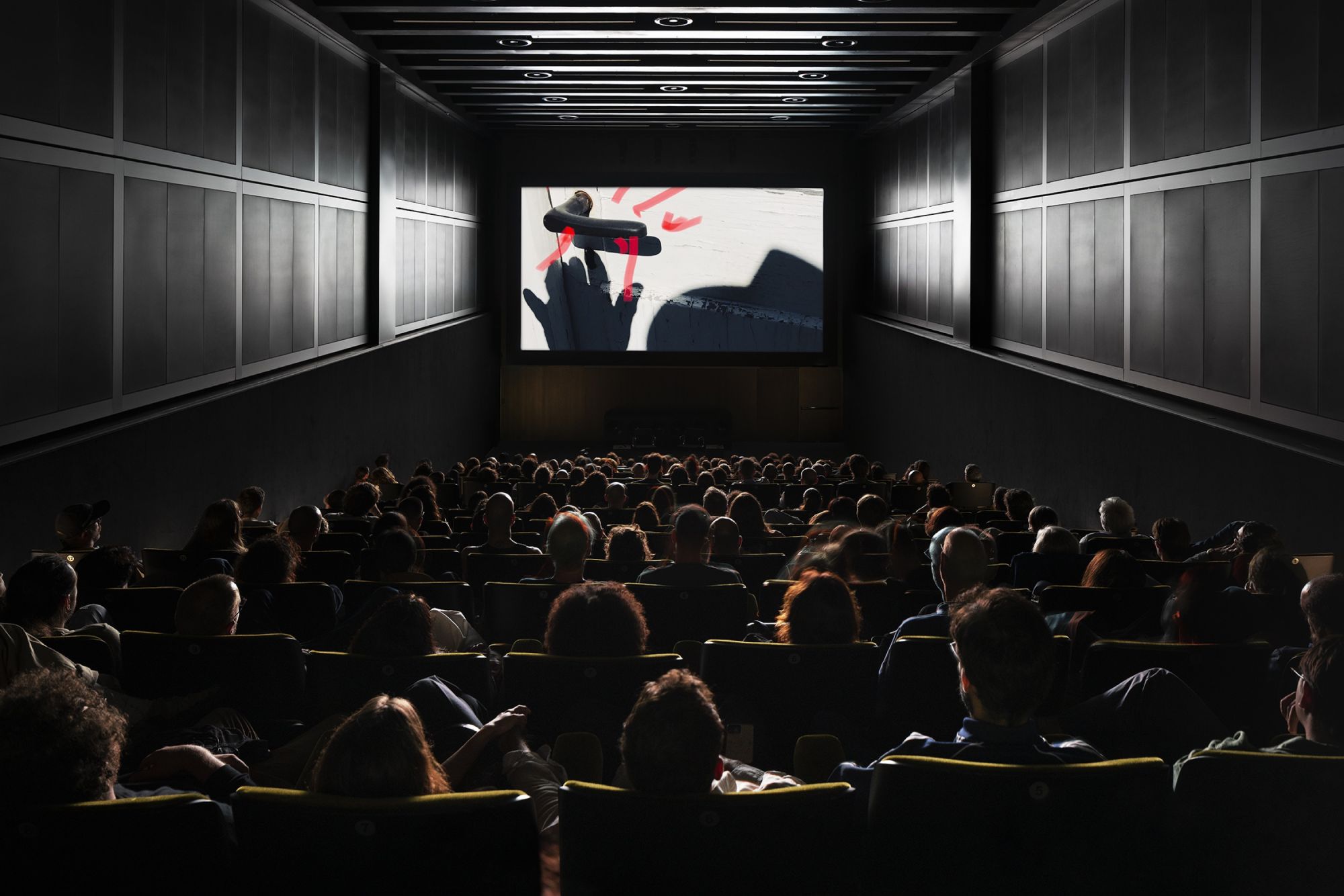
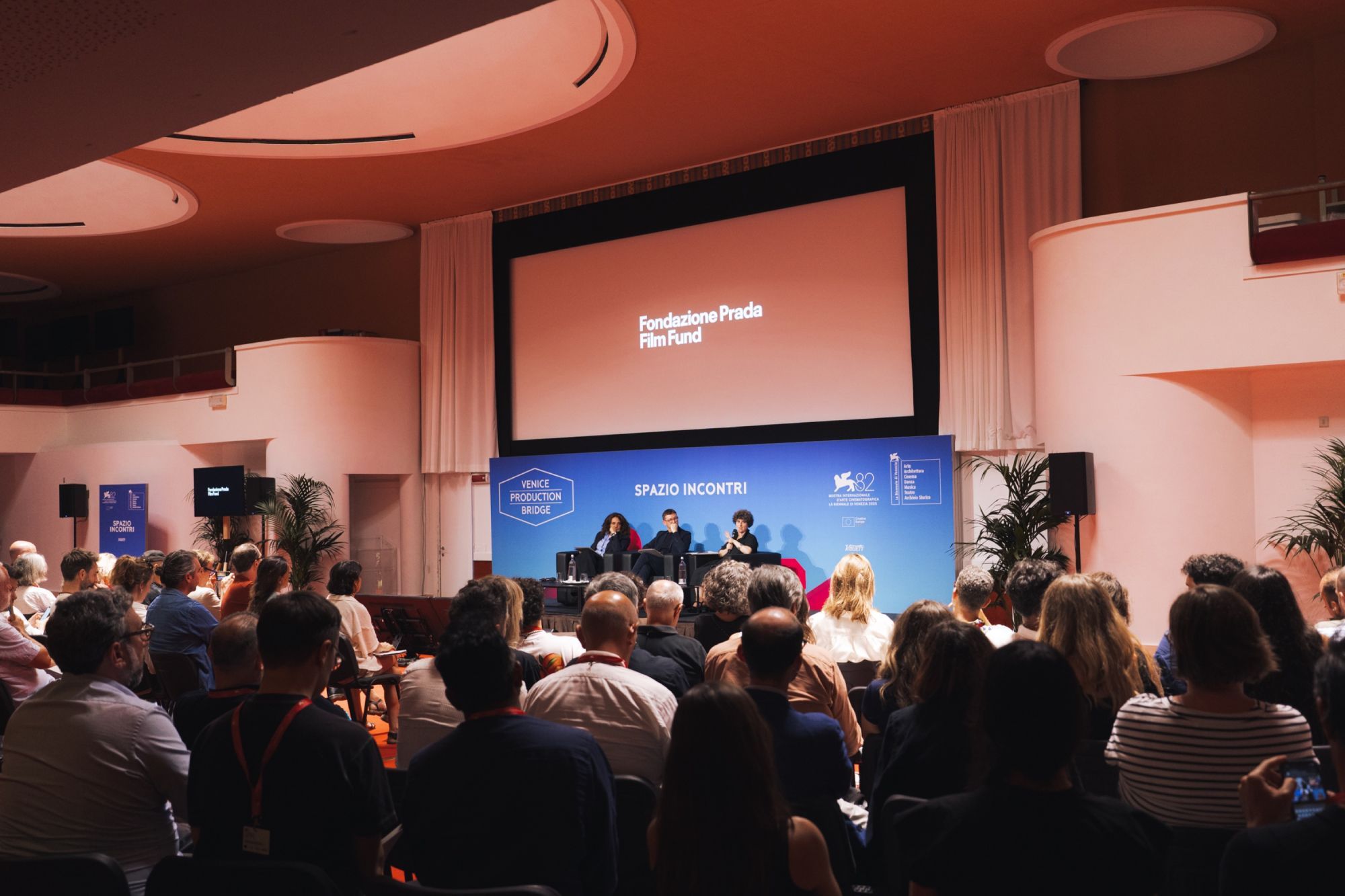
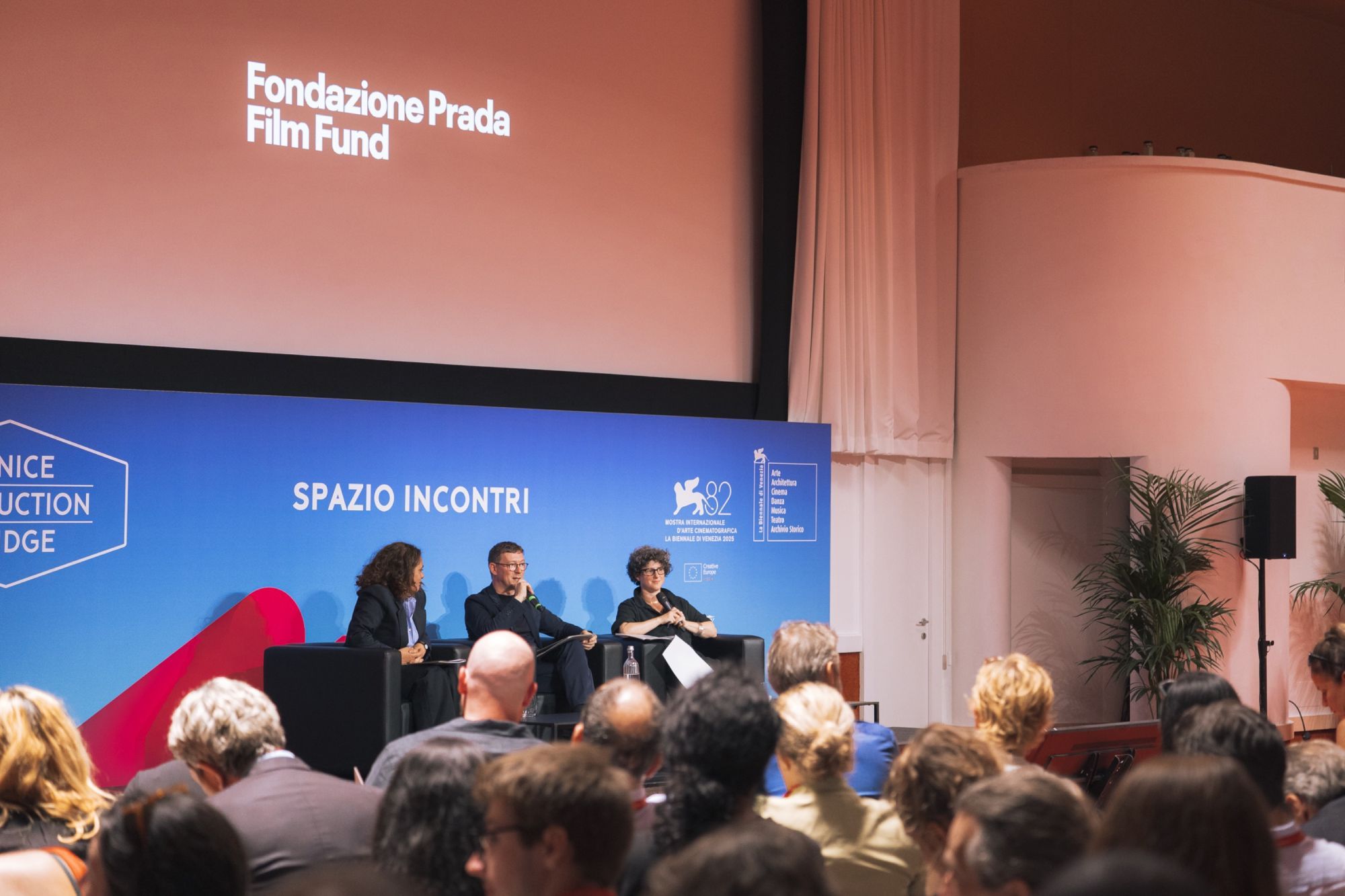
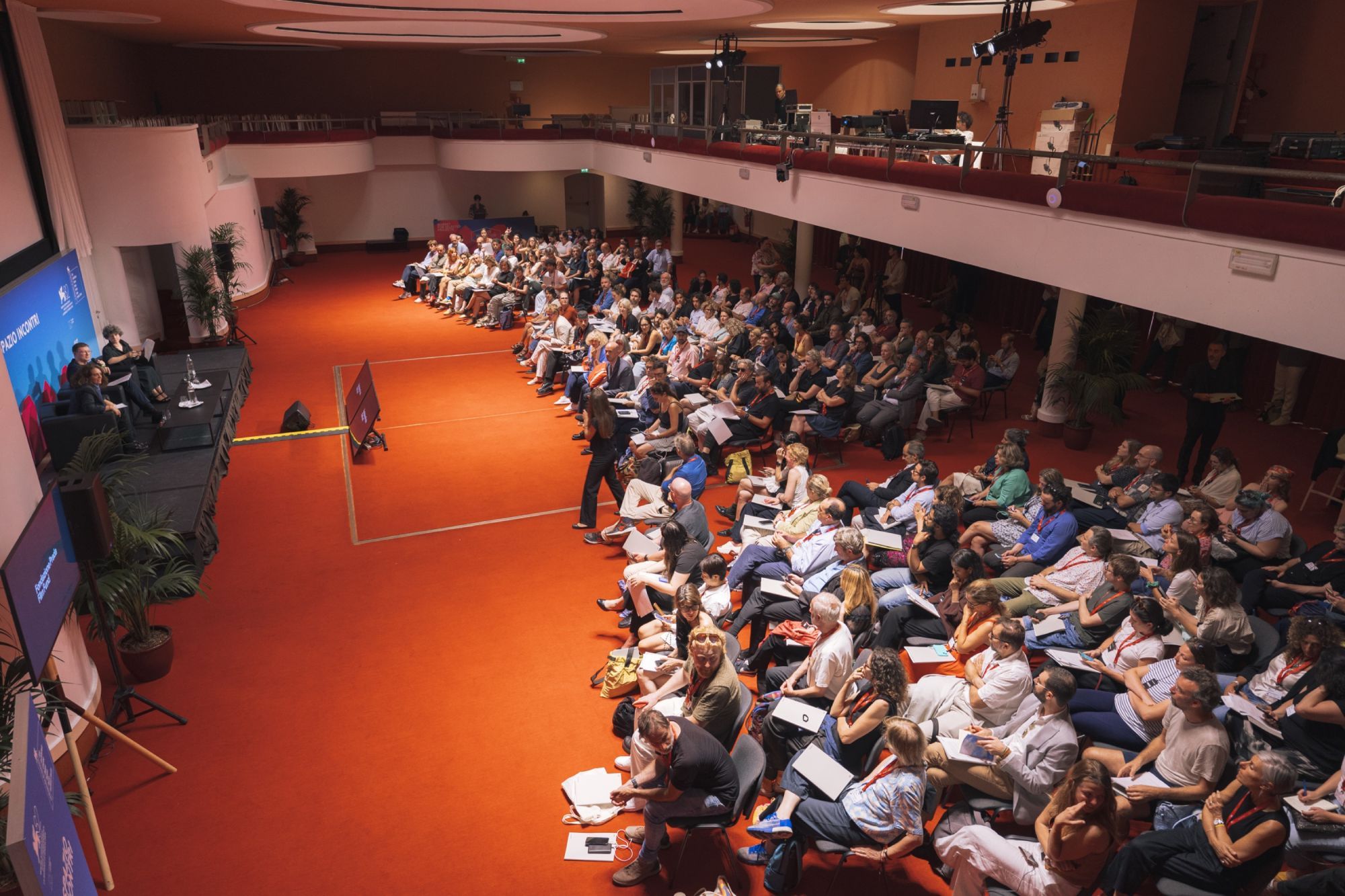
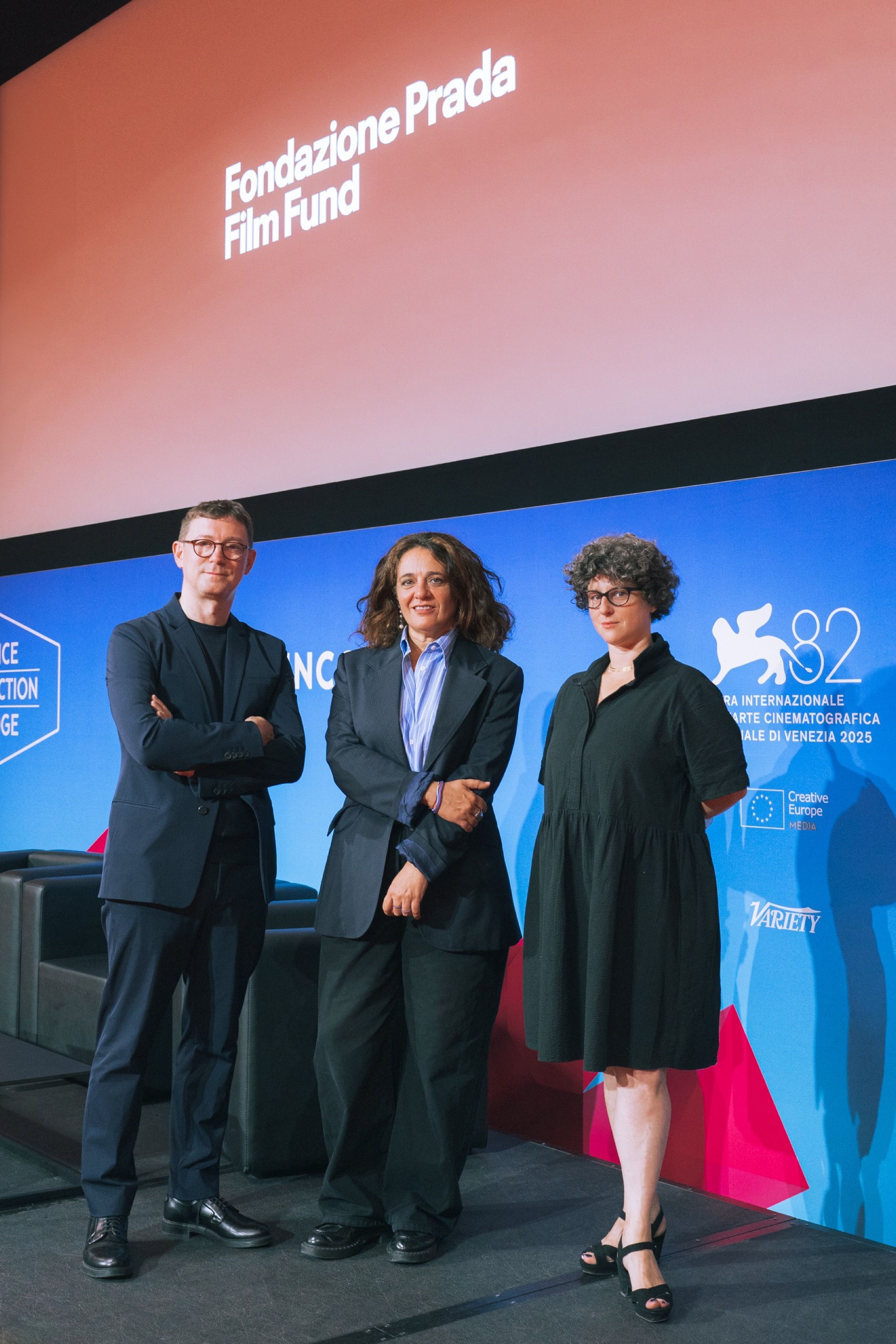
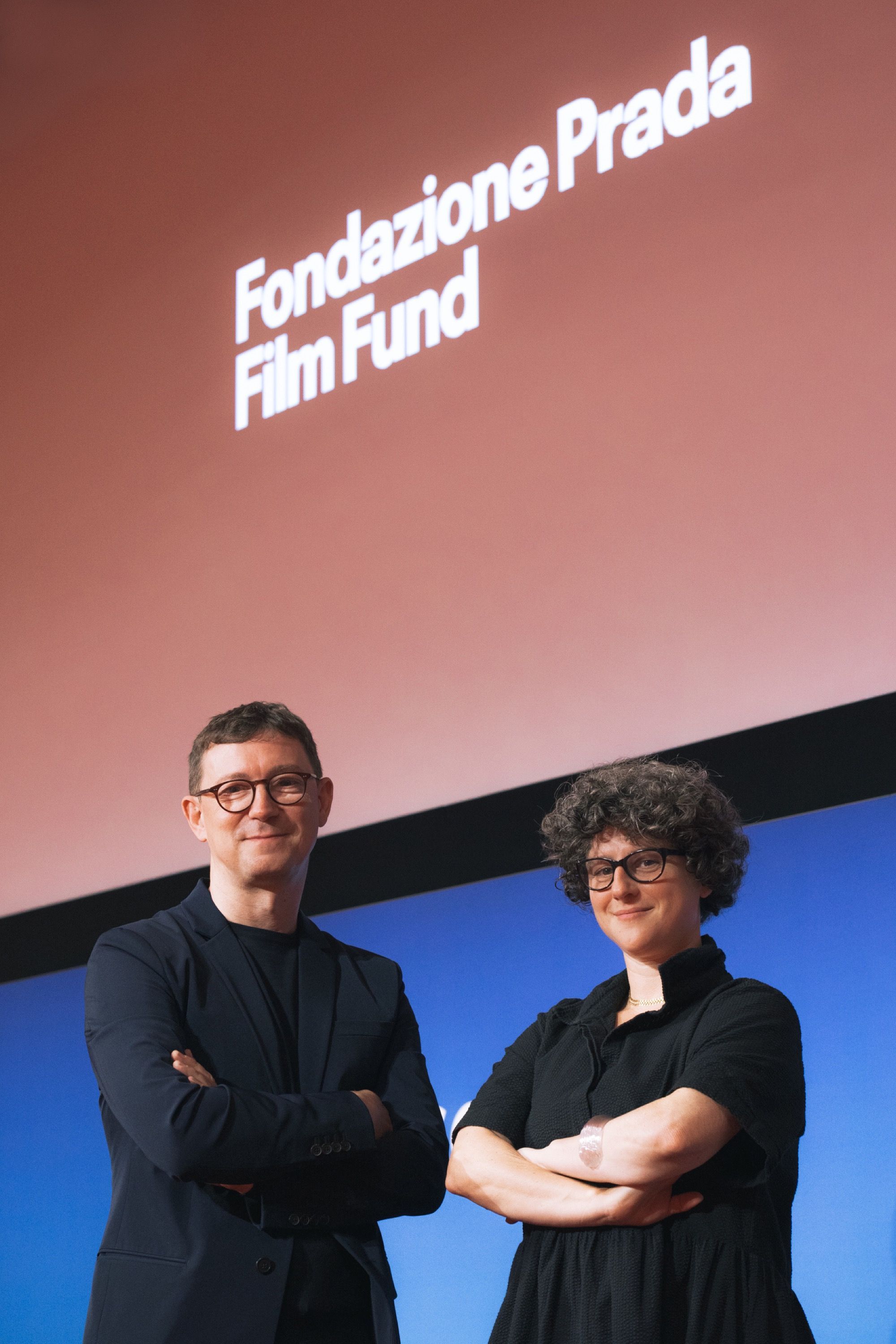
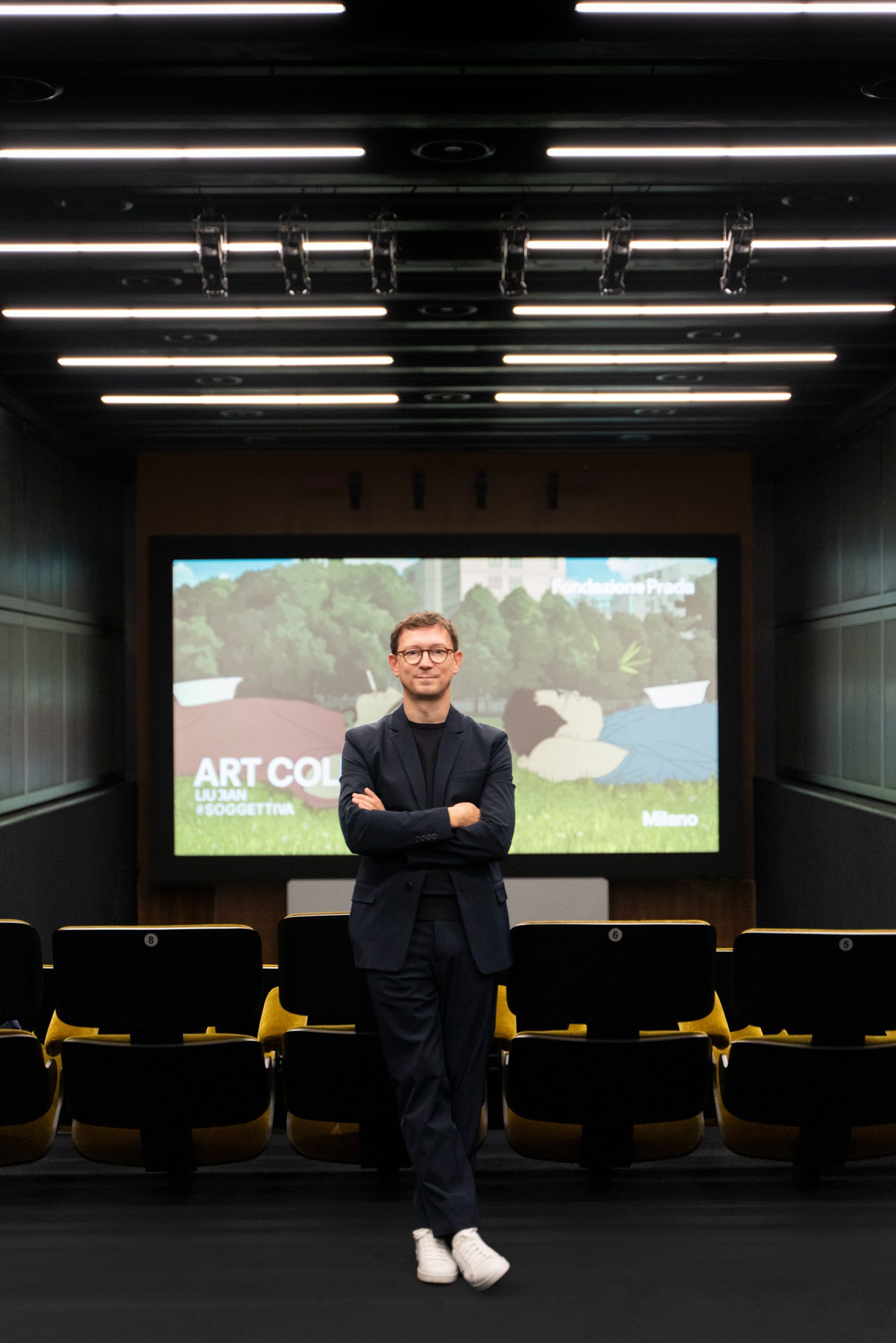
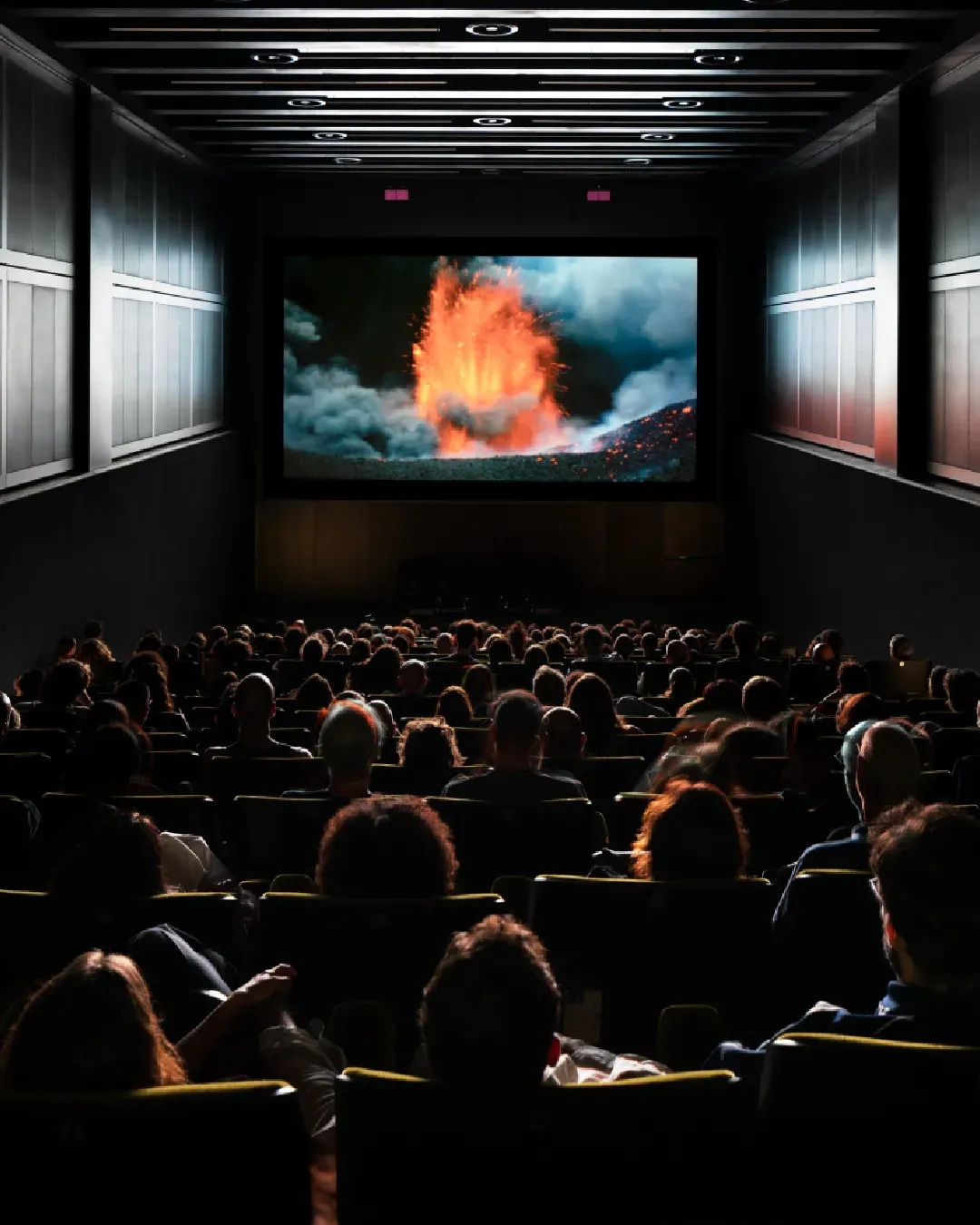
Fashion and cinema have always collaborated, from the involvement of designers like Yves Saint Laurent for cult films such as Belle du Jour (1967) to the documentary Marc by Sofia (2025) screened just a few days ago in Venice. But Fondazione Prada, the cultural institution founded in 1993 by Miuccia Prada and Patrizio Bertelli, explores this pairing by decisively shifting the balance towards the seventh art. Despite bearing the name of one of the largest Italian brands, Fondazione Prada deals with something entirely different, from cinema to architecture and from art to photography. Not satisfied with its involvement in the film industry (within its Milan headquarters hosts the Cinema Godard with an ever-evolving program), this September it launched the Fondazione Prada Film Fund, an initiative to promote independent film talent.
The call for entries opened on September 1st on the occasion of the 82nd Venice International Film Festival, with a prize pool of 1.5 million euros to be allocated to works of high artistic value. As Paolo Moretti, Head of the Fondazione Prada Film Fund, tells us, the fund «was born from the desire to transform the Foundation’s long and complex relationship with cinema into a structured and ongoing commitment.» With over twenty years of activity behind it, the Foundation felt ready to do more in order to «intervene more directly in the production process of contemporary auteur cinema,» explains Moretti. «In the short term, the goal is to concretely support a selection of independent films. In the long term, we hope that, as with the other activities of Fondazione Prada, the Fund will support works that help fuel contemporary artistic and cultural research.»
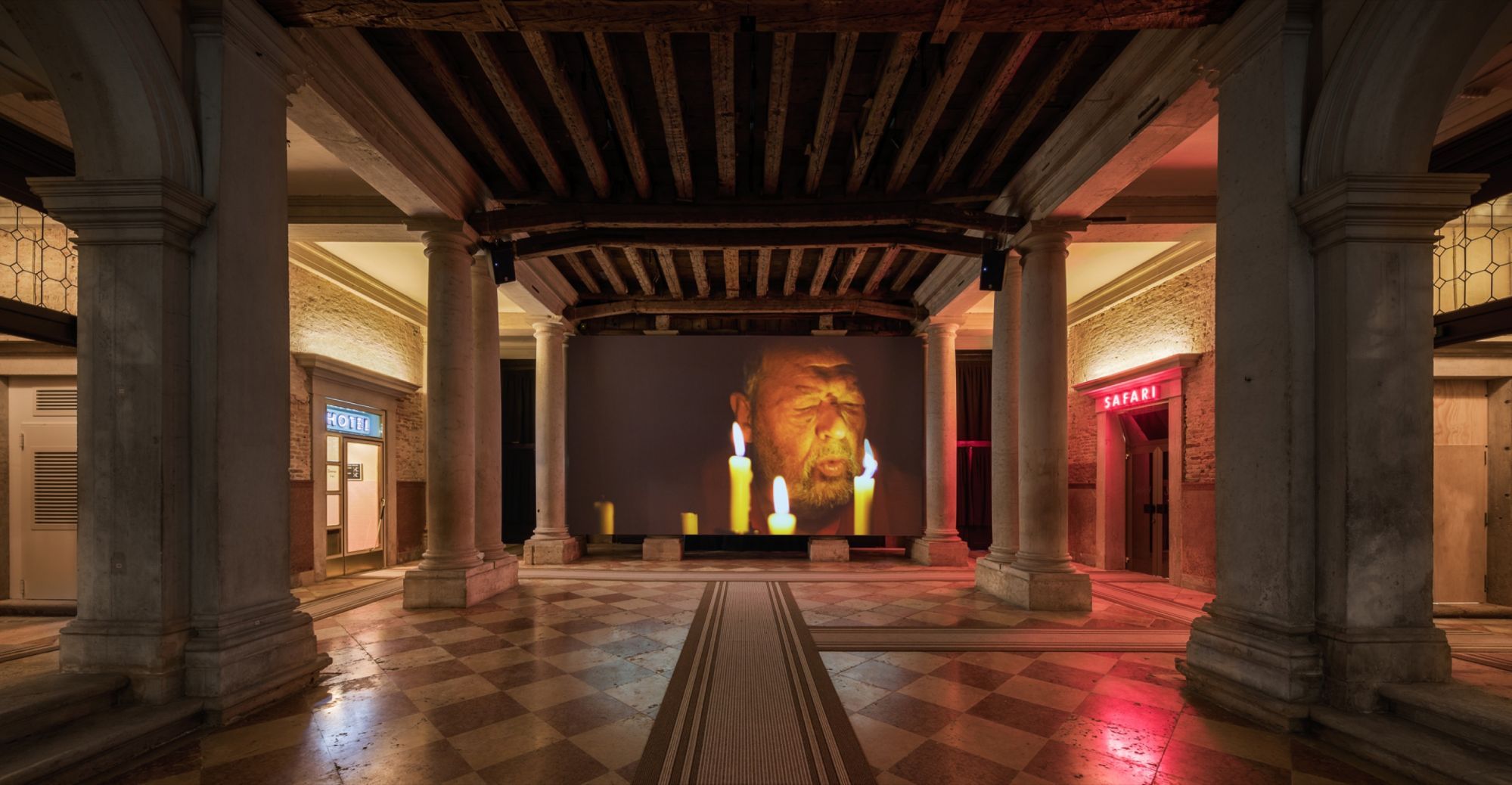
The choice to present the fund in Venice is no coincidence. It was inaugurated alongside the oldest film festival in the world - «capable of combining prestige, formal research, and industry» - and it joins a long list of projects supported by Fondazione Prada in Venice, where it has a venue at Ca’ Corner della Regina. «Presenting the Film Fund here means placing it immediately in an international high-profile context, engaging with the professionals most attentive and sensitive to the new directions of contemporary cinema,» adds Moretti, specifying that the fund’s financial support is only one part of the project. «The Fund will be accompanied by rigorous curatorial work: an international committee of professionals will identify and help select the most interesting projects, as happens in a festival. In addition to financial contributions, we hope the projects can benefit from this attention and that the selection itself may help activate further funding dynamics.»
Since its inception, Fondazione Prada has been dedicated to cinema in a scientific and passionate way. Miuccia Prada, President and Director of Fondazione Prada, has repeatedly stated that cinema is a «laboratory of ideas» for the institution, as well as «an important tool of cultural education.» In this sense, in an era in which media communication plays such a central role in education and public information, choosing to promote independent cinema has not only artistic value but also social value. In a year so marked by political tensions, Fondazione Prada’s project resonates with particular strength, but Moretti clarifies: «We will not chase current events nor favor particular themes. Our intent is not to steer projects towards specific content, but to recognize and support those works that, through cinema, manage to transfigure and give shape both to the pressing issues of our time and to the universal ones that speak to every generation.»
But if, as we said, communication has now become so overwhelming, what does cinema need today? What characteristics make a film attract the attention of audiences and critics? «The 2025 viewer is immersed in an unstoppable flow of images, which is why I think the real challenge for cinema is not to aim for the immediate effect but to seek depth and lasting resonance. Even the rhythm and temporality of a film become decisive: they do not necessarily follow the pace imposed by consumption but rather provoke discontinuity and try to give back to the viewer the time for experience and reflection,» explains Moretti. «Perhaps it is not cinema that needs stories, but us. Cinema is an art, and like any form of art, it offers us the chance to explore humanity, to look deeper within ourselves, and to better understand others. In this sense, I don’t see much difference between yesterday and today: the films we need are those that open new perspectives, that do not simplify but make complexity visible.»