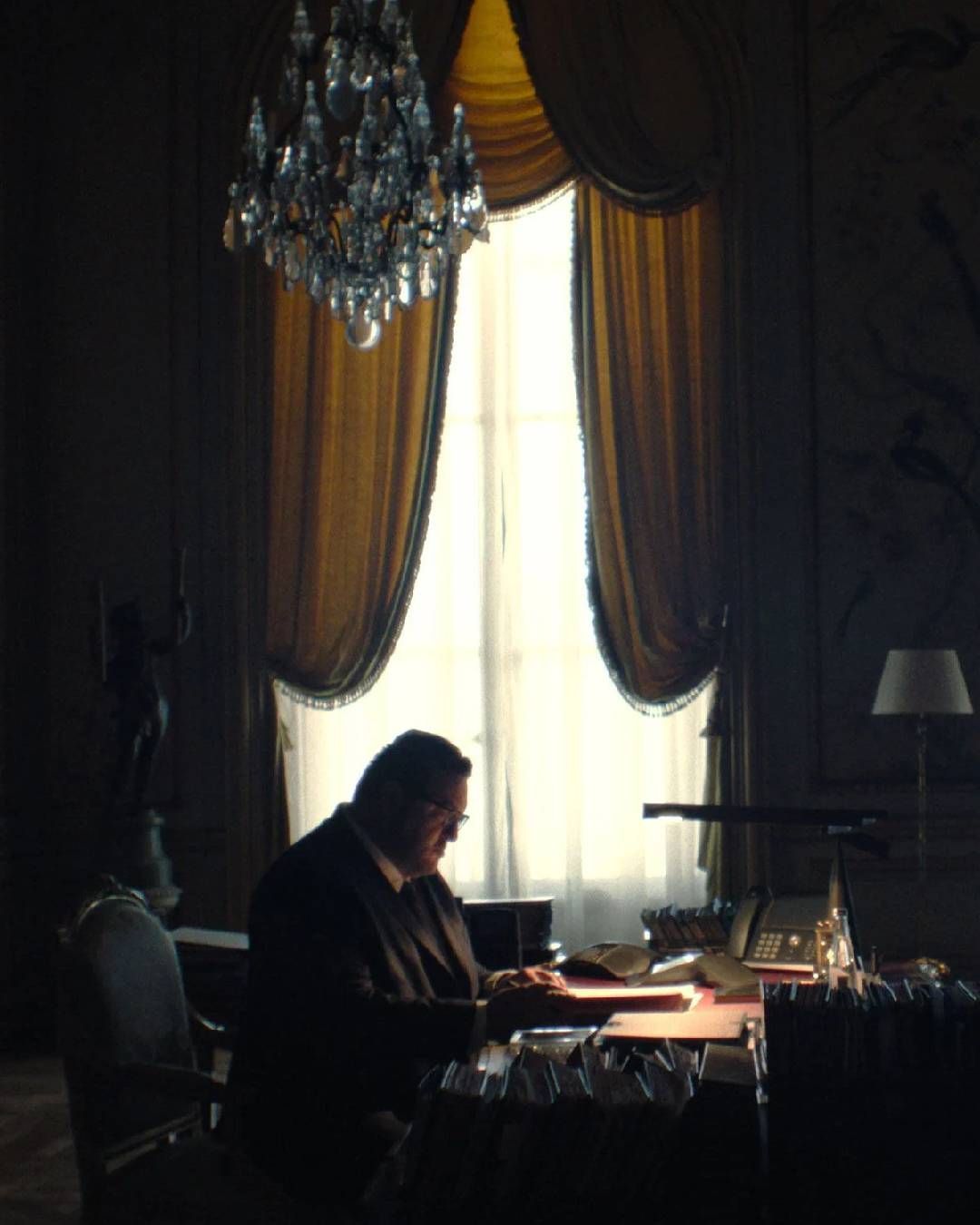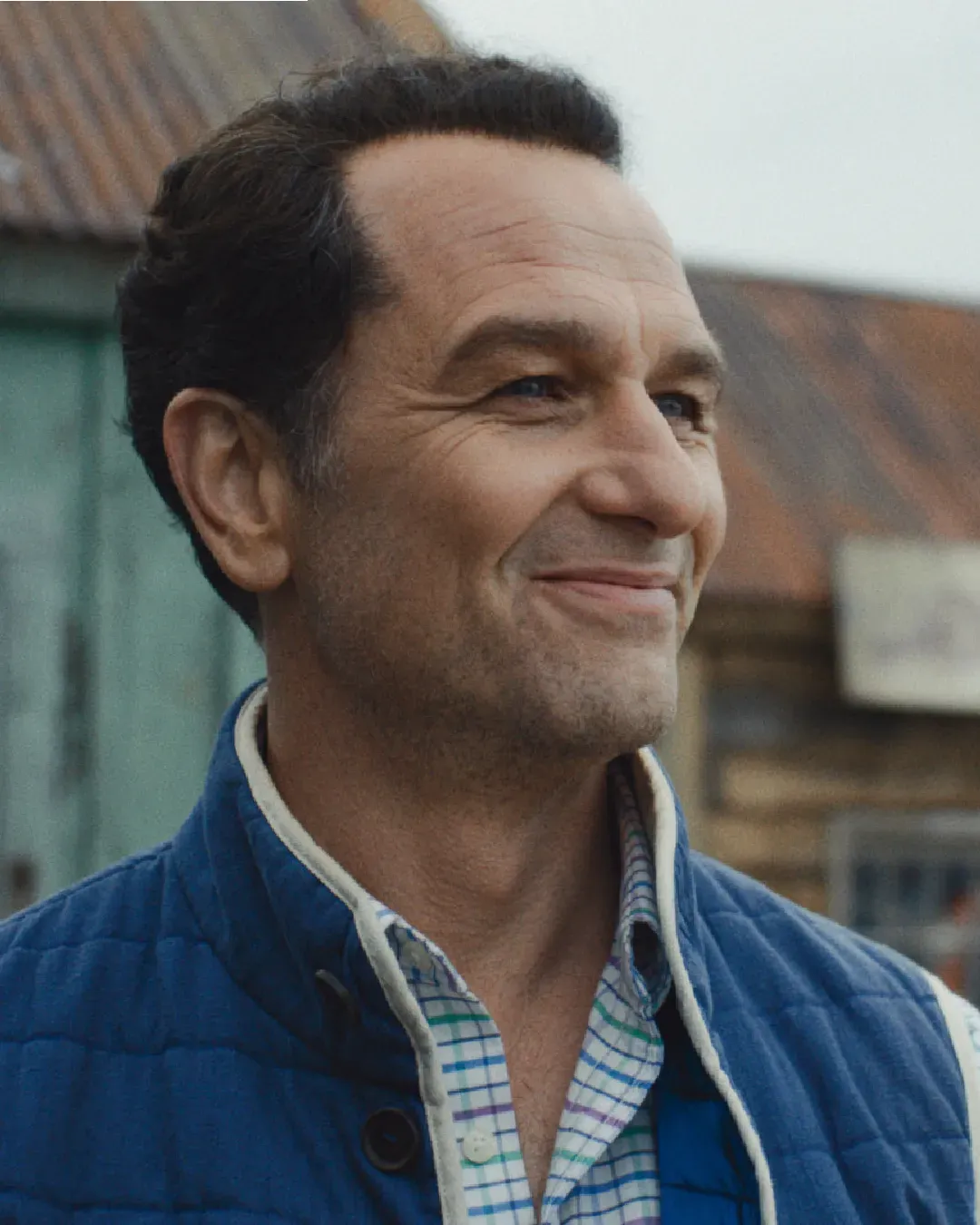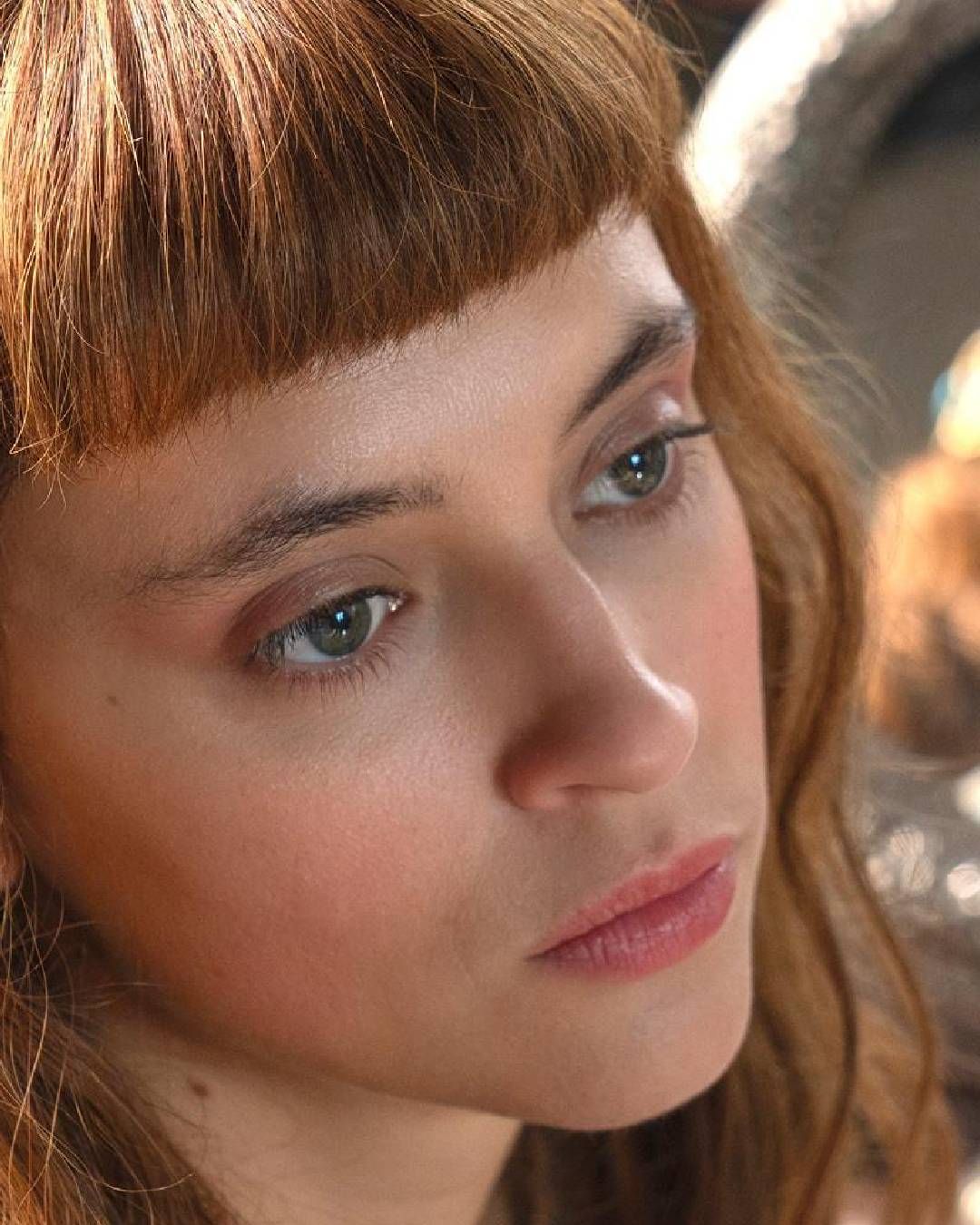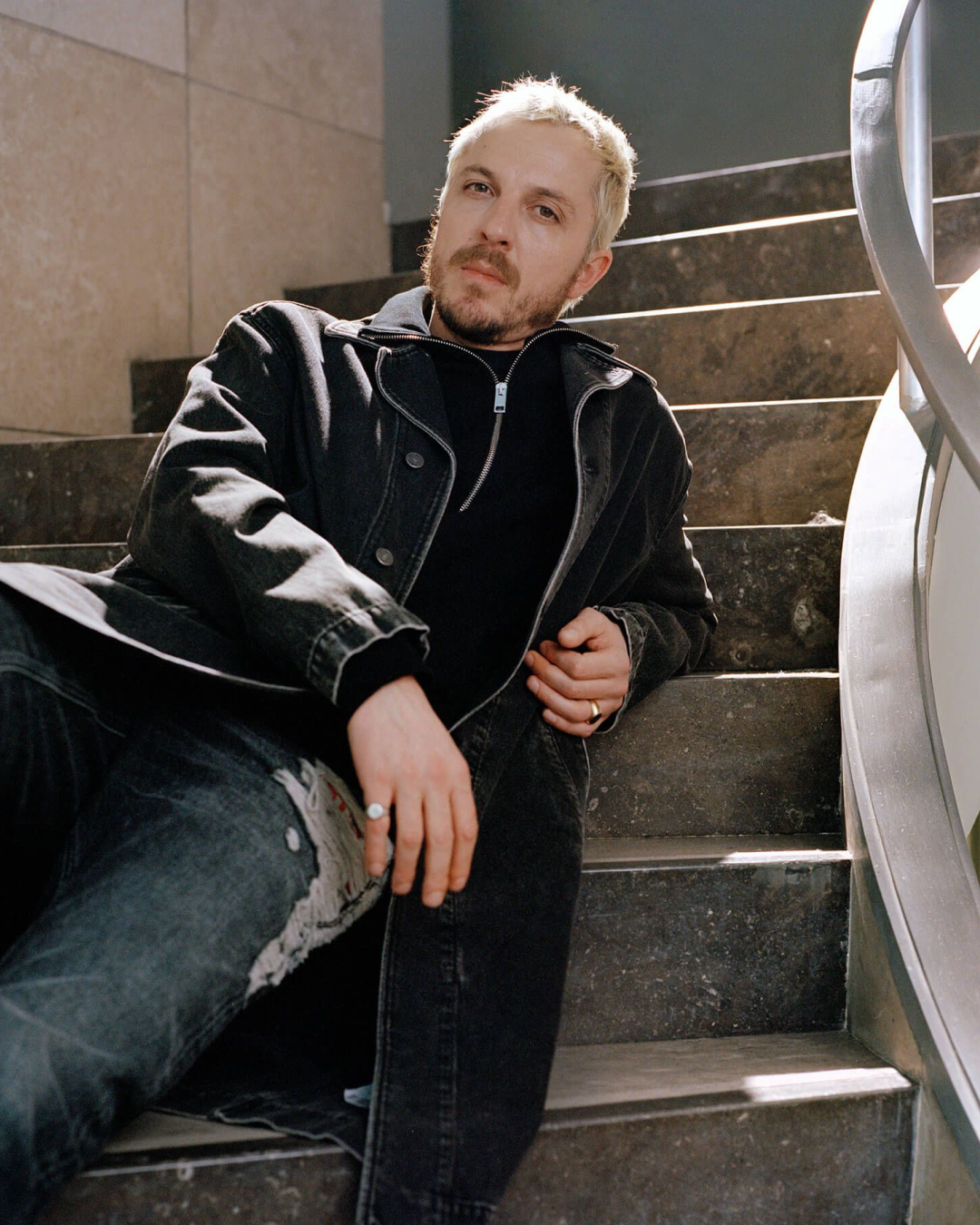



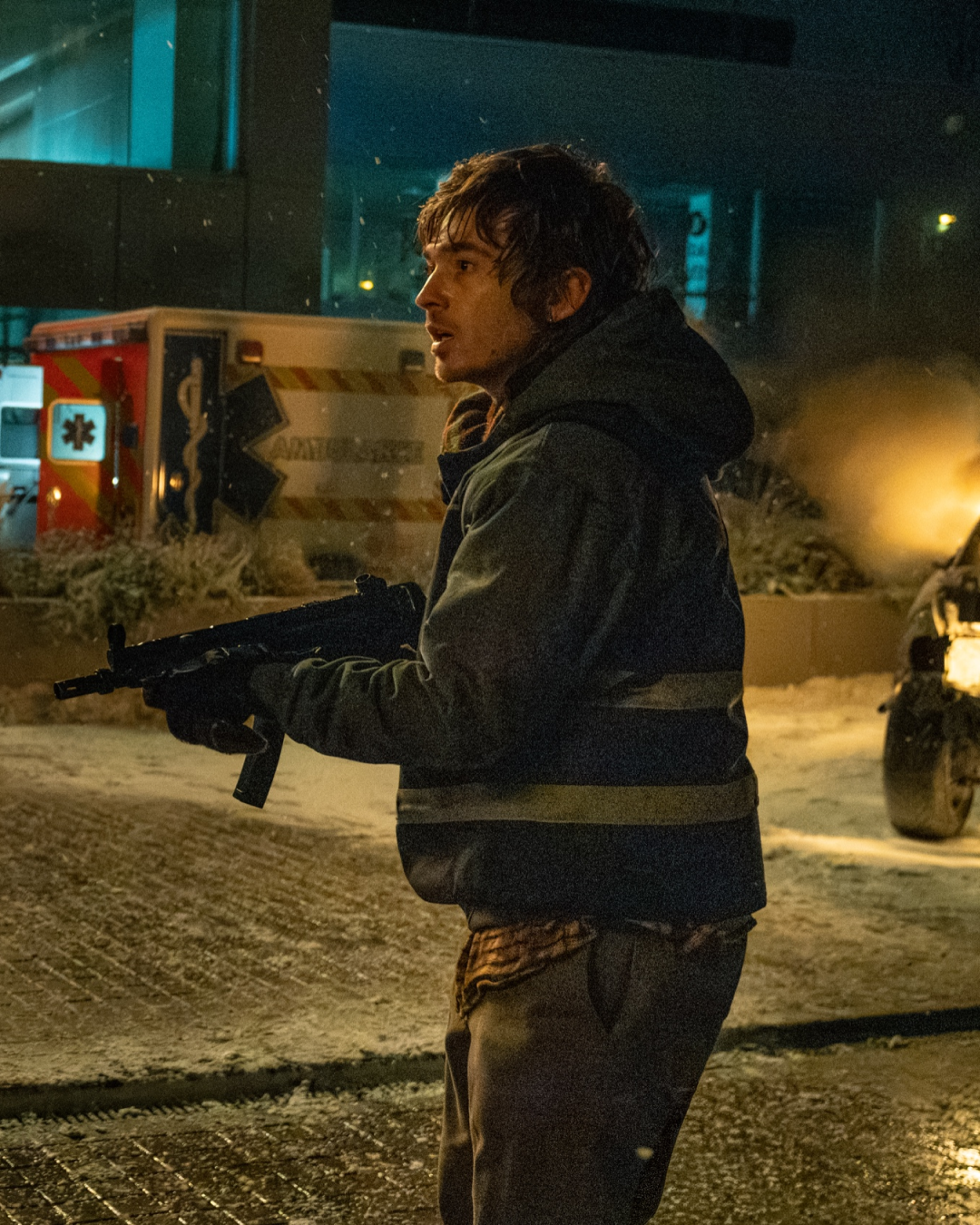























Luca Guadagnino's "After the Hunt" could upset audiences But that0's what the director wants, directing Julia Roberts, Ayo Edebiri and Andrew Garfield
While After the Hunt seems almost detached from the rest of Luca Guadagnino’s filmography, there is one scene, one particular choice, that puts the director in front of the screen, even if in reality he is on the opposite side. In an impassioned dialogue between the characters of Julia Roberts and Ayo Edebiri—the first, a revered philosophy professor, to whom the second, her student, reveals she has been harassed by a friend/professor (Andrew Garfield)—the camera frames the actresses’ faces, leaving them out of focus. Not completely, not entirely. Edebiri’s face certainly is, as she tries to convince the woman she considers a mentor and a friend that what happened is true. Roberts’ face less so, but still blurred, while both are framed in such a way that they speak directly to the camera and, therefore, to the audience. In this lack of sharpness, in Guadagnino’s choice to blur the image rather than render it clear, lies both the hand of the auteur returning to the Venice Film Festival—though out of competition compared to 2024’s Queer—and the ambiguity of the story written by Nora Garrett, making her screenwriting debut.
It should not be clear, in fact, whether Maggie (Edebiri)’s character is telling the truth. It is important, certainly, but not for the sake of the narrative of After the Hunt, which aims to create a ground for questioning the audience, in a new and updated version of Doubt by John Patrick Shanley. Set in the academic world, among the prestigious classrooms of Yale, which often welcome privileged and wealthy students, the film hypothesizes harassment without ever showing it. It makes the audience witness what happens every day, something that began in 2015 with the MeToo movement. The hunt, if we take the title as a cue, is the one launched against the young professor played by Andrew Garfield, who, in order to be ruined, only needed to be accused of assaulting a student without her consent.
That the work does not wish to take sides, but instead desires to prompt the audience toward deeper reflection, is certain. That it does not choose a dogmatic path is equally true. Guadagnino himself has stated it: the film is meant to challenge the audience, even to make them angry. This mirrors what today’s society is facing daily: those who want to claim a piece of the future, and those who are anchored to preconceptions and privileges of the past. It’s true, the straight white cis man might feel like a species that needs protection, but it is too easy to flip the coin and go in the opposite direction of what socio-cultural paradigms suggest we should follow in contemporary times. That is not what either After the Hunt or Guadagnino intend to do.
julia roberts & ayo edebiri pic.twitter.com/WrLHY2s3Q0
— favs pop culture (@favspopculture) August 29, 2025
There is no intention to impose a horizon, nor to close off what existed in the past (the university is not chosen as the setting by chance), but neither is there a desire to hinder an inclusivity that is so easy to preach, yet sometimes only illusory in its application. After the Hunt leaves it up to the viewer to take a stance—even if the film offers, in the end, a more explanatory key to interpretation—but it would be a mistake, even blindness, on the part of the screenplay not to highlight certain patterns that the patriarchal society still continues to repeat, and which are sometimes even perpetuated by women themselves. The film illustrates this without siding with either perspective, leaving it to the audience to decide what to think.
need julia roberts’ luca guadagnino cardigan pic.twitter.com/SxpxxDCtWs
— isabella (@rneerapps) August 27, 2025
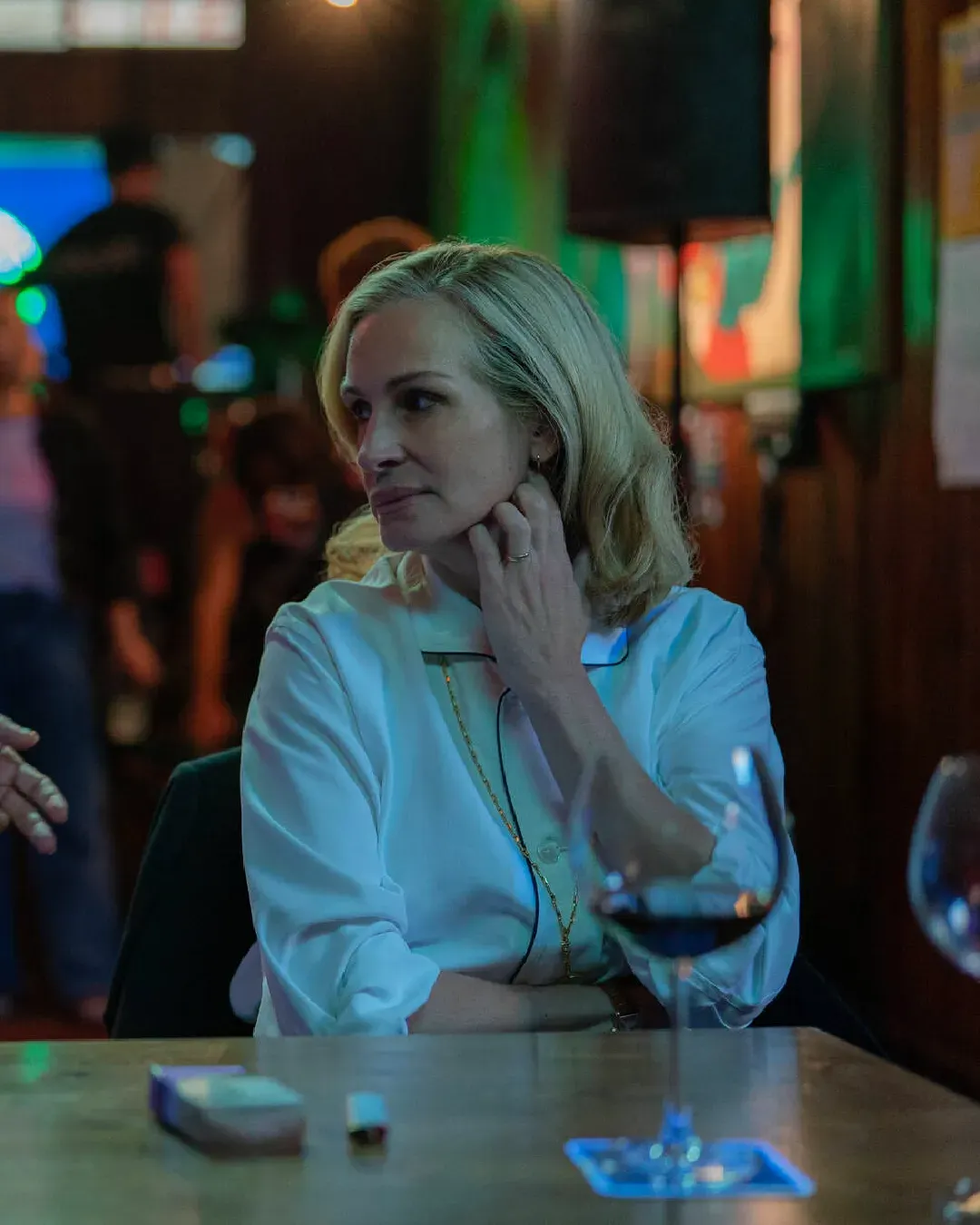
And, in this magma of analysis and doctrines, in order to find Luca Guadagnino’s hand in After the Hunt, one must look into the crevices of dialogues and exchanges between characters, where words and thoughts of the protagonists are turned into images—through gestures, hands moving in sync with each phrase, isolated from the rest of the actors’ bodies. The director focuses on the details with which he cuts the image and isolates insignificant yet ecstatic particulars. He focuses on the eyes of his actors, in which he wants—and allows us—to glimpse all the uncertainty the story exudes. Julia Roberts is magnificent, basking in her white outfits and elegant loafers, but it is shocking how the young Ayo Edebiri not only manages to hold her own but sometimes even surpasses her. These are useful moments for when someone might argue that After the Hunt is not an ideological film, even with its exploration of the rebirth of moral ethics, and thus far removed from a Tár, with which it might otherwise be compared.
Because it is in those flashes that we understand this is purely cinema, not rhetoric. Cinema evoked by the score from the faithful Trent Reznor and Atticus Ross, with melodies reminiscent of classic films, almost horror-like, piercing like the stomach pains suffered by Julia Roberts’ protagonist. Music as sharp as the thoughts and gazes of its actors. Fragile like the theories we know well how to articulate, but not always how to put into practice.