


































Is sexposition in TV over? From Game of Thrones to Severance, the nude is disappearing from the small screen
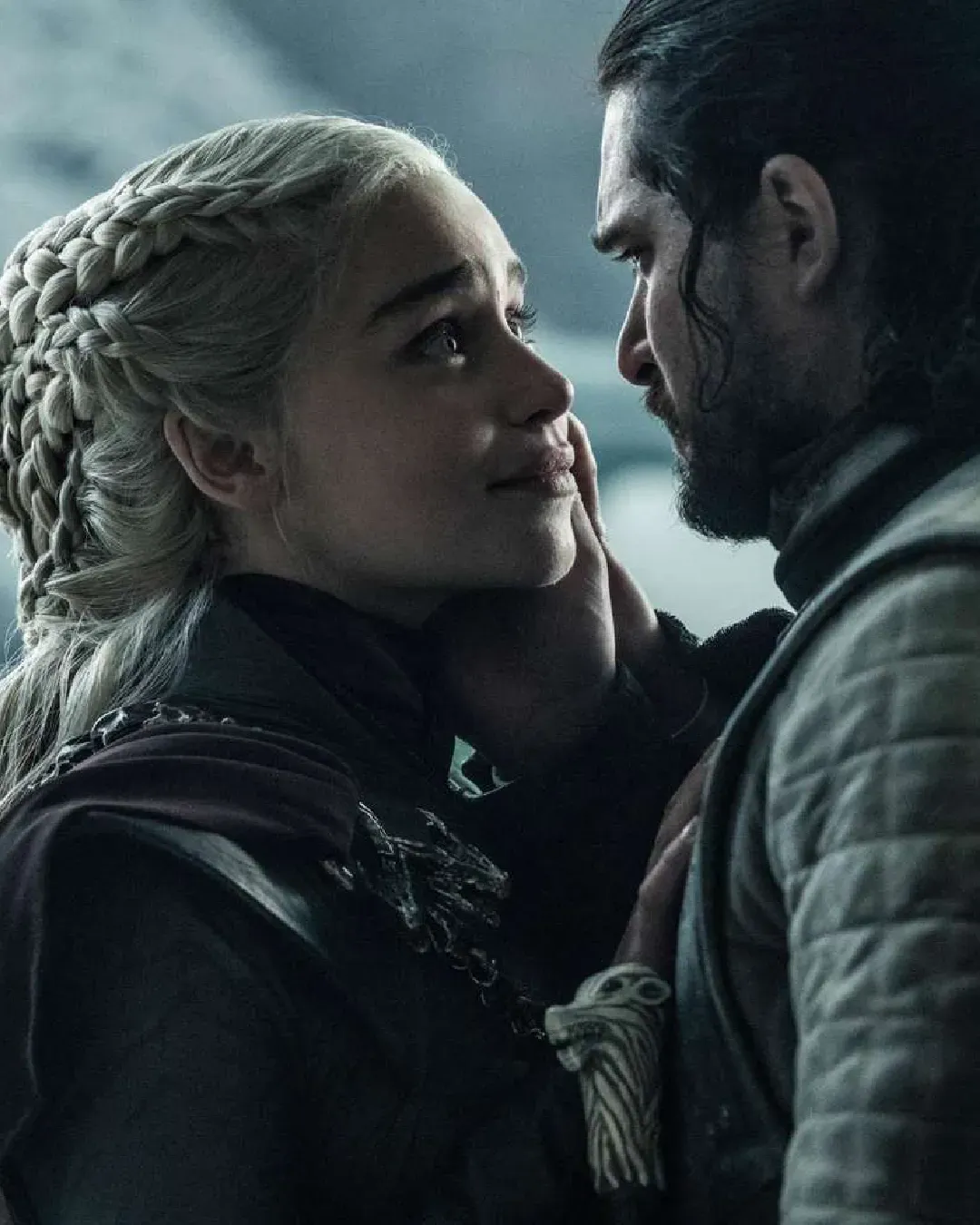
There was a time, not too long ago, when television seemed designed to provoke. Naked bodies were everywhere: in Game of Thrones as in True Detective, nudity was not just an aesthetic choice but an integral part of the narrative language. It was the so-called prestige TV, the golden age when transgression was synonymous with quality, and nudity was a vehicle to prove that television could dare as much as, or more than, cinema. Today, however, something has changed. According to an article published in late June by GQ, the amount of nudity in TV series has reached an all-time low, dropping sharply compared to the peaks of the 2000s and 2010s. A clear sign that our collective relationship with the body, and its representation, is undergoing a profound transformation. To understand how radical this shift is, just look at the data: in 2005, a report by the Kaiser Family Foundation titled Sex on TV 4 estimated that 70% of TV programs included sexual content, up from 56% in 1998. The average was about five sex scenes per hour. Twenty years later, the situation has almost reversed.
Regé-Jean Page and Phoebe Dynevor with Bridgerton’s intimacy coordinator, Lizzy Talbot behind the scenes of #Bridgerton Season 1 pic.twitter.com/phUSmlNwDE
— bridgerton archive (@BtonArchives) June 30, 2025
A study by researcher Stephen Follows cited by MovieMaker found that, in the 250 most-watched films in the United States between 2000 and 2023, the overall amount of sex and nudity dropped by 40%. According to the same research, while in 2000 less than 20% of films contained no sexual content, today almost half are completely free of it. Television has followed the same path. The TV of 2025 seems to have stripped away what once was its hallmark. Cult shows of recent years such as Succession or Severance completely avoid nude scenes, unless they are crafted with extreme care and justified narratively.
If you really think about it, she was their intimacy coordinator pic.twitter.com/Ej2VBCEYjA
— Tom Zohar (@TomZohar) December 21, 2024
This change is not the result of a single variable, but the combined effect of an industrial, cultural, and political revolution. The first concrete sign came in 2018, when HBO formally introduced intimacy coordinators on set, starting with the series The Deuce. Soon, other platforms like Netflix, Amazon, Hulu, and Starz followed suit. By 2020, 23 Emmy-nominated productions had already integrated this professional figure, and in 2024, intimacy coordinators were officially recognized by SAG-AFTRA, the U.S. actors’ union. With professionalization, however, came new constraints. Intimate scenes today require weeks of preparation, dedicated teams, detailed planning. And since every minute of nudity entails a considerable financial and emotional cost, many productions choose to avoid it entirely.
At the same time, audiences have also changed. In particular, Gen Z, raised with unlimited access to online pornography, has developed a more critical relationship with mainstream nudity. According to a survey conducted by Ofcom in the UK, in 2023 less than half of young people aged 16 to 24 watched traditional TV at least once a week, compared to 76% in 2018. Furthermore, young people spend only 33 minutes a day watching broadcast TV, compared to 1 hour and 33 minutes on YouTube and TikTok. This shift in consumption has had clear consequences on the type of content that gets rewarded and produced. Whereas once The Sopranos, Mad Men, and Game of Thrones, with their countless nude scenes, were the most watched shows, today series with nudity include Mr. & Mrs. Smith, Palm Royale, and One Day, which, however, build sexual tension through ambiguity and suggestion, not explicit nudity. Data suggests that Gen Z therefore prefers a more psychological rather than visual eroticism, in contrast to the previous generation. Unsurprisingly, the scene in Pride & Prejudice (2005) where Mr. Darcy brushes Elizabeth Bennet’s hand and then lingers emotionally is regularly reshared and goes viral on TikTok.
@drowninromance did you know that ??? need me a mr darcy!! #prideandprejudice #prideandprejudice2005 #prideandprejudiceedit #elizabethbennet #mrdarcy #darcyhandflex #classic #classicbook #liturature #fy #fyp #foryou #viral #booktok #bookaesthetic original sound - sandy (simp)
To this cultural transformation we must also add the political one. The body today, more than ever, has become a territory loaded with meaning: identity, representation, consent, rights, gender dysphoria, body positivity. Every inch of skin shown on screen now carries an ideological and symbolic weight it once didn’t have. Nudity is no longer a simple decorative element or a narrative “extra”: it is a statement, sometimes a provocation, increasingly often an ethical choice to be justified — just think of Euphoria, where nudity and sex are everywhere. And so, while we live in an era of digital hyper-exposure in which every detail of private life can become public in an instant, television chooses to cover itself. It’s an apparent paradox, but a coherent one: voluntary exposure is not the same as passive consumption, and today nudity carries a political value that was often ignored in the past. This is not the death of nudity on screen, but its maturation. Thus, 2025 does not mark the end of sex on television, but the beginning of a new phase — more conscious, more respectful, and more careful.