































The beach club crisis is the end of the myth of the Italian middle class The results of summer '25
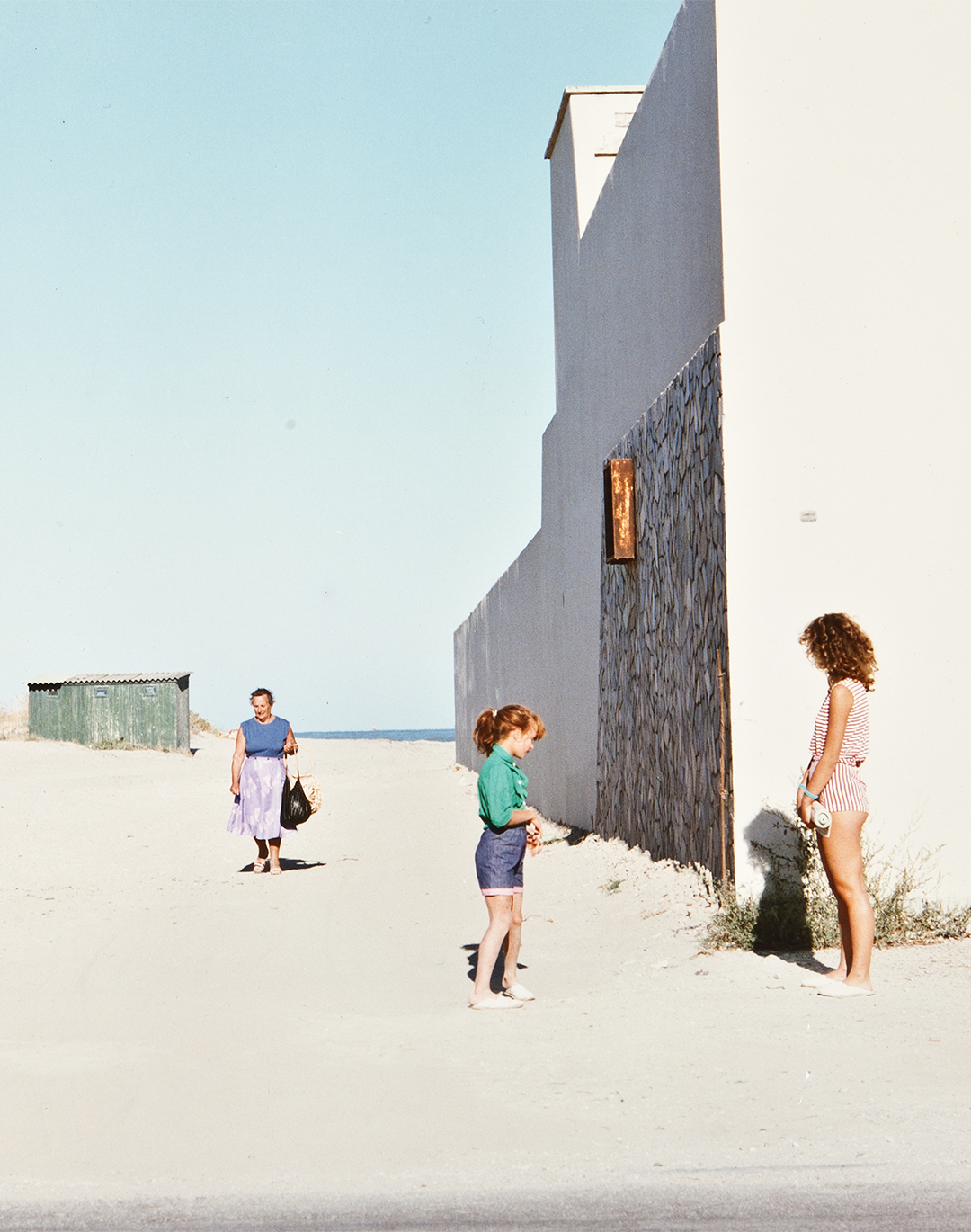
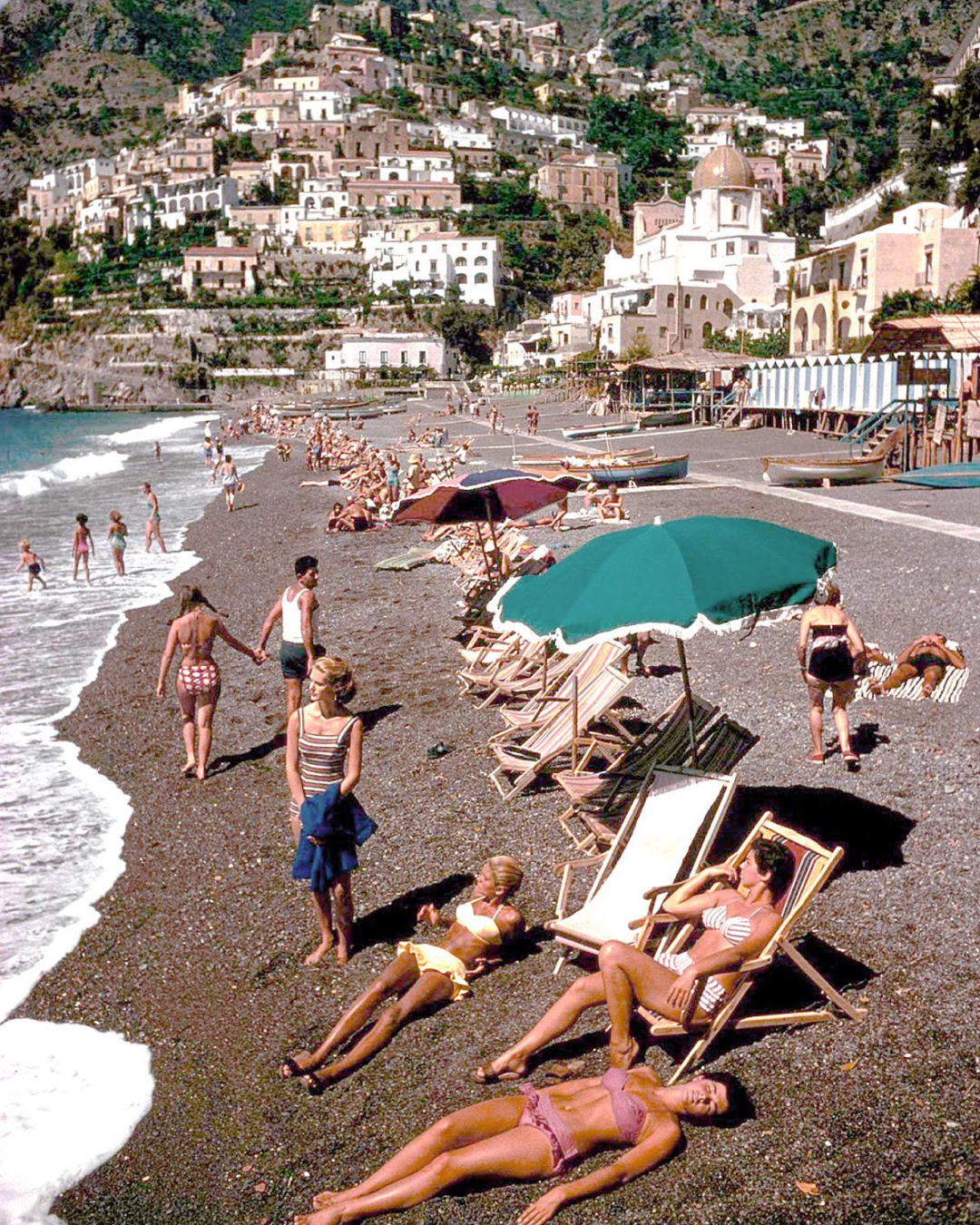
For decades, the image of the Italian summer has always been the same: colorful umbrellas lined up like checkerboards, sunbeds reserved for fifteen consecutive days, families following the same ritual every morning between the beach, packed lunches, and paddle matches. A stereotype that has shaped the imagination of the country’s middle class, its widespread prosperity, and the very idea of a vacation accessible to all. That model, today, appears to be in crisis. The half-empty beaches reflect much more than a struggling tourism sector: they reveal the erosion of the social pact that once sustained the lives of the majority of Italians. According to data from the Italian Bathing Union (SIB) and other industry associations, attendance at paid beaches has recorded significant declines. In July 2025, for example, the overall reduction was about 15%, with drops of up to 25% in regions historically devoted to seaside tourism such as Calabria and Emilia-Romagna, due to bad weather and soaring prices. While foreign tourism is partially offsetting the decline in domestic demand, the phenomenon points to a profound transformation in Italians’ habits.
@matteohallissey Fatturati stellari e canoni risibili, tornelli e recinzioni attorno alla spiaggia: la gestione dei lidi a Mondello rappresenta tutti i problemi dei balneari. @Ismaele La Vardera suono originale - Matteo Hallissey
The decisive factor is costs. Consumer associations such as Altroconsumo and Federconsumatori report price increases far exceeding inflation. A recent Altroconsumo survey confirmed that the average cost of a spot (umbrella and two sunbeds) for a week rose from about €182 in 2021 to €212 in 2025, an overall increase of 17%. A rise that hits families hard, especially when combined with higher utility bills and rents. Added to this is the loss of real wage purchasing power, which according to the OECD and ISTAT, has fallen significantly in recent years, with estimated losses of between 7.5% and 9% compared to a decade ago. The result is a short circuit: what was once a "popular" luxury, a democratic ritual, has now become a selective privilege. The seaside resort, the quintessential middle-class place, risks turning into a symbol of its crisis. It is not just about numbers. There is a cultural dimension that explains better than any chart the transformation taking place. The "Italian vacation," two weeks at the same beach club, the same cabin, the same seaside community, belongs to an era when economic stability allowed families to plan long and regular holidays. Today, by contrast, fragmented tourism prevails: short trips, hit-and-run getaways, shifts toward villages, mountains, or low-cost European capitals. The search for coolness, authentic experiences, and greater flexibility replaces the suspended time of endless summers by the sea.
Ma quanto è bella la semplicità,
— (@ReciLadiva) August 4, 2025
spiaggia libera un panino ed una bibita in riva al mare, basta con le spiagge privatizzate con sedie sdraio ed ombrelloni pagati a peso d'oro! pic.twitter.com/MB8WVN0zjL
Climate change is accelerating this process. Extreme temperatures, coastal erosion, and increasingly frequent storms make fixed stays on the sand less attractive. Instead, the “coolcation” trend is growing: holidays in green, cooler areas, often perceived as cheaper and more eco-friendly, as well as a way to escape the unbearable heat of cities and coasts. At the same time, the issue of beach concessions remains unresolved with over 12,000 resorts still in the hands of the same families for generations, thanks to automatic renewals that have effectively blocked competition and preserved enormous rents. The Court of Auditors, in its reports, has repeatedly highlighted the negligible fees for activities that collectively generate an estimated turnover of about €15 billion per year. A system that illustrates the growing gap between those with consolidated rents and those who can no longer afford even a sunbed. The paradox is clear: if, in the years of the economic boom, the seaside resort became a symbol of an Italy discovering itself as modern, inclusive, and prosperous, today it is the place where its social fracture is most evident. The umbrella is no longer a right conquered by the middle class but a luxury that certifies its erosion. Looking at empty resorts, therefore, does not mean only observing an outdated tourism model but questioning the very future of Italian society. If the sea is no longer for everyone, what remains of the collective promise that for years defined our way of experiencing summer and, ultimately, our idea of normality?