



























France did not adore Beaten Hearts, but the rest of the world did From Cannes Flop to Box Office Hit
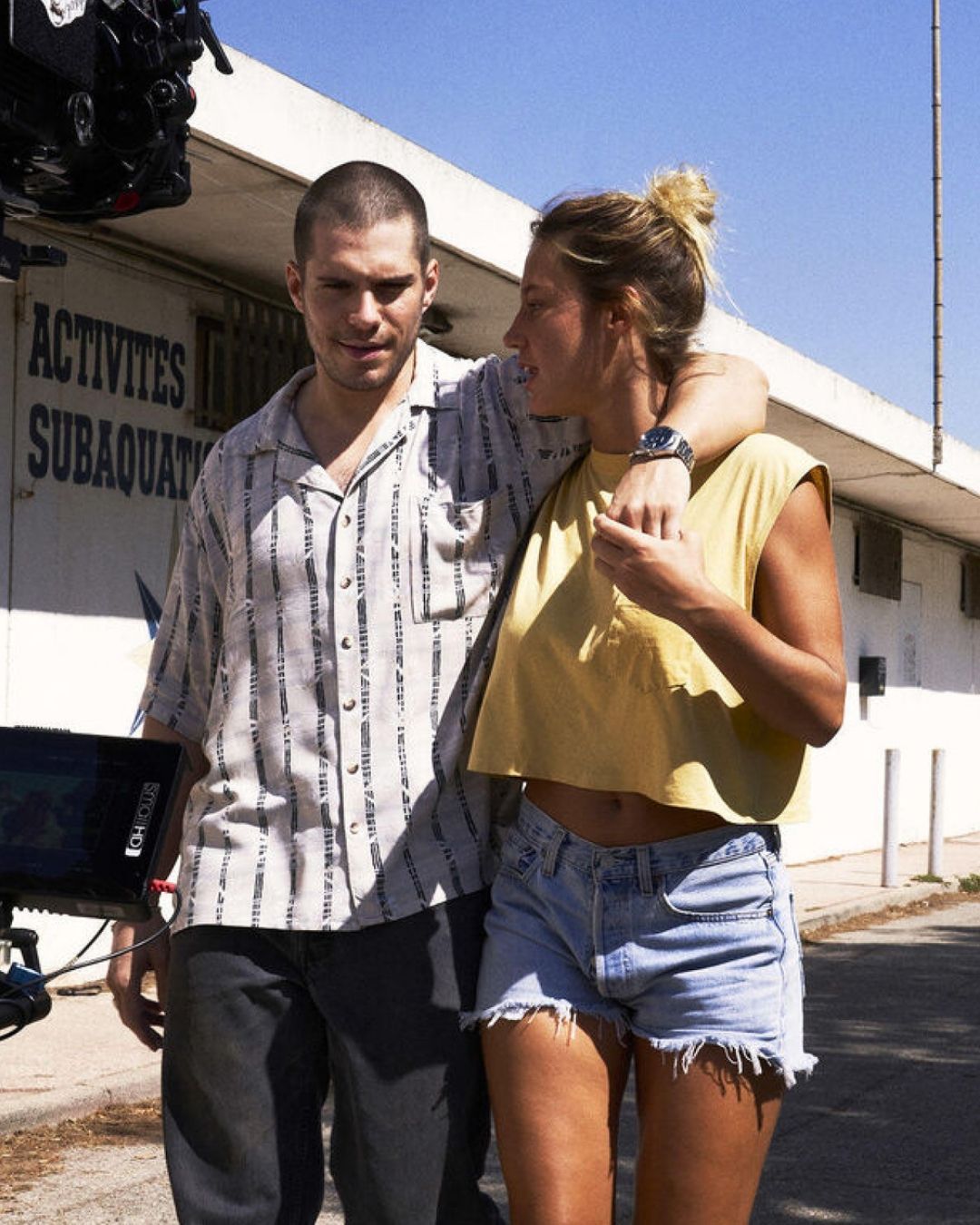
At the 77th edition of the Cannes Film Festival, Beaten Hearts received the lowest score on the grid of the British magazine Screen International, the daily journal that accompanies the film event and compiles early reviews from major media outlets around the world. The work of Gilles Lellouche, a well-known French actor turned director since 2004 and now on his fourth feature film (third, if we count only his direction of a single episode in the 2012 anthology film Les Infidèles), was rated 1.3 stars out of 4, marking a resounding flop, accompanied by lengthy negative reviews and the film’s exclusion from that year’s awards list. The future of Beaten Hearts didn’t look bright, and it must have been a blow for one of France’s most important production and distribution companies, StudioCanal, which chose to invest €35 million in the project filled with Lellouche’s brawls and dances—the highest budget ever spent by the company. The trust was theoretically well-placed, since the director and screenwriter had delivered a box-office hit in 2018 with Le Grand Bain, which not only impressed audiences with a total of 4,269,036 box office admissions between domestic and international markets, but also received critical acclaim. However, the festival disaster did not reflect the actual financial outcome that Beaten Hearts recorded upon its debut in its home country. Perhaps unexpectedly so, given the hostility accumulated at Cannes, it was offset by 4.9 million viewers in France who went to see the film, making it the fifth-highest grossing film of the year, even surpassing the more appreciated Le Grand Bain from six years earlier. Ultimately, the soul’s turmoil depicted in the film could only match an equally troubled yet profound production, yearning for light—just like the love between the main characters Clotaire and Jackie, played by François Civil and Adèle Exarchopoulos.
Lellouche’s idea to adapt the novel Jackie Loves Johnser OK?, written by Neville Thompson and published in 1997, dates back to 2013, after a recommendation from fellow actor Benoît Poelvoorde, who also appears in the film as Le Brosse. For many years, the project remained shelved after an initial attempt by Lellouche to adapt it into a screenplay. It took six years and the contribution of Audrey Diwan, who won the Golden Lion at the Venice Film Festival in 2021 for L’Événement, for the filmmaker to take the reins of the story once again, alongside Ahmed Hamidi, with whom he had previously worked on the hit Le Grand Bain. Even after its screening at Cannes, the film’s structure continued to change. While it’s unlikely that five fewer minutes altered the entire perception of Beaten Hearts, the fact remains that audiences flocked to theaters for this time-travel journey back to the ‘80s, immersed in the deep and overwhelming passion of characters in a Cannes version running two hours and forty-six minutes—shortened to two hours and forty-one for the general public. This was already a second cut, since the director had initially stated that the film would be no less than three hours long. Even after its theatrical release, he continued trimming the film by removing a dance scene and two violent moments which, according to him, would have made the character Clotaire unnecessarily unlikable.
In all other aspects, though, Gilles Lellouche stayed true to himself and his vision, bringing to the big screen a deeply classical story in its structure—she meets him, he meets her, they fall in love, only he’s a criminal and their love will burn for the rest of their lives. A film that is a journey back in time with a soundtrack that brings tears to the viewers’ eyes—whether or not they know the songs—so well integrated into the chaos of love affairs that ignite and take your breath away, and which the audience, more than Cannes critics, accepted to be swept up in, just like the characters themselves. As Nothing Compares 2 U, in Prince’s 1980s version, plays in Jackie’s portable cassette player, Lellouche includes references to the cinema of Martin Scorsese and Quentin Tarantino, blended with the romance and grandeur of West Side Story, mixing it all in a France far from big cities, on a border where reality and fiction become cinema. L’amour ouf in french truly contains all the ingredients to make hearts beat—no surprise the international title is Beating Hearts. There’s a love that cannot be extinguished, there’s a touch of violence in the background with gangster stories that appeal to a broader audience, and a pop atmosphere thanks to the attempt to build the film as an anti-musical while still including some dance numbers and choreographies. The focus is less on character dynamics and more on evoking the feel of grand stories of love and blood. Unsurprisingly, La Croix saw it as an attempt to emulate Baz Luhrmann’s Romeo + Juliet, Shakespeare’s adaptation which, although deemed unsuccessful by the outlet, undeniably has the power to captivate audiences. And it did—redeeming itself just like Clotaire and Jackie, in a narrative arc where the film’s fate mirrored that of its characters.
What to read next
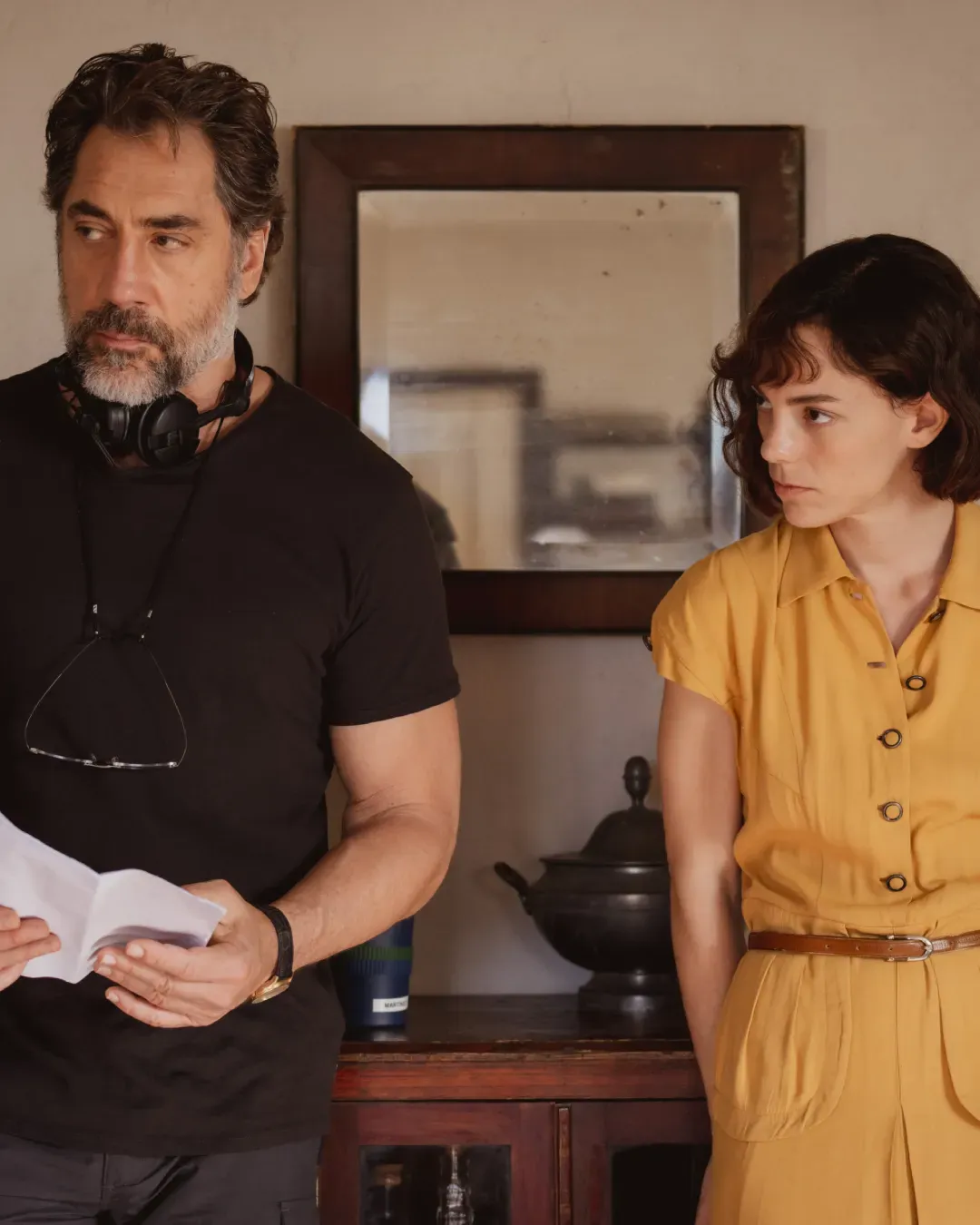
There is a scene in El ser querido that explains how the world is changing
The film is directed by Rodrigo Sorogoyen and stars Javier Bardem and Victoria Luengo
What is VisionQuest, the new Marvel series on Disney+?
Paul Bettany once again plays Vision, although this is not the same character from the films of the cinematic universe
5 trends that Trainspotting anticipated Back in 1996
There is much more to the film than the famous Helmut Lang tank top