























The great relaunch of Orient-Express How LVMH wants to change the format of luxury travel forever
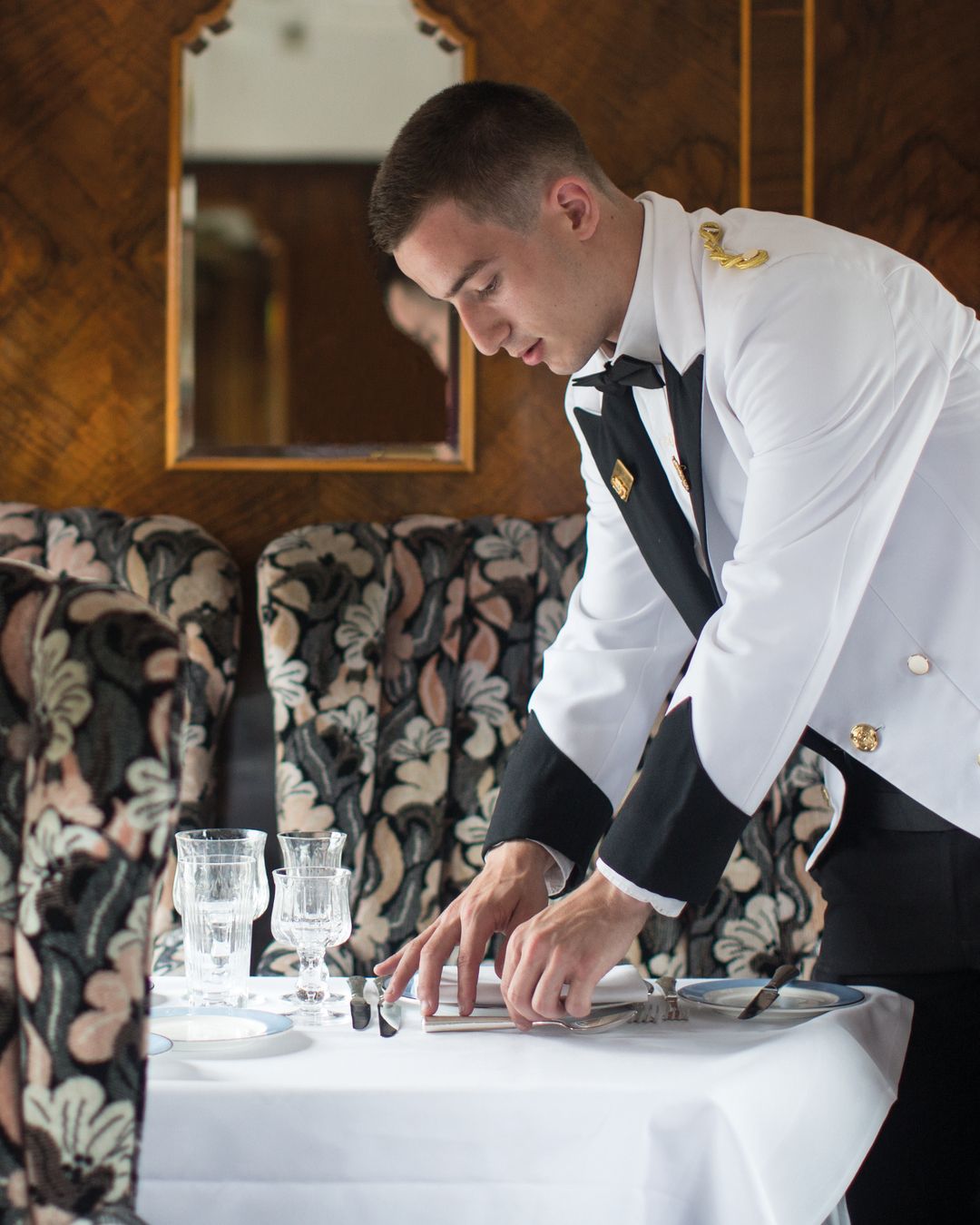
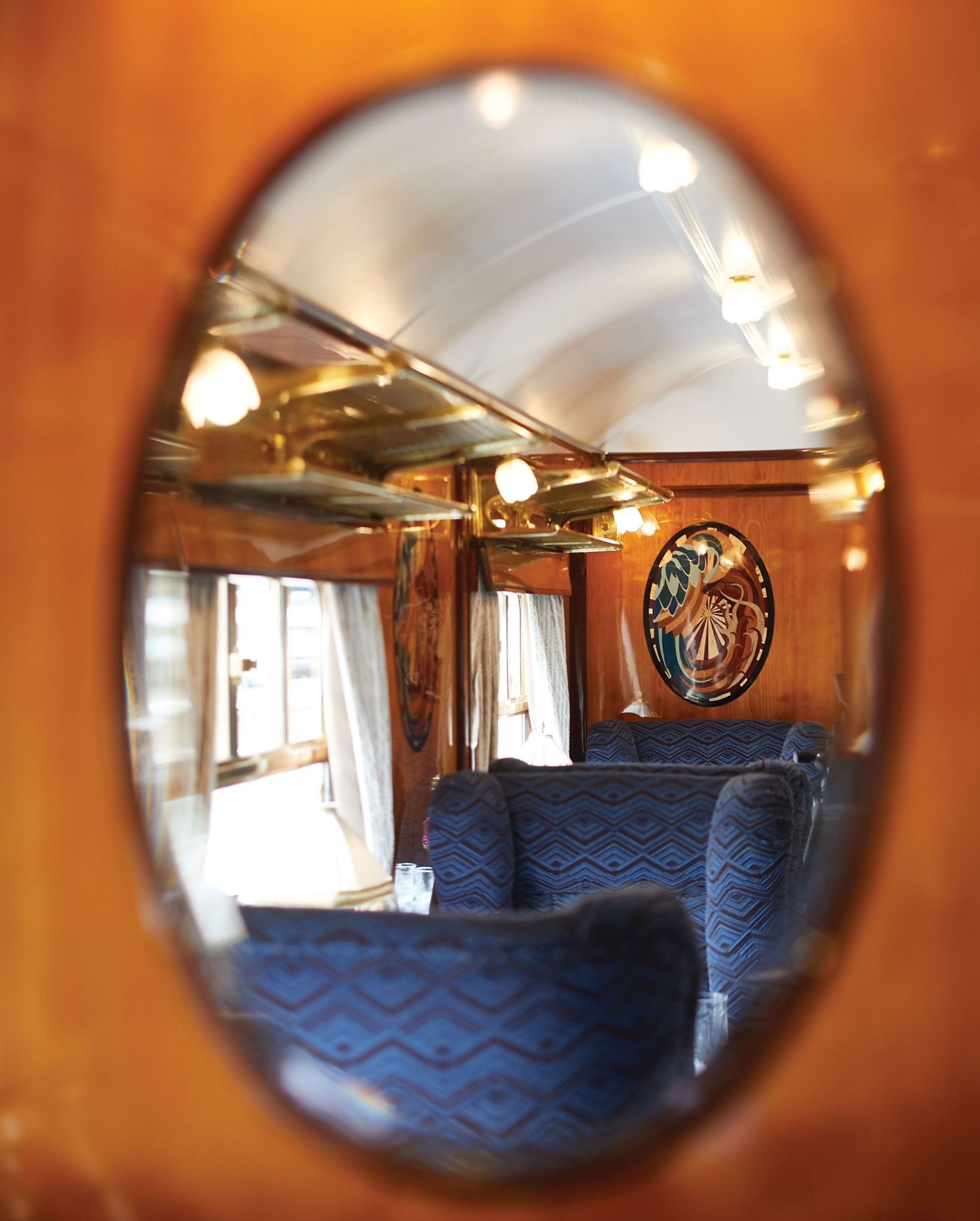
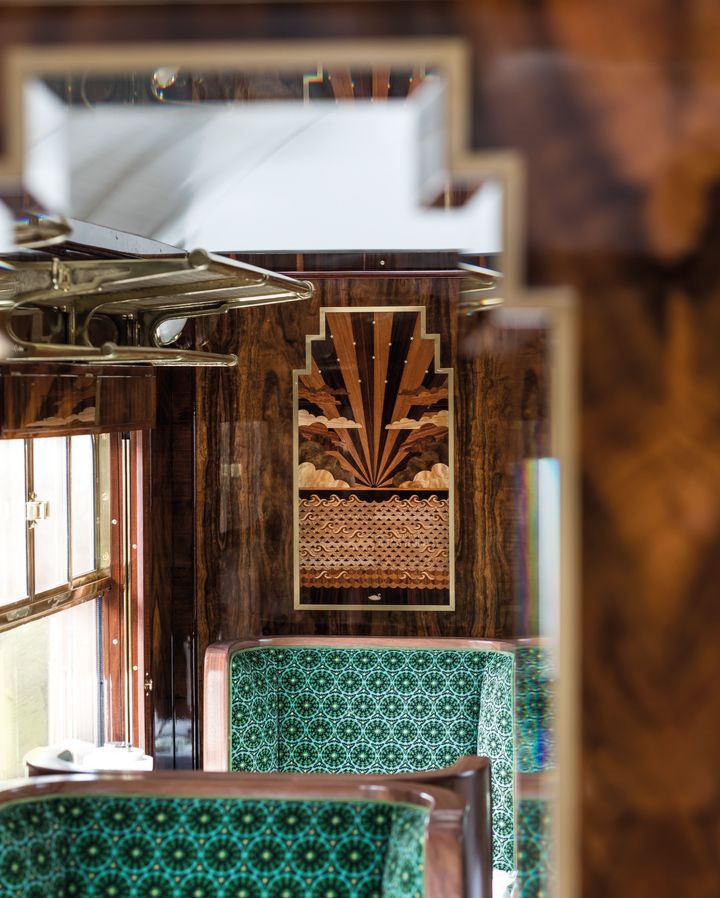
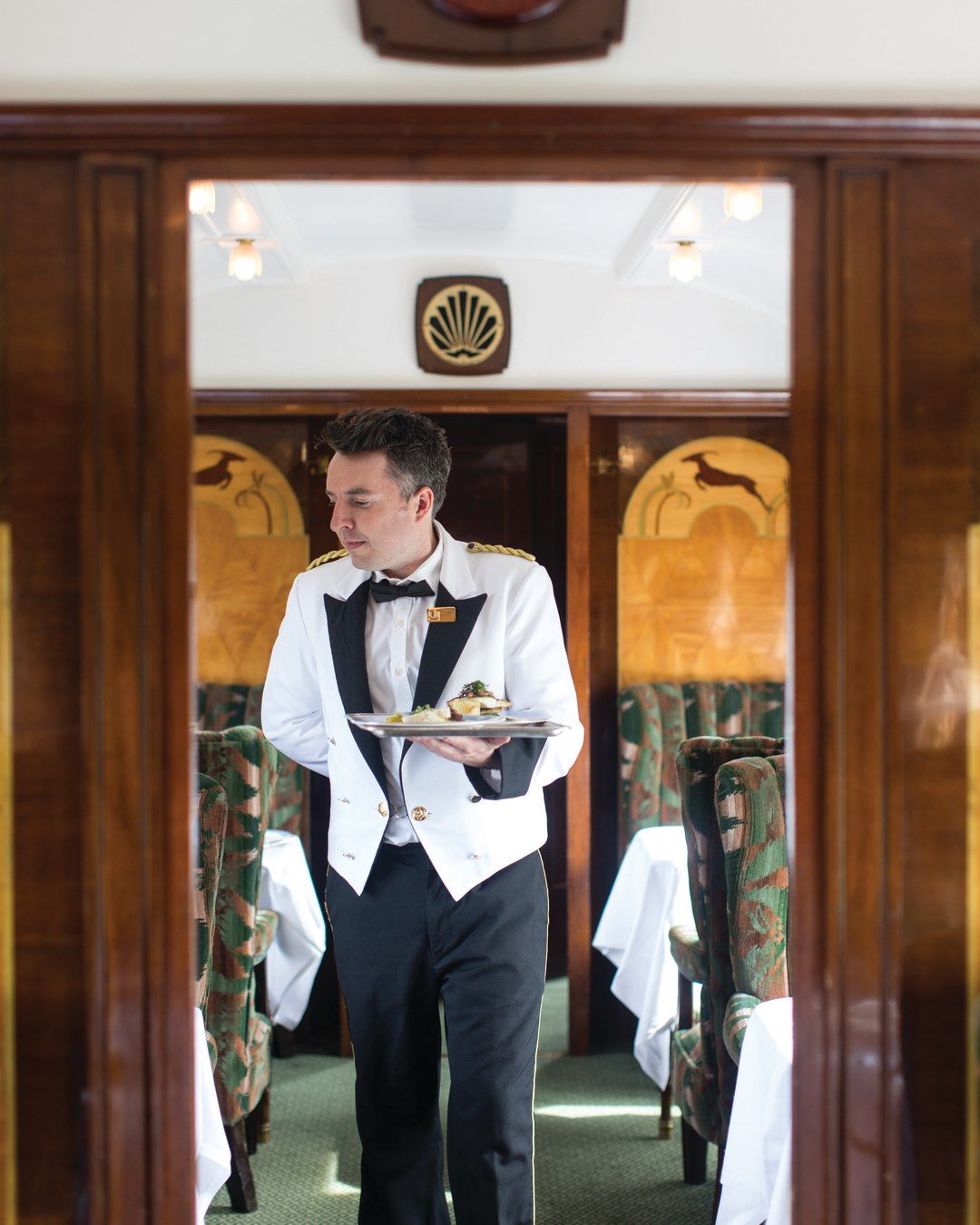
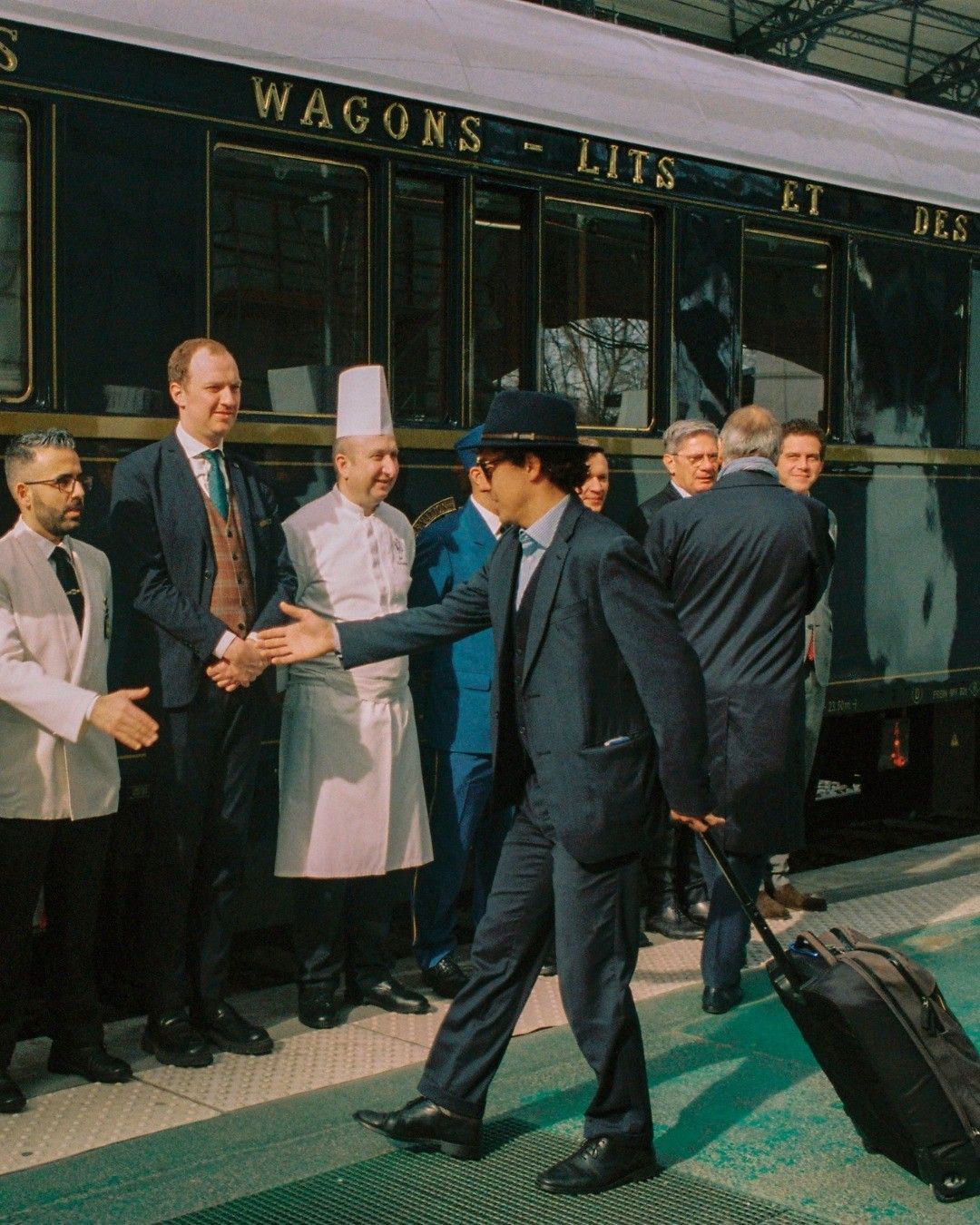
Who remembers the Orient-Express? Perhaps no one, except the most devoted readers of Agatha Christie, for whom the elegant carriages of Europe’s most legendary train became, through the lens of literature, the exotic setting of a murder. But there’s a reason why Agatha Christie, back in the 1930s, chose that very train for her novel. Quite simply, the Orient-Express, alongside a Nile cruise, represented the non plus ultra in terms of luxury travel, a five-star hotel on wheels. In a world where fashion as we know it did not exist, where imported cigarettes and champagne were the epitome of luxury, traveling on the Orient-Express was the international gold standard of well-being and aspiration. “The Orient Express has embodied adventure and elegance since its origins,” said Bernard Arnault when LVMH acquired 50% of the brand last year. “Its name has become part of our cultural heritage and remains a source of inspiration for the greatest artists.” A world of liveried waiters, chilled champagne, and polished mahogany sleeping cars. A world that seems far removed from ours, made of international flights, exotic destinations reached in a day’s travel at most, online bookings, and user reviews. If once the typical modern journey represented an aspiration, the massification of that experience has led to a loss of exclusivity to which the luxury industry has responded by looking to the past and, specifically, to trains.
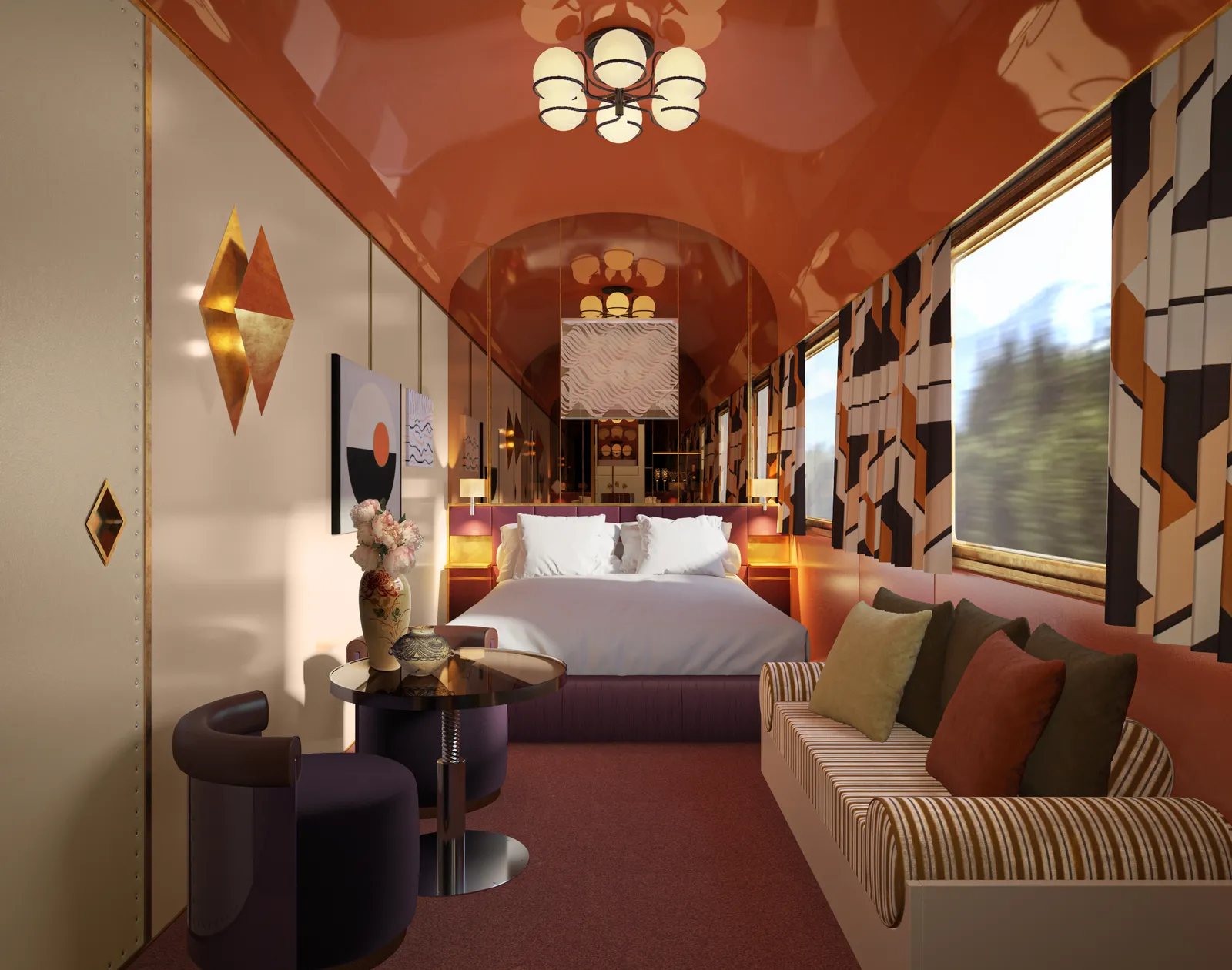
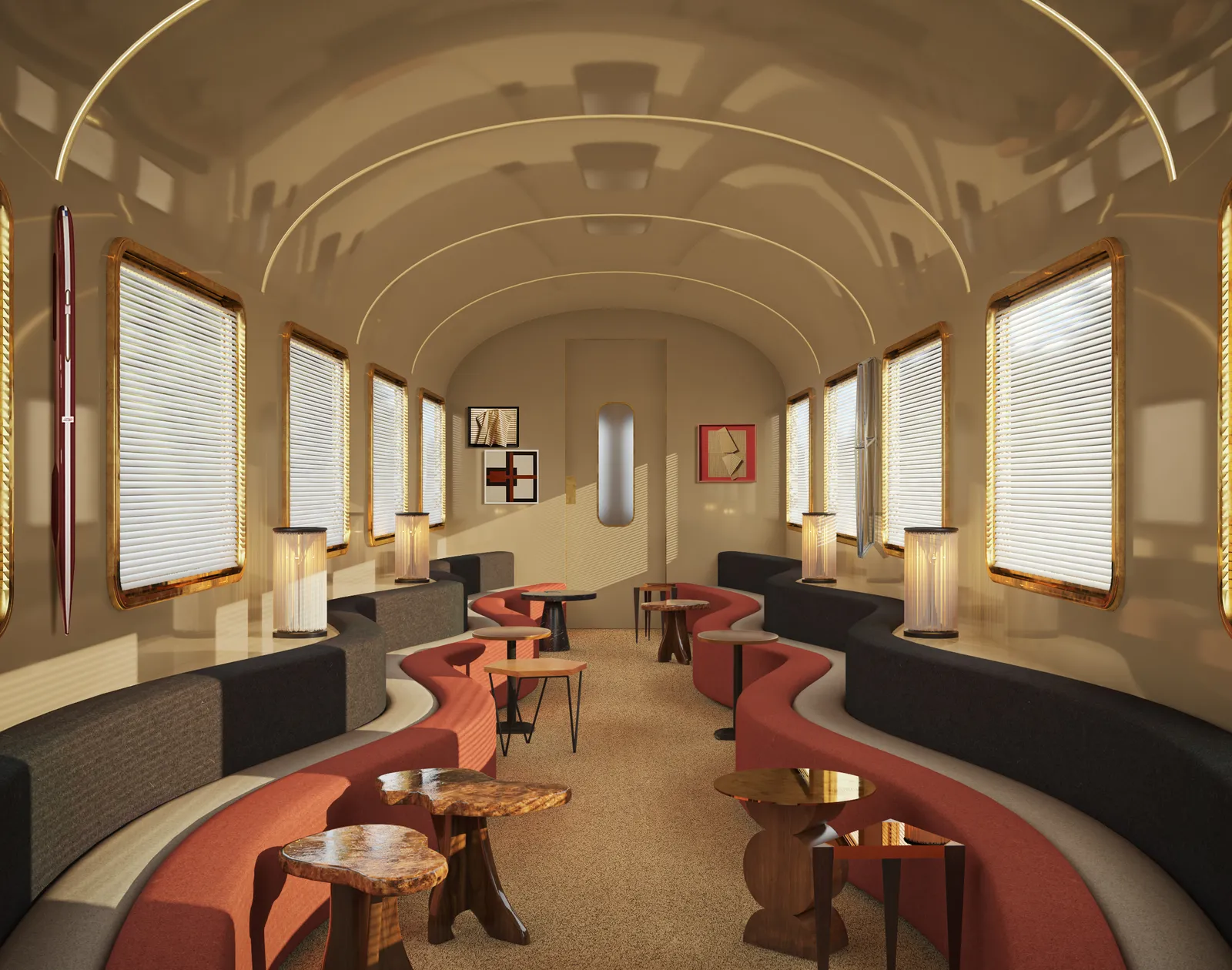
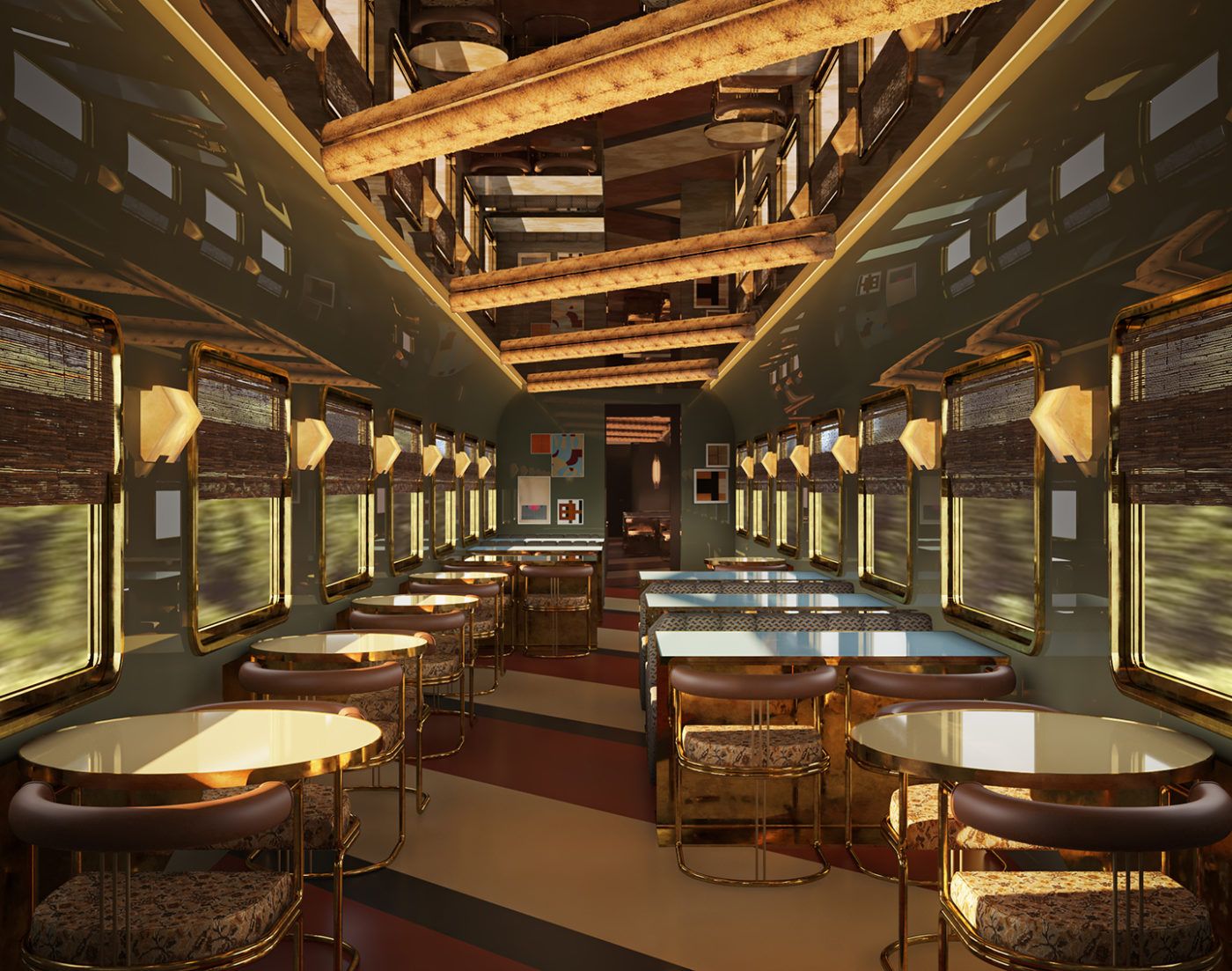
It all began in 2017 when Orient-Express was acquired for 50% by Accor from the French railway company SNCF. The company completed the acquisition of the remaining 50% in 2022, thus gaining full control, and in June 2024, it sold one of the two halves to LVMH, which also holds an option to acquire full ownership of the brand by 2027. Meanwhile, the business is expanding. Last April, the La Dolce Vita Orient Express officially entered service in Italy, marking a new chapter for one of the most legendary names in the history of luxury travel. Reviving the splendor of 1960s Italian design, the train has spent the past months transporting passengers through Tuscan vineyards, the Ligurian coast, and Venice on fully booked itineraries, also inaugurating a new route from Rome to Palermo. The project was born a few years ago, following the accurate prediction that the tourism sector, especially that focused on luxury experiences, would boom—as it did this year. Indeed, the new routes of the La Dolce Vita Orient Express represent only a part of a much broader vision for the luxury train industry. The plan is to expand beyond the trains themselves, into hotels and sailing yachts. The brand’s flagship train, the Nostalgie-Istanbul-Orient-Express, managed by Accor, will return to service between Paris and Istanbul in 2026, with 17 original 1920s and 1930s carriages restored by French artisans, while the Venice Simplon Orient-Express, acquired by LVMH through Belmond in 2018, has been operational for years and has been the protagonist of numerous mega-influencer activations. Meanwhile, Orient-Express has already opened its first hotel, La Minerva in Rome, while another, Palazzo Donà Giovannelli in Venice, will open next April. By the end of 2026, the Corinthian, the world’s largest sailing yacht with 54 suites and gastronomic direction by starred chef Yannick Alléno, will sail between Lisbon and the Caribbean. It will be followed in 2027 by the Olympian. Could this be the future of luxury travel?
@luxury_travelss Hop on the Most Luxurious Train In The World; The Venice Simplon Orient Express. #luxurytravel #luxuryliving #luxurytrain #luxurylifestyle #belmond #luxurylife #travelingtheworld #traveltiktok #belmond #venicesimplonorientexpress Lovely Fire in Another Love - Gabriel Albuquerqüe
The luxury world’s interest in rails and locomotives is not coincidental—especially considering that Belmond trains have been in operation for years and years. With the lockdown, there has been a renewed emphasis on experiential tourism as opposed to mass tourism, and the possibility of creating a tourism network that includes transportation and hotels in a single cohesive entity, combined with the crisis of air travel due to their exorbitant costs, has made train travel relevant again. For some years now, public opinion seems to have made up its mind: according to The New York Times, as early as 2022, “62% of Europeans support a ban on short-haul flights” intended to encourage people to travel more by train. A potential acquisition by LVMH would consolidate control of Orient-Express under a single company and reduce confusion between the different denominations. For Accor, it would mean reducing operational risks in the ultra-luxury segment, while for LVMH, it would be a natural strengthening of its portfolio, which also includes the British Pullman, the Royal Scotsman, the Eastern & Oriental Express in Singapore and Malaysia, and the Andean Explorer and Hiram Bingham in South America. The brand’s strength is undeniable: the Orient Express name enjoys extremely high recognition, with rates of 86% in Europe, 73% in the United States, and over 60% in China, as explained by Skift magazine based on data provided by Accor itself.
But the revival of luxury rail travel extends beyond the Orient Express: this all-inclusive travel format, which partly includes moments of socializing, dinners, and excursions, is multiplying worldwide. In Spain, next year, the Al Ándalus train will arrive, composed of restored 1920s and 1930s carriages originally built for the British royal family; it will offer seven-day, six-night itineraries covering ten destinations, such as Seville and Granada, accompanied by a luxury coach for excursions. In Thailand, The Blue Jasmine will launch next November with a nine-day journey through five provinces, from Bangkok to Sukhothai, carrying only 37 passengers. In the United States, the Canyon Spirit, named the best luxury train by Travel + Leisure last year, will extend its route in 2026 to connect Salt Lake City, Moab, and Denver over three days, offering breathtaking views of Utah’s canyons and mountains. In China, the Golden Eagle Silk Road Express will return in 2026, offering a 14-day journey through China and Vietnam. This series of investments shows how the volume and traffic of the luxury market are shifting from fashion to travel and experiences like restaurants, luxury bars, and wellness. According to the annual Altagamma-Bain 2025 Monitor report, for example, Baby Boomers show a growing propensity for experiential spending, prioritizing travel, food, culture, and wellness over the purchase of tangible objects. The True-Luxury Global Consumer Insights 2025 by Boston Consulting Group and Altagamma also confirms that the world’s wealthiest clients are redirecting their spending toward wellness and travel—travel that increasingly means authentic experiences, immersion in the local territory and culture, naturally experienced from the safety of a privileged and luxurious vantage point.
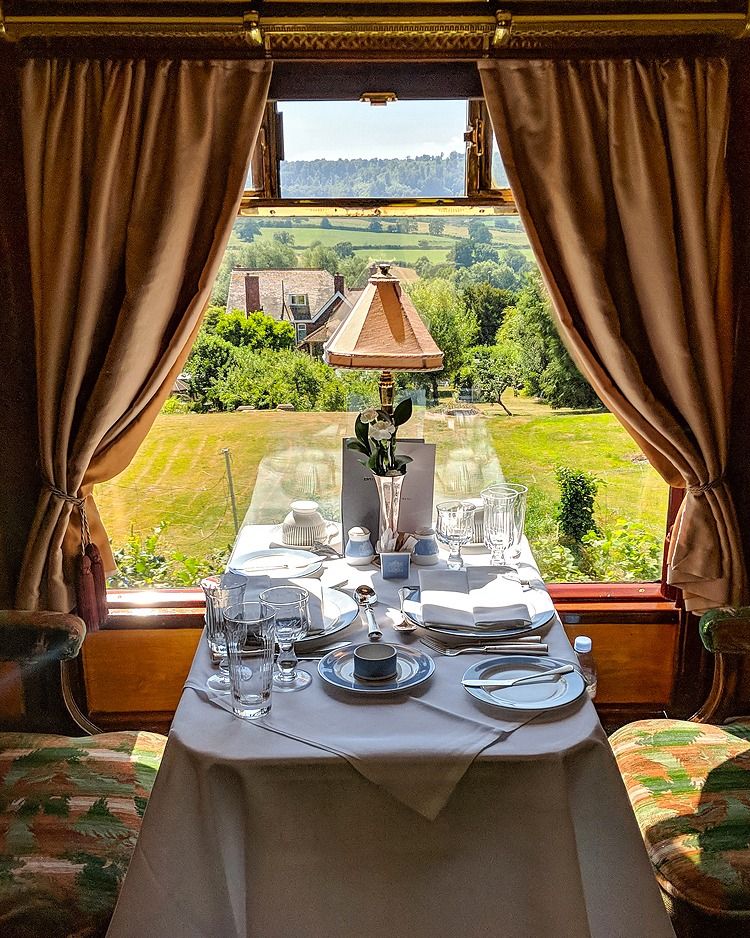
Much has been said about how, in recent years, luxury has taken on a more experiential dimension. The pinnacle of sophistication and elitism increasingly means having both local authenticity and all the modern comforts—think of the boom in beachfront villas in luxury resorts in Mexico and Indonesia or long sailing yacht cruises in the Aeolian Islands, the Dodecanese, or the Canary Islands. But also the savanna resort where you have breakfast with giraffes, the Instagram-friendly tiled riad in Marrakech, or the overwater bungalows with glass floors overlooking the pristine waters of Polynesia are valid examples. In this sense, considering that air travel often involves various inconveniences such as long airport waits, forced proximity to crowds, and compliance with numerous security regulations, it’s understandable why, for certain routes, the idea of traveling comfortably seated in a train that seems straight out of a Visconti film, with the added romantic allure of nostalgia for the Belle Époque, perhaps with the option to enjoy a spa stay or a cocktail in a 1930s dining car, might seduce luxury travelers. Two years ago, the WSJ published an article titled Air Travel Is Back, Including All the Things You Hated, explaining that “fares are rising, middle seats are no longer empty, and everything from parking to security lines is increasingly congested.” The renewed need for space, the rejection of commercial tourism itineraries, and a sense of frustration with large crowds born in the post-pandemic era have led to a resurgence in the popularity of trains.
The trend emerging from this scenario is a slow reorientation toward rejecting “the masses.” Since 2022, when the end of lockdowns brought public attention to the widespread frustration people feel toward enclosed and overly crowded places, the concept of travel has begun to evolve, taking on a dimension increasingly distant from the masses and closer to individual experiences. In 2023, an Airbnb report recorded a robust movement of tourist flows toward rural locations, toward homes that became the destination of the journey rather than just a place to stay, and toward a blurring of the line between traveling and living. Fast forward to today, where there is constant talk about how overtourism is devouring communities and tourist destinations, turning Italy’s historic sites into soulless amusement parks for the wealthy where ordinary people cannot live. The resurgence of trains, therefore, represents exactly this: transforming the means of transport into a destination—with all the associated benefits and, above all, the opportunity for the luxury industry to offer new and more exclusive experiences to its clientele. Nothing more is needed to demonstrate the strength of the train trend—all that’s left is to hop on board.