
How to become food designer With the founders of Douceurs Capitales, eeeat and Forniture Pallotta
Forniture Pallotta x Elmar Cucine
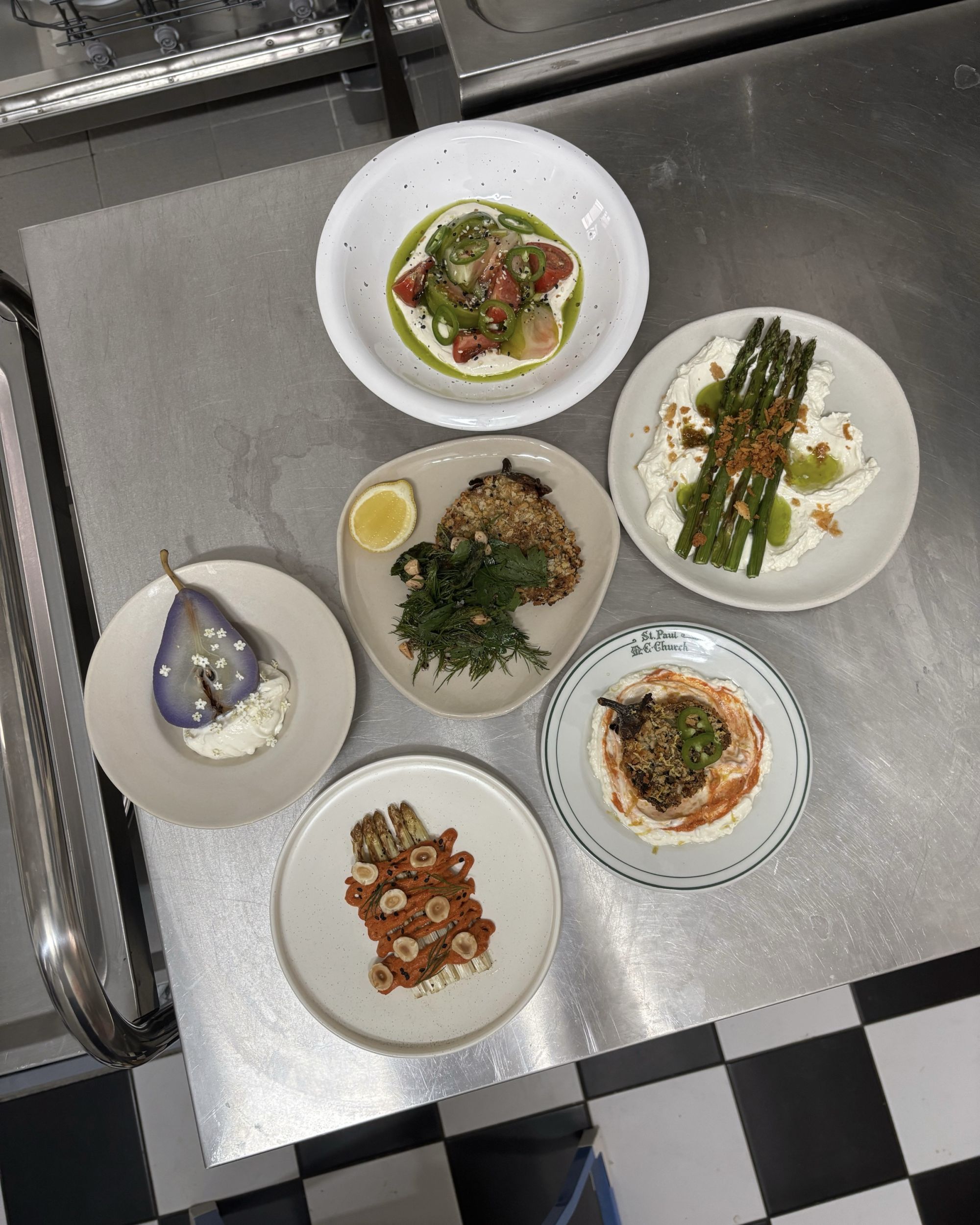
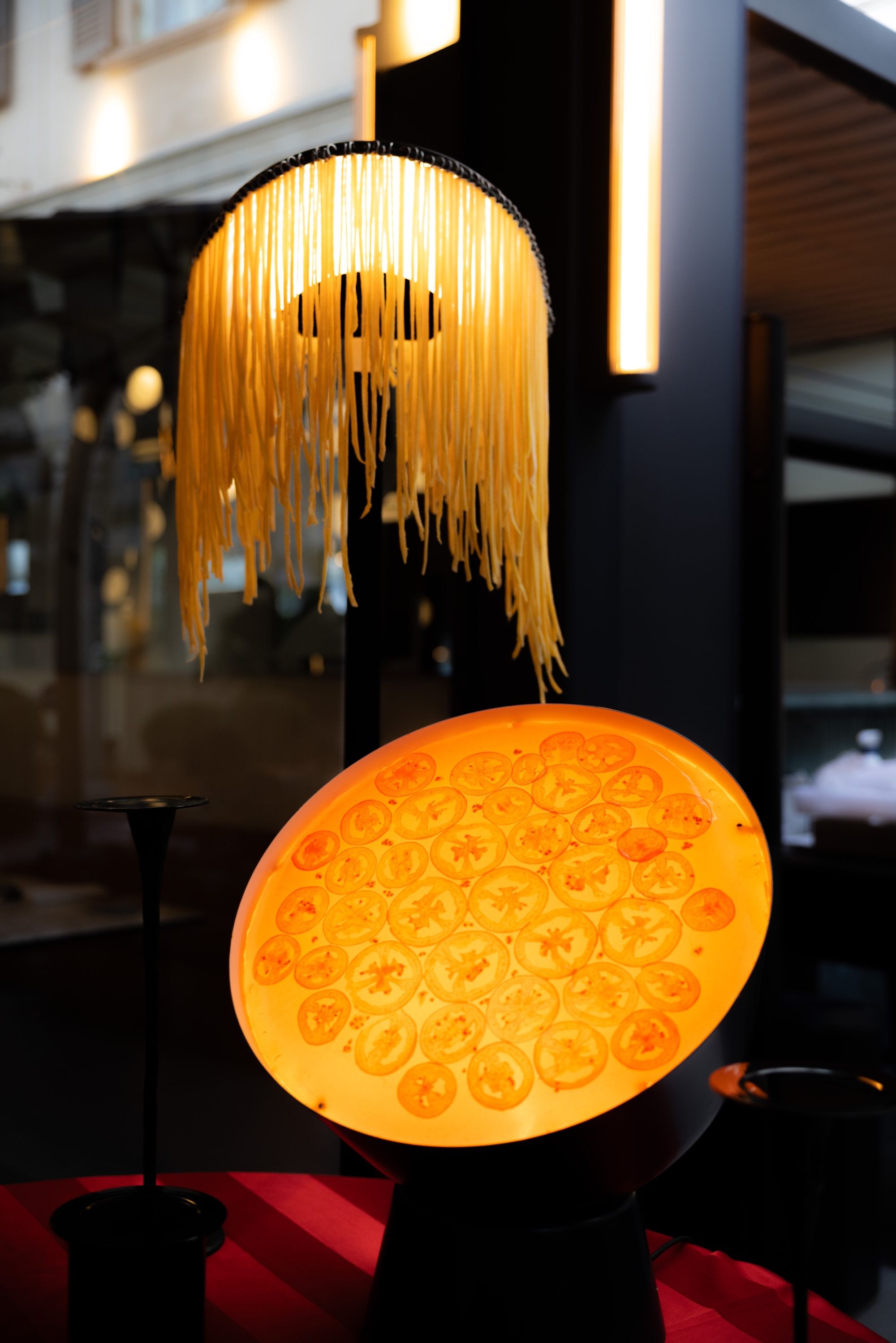
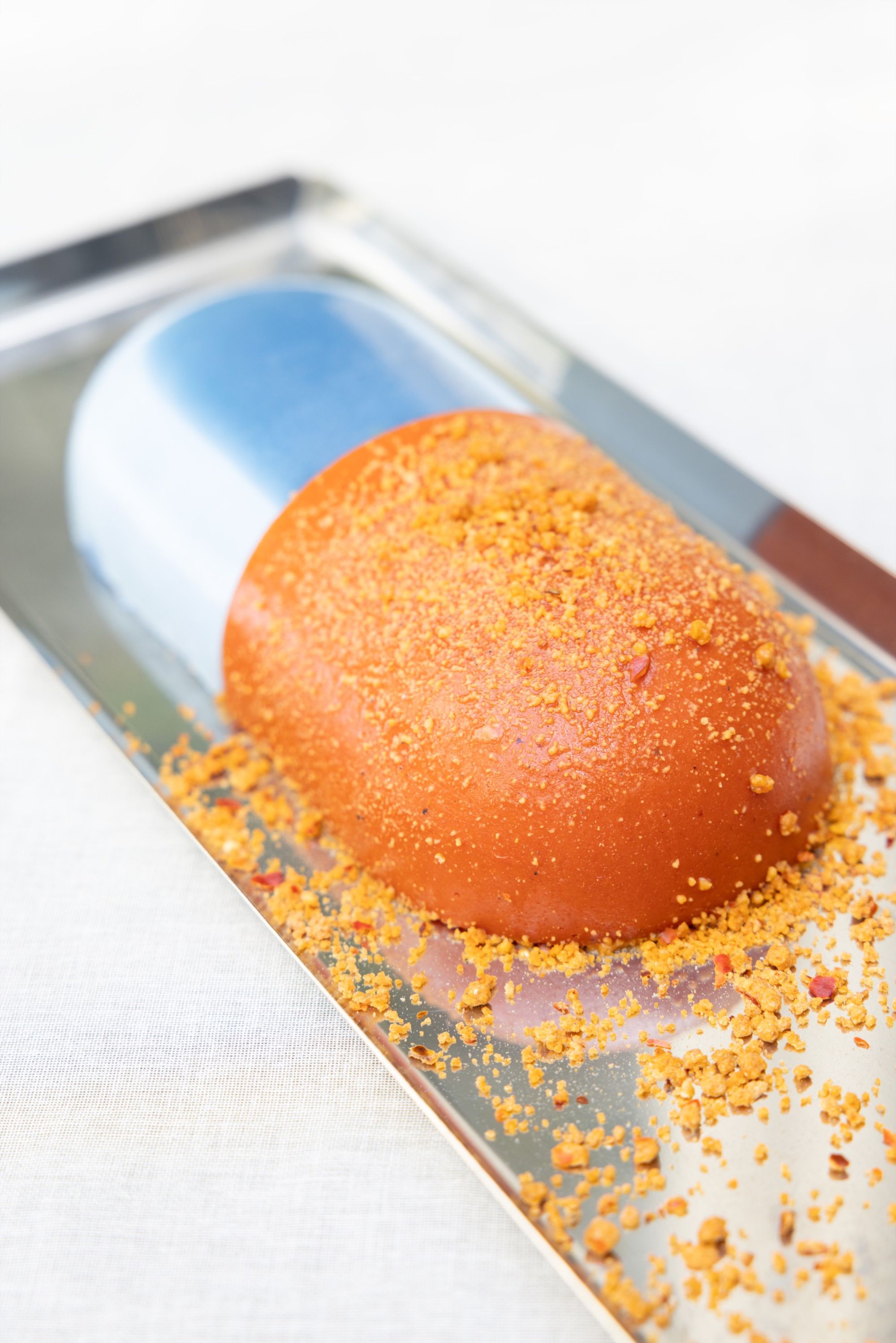
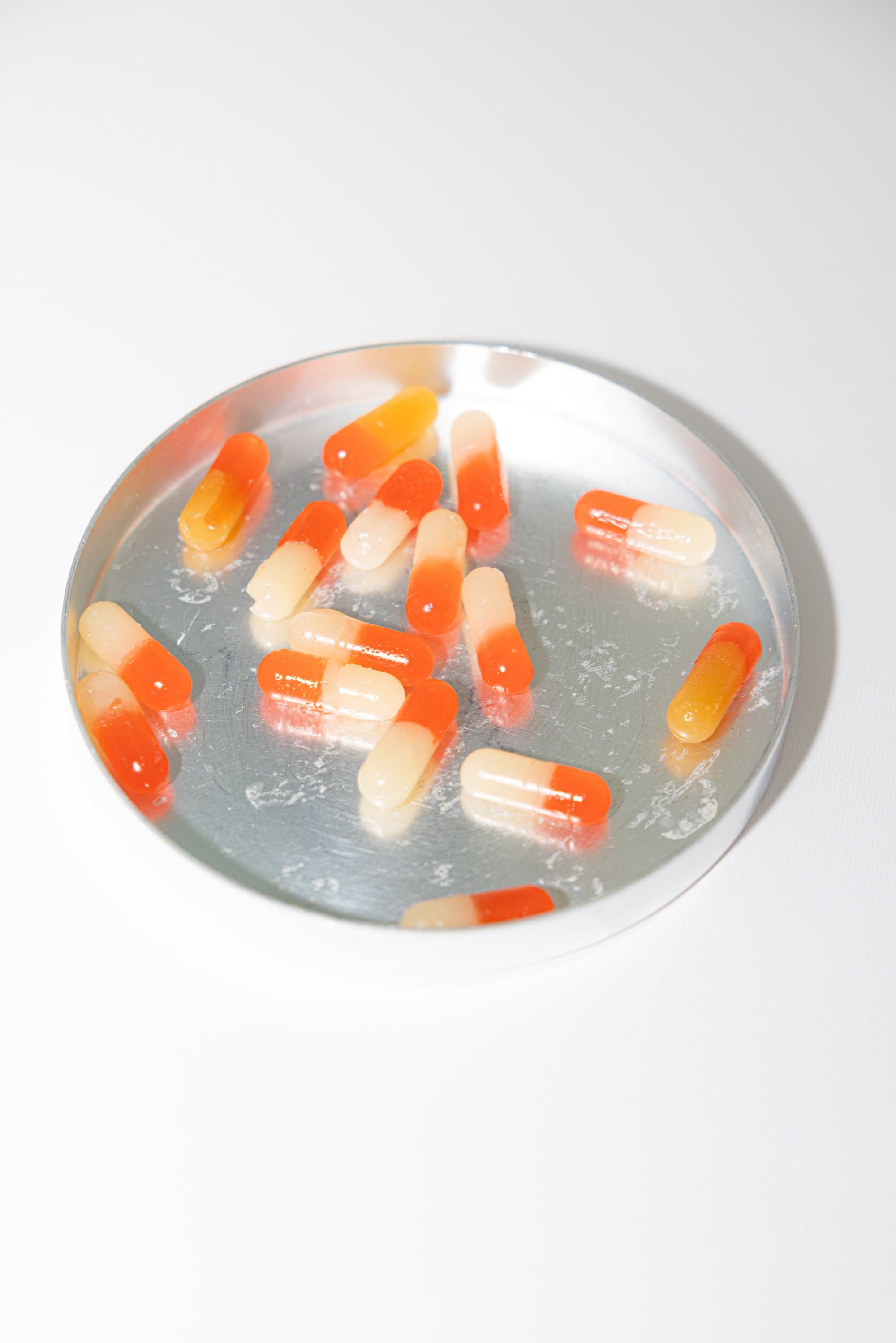
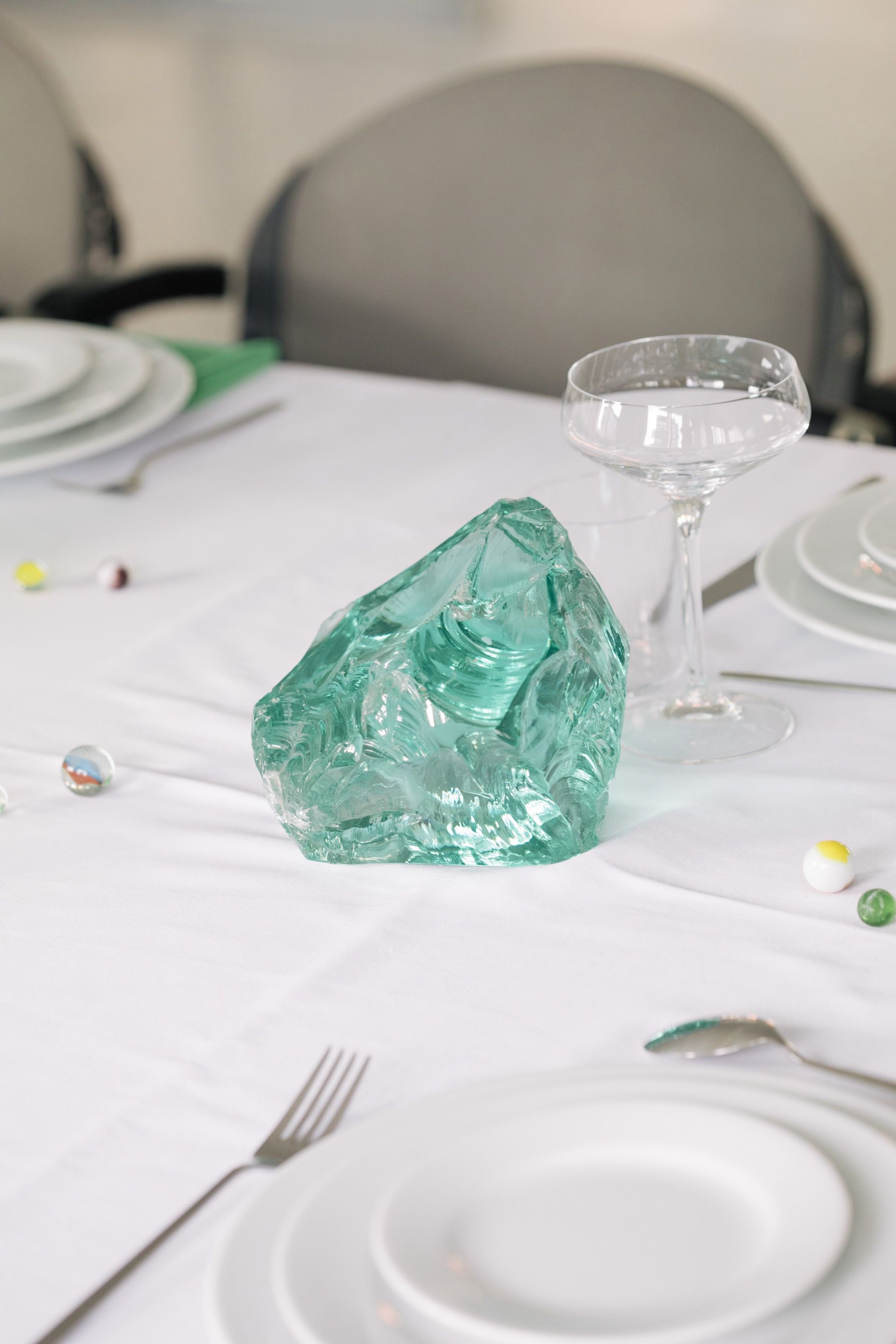
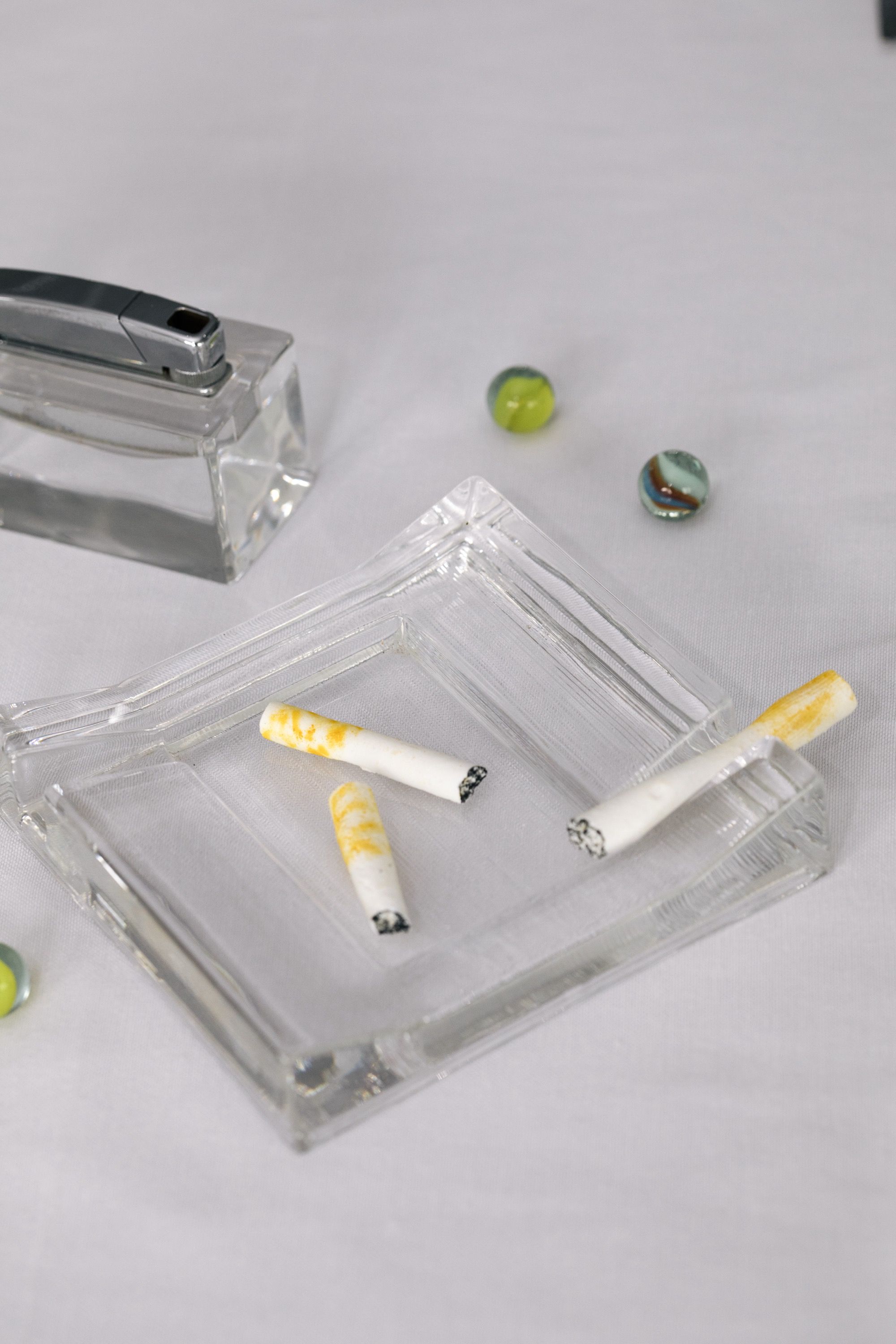
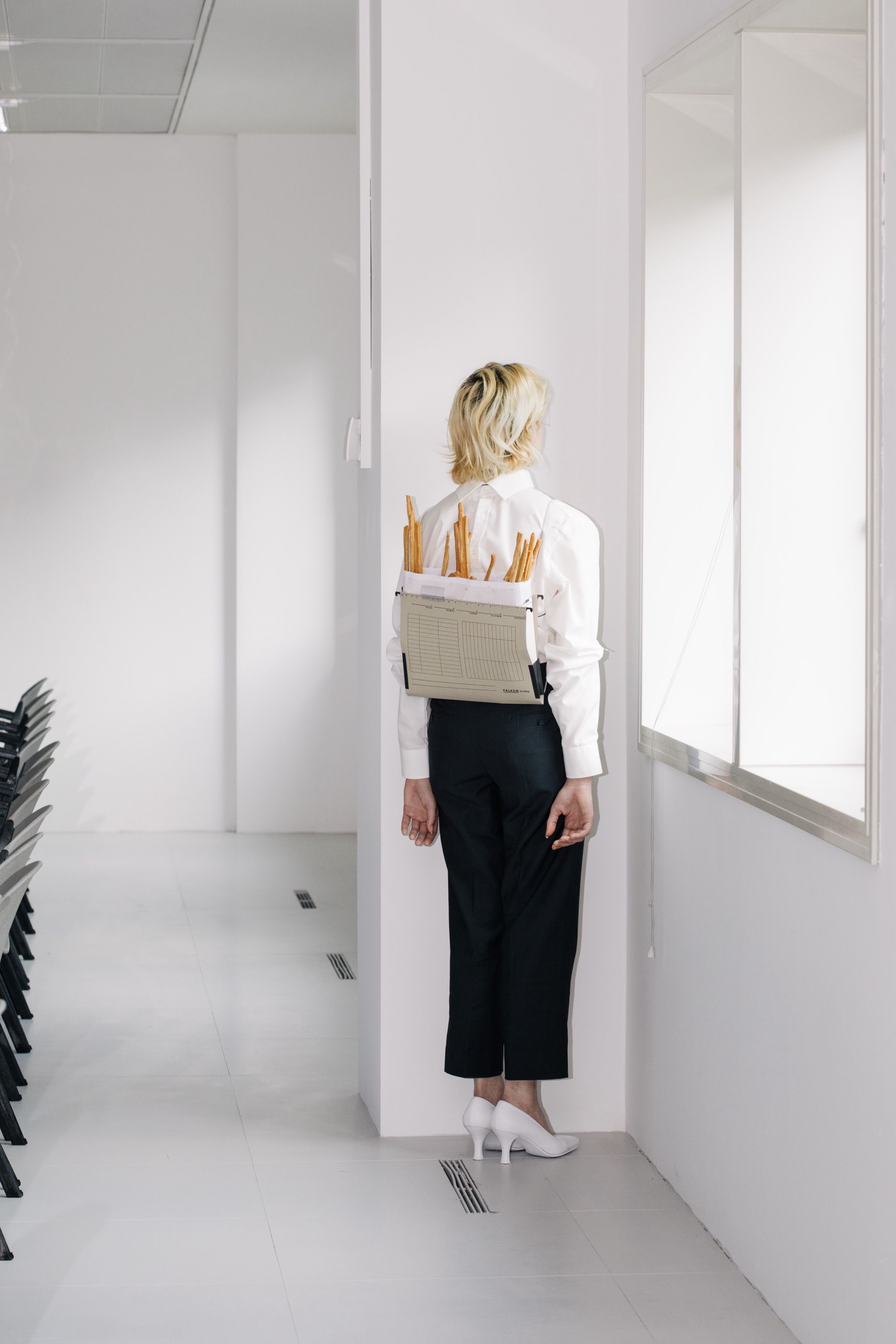
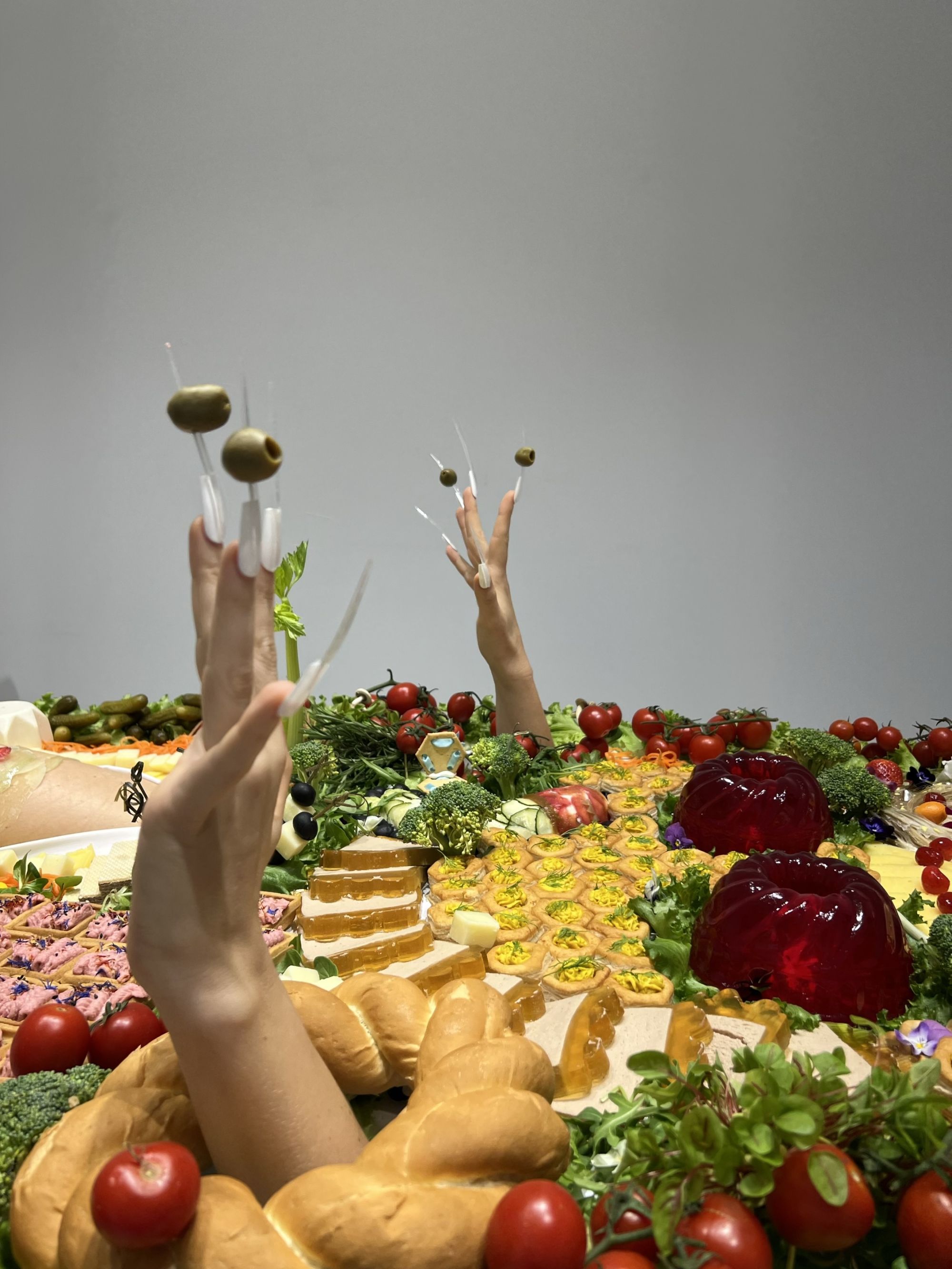
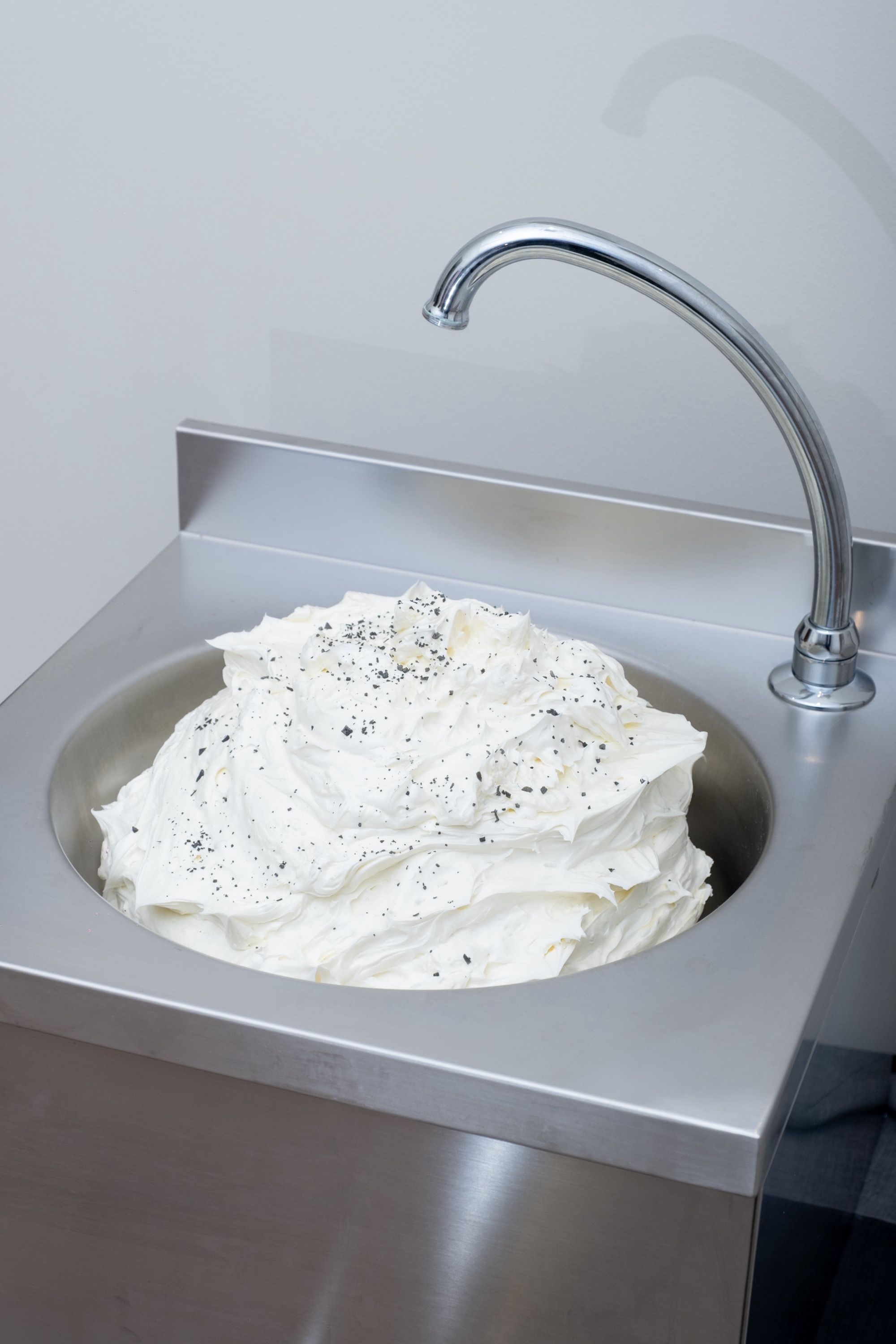
Photo Francesco Speranza
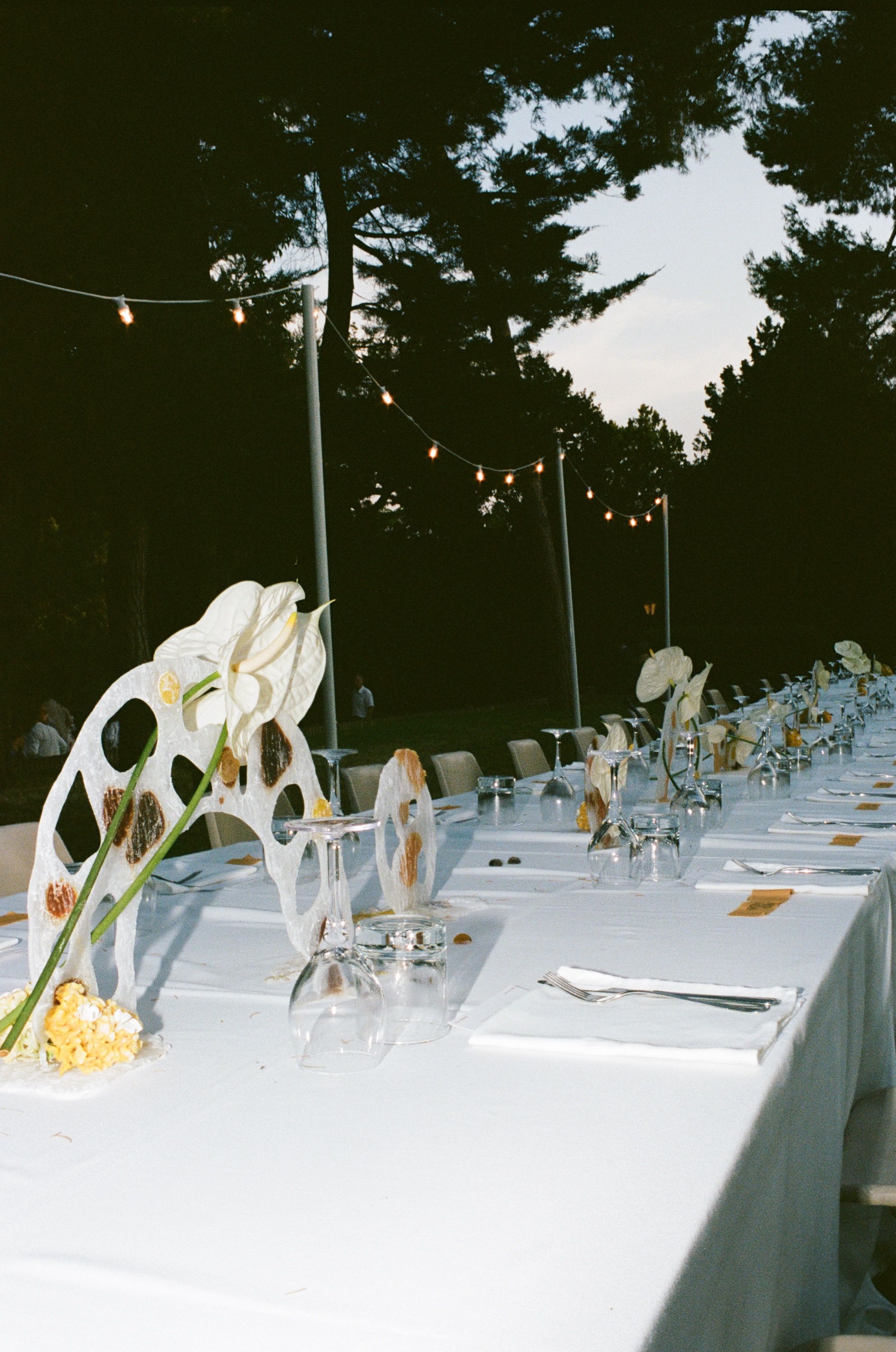
Forniture Pallotta x Ingrid Guglielmo Daloiso
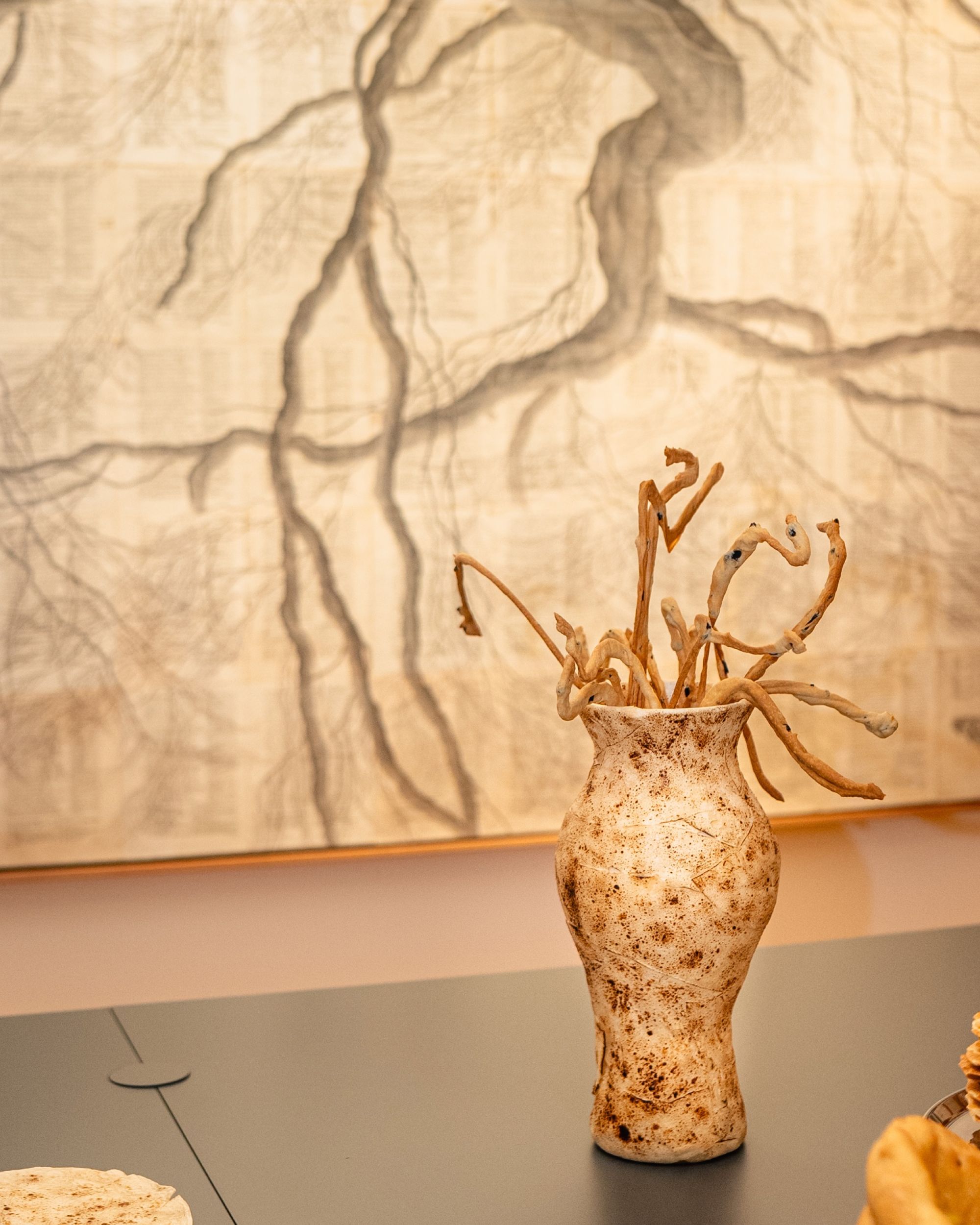
Forniture Pallotta x Fondazione Elpis
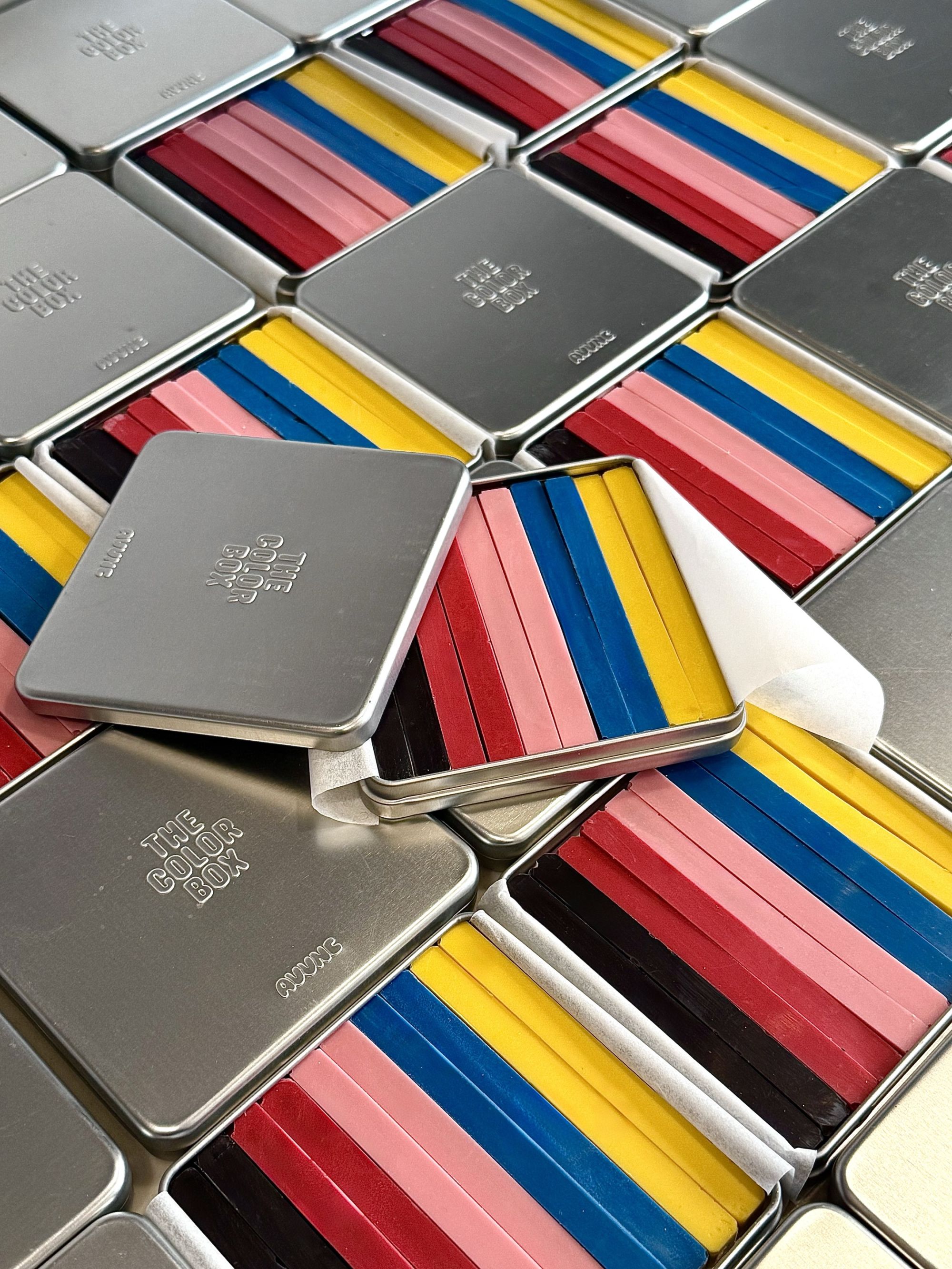
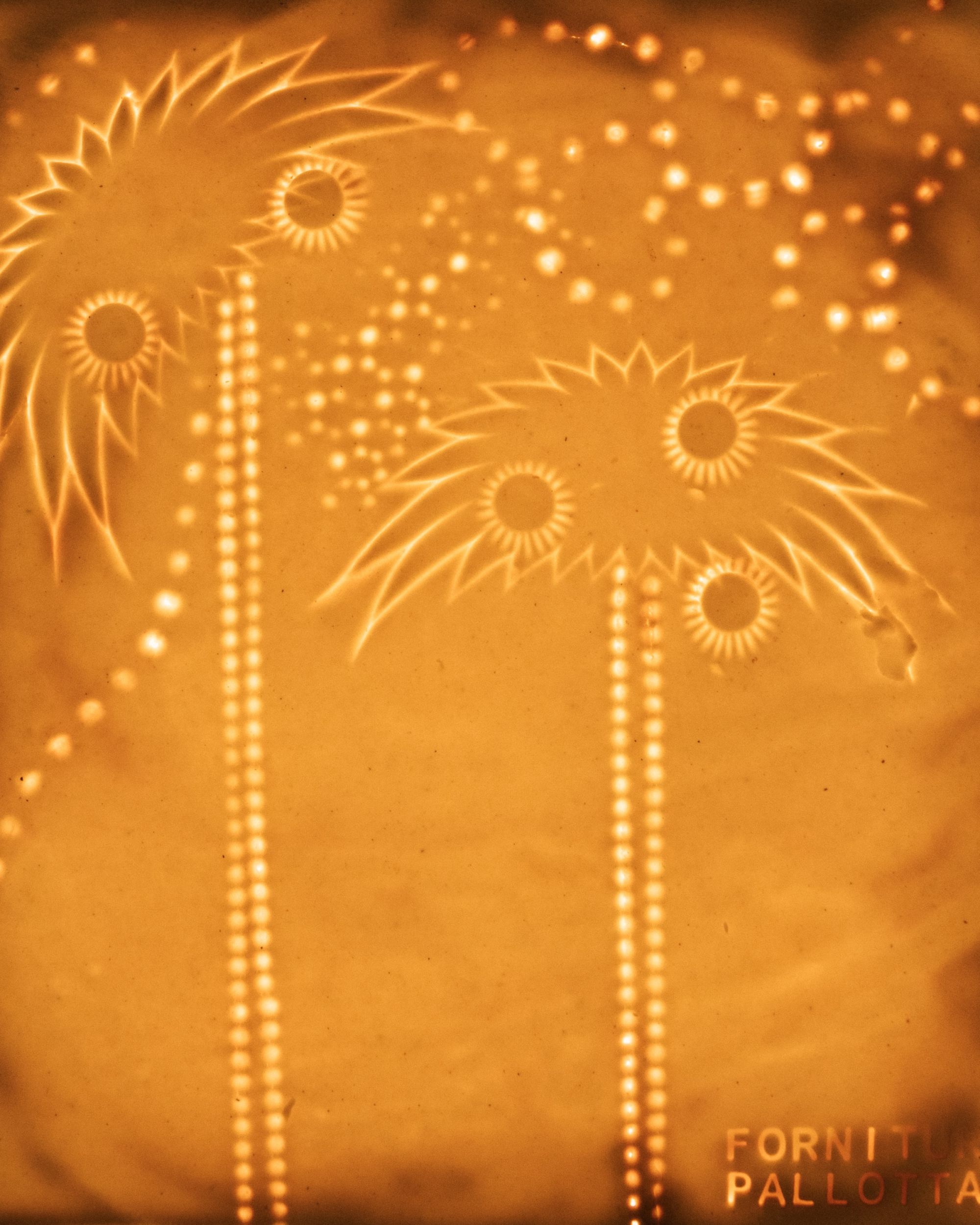
Forniture Pallotta x Elmar Cucine
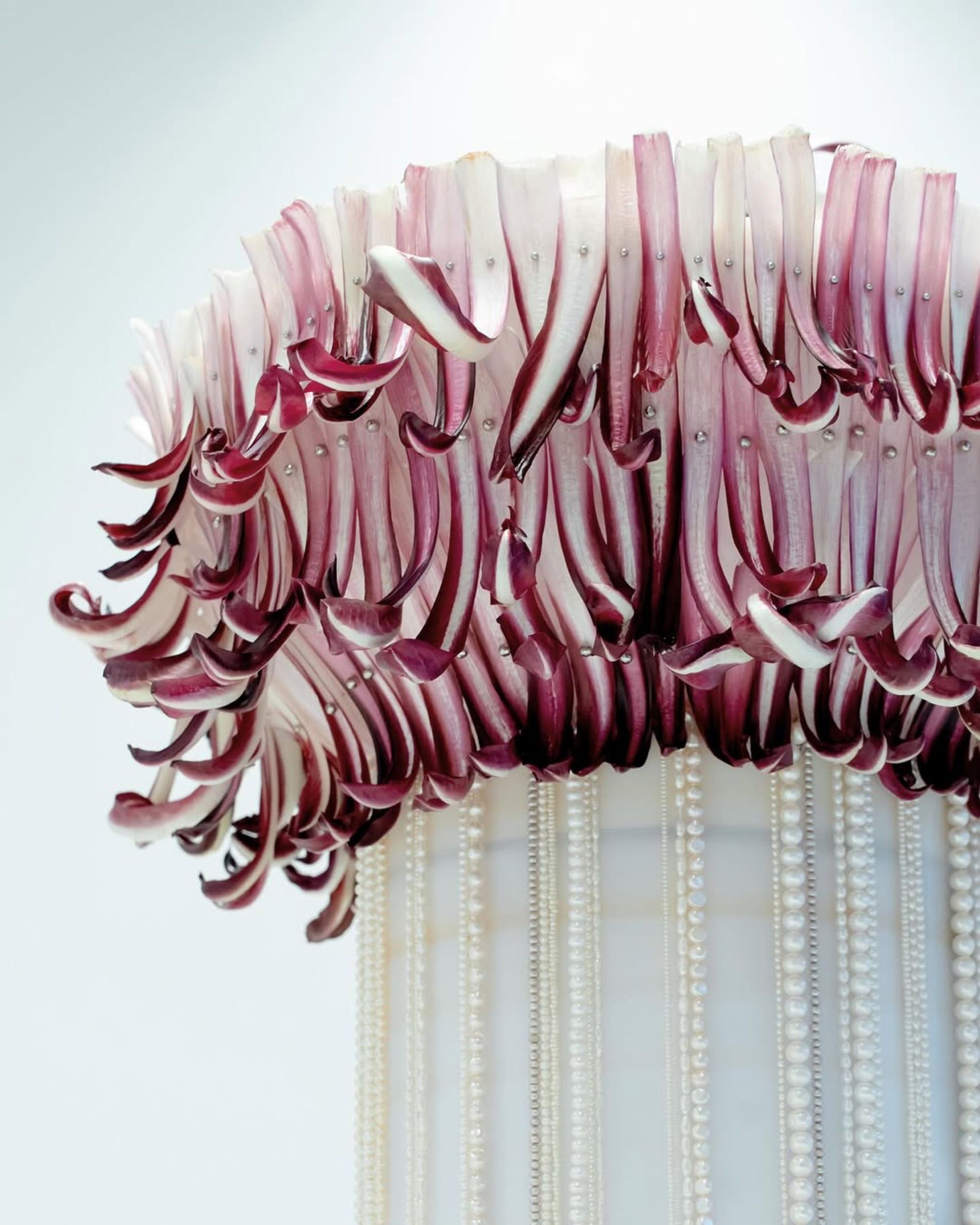
Photo Aria Ruffini
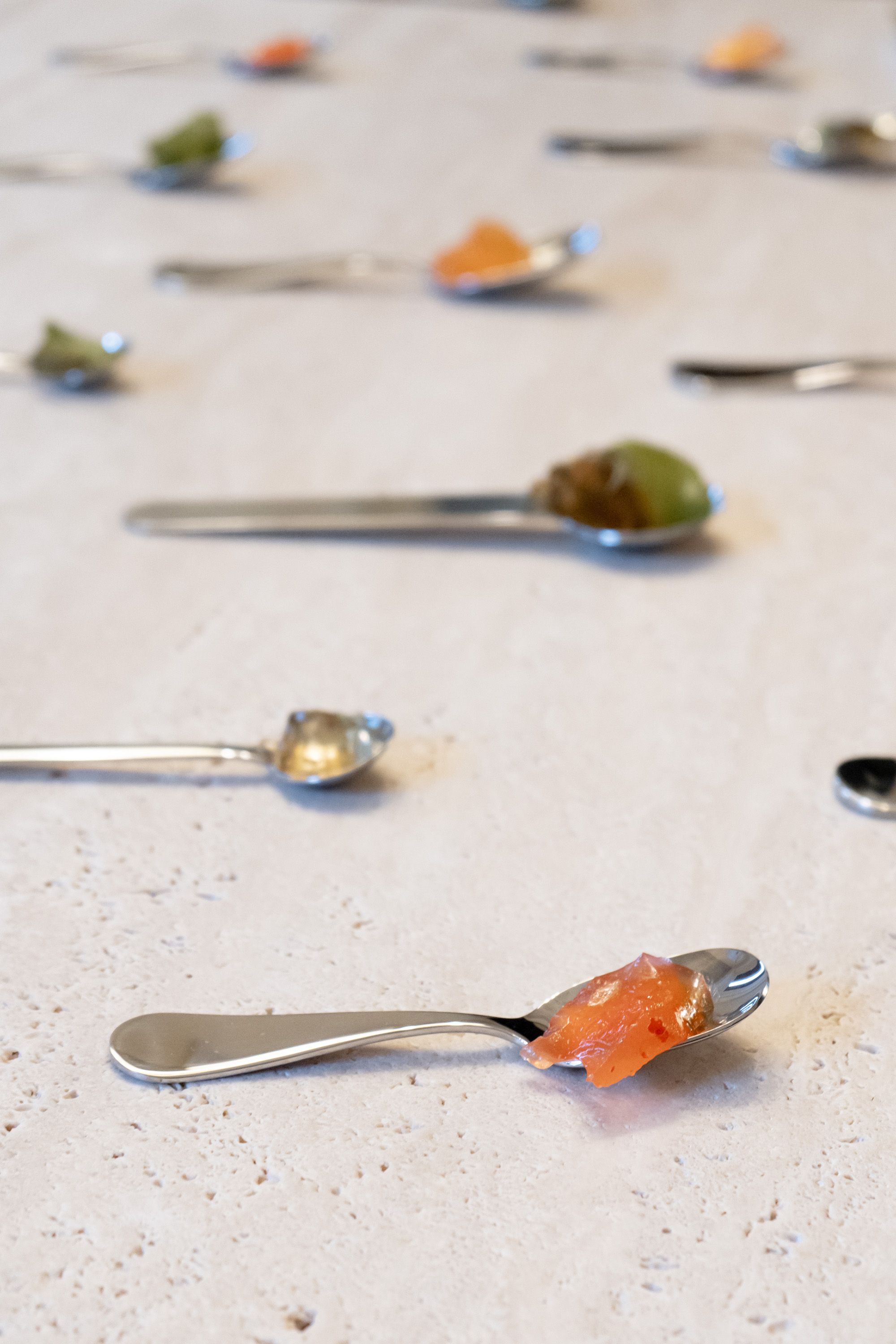
Forniture Pallotta x The Attico
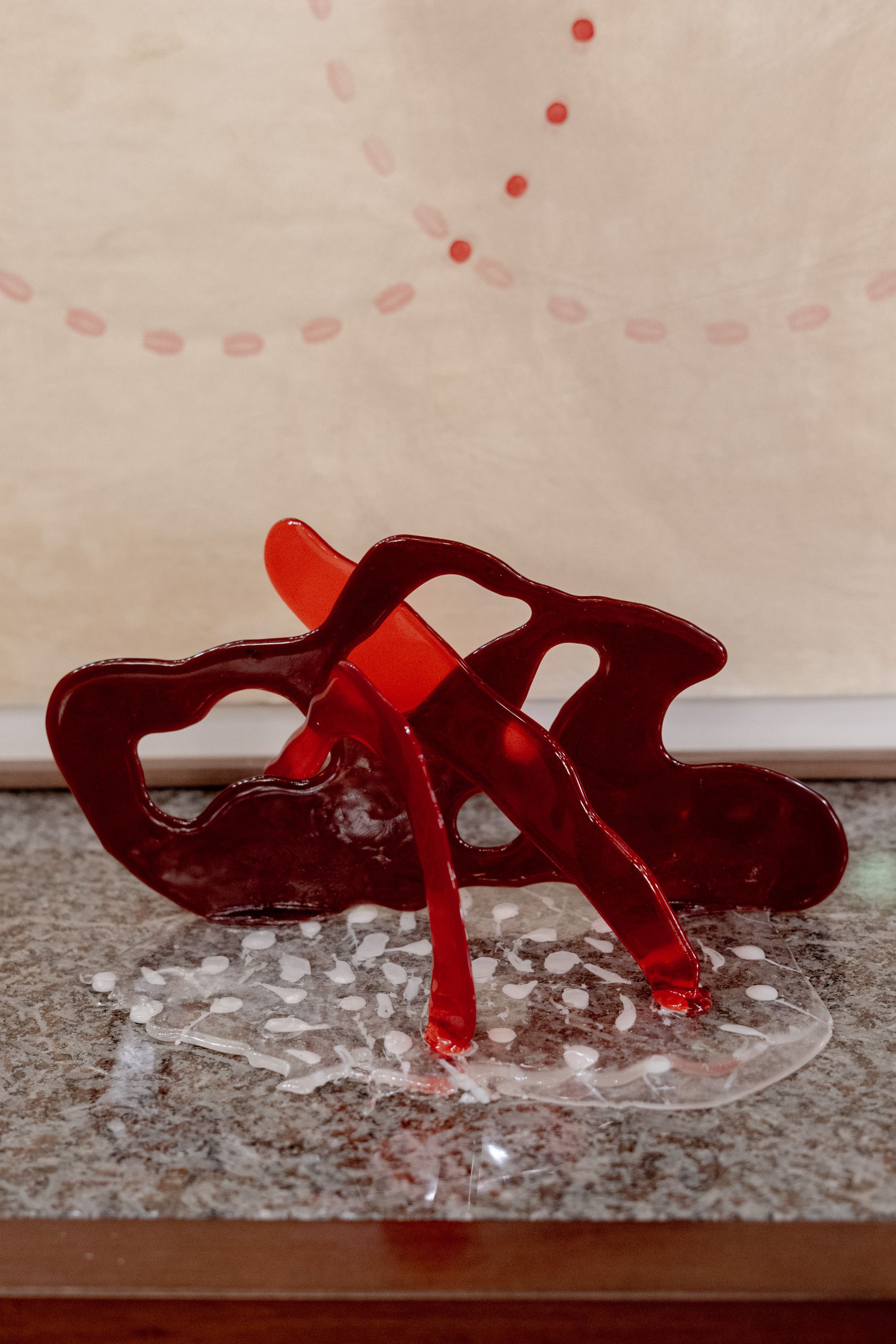
Photo Aria Ruffini
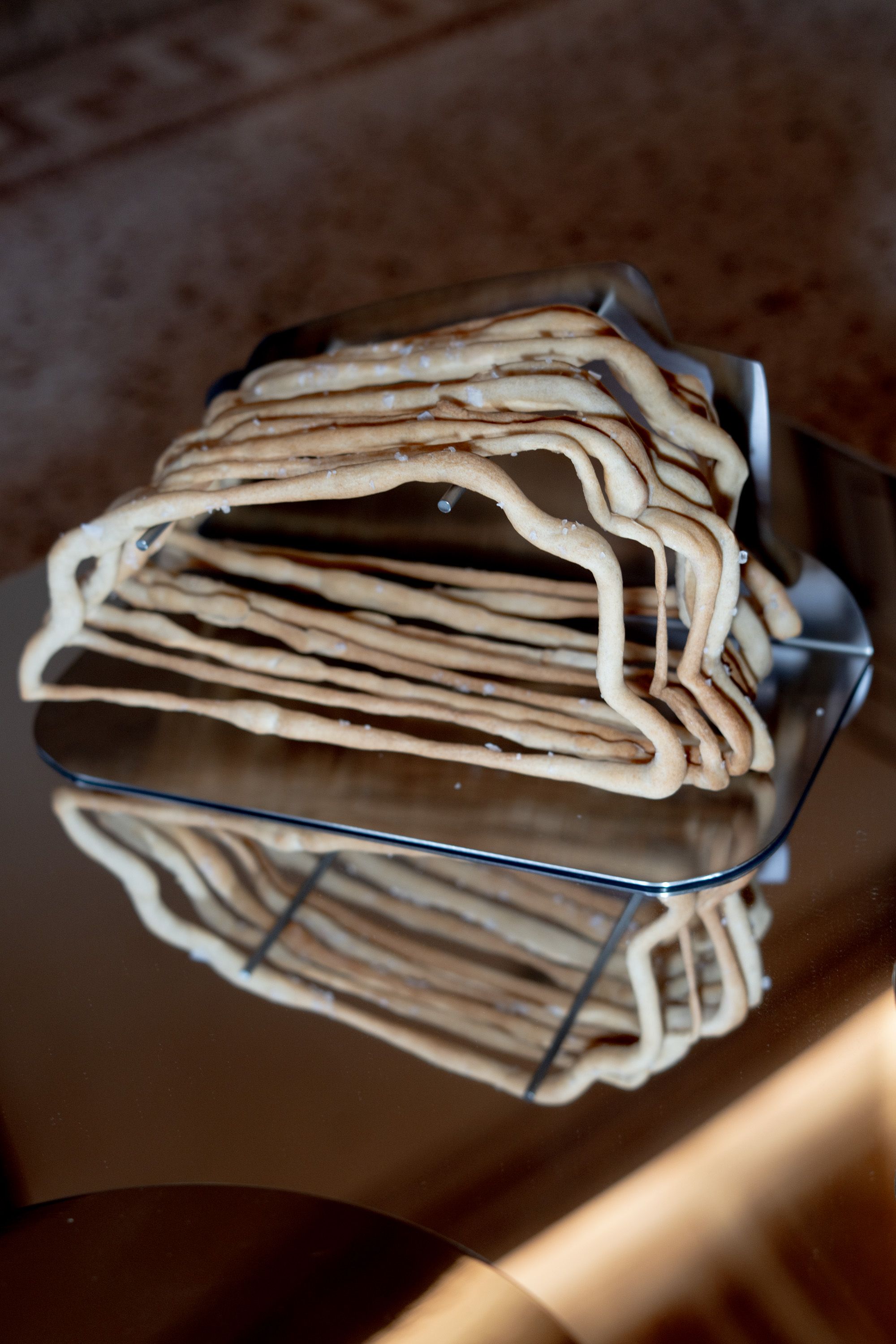
Forniture Pallotta x The Attico
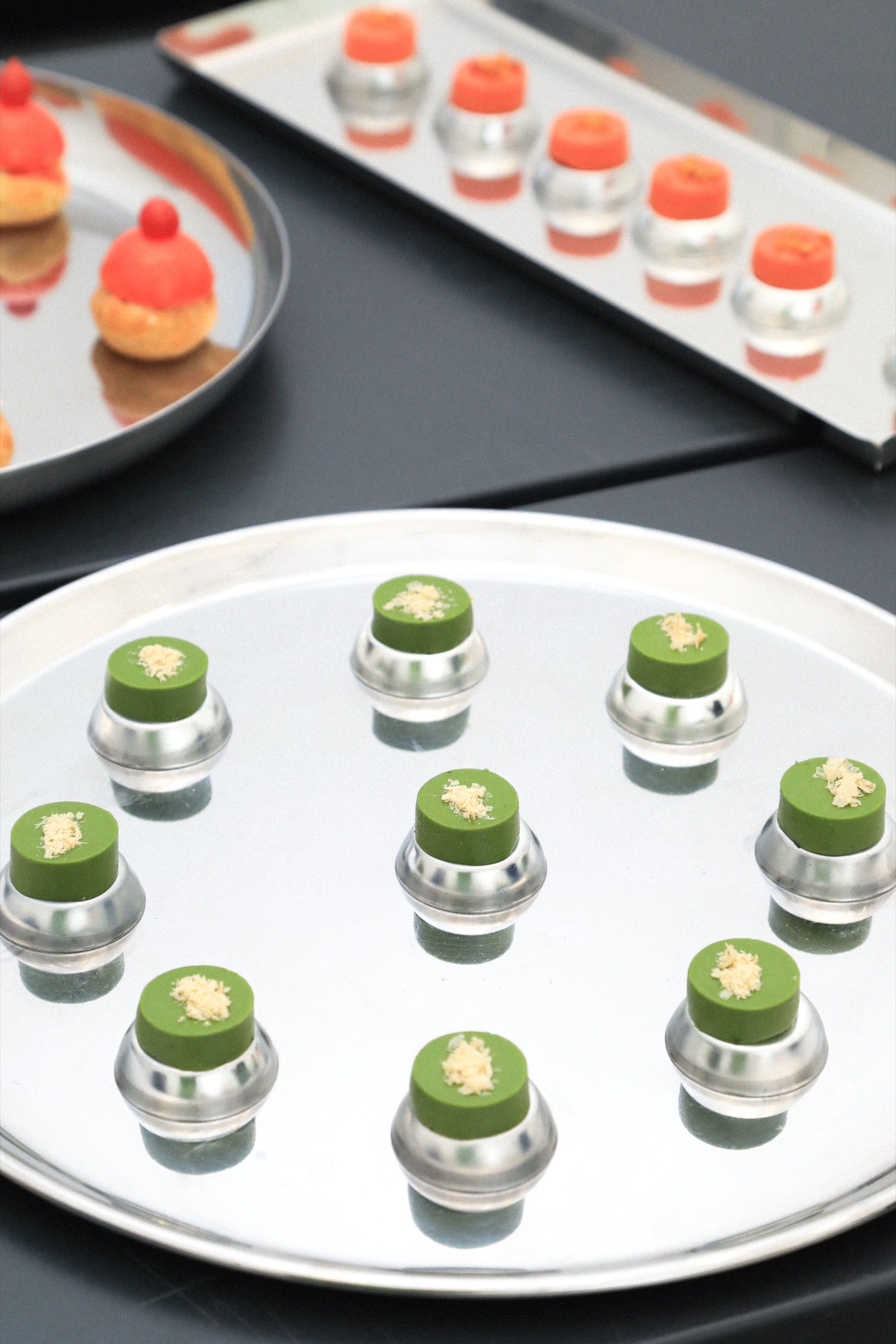
Forniture Pallotta x Nike
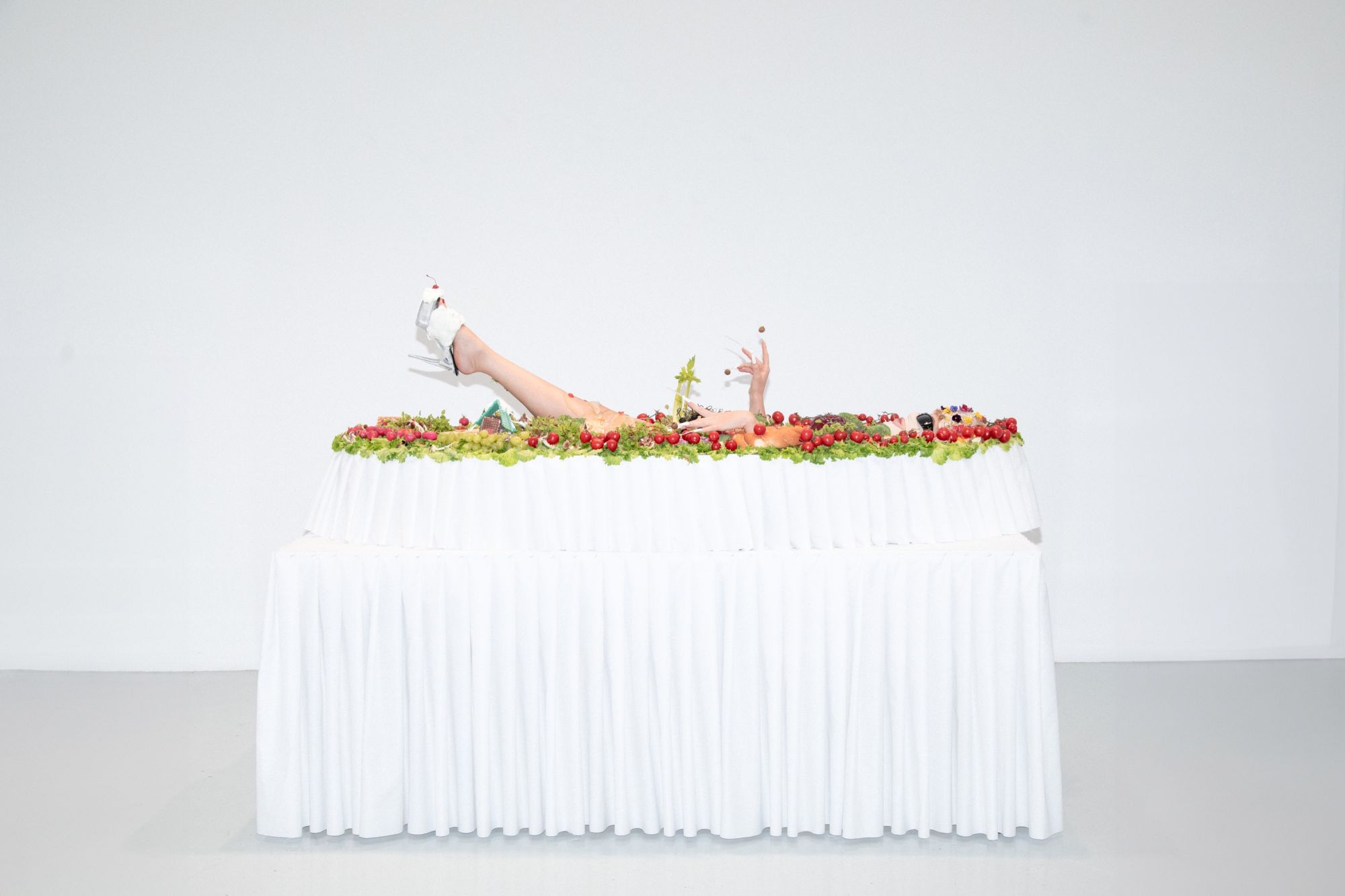
Forniture Pallotta x M¥SS KETA - Vogliono Essere Me
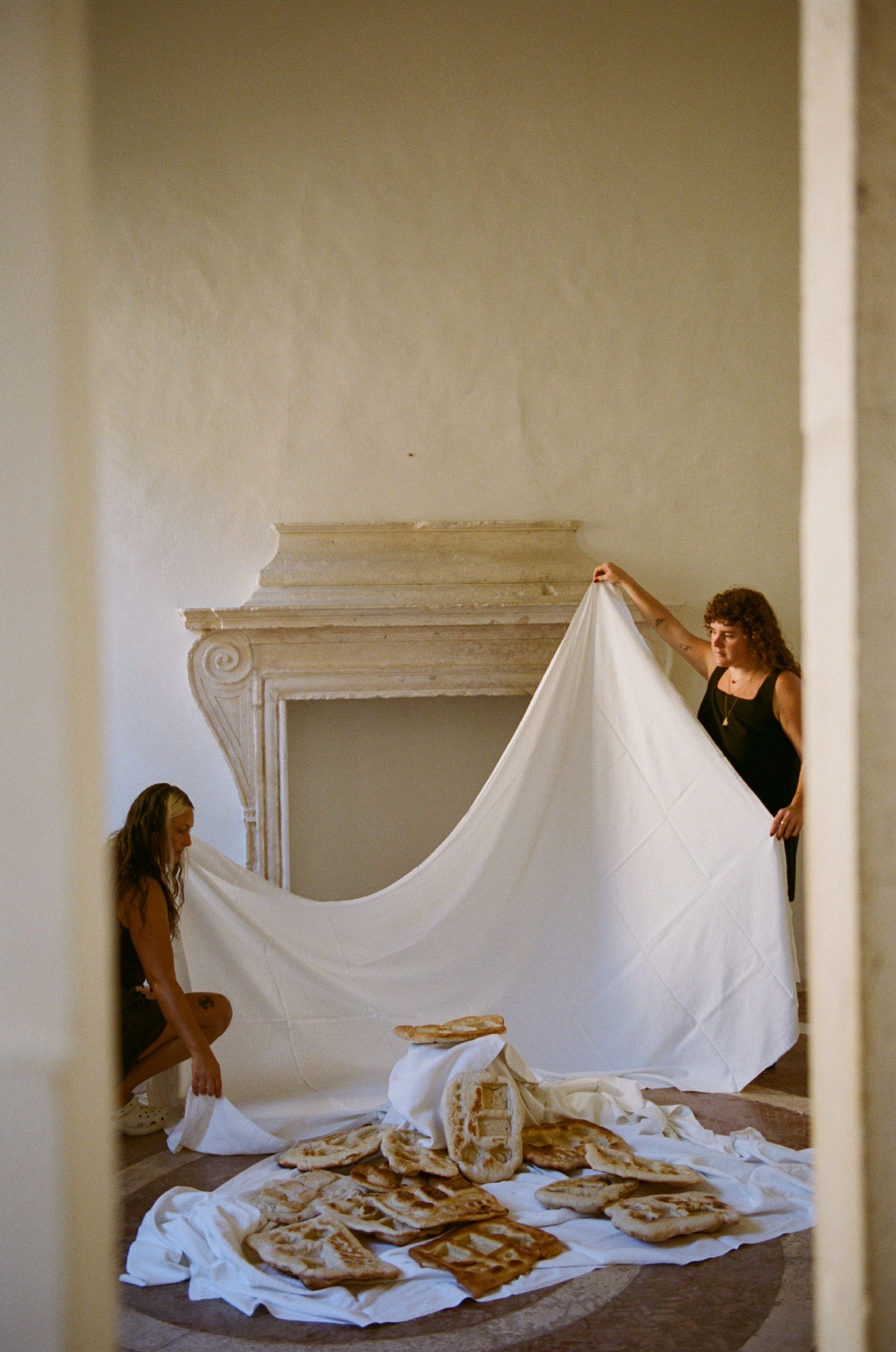
Forniture Pallotta x Against Sun and Dust
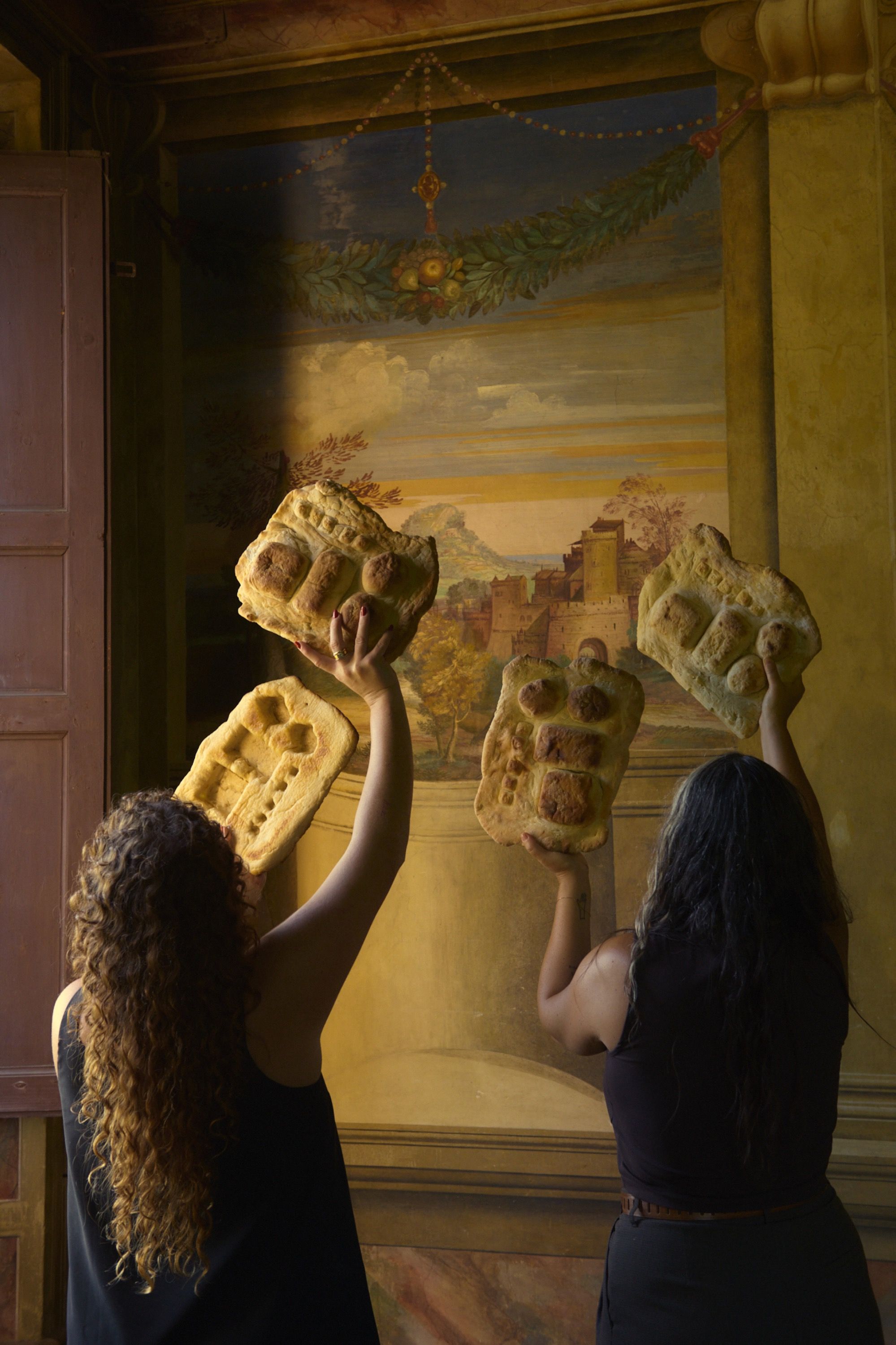
Forniture Pallotta x Against Sun and Dust
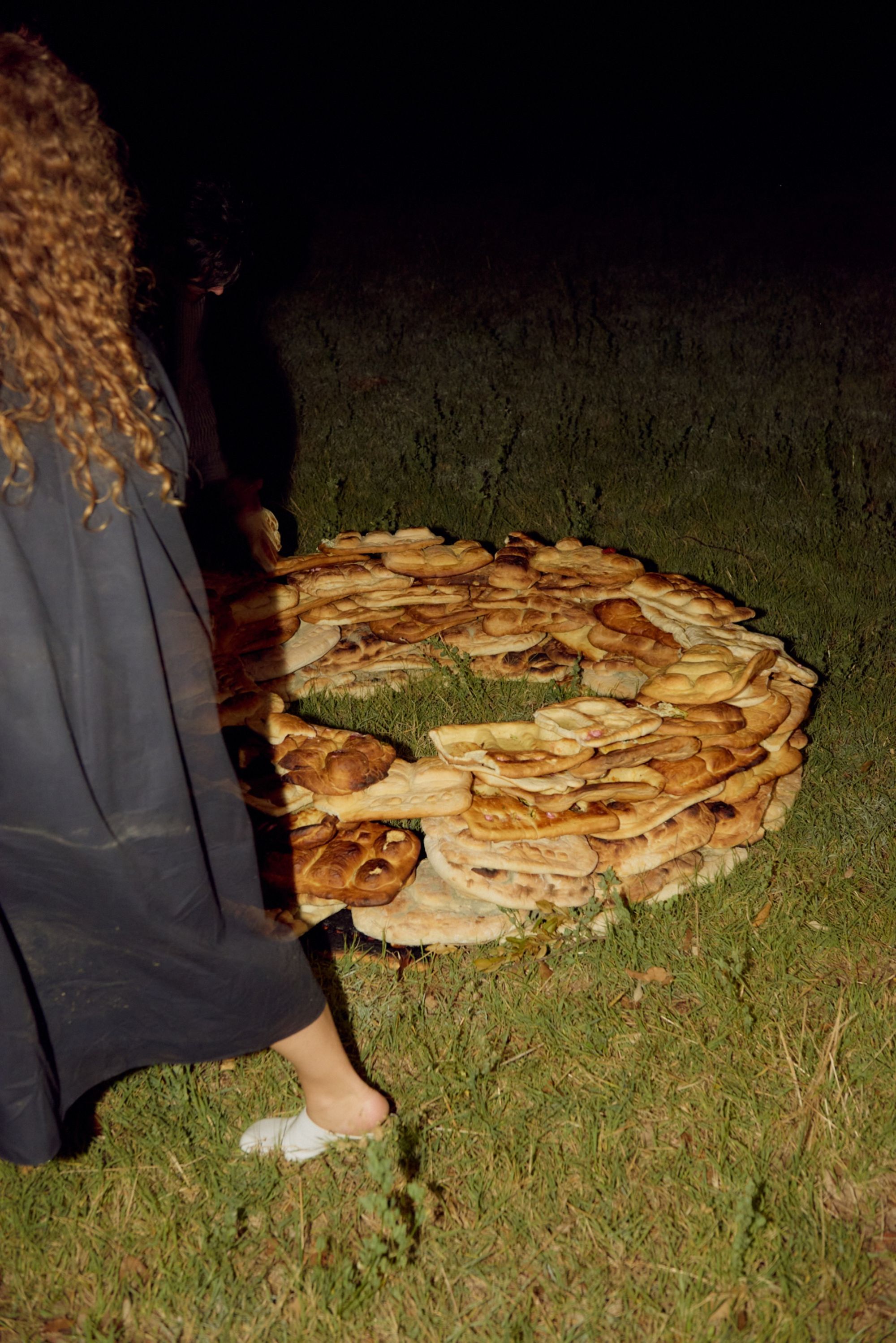
Forniture Pallotta x Against Sun and Dust
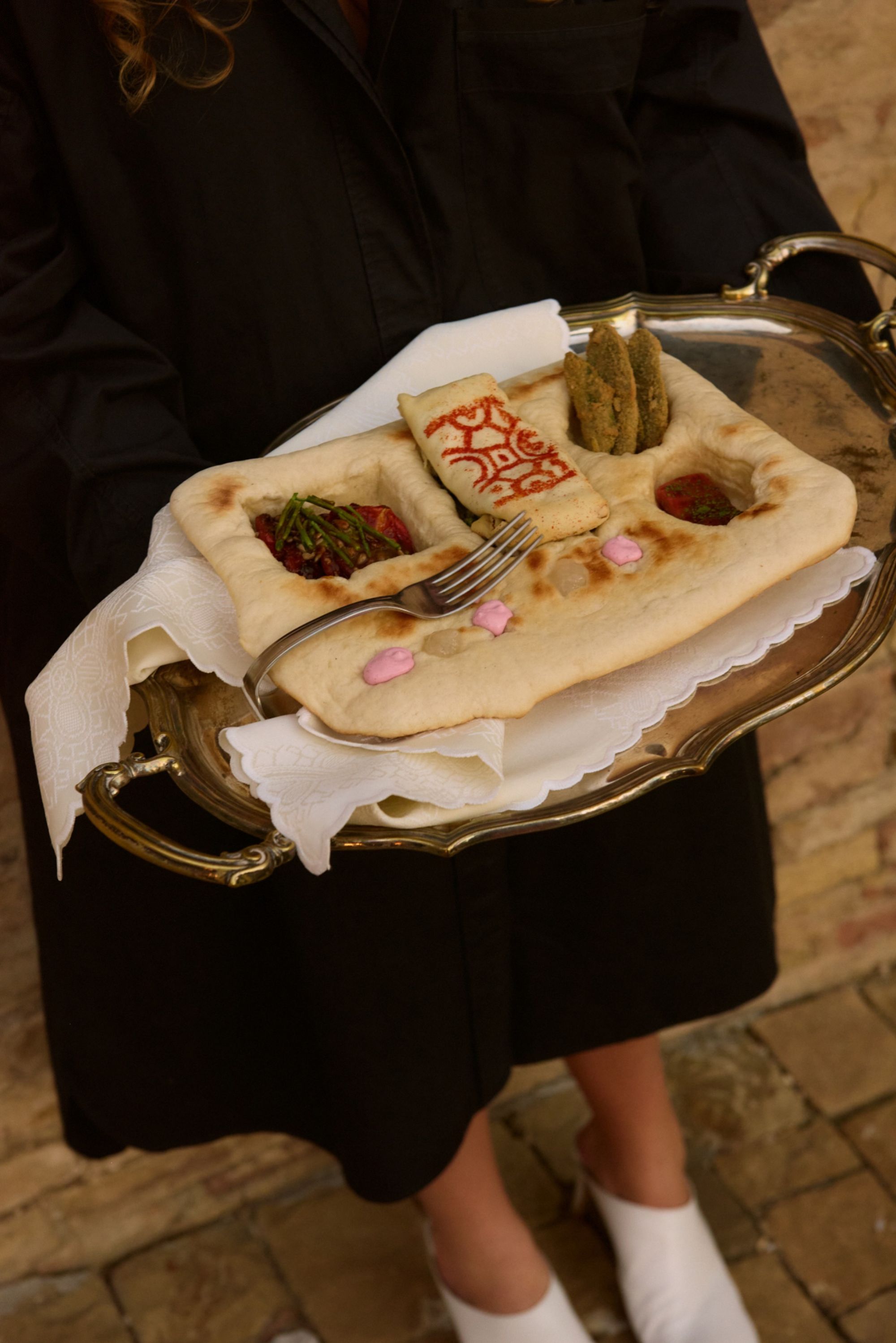
Forniture Pallotta x Against Sun and Dust
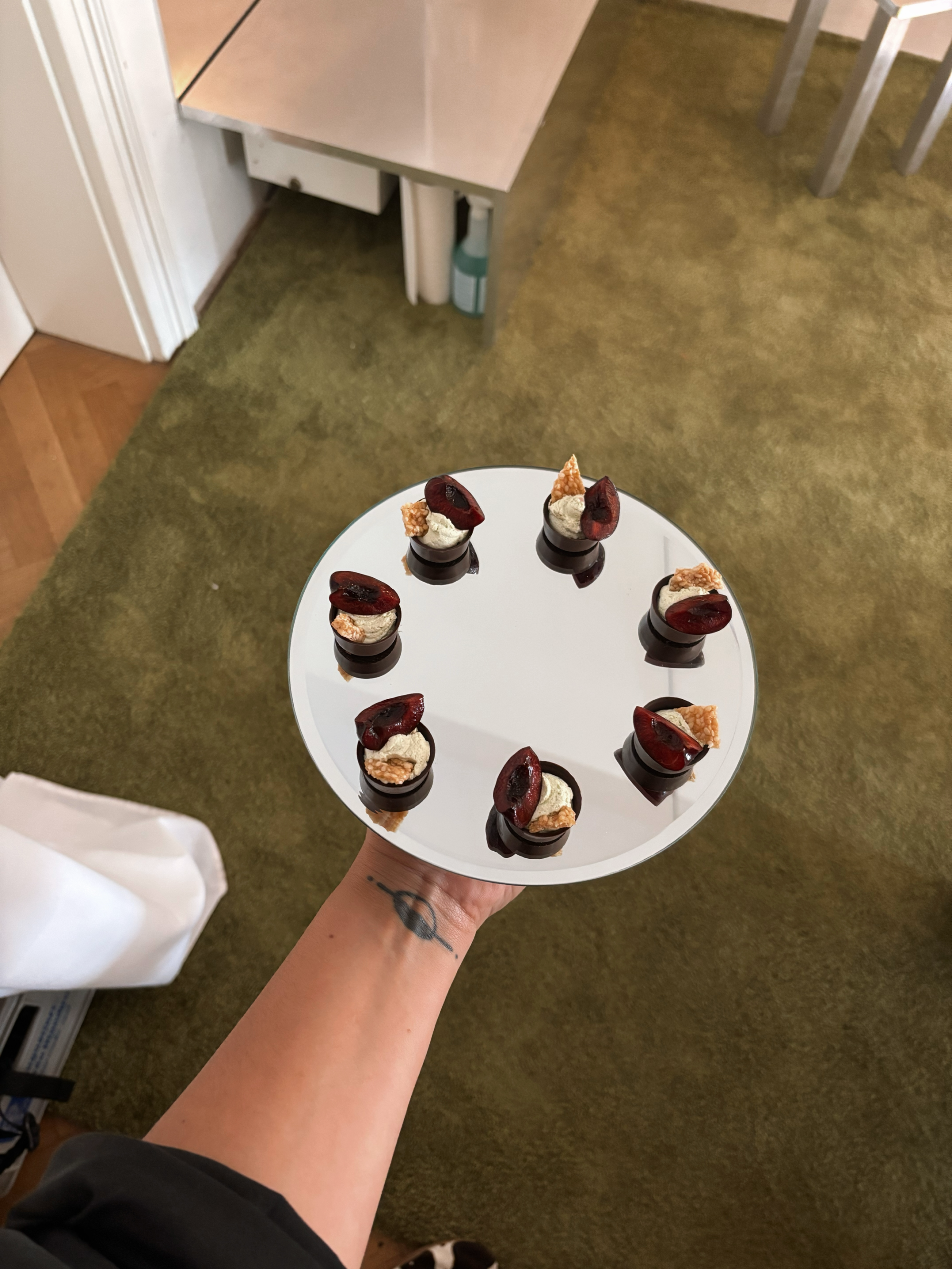
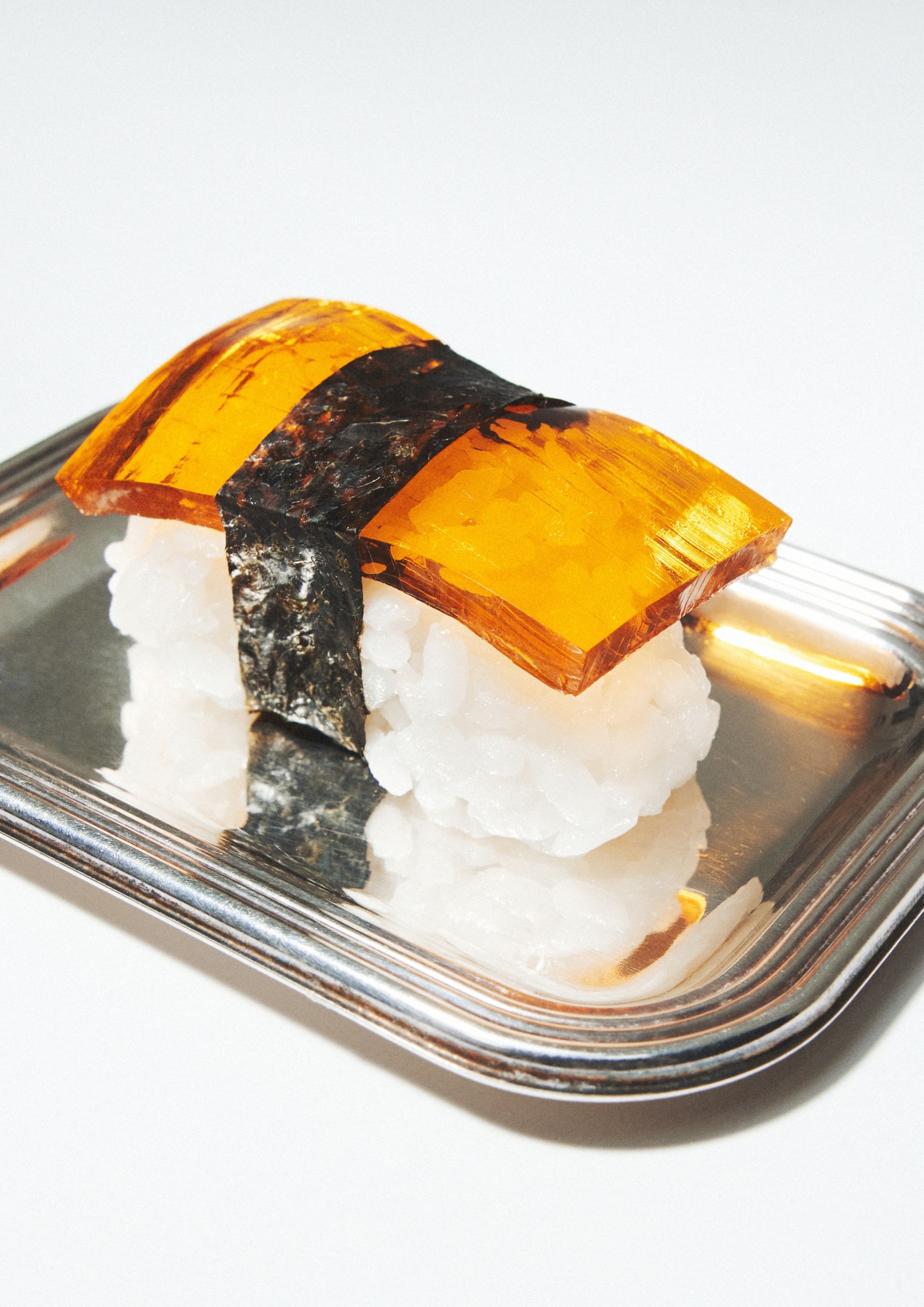
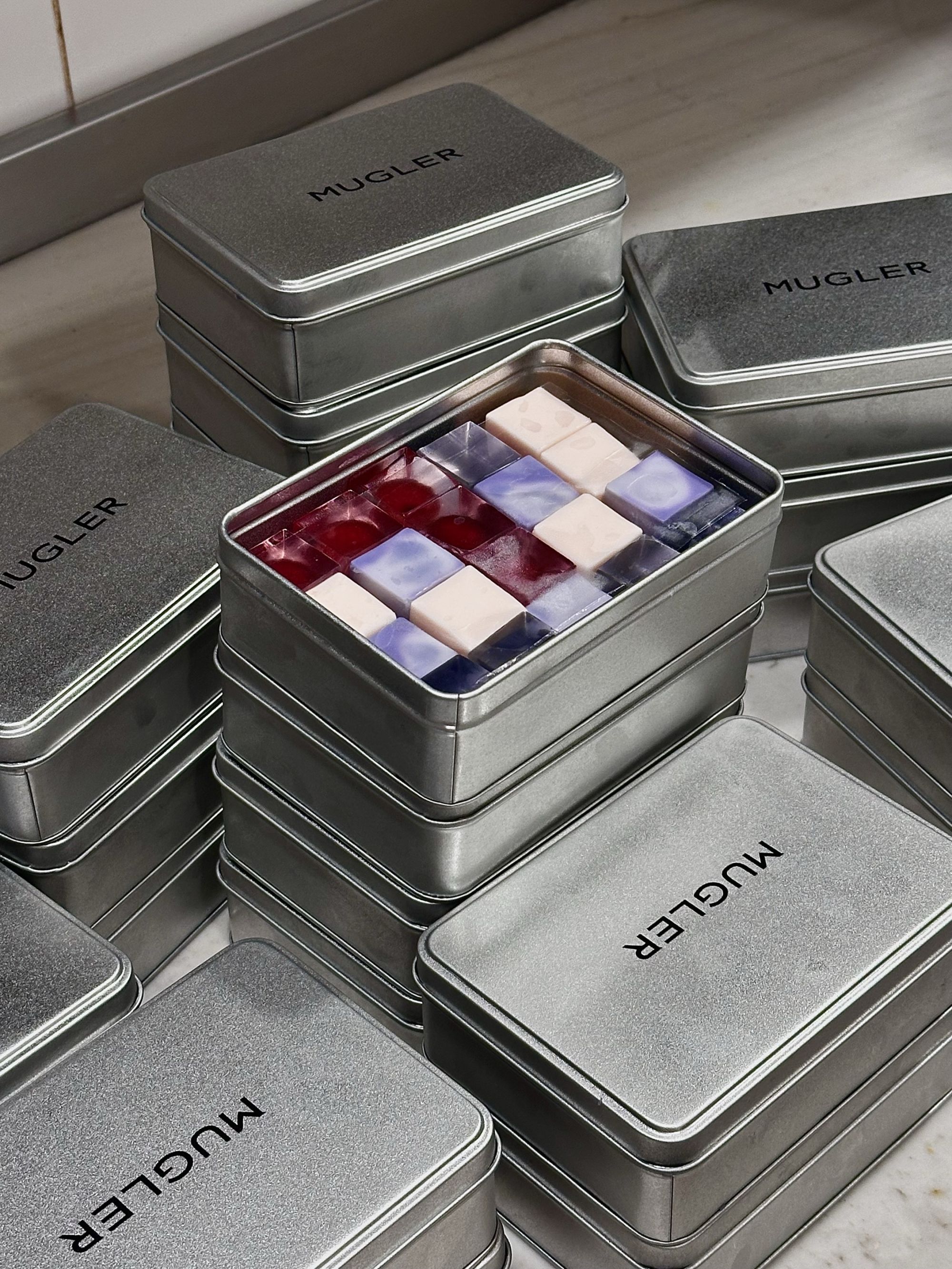
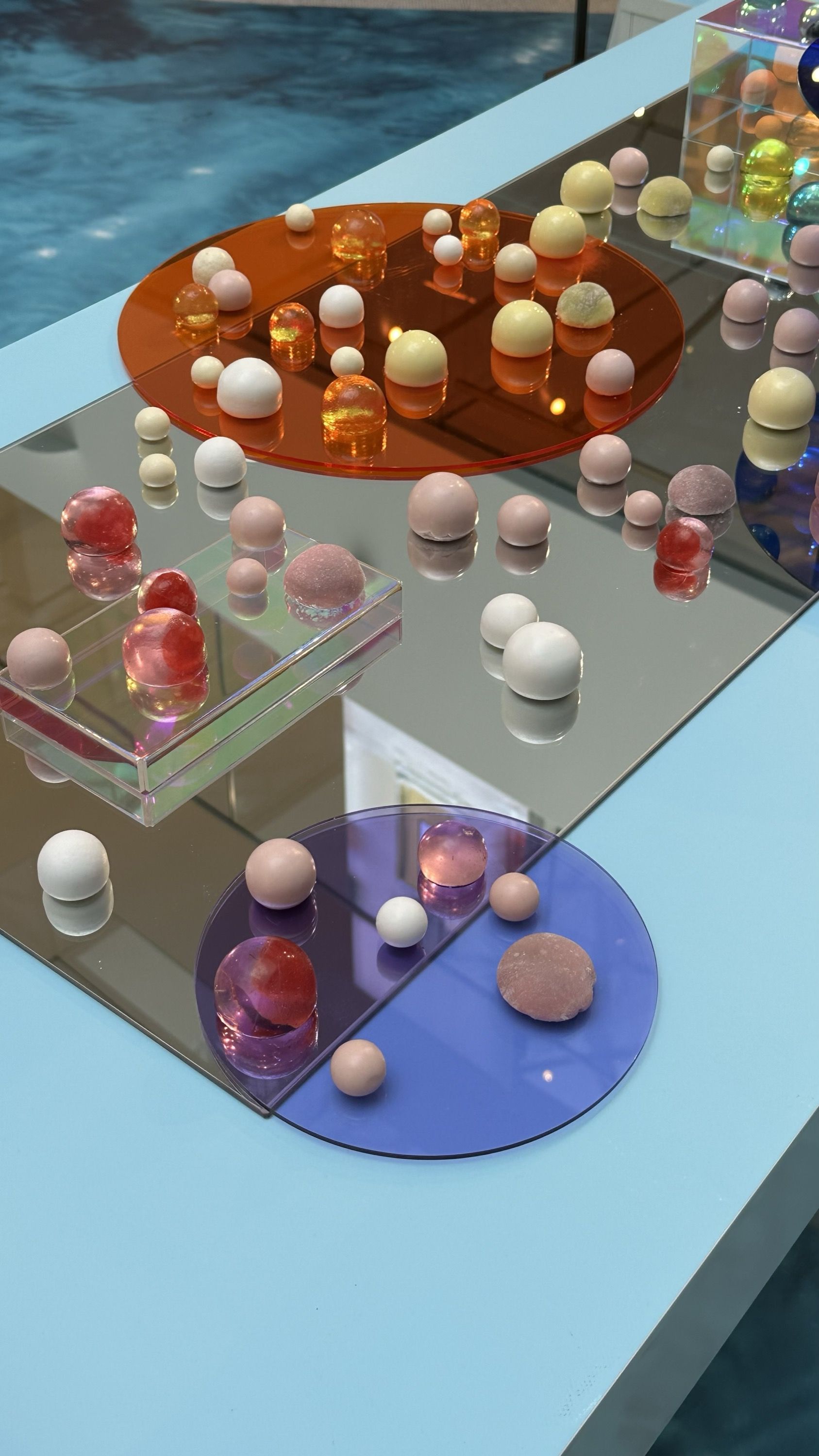
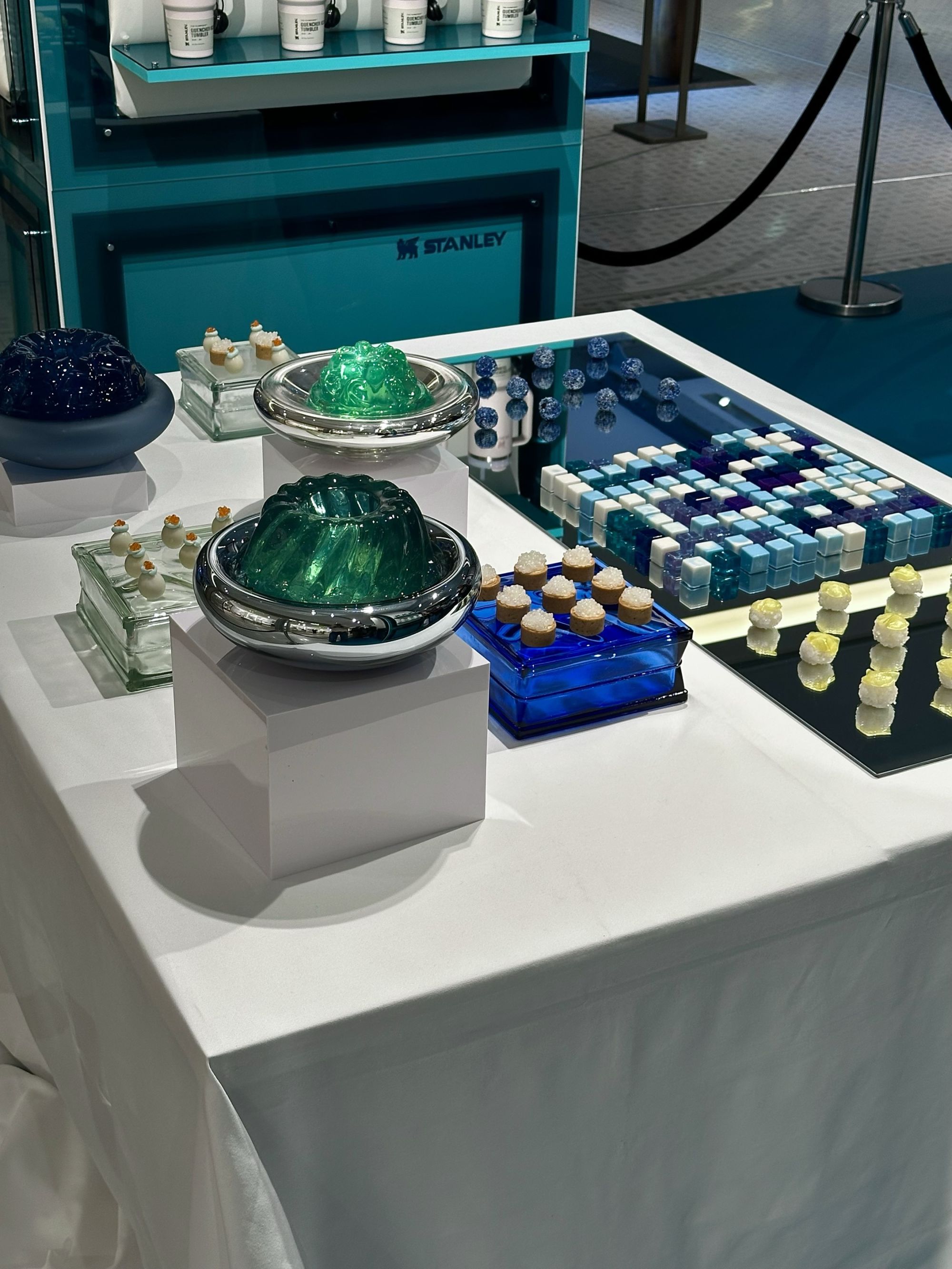
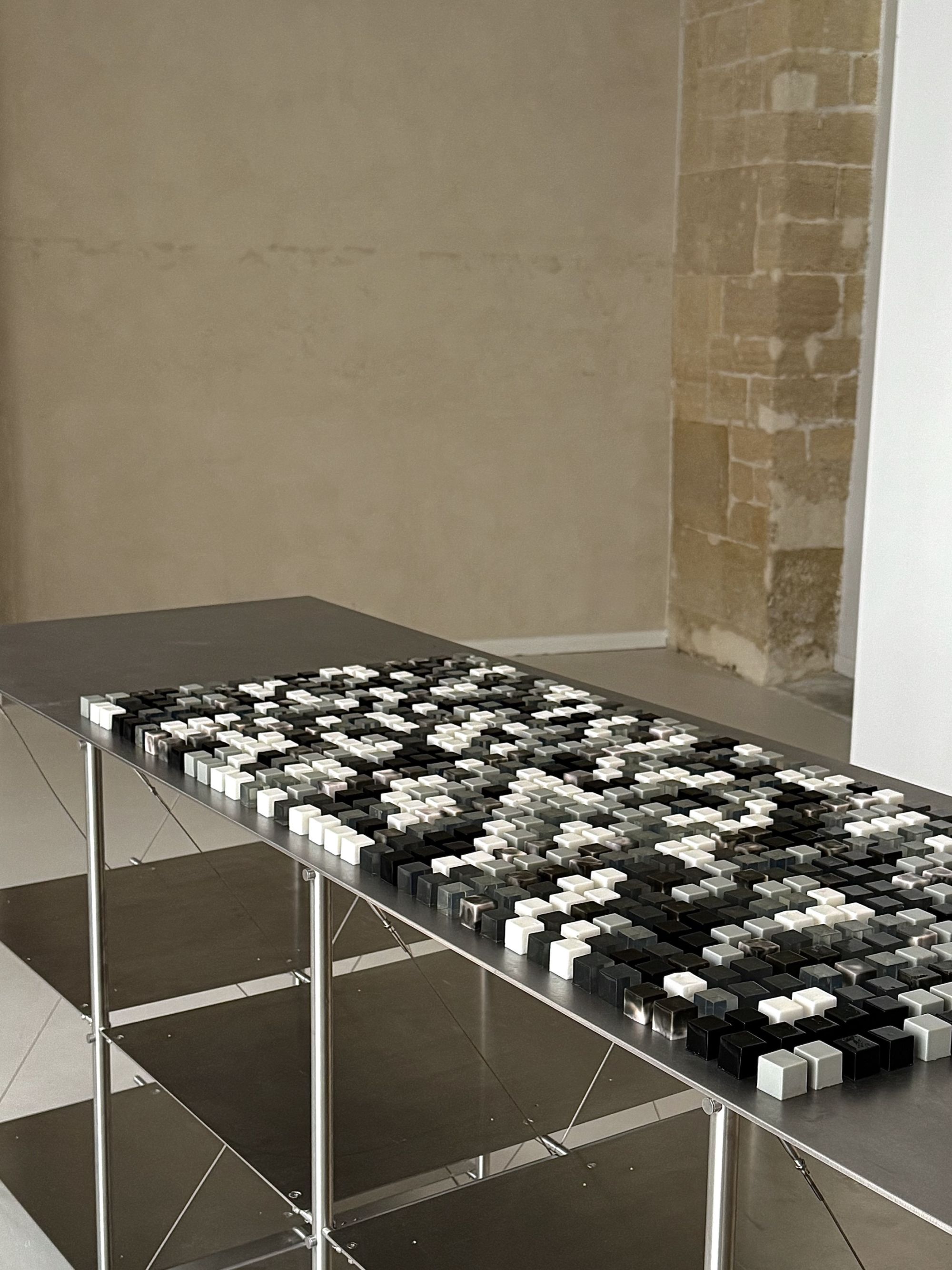
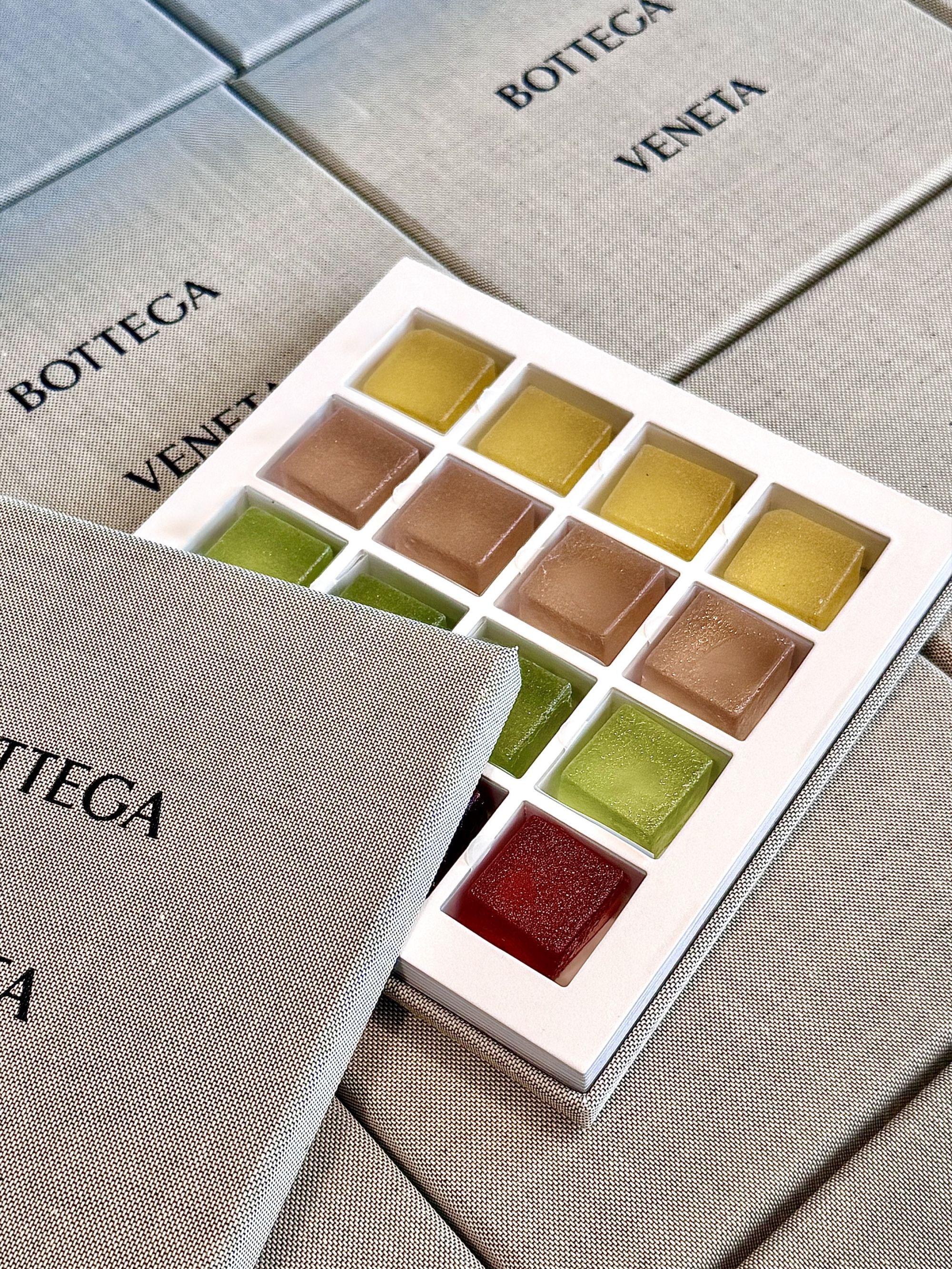
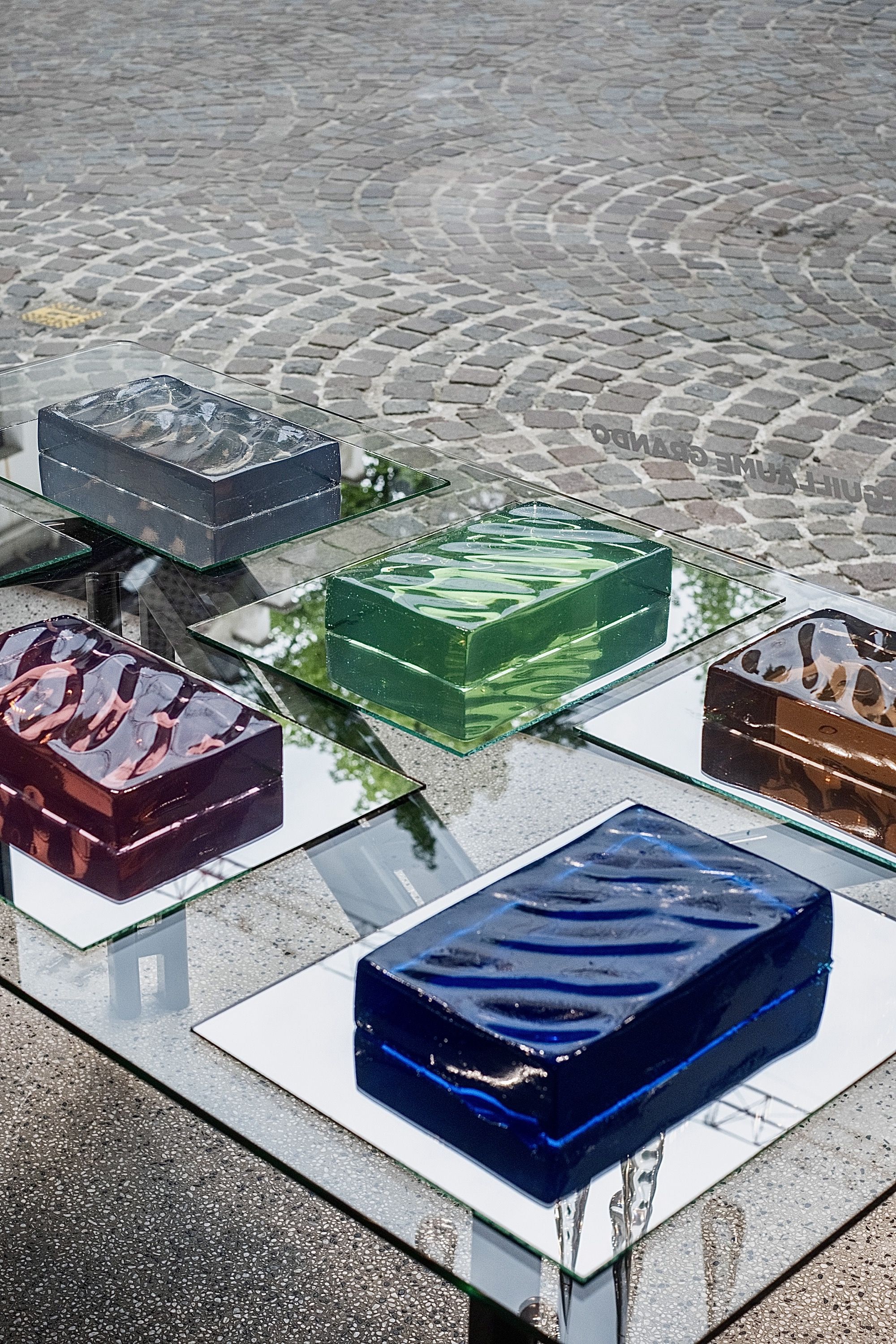
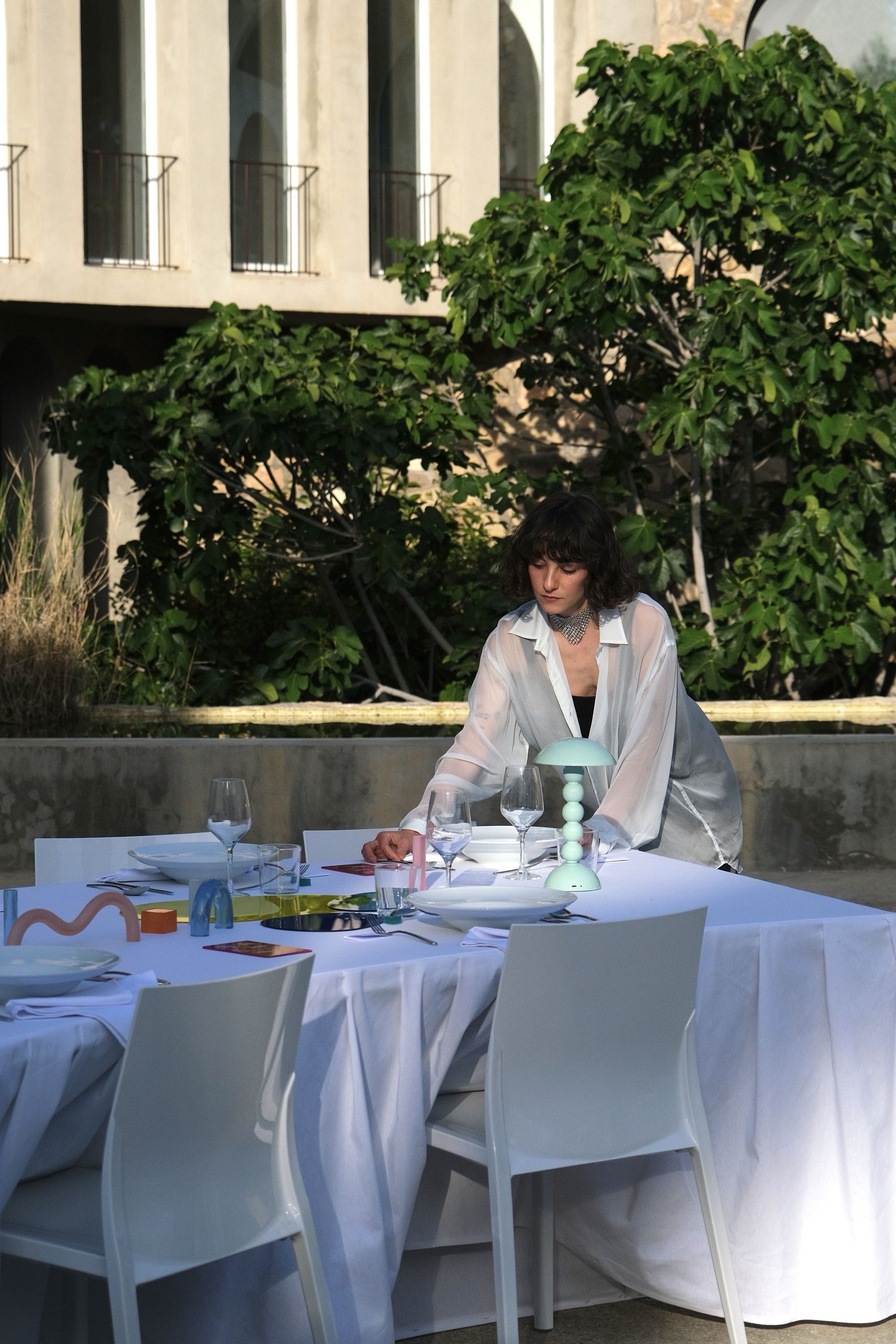
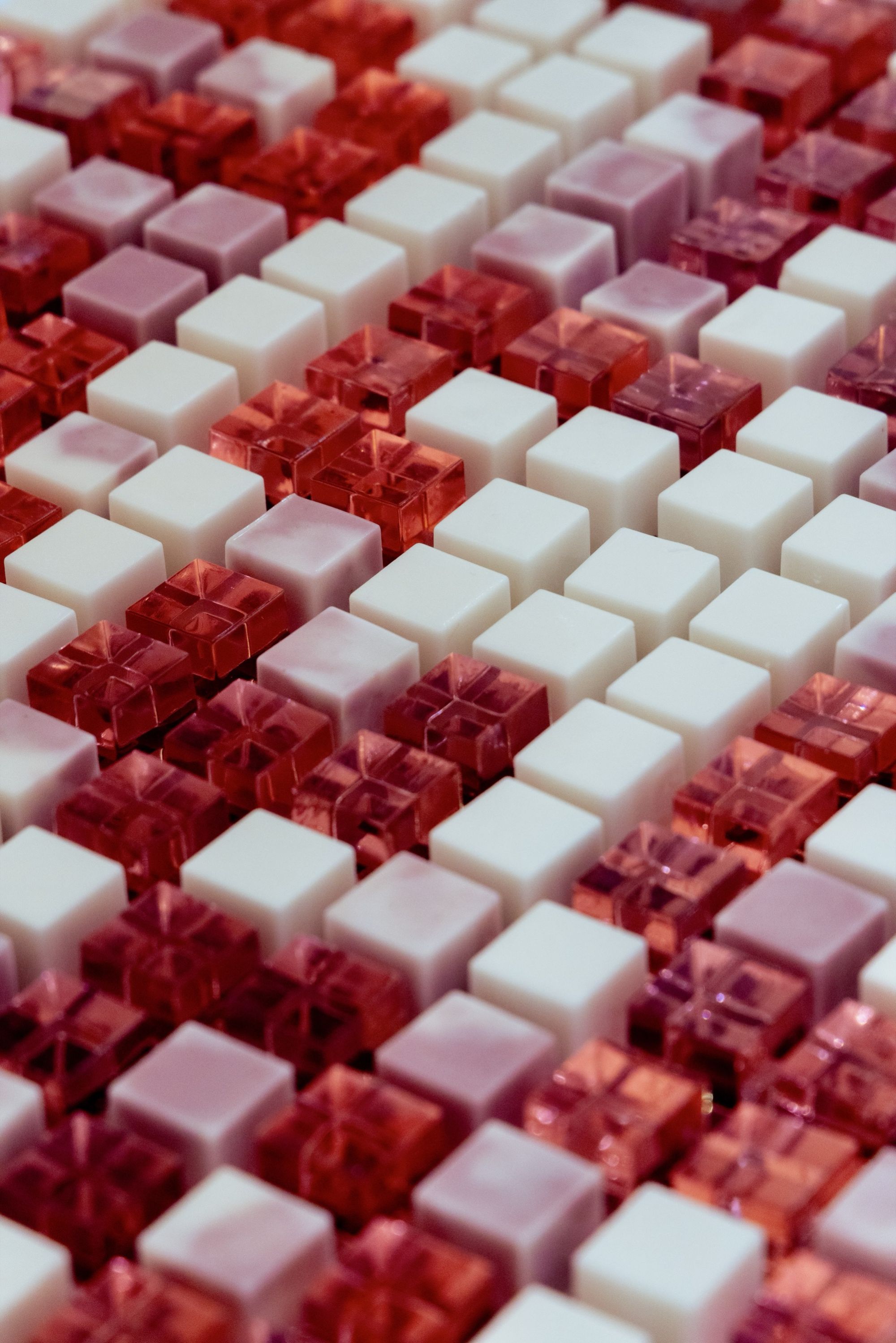
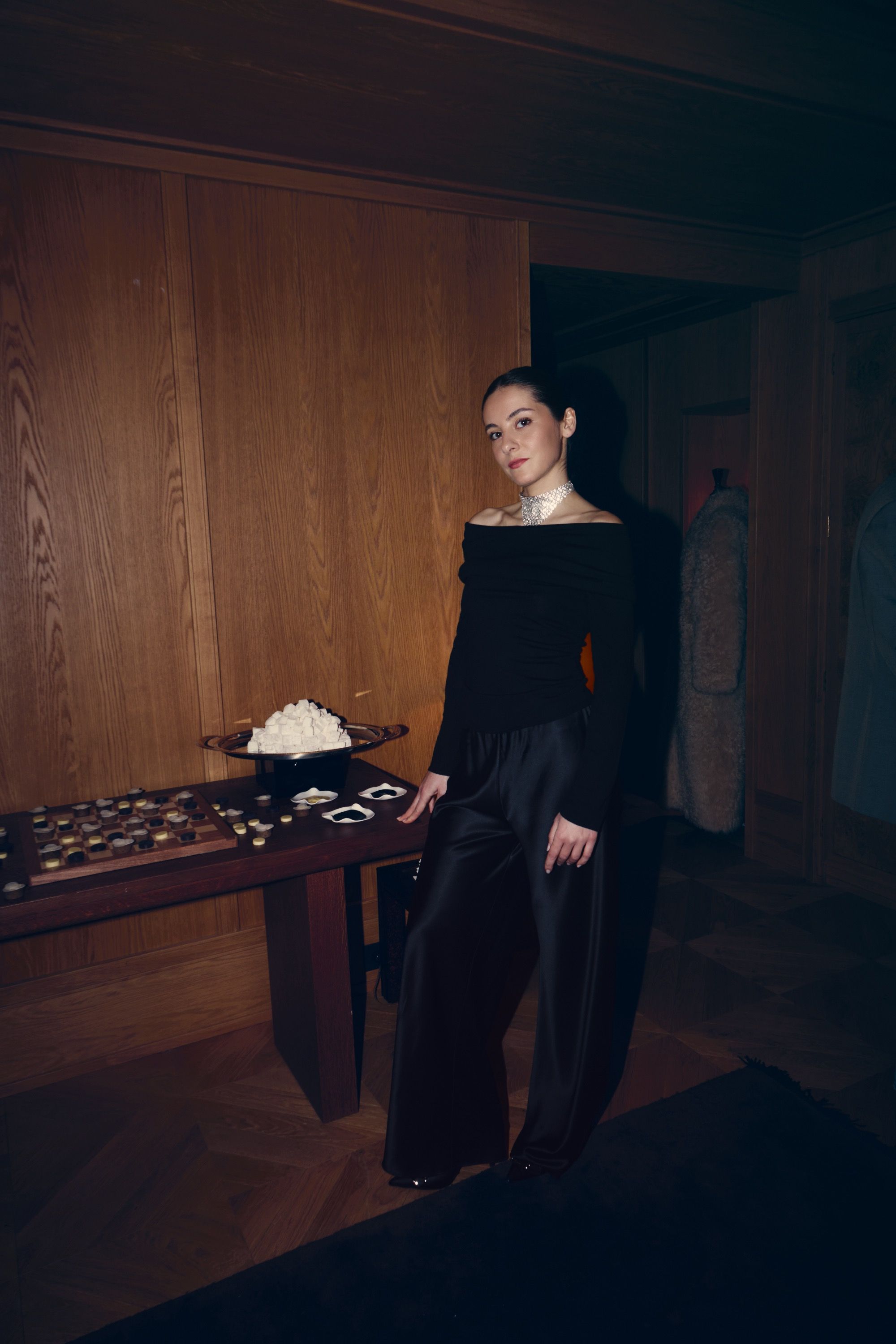
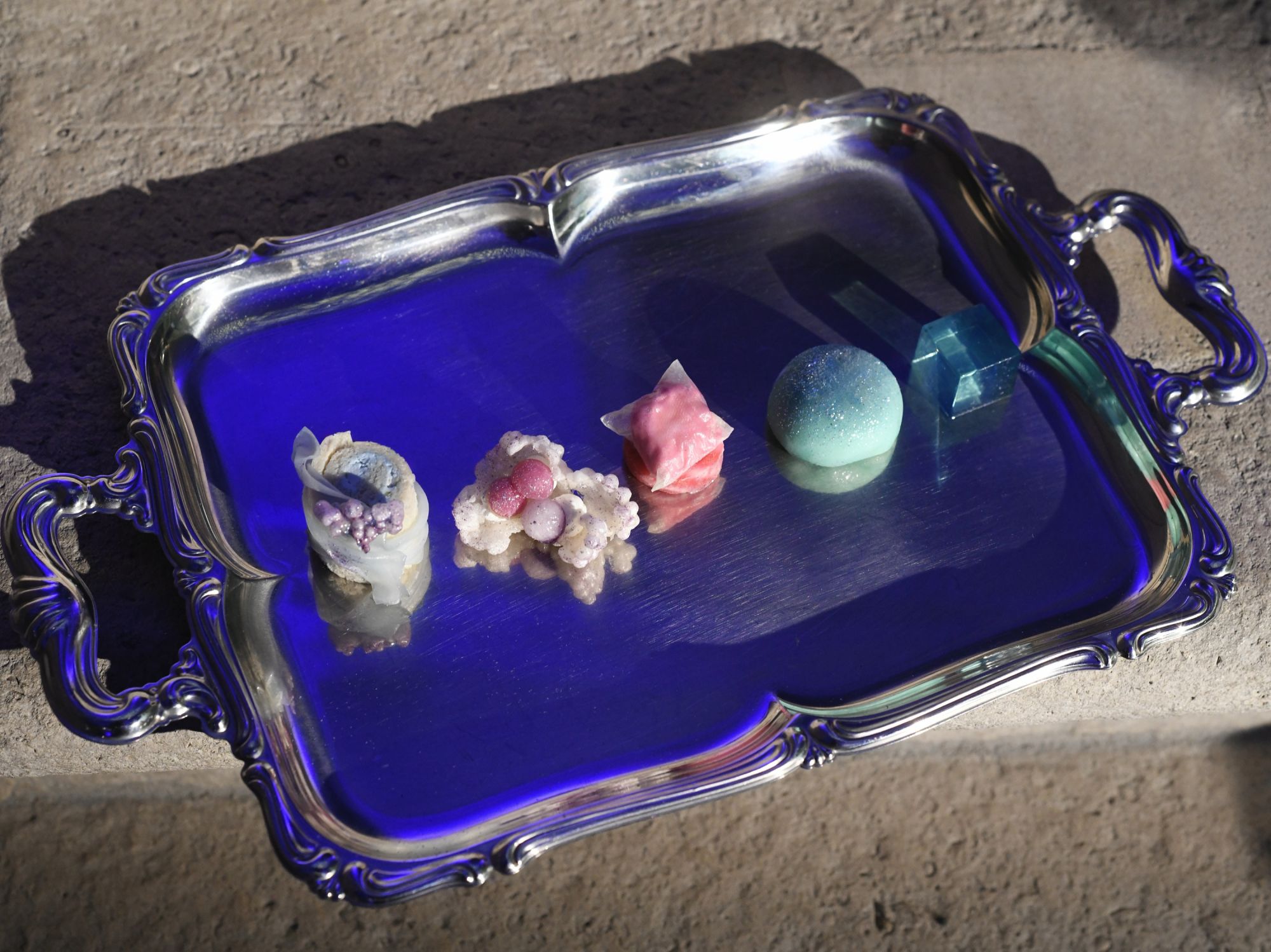
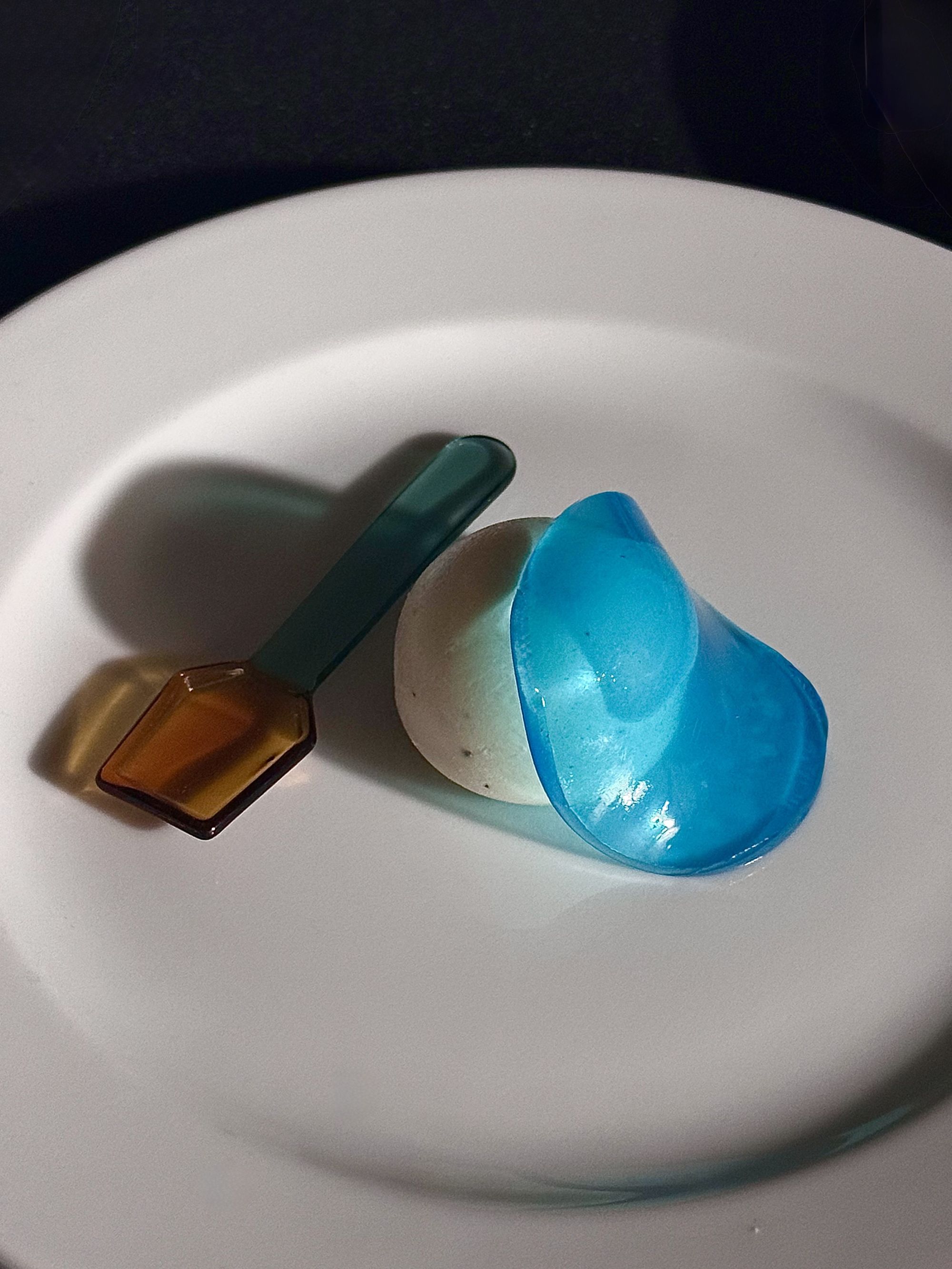
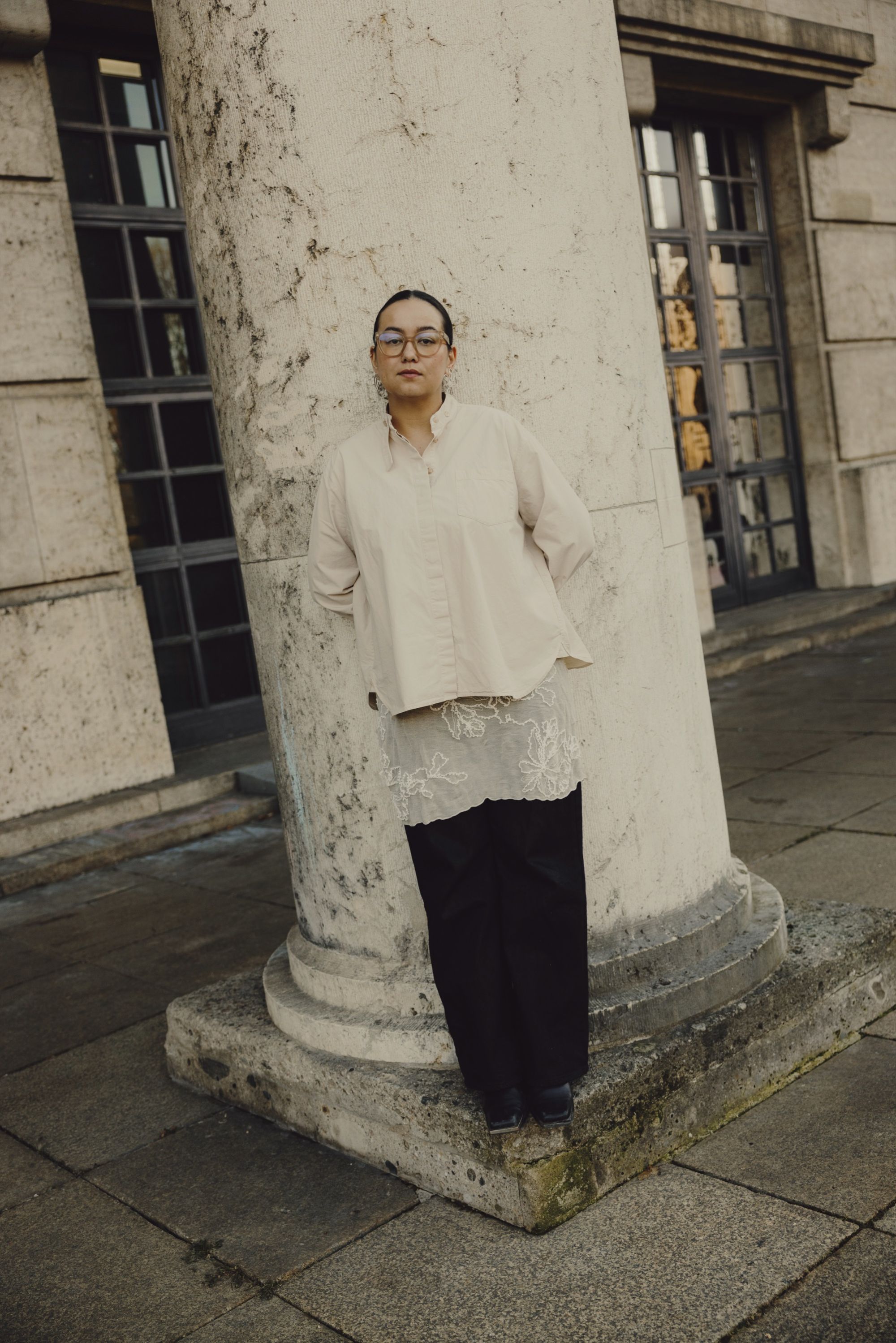
Photo Amelie Niederbuchner
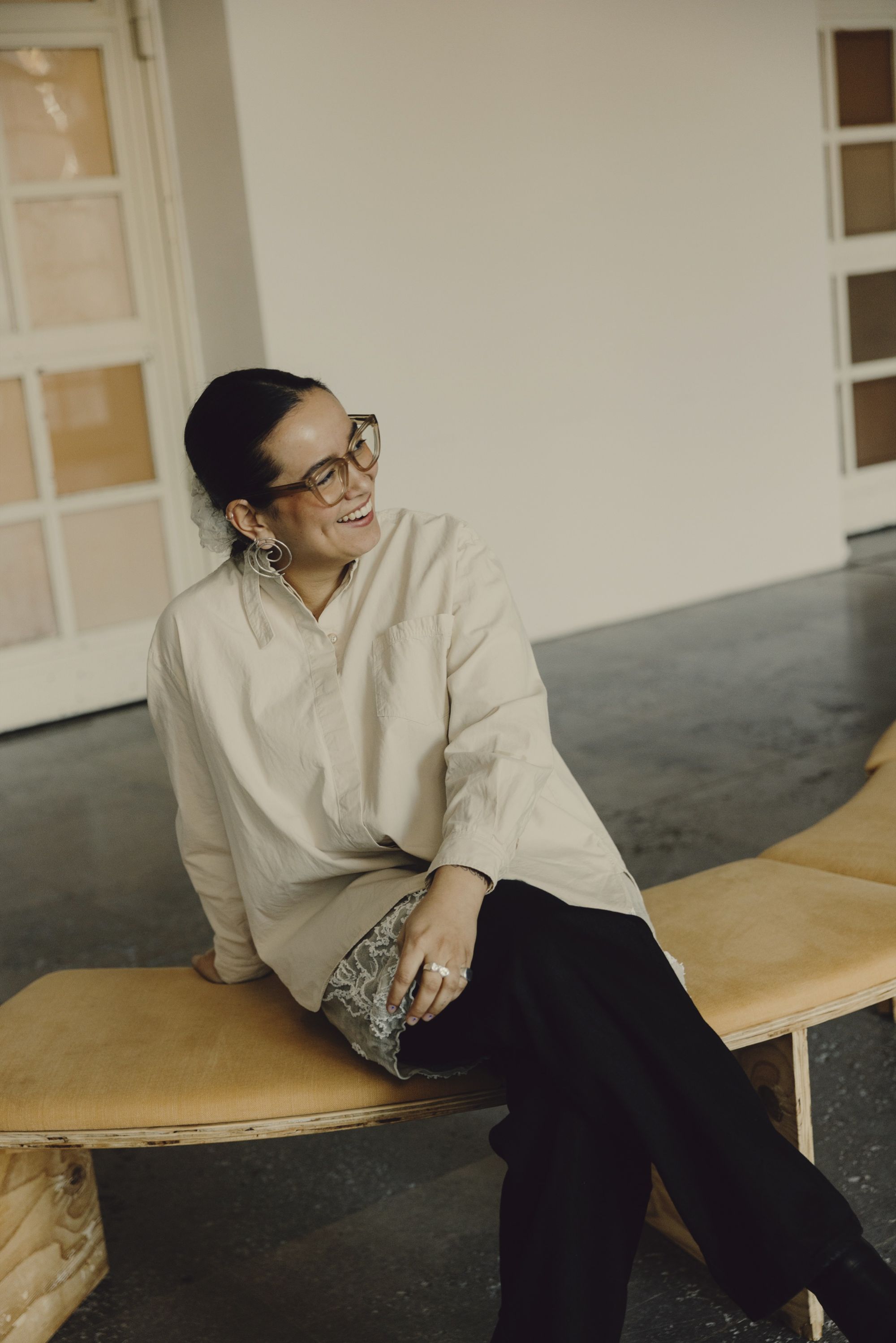
Photo Amelie Niederbuchner
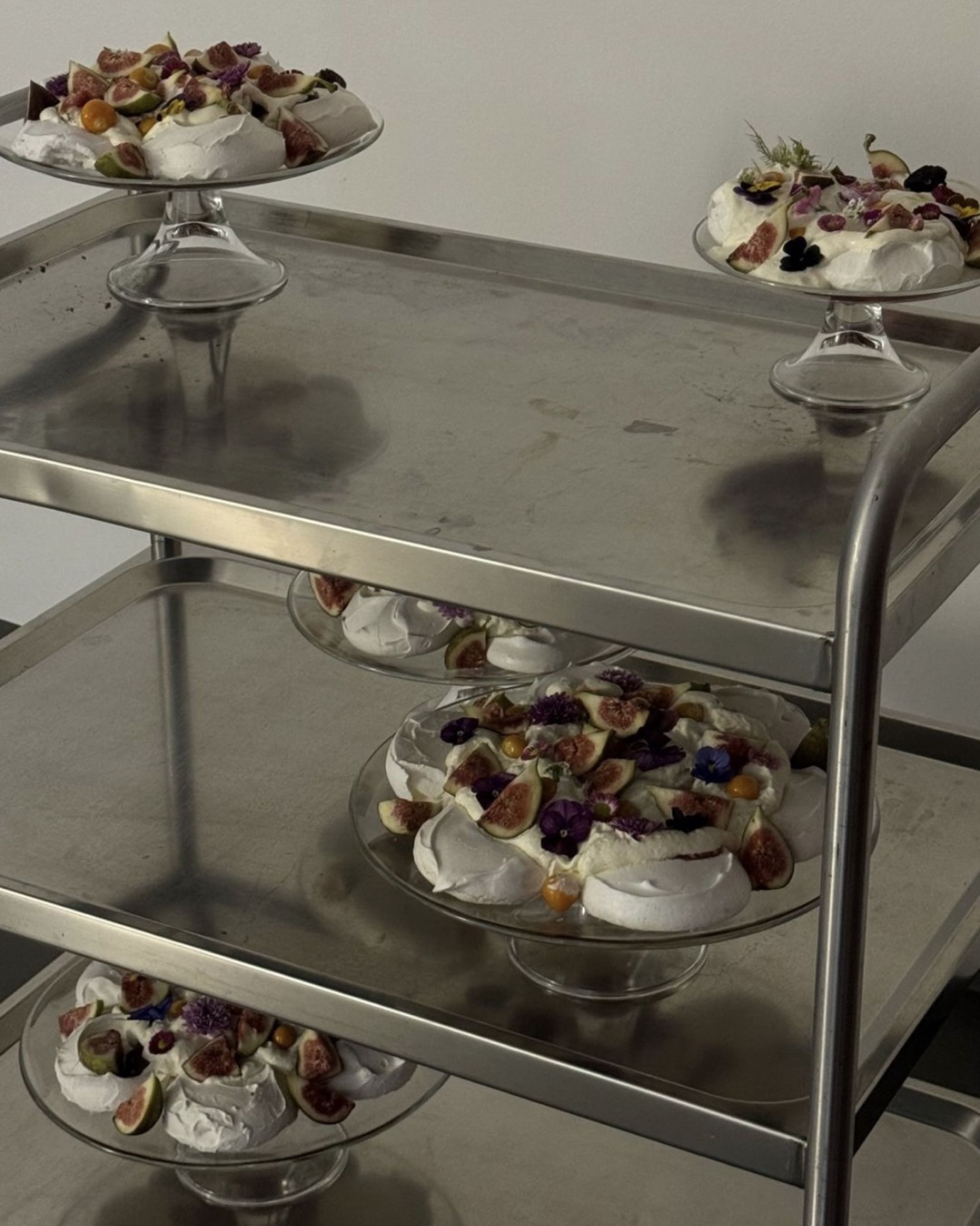
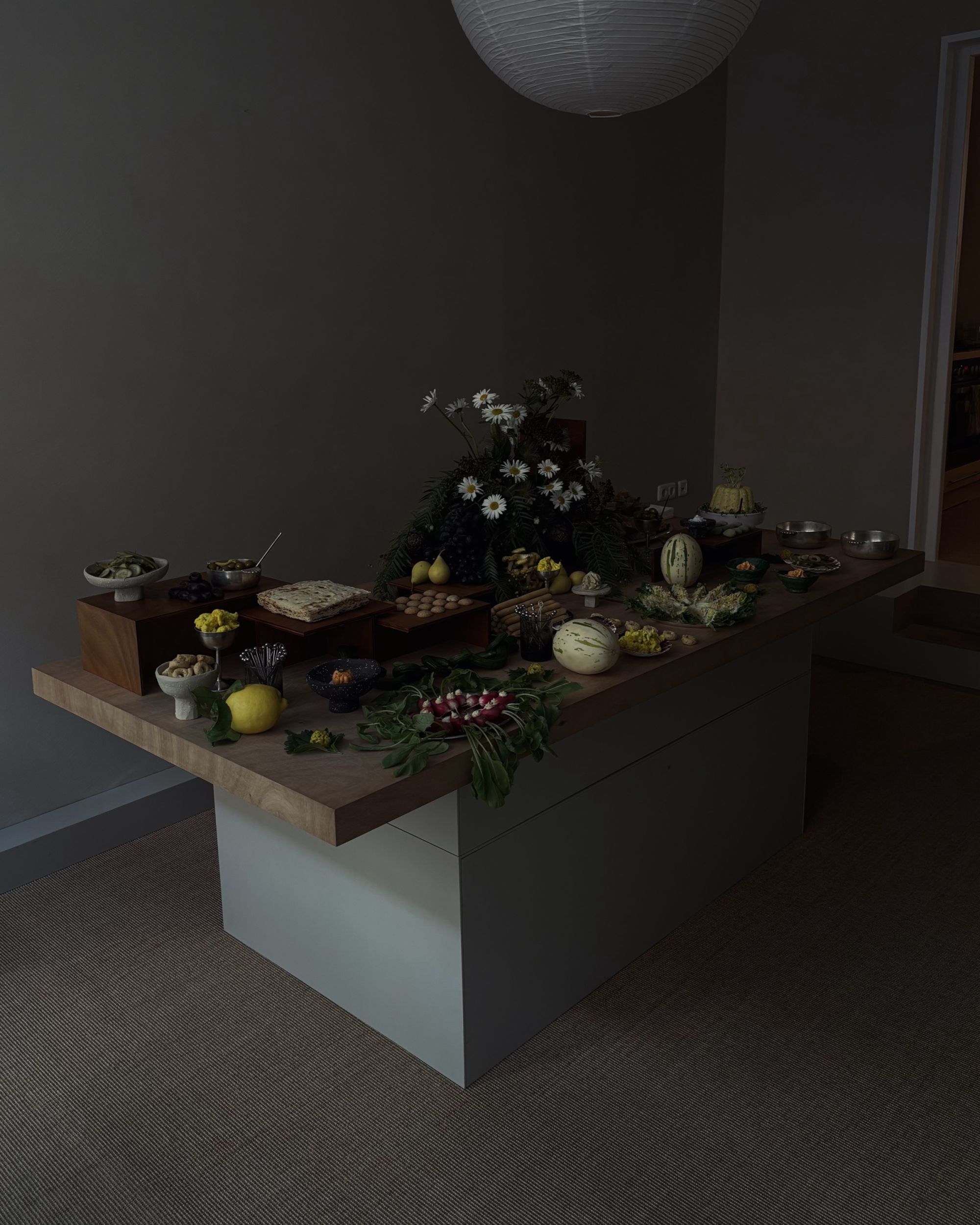
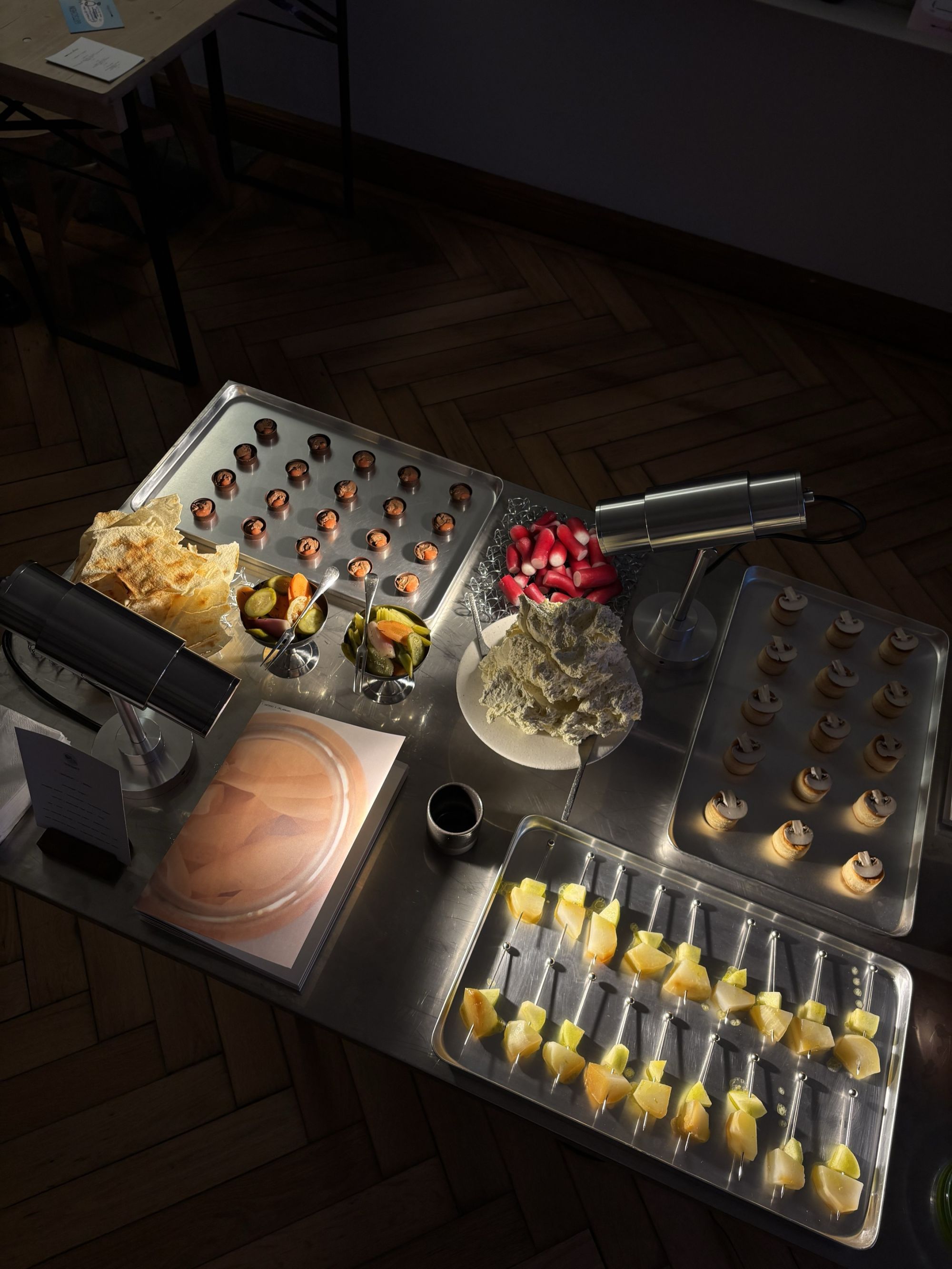
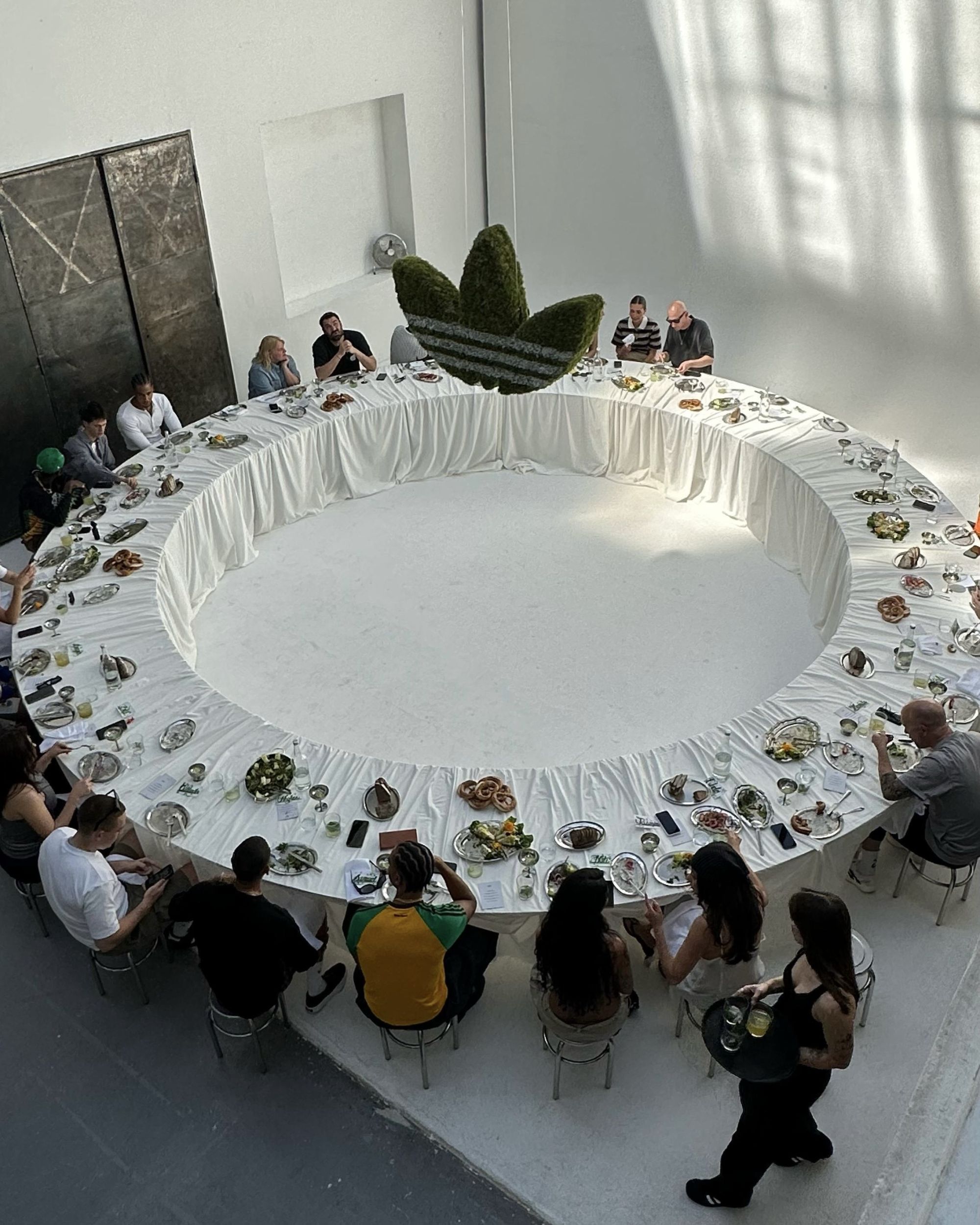
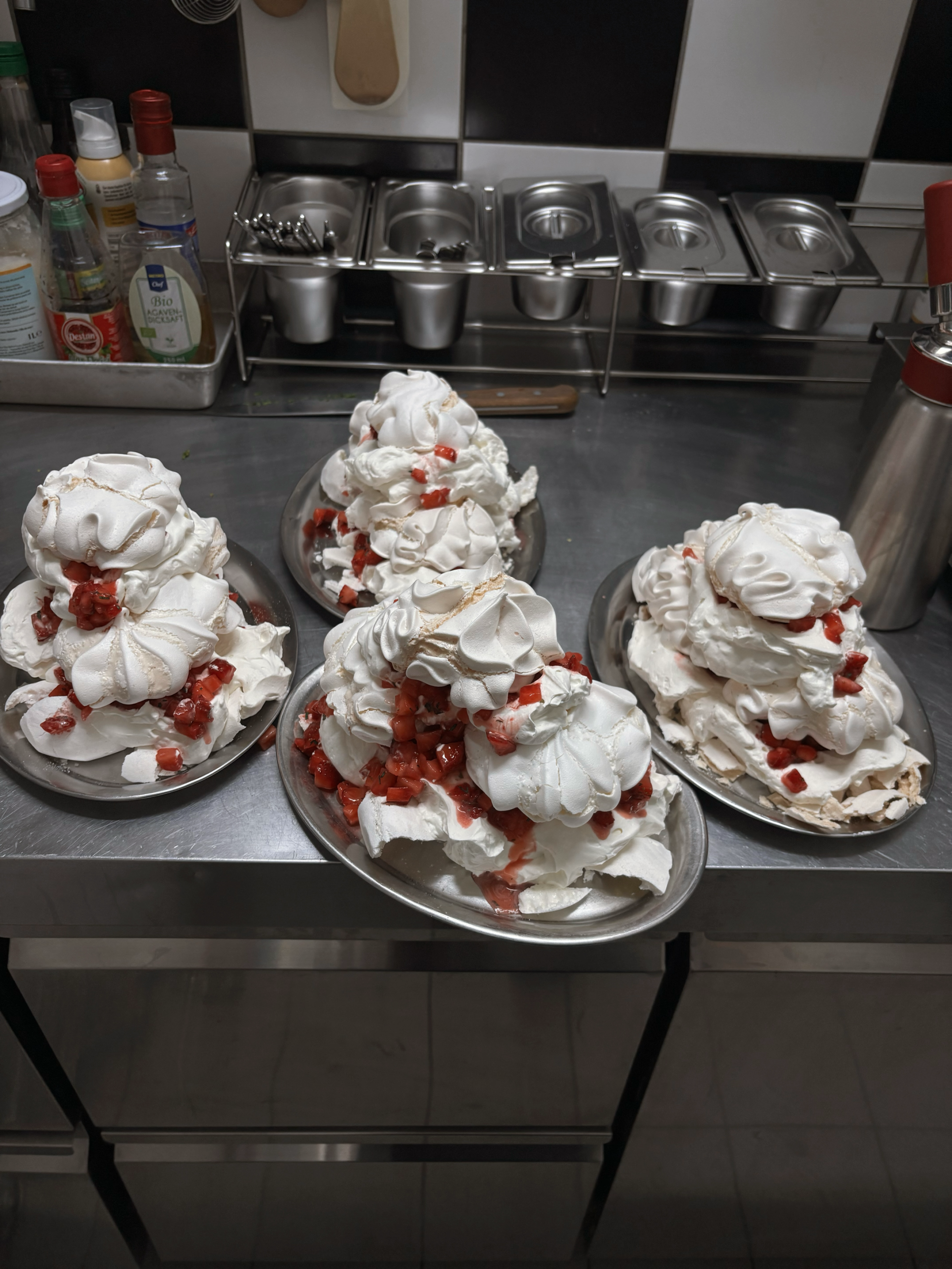
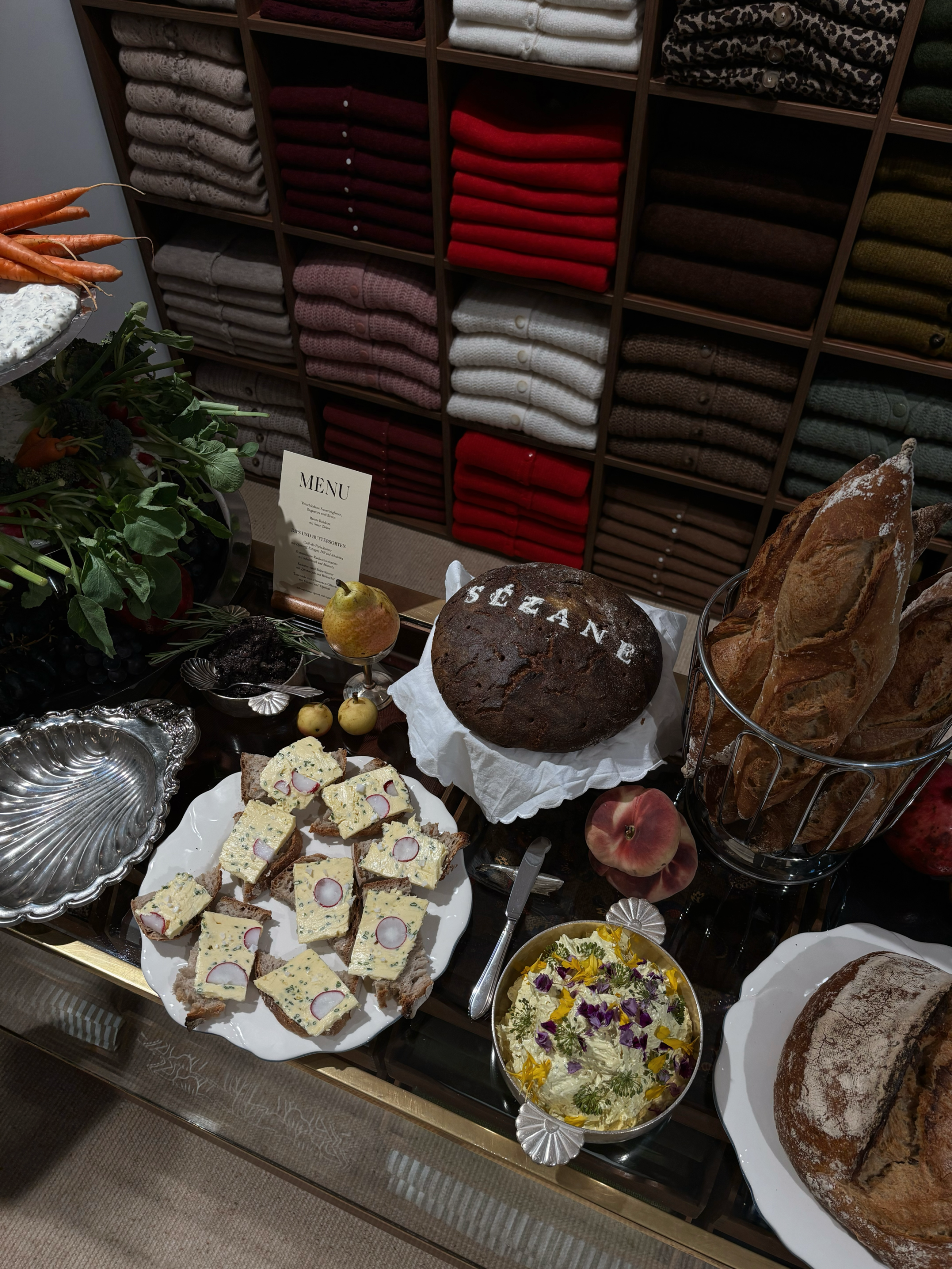
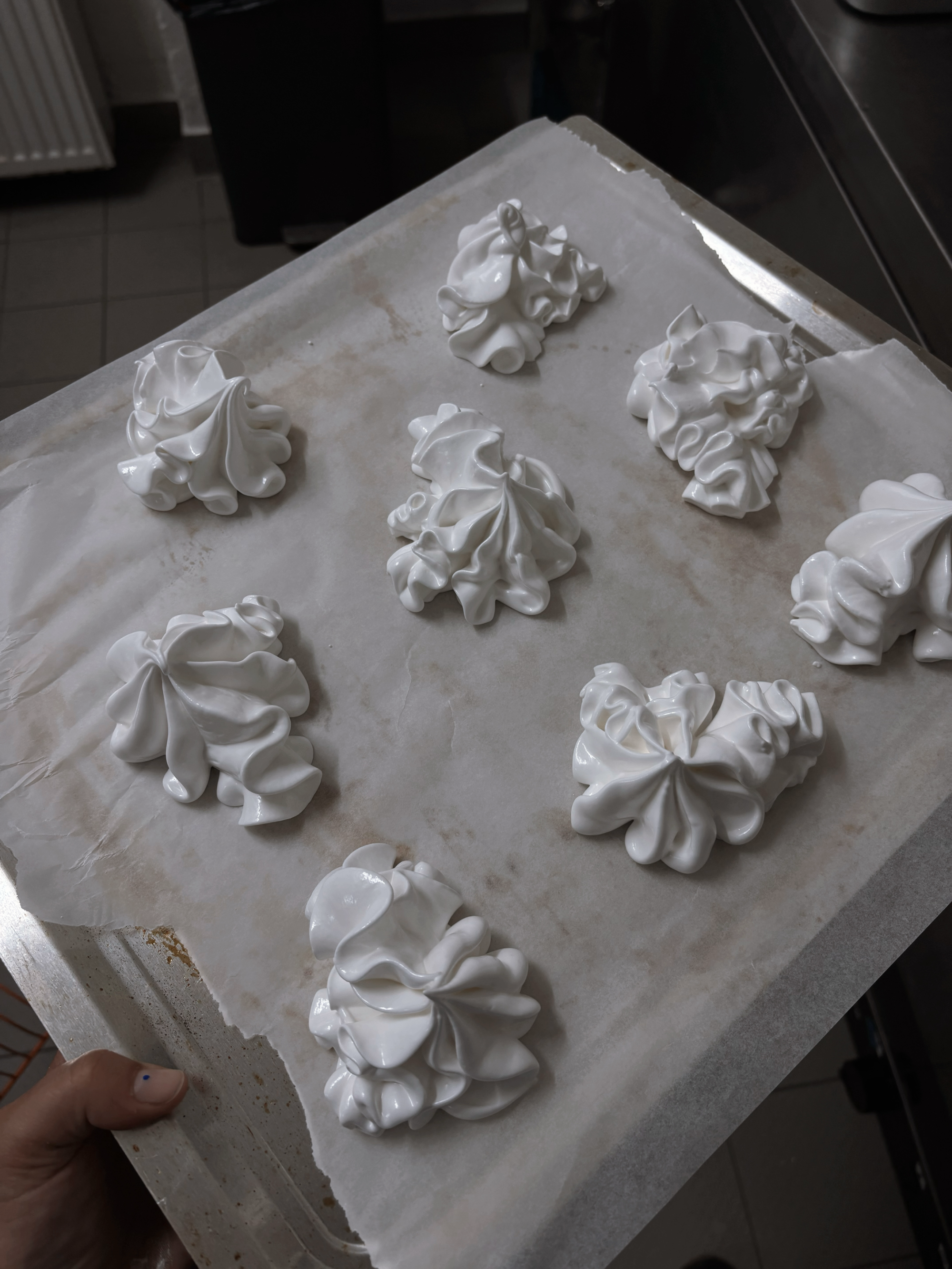
What you are about to read is one of those articles that write themselves. There is no need for elaborate wording for the story of the professionals featured in this new chapter of How to Become: reporting their personal experiences and their point of view on the world (as unique as their dishes) is enough. Because the careers of Alice Malaret, founder of Douceurs Capitales, Johanna Alscheken of eeeat, Alessandra Pallotta and Sara Ferroni of Forniture Pallotta are full of real life. Also food, of course, and luxury events coloured by their exquisite and surreal creations, but above all life.
After all, beyond algorithms, thousands of followers, brands, influencers and Michelin-starred chefs who try to reproduce their magic through the rules of haute cuisine (failing comically), Douceurs Capitales, eeeat and Forniture Pallotta deal with one of the most human and infallibly rewarding things in the world: conviviality. They do so in the world of fashion, one of the most exclusive and rigid ever, managing to turn even the most formal event of the year into a playful treasure hunt. In front of their gastronomic creations, guests (whether journalists, investors or Anna Wintour) become children again, delighted by jelly mosaics and waterfalls of margaritas.
If you've been wondering why so many brands and fashion maisons have been approaching experimental cuisine, immersive dinners and edible installations, look beyond analysts who loudly claim that Ozempic has made us all more hungry. «We spend time on our phones, tapping glass», notes Alice Malaret during our interview: «Food brings us back to our primordial sensitivity». On closer inspection, there is something extremely intimate and sensual in the works of the protagonists of this How to Become, from a surreal breadstick taking the shape of the female body to a plating that holds just two petals and a bite of butter, finally moving on to a romantic scallop filled with beetroot caviar.
Perhaps Dalí was right: the most human things we have left are sex and food. Therefore, there is nothing more erotic than replacing a lobster with a telephone receiver. Of course, fashion cannot yet deal with sex as freely as it does with food. For now, having fun in the kitchen will have to do.
«It all started with a coffee shop» - Alice Malaret of Douceurs Capitales
Alice Malaret's career as a food designer began within the walls of a Parisian café she opened in the 11th arrondissement, in 2019. Always passionate about art, after attending business school and working as a corporate employee, Malaret earned a degree in French pastry-making, cooked alongside a renowned French chef, and eventually decided to open a venue of her own. It was a decision that changed her life, as the designer tells us from her new catering studio, Douceurs Capitales.
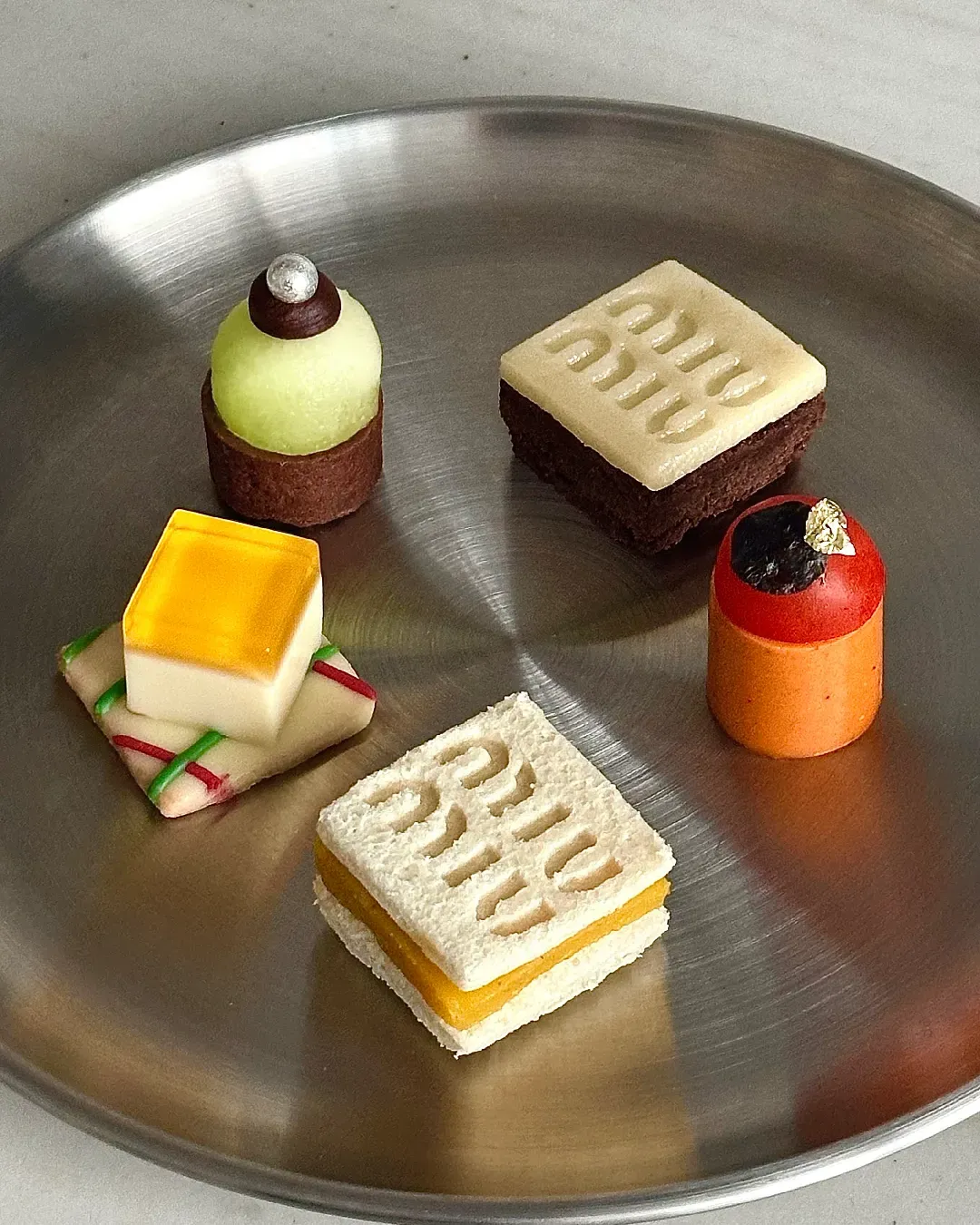
Unlike many contemporary French chefs and food personalities, Malaret's first collaboration with the fashion industry did not come through the popularity of her work on social media. Instead, it happened through one of the café’s customers who, captivated by her creations, invited her to handle the catering for the brand she worked for. The brand was Miu Miu, and from that moment on, the story of Malaret and Douceurs Capitales, which she later founded, became increasingly intertwined with that of fashion and luxury.
Today, the café originally opened by Malaret belongs to a former employee. In the meantime, she has fully immersed herself in this new experimental catering venture, surrounded by an ever-evolving team that includes designers, chefs, assistants, architects, and artists. While the greatest challenge in the growth of Douceurs Capitales has always been finding a balance between the project’s core value - creativity above all else - and the expectations of its clients, it is nearly impossible not to be amazed by the studio’s jelly installations: true mosaics that weave together art, architecture, and haute pâtisserie to offer guests a sensory experience unlike any other.
What does your creative process look like?
The creative process happens mostly in my head, when I’m not working. I'm an evening person, so I get a lot of ideas when the day is over. I will then draw my ideas and find what they have in common with food, whether it be a texture, a material, and find ways we can transform them. I always work with an assistant with an arts or design background - never food, because it’s too limiting. I also love to collaborate with artists and designers, like glass artists or furniture designers, and then a chef that helps me throughout the creation process.
Do you remember your first fashion collaboration?
It was with Miu Miu: we made trays with pink bites, chocolate hearts and cake pop with bows. You know, cooking is actually a very small part of the job: we create custom molds and cookie-cutters that can replicate logos and other designs, we develop packaging and invent special boxes for each project.
Your jelly creations have gone viral time and time again. What made you decide to work with this ingredient and how does it keep inspiring you?
I was fascinated by its texture and sensorial feel. It doesn’t seem edible at first sight, so it's a super fun material to work with. I’m very proud of our pixel installations, those colored mosaics that we create with jelly, which is kind of at a crossroads with design, architecture, art and of course food. It brings a lot of curiosity to the public and I love playing with the contrast between opacity and transparency. There’s something very fascinating about how people react to our jelly installations. It brings out people’s instincts.
Do you think that specialising in one ingredient was the key to Douceurs Capitales’ success?
I don't think that using one category of food is the key to success, my aim is to create a creative identity. It’s also a very personal path: who am I creatively, and what do I want to express through the medium of food? Experimenting is what allows you to create unique things. It’s important not to stay confined to one category: jelly only came as a result of everything I explored before.
What advice would you give to an aspiring food designer?
If you stick to your identity rather than being inspired by trends, you can really make a difference.
What do you think is the biggest misconception about your job?
Some people think that food design is just a trend, but I totally disagree. I believe that food will soon be considered a true art form and we’ll have food exhibitions just like regular artists in galleries. It’s just the beginning. I also think the sensorial aspects of food are amplified today because we’re on screens all day long, and with globalisation, the color palette around us has become very limited: we’re all wearing black, white, or neutral tones, so everything that brings us back to our senses reconnects us with a more primitive sensibility.
«I do whatever I want because nobody ever taught me the rules» - Johanna Alscheken of eeeat
Photo Amelie Niederbuchner
Photo Amelie Niederbuchner
As a young woman, Johanna Alscheken hated Munich. She imagined herself in Paris, London, «maybe even New York,» working in a luxury atelier. But she could not afford to leave the city where she had grown up, so she studied tailoring there instead. To support herself while studying fashion design, she worked in the hospitality industry, though it took time before Alscheken realised how cooking would eventually replace her dream of working in fashion.
While creating garments and costumes, Alscheken spent her free time organising themed dinners with friends. «We would completely empty out my living room and create compositions with food: one time we focused on the different textures of tomatoes; another time we gave each course a different color.» The success of eeeat, the Instagram page where the designer shares her creations, marked the beginning of a new career - one that, like a boomerang, soon brought her back to the worlds of fashion and luxury she had once left behind.
In a short time, eeeat became more than just a source of inspiration or a business; it became a lifeline for its founder and a beacon of innovation for Munich’s creative scene. Alscheken found a like-minded community around her - «I created this little corner for myself where I go to work every day happy to see my friends» - while Munich began the artistic revival it so desperately needed. Four years ago, she says, she was the only person in the city working in conceptual catering. Today, «I know at least ten other people doing something similar. And that’s a great thing.»
Since the start of her career, Alscheken has learned two important lessons. The first is to trust her instincts, both in life decisions and in plating a dish. The second is that the truly courageous people are not necessarily those who leave their hometown in search of something else. «Your hometown wouldn’t be boring if enough people stayed. So if you live here and you’re bored because the creative scene isn’t good enough, make it.»
What was your first fashion collaboration?
Hermès! Someone from the Germany team must have found my Instagram account and passed it on to the agency, which then got in touch with me. I didn't even know test dinners were a thing because I had never worked with a client of that scale before. I borrowed the space of a friend who owned an antique store: she gave me the keys for the evening, and I basically pretended it was my own venue. I was completely improvising. They came over, I didn't even have enough chairs: it was chaos. They ended up booking three events with me across Germany, which was unbelievable.
Why do you think that so many luxury fashion brands are connecting with food designers right now?
There seems to be a collective desire to slow down, make things from scratch, and reconnect with traditions and simpler pleasures. Of course, event food isn't necessarily simple. Sometimes it's incredibly elaborate, with huge installations and highly creative concepts. But at its core, it's still about hospitality and creating a sense of comfort and connection. At the same time, health has become part of the cultural conversation as people are much more focused on what they put into their bodies. All these trends are connected.
When did you realise you have your own unique aesthetic?
I was working with a very established catering company that handles events for some of the biggest luxury brands, and the chefs were executing my vision (which felt strange, because these were highly trained professionals who really knew their craft, and I was basically just a girl from Instagram). They took my recipes and tried to translate them into something refined, but the client kept telling them, «Do it the way Johanna does it!» That's when I realised that what I do isn't just about the recipes, it's about instinct. I think part of it comes from the fact that nobody ever taught me the rules. I just do what I think looks beautiful.
What skills are required to run a business like eeeat?
You can't think you're too good for anything, especially in the beginning. I'm still the one who cleans the kitchen, I'm the one who cleans the toilet, and I'm the one working at 3 a.m. because my team has to go to bed. Unless you have a big investor and can afford to delegate things, you have to do everything yourself. And then you also have to be adaptable: I'm a service provider, my clients book me, and they’re the ones making decisions.
Another important thing is the people you surround yourself with. Not in a «yes, everything you do is perfect» kind of way, but in a grounded way. It's important to have a network of people who are in similar situations, maybe other freelancers. It’s really valuable to have people around you who understand your job and support you in a real way.
Now that the food design industry seems oversaturated, do you think there’s still a way to stand out from the crowd?
You have to find your own niche and try to stay authentic in what you do. It's a gamble: you can be lucky and the algorithm picks up your work and suddenly puts you out into the world. That said, you should still have a backup plan in mind in case it doesn't work out, and if it does take off, try to build something sustainable for yourself: being fully dependent on one social media platform is really hard nowadays. But authenticity will definitely still stand out in the long run.
«What we care about is not perfecting a flawless product, but experimentation» - Alessandra Pallotta e Sara Ferroni of Forniture Pallotta
Forniture Pallotta x Against Sun and Dust
Forniture Pallotta x Against Sun and Dust
Forniture Pallotta x Against Sun and Dust
Forniture Pallotta x Against Sun and Dust
Forniture Pallotta x Fondazione Elpis
Forniture Pallotta is not only concerned with what appears on the plate at an event - although in their case, it is often not even a real plate - but with every aspect of the experience: the look and performance of the waitstaff, the shape of a table, and the arrangement of every element in the space. More than a catering studio, it is a kind of experimental laboratory for culinary art. For this reason, the greatest challenge in every project is persuading clients - especially those in the fashion industry, as there is more freedom in the art world, they explain - to fully trust their creativity. The element of surprise, they say, is guaranteed.
«I studied fashion design and worked in fashion before realizing that the environment felt a bit limiting,» says Alessandra Pallotta, recalling the origins of her studio. «In 2003, I founded my first collective and began experimenting with food together with two other women.» Since then, her passion for art, design, and cooking has only grown, culminating in the founding of Forniture Pallotta in 2011.
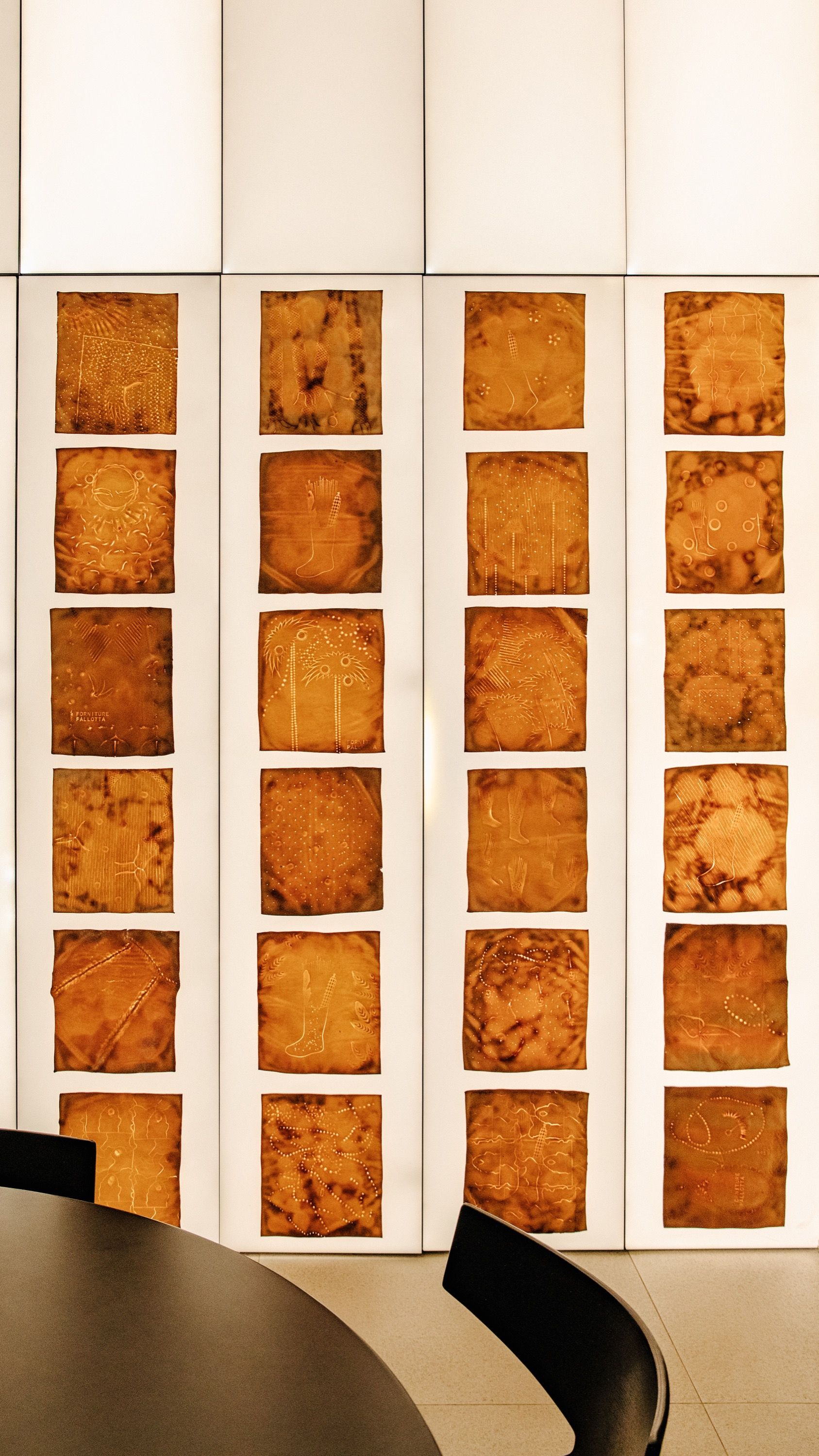
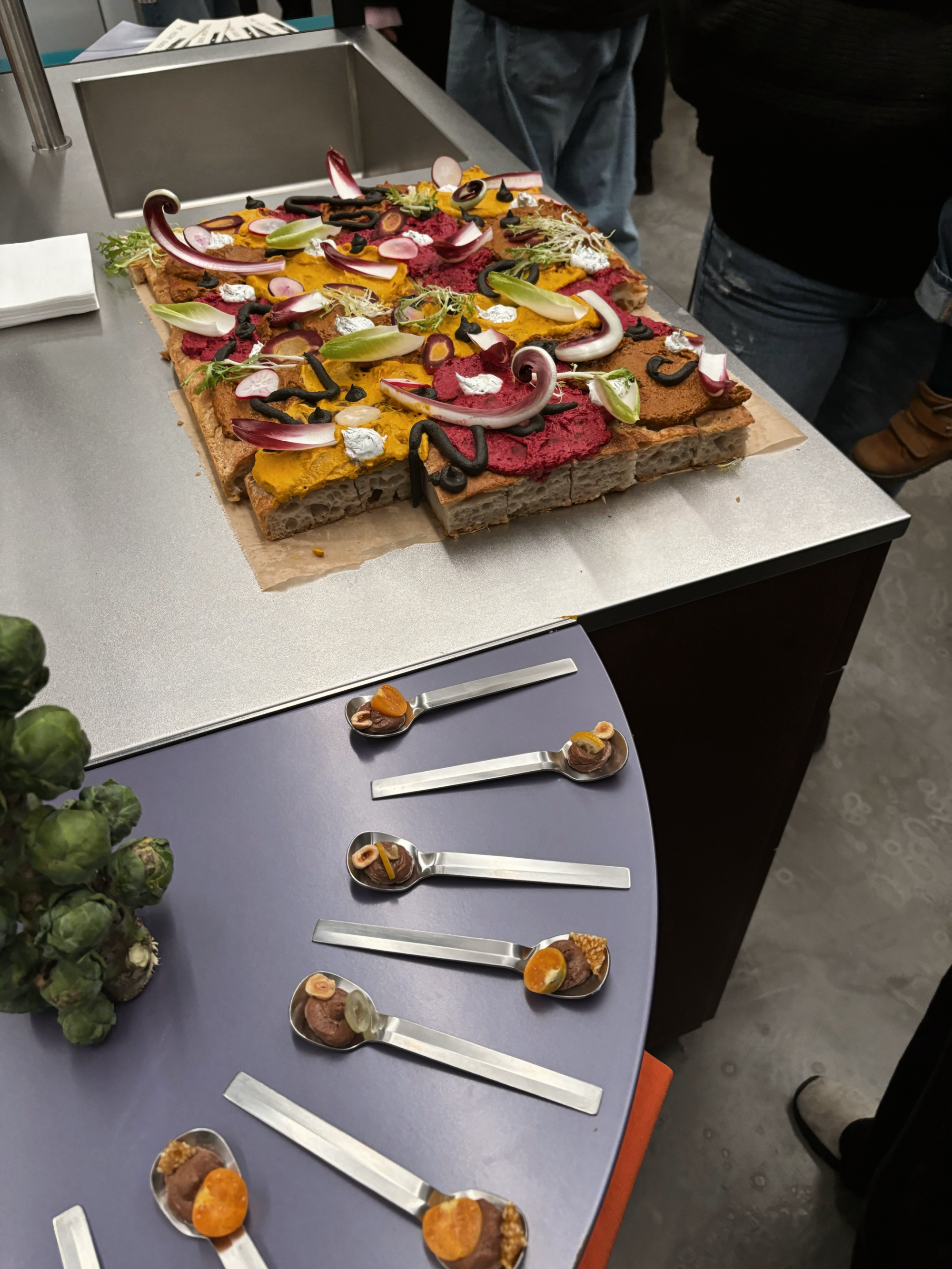
Born in Berlin and relocated to Milan in 2022, the studio’s artistic language blends the unconventional spirit of the German city with a trait that is deeply rooted throughout Italy: a fondness for bread and baked goods. Pallotta and Ferroni often transform these materials into sculptures, serving trays, and even high-heeled shoes. Everything that influences the duo’s creative process - from fashion and interior design, Ferroni’s original field, to cinema and music - is reflected in the unpredictability of their installations. We compared their work to Willy Wonka’s Chocolate Factory, but they preferred to imagine it as Hansel and Gretel’s gingerbread house.
Forniture Pallotta was one of the very first food design studios. What has allowed you to stay at the forefront until now?
Experimentation in food has always been so interesting, and there is still so much to explore, which has kept the interest constantly alive. And yes, I’ve been in the field for a long time now (with many breaks, actually), but at the moment I feel it is taking on a more coherent form, perhaps also because the timing is more right. Until a few years ago, a food designer was someone who studied plating; many people today define themselves as food artists, but it’s still quite difficult to find a real definition: we create edible stories.
When did you start collaborating with fashion brands, and how do you approach these projects?
Alessandra has been working in the fashion world since she was part of the Cibo collective, but the first project in which Forniture Pallotta truly expressed itself at its best was with The Attico. We recreated their bags using breadsticks, we created a pink margarita fountain, and a table covered in savory edible jellies. In addition to collaborating with external chefs, we also focus a lot on the look and performance of the waiters. For us, they’re essential, they’re our performers, so much so that over time they have become a close-knit team of artists.
Forniture Pallotta x Ingrid Guglielmo Daloiso
Photo Francesco Speranza
Forniture Pallotta x Elmar Cucine
Forniture Pallotta x Elmar Cucine
How do you manage to balance client requests with your creativity?
A major part of our work is defending the creative ownership of the project. We try to establish a dialogue with the client to help them understand that even when a project pushes boundaries a bit, it still supports their concept. In the fashion world, there is a fear of straying too far from one’s image, so we need to bring together a lot of technical data (the location, the type of event, what they want to present, who and how many people will attend), which helps us aim precisely. In doing so, we immerse ourselves in a new imaginary and make it our own.
Photo Aria Ruffini
Forniture Pallotta x The Attico
Forniture Pallotta x The Attico
Photo Aria Ruffini
Forniture Pallotta x Nike
Forniture Pallotta x M¥SS KETA - Vogliono Essere Me
But how does one become a food designer? If you had to hire someone at Forniture Pallotta, what qualities would you look for?
We would hire an accountant! Jokes aside, you need a 360-degree vision and an open mind. We usually, in addition to working with performers in the dining room and external chefs, rely on two or three assistants - depending on the number of events we’re handling - who take care of the operational food side and the installation.
In this job, everything around us is a source of inspiration: a roll of tape can become a doughnut, which in turn becomes a bracelet. Imagination is that childlike part that, in a creative person, never leaves. Moreover, being lovers of food, art, music, theatre, and cinema, everything becomes material. It is like a moving sea: to make it work, you have to stay constantly active.