


















How Marseille is Making Slow Fashion the New Cool Facing the "Big Four," the Baga collective disrupts industry codes with the second edition of its Slow Fashion Week
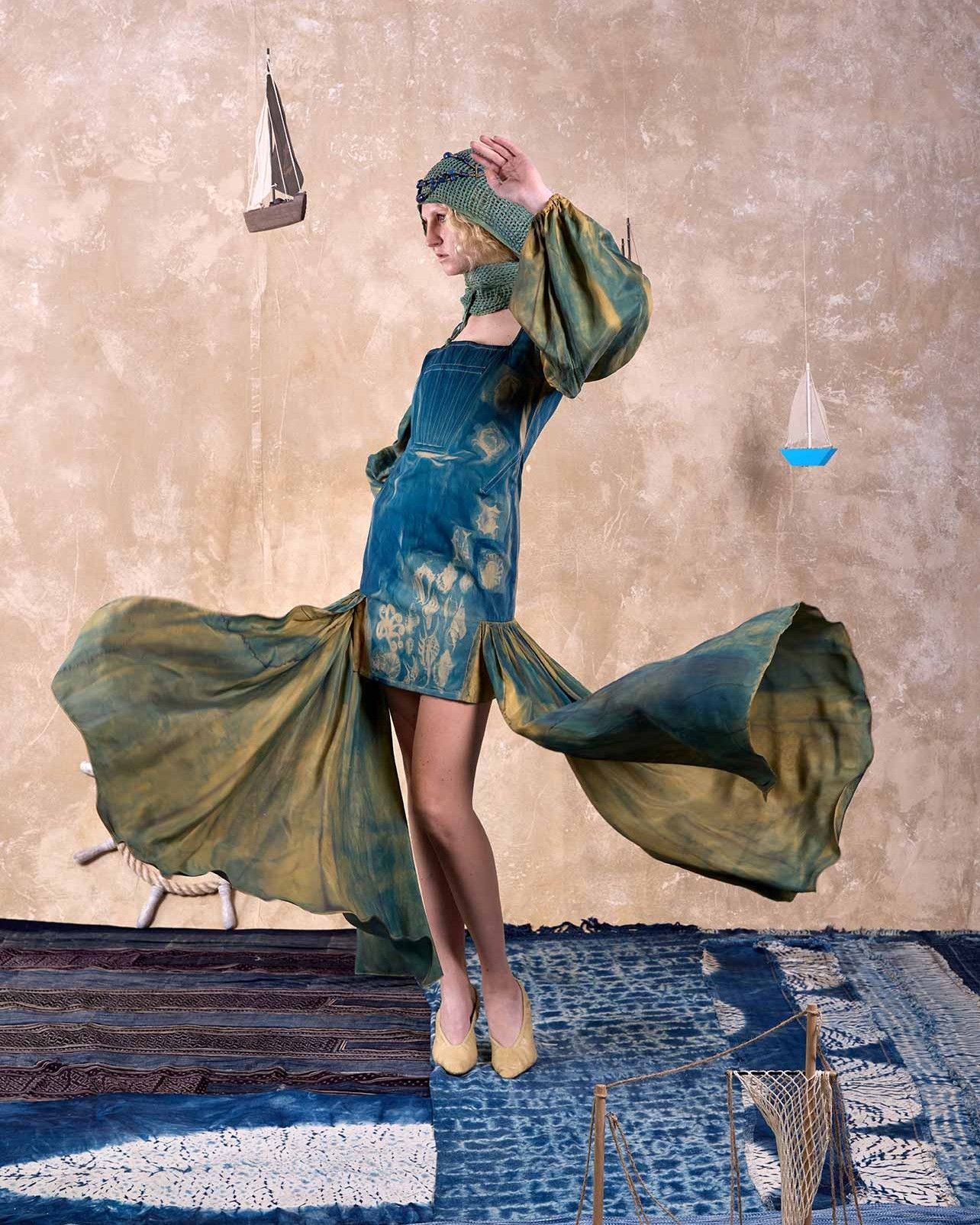
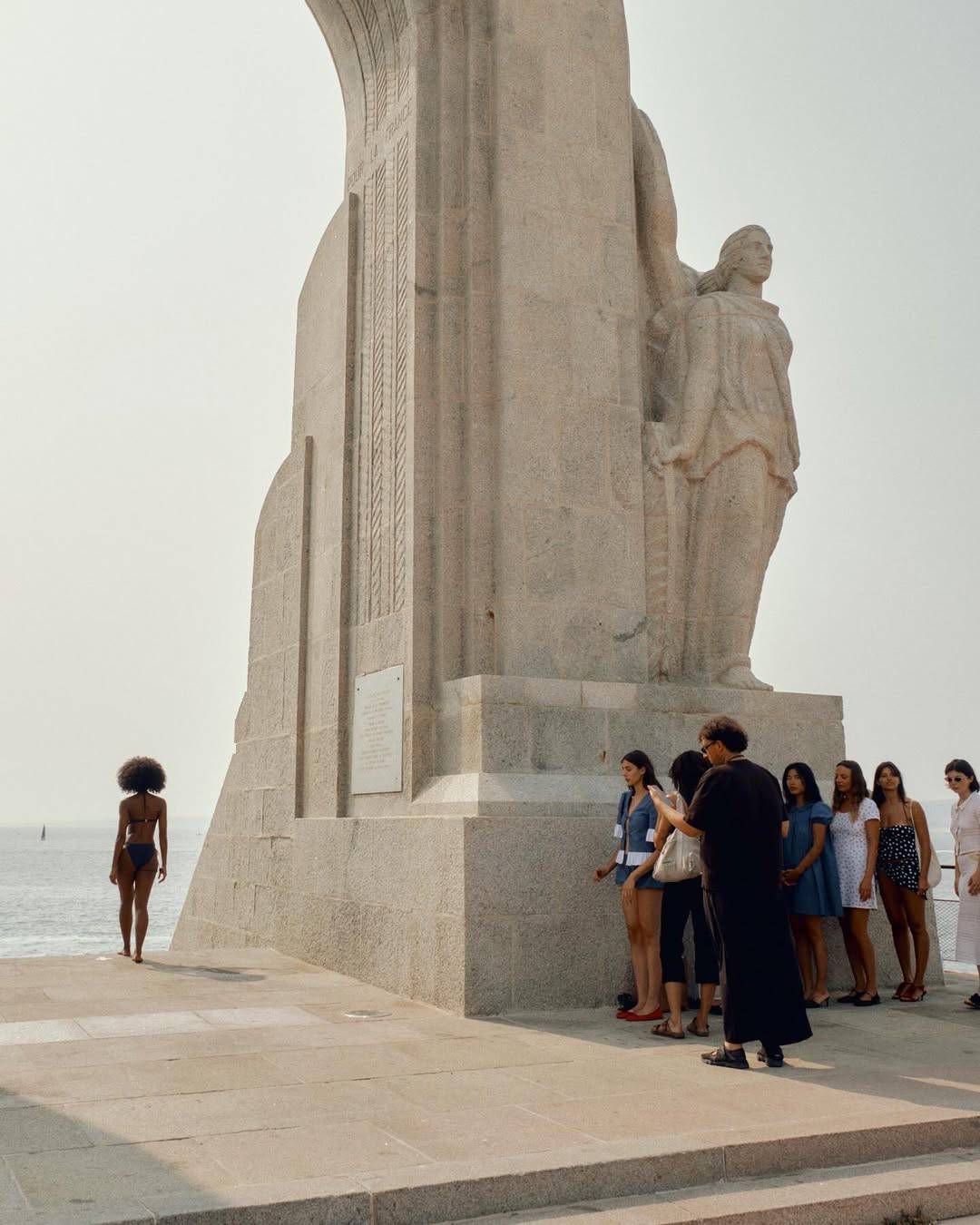
The Phocaean city definitely does things differently. While the grand circus of traditional fashion runs out of steam at the frantic pace of its collections, Marseille is taking the opposite approach. Launched on Saturday, June 5th, in the heart of the Jardins des Vestiges at the Musée d’Histoire, the second edition of Slow Fashion Week runs until June 13th.
Behind this committed eight-day marathon -which openly mocks the condensed five-day formats of the rigid Big Four (Paris, Milan, New York, London)- is Baga. This Marseille-based collective, boasting over a hundred members and driven 96% by women, has set itself a clear mission: democratize responsible fashion and break the social insularity of conventional runway shows. Here, there are no hand-picked invitation cards for VIPs in search of visibility, but rather shows open to the curious, interactive workshops, and talks led by industry professionals. More than just a fashion event, it is a political manifesto taking over spaces usually closed to the public to rethink our relationship with consumption.
The Media Paradox: Applauding from Afar Without Making the Trip
While Marseille’s Slow Fashion Week is gradually establishing itself as a credible alternative -much like the eco-responsible initiatives in Copenhagen or Berlin- it still bumps against Parisian centralism. Last year, the event nevertheless accumulated over 150 international press features, earning praise from prestigious titles like Elle and Vogue. Yet this year, on the ground, the seats reserved for the national press remain desperately empty.
Journalist Pascal K. Douglas, one of the few national editors to make the trip for Mixte magazine, points out this lack of consideration: sharing the initiative on social media from Paris is all well and good, but when it comes to coming down South to cover it, everyone disappears. This snobbery is all the more glaring given that the event enjoys flawless local political backing, with Marseille’s Mayor Benoît Payan making the city's most beautiful patrimonial gems available.
Faced with this reality, Pascal K. Douglas raises a crucial question: should we rethink the structure of calendars by creating two distinct Fashion Weeks? A potential path to separate industry blockbusters from young emerging designers, but one that seems utopian as long as decision-makers refuse to leave the Paris-Milan axis.
Marseille Brands to Watch Closely
Despite the silence of Parisian editorial offices, Marseille's creativity is making serious noise. Here is the proof through three distinct proposals.
Captcha
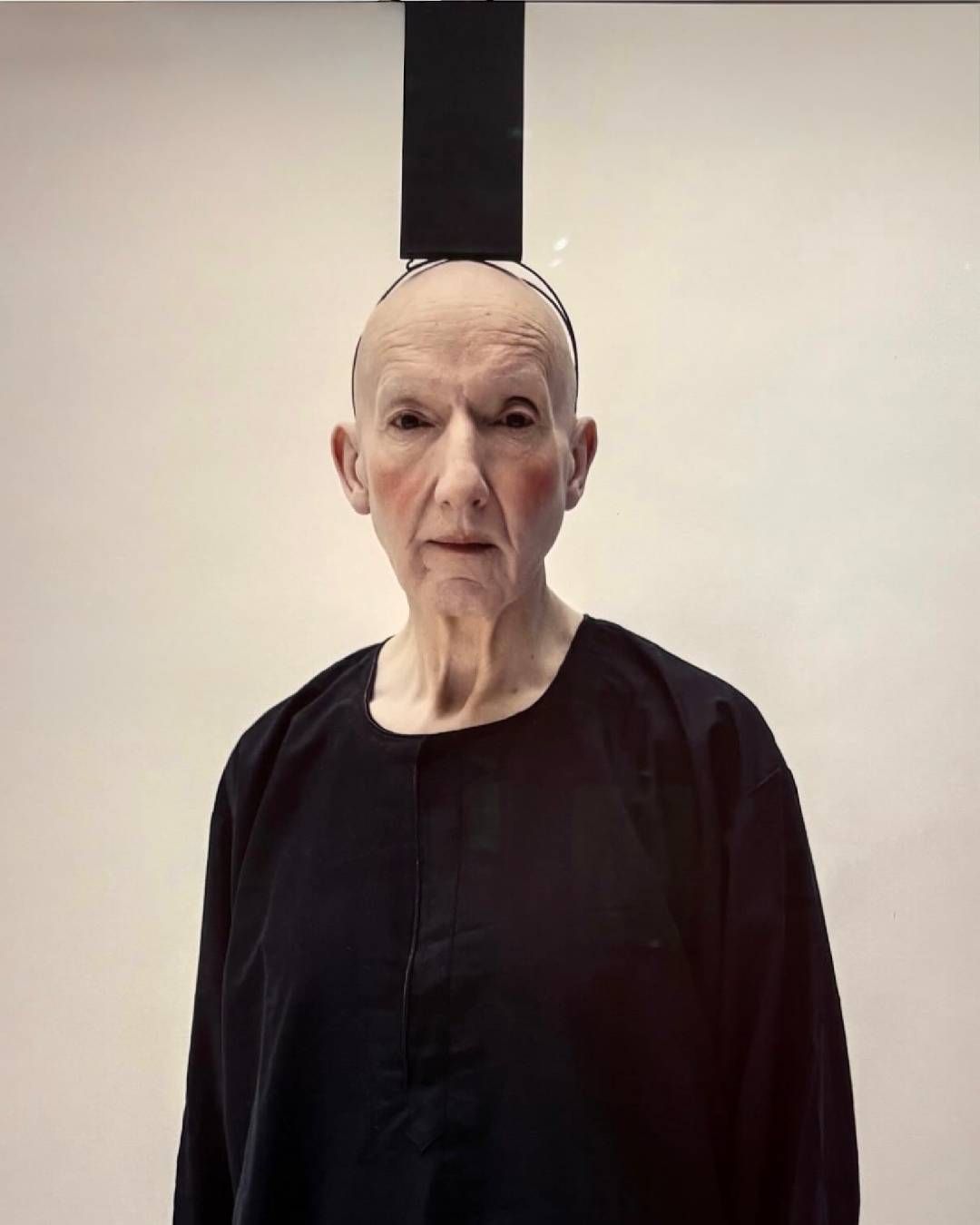
Founded by Charlotte Denner, the brand Captcha made a major impact at the Musée des Beaux-Arts. To present her collection titled "Cotyla", the designer imagined an all-encompassing experimental show with the air of a mystical procession. The silhouettes stood out through a fluid and mostly monochrome exploration, declined in black, grey, white, and blue-grey. The garments are structured around asymmetrical openings, exaggerated shoulders, and feather-adorned headpieces.
This raw, textured aesthetic is no coincidence: having spent time in Rick Owens' studios, Charlotte Denner infuses her creations with that same dramatic tension and taste for monumentalism. It is an obvious lineage that here dialogues with other sacred ghosts of fashion; one can detect the theatrical and visceral energy of Alexander McQueen, crossed with the poetry of a peak Ann Demeulemeester. To perfect this performance at the crossroads of clownish and dystopian, the beauty look proved particularly radical, pairing a futuristic silver makeup with teeth coated in black polish.
Salé x Studio Paillette
On Friday, June 12th, all eyes will turn to the highly anticipated collaboration between Salé, spearheaded by Lucie, and Studio Paillette, Léa’s committed clothing rental platform. Following a memorable runway show facing the sea on the shores of the Mucem last year, the duo is shifting into high gear. This year, the project surrounds itself with the cream of local talent, such as makeup artist Garance Murru, who recently created singer YOA’s glam look at We Love Green. The initiative also locks in major international partnerships, as giants like Puma and Le Temps des Cerises provided deadstock fabric to fuel the collection's creations. This is undeniable proof that Marseille's Slow Fashion Week is gaining credibility and knows how to bridge the gap between the underground and the industry.
Studio Lausié
To close this second edition on Saturday, June 13th, Studio Lausié will take the reins. As an alternative and engaged fashion school, the institution is preparing to showcase the work of a new generation of designers. A logical conclusion for a week that refuses to toe the line.
By refusing to align with the dictates of a breathless Parisian calendar, Marseille does not just offer an alternative: it lays the foundations for a necessary ethical dissidence. It remains to be seen whether the Parisian industry will eventually hop on the train, or if it will continue to watch, from afar and with polite condescension, as the South invents the fashion of tomorrow.
What to read next
Will the new EU regulations on unsold goods really help independent brands?
Yes, but there's a catch
5 things to expect at New York Fashion Week SS27 Women's
Will the Big Apple manage to surprise the fashion industry?
The much-needed return of fans in fashion
How these summer accessories are turning more and more high-tech