.gif 2000w)




























Paris and Milan Fashion Weeks Still Far from Inclusive Inclusivity is on everyone’s lips, but it is not on the runways
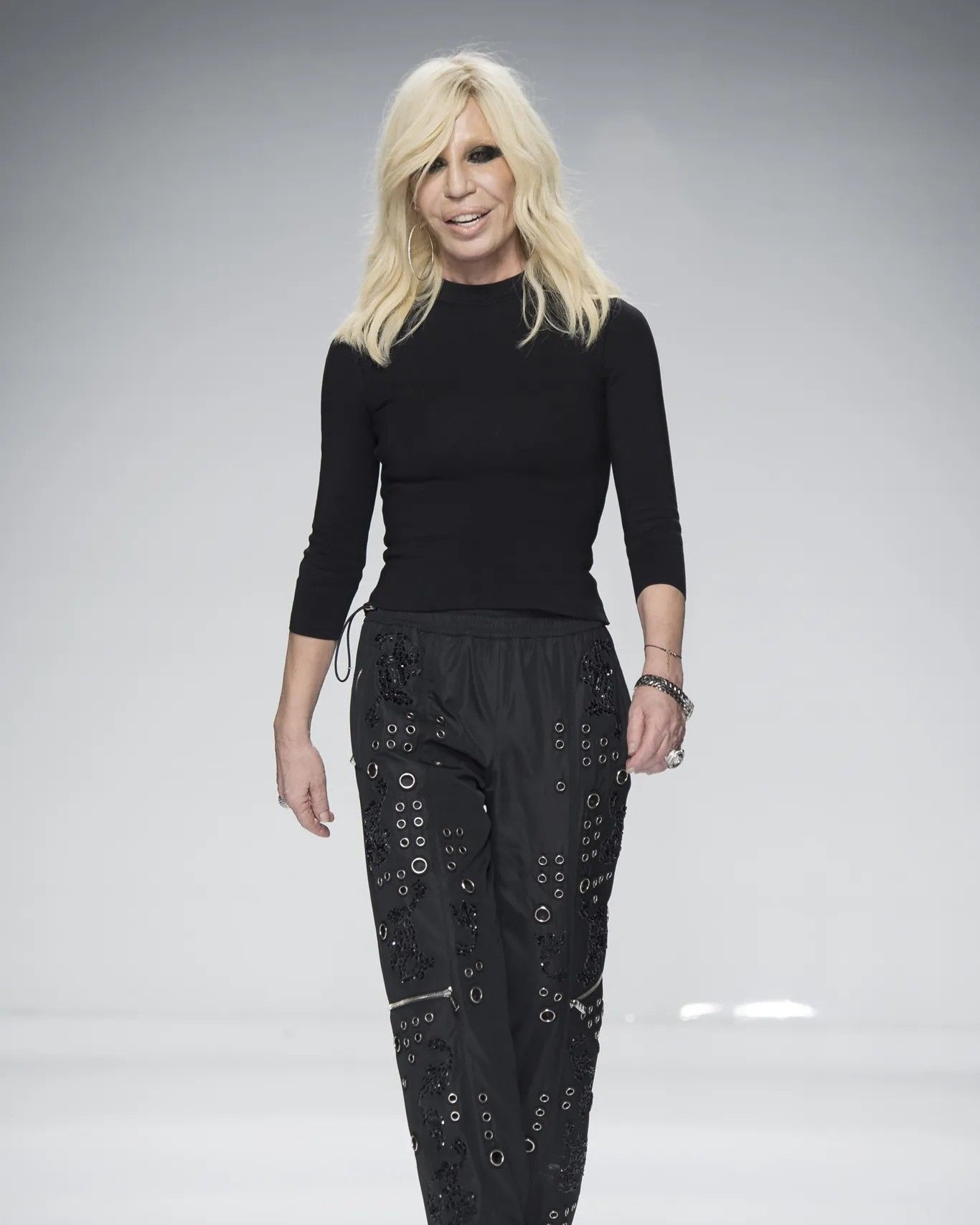
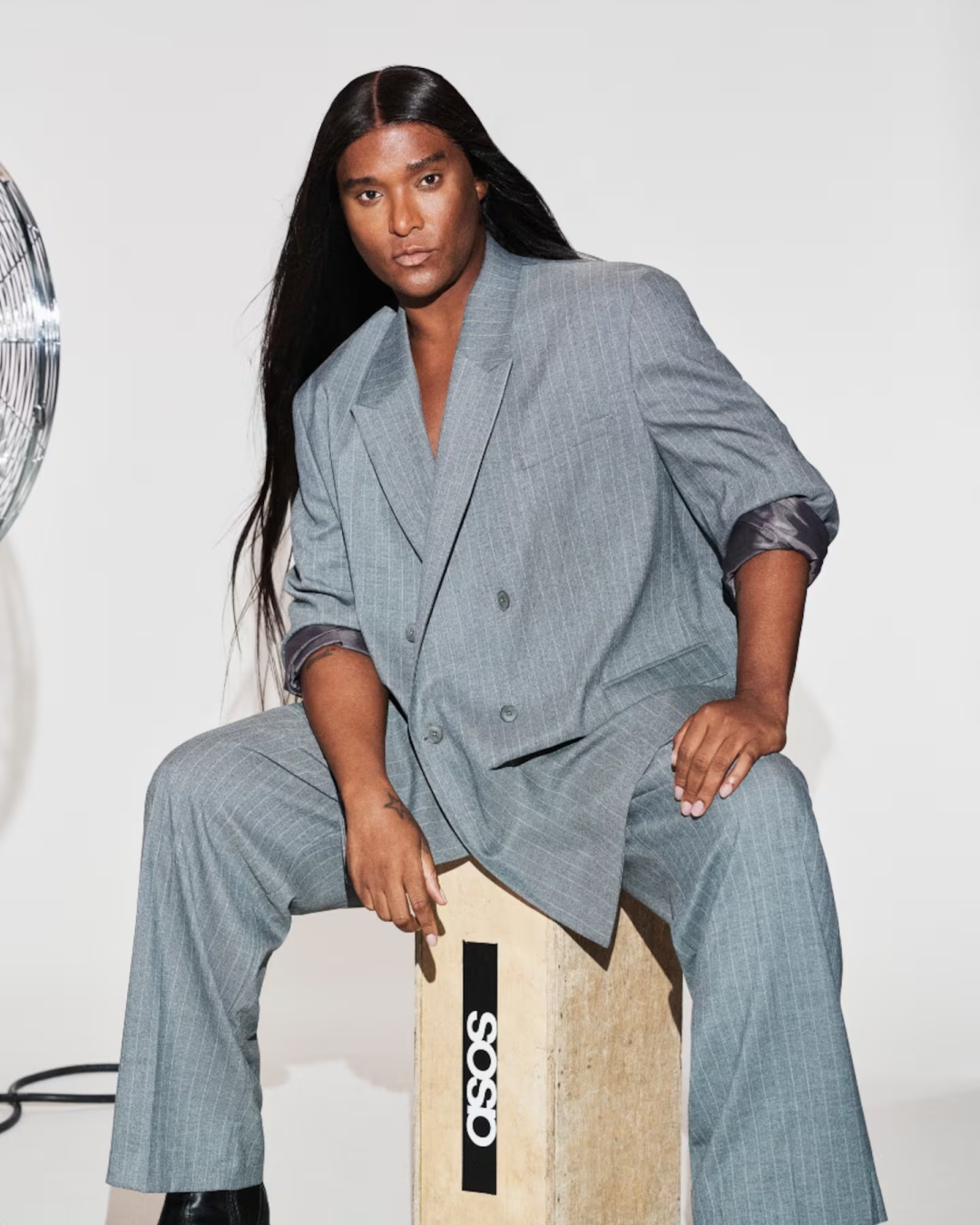
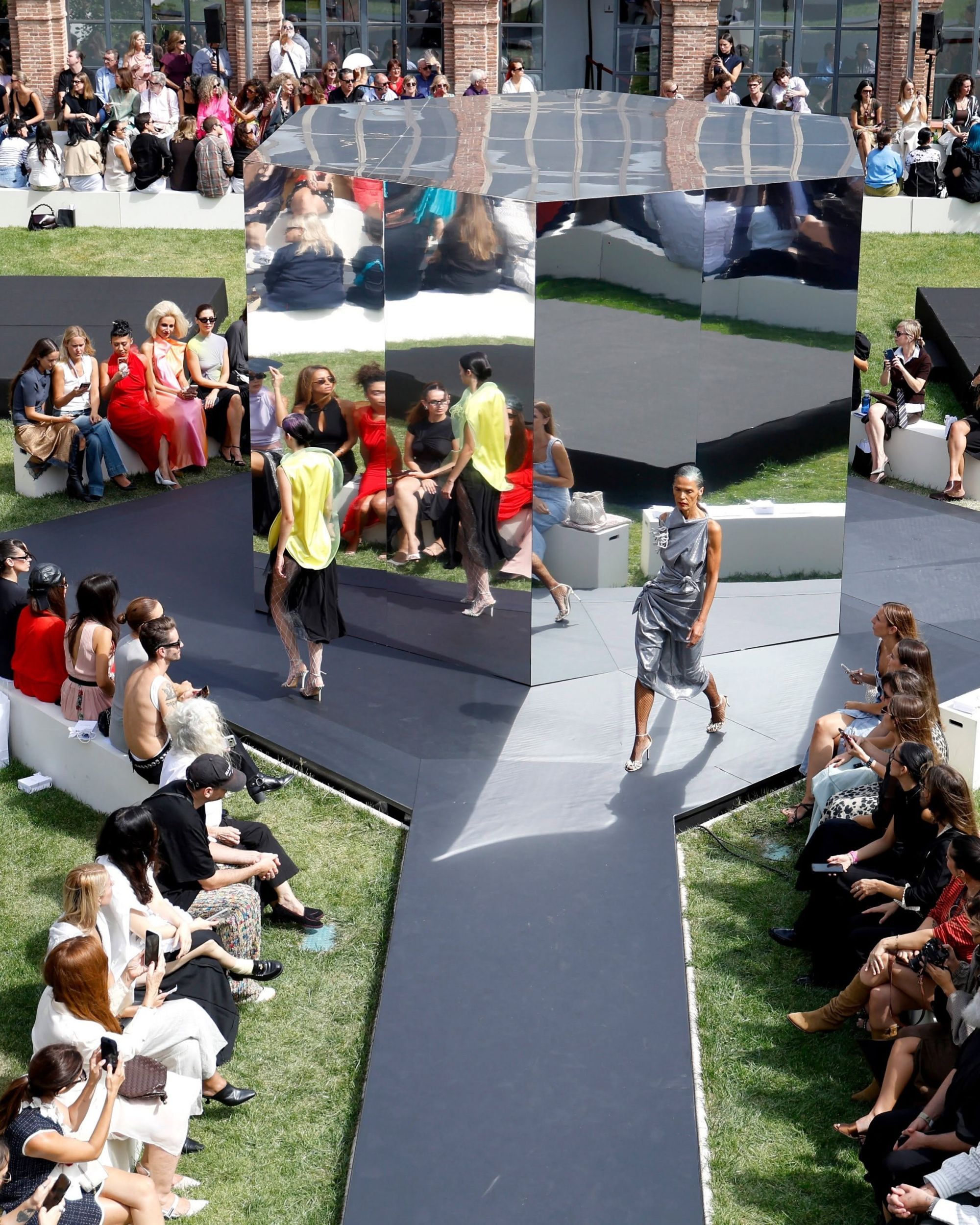
Paris and Milan Fashion Weeks continue to struggle to make inclusivity more than a buzzword. The term circulates in press releases and conversations alike, yet on the catwalks, it remains largely theoretical. In an article for the British media outlet Glamour, Felicity Hayward, inclusivity consultant and the driving force behind @includingthecurve, delivers a stark assessment. At Milan, the Fall-Winter 2026 Fashion Week featured only five plus-size models. A low number in itself, but even more striking compared to the previous season, which counted nine, marking a 44% drop. Out of 59 brands and designers, each averaging around 45 looks per show, this amounts to five appearances out of 2,655 looks-a presence that is almost symbolic, nearly anecdotal. Even more revealing, three of these five models were booked for a single show: that of Marco Rambaldi. This concentration highlights a structural imbalance: while some independent or emerging labels tackle inclusivity head-on, the major houses appear to look the other way. Milan has never been the most inclusive capital, yet this season confirms a form of stagnation, even regression. On social media, reactions oscillate between frustration and resignation: disappointed, but not surprised.
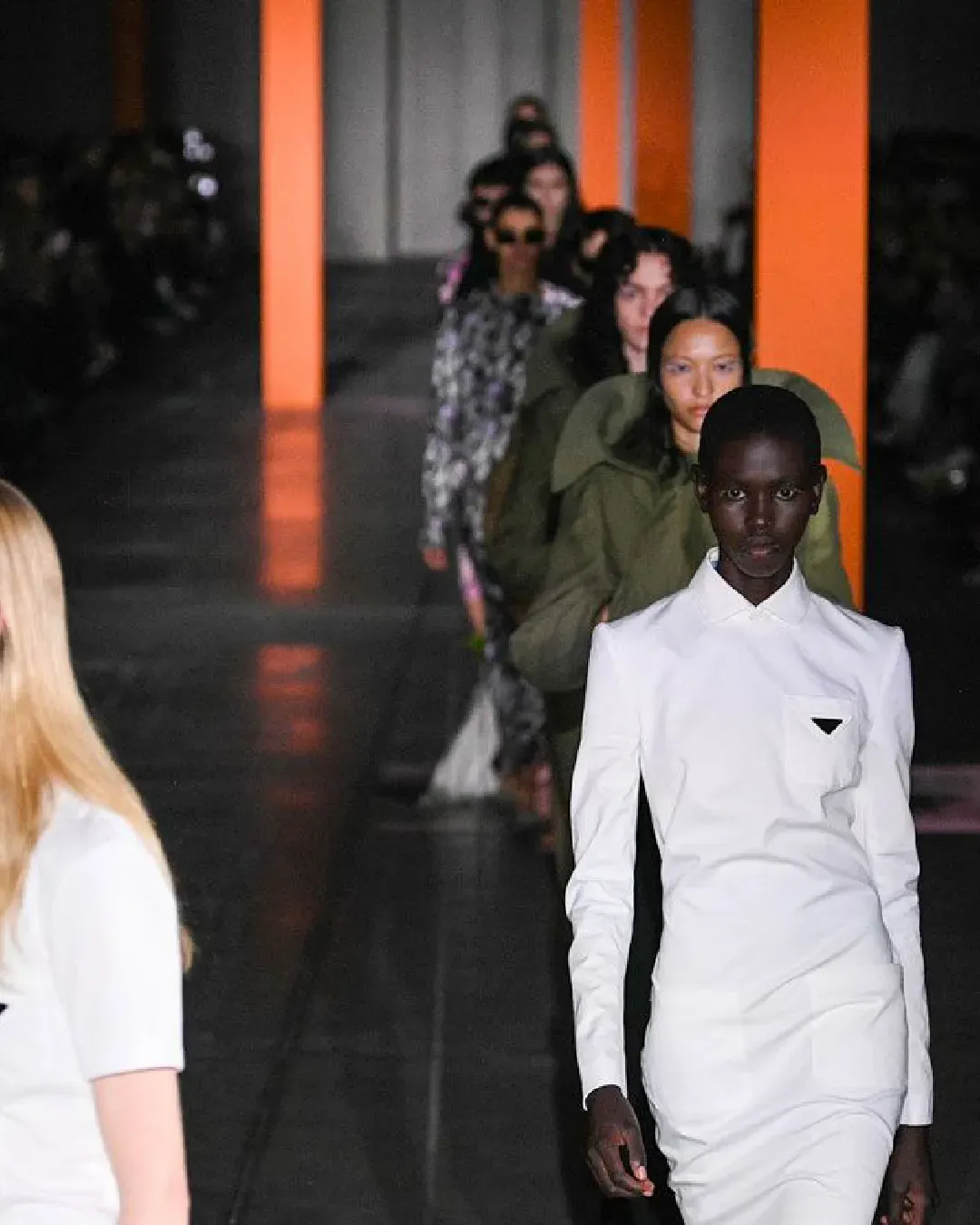
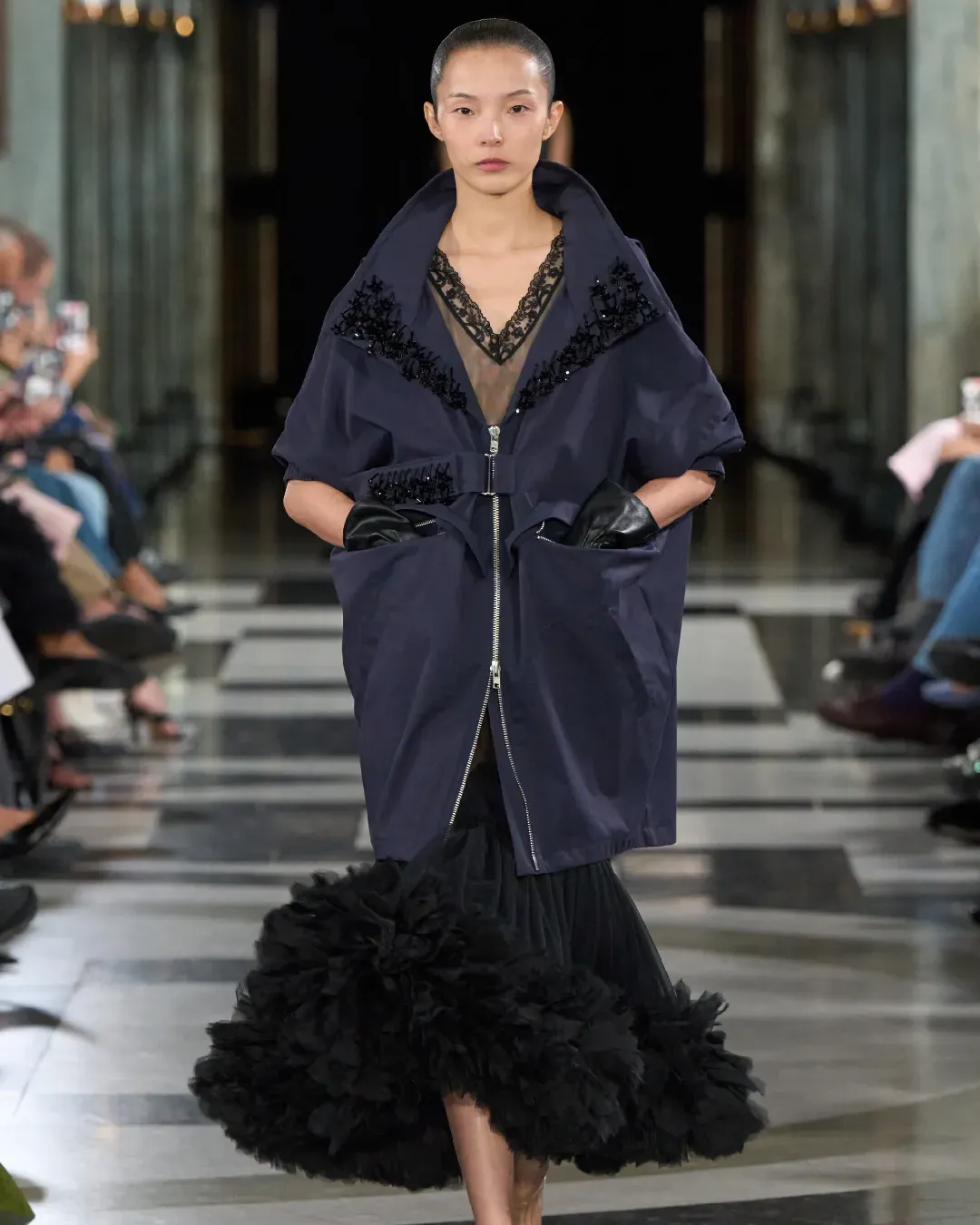
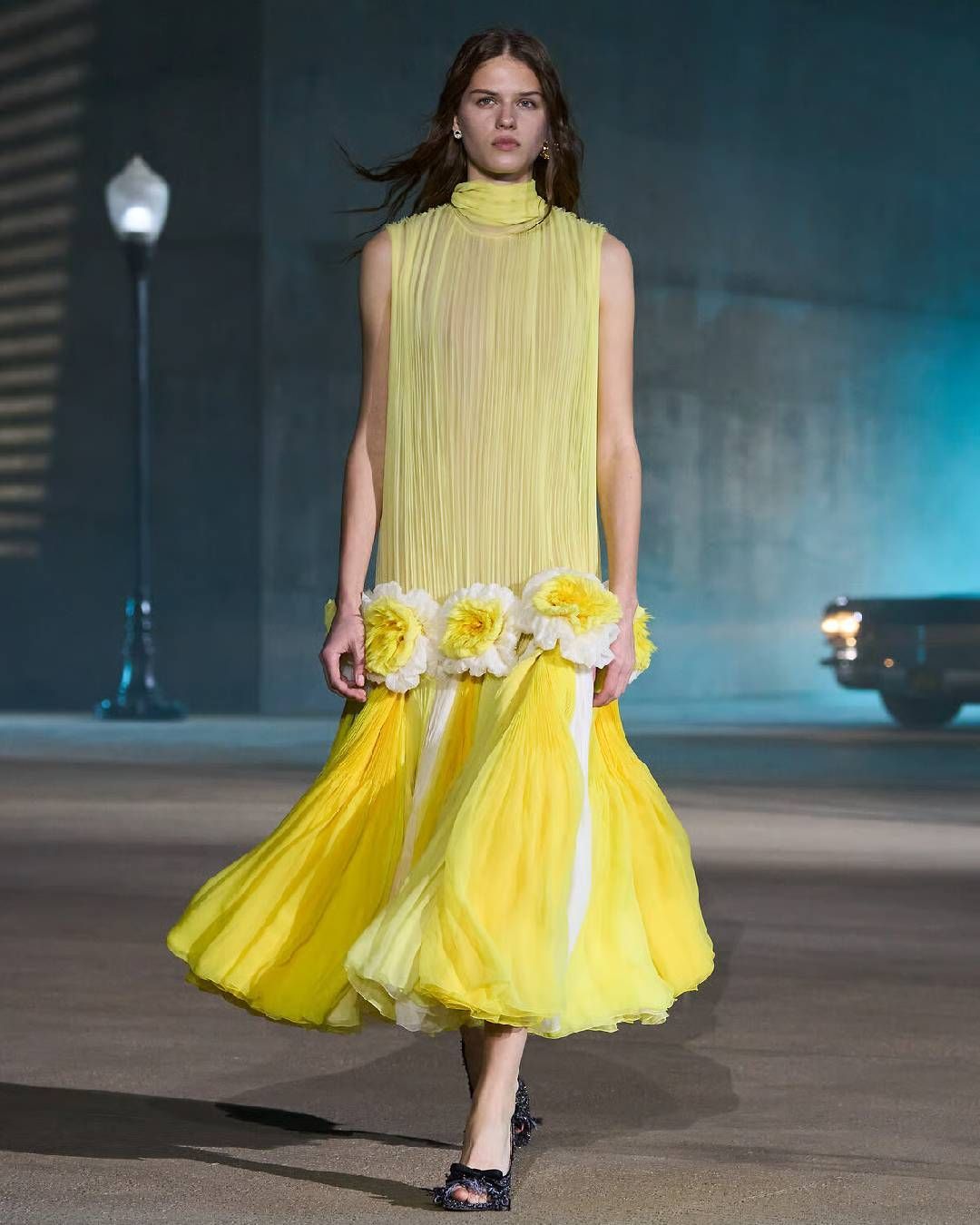
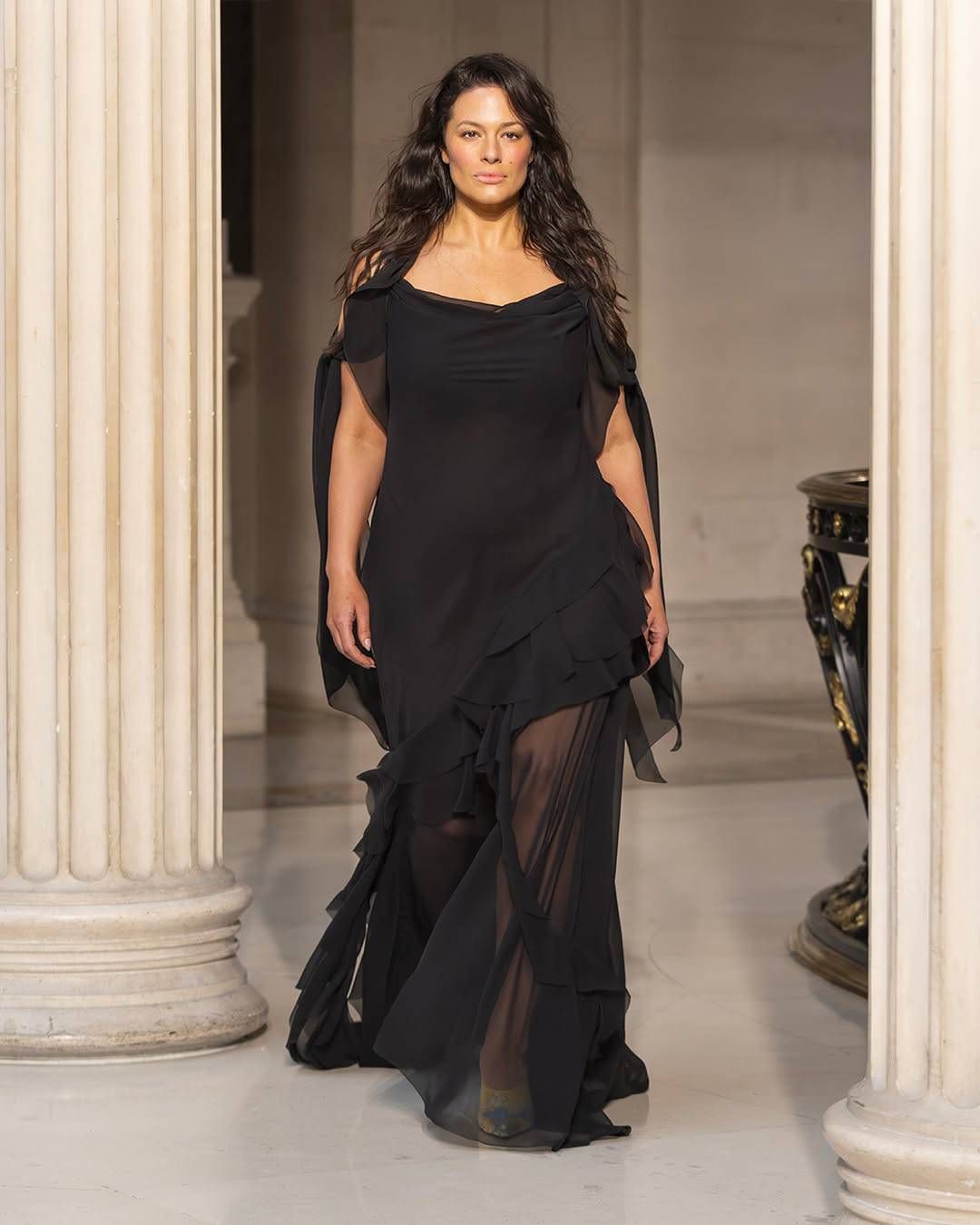
Paris fares little better. The French capital, often seen as more progressive on these issues, also shows a significant decline. Eighteen plus-size models were counted this season, down from twenty-nine the previous one-a nearly 38% drop. Relative to the total volume, this represents 18 looks out of roughly 4,500, once again a marginal presence, far from reflecting the diversity of bodies outside the fashion bubble. Under one of Felicity Hayward’s posts, a user bluntly summed up the trend of recent months: “Apparently skinny is in and real bodies are out.” A concise statement, but symptomatic of a shift perceptible over the past several months. Since last September, the shadow of the 1990s heroin chic has returned, in a context where the rise of medications such as Ozempic, diverted for their weight-loss effects, fuels a new obsession with thinness.
Many media outlets, both specialized and mainstream, have addressed the issue, directly pointing the finger at brands. Behind the discourse of openness, standards remain unchanged. Sizes 32, 34, 36-erected as the norm in fashion-actually correspond to a minority of people. According to the latest data from the French Textile and Clothing Institute published in October 2025, half of French women wear sizes 40–44, a third wear 46 or larger, and fewer than 20% wear 38 or below. The gap between reality and representation has perhaps never been so stark.
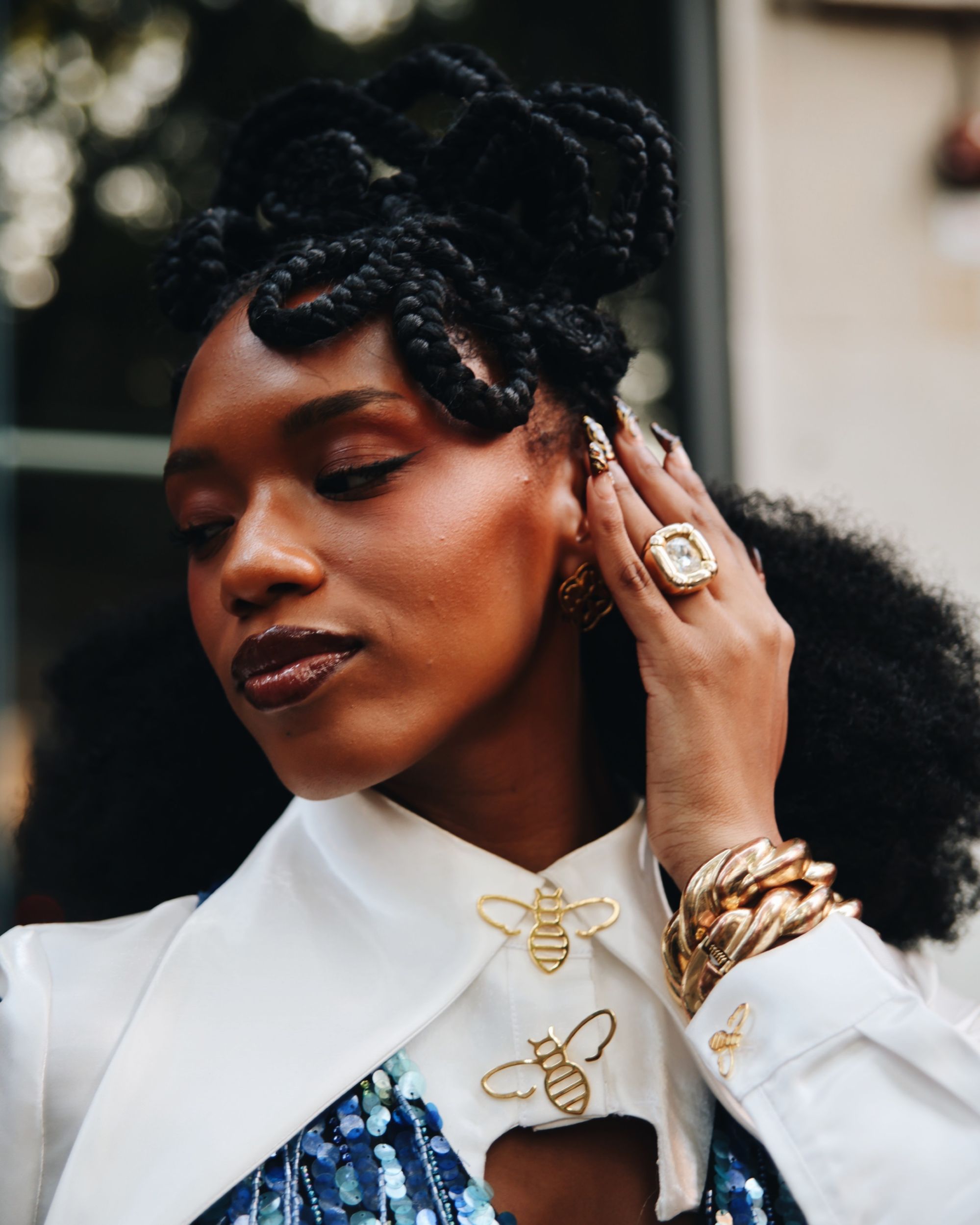
This question of size intersects with another aspect of inclusivity. The bodies celebrated on runways remain predominantly tall, extremely thin, and white. While women are on the front lines of these dictates, men are not spared from invisibility: plus-size male models are entirely absent from castings. This persistent choice raises questions. It reveals fashion’s desire to remain distant from reality, preserving a form of exclusivity. Far from being a simple lag, this lack of inclusivity helps maintain a closed system, where elitism continues to be measured by thinness. The thin body remains a form of capital, a passport to exist in fashion.
Yet a new generation of designers is attempting to carve cracks in this rigid framework. Without opportunistically riding a body-positive wave, some independent labels are exploring alternative possibilities. Jeanne Friot, Victor Weinsanto, and several students at the Institut Français de la Mode are casting more diverse models, treating it as self-evident rather than a marketing point. Whether these still peripheral initiatives will penetrate the still-insular world of fashion remains to be seen. For now, on the runways of Paris and Milan, inclusivity remains less a reality than a promise perpetually deferred.