






























Shein is now offering its supply chain as a service Now other brands can also use Chinese fast fashion production
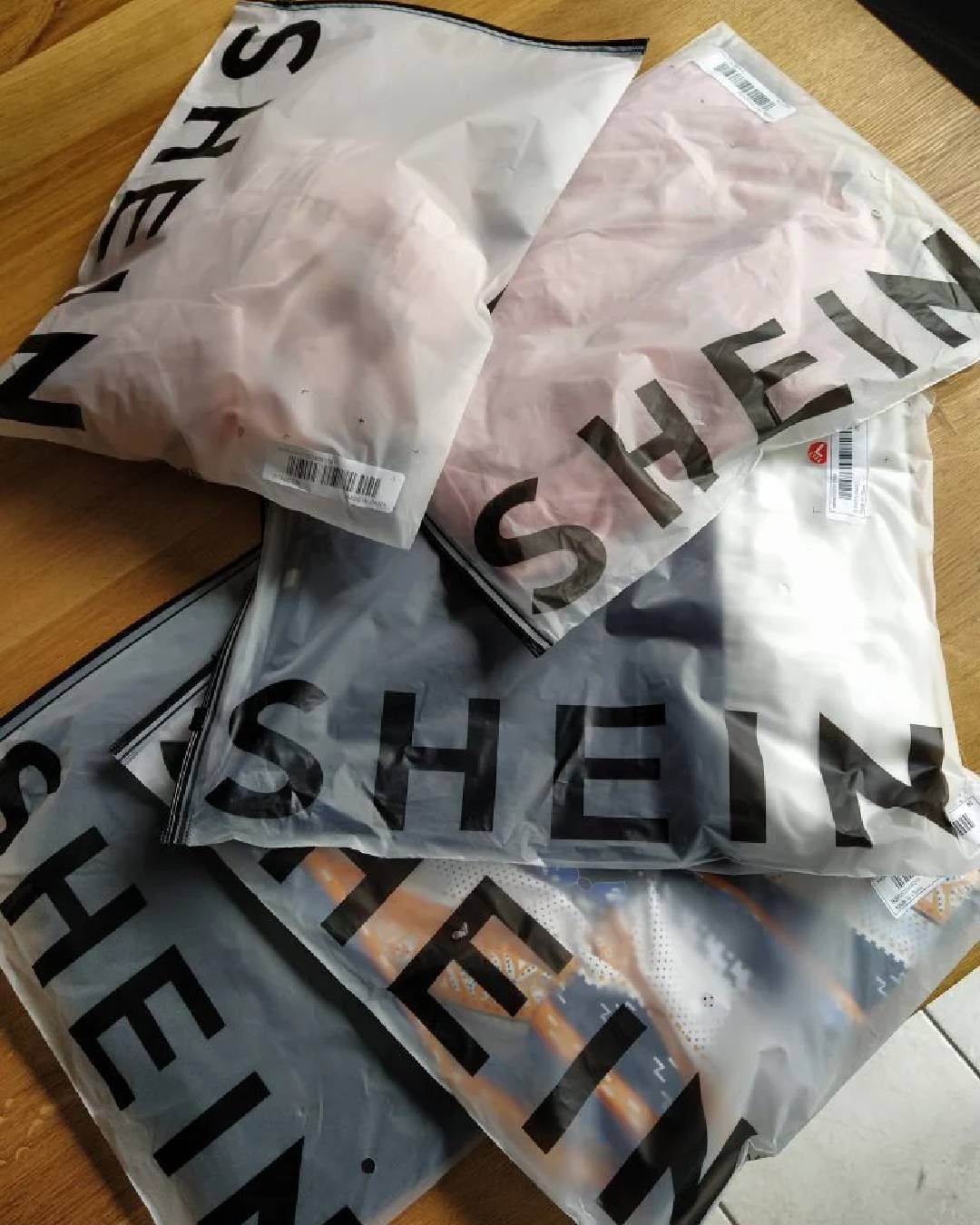
To counter the consequences of tariffs, Shein has decided to offer its manufacturing services to external brands as well. According to Bloomberg, the new operation started in August, with the fast fashion giant beginning to propose the use of its supply chain to other brands. Shein promises to deliver new designs within 5 to 7 days, provided that clients open a digital store on its Chinese marketplace.
It’s not just about manufacturing, however. Shein’s services also extend to design consulting, warehousing, and assistance with sales, all at an ultra-competitive price for today’s market. After nearly two years of preparation and testing, the initiative was formalized with the launch of the Xcelerator program, which already counts around twenty participating brands. Among them are the French label Pimkie and Filipino designer Jian Lasala. According to Bloomberg, the manufacturing network built in southern China currently represents Shein’s only competitive advantage, with an infrastructure that is difficult to replicate and potentially capable of sustaining growth even in an increasingly uncertain trade environment.
Will Xcelerator be enough to save Shein from tariffs?
Shein opening its secret fashion lab to other brands? Next up: “Fast fashion as a service”... with complimentary chaos in your supply chain!
— Arnav Sharma (@arnav_sharma) September 18, 2025
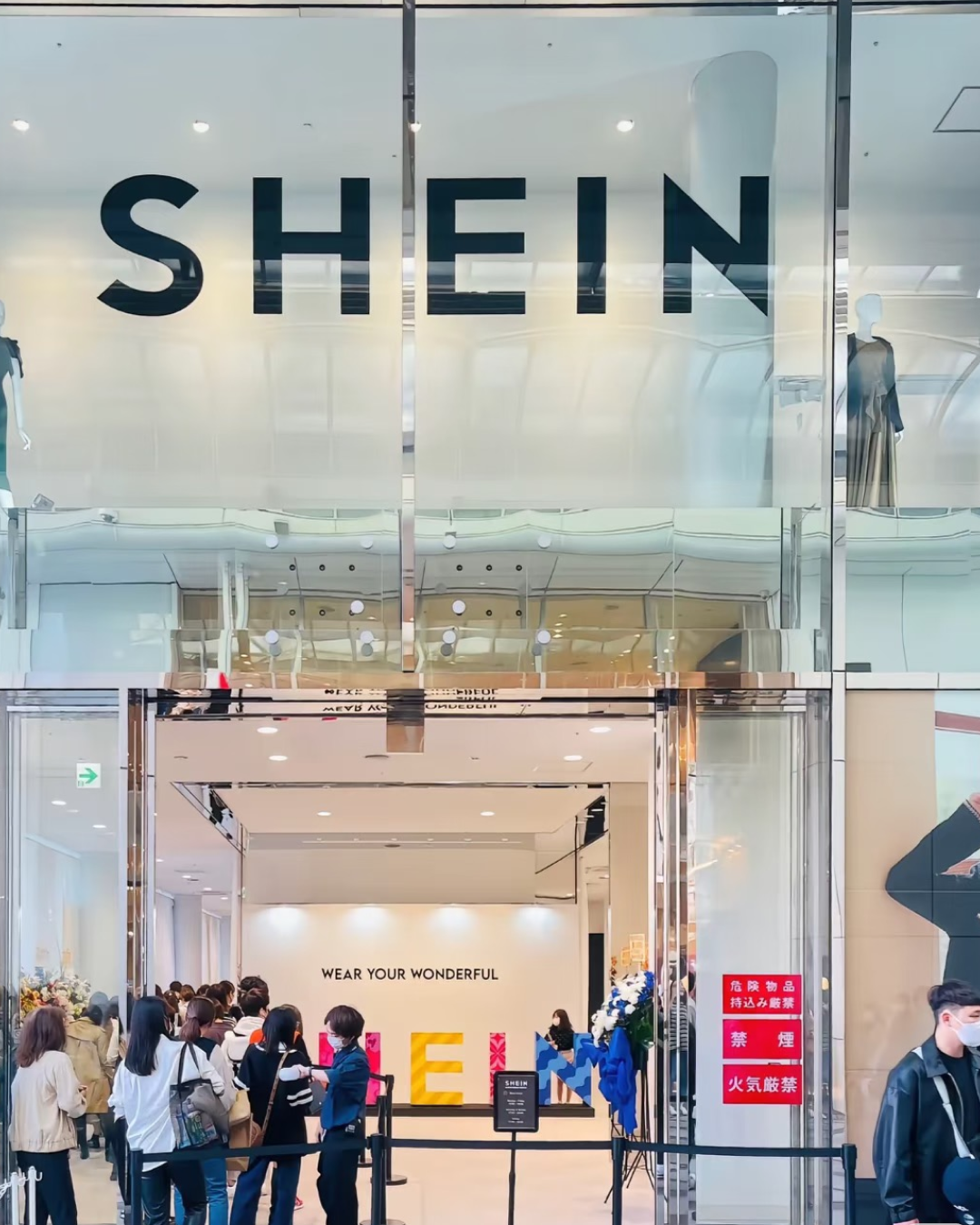
The move represents a significant strategic advancement for Shein, as it transforms its supplier relationships into a service that can be resold to other brands. A model that aims to generate a parallel source of growth, while direct sales begin to slow down in the United States after the removal of tax exemptions on shipments from China. Yet, even if this new modus operandi may work, it also highlights what appears to be one of the most critical moments not only for Shein but for the entire global low-cost system.
The recent PR crisis, triggered by the release of an ad featuring an AI-generated model resembling Luigi Mangione, was just the latest in a long series of negative headlines for the marketplace. Already in the summer, Shein had received warnings from Beijing’s central government regarding the relocation of production to other countries, a request that came only a few days before Donald Trump announced new tariffs on China. In response, the company reportedly halted inspections it was conducting with suppliers in Vietnam and other parts of Southeast Asia.
During the same period, Shein was also fined one million euros by the Italian Antitrust Authority for unfair practices and misleading advertising related to environmental sustainability. In a market where its main competitor, Temu, has already suffered heavy losses since the beginning of the trade war between China and the US, the question remains: will opening up one of the world’s most controversial manufacturing chains truly save Shein, or will it only expose it to new scandals?