














Is a brand worth more than its creative director? Hedi Slimane's social media message to Celine executives gives pause for thought
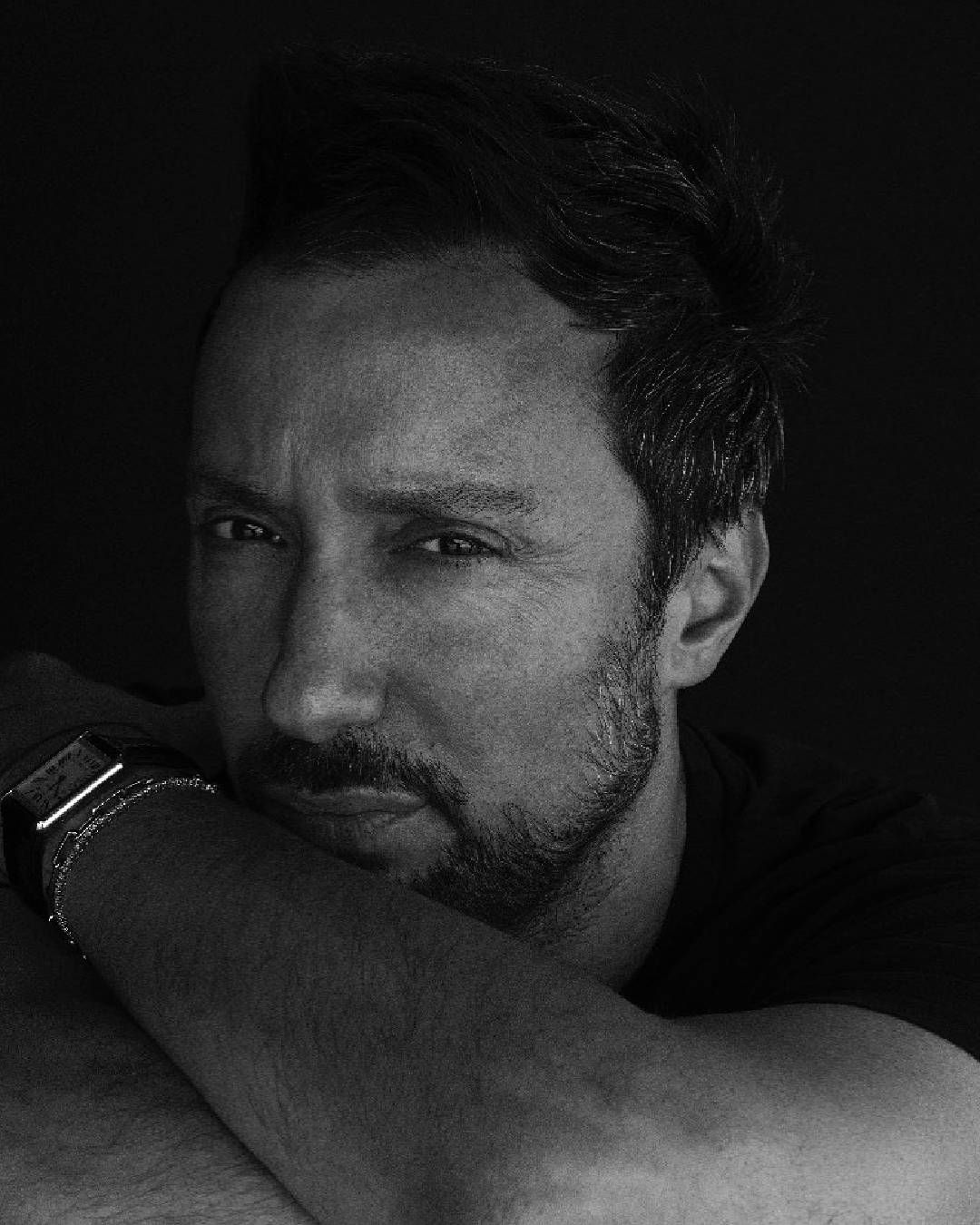
Last Saturday, Hedi Slimane broke his strict silence to post this message on the stories of his personal account, which began as follows: «I left Maison Céline in October 2024. I have been convinced for some time — and I am already happy about it — that Maison Céline will reinvent itself with great style, both in its advertising campaigns and its institutional image, creating a unique and independent photographic universe, ready for a truly promising new chapter». The message continued by hoping that the brand would find a new direction «with a spirit of free and innovative creativity, without clinging to the past, to others’ borrowings, or to an insistent echo of my photographic style». A message between the lines where the designer urges the brand to cut ties with the last seven years of its history. And given that a renewal must take place, is it right for a brand to completely change with the arrival of a new creative director?
Hedi Slimane and the Identity of Celine
When Slimane arrived at Celine in 2018, he granted a rare interview to Le Figaro, later reported by BoF, where, predictably, he was asked what would become of Phoebe Philo’s Celine upon his arrival. «One does not join a fashion house to imitate the work of one’s predecessors», he said. «Even less to appropriate the essence of their work, their codes, and the elements of their language. The goal is not even to go in the opposite direction of their work. That would be a misinterpretation». For the designer, it is necessary to «preserve the integrity of each» and «honestly and discerningly recognize what belongs to someone else. It also means starting a new chapter. One arrives with a story, a culture, a personal language that differ from those of the house. One must be oneself, against all expectations».
Hedi Slimane with a message for Celine: essentially move on, stop referencing me, and good luck finding a new photographic identity pic.twitter.com/QsLGZCDYl4
— Louis Pisano (@LouisPisano) September 7, 2025
Upon arriving at Celine in 2018, Slimane reshaped the brand’s identity in his own image, erasing every trace (though not every memory) of Phoebe Philo’s era and signing every single aspect of campaigns, shows, and runway presentations, even on social media, where the phrase "By Hedi Slimane" was prominently displayed. This centralized approach created friction with management toward the end but simultaneously transformed Celine into a mega-brand with a turnover exceeding two billion euros. Slimane’s “job” was to reposition Celine as a producer of high-quality menswear and womenswear, moving it away from the niche womenswear of Phoebe Philo and expanding it commercially with “classic” pieces of broad commercial appeal, while equipping it with a new visual identity. And so it was done: should the brand now renounce seven years of identity-building in one fell swoop?
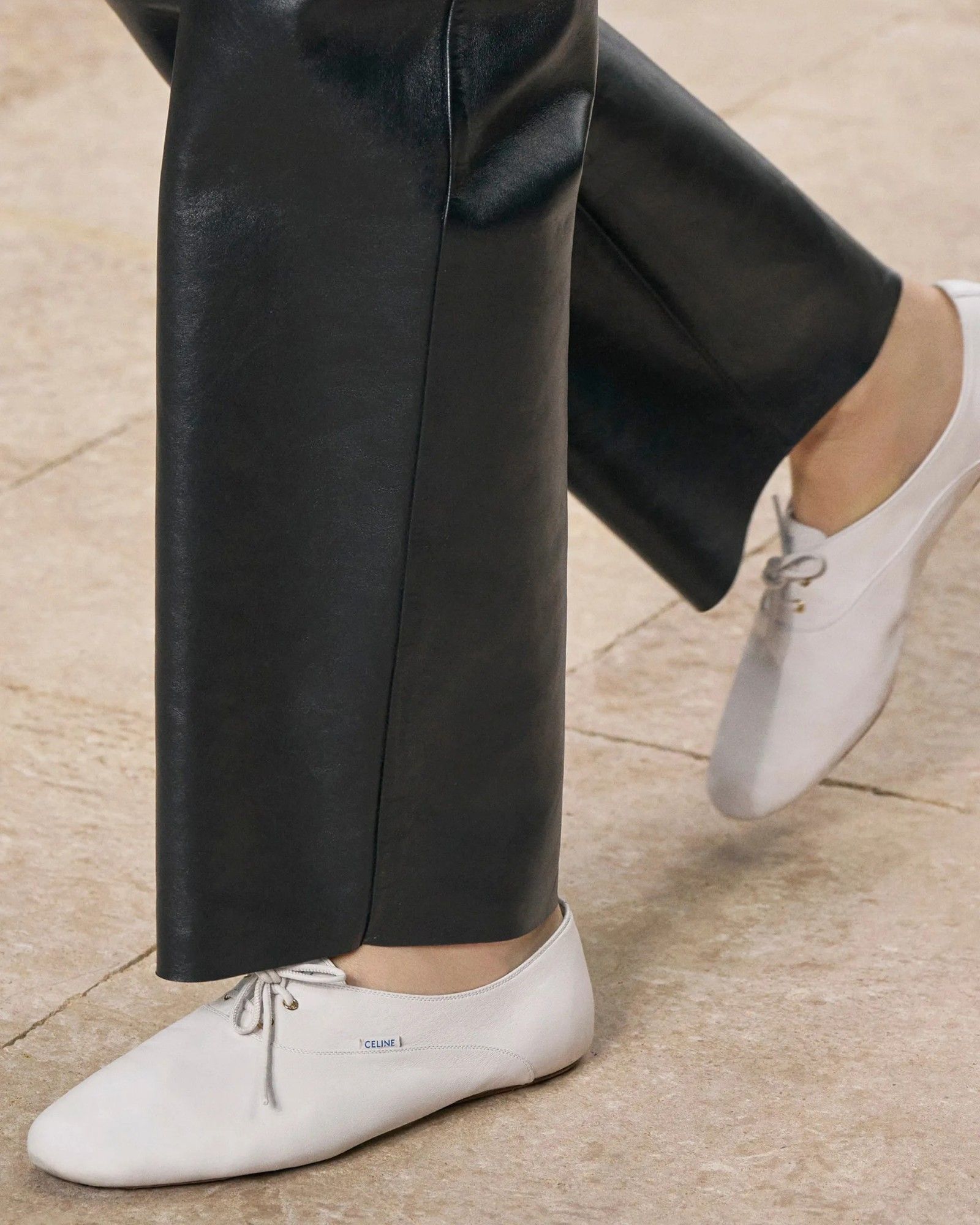
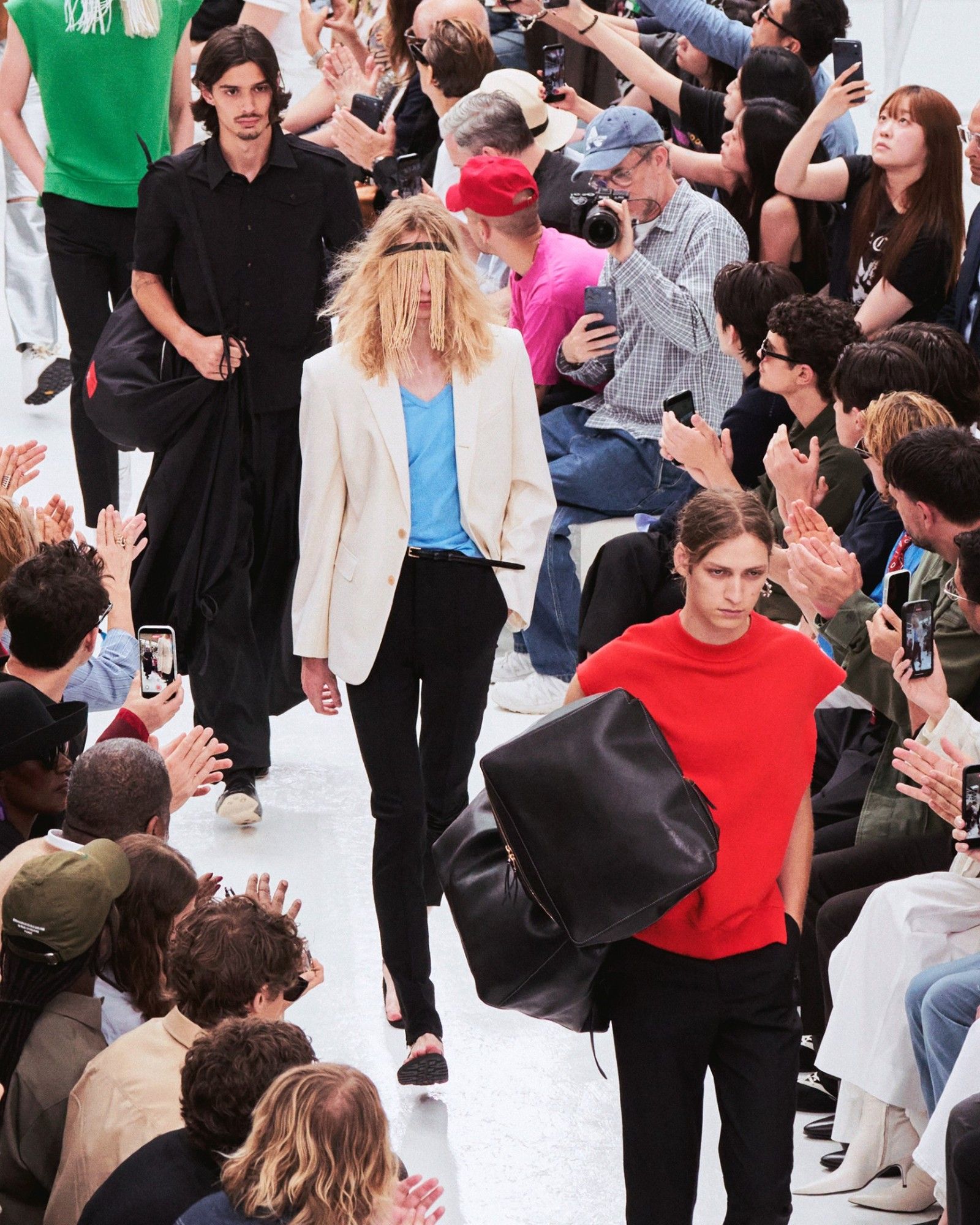
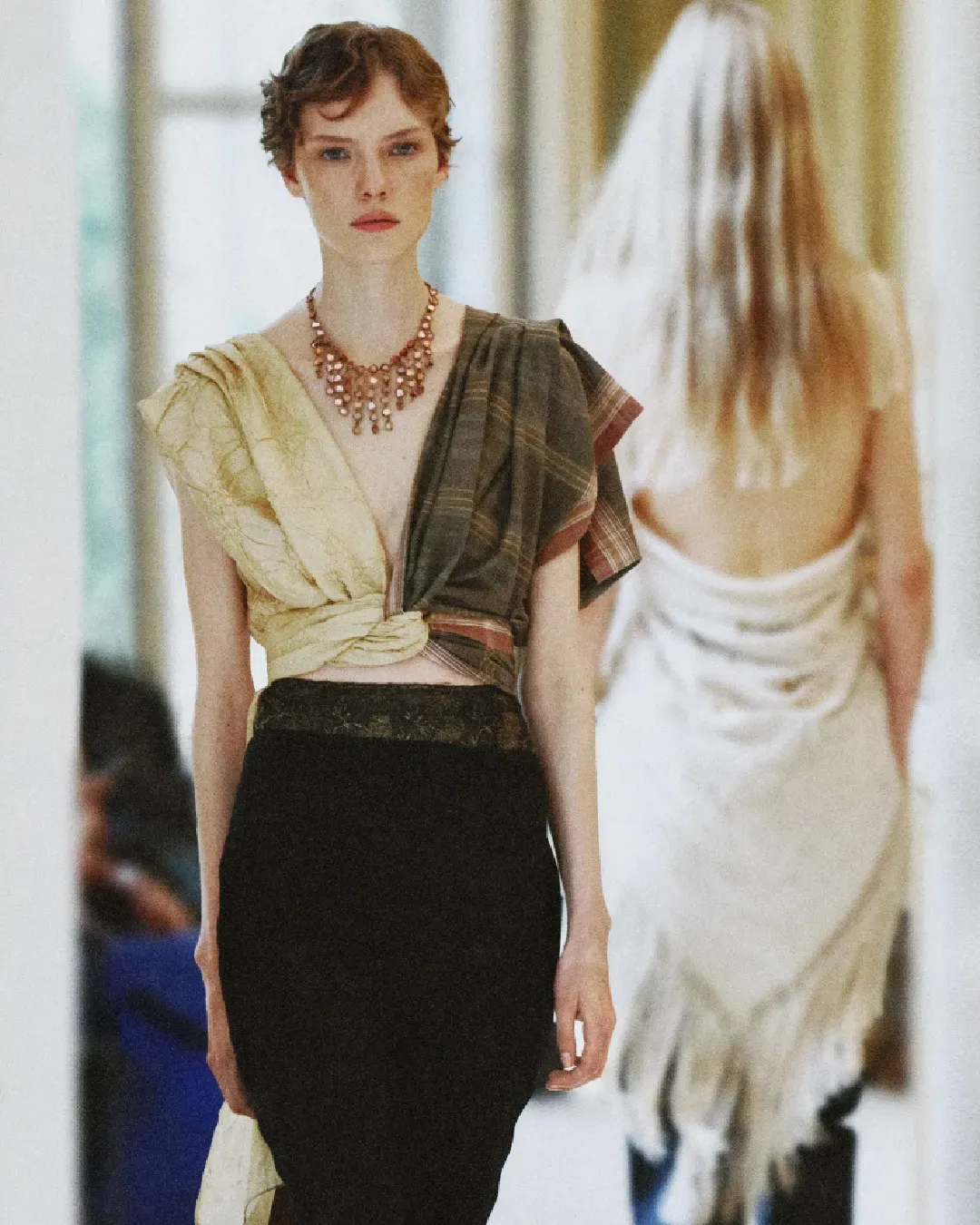
Yet, there is no concept of a brand without a sense of continuity. No one can deny that Slimane has his own style, but we wouldn’t say that with his debut show Michael Rider imitated him in any way, perhaps only vaguely referencing him. It would still be necessary to keep in mind that a brand’s identity and heritage remain something cumulative, regardless of the differences between creative directors. Moreover, the recent campaigns published by Celine, which Slimane seems to indicate as copies of his style, serve to present the FW25 collection, which was designed by him. The post-show photography style for the SS26 collection by Ryder is already quite different – it’s only logical that the last collection of the previous era be presented in a manner consistent with the past.
Does the Creative Director Outweigh the Brand?
As we mentioned above, it is unrealistic to expect a brand to completely erase seven years of visual identity in the name of creative independence. On the contrary, Slimane’s true contribution was the commercial offering, with lifestyle-branded accessories (from a Pilates reformer to surfboards and motorcycle helmets, dog beds, lipsticks, beauty products, and even bespoke crocodile handbags) but perhaps the all-black-and-white campaigns, the images, and even the casting favored by Slimane were the only things the management wanted to change besides abandoning physical runway shows. According to @trussarchive, for instance, upon leaving, Slimane may take ownership of certain perfumes and, according to unconfirmed rumors, even pieces of the archive from his seven years. Are we sure this is right? Creative independence must exist, but always within the framework of work done for the brand that will continue even after a certain creative director has left, leaving something behind.
Slimane’s message, though tied to the visual and creative aspect of Celine, seems to demand that the brand renounce the progress he himself brought to a company that had paid him to do so. It is obvious that the company strives not to overhaul an entire visual identity and narrative that represents the brand’s evolution. What Slimane has done is history and, therefore, belongs to everyone, aside from intellectual property issues like photographs. What strikes secondarily in the designer’s message is the emergence of another concept: are designers the new brands? When spending their (ever-decreasing) money, do luxury clients invest in a certain creative or in a brand? We don’t really know – but the feeling is that a large part of luxury clients rely more on social media and general brand perception than, say, on a nss guide to creative director changes. Cult followers are, almost by definition, always a minority compared to the rest.
New Designer, Total Change
In the past, changes in creative direction were neither so frequent nor so publicized. Gucci and Louis Vuitton became colossi without a single change for entire decades. When a change occurred, the new creative director was an interpreter, not a rewriter, of the brand’s identity. Today, the mentality of “eras” within a brand creates ambiguous expectations: on one hand, renewal is anticipated; on the other, continuity is desired – yet no one seems able to pinpoint the core identity of a brand, which is often recognized only by what it is not. Yet the historicity of great brands stems precisely from their ability to withstand the test of time, from the continuity of their offering, and from the cumulative contribution of creatives who update and adjust its trajectory over decades. When Galliano left Dior, the brand did not stop selling the Saddle Bag; nor did Bottega Veneta abandon the brand identity of Daniel Lee’s era overnight, instead maintaining it in packaging and other small details; just as Louis Vuitton did not cease selling the LV Trainer by Virgil Abloh, nor did it erase the general course he set for menswear.
Perhaps the trust issues that the luxury public harbors toward fashion brands stem precisely from this constant discontinuity, this effort to distance one creative director from another right from the start, promoting the mentality that the individual creative director is a brand in themselves. A dangerous cult of personality: on one hand, it pushes creative directors to become unidimensional, fixating on a single, rigid vision; on the other, it turns the brand into an increasingly fragile and bland shell for ever-changing designers, a negligible vehicle whose value is reduced to that of its driver. This makes sense but represents an obliteration of the commonly understood concept of a “brand,” transforming it into a mere interchangeable platform, devoid of a lasting and authentic identity, leaving consumers disoriented in the face of a luxury that seems more like a temporary reflection of an individual than a collective heritage.