



























The debut of Michael Rider's new “old” Celine The new creative director has recreated, more than a language, an attitude
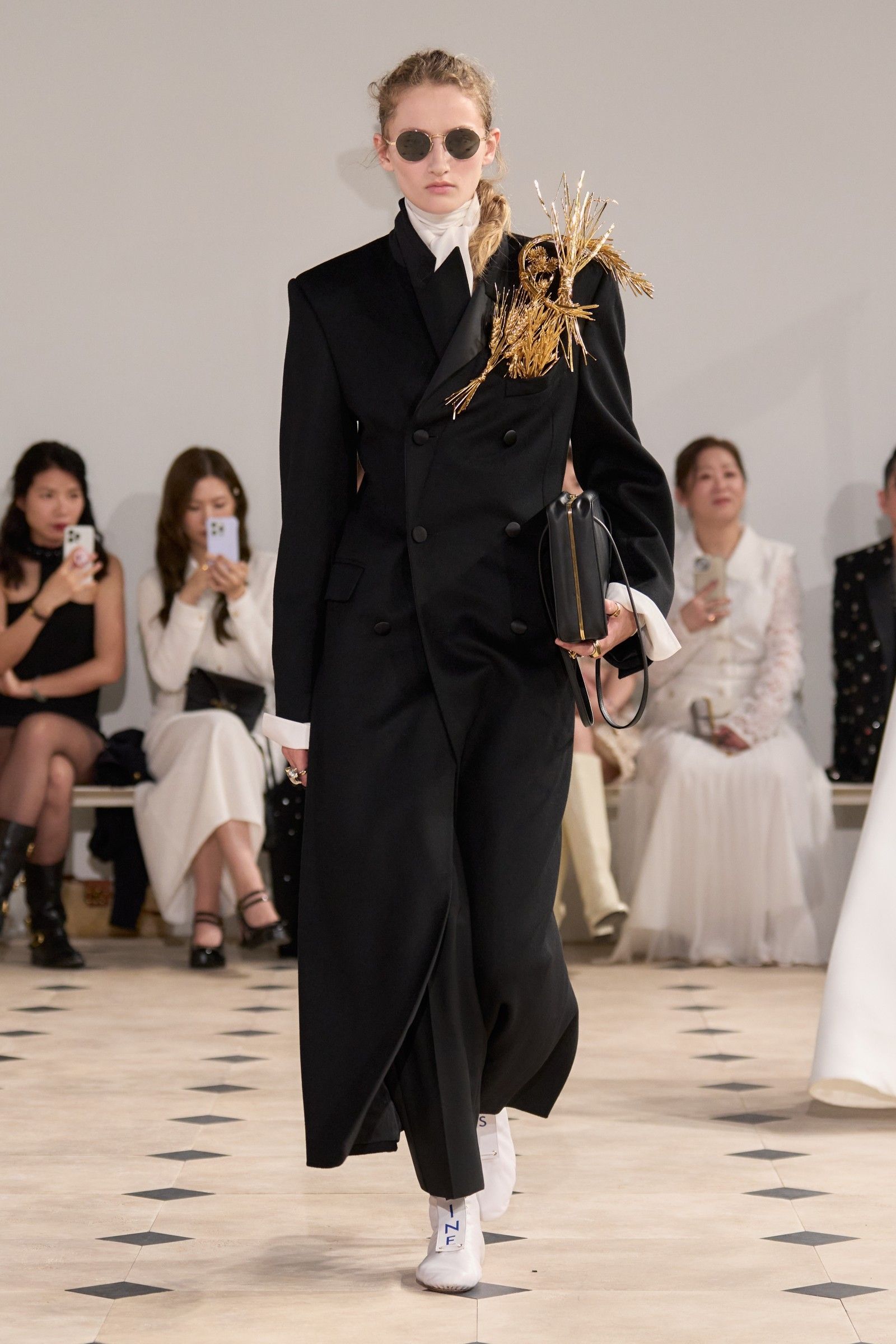
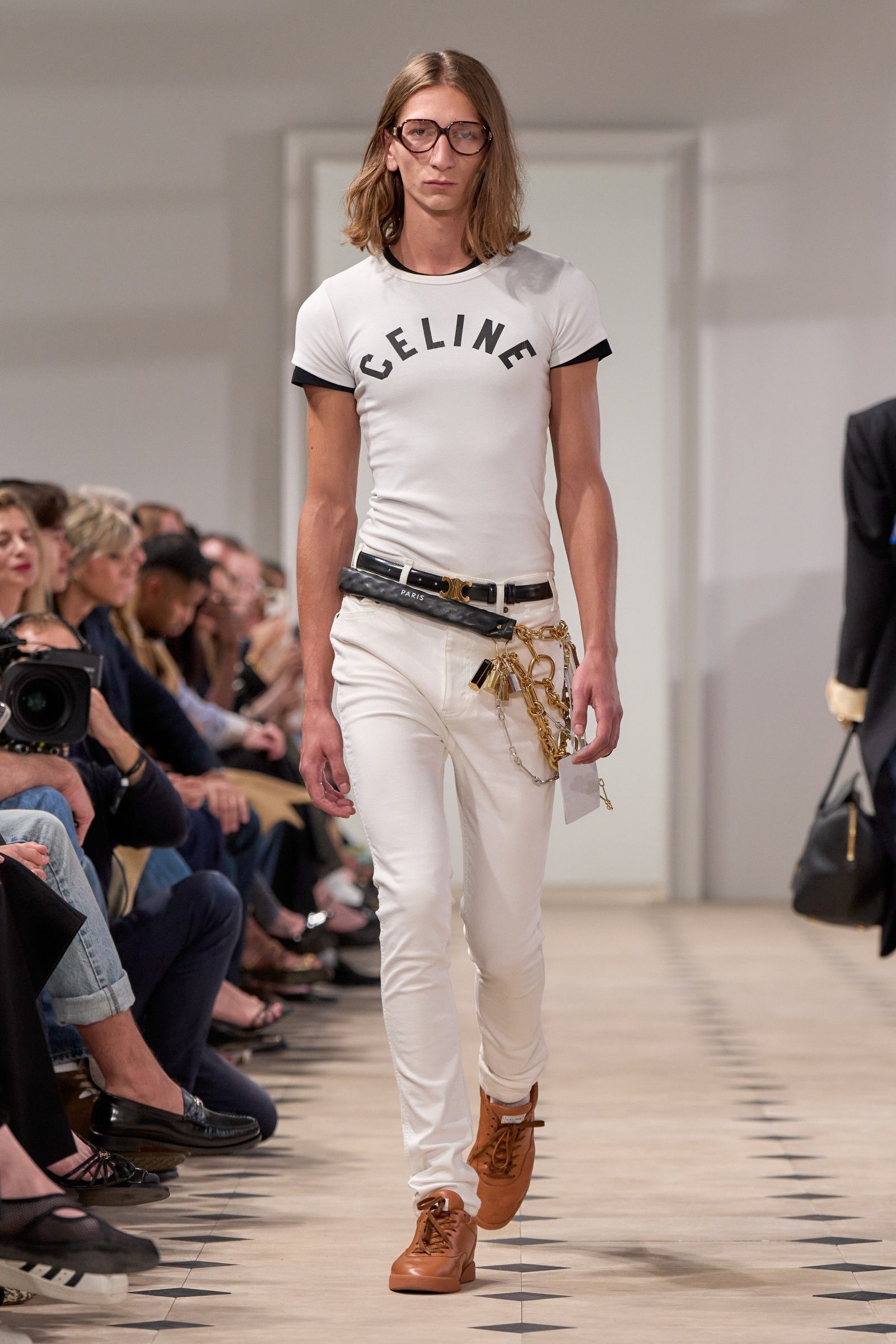
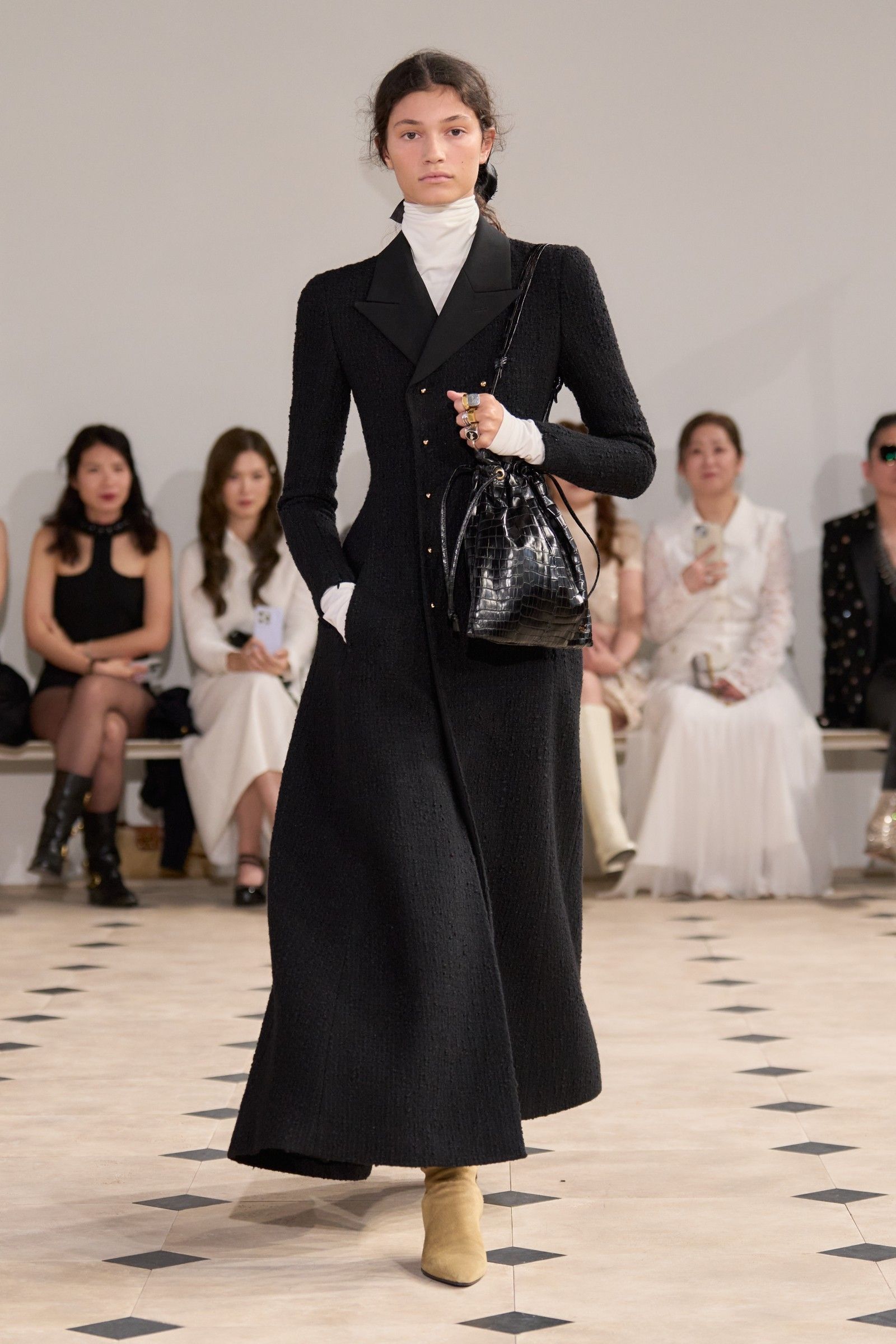
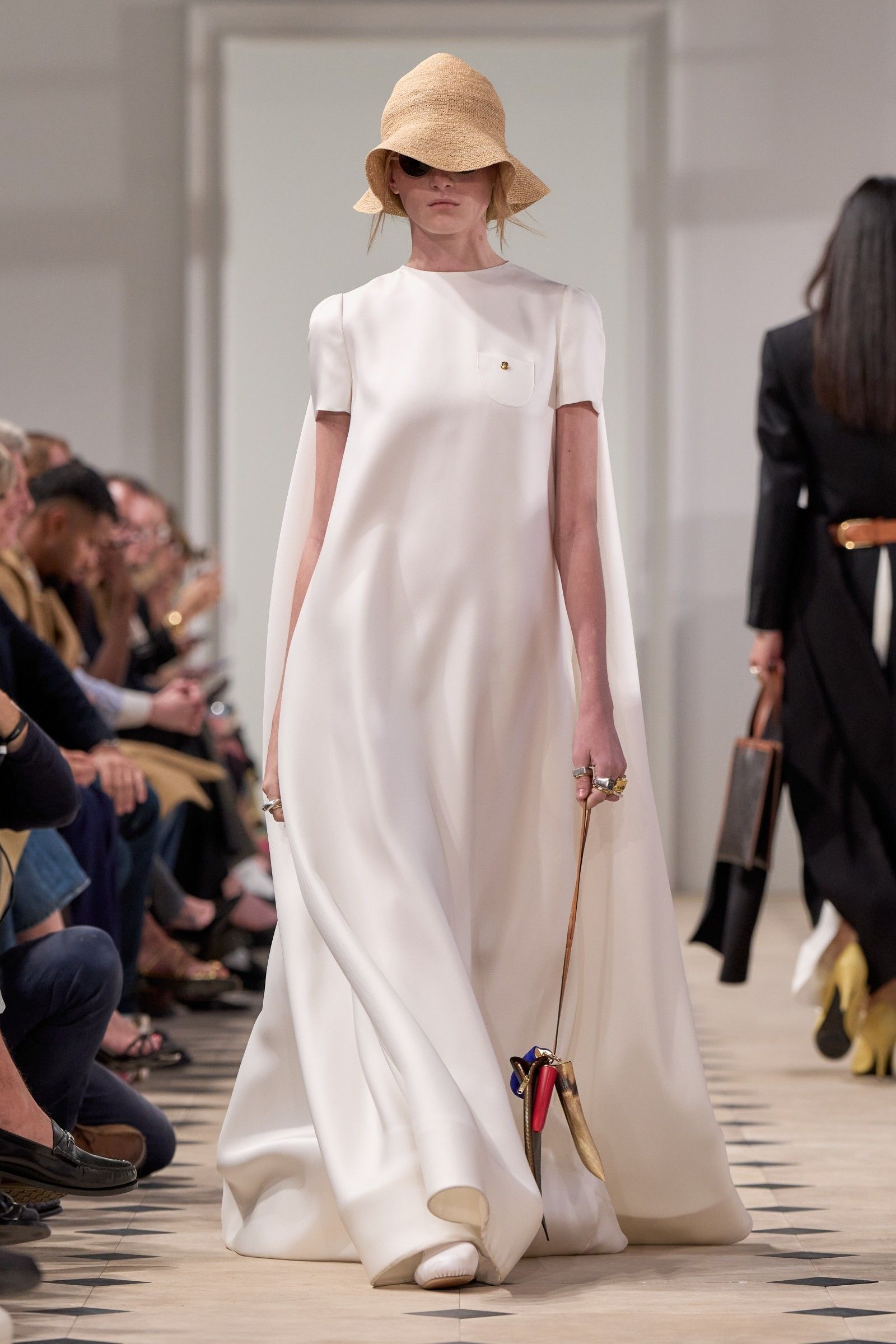
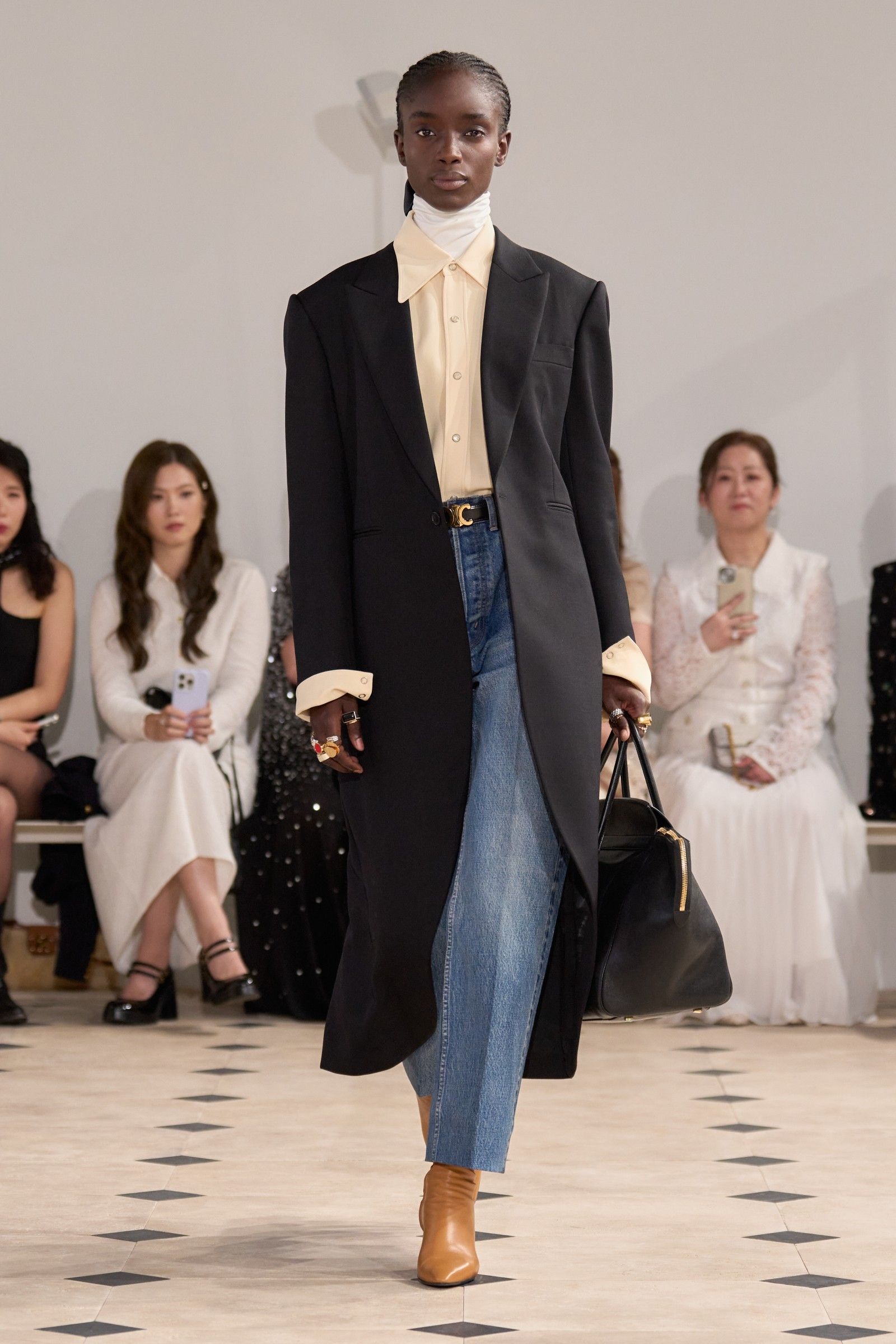
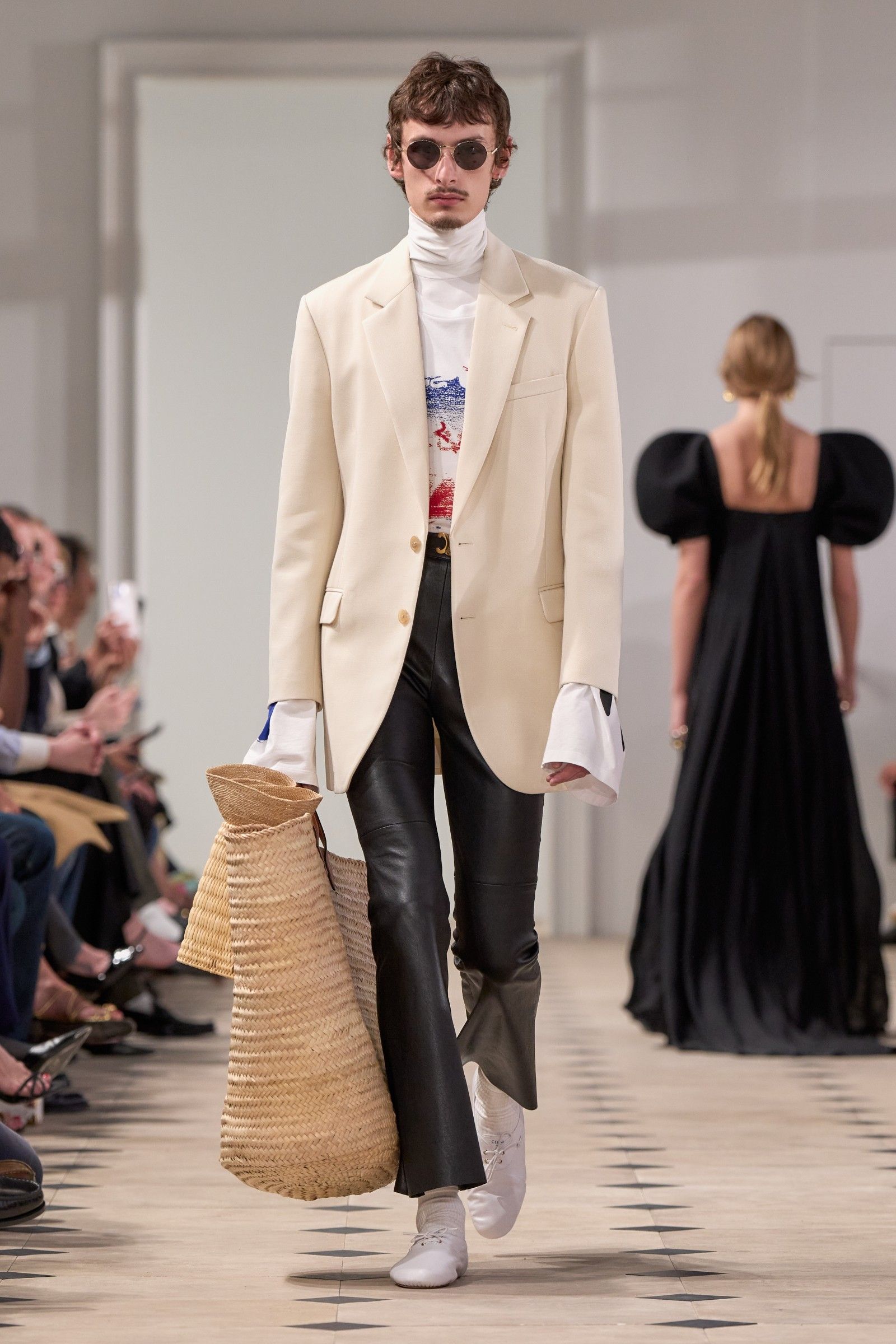
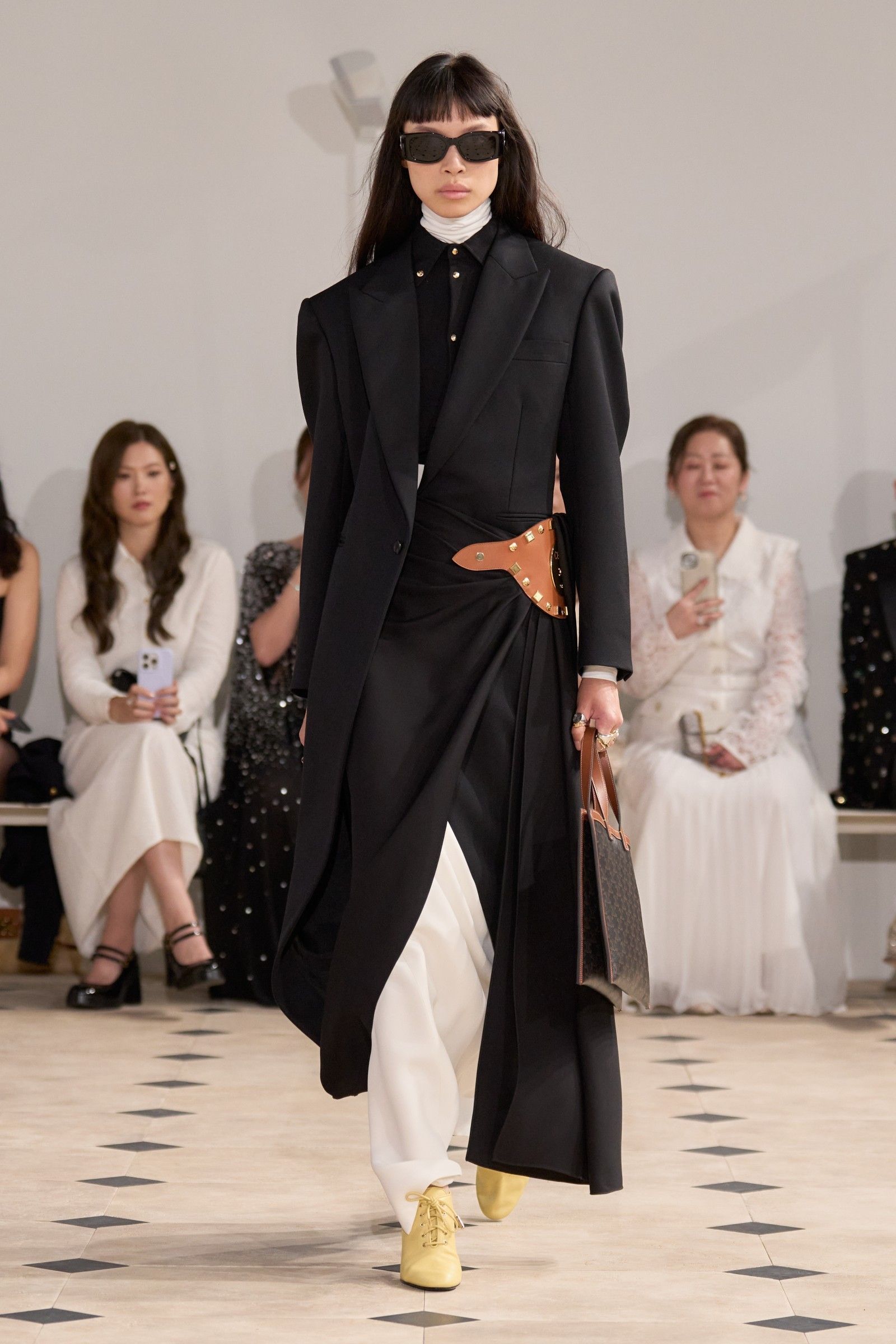
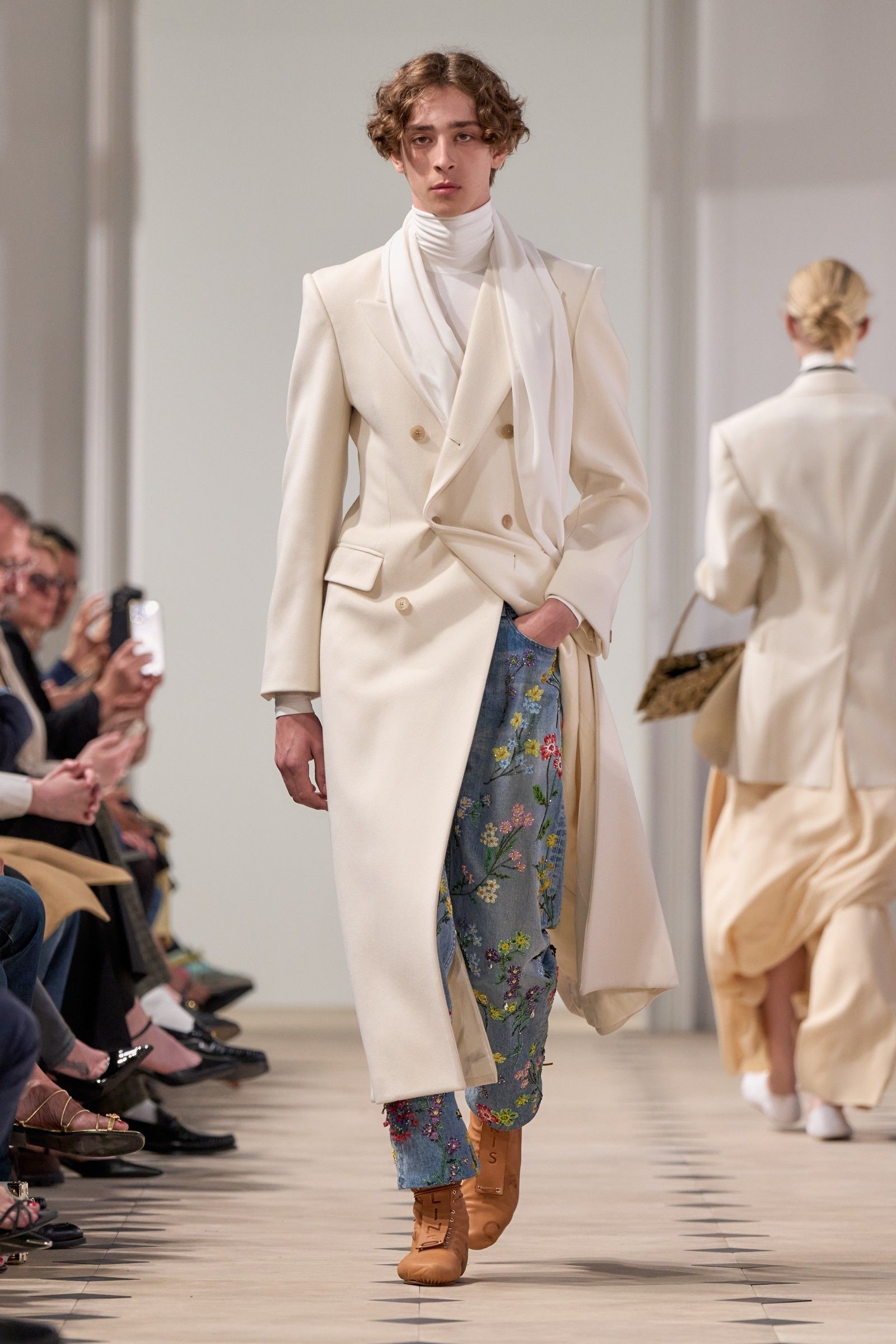
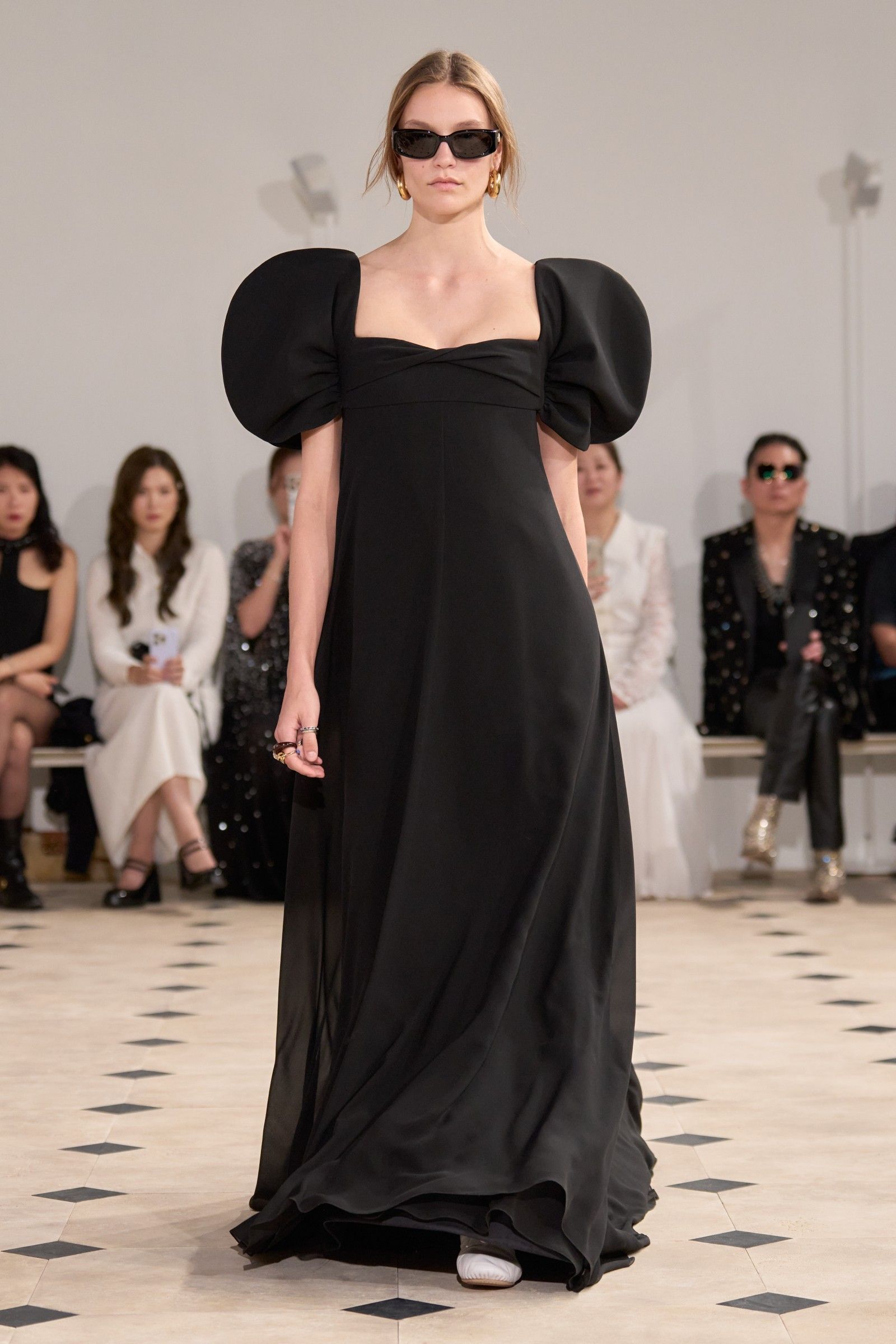
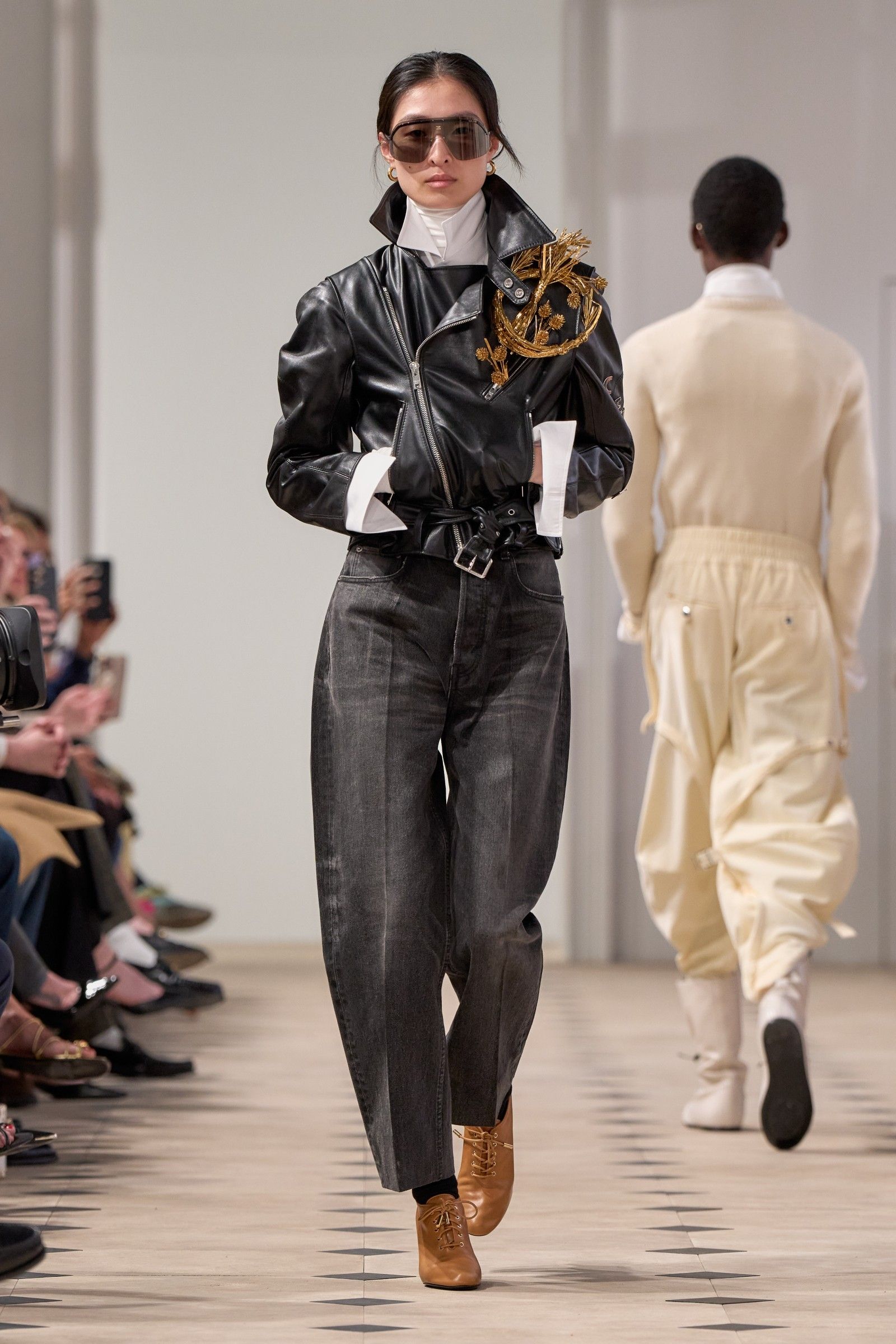
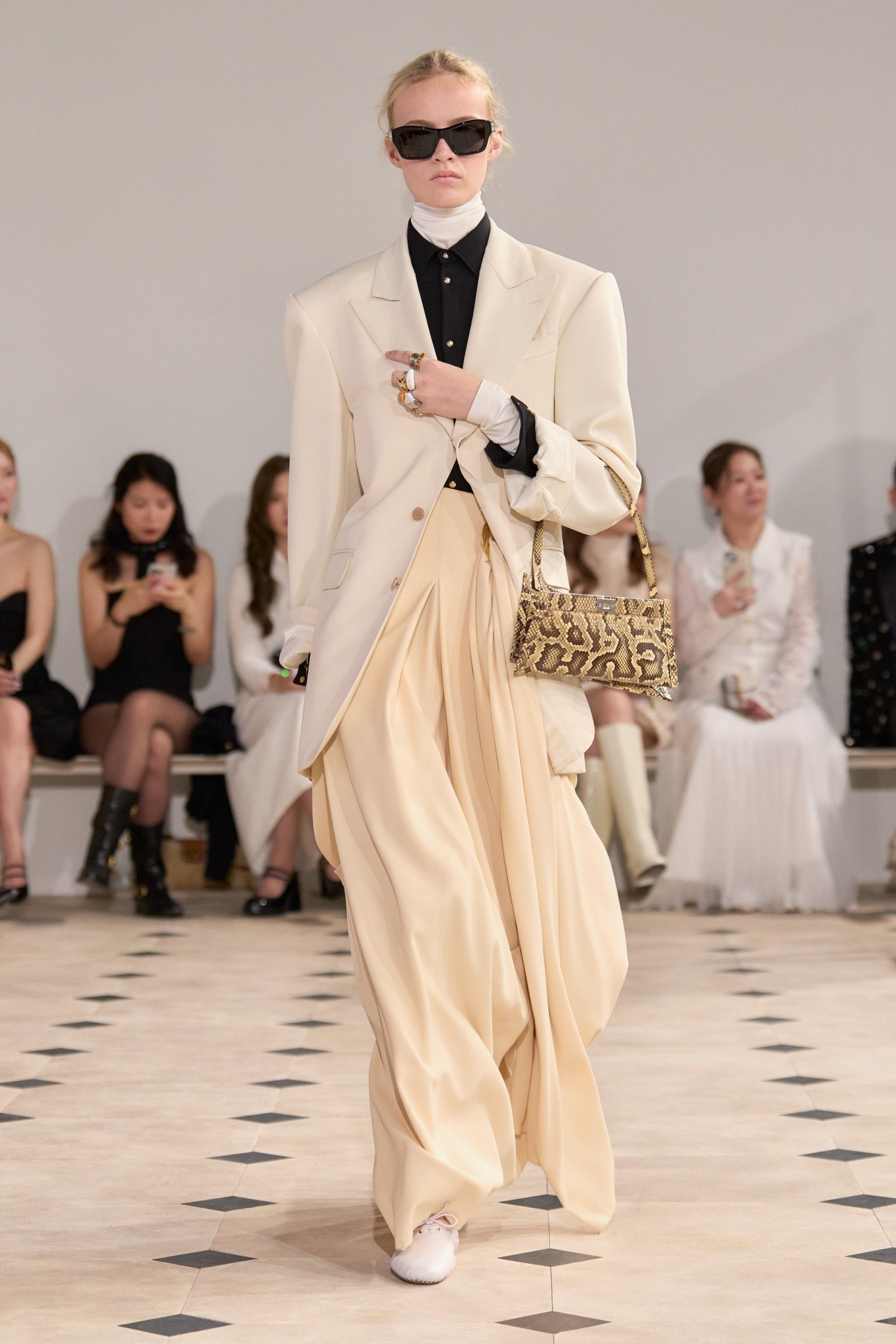
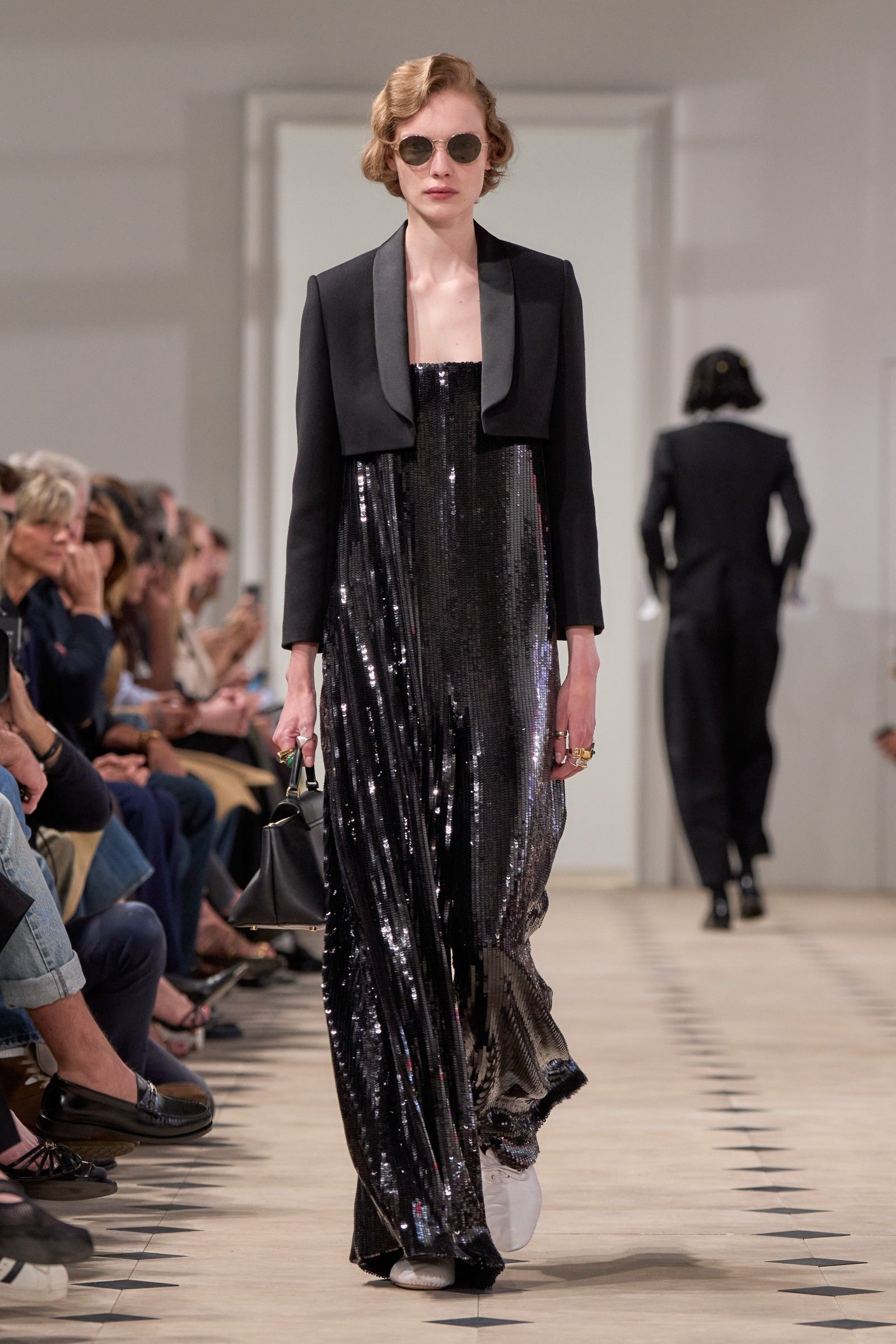
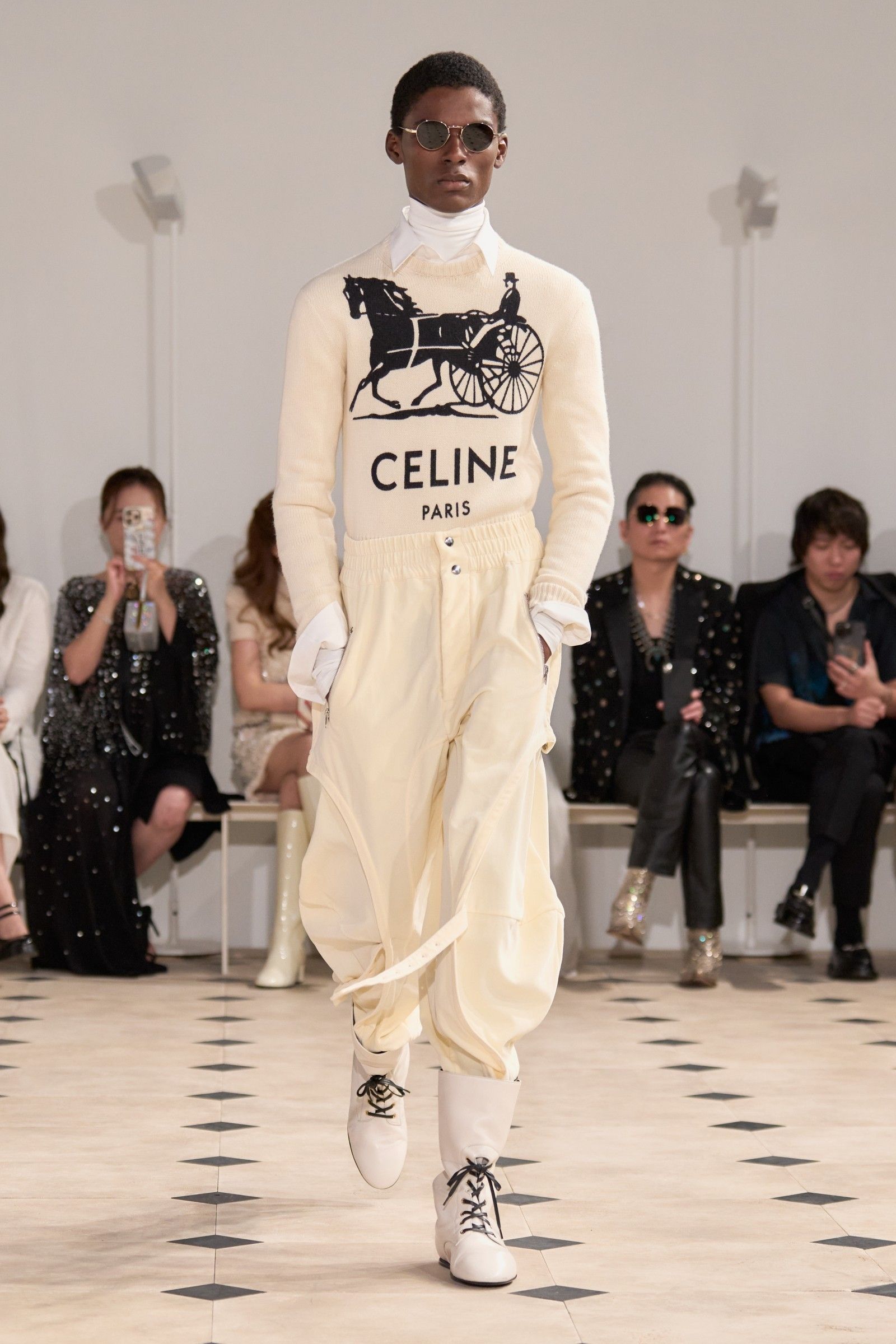
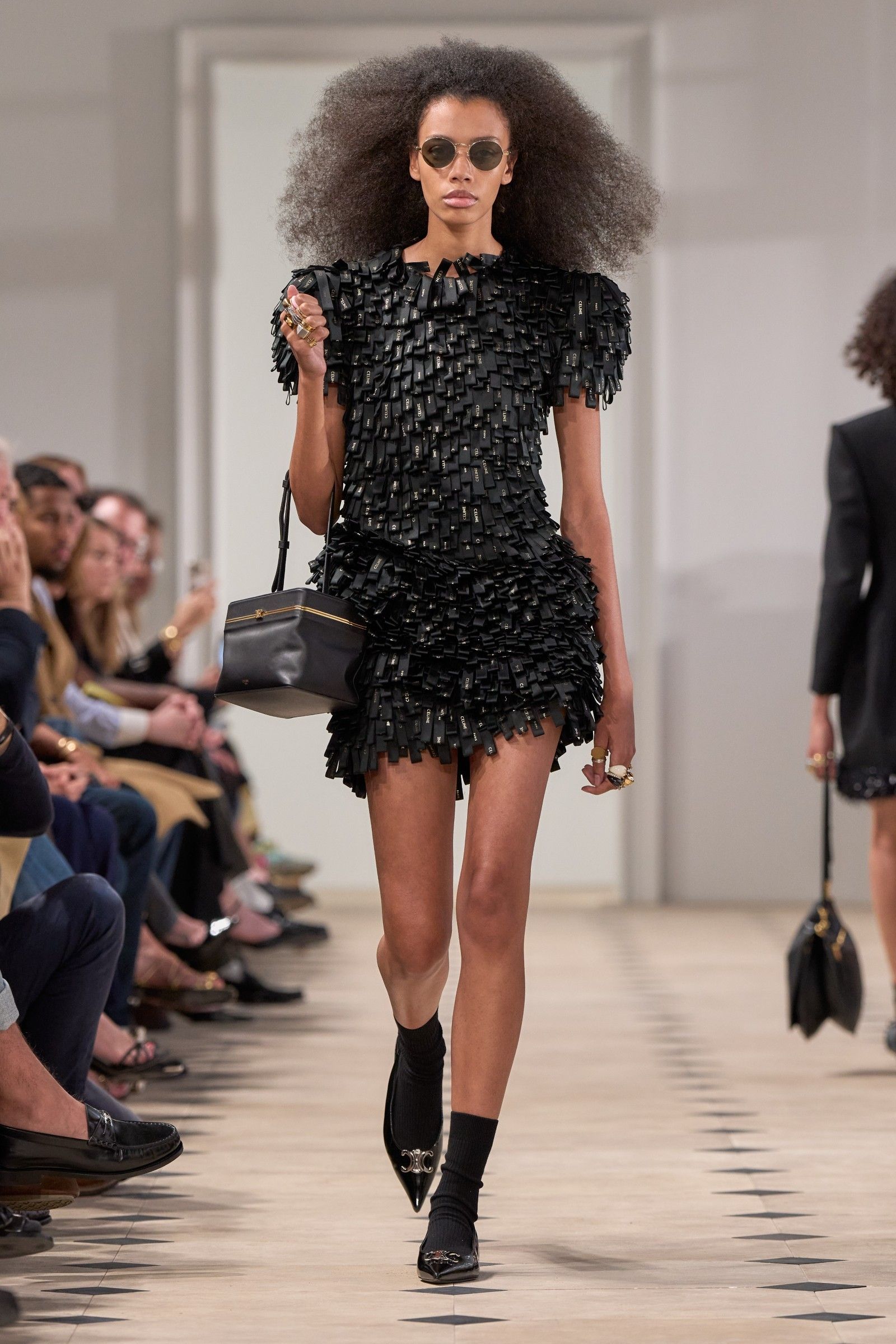
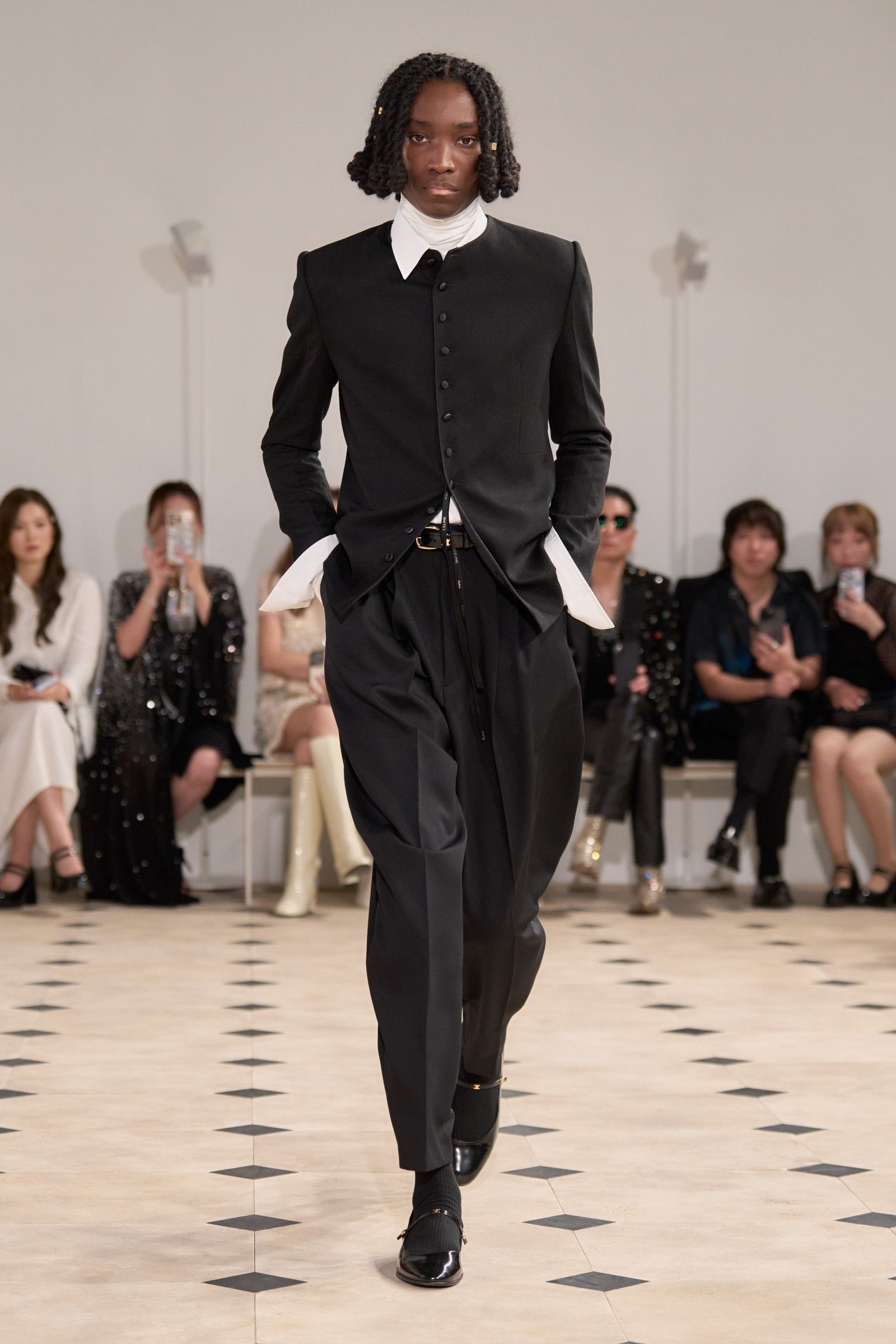
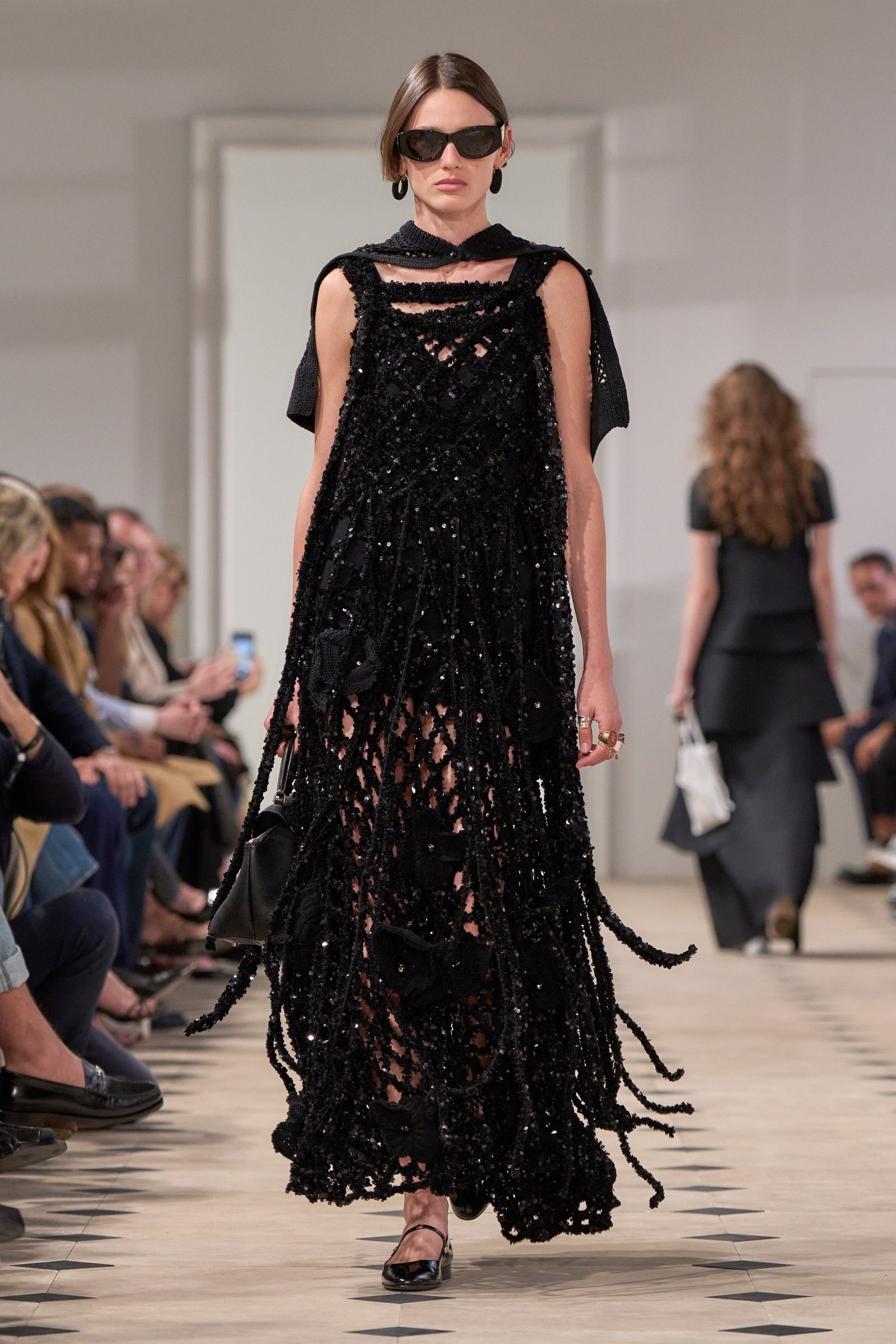
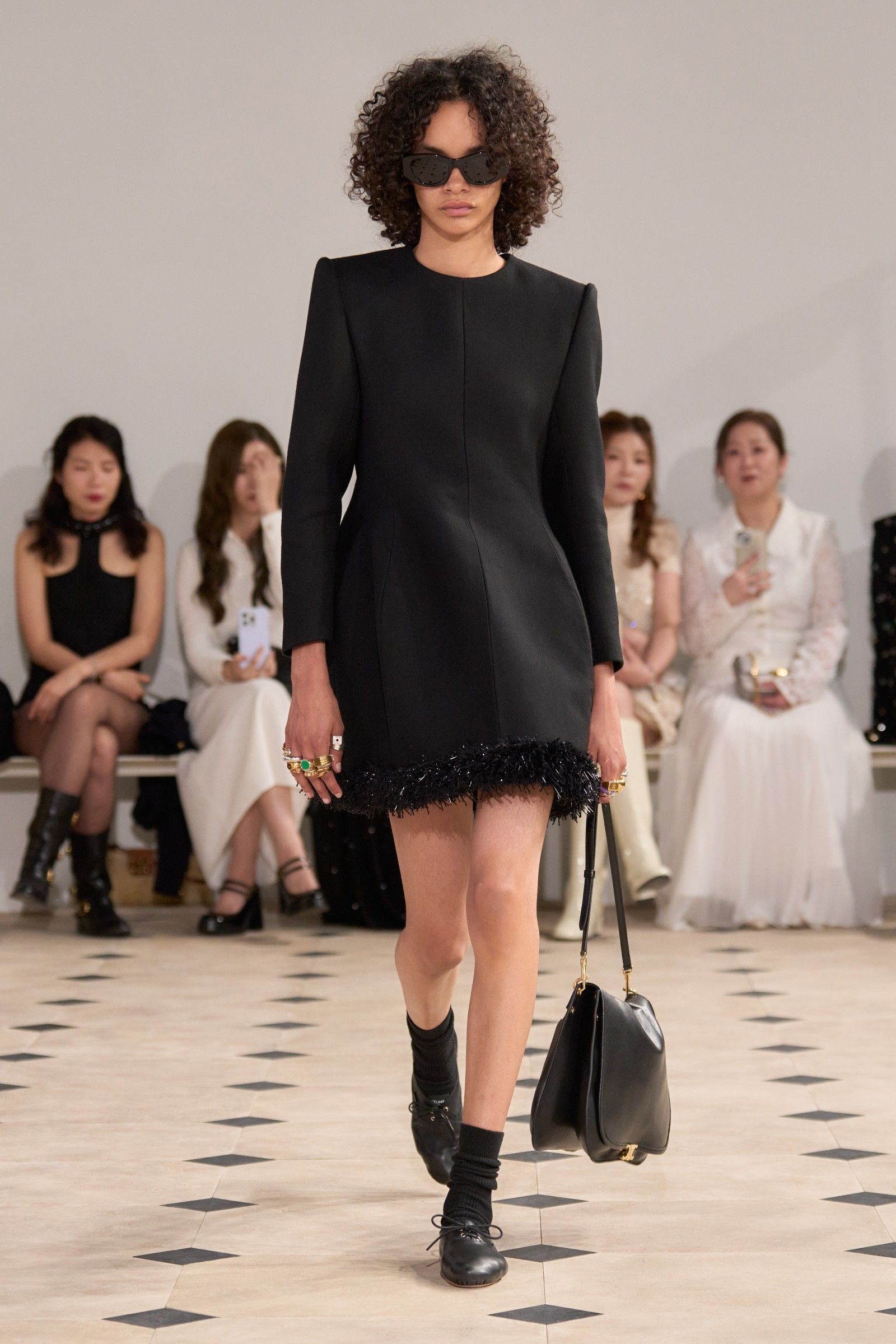
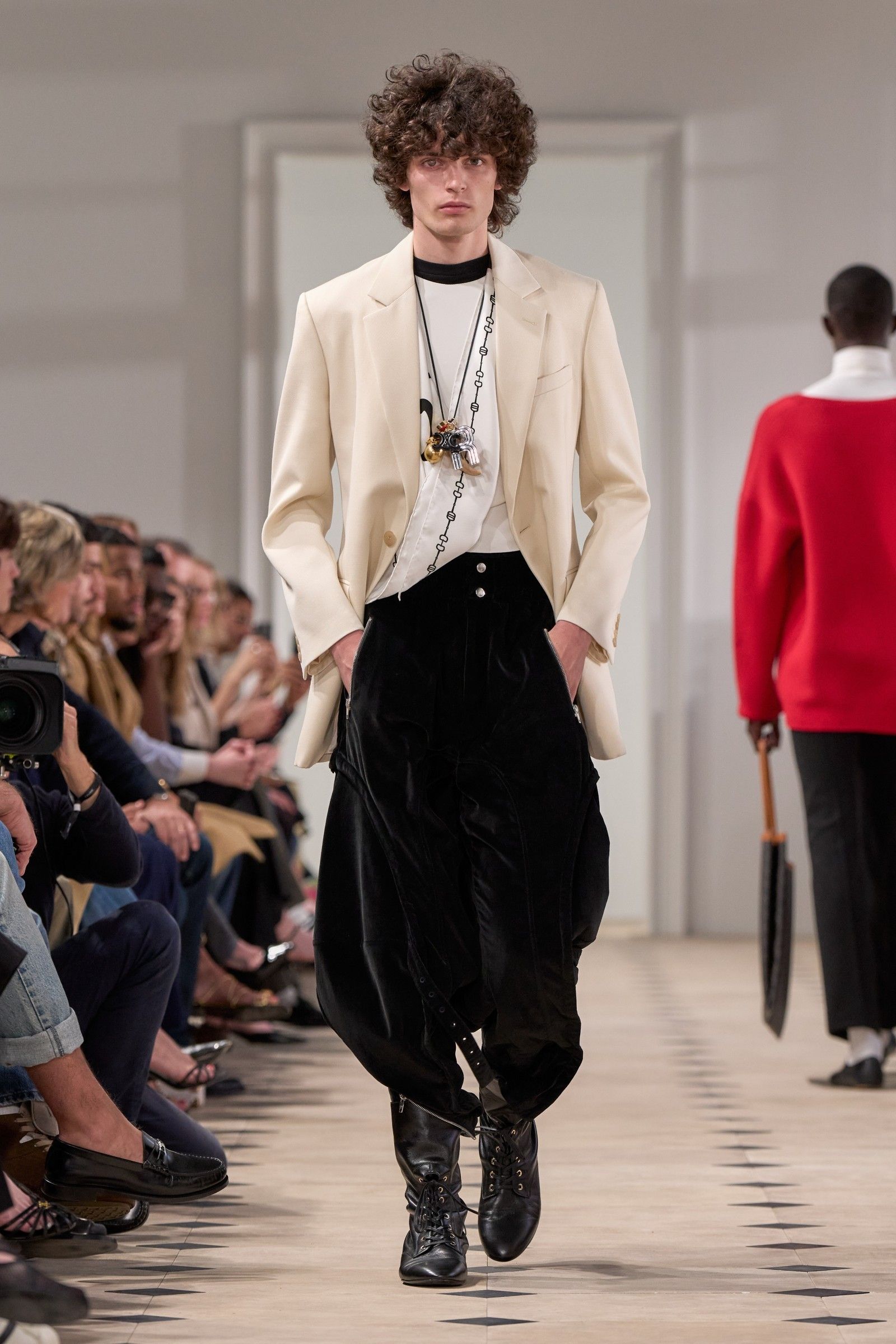
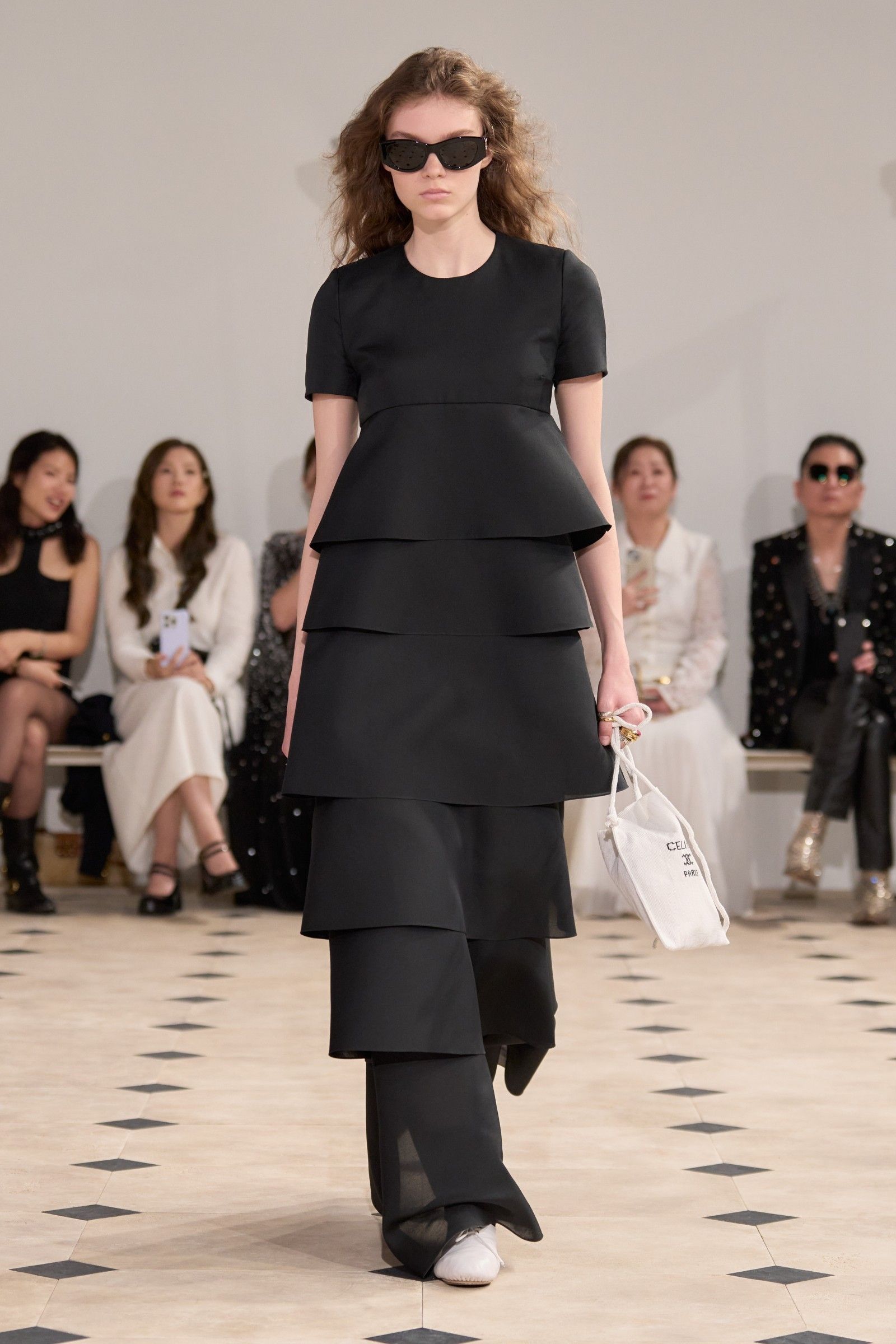
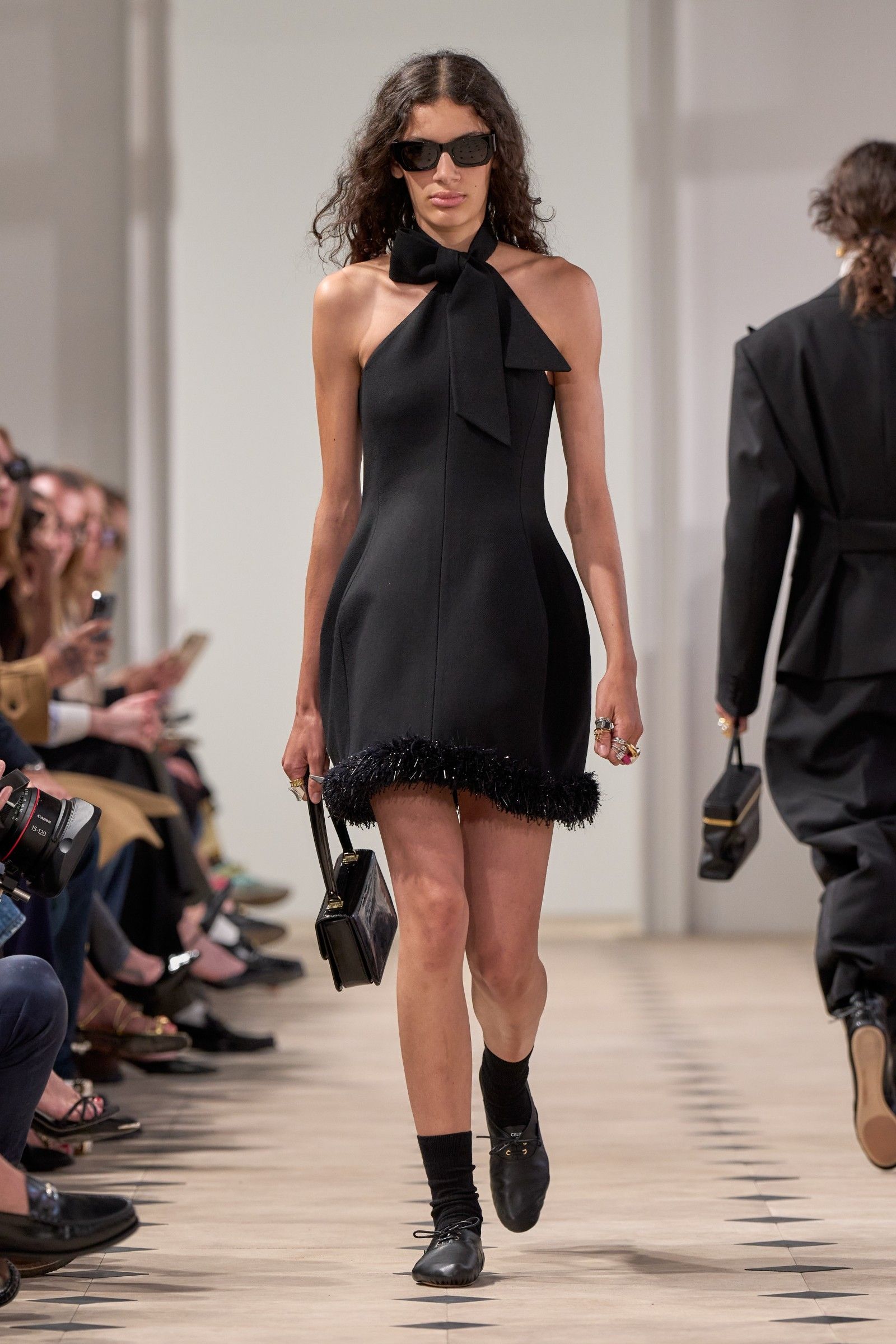
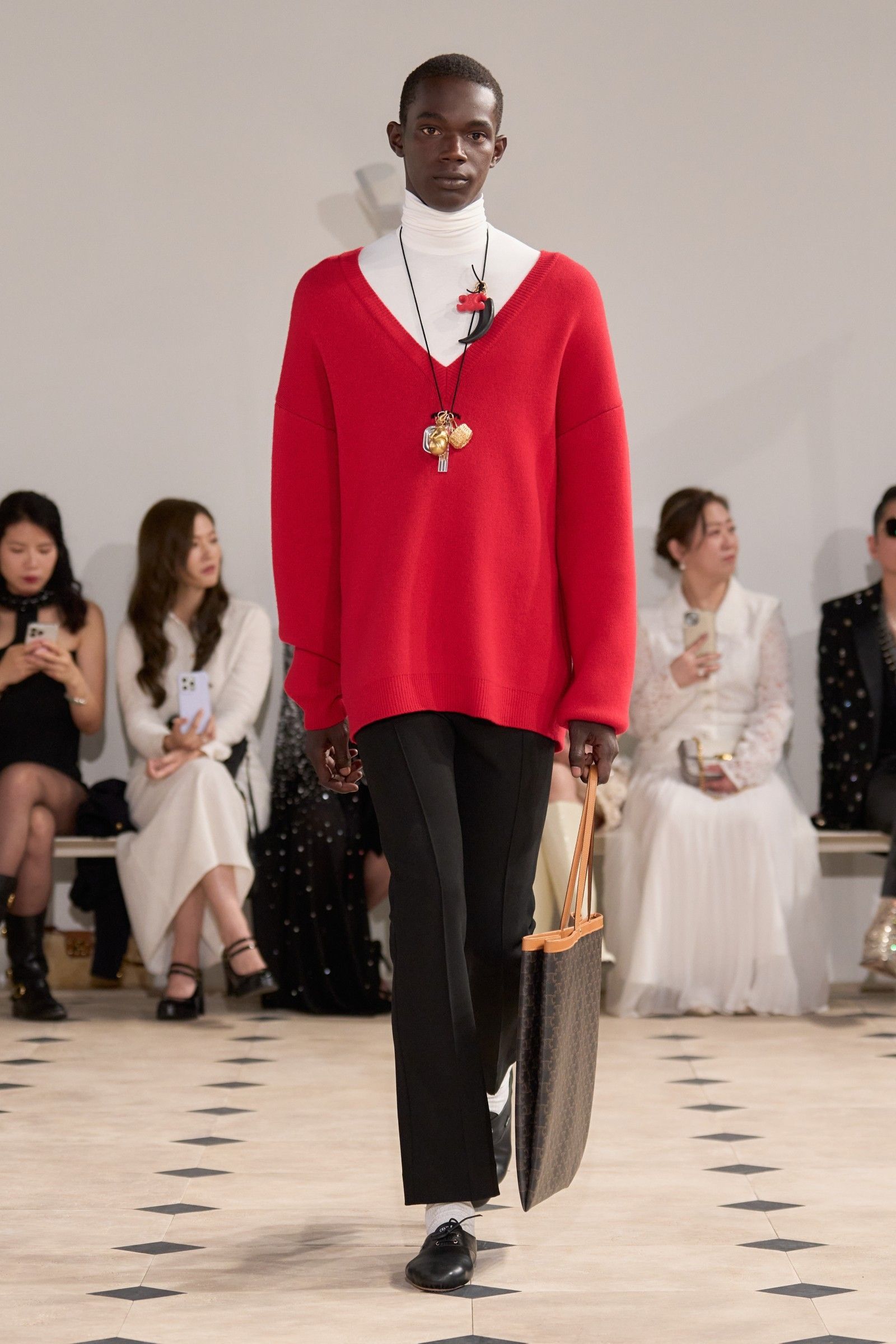
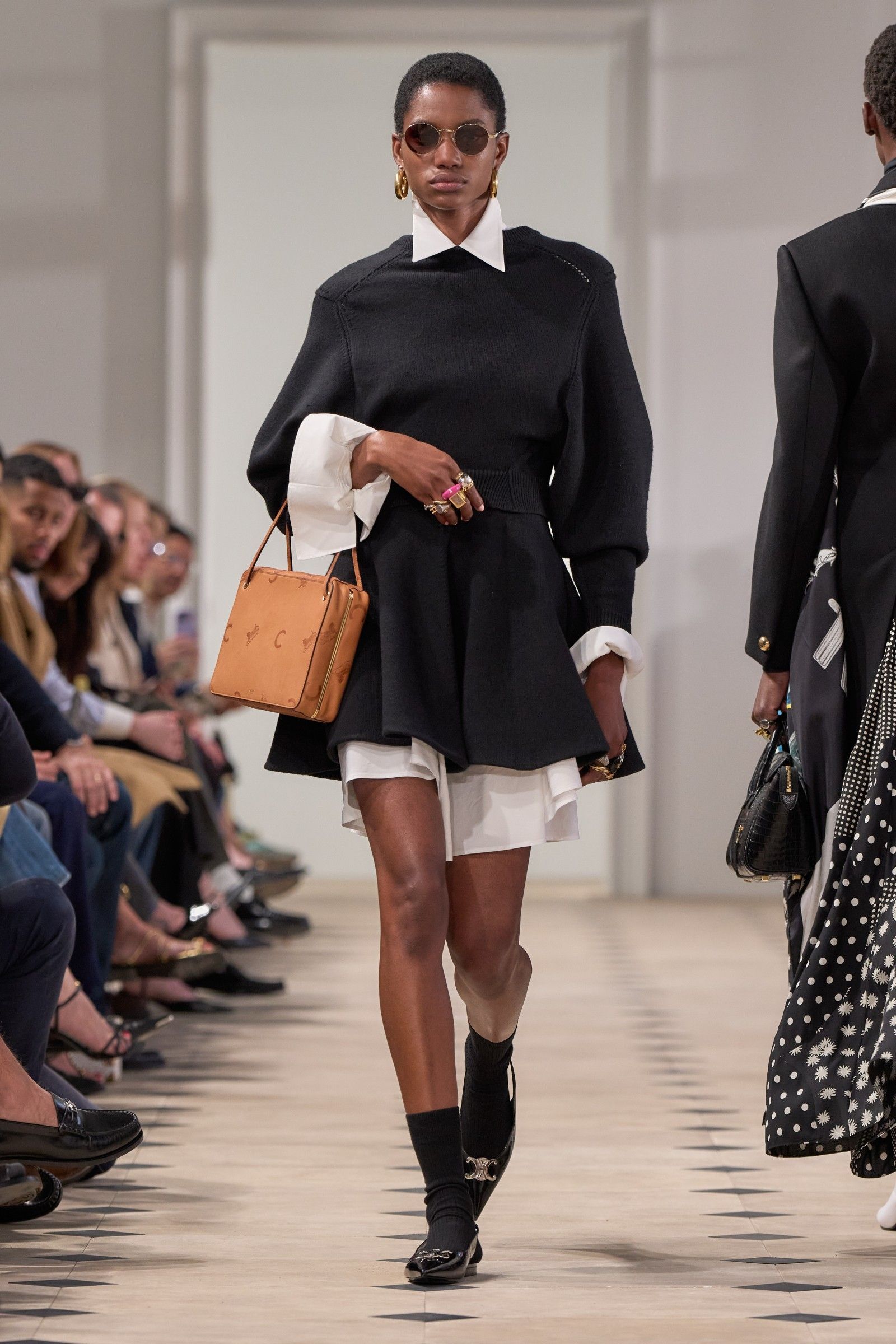
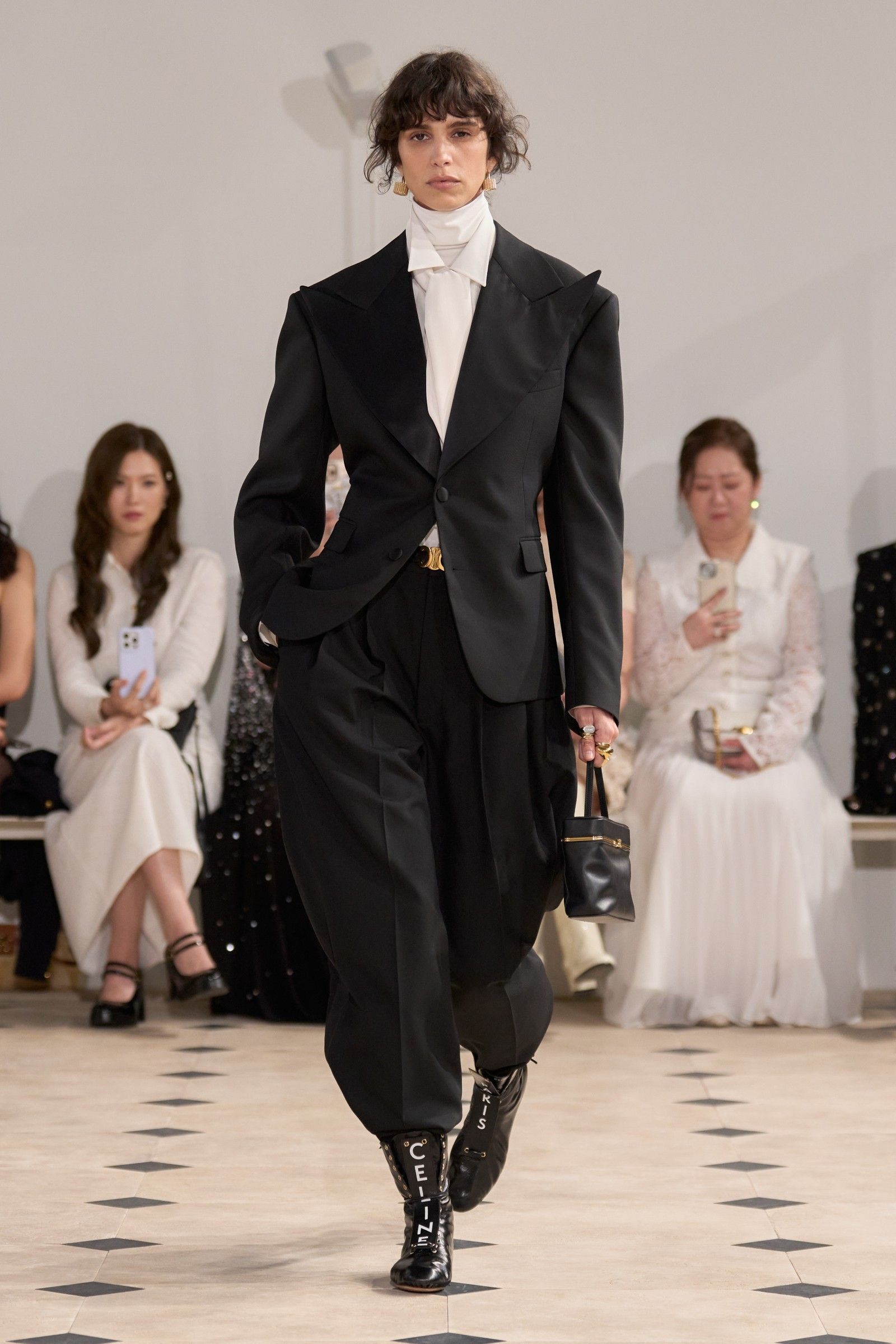
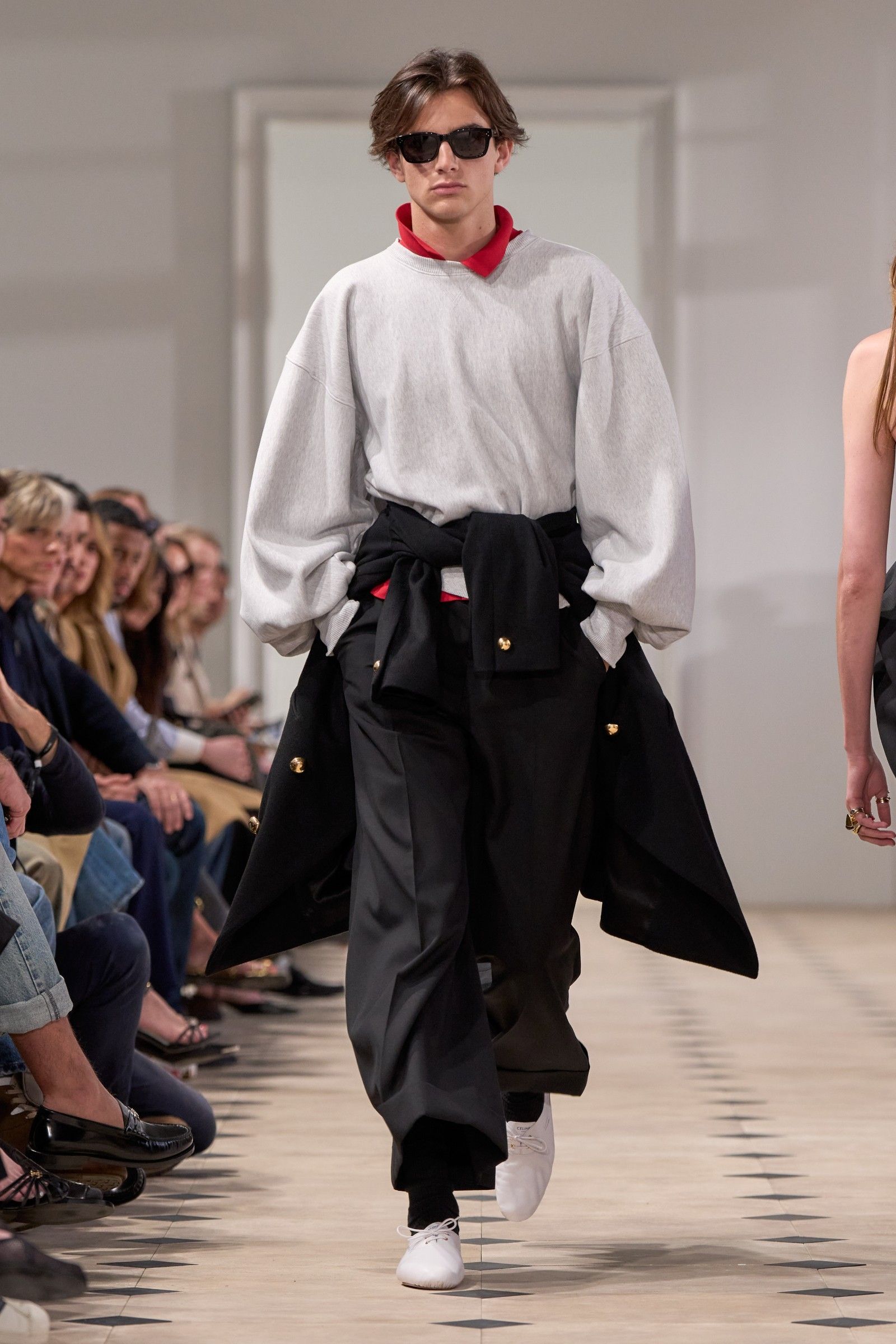
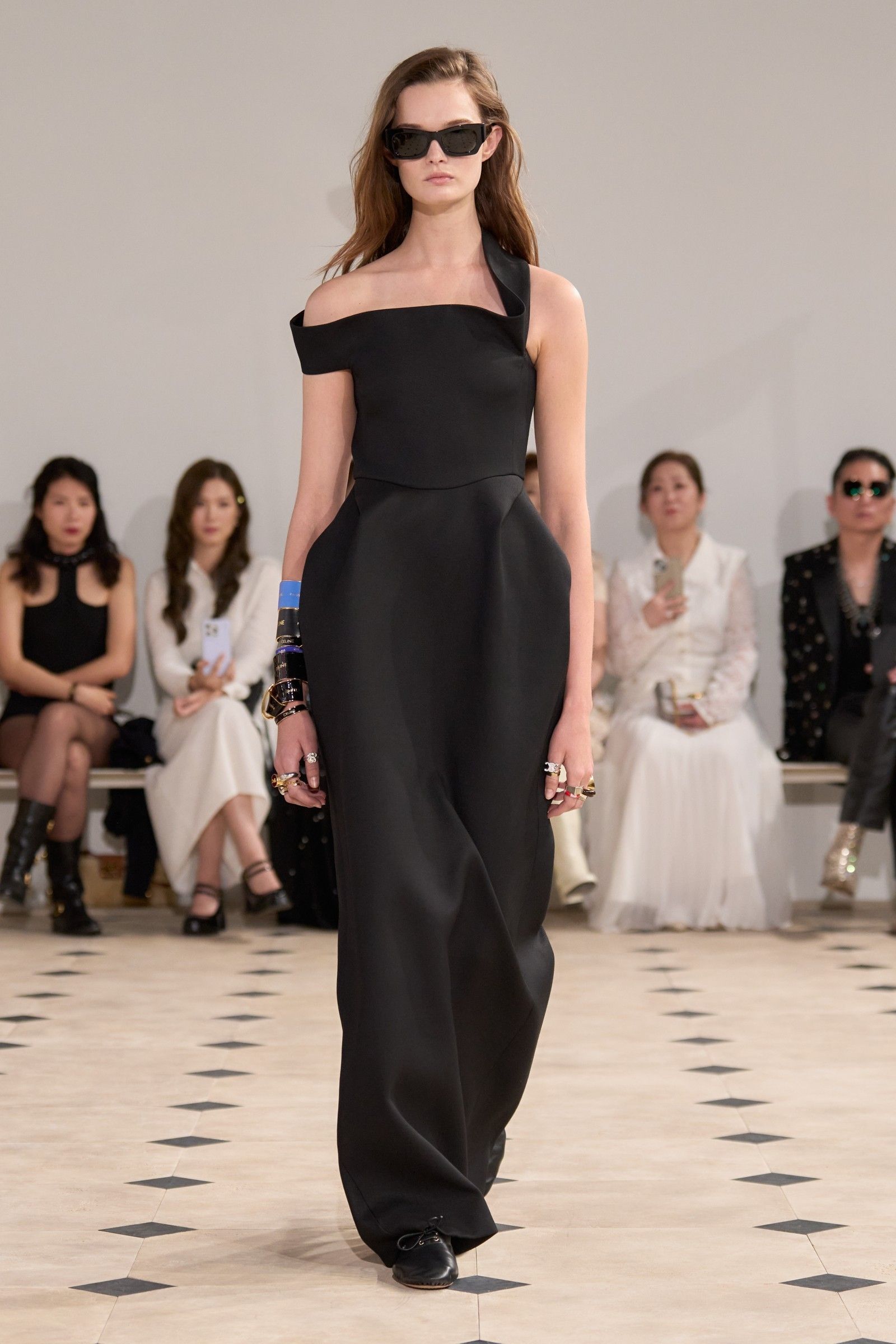
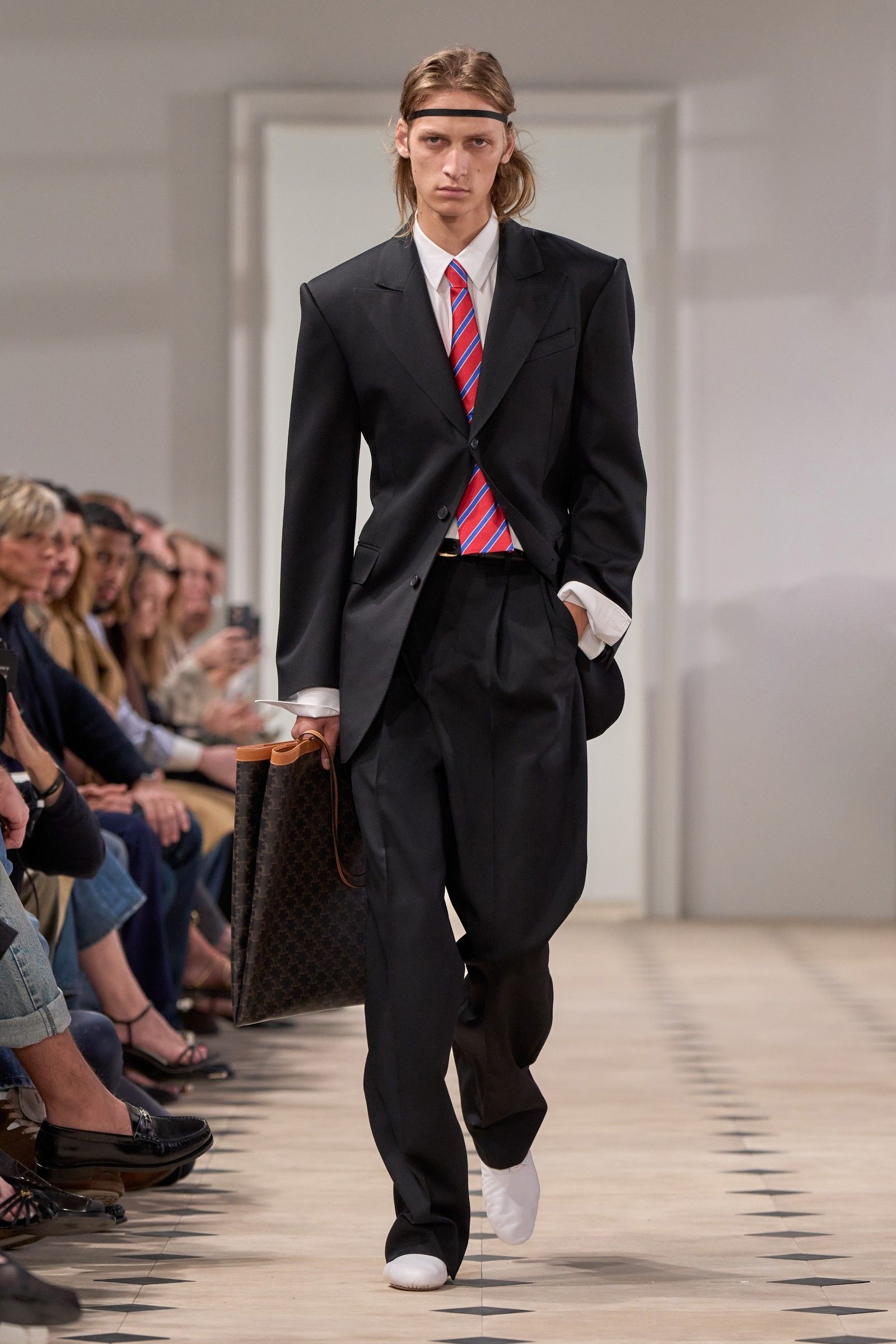
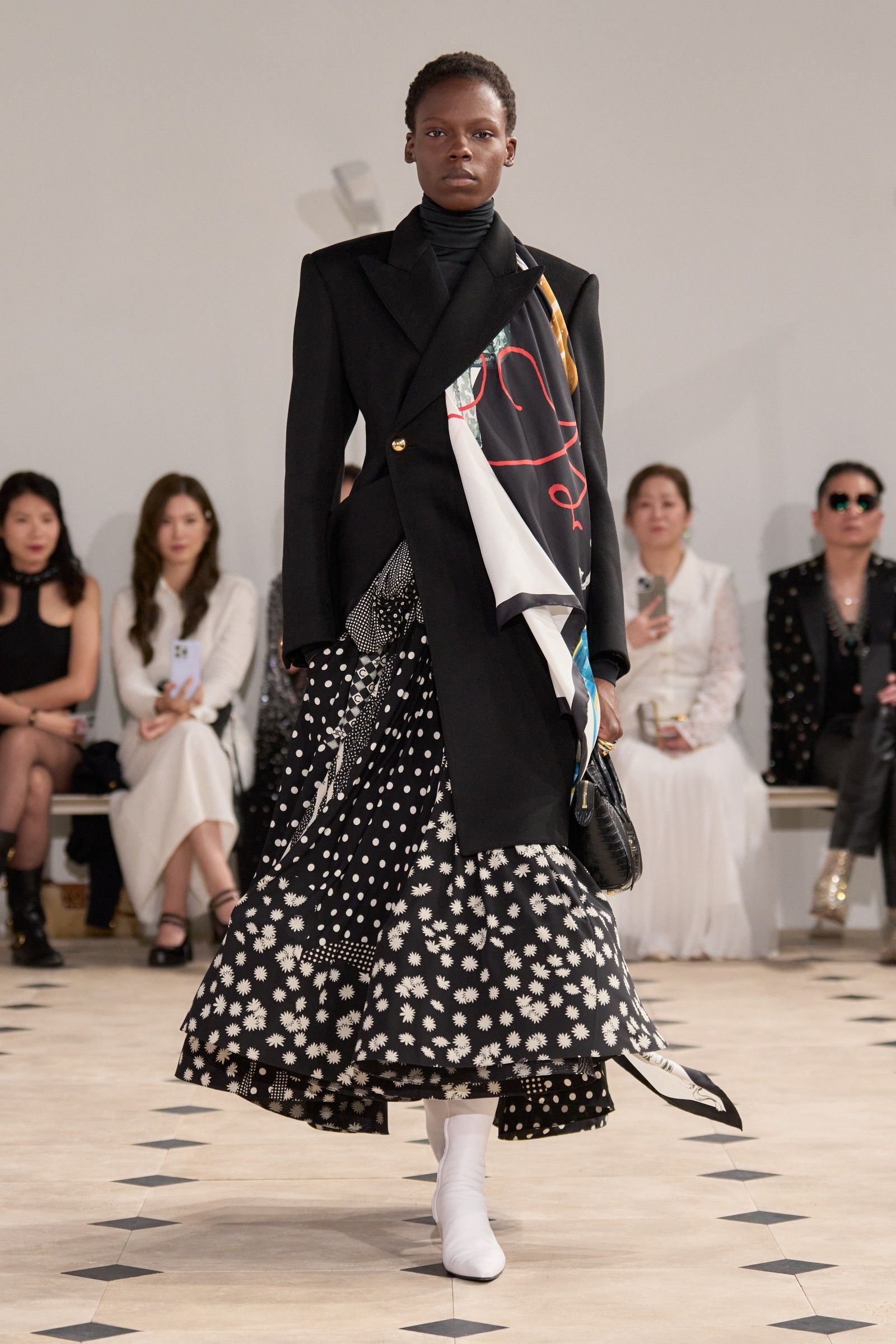
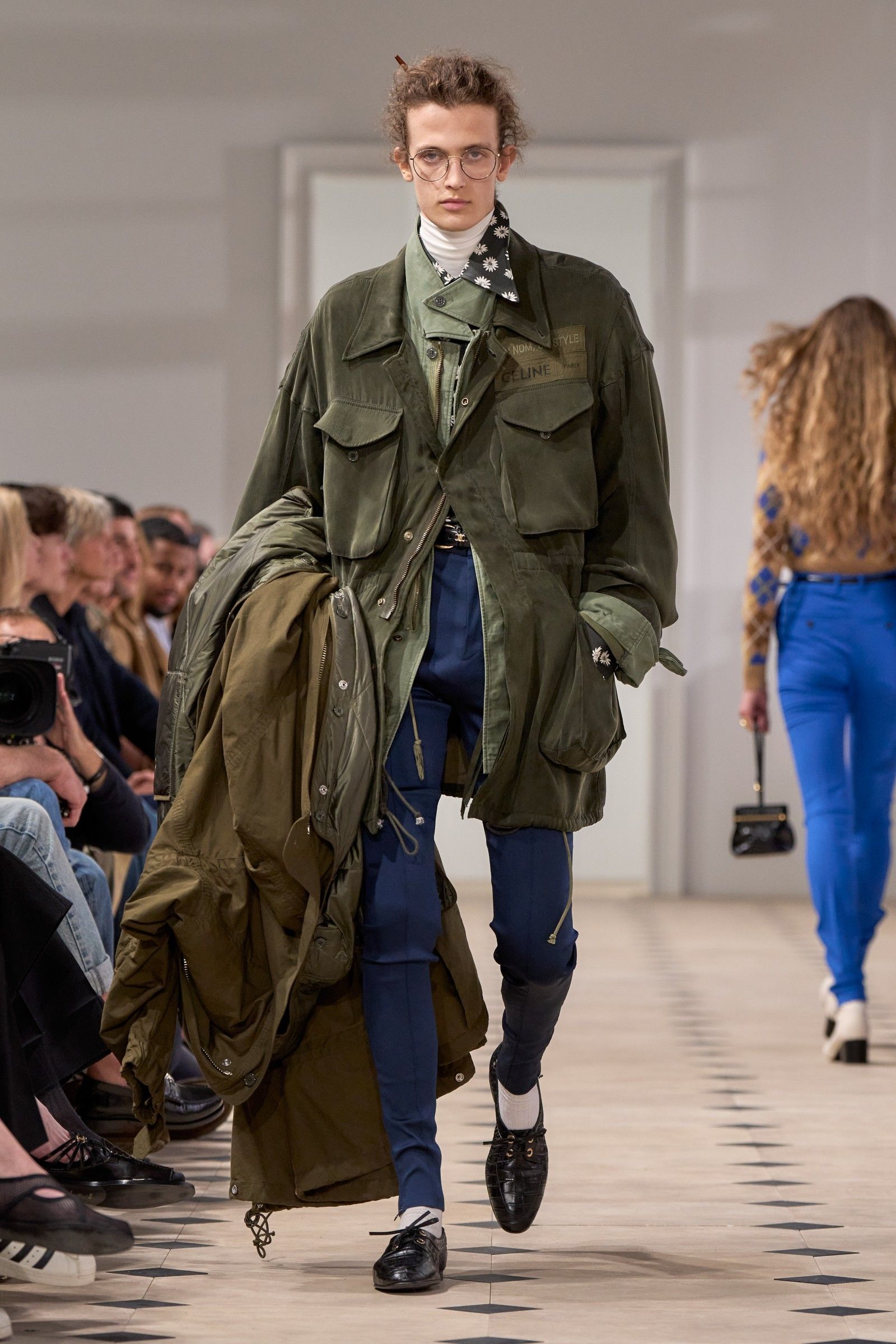
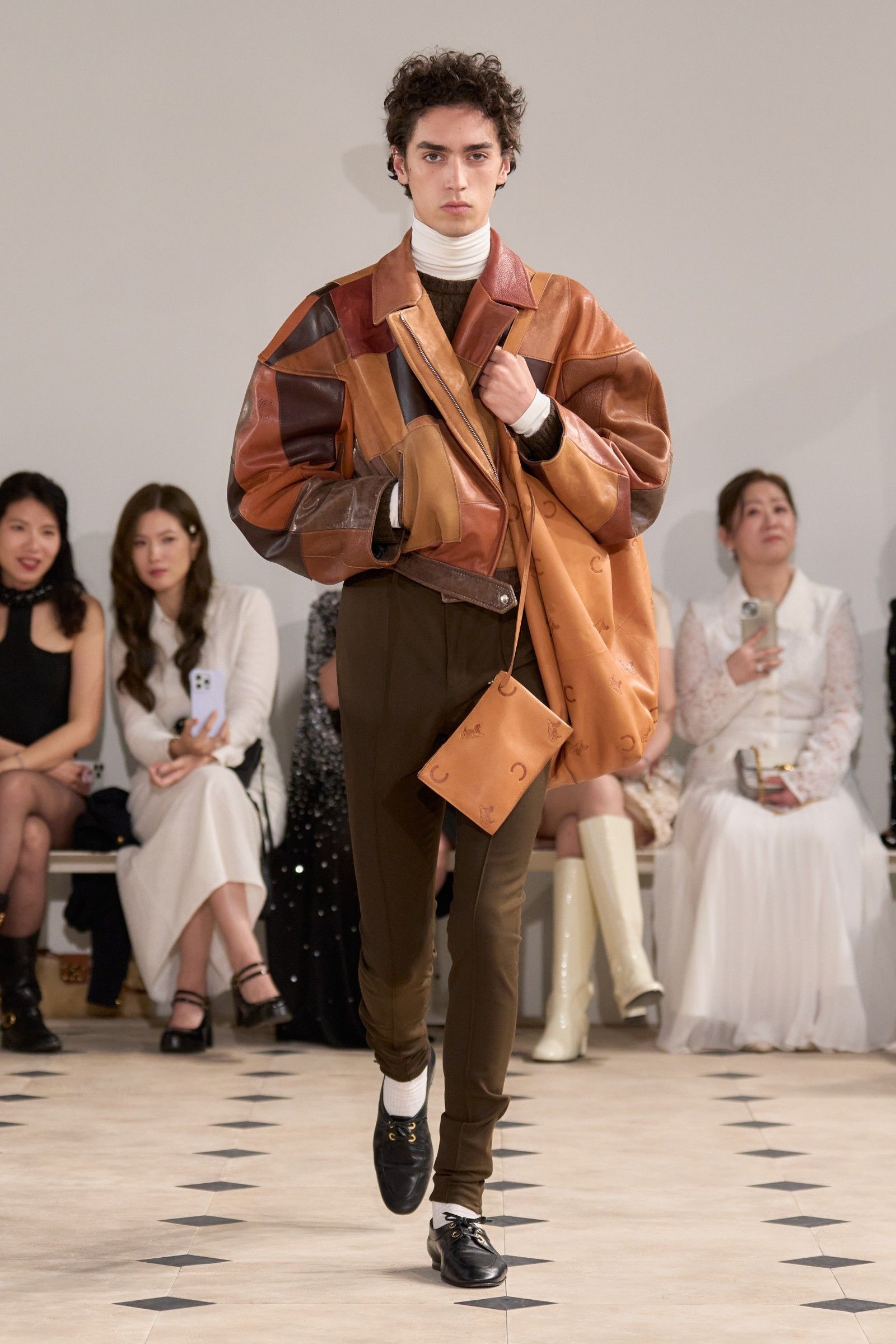
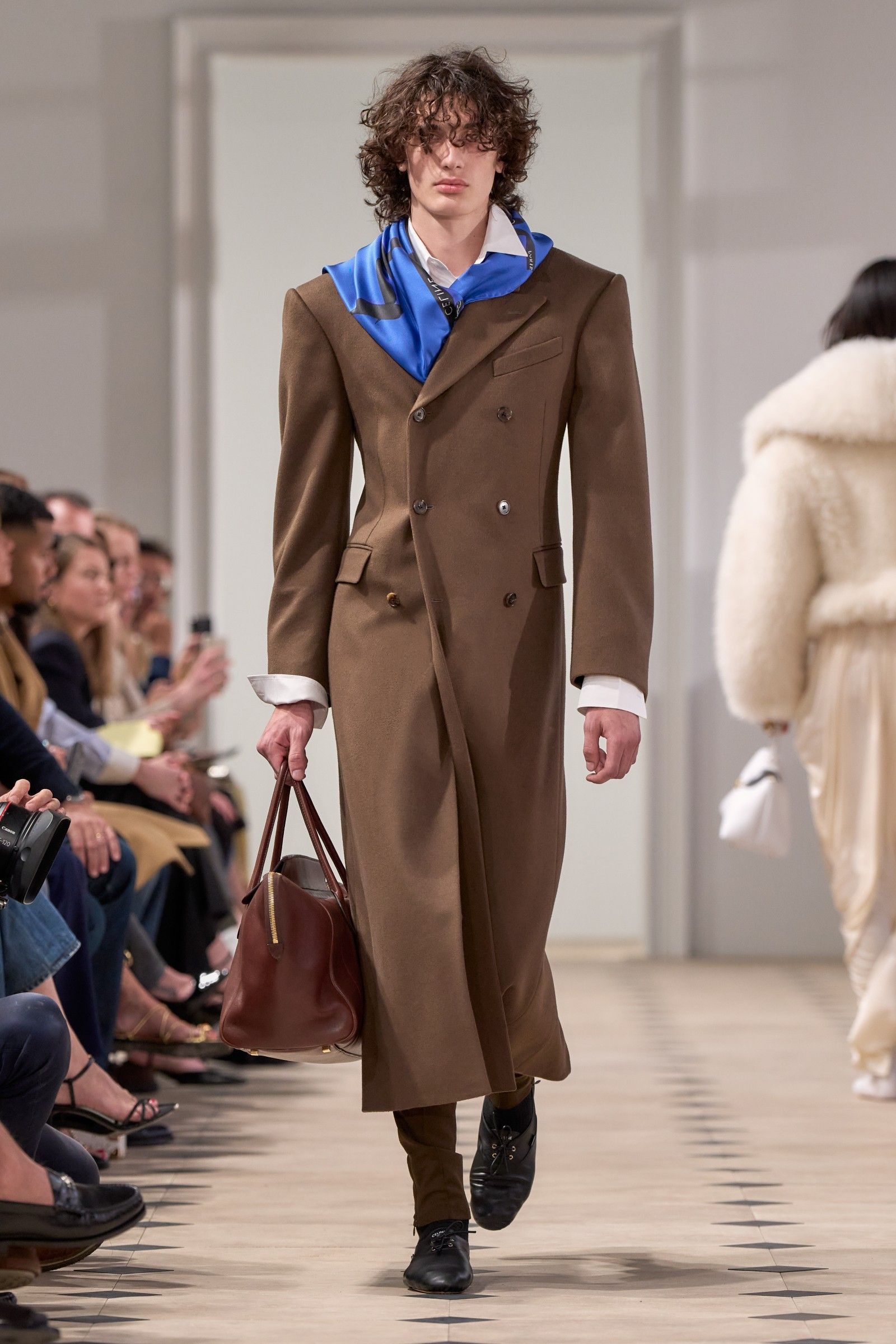
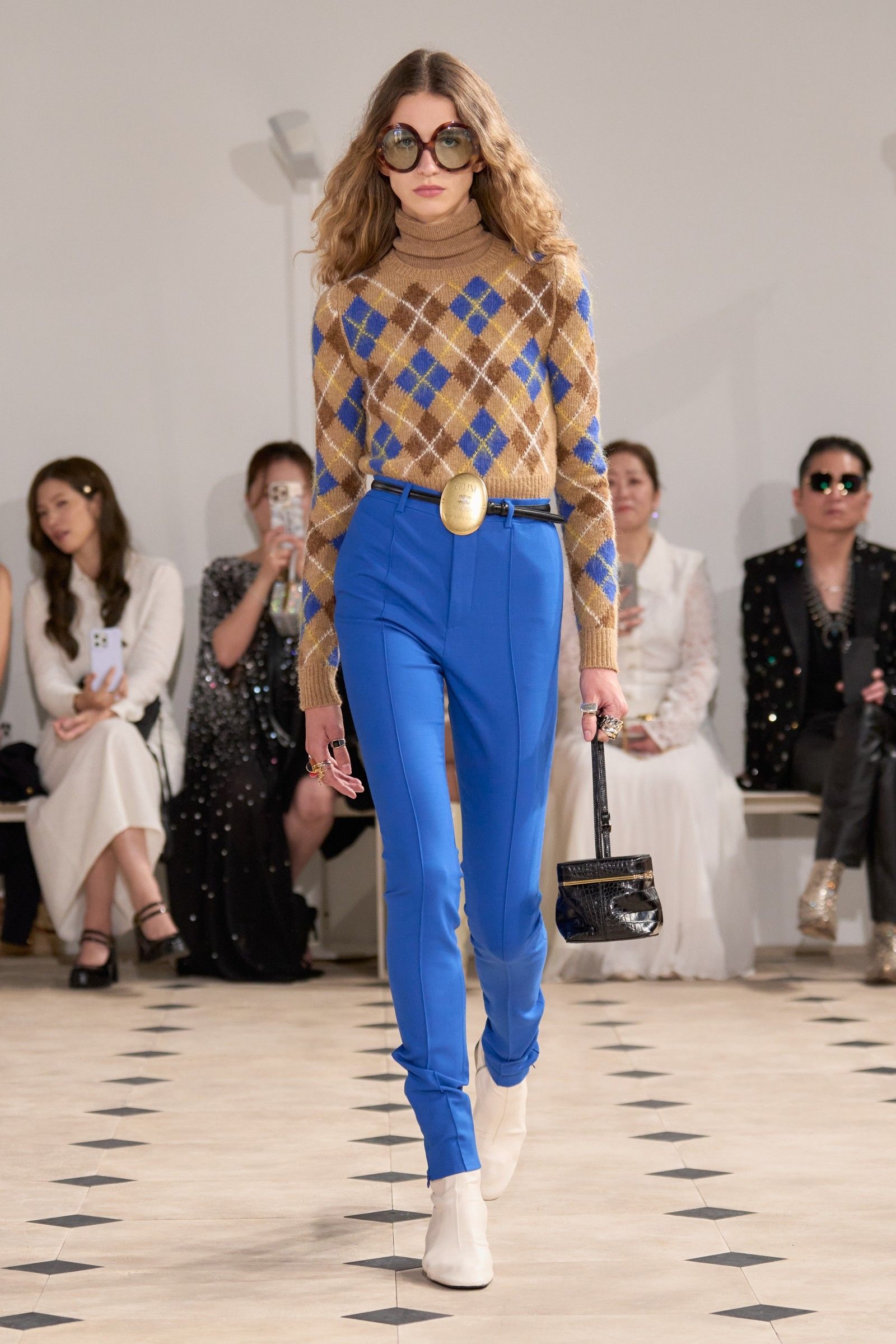
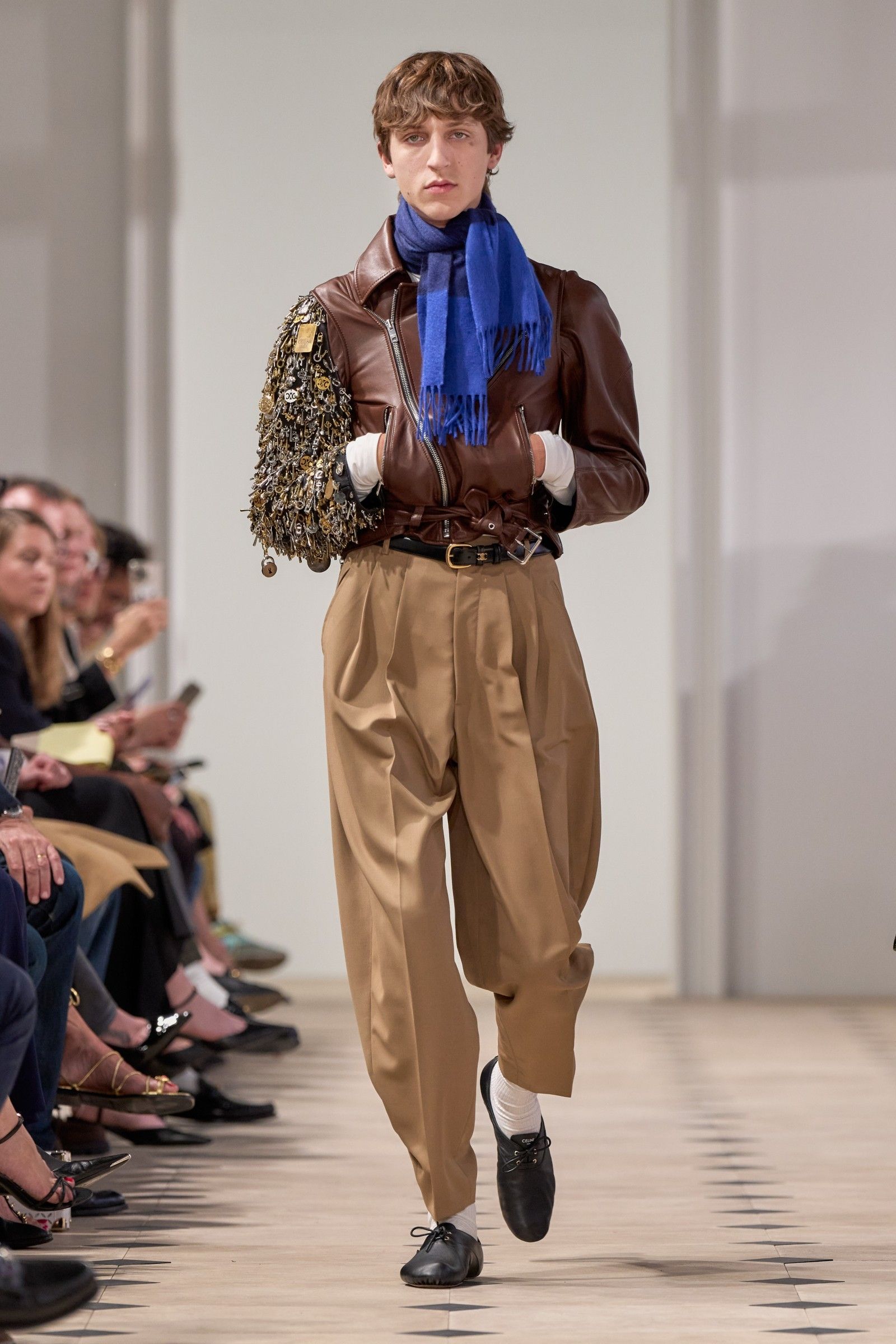
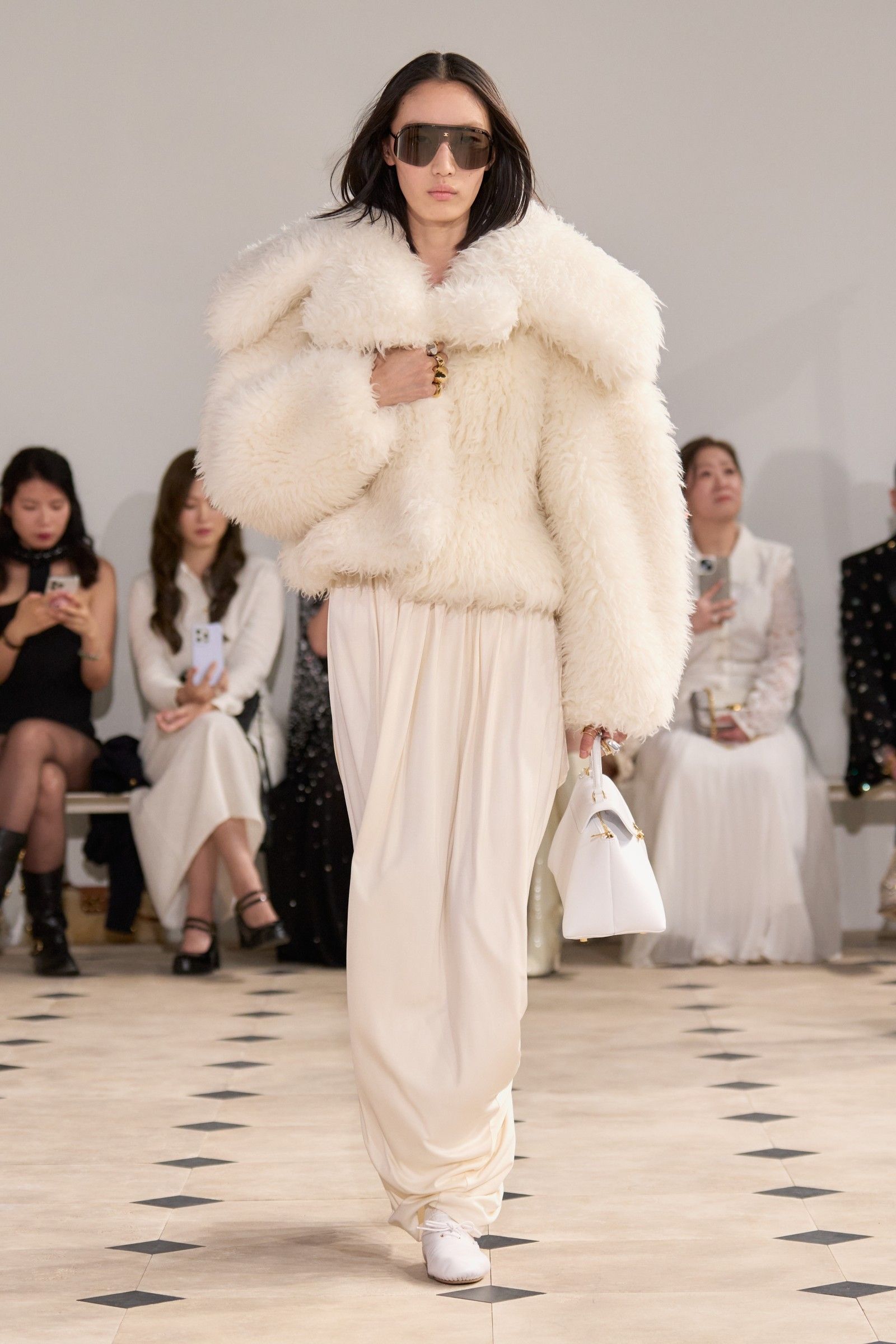
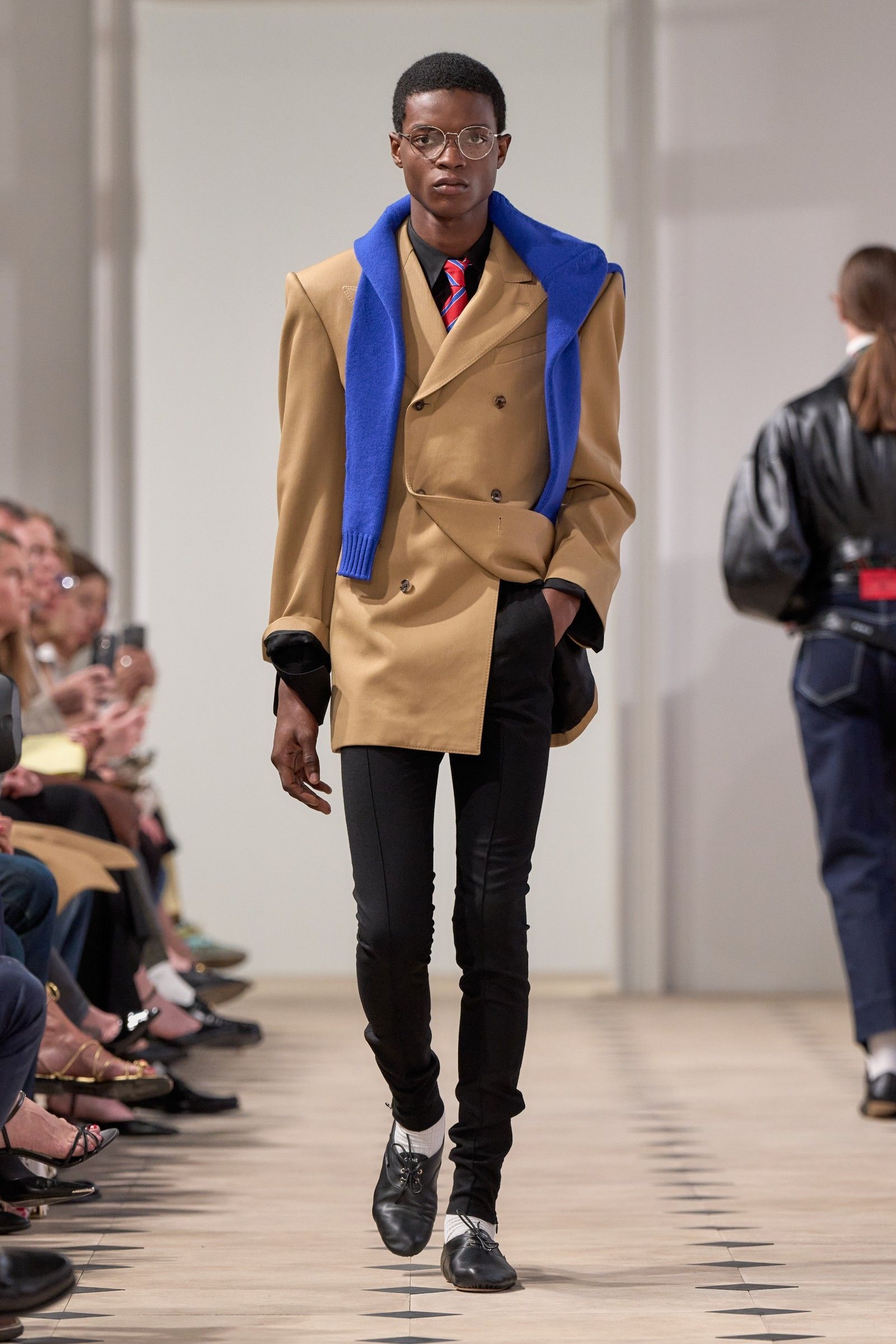
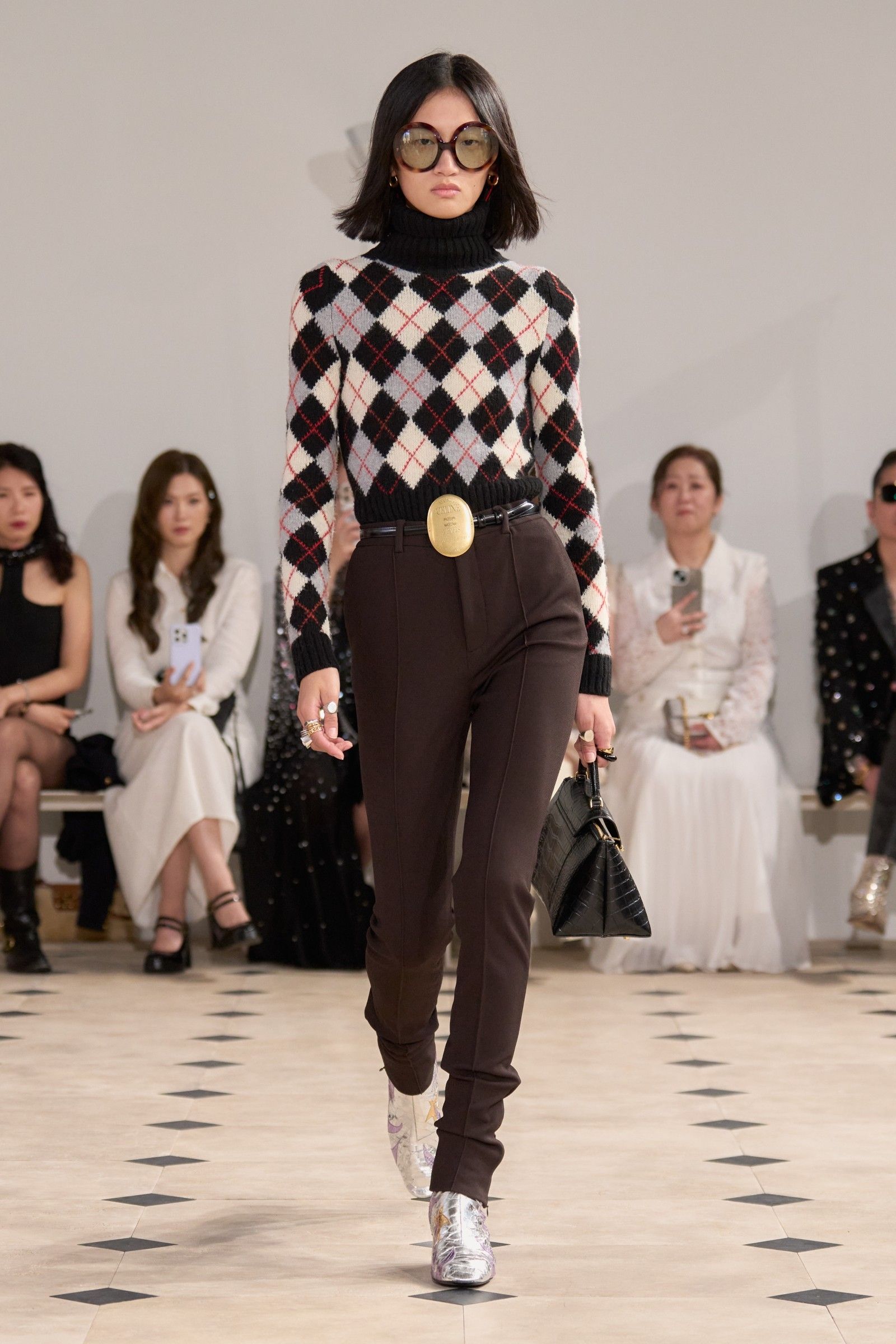
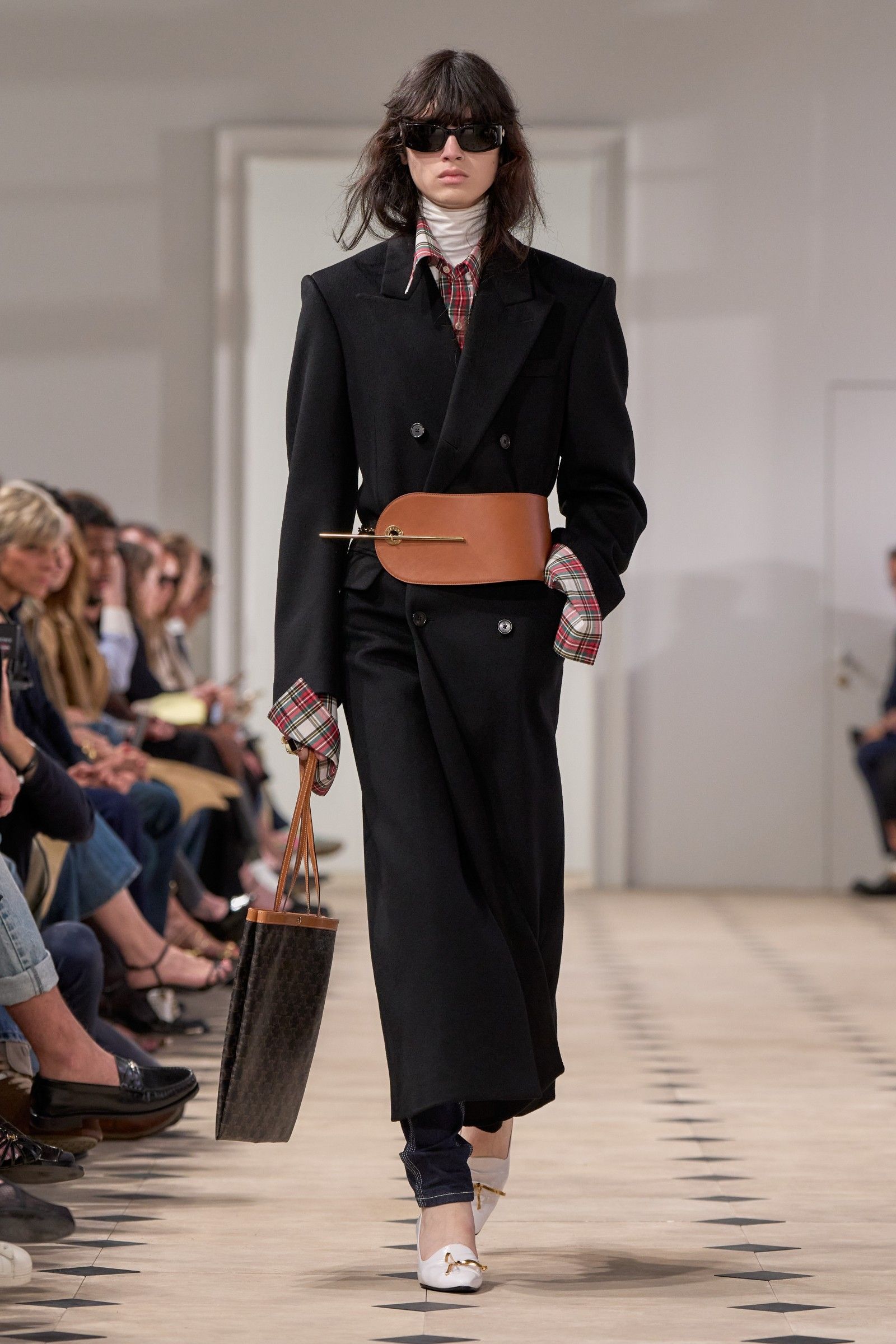
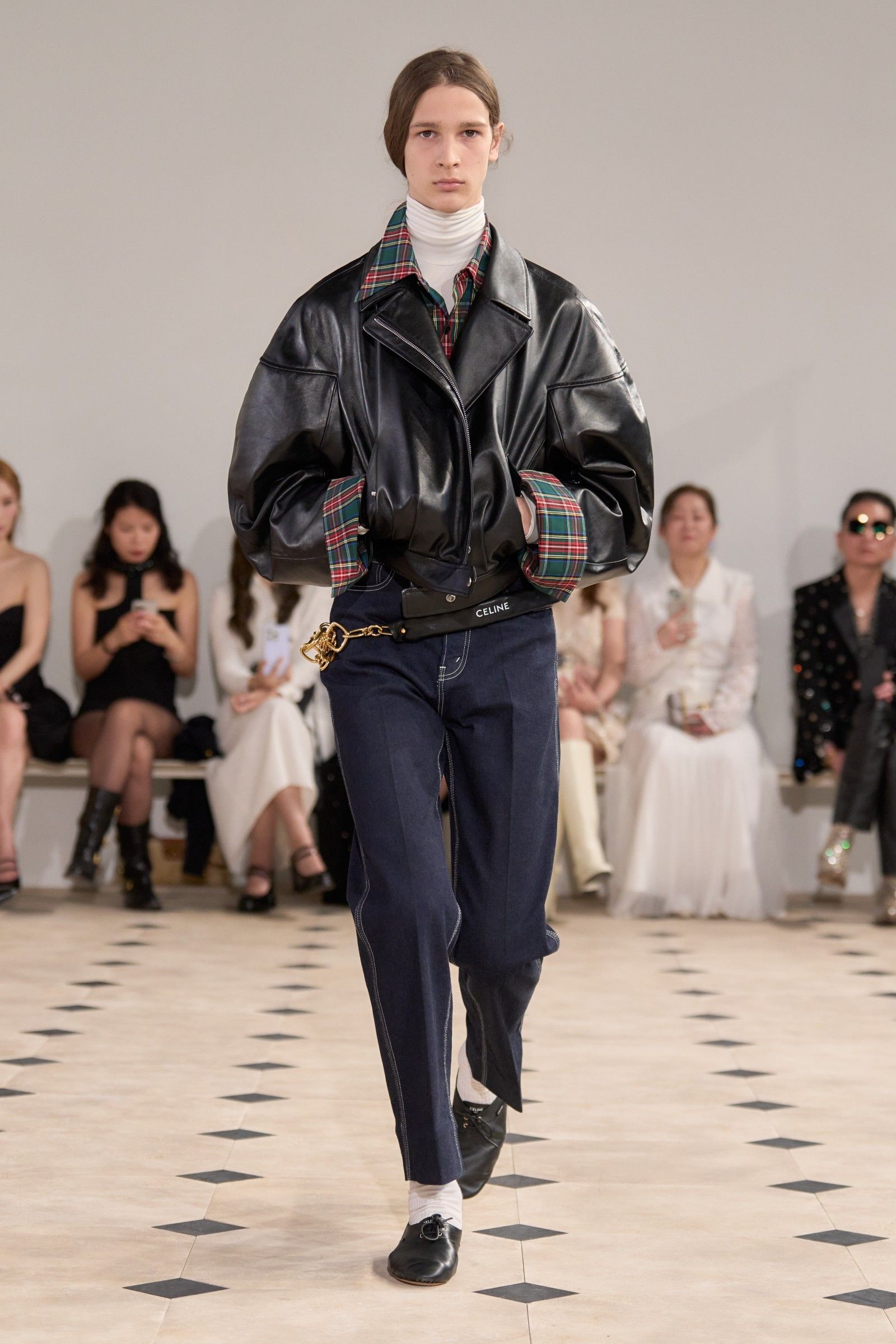
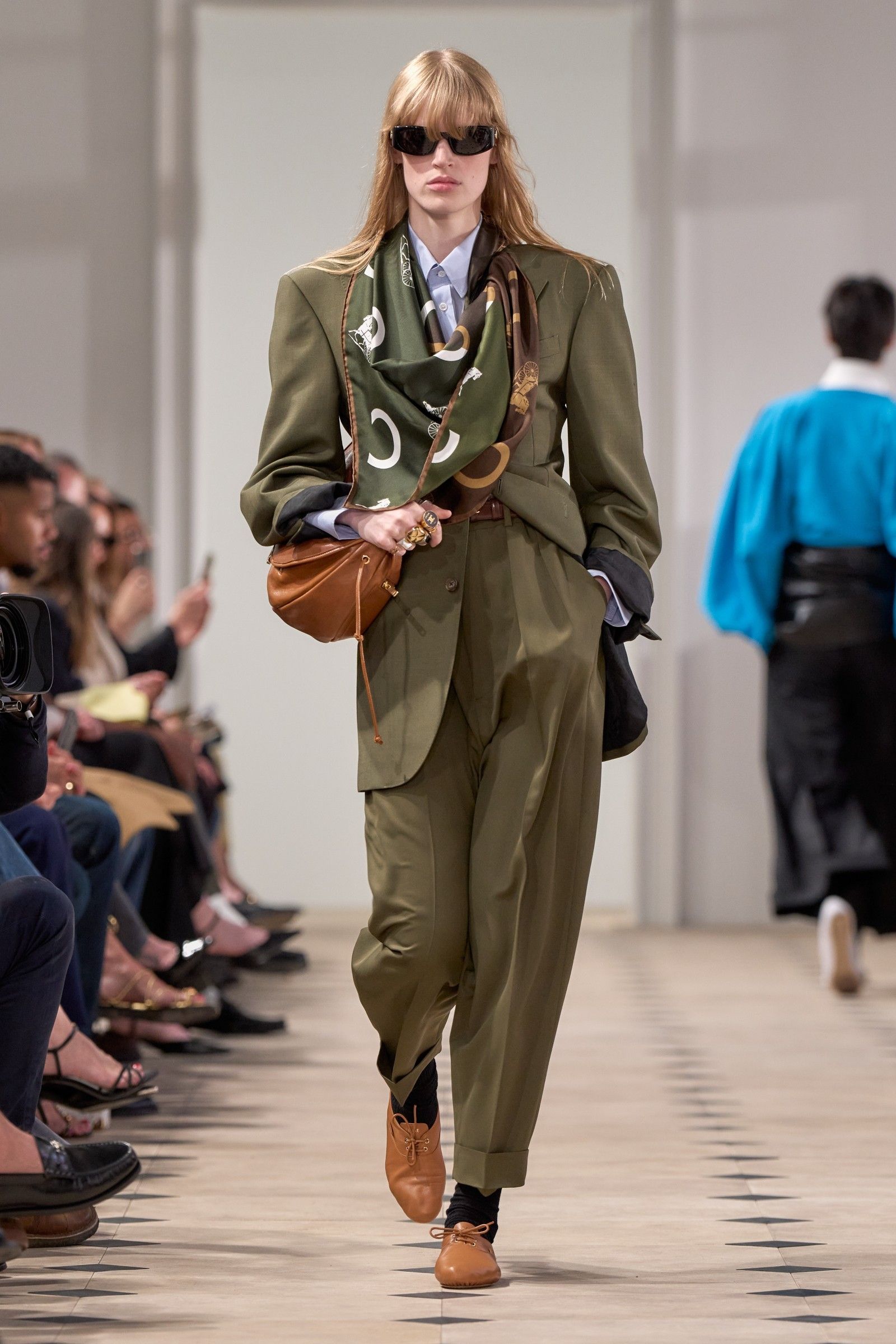
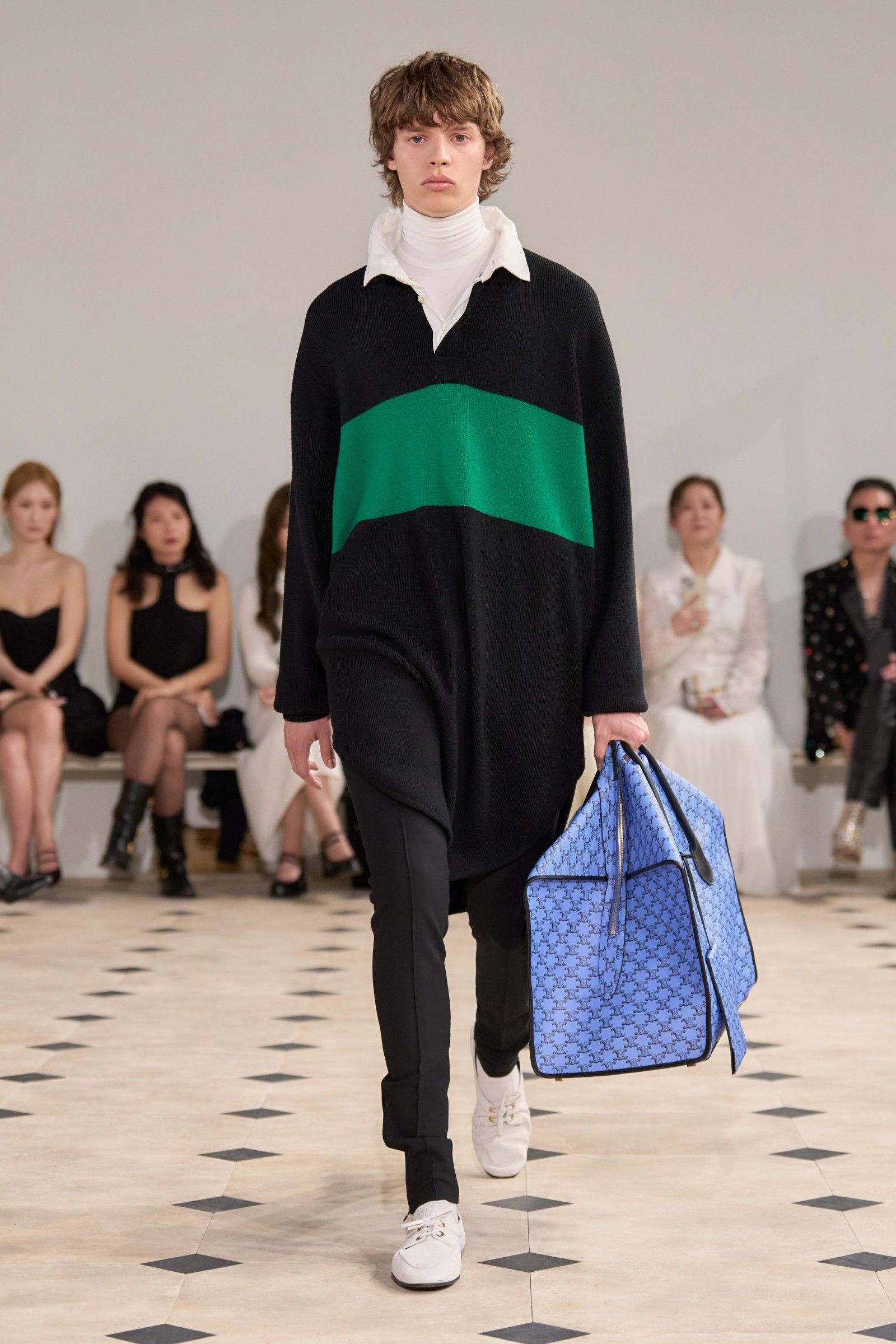
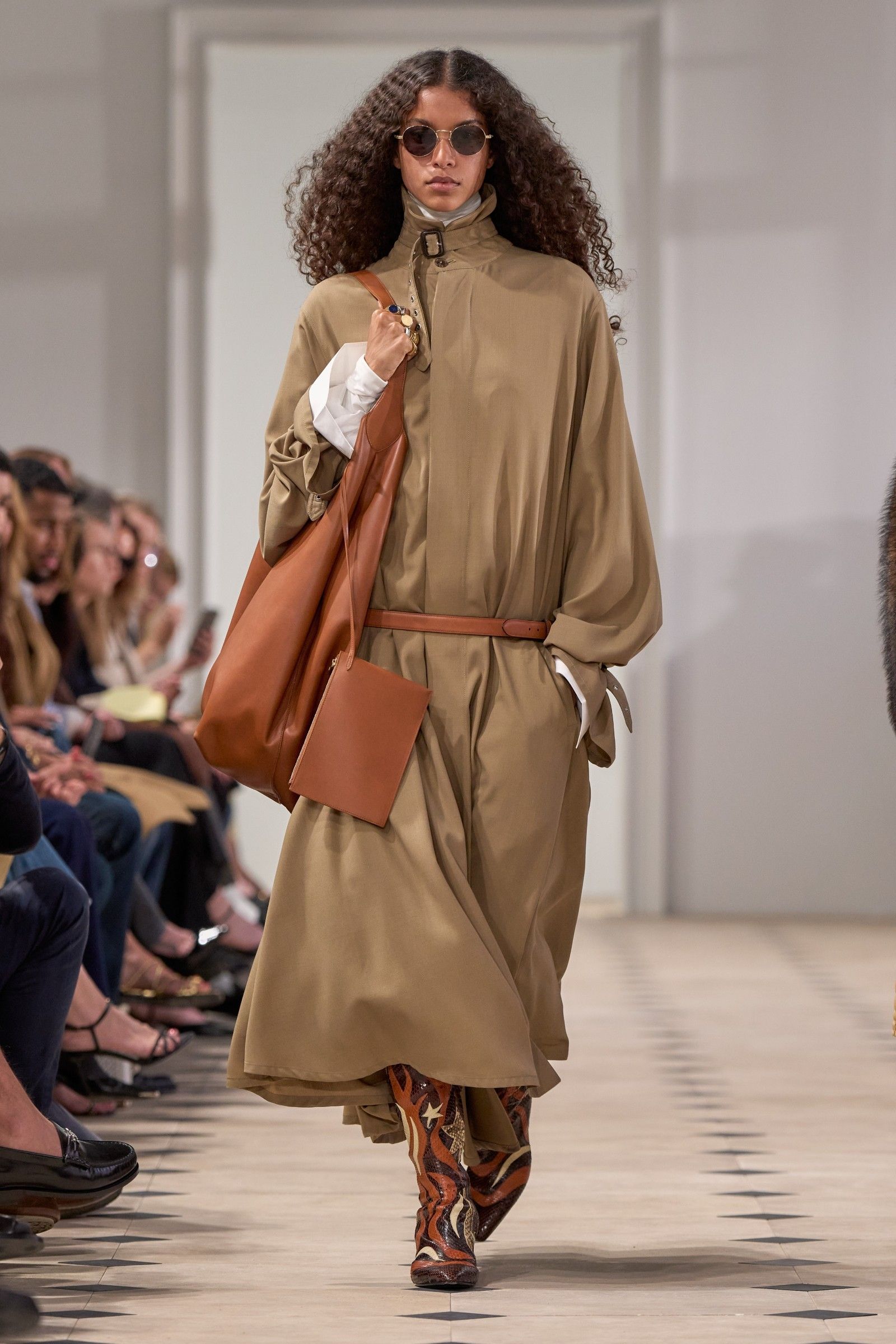
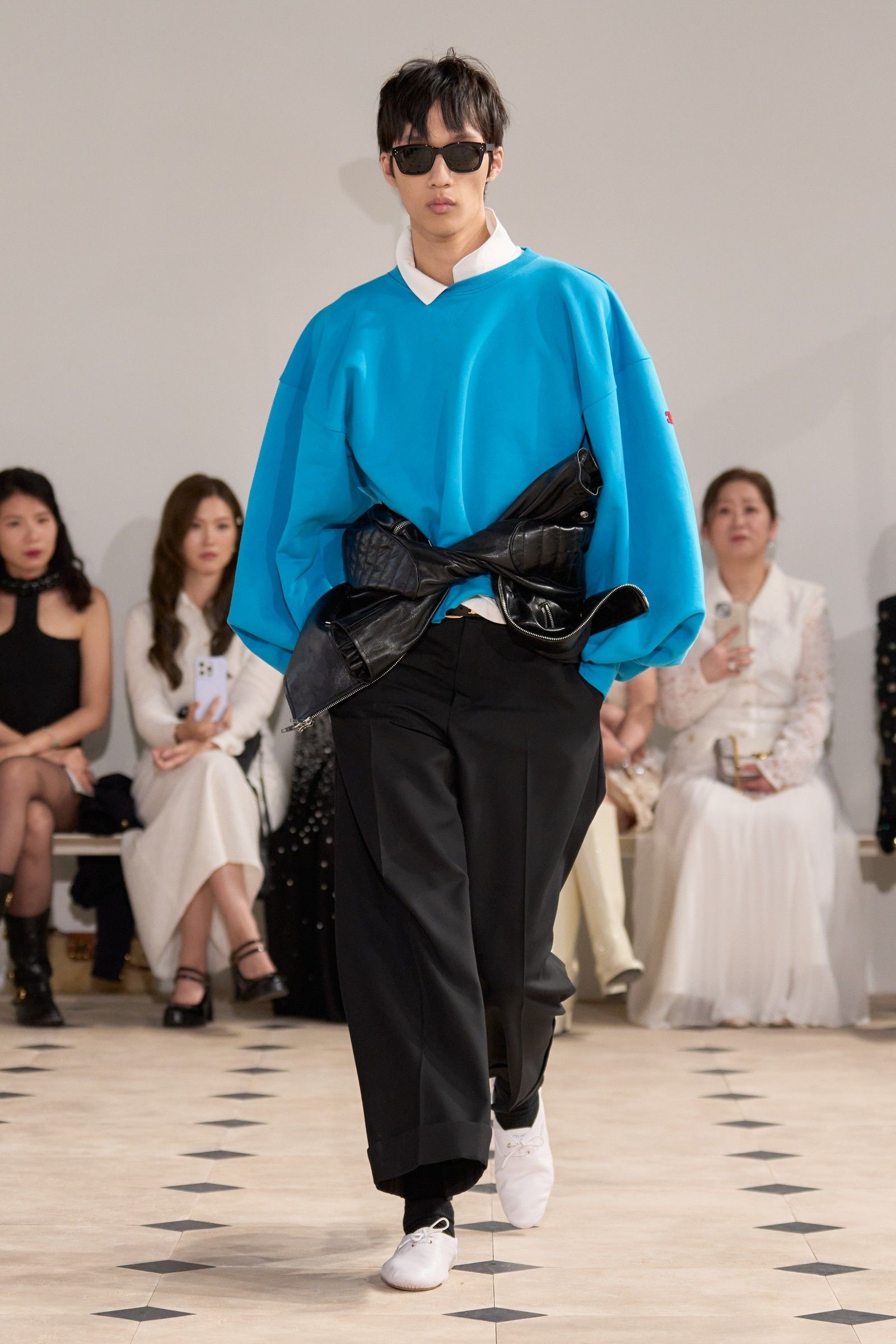
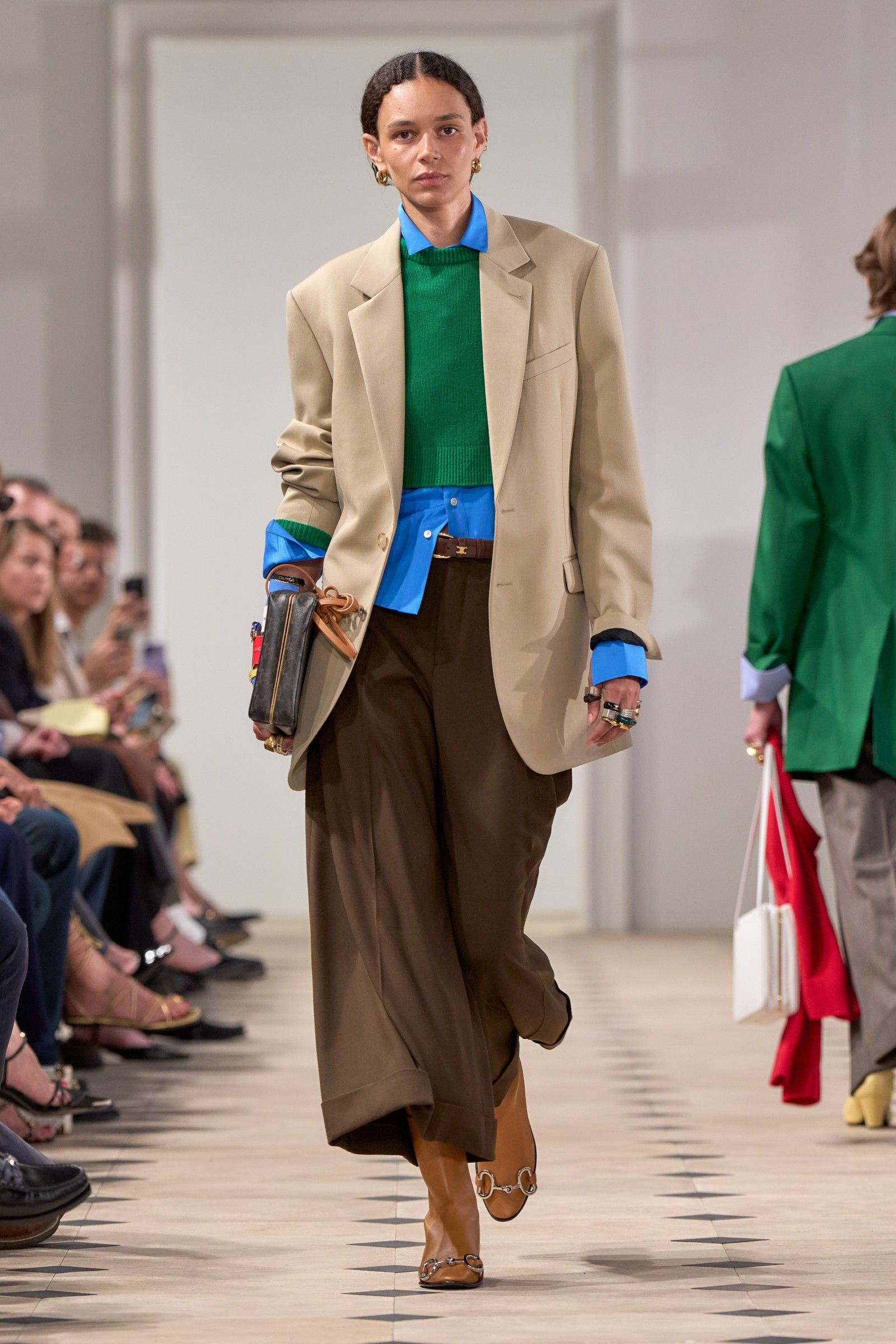
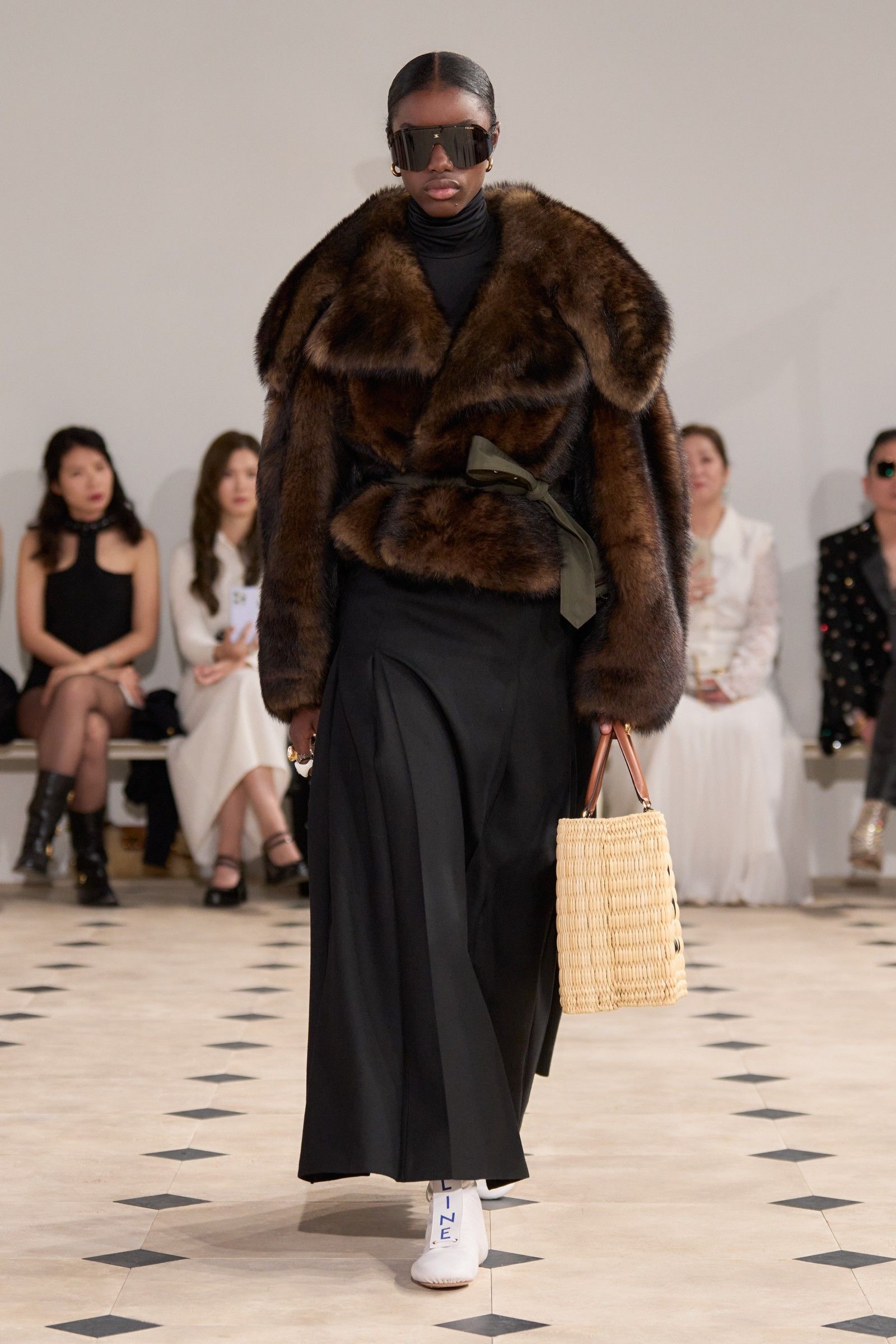
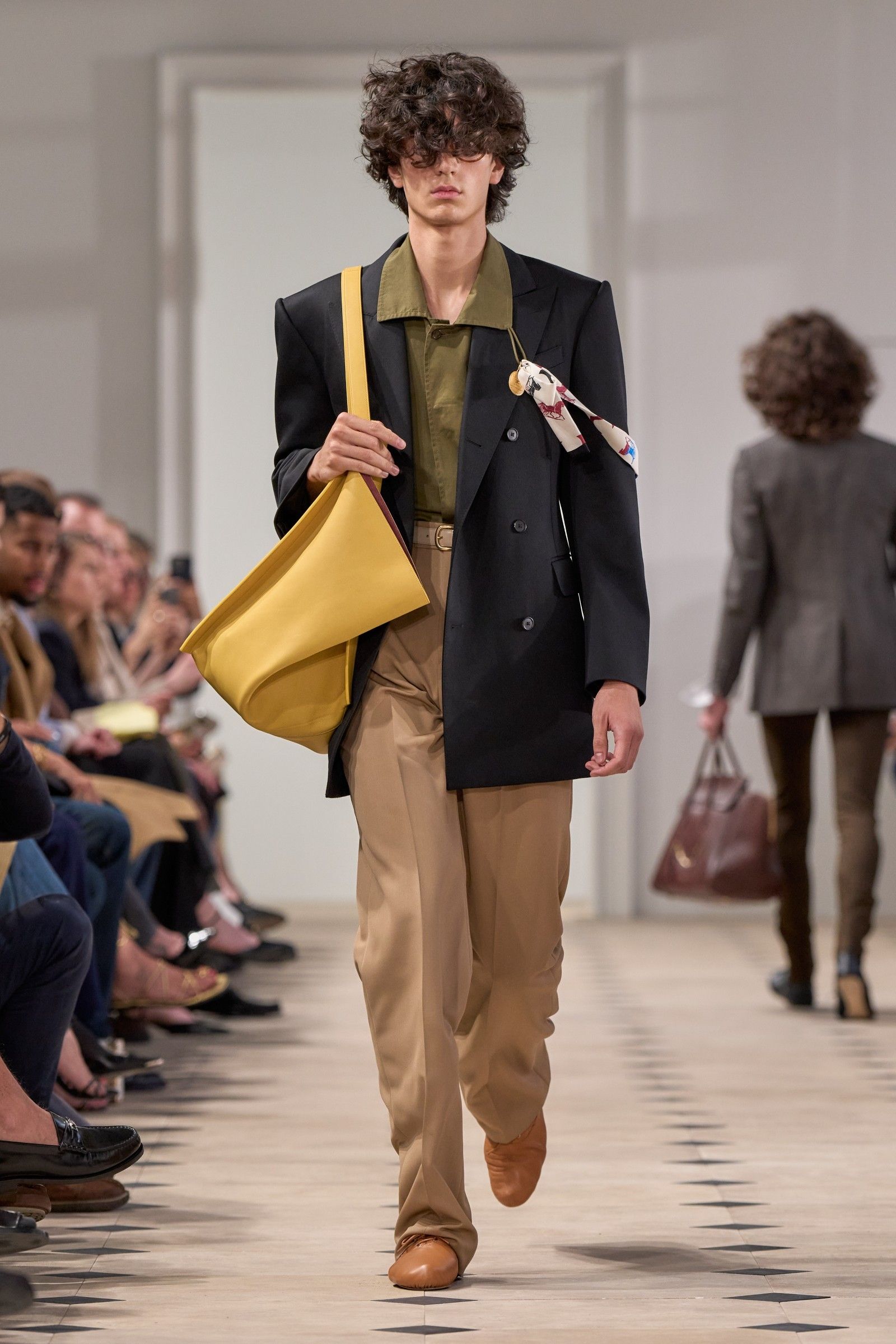
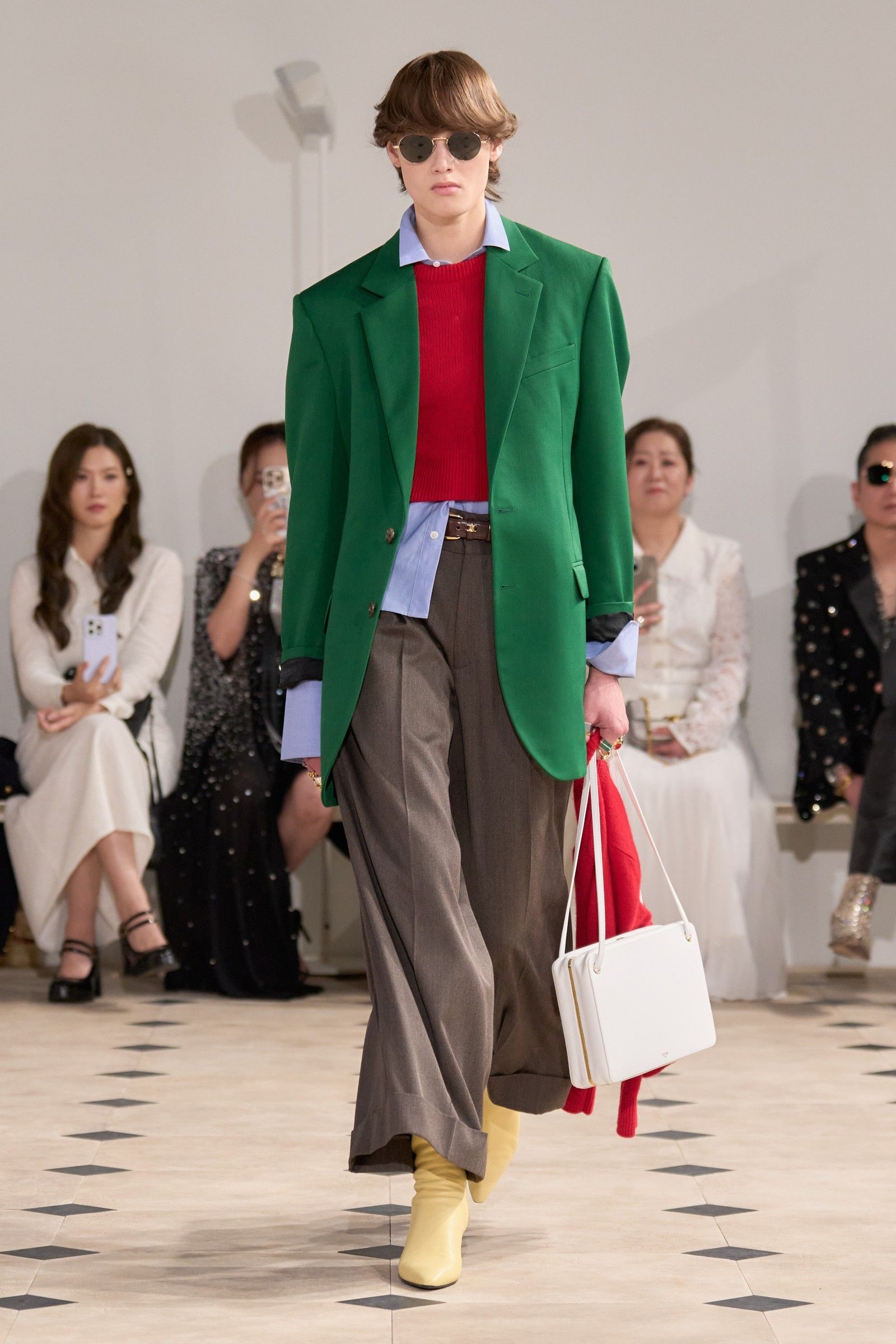
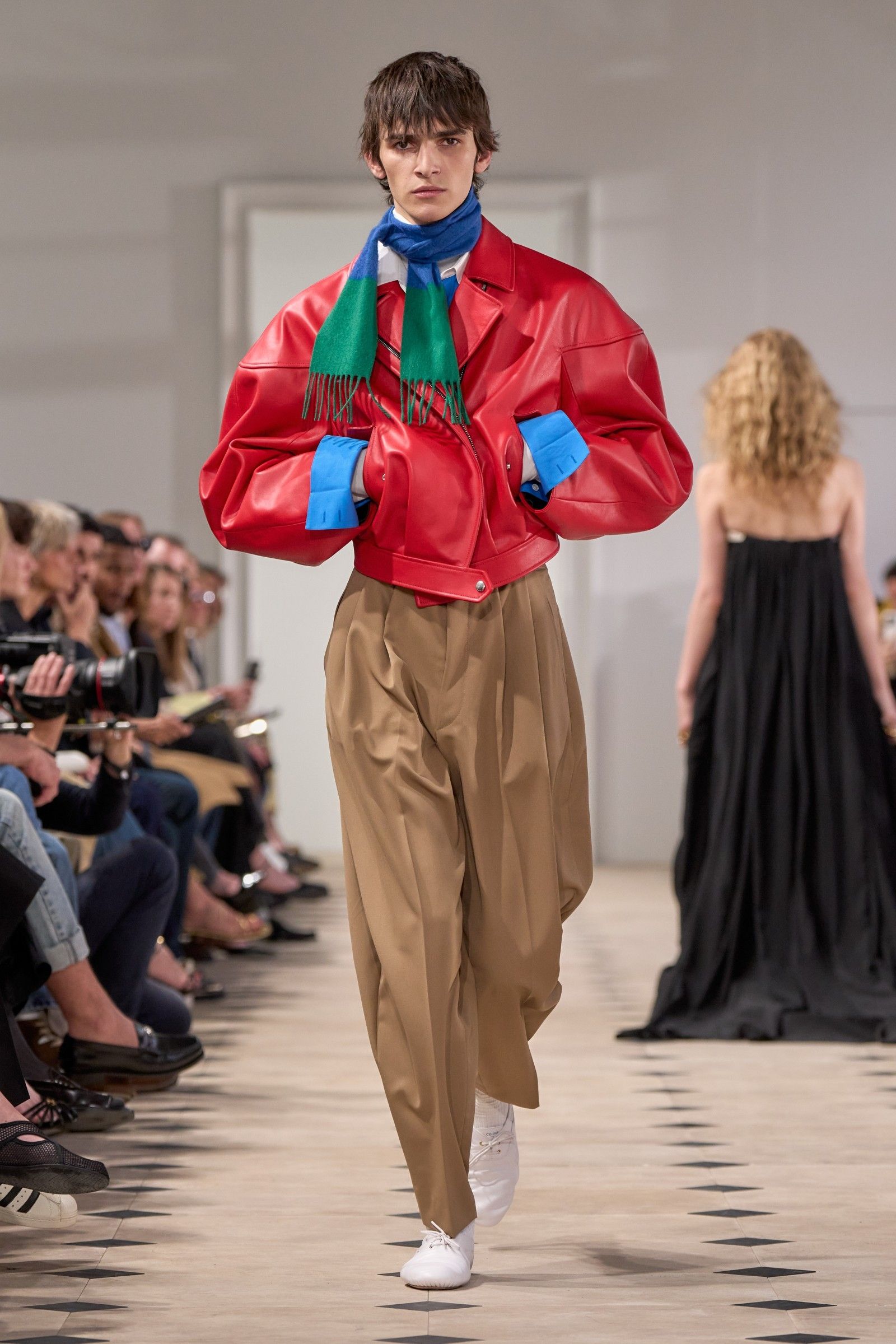
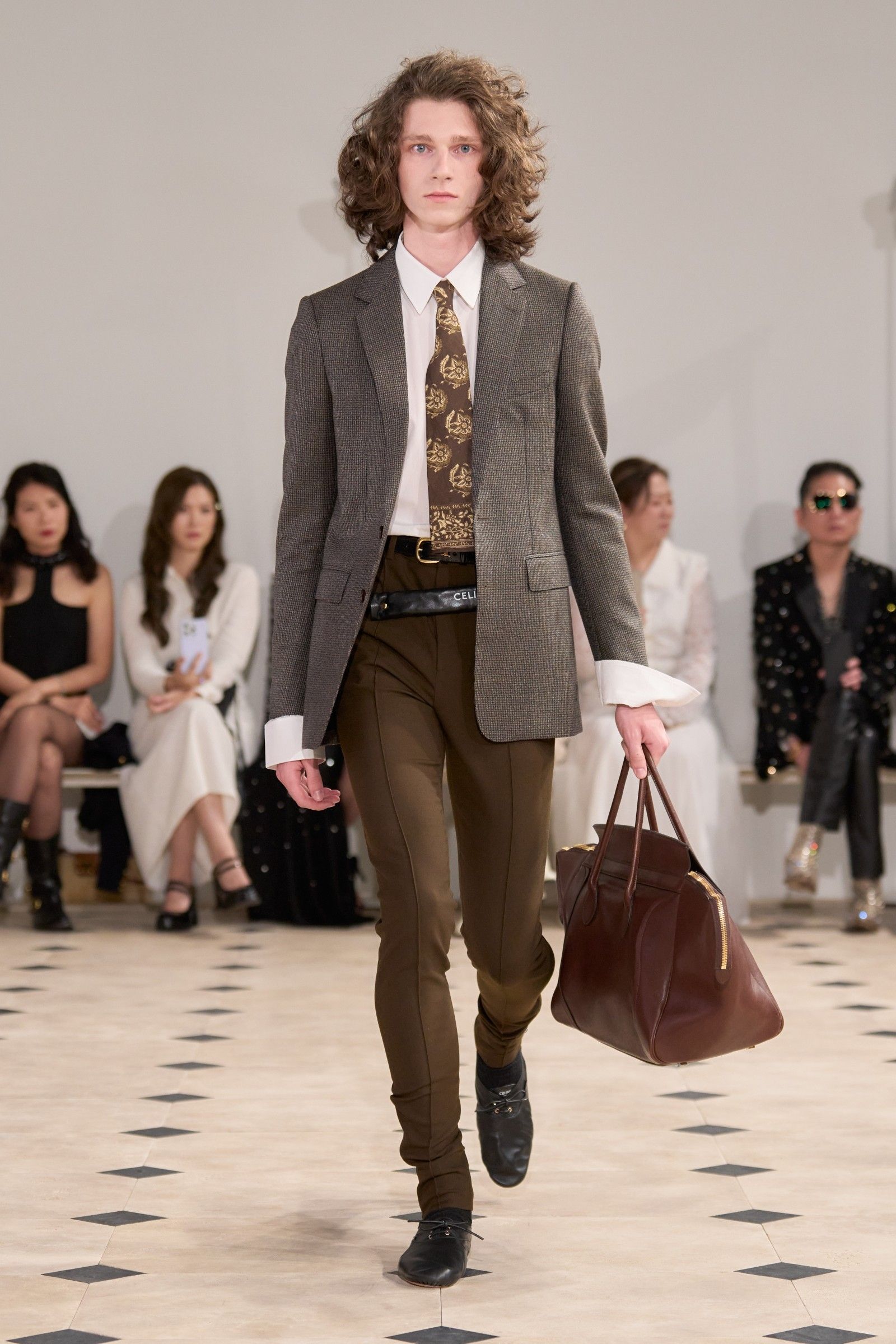
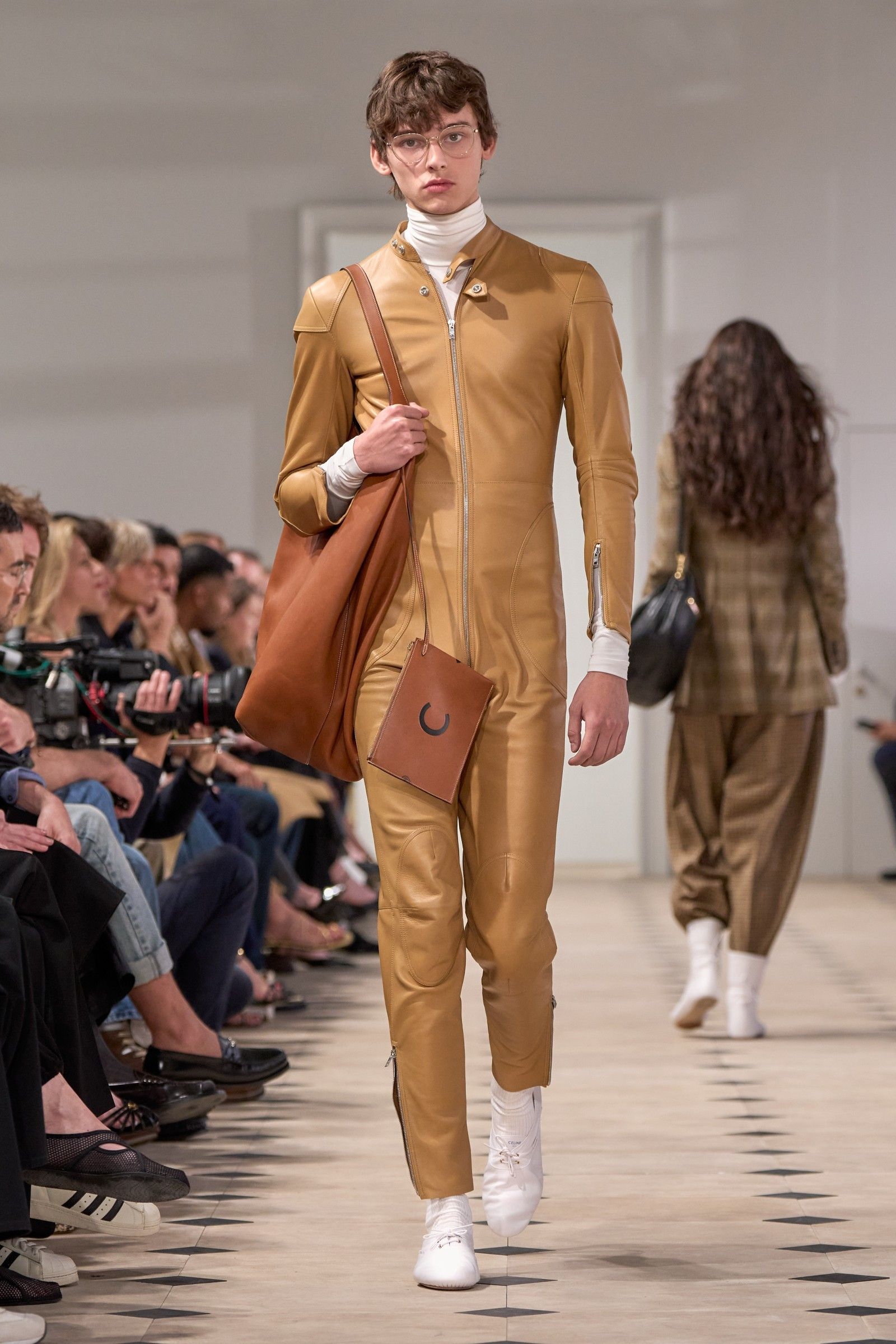
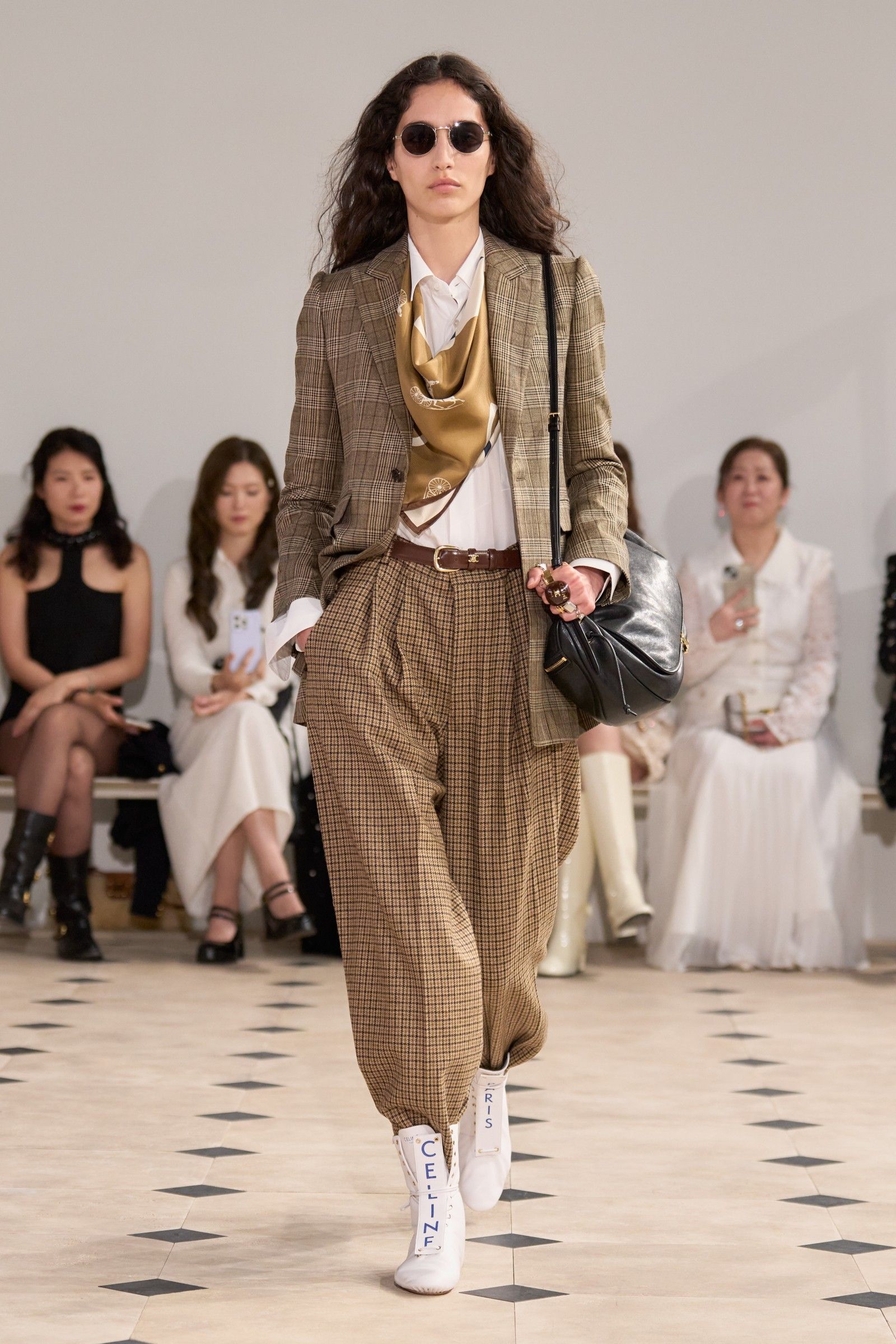
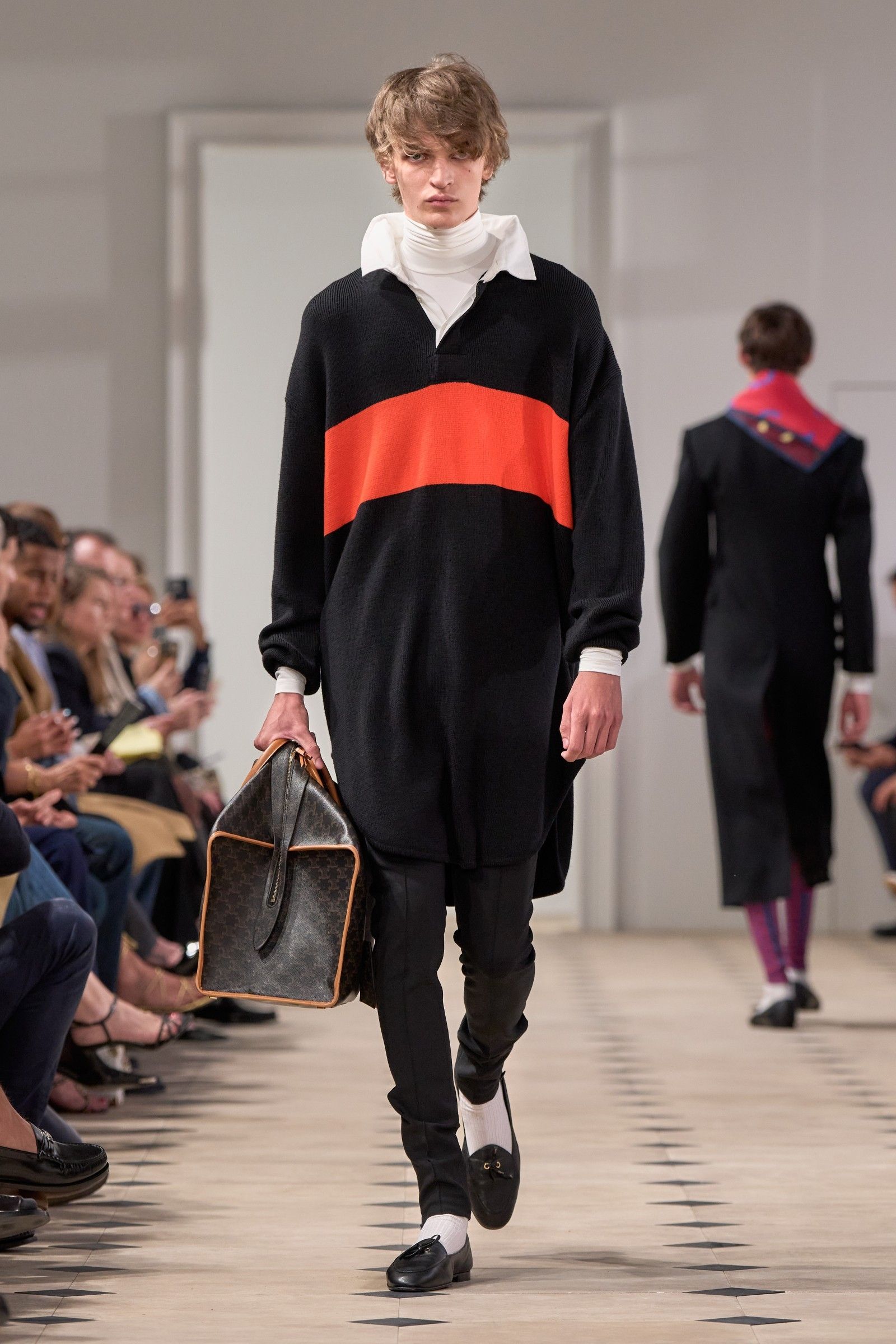
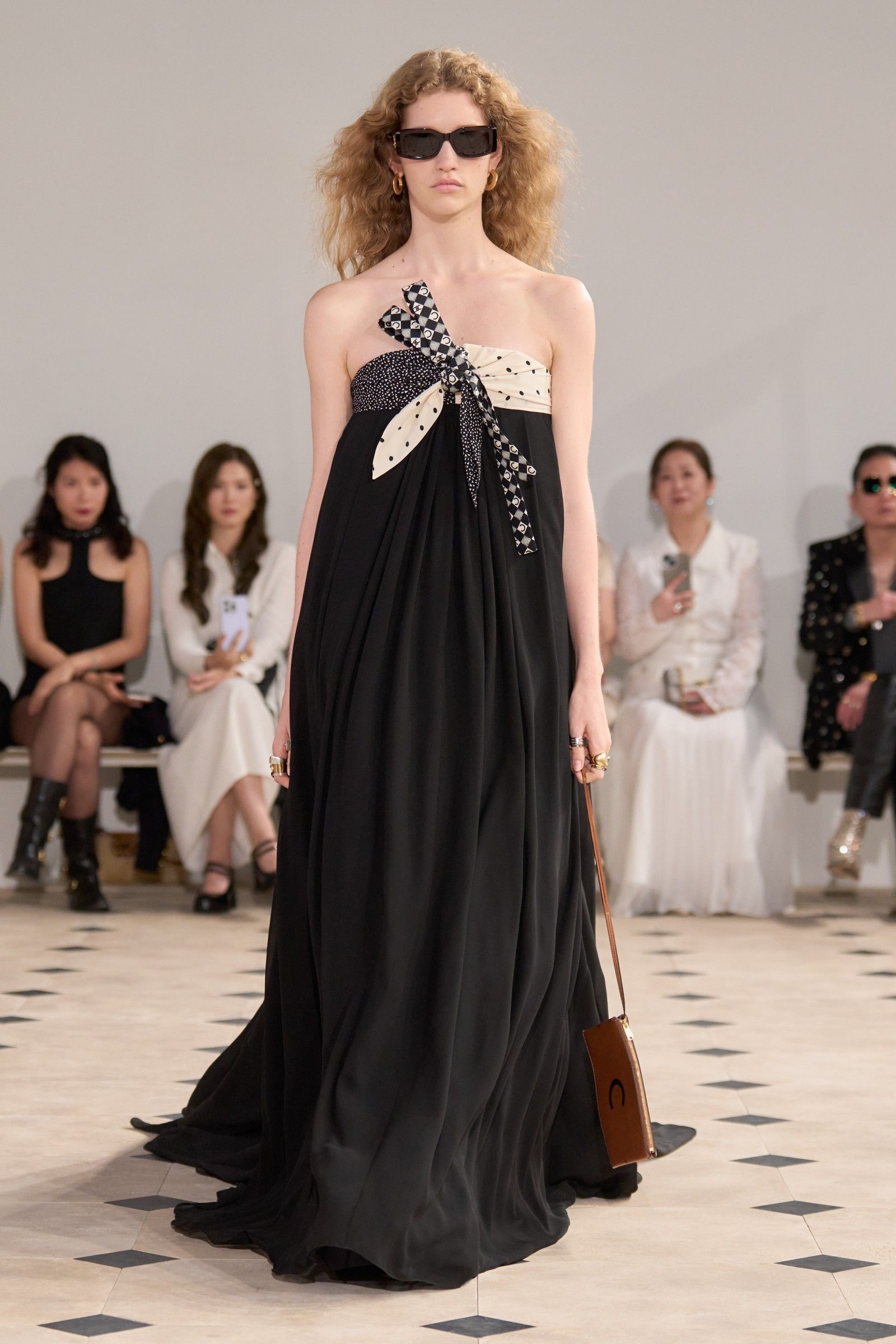
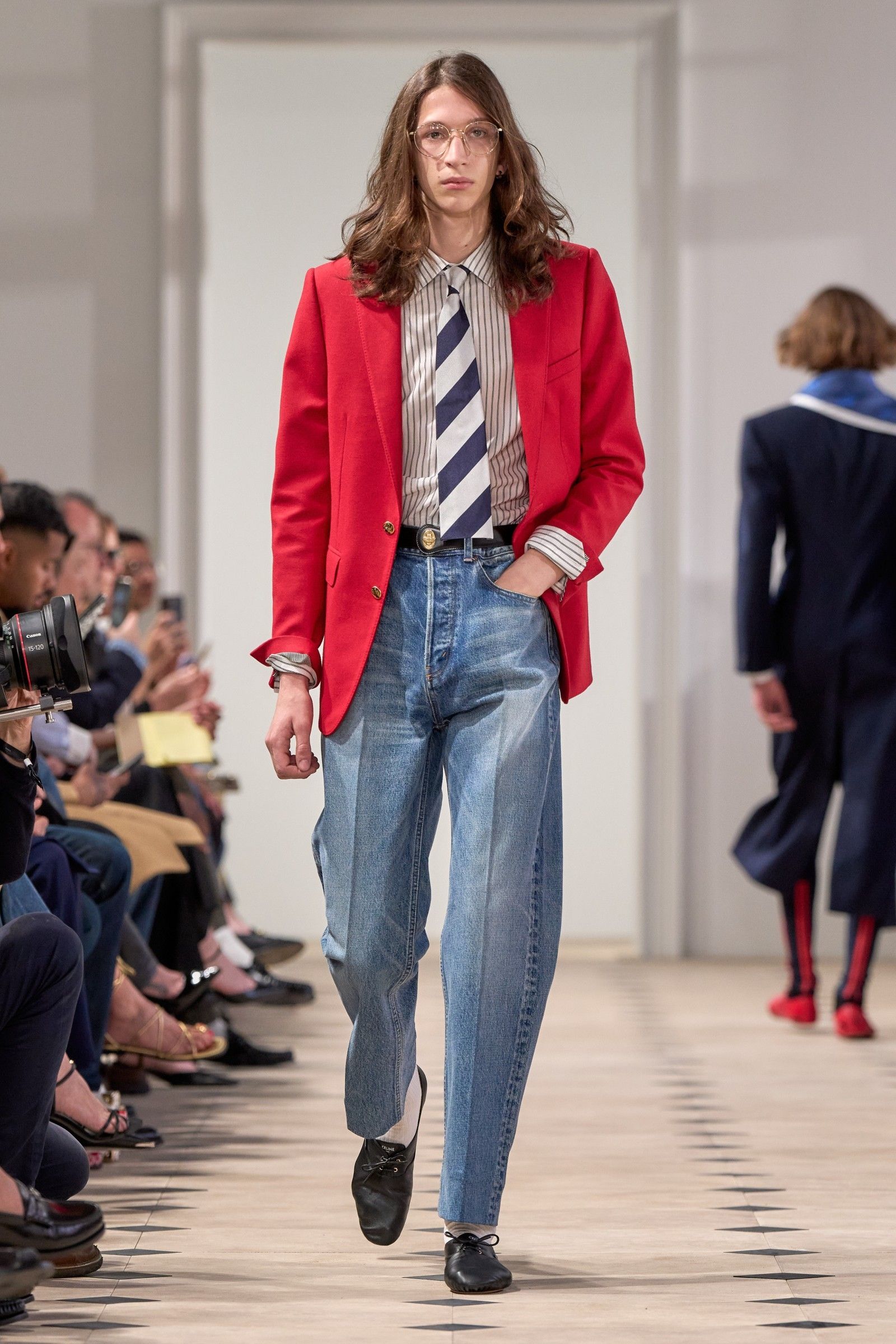
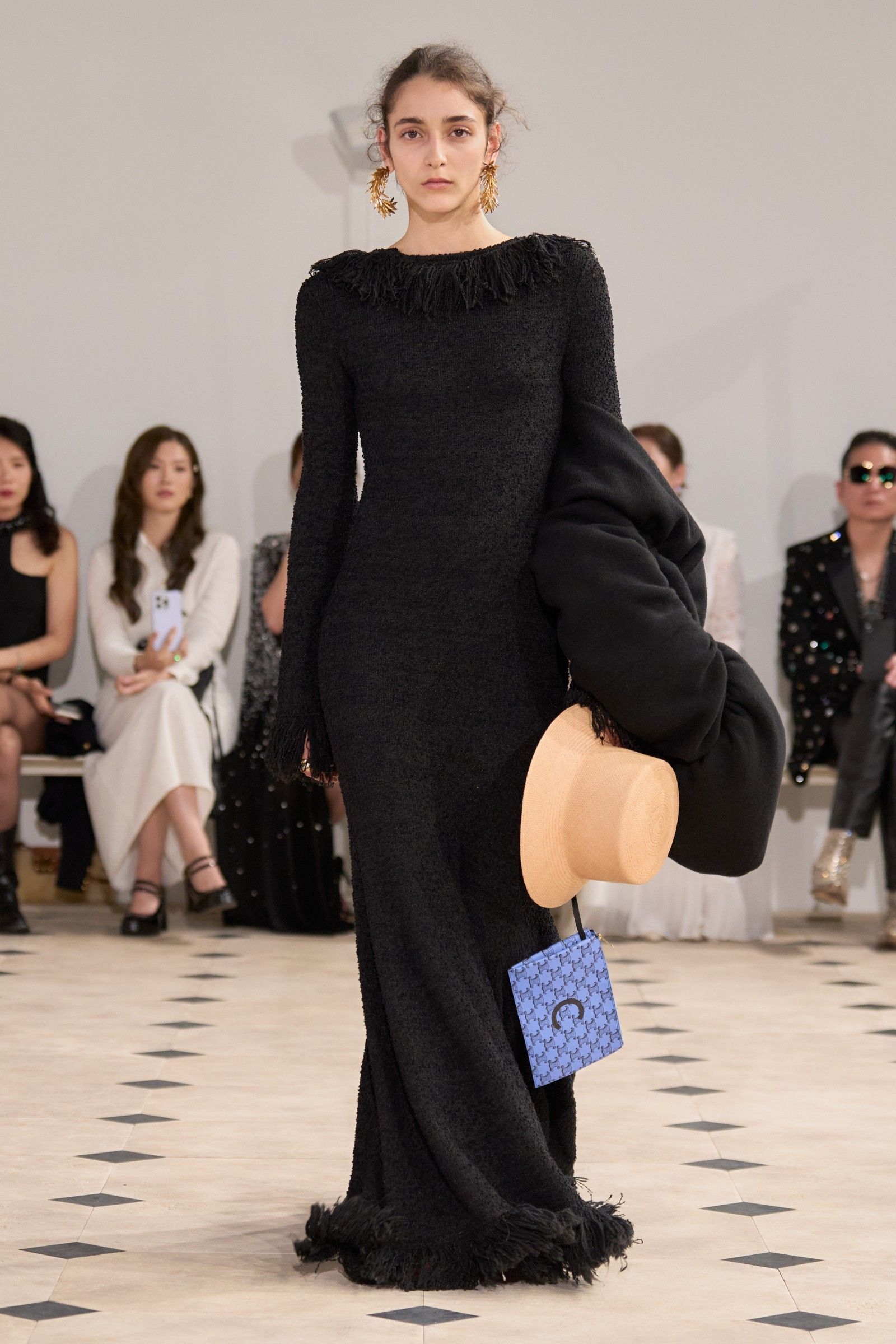
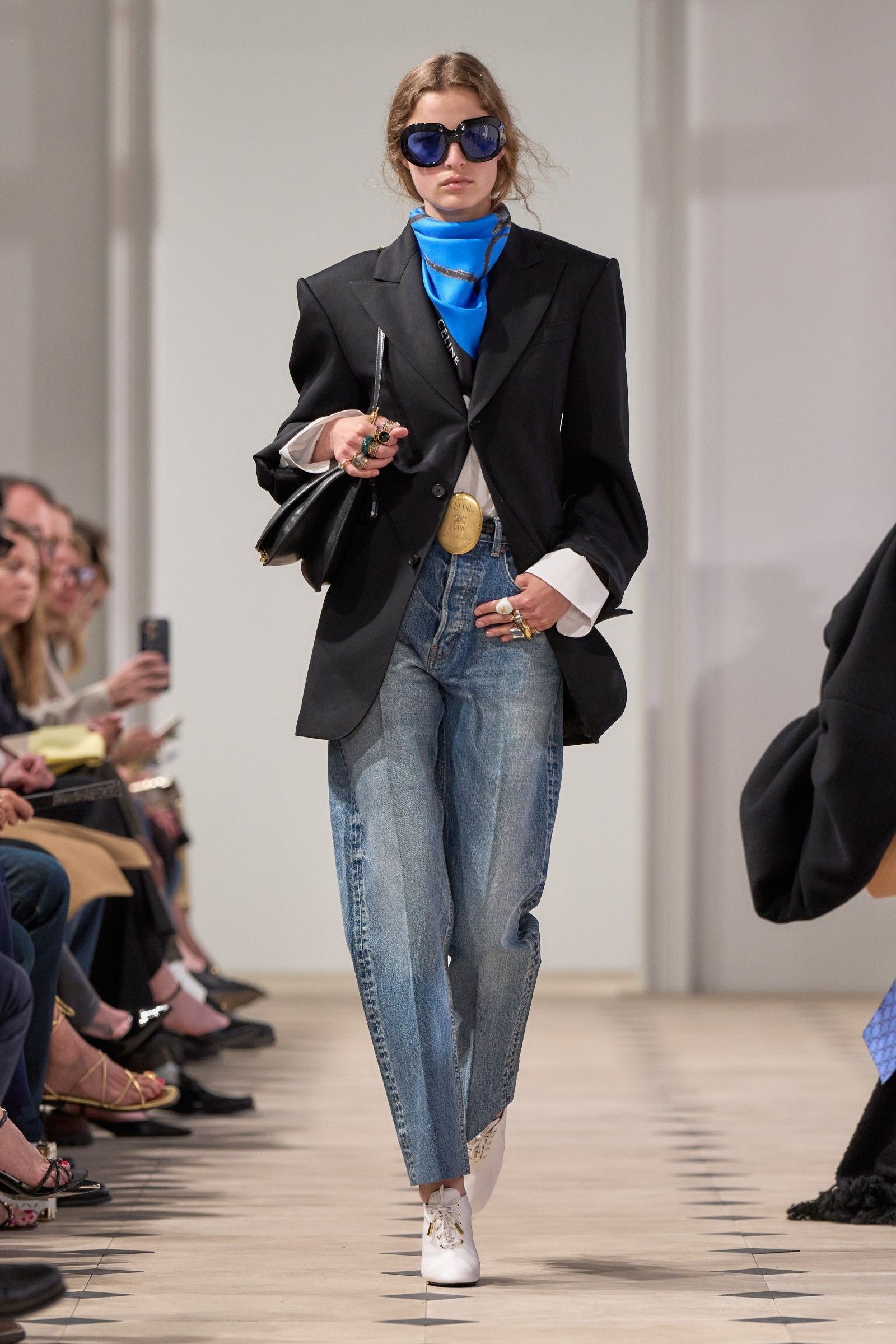
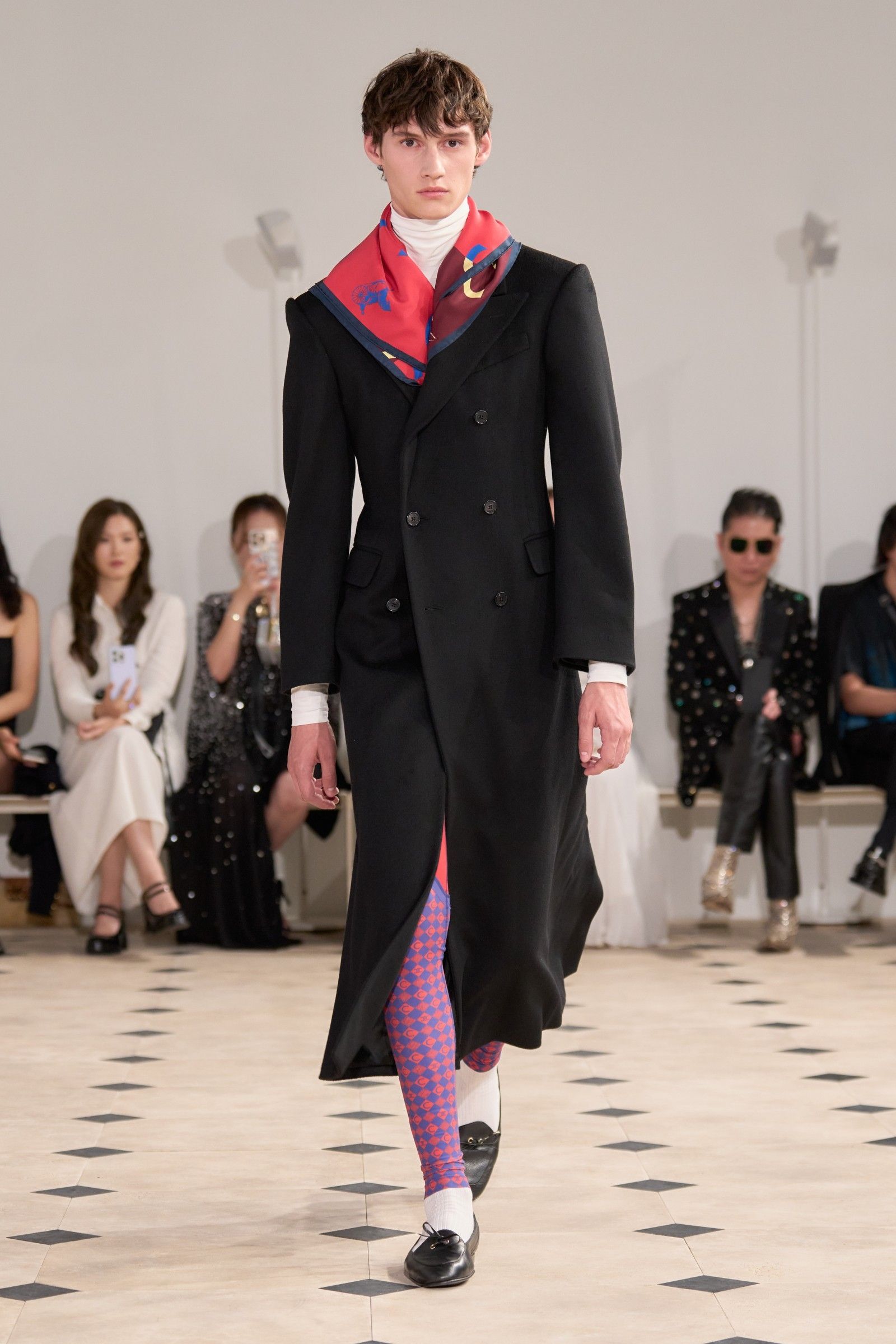
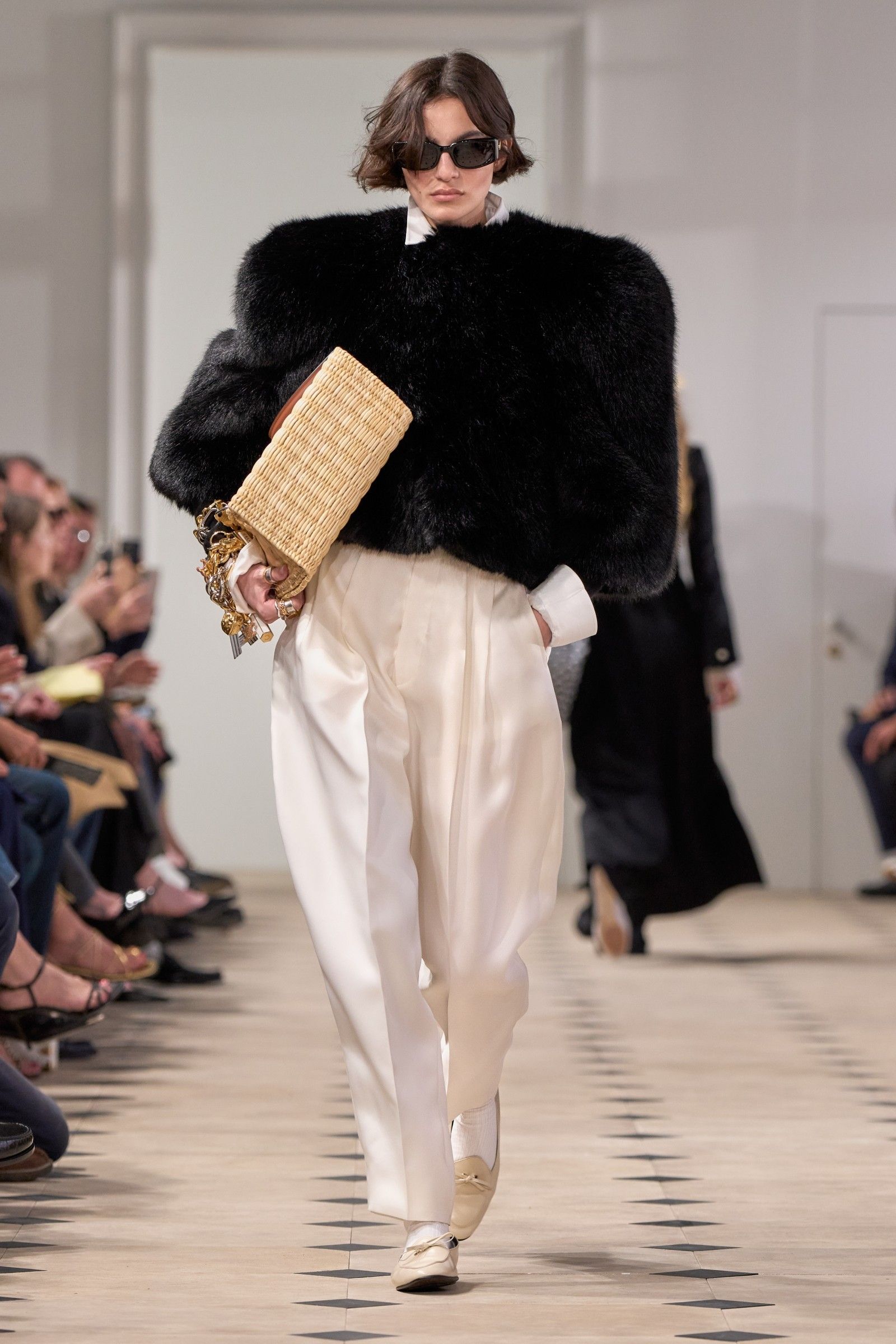
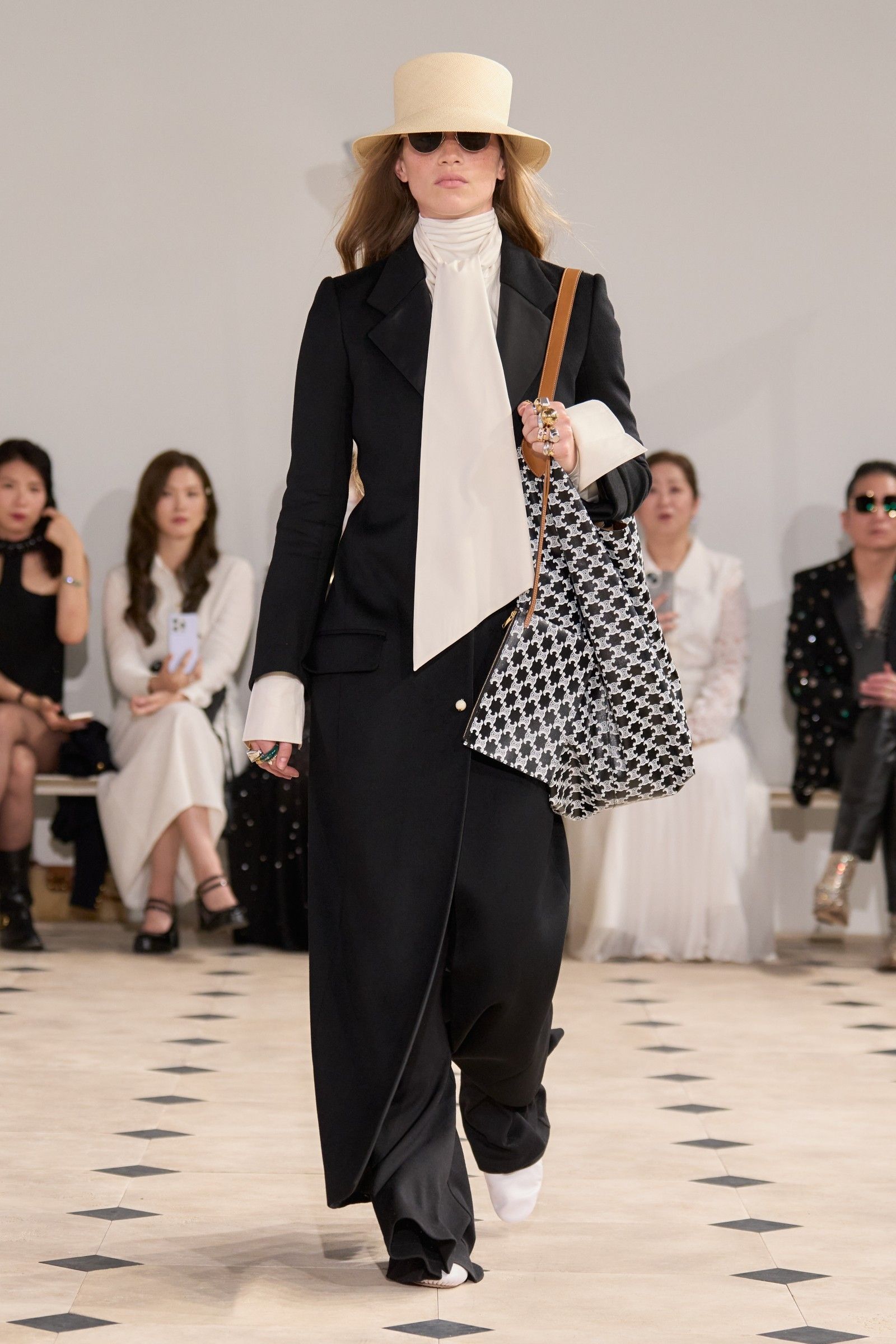
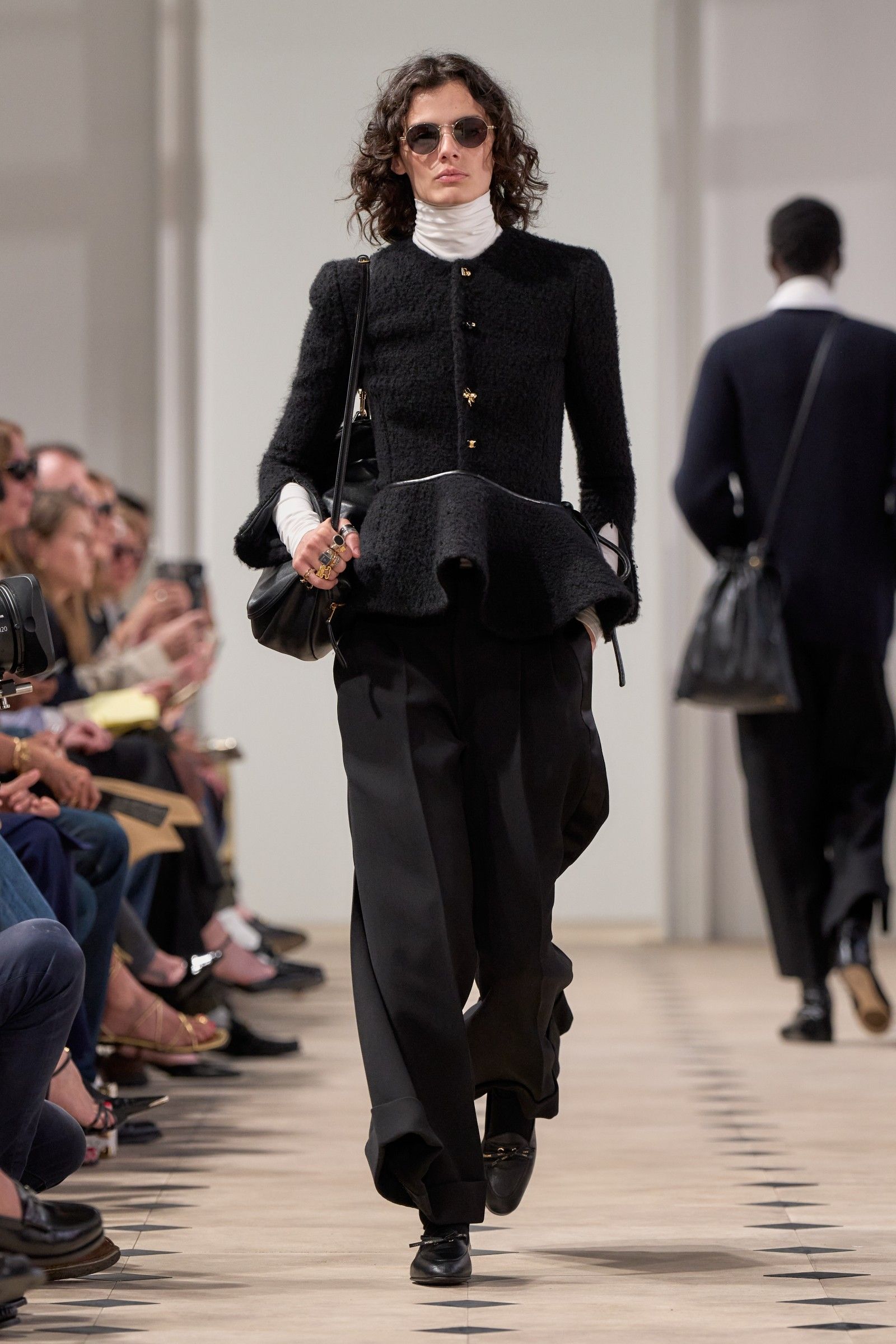
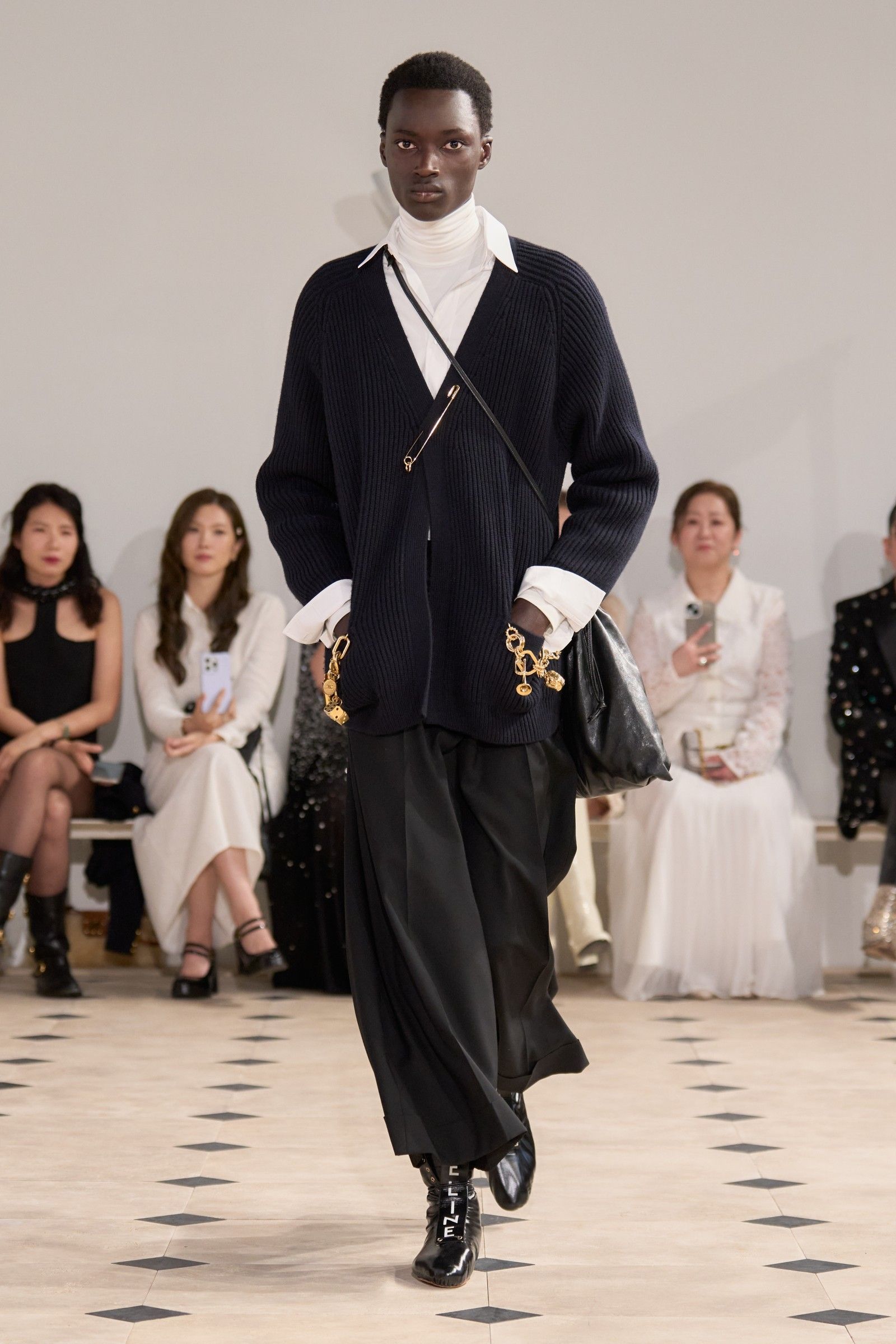
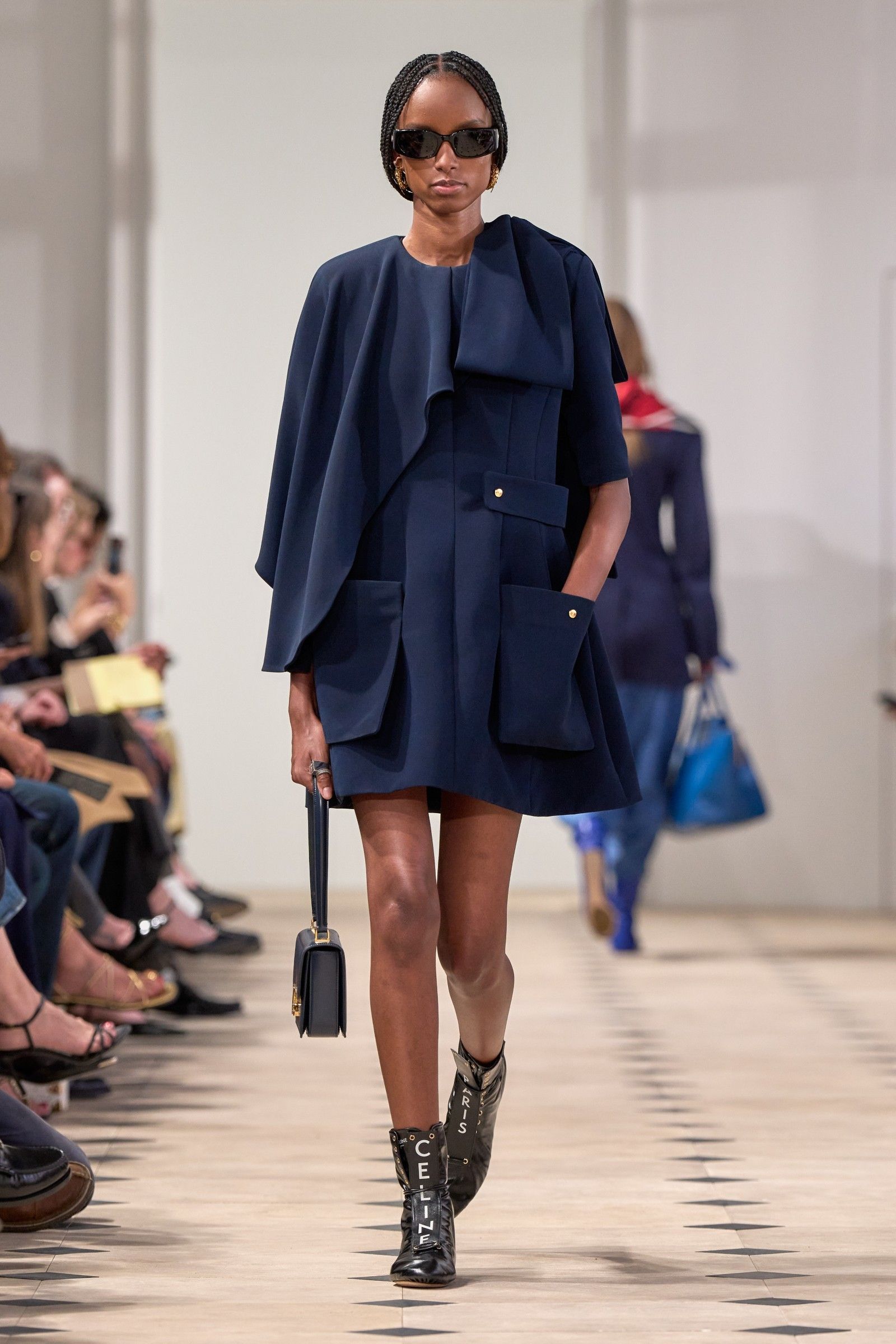
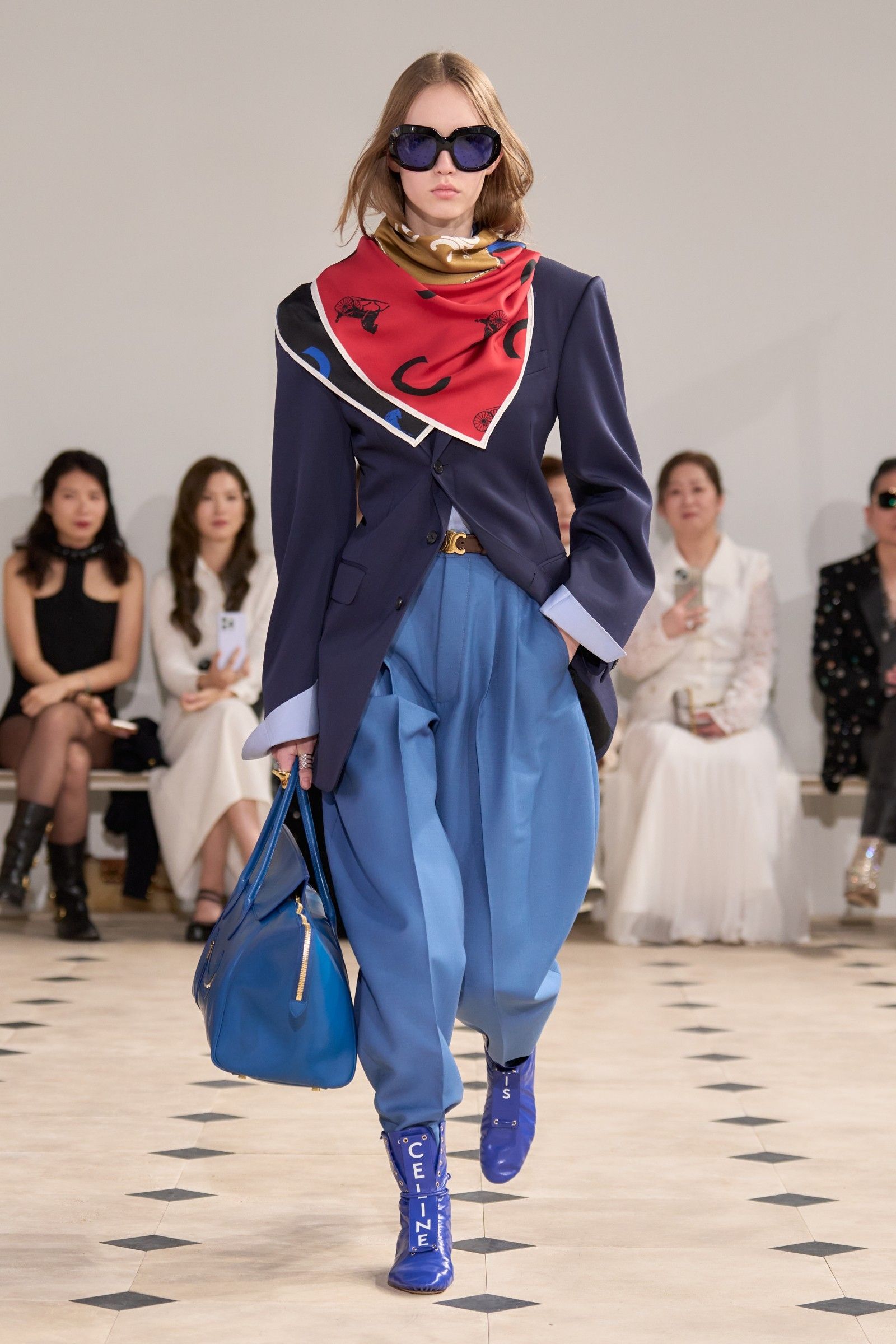
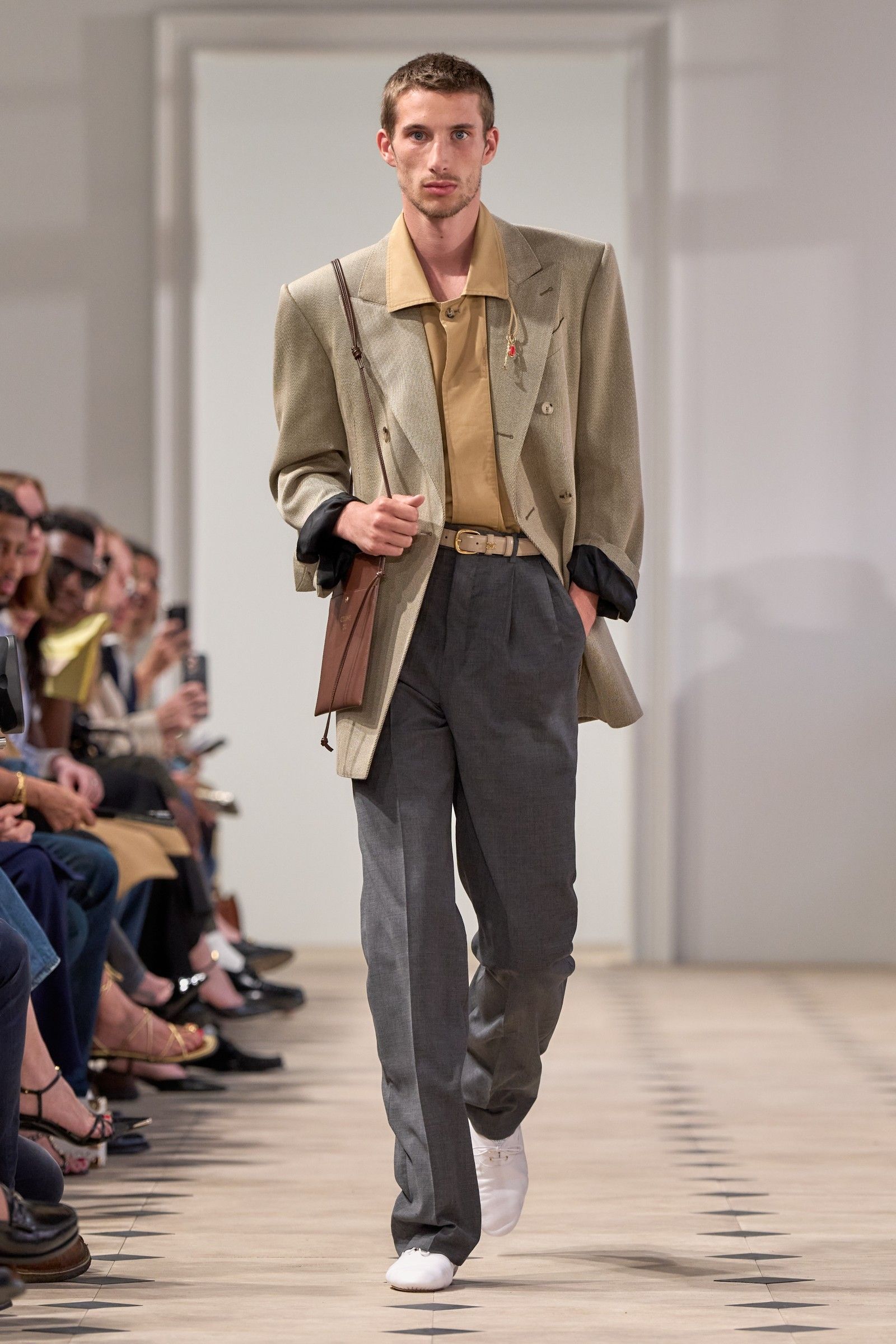
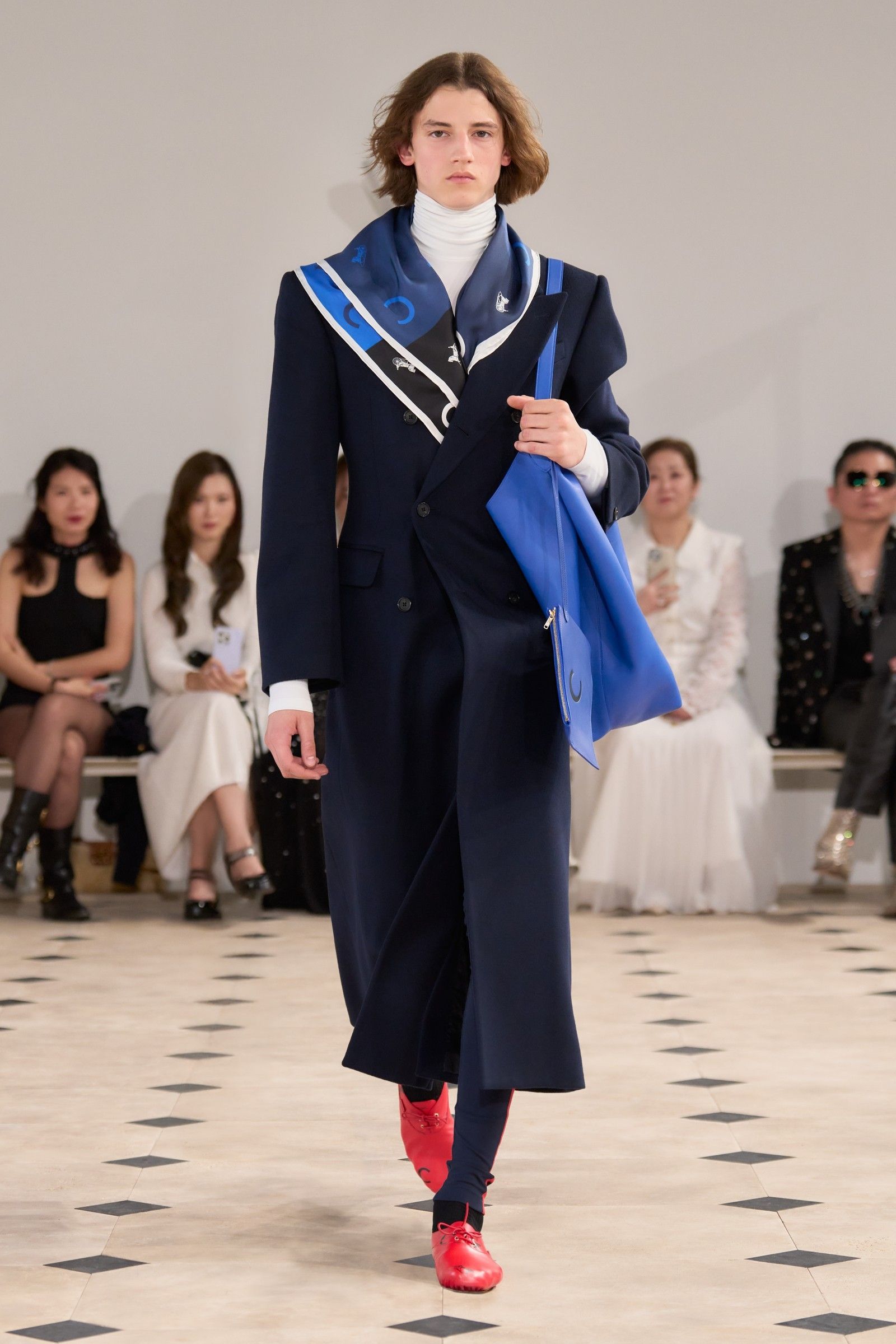
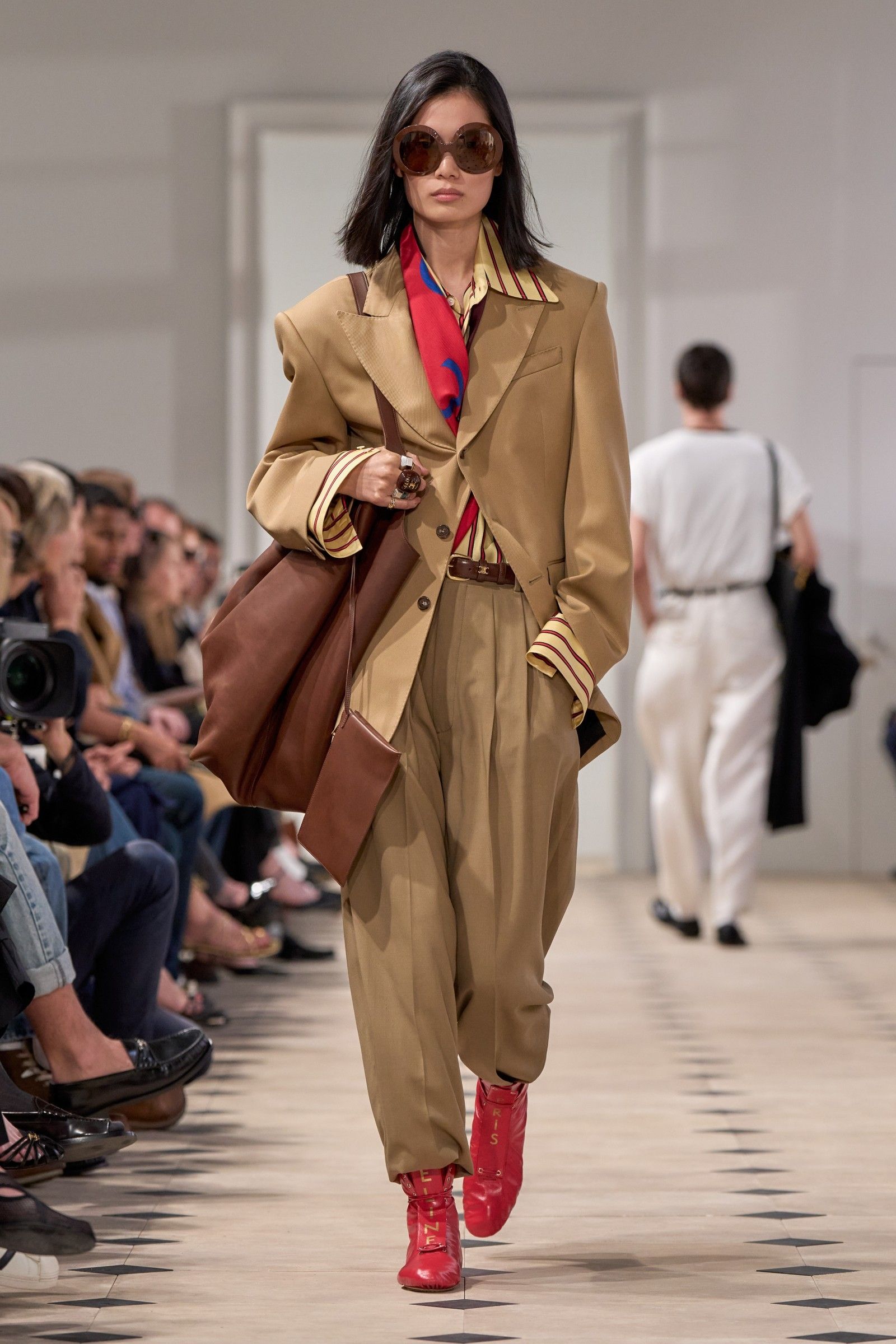
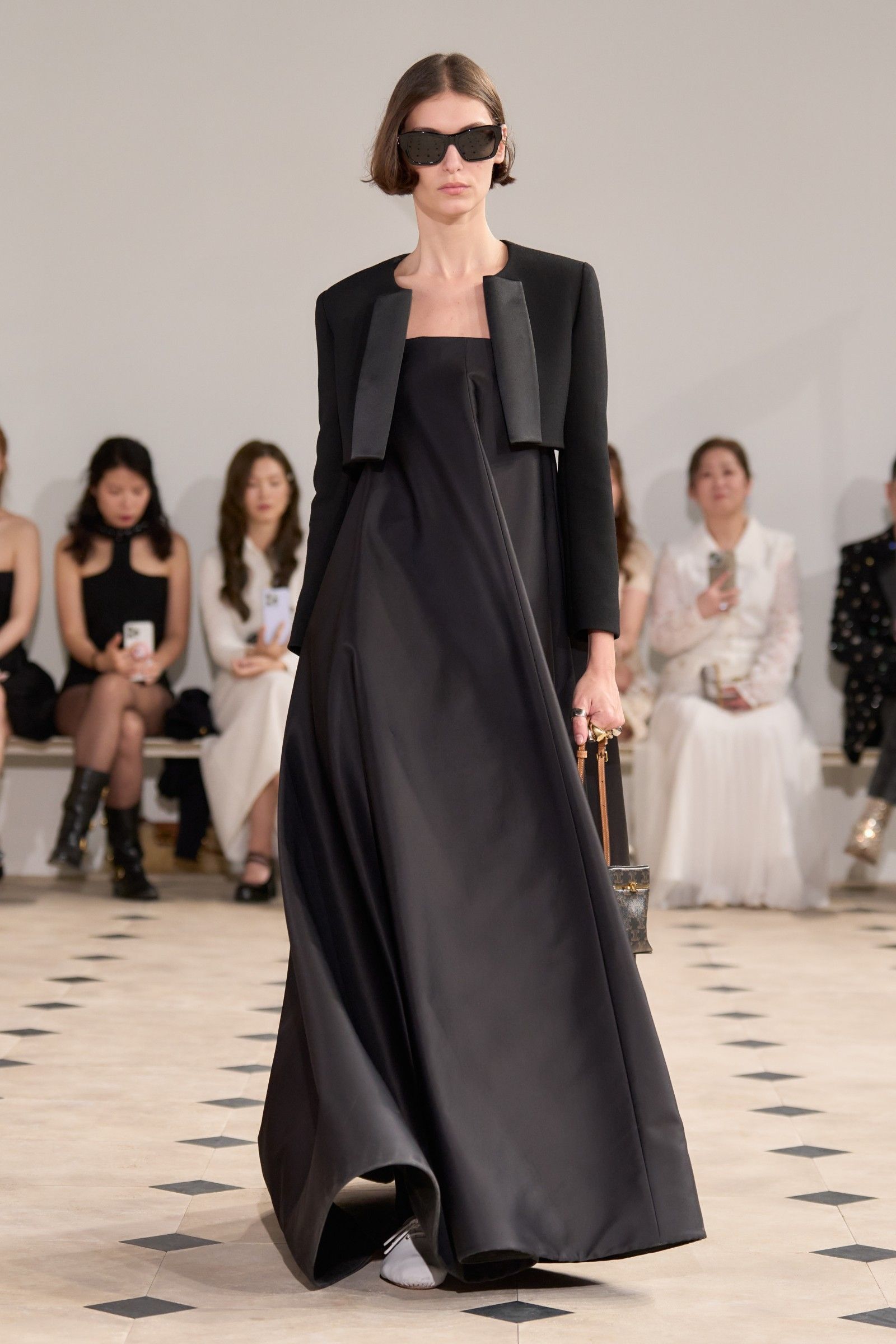
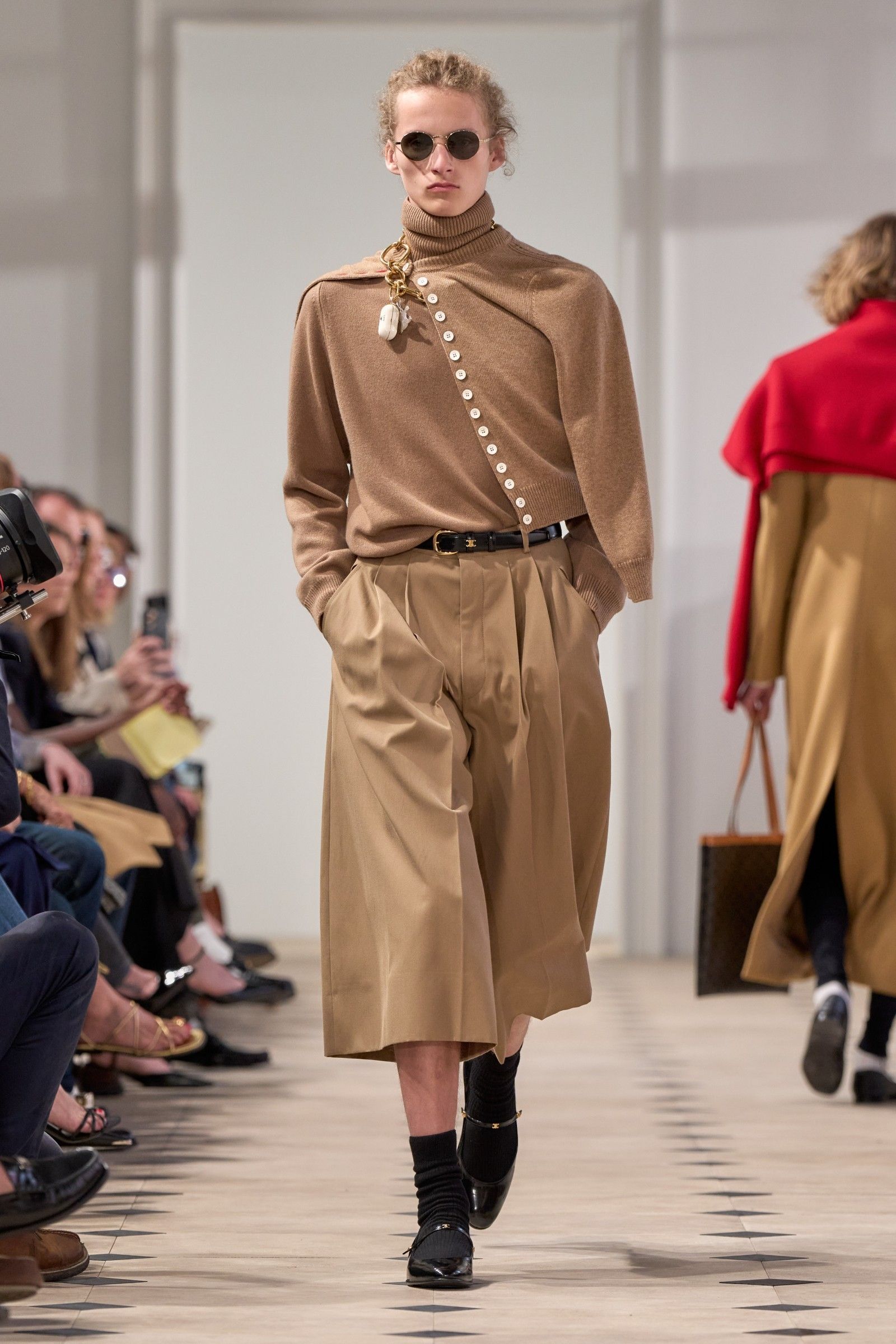
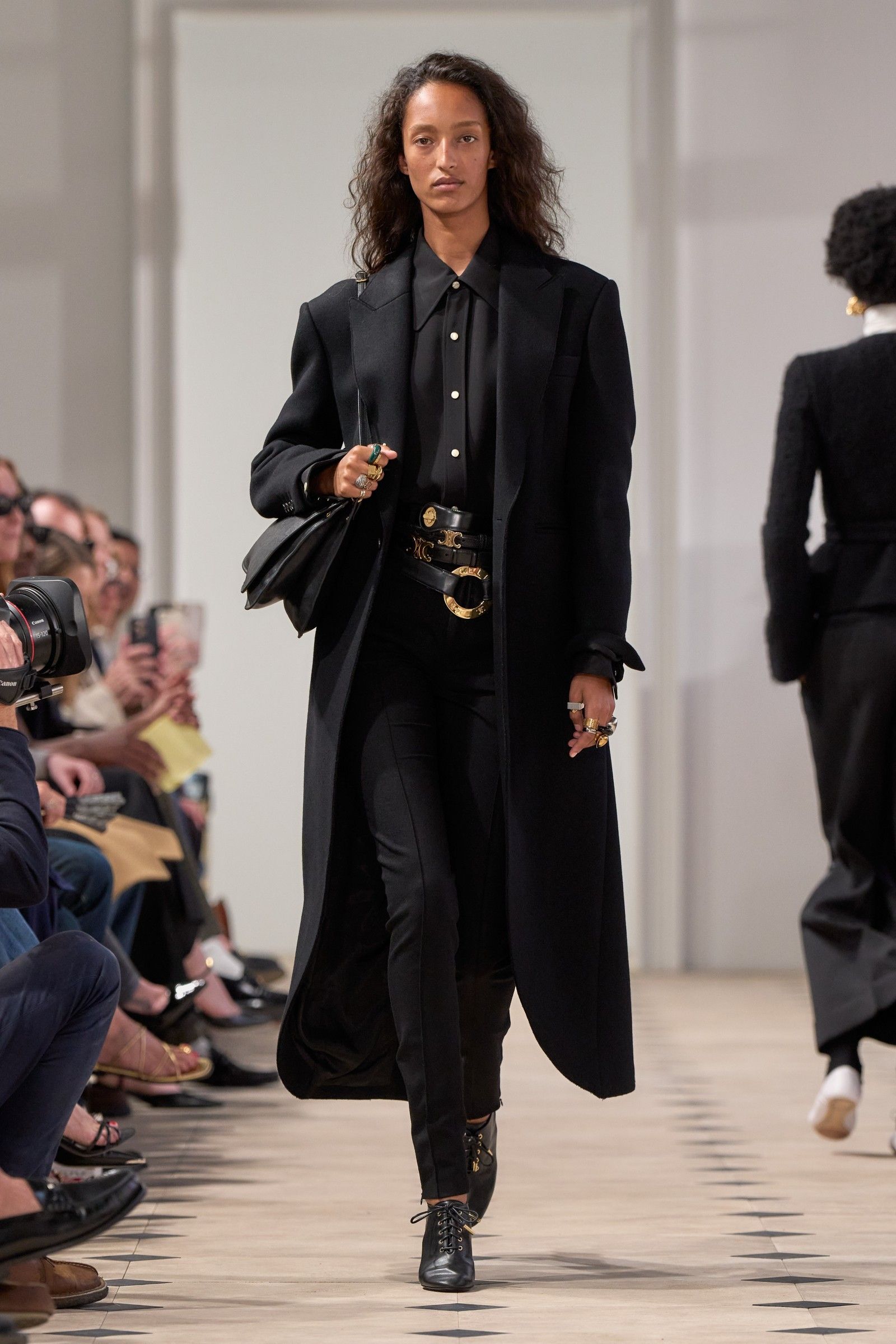
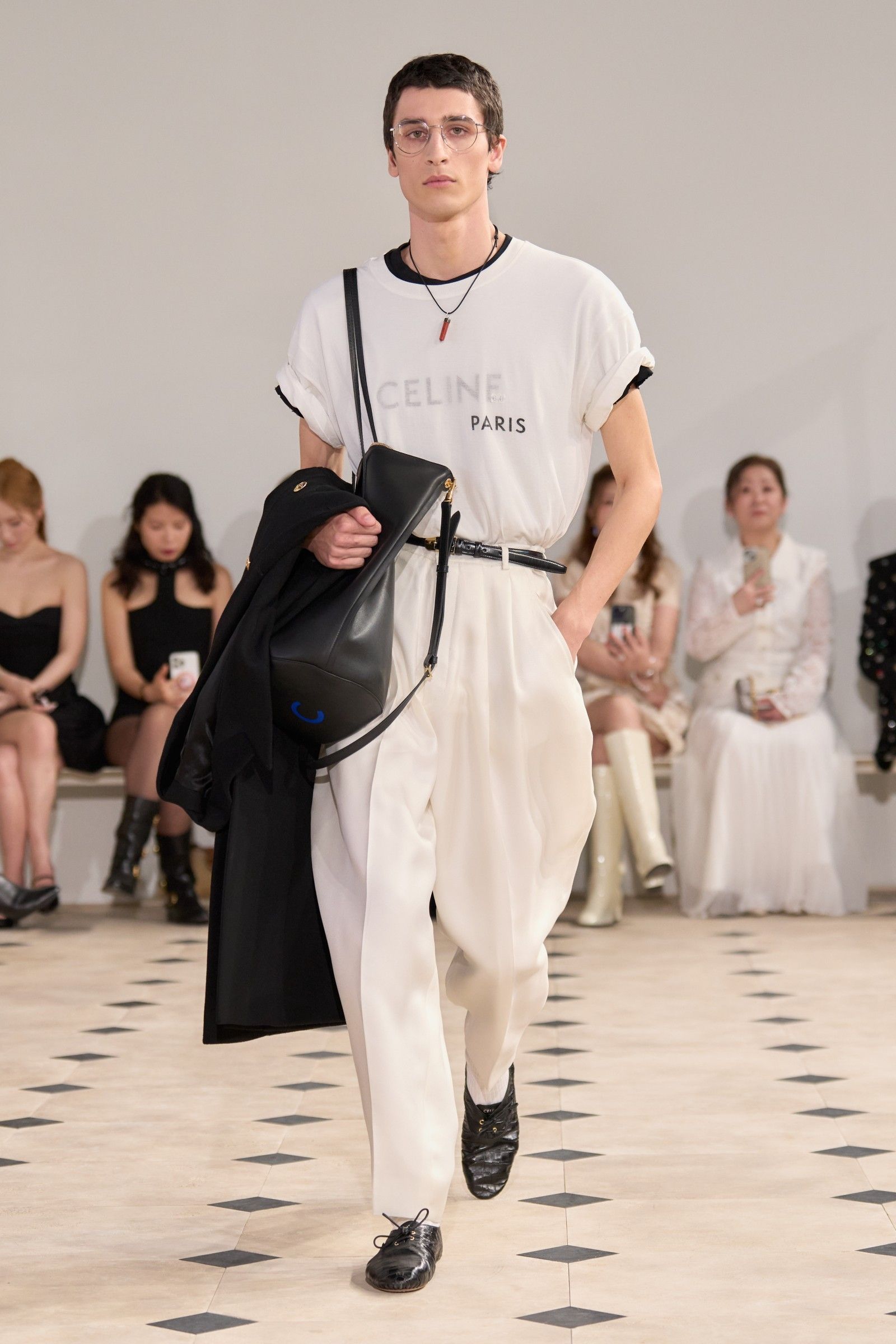
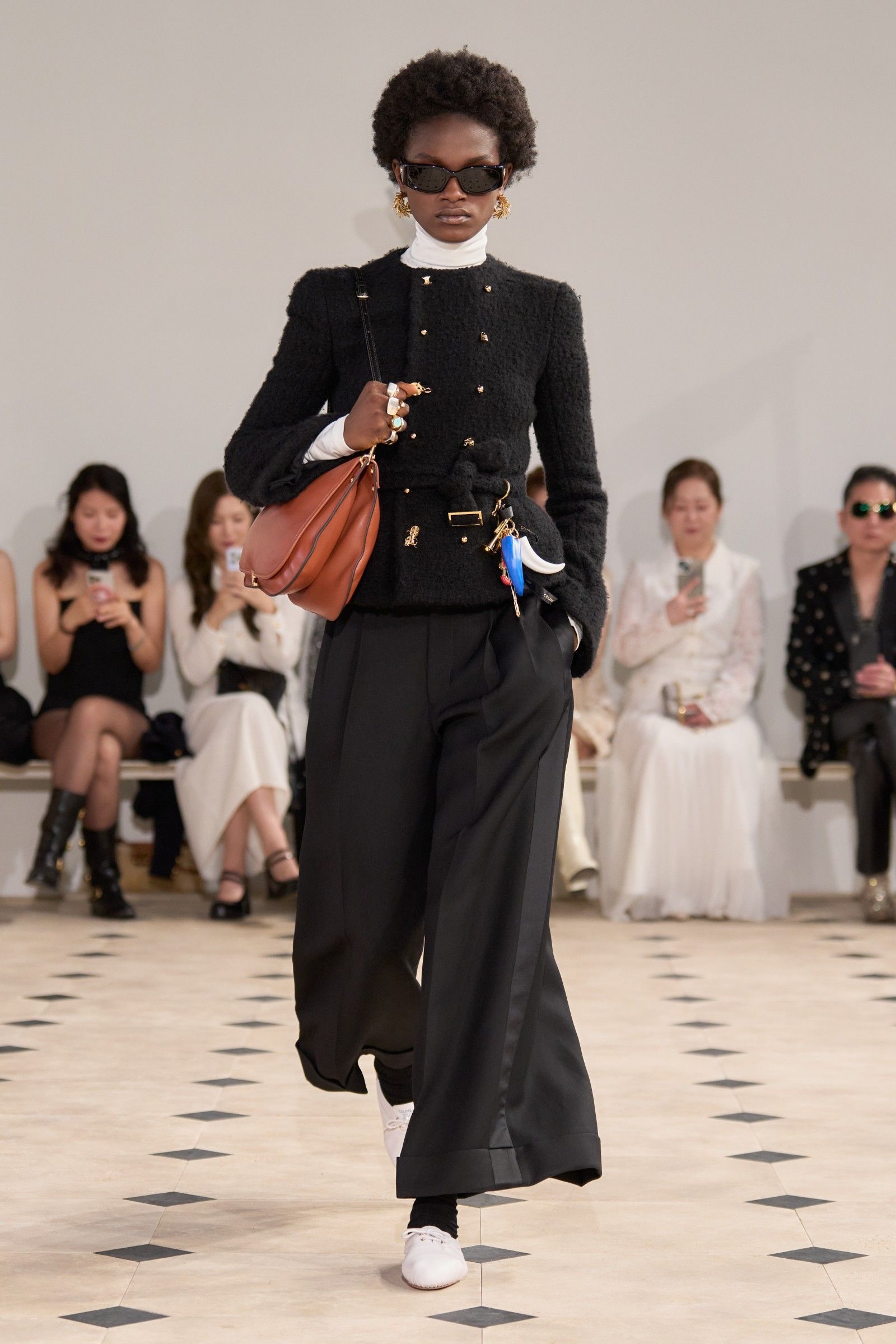
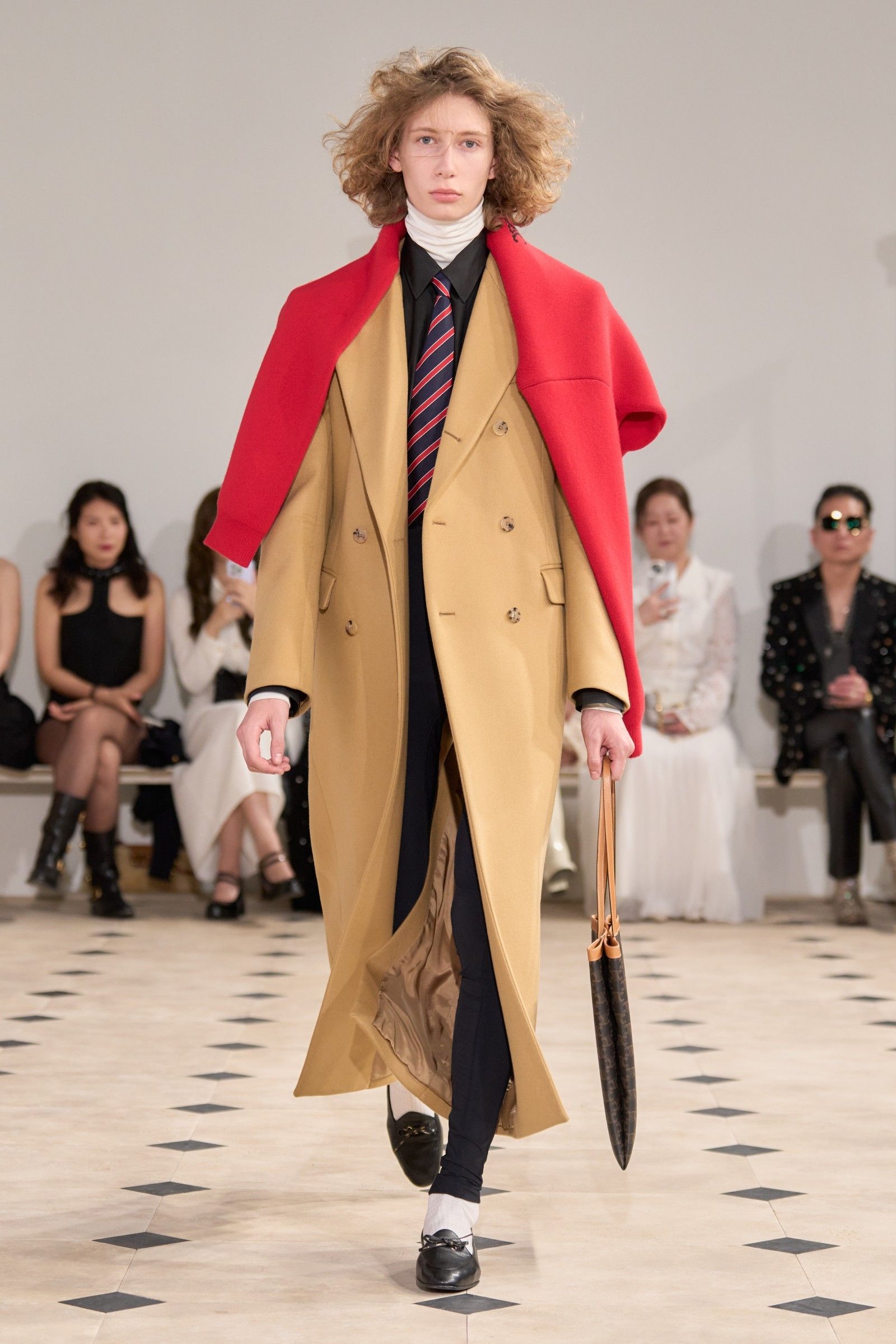
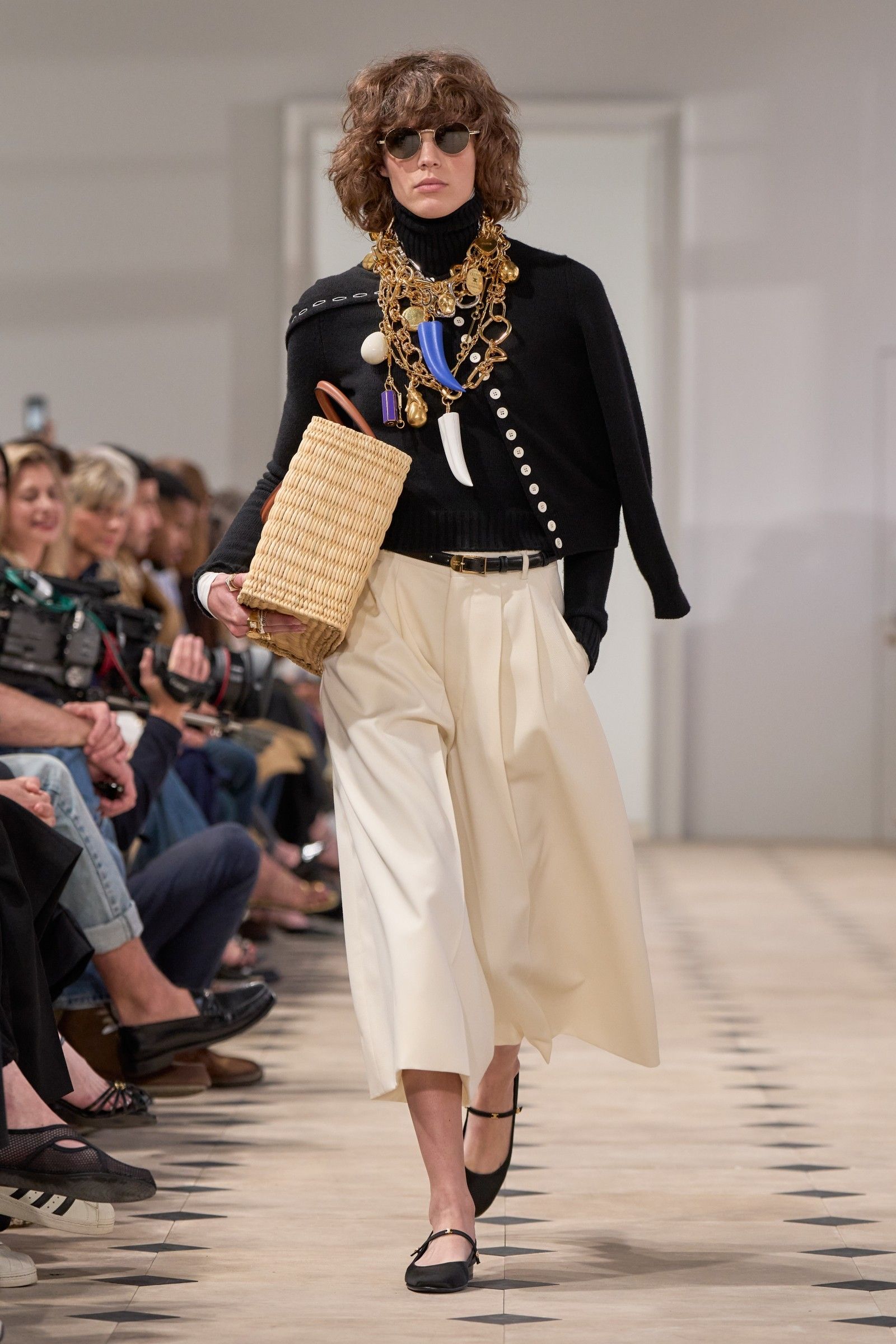
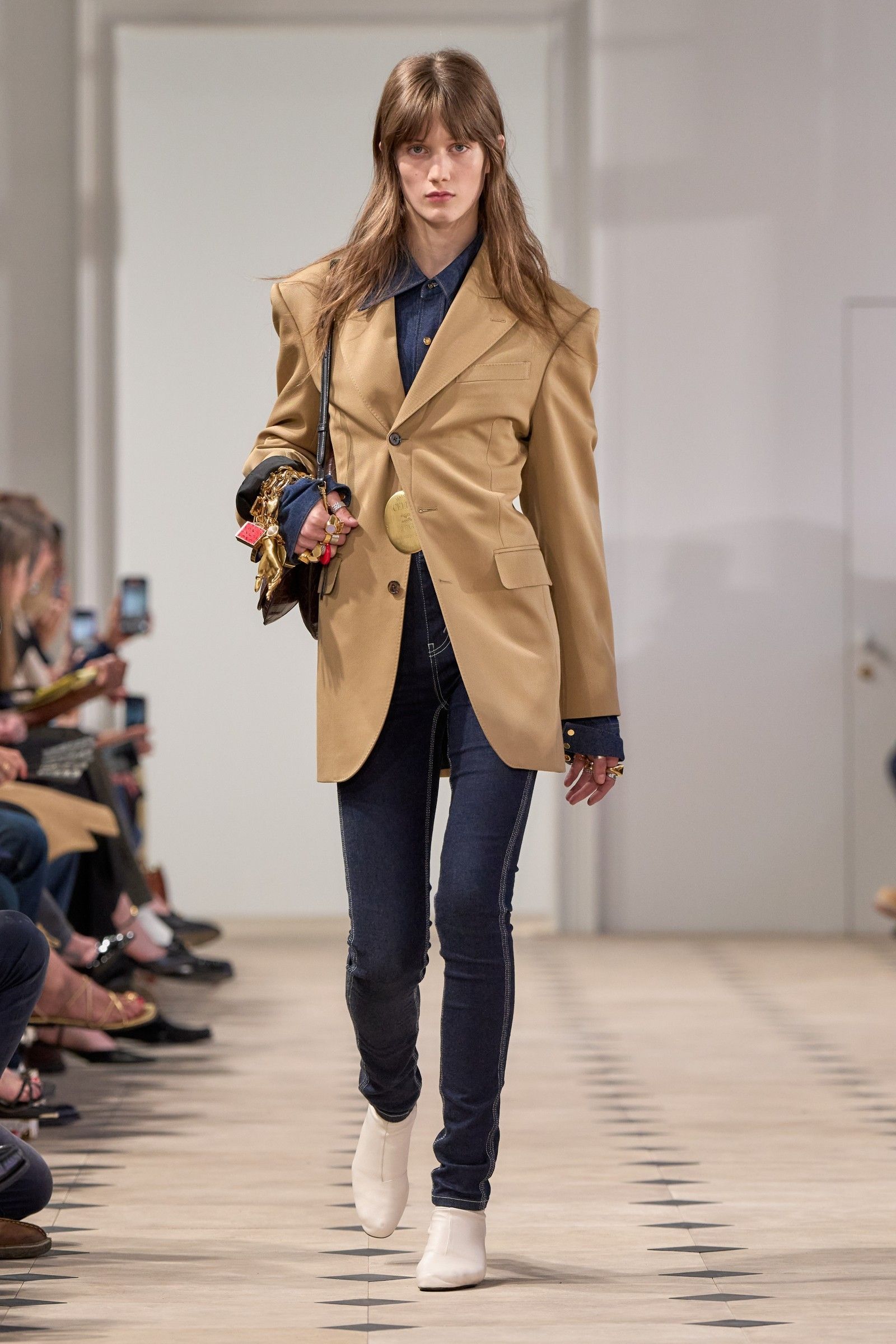
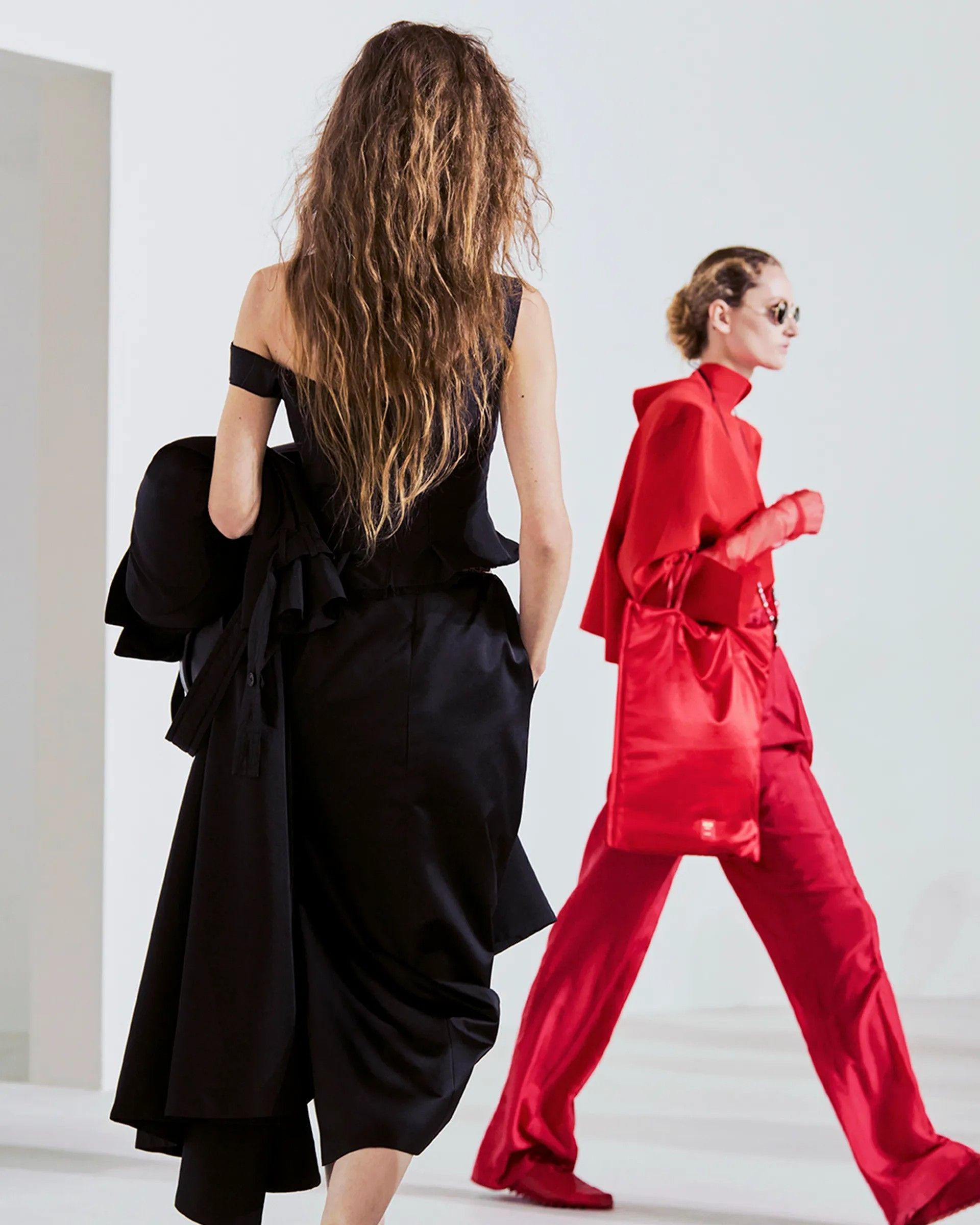
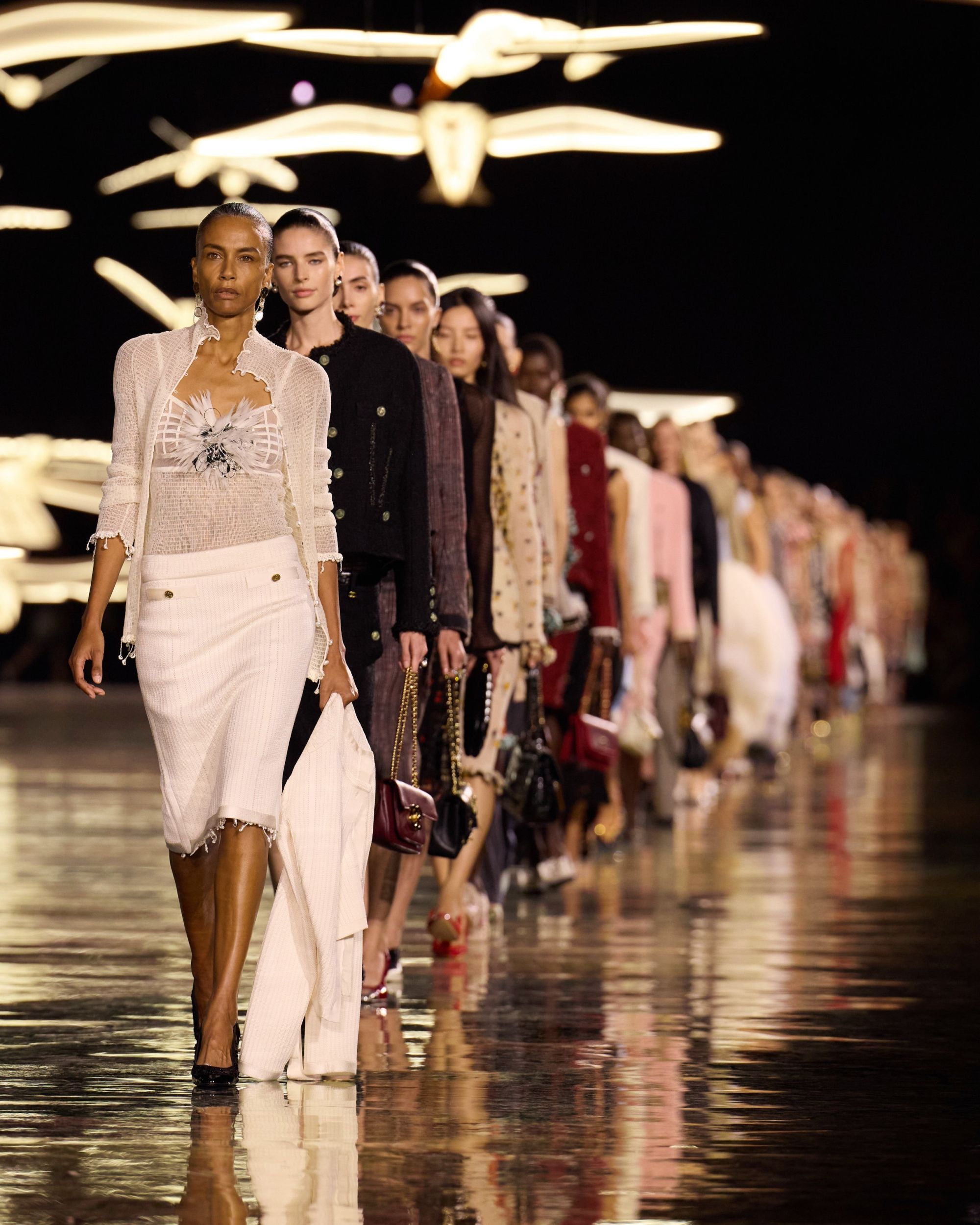
What makes a brand a cult? Perhaps, to be adored in fashion, one must be an absolute singularity like Phoebe Philo’s Celine was – and not because of commercial success, since the brand became a sales giant during the Hedi Slimane era, but on a cultural level. During Phoebe Philo’s years, the brand became not only synonymous with a new language in womenswear but also formed an entire class of creatives that included Daniel Lee, Maximilian Davis, Peter Do, and also Michael Rider, former womenswear director at Ralph Lauren and now the new creative director of Celine itself. The show with which Rider debuted yesterday was, in fact, like a flashback to the past decade of Phoebe Philo, with the return of the Phantom Bag (in a modified version), certain blue scarves, and thin lace-up shoes that also appeared during that era, and in general that very textural and vaguely abstract approach that is the most evident signature of all designers from Philo’s “school.” But Rider did not necessarily replicate the style of the “old Celine,” instead choosing to include the homage to the brand’s great revival era within a layering of references and inspirations that ranged from Céline Vipiana’s historical direction, through Michael Kors’ seven-year tenure, and even referencing the recent Hedi Slimane period.
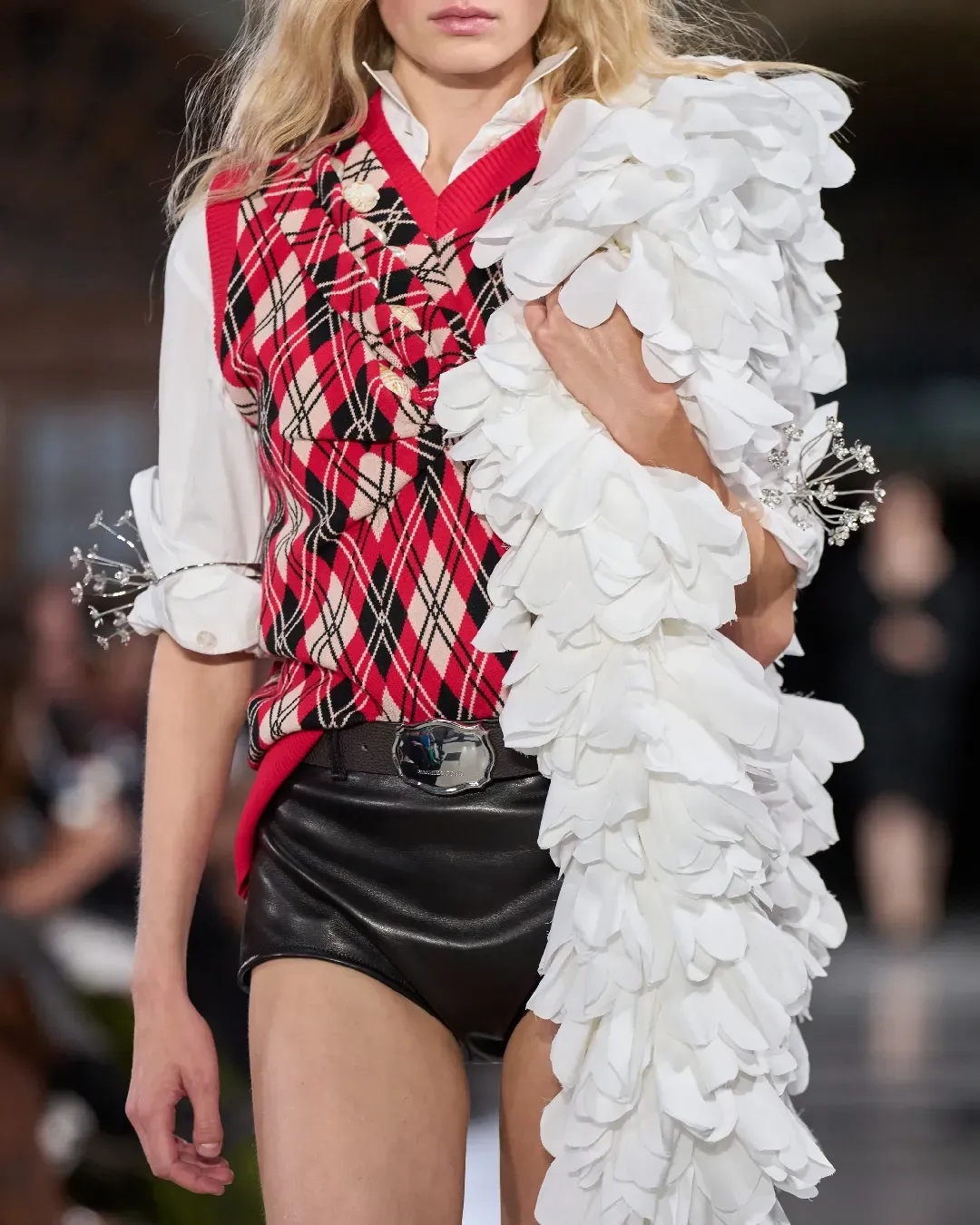
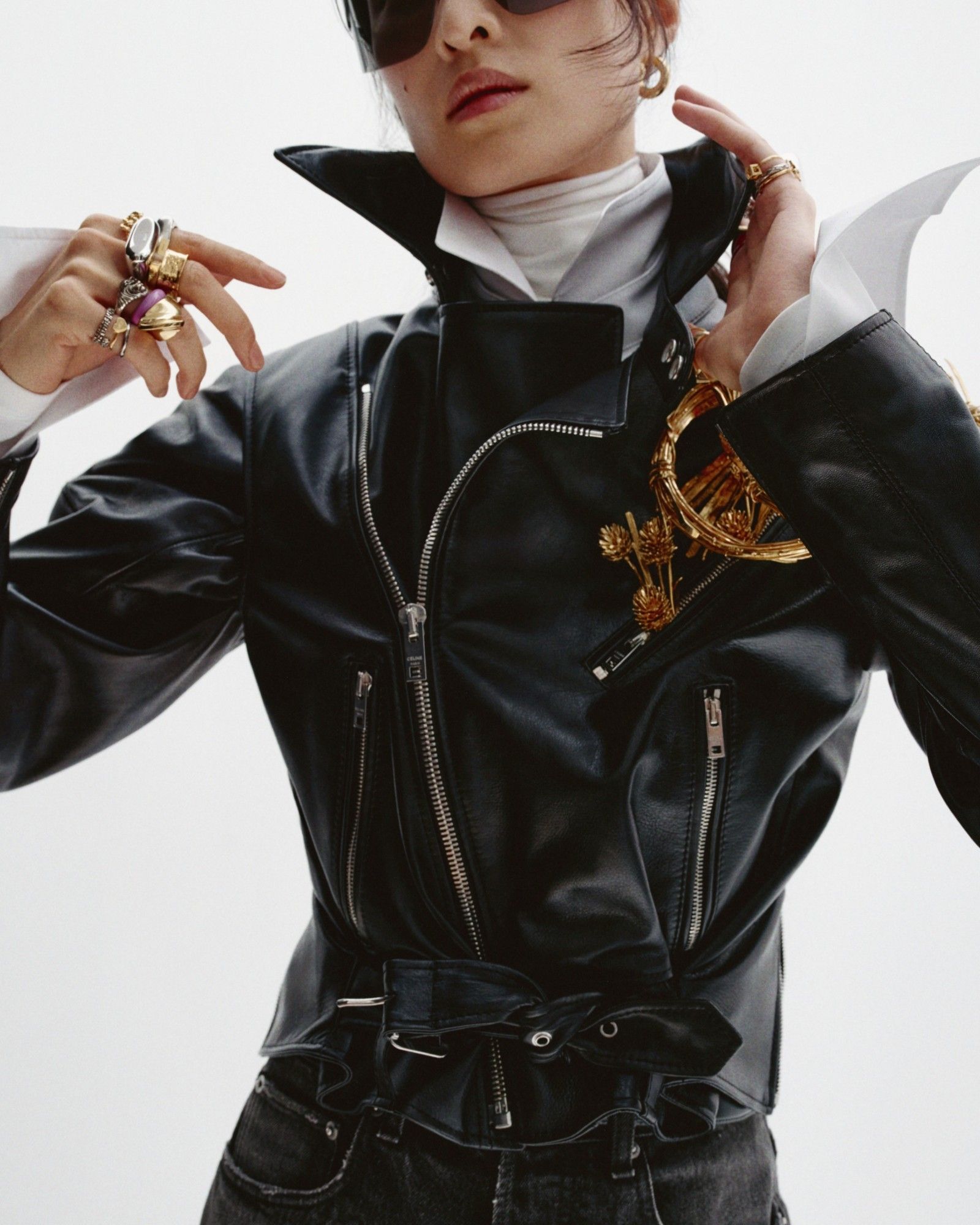
The final result was, without a doubt, an excellent debut collection in which the “classics” of French chic came to life precisely through styling based on layering: layers of shirts, jackets, coats, belts with buckles peeking out from jackets, sweaters wrapped over blazers with shirt collars sticking out over turtlenecks, cardigans worn like capes, and generally many knots and drapes. An excess and exuberance that worked to convey a style less bare and minimal than in the just-ended era (it can be admitted that Slimane had seemed “distracted” and not very engaged in his very last collections, presented in films where the clothes were often barely visible), but that nonetheless highlighted a need for more editing and focus in future collections. Alongside some absolutely memorable looks, there were a couple that could have been removed to visually lighten the whole and reduce the overlapping points that the intentionally messy styling created with the most viewed collection of the season, namely Jonathan Anderson’s debut at Dior, another collection featuring a certain sense of 1980s collegiate chic. Overall, however, the effect had enough personality and energy to convey a sense of the vision Rider will bring to Celine – a vision that will certainly take greater shape in the coming months. Without a doubt, a very distinctive and appreciable touch, which should not be abandoned, is the proposal of jewelry piled on in an absolutely baroque and extravagant way, overlapping belts loaded with charms, and rings so densely packed they looked like gem-encrusted knuckle dusters.
In the very final analysis, when read alongside Anderson’s at Dior, this debut by Rider at Celine (which fans of the brand had long awaited, it must be admitted) gives us a sense of how transitions of power are handled today and how the narrative of these great, historic “classics” of institutional fashion is shaped. Both Anderson and Rider, in fact, adopted an eclectic-nostalgic approach for their first collections, creating a sort of compilation of the brand’s past successes and visual languages, thus building on the pre-existing rather than starting from scratch. It’s a type of approach that, after some early and uncertain collections for Burberry, Daniel Lee also decided to follow, and which contrasts with the radical rewritings of a brand’s aesthetic that worked in a pre-Covid world (such as Hedi Slimane’s Celine) but are today perhaps perceived more as a kind of “waste” of a past whose value should be preserved. It’s a cultured, citation-heavy approach, perfect for a post-historical fashion like the one currently dominating the historic capitals of luxury, but which, like certain Alexandrian or Mannerist art, struggles to feel genuinely new beyond the somewhat academic game of spotting references here and there. And it’s also true that the past should not be denied – in any case, here as at Dior, the collection not only works but also seems to promise significant improvements in the future. For now, this beginning has left us hopeful.
What to read next
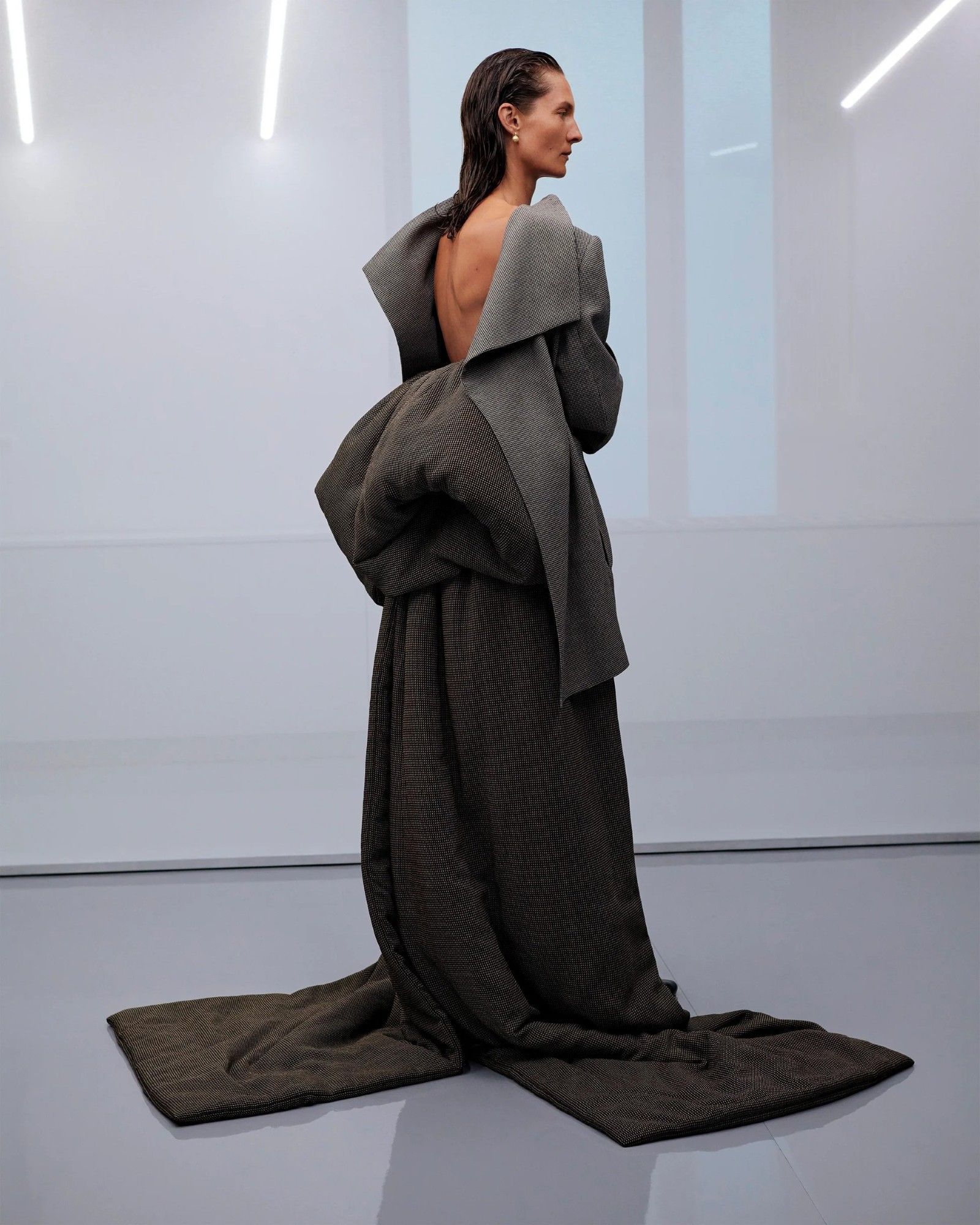
Now Phoebe Philo Wants You to Dress Avant-Garde
With Collection F, the designer plays with silhouettes in an entirely new way
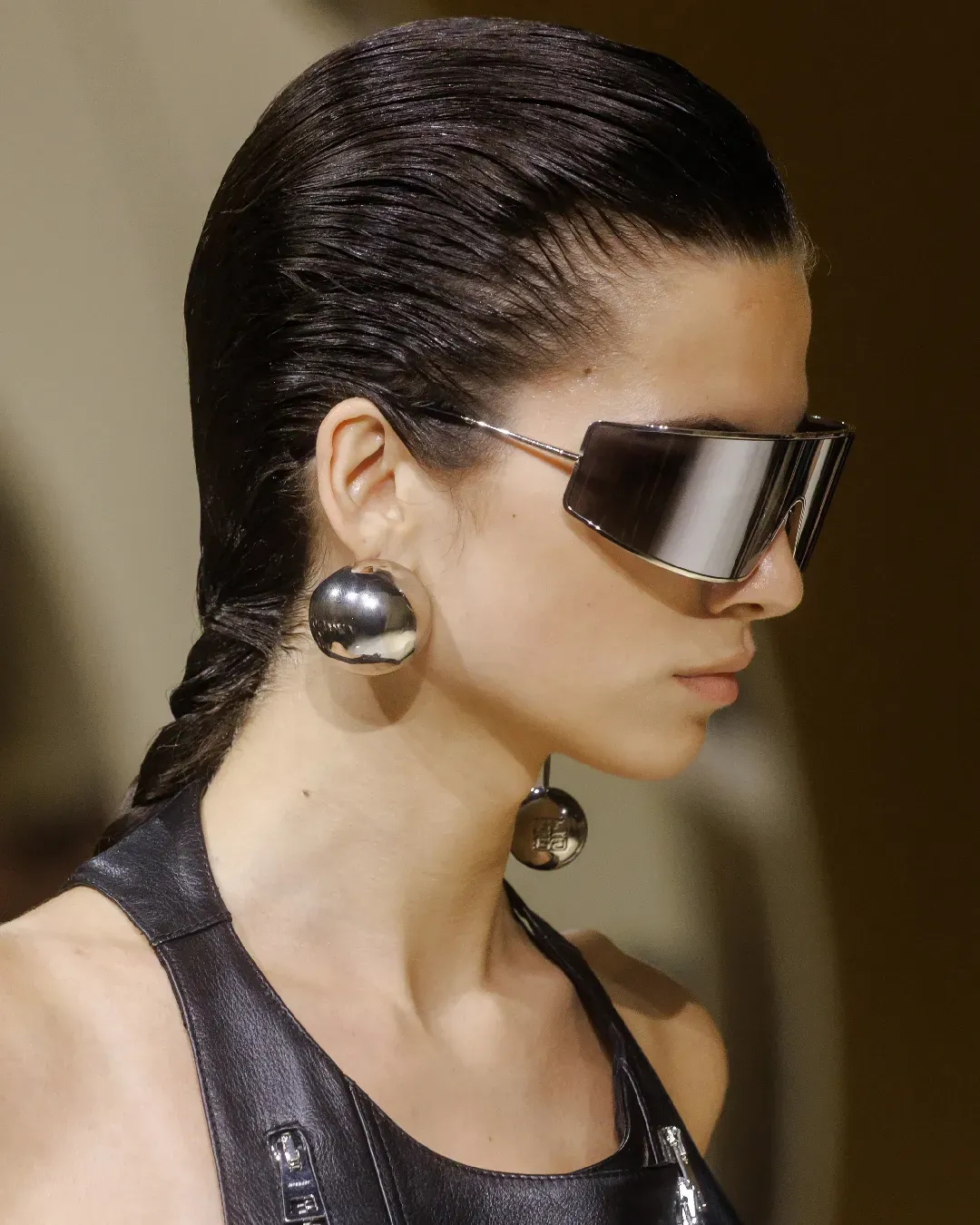
5 key trends from Paris Fashion Week SS27 Women's
What we'll be wearing next summer, according to the fashion of the Ville Lumière

The best street style looks from Paris Fashion Week SS27 Women's
La Ville Lumière steps back into the spotlight