
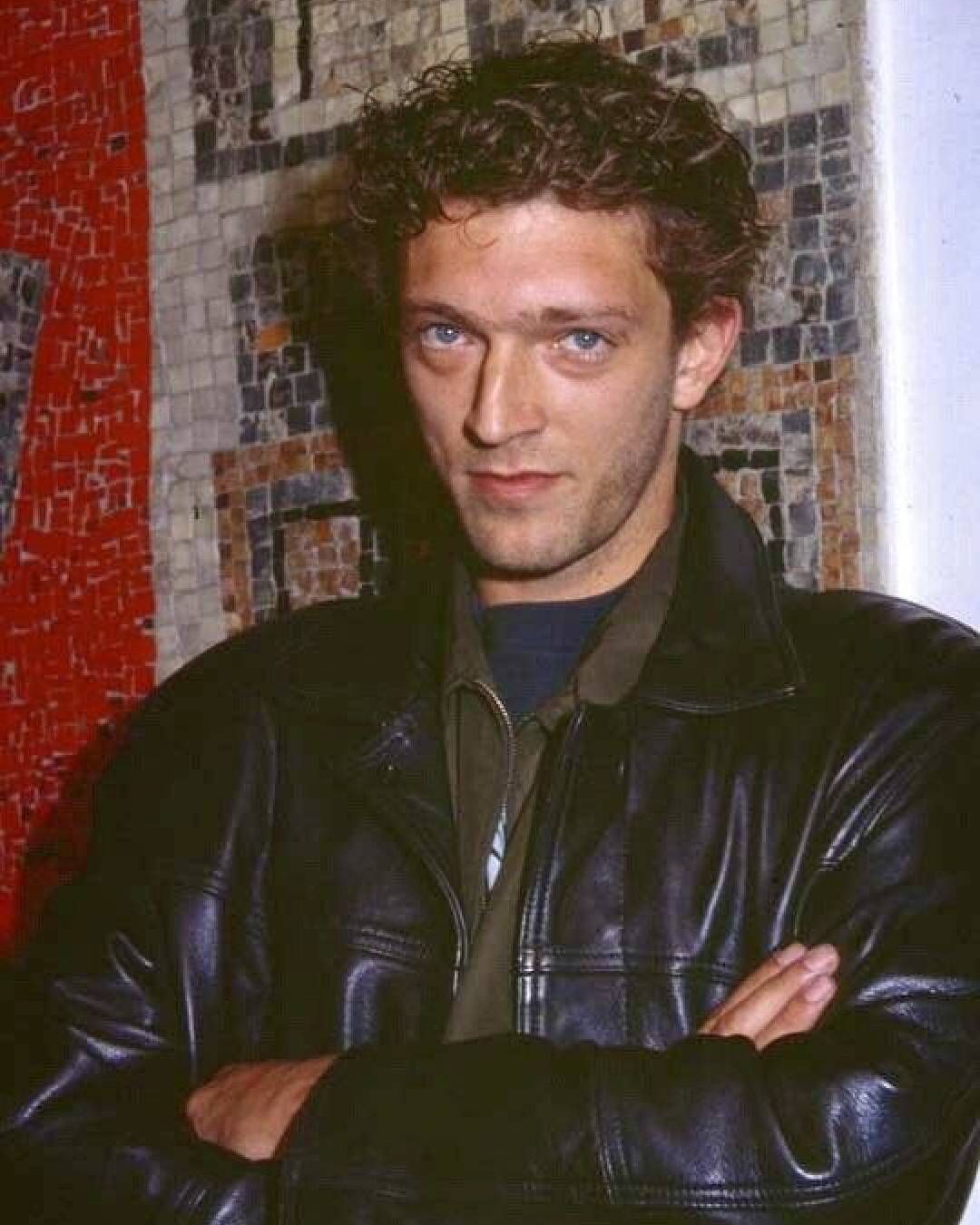
Vincent Cassel: the A-List actor turned music video icon From Charli XCX to Oxmo Puccino
A major figure in French cinema, a familiar face in Hollywood, and winner of the 2009 César for Best Actor for his portrayal of Jacques Mesrine, Vincent Cassel has always cultivated a close bond with rap music and culture. From the cult soundtrack of La Haine to stadium stages, the actor has never stopped lending his image to the music scene. Here is a look back at his most iconic appearances.
Charli XCX’s “Camera”: behind the Scenes of Stardom
His latest stroke of genius: starring in the music video for "Camera," the fourth single from Charli XCX's album Music, Fashion, Film (expected July 24, 2026). Directed by Aidan Zamiri, this track with hybrid influences - oscillating between electronic and rock - directly addresses the paradoxes of fame.
In the video, Vincent Cassel plays a movie star faced with a shoot that gradually spirals out of control. While his character is supposed to film a death scene, technical issues and mistakes pile up. It’s a clever meta-narrative reminding us that behind seamless imagery lies a painstaking process of repeated takes.
While it marks a major international casting choice, it hasn't come without controversy. Although Cassel remains one of the best-known French actors abroad (Black Swan, La Haine), he frequently sparks debate. The actor has faced sharp criticism, notably accused of misogyny following comments made to the British newspaper The Guardian: “If men become too vulnerable and too feminine, I think there’s going to be a problem.”
Black M’s “Cheveux blancs”: the Mirror Effect 21 Years Later
Vincent Cassel's history with music videos also relies on self-reference. Twenty-one years after the groundbreaking impact of La Haine, the actor reprised the experience for Black M in the 2016 video for “Cheveux blancs.”
Standing shirtless in front of the camera, he once again recites Hubert's cult monologue (“Are you talking to me?”), itself directly inspired by Robert De Niro’s legendary performance in Taxi Driver. With a weathered face, unkempt beard, and wild hair, the 49-year-old actor - who was filming the Gauguin biopic in French Polynesia at the time - makes a striking entrance at the end of this black-and-white video.
Family Spirit
Vincent Cassel’s presence in the music world stems primarily from his loyalty to a close-knit artistic community. For Oxmo Puccino’s track “Quitte-moi” - directed by Kim Chapiron, co-founder of the Kourtrajmé collective alongside Romain Gavras, of which Cassel is a cornerstone - the actor reunited with Ludivine Sagnier, his former co-star in Mesrine: Killer Instinct. Set in a recording studio where the rapper lays down his tracks, Cassel plays a sound engineer. This brief yet memorable cameo confirmed an undeniable bond with the rapper, which he later reaffirmed in the music video for “Les Potos,” alongside Omar Sy.
This crew dynamic was also on display in 2010 in the music video for “La réalité” by the duo Amadou & Mariam. Filmed in an Afro hair salon in central Paris, this lighthearted video features Cassel reuniting once again with Oxmo Puccino.
Off-Screen: The Scooter Takeover at the Stade de France
Vincent Cassel’s love affair with the music scene extends far beyond film sets. During Marseille rapper JUL’s landmark concert series at the Stade de France, the actor's appearance went instantly viral on social media.
Arriving on stage directly aboard a scooter in the middle of an ecstatic crowd, he wove through the stadium before grabbing the mic to drop his iconic line from La Haine. It was a spectacular entrance proving that, from auteur cinema to mainstream rap, Vincent Cassel continues to bridge generations and genres effortlessly.
From Parisian rap to international pop, Vincent Cassel has never viewed music videos as a mere footnote in his filmography, but as a full-fledged testing ground. Whether reviving his cult roles, lending his star power to bold projects, or sparking controversy, the actor cements his unique status: that of a giant of French cinema who refuses to play it safe.
What to read next

August Barron’s SS27 sublime decadence
A dive into the Hollywood star system and its morning-after hangovers
Brigitte Bardot's personal belongings auction nears one million euros
Her iconic ballet flats were sold