










Even the Pope voted in the US elections The vote sent by mail to Chicago for the midterms
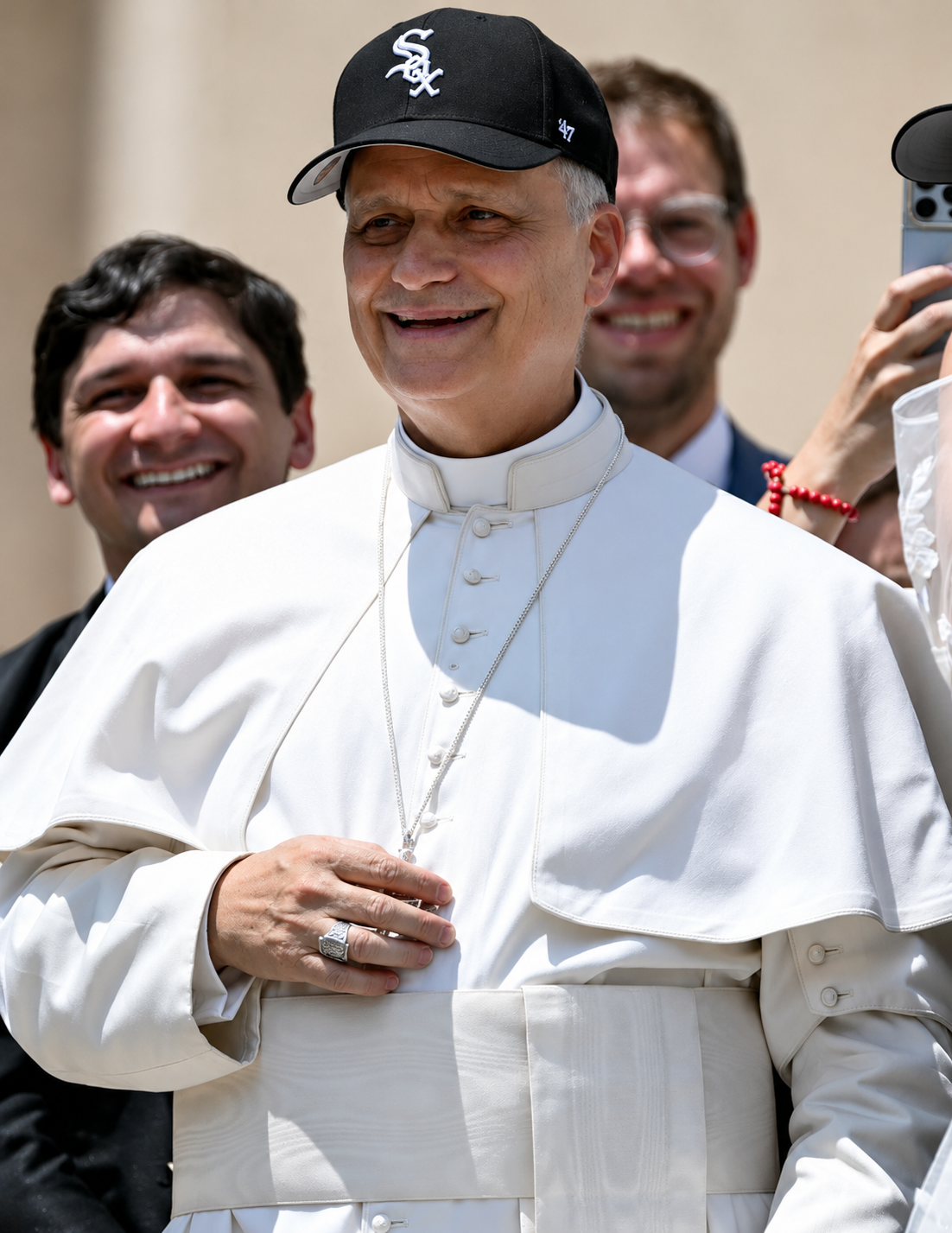
It's official: Pope Leo XIV has sent his ballot from Rome to Chicago to cast his vote in the midterm elections currently underway in the United States. The pontiff, a Chicago native, has exercised his right and duty to vote as a citizen, consistent with what he has done every other time he has had the opportunity.
The midterms are held every four years, at the midpoint of the American presidential term (hence the name), always on the Tuesday following the first Monday in November. It is thanks to a law known as UOCAVA (Uniformed and Overseas Citizens Absentee Voting Act) that U.S. citizens residing abroad are able to register their vote. This is the first time in history that a Pope has voted, in stark contrast with the tradition whereby the head of the Church should be a figure standing apart from all electoral matters.
This is certainly not the first time this Pope has shown that he does not follow Catholic Church standards: in the past, he had already expressed political positions at odds with the current President of the United States, upholding the cliché we studied in textbooks from our earliest school days regarding the opposition between papacy and empire (in this case, transformed into a federal presidential republic).
Reporter: Why did you attack Pope Leo? Trump: I don’t think he’s doing a very good job. He likes crime I guess. We don’t like a pope who says it’s ok to have a nuclear weapon. We don’t want a pope that says crime is ok. I am not a fan of Pope Leo. https://t.co/cj3oh1jSIL
— Acyn (@Acyn) April 13, 2026
Beyond the provocation of spending the 4th of July, on the 250th anniversary of American independence, in Lampedusa, Leo XIV has progressively shaped a pontificate that is anything but removed from political matters. From international tensions to migration policies, to the transformations brought about by artificial intelligence, the Pope has shown a willingness to weigh in on issues that typically sit at the intersection of ethics, politics, and economics. It remains to be seen whether and how Trump will choose to rise to the provocation, once again turning the relationship between Washington and the Vatican into a confrontation destined to make waves across the Atlantic.
What to read next
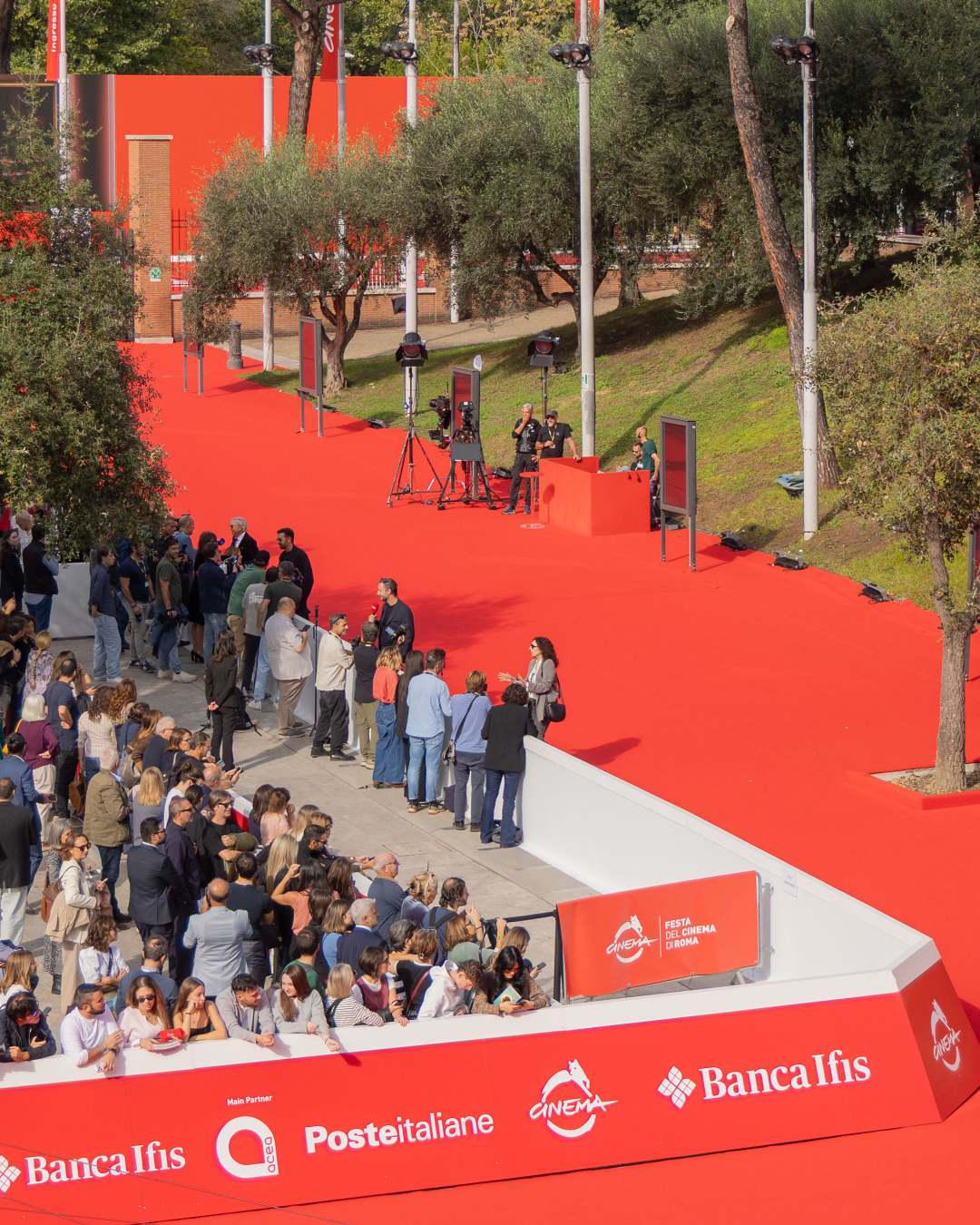
Banca Ifis Celebrates Cinema and Music at the Rome Film Fest
From the award ceremony for Nicola Piovani to the Banca Ifis Lounge, a collaboration that places the cultural value of the seventh art at its center

Blundstone unveiled Its new collection between Kraków and the Tatra Mountains
The brand launched its new FW27 collection in Poland through outdoor experiences and local craftsmanship

Apple introduces the long-awaited MacBook Pro 14 with M6
The computer with the M6 chip promises cutting-edge AI performance and incredible features