






























Why does the far right continue to be fascinated by the Middle Ages? A recent festival held in northern Italy illustrates this, as does the longstanding passion for Tolkien among some members of the Italian government
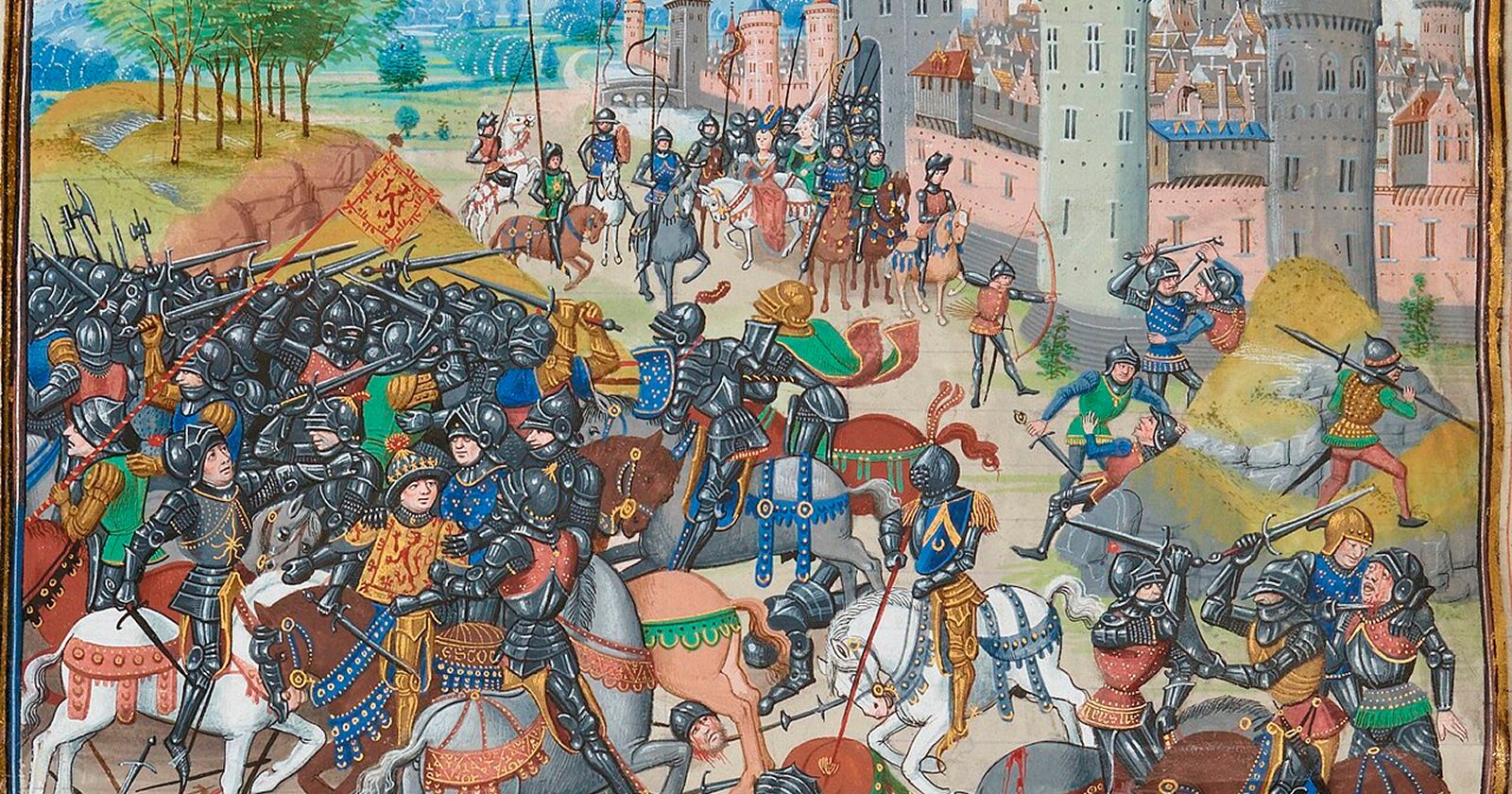
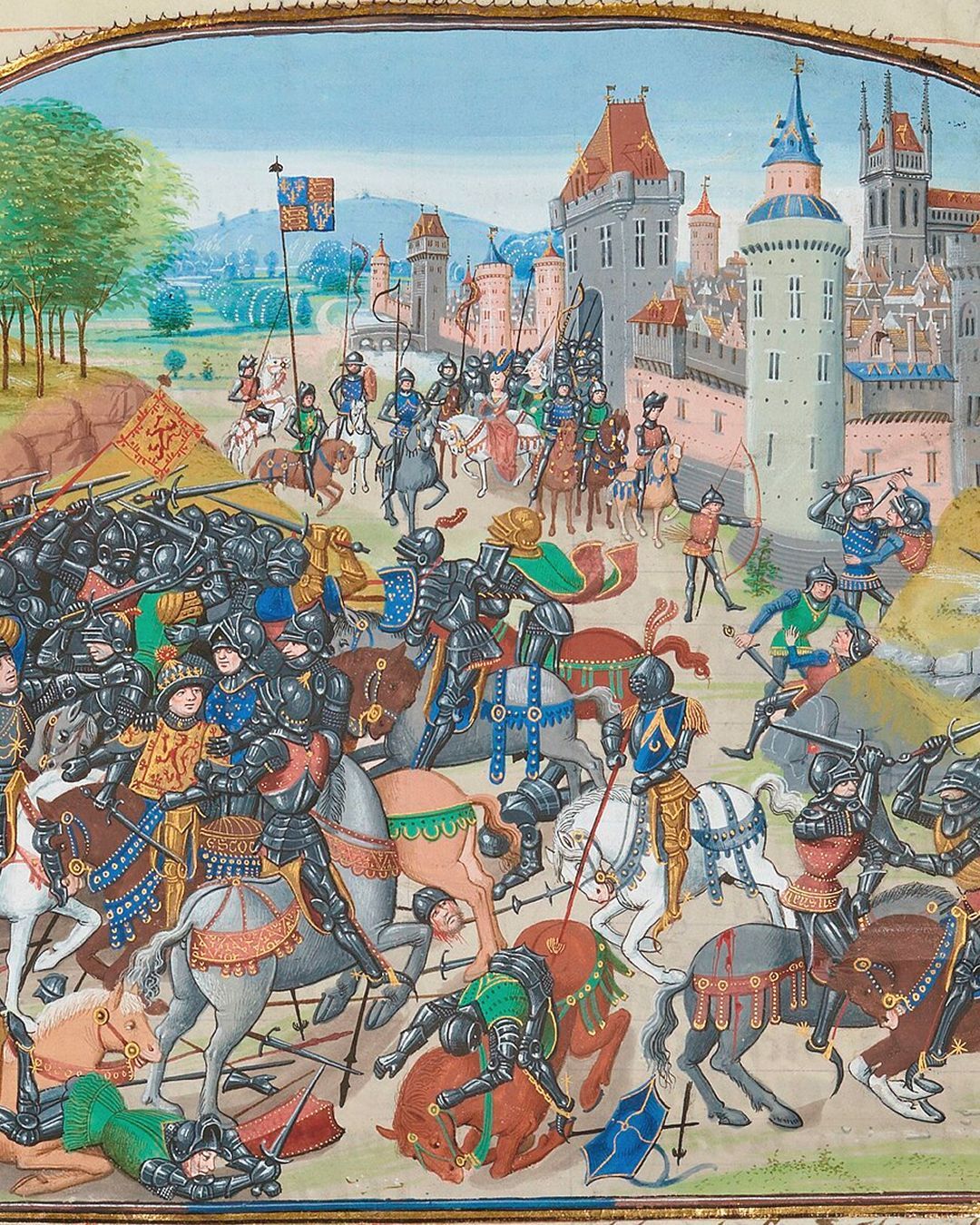
Recently, in a small municipality in the province of Trento, a neo-Nazi rally concluded that sparked considerable controversy. The event, titled "Return to Camelot", was promoted by the Veneto Fronte Skinheads, one of Italy's longest-standing neo-Nazi organizations. The choice of name was no coincidence, and reflects the widespread use of medieval imagery by the far right, which exploits it to promote shared references within its own political culture.
In this idealized portrayal, the Middle Ages are often presented as an era when Europe was still culturally and ethnically "pure," before the social and demographic transformations of subsequent centuries. Over time, this imagery has been joined by that of fantasy narratives, which the far right uses to cultivate a universe of references, characters, and mythologies to be reinterpreted through an identitarian lens.
What does The Lord of the Rings have to do with the far right?
One of the earliest invocations of fantasy imagery by the Italian far right dates back to 1977, when the Fronte della Gioventù – the youth organization of the Movimento Sociale Italiano, a party founded by figures and nostalgists of fascism – organized a small festival of music, meetings, and political debates in the province of Benevento called "Campo Hobbit". Further editions followed, and to this day the event remains the most striking example of the far right's connection to the Middle Ages.
The name "Campo Hobbit" was a direct reference to the narrative universe of The Lord of the Rings, the trilogy published by J.R.R. Tolkien between 1954 and 1955, which was destined to become one of the foundational texts of modern fantasy fiction. The work's popularity in Italian radical right circles stems in part from the first Italian translation of the saga, published in 1970. The volume was accompanied by a lengthy preface by the intellectual Elémire Zolla, a scholar of the history of religions, who offered a strongly symbolic reading of the work: according to his interpretation, The Lord of the Rings could be seen as the representation of a broader conflict between the modern world and the ancient world, and thus between progress and tradition.
This interpretive framework helped make The Lord of the Rings particularly appealing to certain circles of the Italian radical right, which in the early 1970s was searching for a new political and cultural imaginary. During those same years, moreover, Julius Evola was highly popular among fascist nostalgists — a right-wing intellectual who wrote various texts critiquing the modern world and progress, extolling medieval and Renaissance mythology. Through this lens, young far-right militants began reinterpreting the characters, places, and symbols of Tolkien's universe, attributing to them a political and identitarian significance that went far beyond the literary dimension of the work and the intentions of its author.
Giorgia Meloni has always been into Tolkien
In 2023, the Italian far right's fascination with fantasy and medieval imagery came back into the spotlight when Giorgia Meloni personally inaugurated an exhibition in Rome dedicated to Tolkien — something not entirely common for a Prime Minister. Conceived, funded, and sponsored by the Ministry of Culture, the exhibition was titled Tolkien. Man, Professor, Author and was the largest exhibition dedicated to the fantasy writer ever held in Italy.
Giorgia Meloni herself has expressed her admiration for the British author on multiple occasions, citing him in her speeches and books in the past. On the occasion of the Tolkien. Man, Professor, Author exhibition, even the New York Times and the Guardian noted that her passion for Tolkien was perhaps not entirely coincidental: Fratelli d'Italia, the party led by Meloni, is descended from Alleanza Nazionale, which is itself the successor organization to the Movimento Sociale Italiano, a party founded by figures and nostalgists of Mussolini's regime.
In light of all this, the record recently achieved by Giorgia Meloni has generated considerable debate: her government is the longest-serving since the Italian Republic came into effect in 1946. This is a rather remarkable result when one considers that Meloni was the first female Prime Minister in Italy, the first representative of a party with roots in the radical right to lead a G7 member country, and the first sovereignist leader to head a founding member state of the European Union.
However, the government's longevity has not been matched by its ability to make a meaningful impact on the country's most pressing issues. In four years in office, the majority has primarily pursued measures of limited scope, often accompanied by a strong propagandistic element, while leaving the more contentious reforms and the ambitious economic measures demanded by the business sector on the back burner.
What to read next
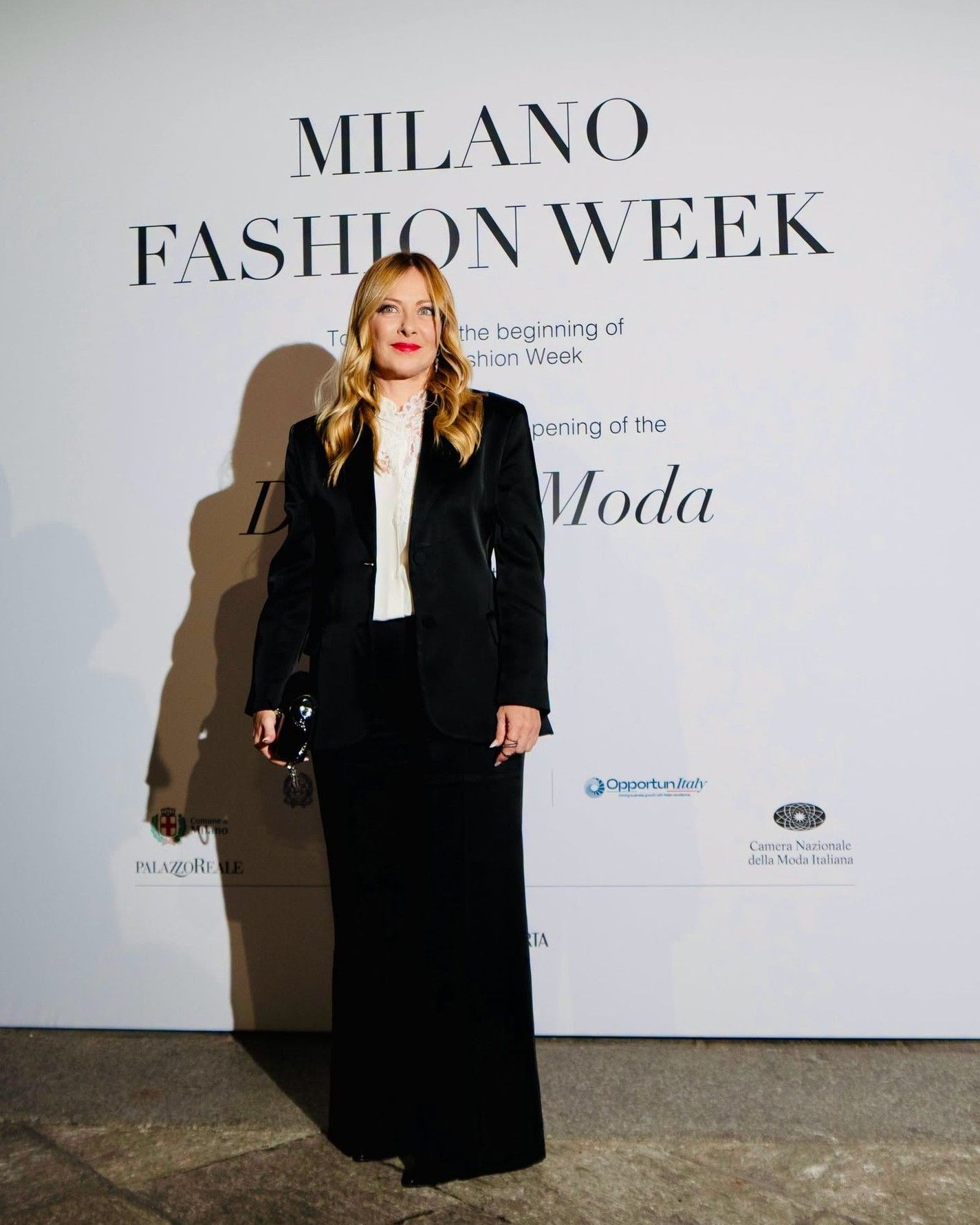
Why was Giorgia Meloni at the Milan Fashion Week gala?
A gesture of closeness to the industry, as meaningful as it is symbolic
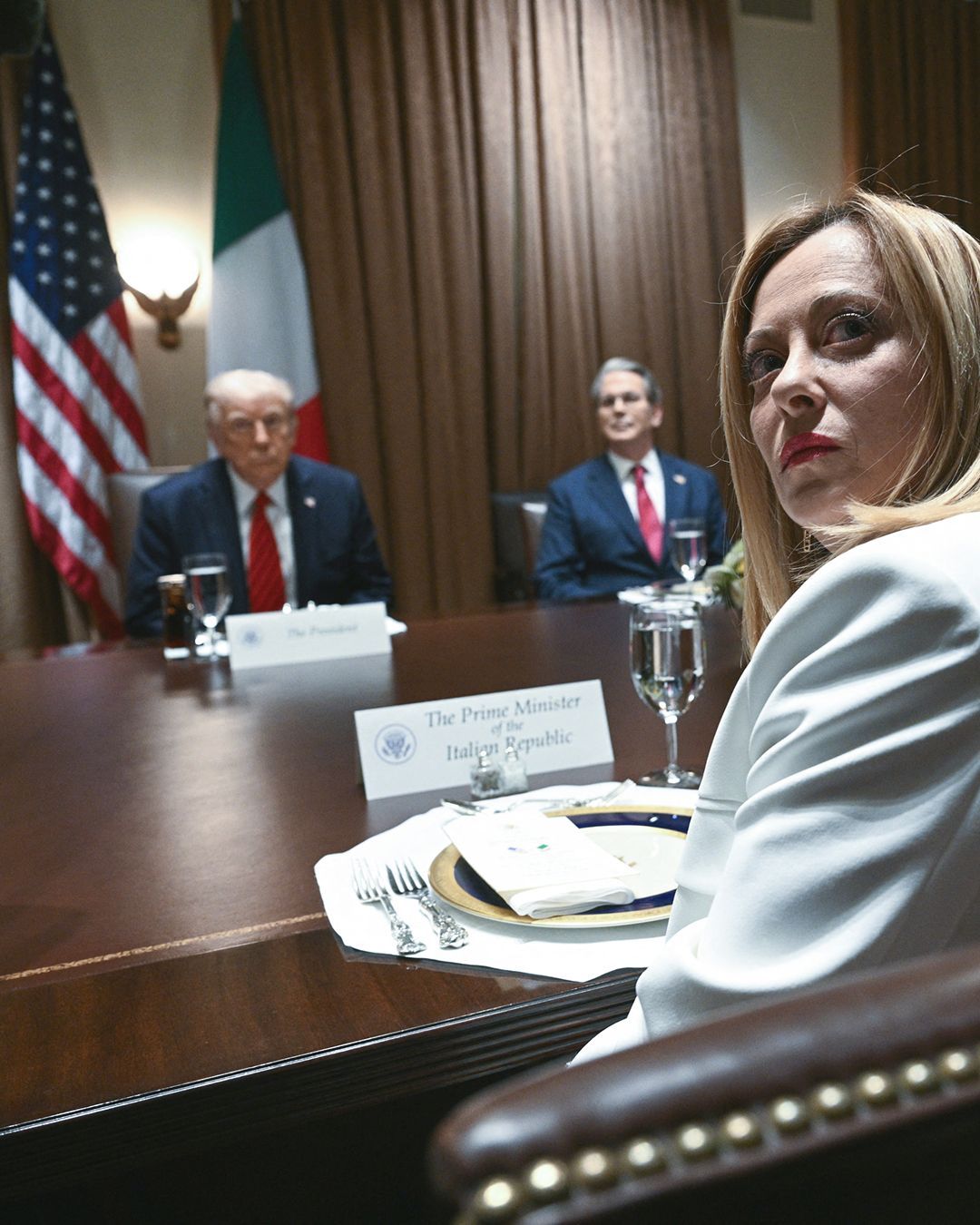
Understanding the spat between Meloni and Trump
The beginning of a rift between political ideologies?

Politics is only about engagement nowadays
What is Giorgia Meloni trying to prove by appearing on Fedez’s podcast?