































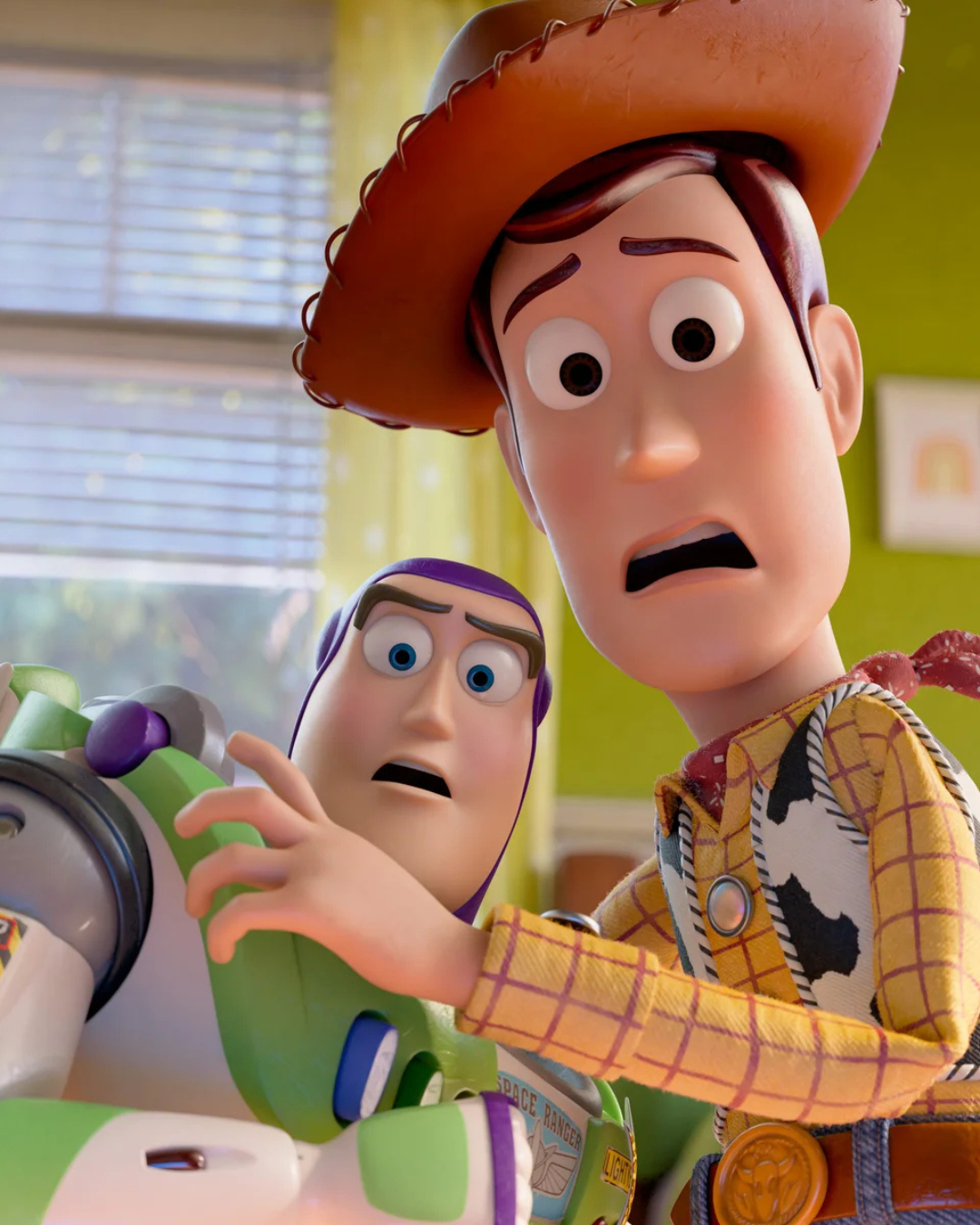
"Toy story 5" feels like something we’ve seen before The fifth chapter of the animated saga is now in cinemas and, while enjoyable, relies mainly on nostalgia
In 1995 Toy Story was a revolution. First, because the newcomer Pixar was entering the world market. Second, the film directed by John Lasseter and produced by the emerging animation studio (of which he was the first creative director) had the right qualities, quality, and heart to win over a multitude of viewers who would turn the story of the toys into a true cult. Ultimately, the screenplay written by Joss Whedon, Andrew Stanton, Joel Cohen and Alec Sokolow explored a borderland in which many would recognize themselves: the transition from childhood to adulthood, in which one has to say goodbye to one’s traveling companions, whether a cowboy with a snake in his boot or a space ranger who can fly.
A farewell with a deeper meaning given the imminent end of a century like the 20th and the impending technological and digital transformations of the early 2000s, Toy Story was the right film at the right time. The friend that both young and adult audiences needed to renew their love for a type of animation that was particularly vibrant in those years, exactly the opposite of what is happening now if we think about the writing and imaginative outcomes of the most famous production studios, forced to move forward with sequels.
A sequel too late?
@disneyit I tempi cambiano ma gli amici restano per sempre. #ToyStory5 arriverà al cinema a Giugno. #davedere #ToyStory #Disney #Pixar suono originale - Disney Italia
If in 1995 making Toy Story was futuristic, in 2026 making Toy Story 5 feels stale. That the film directed by Andrew Stanton (who was already its screenwriter on the first one, as well as director of Finding Nemo and WALL•E) is an enjoyable watch does not remove the aftertaste of something already seen and already heard that accompanies a film that can move and entertain but in which it is impossible not to trace a trite and overused concept. Toy Story is essentially a copy of a copy of itself and ends up coming across as the elderly person who repeats the same things every day, reaffirming how much better things were before.
There is no doubt that technology has supplanted analog entertainment: screens pervade the daily lives of even the youngest, who risk losing the taste, pleasure, and even the ability to spend time away from devices. But if for the fifth time the plot of a story is based solely on the persistence of a group of toys that refuse to be set aside, then we are talking more about conservatism than genuine authenticity.
A matter of format
The message of Toy Story 5 remains shareable and essential, clear. But at the fifth time always the same and with an even approximate discourse on devices and their use by Pixar (unforgivable since it was itself, at the time, an element of disruption compared to the pre-defined status quo of animation) the film does nothing but rely on the affection of its fans, moving forward with rhetoric and a superficial analysis of the use of devices and apps by young people.
This brings parents into play, the true target audience of Toy Story 5. Partly because some were children or teenagers when the first film came out and now have their own families, and partly because the title prompts them to pay maximum care and attention to how their children use cell phones, chats, and online games.
A digital education that remains superficial, but that can serve as a starting point for a dialogue with one’s children on how to use these tools, and even how to protect themselves from them. Ultimately reminding us how much more beautiful it is to play and have fun outdoors rather than sitting in front of a screen. A concept that was already clear even before Toy Story 5, and which, despite fitting perfectly with its universe of toys, has not moved much beyond observations already made.
The nostalgia effect is all that remains of a new chapter in the Toy Story saga that masquerades as fresh, but is in continuity — let’s say repetition — with the previous ones. An invitation to use imagination, not just what iPad or phone apps suggest. A bit paradoxical given that this is exactly what the film lacks, even though it deserves credit for its (easy) good intentions.