




























Every year is “the summer of cinema,” but this year even more so Here's what has changed
For a long time, summer was considered the least favorable season for cinema. Between June and August, in Italy, many theaters would close or reduce their hours, releases dwindled, and the films distributed were rarely the ones the industry banked on the most. While in the United States the warm months have over the years become the highest-grossing period thanks to highly anticipated blockbusters, a true habit of going to the cinema during the hot season never took root in Italy, due to a combination of cultural, climatic, and commercial factors.
In recent years, however, the situation has partly changed. Since 2019, the Italian film industry has promoted a series of measures aimed at strengthening summer programming and encouraging the release of major films even during months traditionally considered weak. Following the disruption caused by the pandemic, recent data seems to have proven this strategy right: audiences have shown a growing willingness to visit theaters even in the summer, and distributors have begun investing in this period with greater confidence.
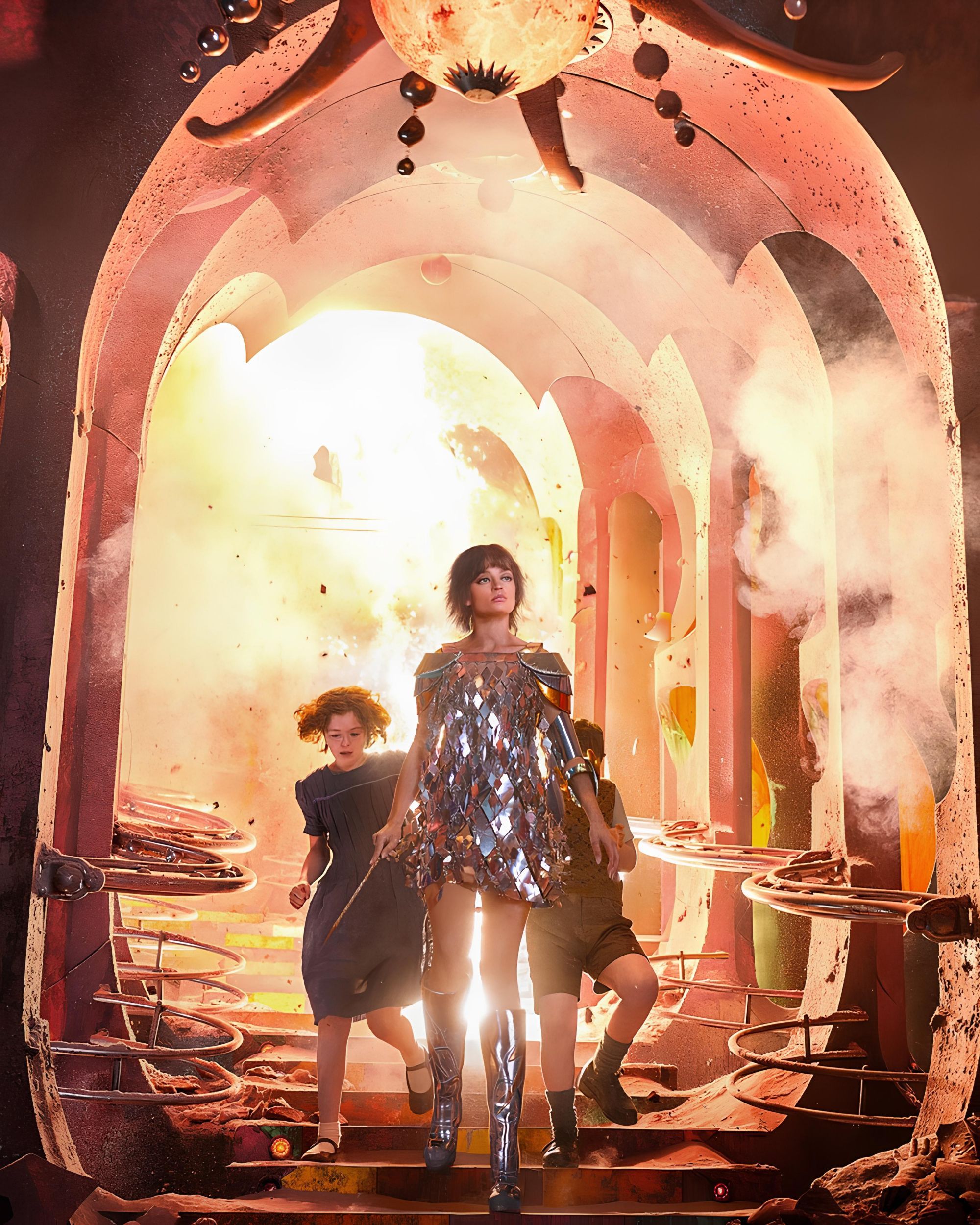
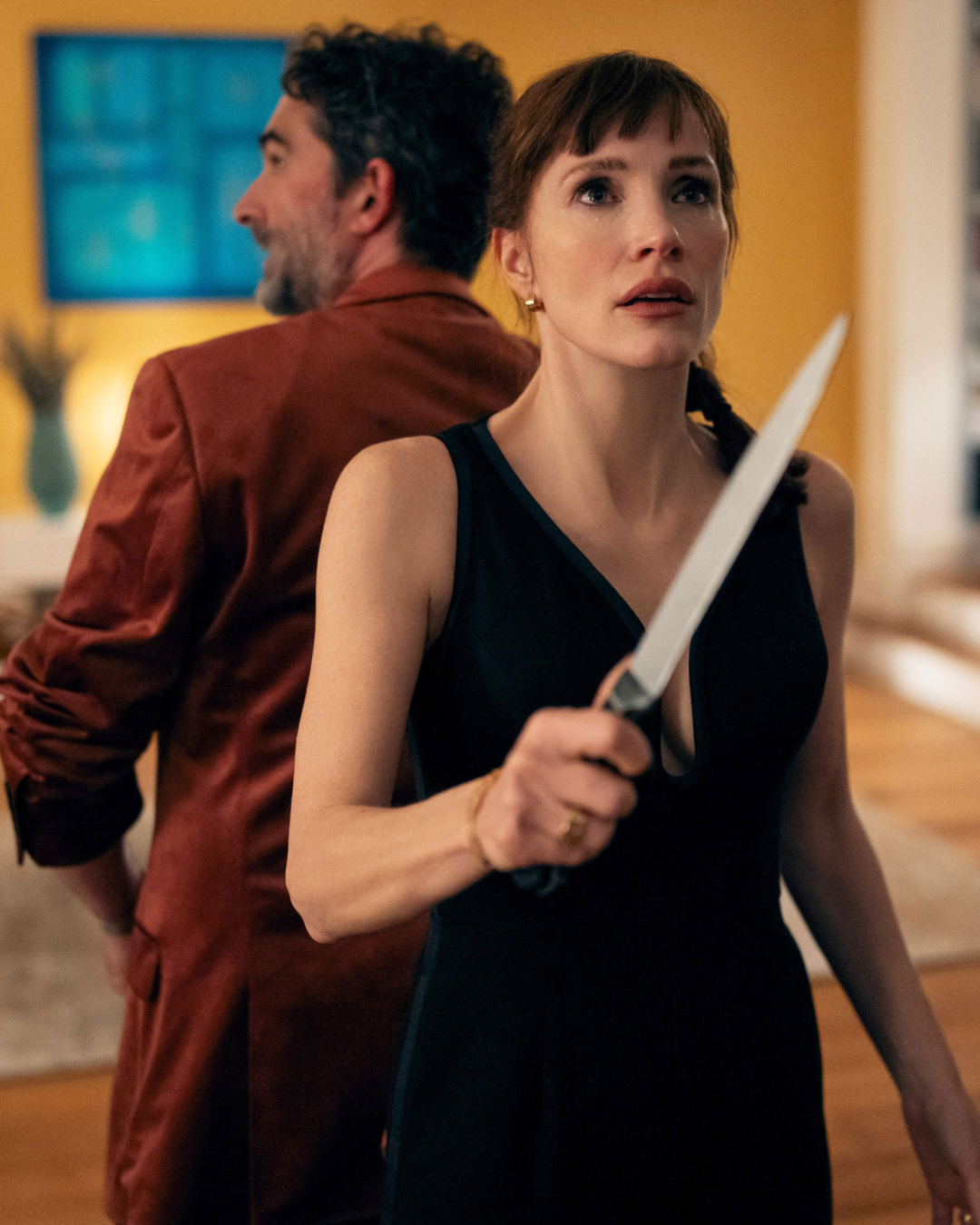
The cinematic summer of 2026 could represent the definitive confirmation of this trend. In fact, the release schedule is particularly rich and varied, with a concentration of major titles reminiscent of the years prior to the pandemic. Among the most anticipated films are The Mandalorian and Grogu, Toy Story 5, Scary Movie 6, a new chapter of Jackass, the new Minions movie, the live-action Moana, and the new Spider-Man starring Tom Holland and Zendaya. Added to these are two highly ambitious original productions: Steven Spielberg's Disclosure Day and Christopher Nolan's Odissea.
How we can tell this could be a good summer for cinema
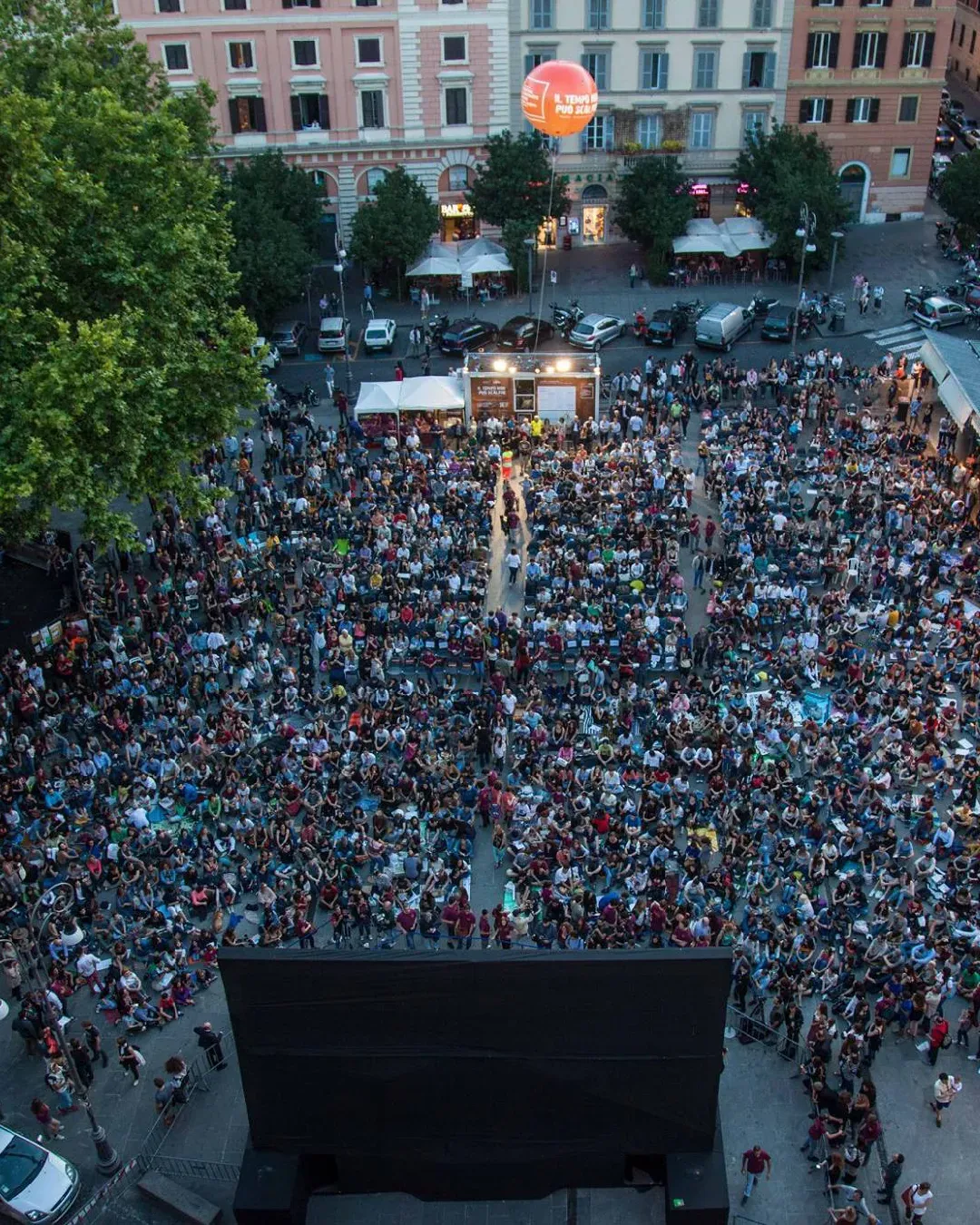
@ciaomargarita This is a free open-air film festival running across several Roman piazzas and parks, featuring nightly screenings, filmmaker talks, and guest appearances. It transforms places like Trastevere and Monte Ciocci into large outdoor cinemas where locals and visitors watch classic, contemporary, and international films under the summer sky.
original sound - Margarita
For the Italian film sector, the month of May has already represented a turning point. Theaters recorded nearly 60 million euros in box office revenues, the highest figure since electronic tracking began in 1995. The growth was impressive not only compared to last year, but also compared to the years immediately following the pandemic. Driving this result was a particularly rich lineup, characterized by several successes that exceeded expectations and some unexpected phenomena, such as Backrooms, which managed to attract a very wide audience.
This data takes on a special significance because the Italian market seems to have closed the gap accumulated during the pandemic years. Until now, theater box office returns had remained steadily below 2020 levels due to a reduction in regular moviegoers—a consequence of the rapid rise of streaming platforms and the shift in consumption habits that occurred during lockdown.
Movie theaters are important for cities once again
One of the most obvious effects of the expectations surrounding the cinematic summer is the definitive return to the traditional model of theatrical distribution. Following the years of uncertainty that came after the pandemic, the industry seems convinced that a theatrical release continues to represent a fundamental step for a film's success. This is not only for direct box office revenue, but also for the visibility, prestige, and cultural impact that no streaming distribution has managed to replicate so far.
This shift in perspective even involves Netflix. The company recently announced that Narnia: The Magician’s Nephew, directed by Greta Gerwig and scheduled for 2027, will be the first film produced by the company to follow a traditional distribution window: nearly seven weeks of theatrical exclusivity before arriving on streaming. This choice marks a significant break from the strategy adopted until now and reflects a growing awareness of the commercial value of the movie theater.
What to read next
5 trends that Trainspotting anticipated Back in 1996
There is much more to the film than the famous Helmut Lang tank top
Andrew Scott gives the best performance of his career in "Elsinore"
Simon Stone's film tells the true story of actor Ian Charleson and his production of "Hamlet"
"Il rumore delle cose" by Paolo Genovese opens the 2026 Rome Film Festival
The film, adapted from Genovese's novel of the same name, is nonetheless the usual Italian drama