





























The Oscars are moving to YouTube Starting from 2029
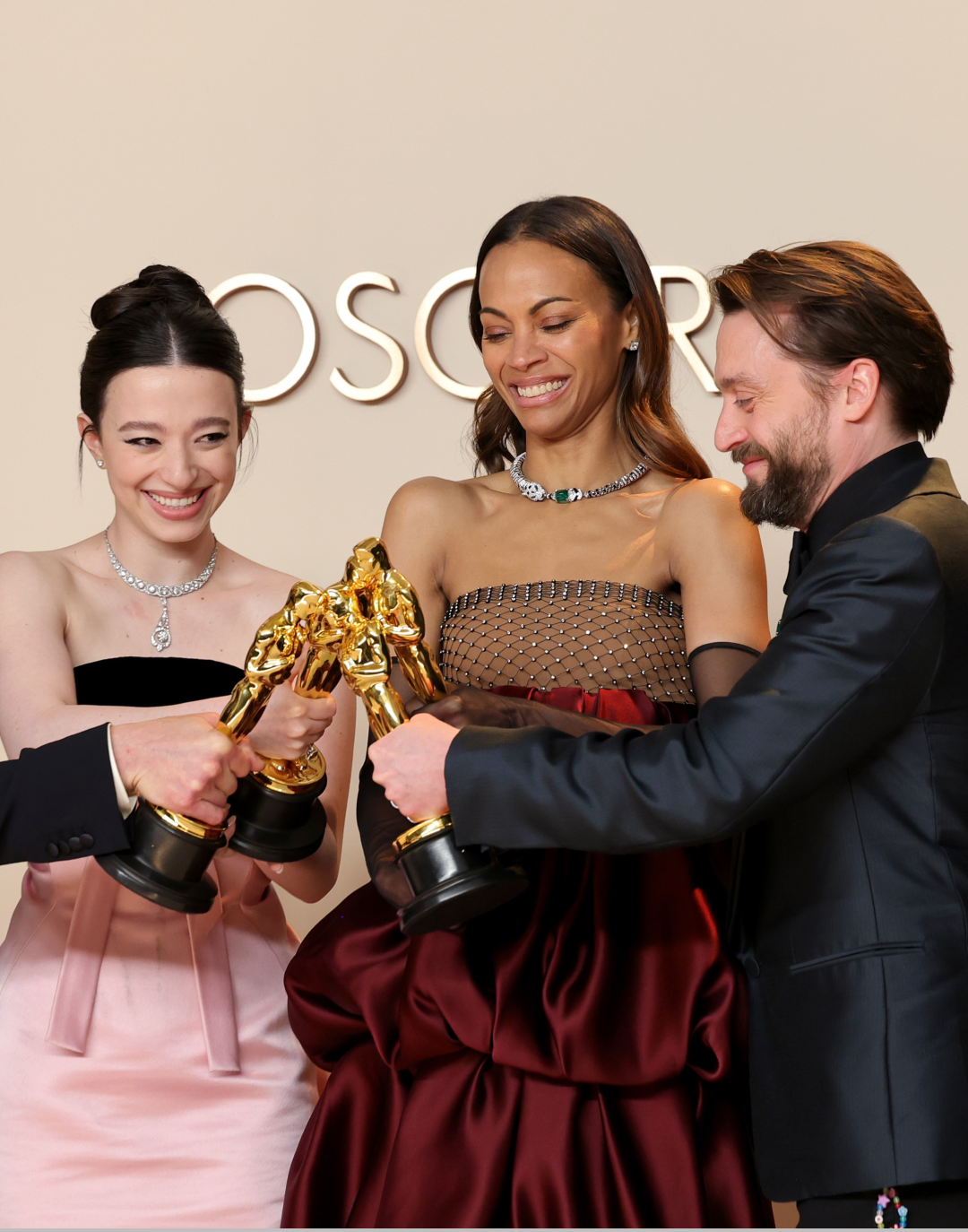
The Oscars are preparing to leave broadcast television and make a definitive move to YouTube. Starting in 2029, with the 101st edition, the most important ceremony in global cinema will be streamed in exclusive worldwide distribution on Google’s platform, which will hold the rights through 2033. Until 2028, including the centennial year, everything will remain as it has been for more than half a century, with ABC serving as the historic home of the Academy Awards.
How to watch the Oscars on YouTube
My cinephile Unc when I tell him we have to open YouTube on the TV to watch the Oscars pic.twitter.com/MnVZmj6zKl
— (@MANOMAGlC) December 17, 2025
According to Variety, the deal was reportedly closed for a nine-figure sum, surpassing bids from Disney/ABC and NBCUniversal, which had landed at valuations significantly lower than the roughly $100 million per year Disney has paid so far. A figure that speaks not only to YouTube’s financial power, but also to what is at stake for the Academy, which has long been searching for a new home capable of relaunching the ceremony’s global impact within a radically transformed media landscape.
On YouTube, the Oscars will be available for free and live worldwide, including red carpet coverage, behind-the-scenes content, the Governors Ball, and additional formats designed for broader, less constrained viewing. Advertising will remain, but the distribution logic will change, with the stated goal of making Oscar night more accessible to an international audience through subtitles, multilingual audio tracks, and a truly global rollout, without the fragmentation typical of local television agreements.
Is this the end of traditional TV?
@hutch.on.film TV is dead
original sound - hutch.on.film
The point, however, is not just where the Oscars will air, but what this shift reveals about the current state of the media. For decades, linear television was the natural home of collective events, but today that role is increasingly fragile, if not openly outdated. YouTube, once dismissed as the realm of short, no-sense content, has become the epicenter of long-form storytelling. Three-hour podcasts, marathon interviews, and streams that last entire days are the formats that have made the video platform the longest-running social network in the history of the internet, without ever losing its relevance.
This is where the Academy’s decision starts to make perfect sense. The Oscars have, for years now, been a format in crisis within an industry that is even more so. Too long for broadcast television, too rigid for an audience used to moving freely across content, platforms, and languages. YouTube, by contrast, imposes no time limits, demands no forced cuts, and does not require the show to be squeezed into a “time slot” designed for another era. It can be a three-hour ceremony, five, six, with backstage access, extended red carpets, parallel content, real-time commentary, and a form of global access that is genuinely open.
It is therefore no coincidence that other giants are also rethinking how major events are distributed. The NFL, the ultimate symbol of American television entertainment, has already moved its Christmas Day game to Netflix, definitively legitimizing streaming as the natural space for major live events. Not because television no longer exists, but because it is no longer necessary. Or rather, it is no longer central.