


































Young Chinese people are so depressed that they call themselves “rat people” And they show on social media how they spend their days lying down
For those who may not remember, there was a period between 2020 and 2022 when My Year of Rest and Relaxation by Ottessa Moshfegh became one of the most talked-about books on TikTok. Its plot, centered on the idea of suspending one’s life to escape the exhaustion of the world, felt like the perfect literary translation of what many people, especially Gen Z, were experiencing during the lockdowns. From that moment on, the term “bed rotting” became the generation’s favorite slang, describing the inability to find, ironically yet frighteningly realistically, a reason to get out of bed.
Who are China’s “rat people”?
@suzzzzy945 新加坡老鼠人摆烂日常花销,在家呆着不花钱就是在挣钱… #老鼠人 #dailyvlog #daily #dailycost #singapore 原声 - Suzzzzy
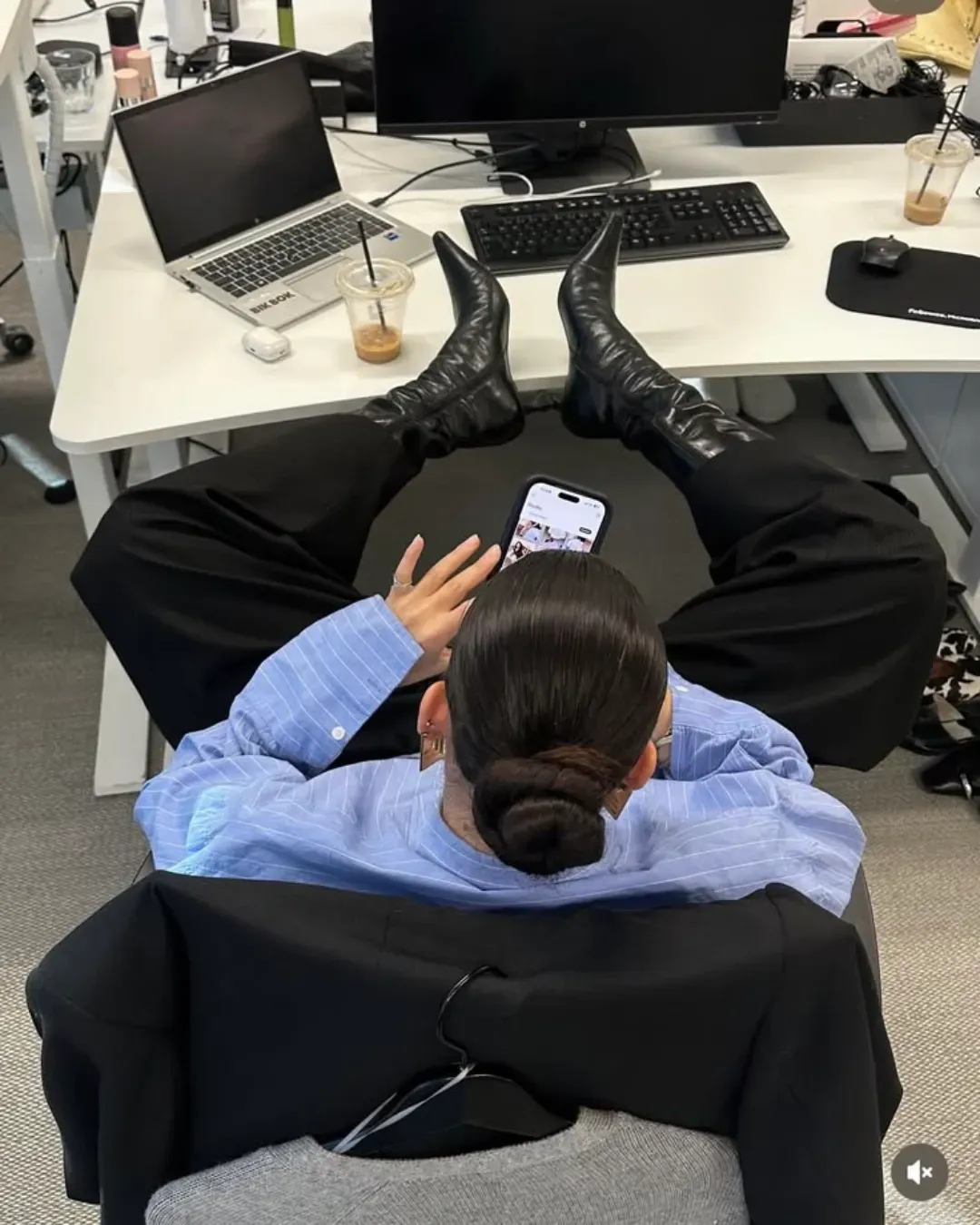
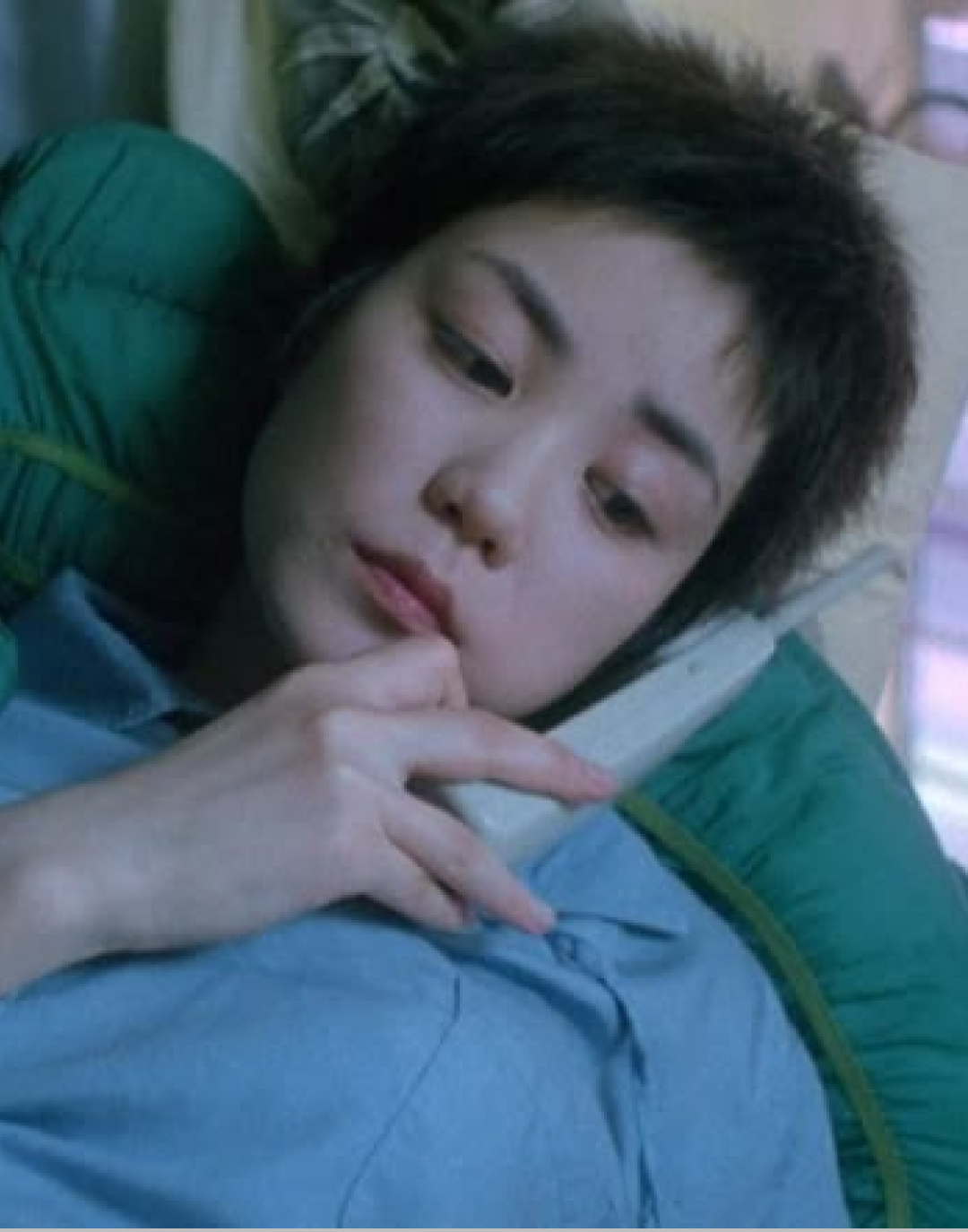
Today, the pattern seems to be repeating itself, though with an even darker undertone. Chinese young people have started calling themselves “rat people”, and they document on social media their days spent lying in bed, as if the horizontal position were the only viable way to survive a world perceived as hostile. The expression stems from this melancholic self-irony and describes a way of living that resembles that of rats, animals that avoid light, rhythm, and societal expectations.
Fortune reports that the trend originated from a young creator in Zhejiang province earlier this year, when she posted a vlog of her “horizontal” day composed of a noon wake-up, hours of doomscrolling, brief movements from bed to sofa, and a return under the covers by 8 p.m. to continue scrolling passively until falling asleep. Her satire became a manifesto, and many users online saw themselves reflected in her routine, admitting that the exhaustion felt by thousands of young people across the country stems from the fast and hyper-efficient lifestyle model they have been raised with.
Why does Chinese Gen Z feel this way?
@chongqing90 沉浸式vlogC 27s速通低能量老鼠人的一天宝宝们 两天不见 想我没啊 #vlog #我的房间 #布置我的小房间 #沉浸式 #沉浸式记录生活 som original - The Daily Princess Diary
The imagery of the “rat people” does not come out of nowhere; in fact, it is the result of years of economic pressure, rising competitiveness, and a level of social mobility that in China has almost completely stalled. The narrative of the “Chinese dream”, the one where studying and making sacrifices would immediately translate into success, has fractured in the face of a saturated job market, stagnating wages and increasingly inaccessible cities. The country’s famous “996 model”, working 9 a.m. to 9 p.m., six days a week, has become unsustainable, especially now that the economy no longer guarantees proportionate rewards.
The culture of “rat people” also works as a form of resistance; as users comment on RedNote, it is an explicit rejection of the productivity model that guided China through its twenty years of economic boom. It is no longer about working to the point of collapse, but reducing everything to the minimum, withdrawing from competition and declaring oneself exhausted before anyone can even expect otherwise.
And it is not an isolated phenomenon. In the West, Gen Z has introduced concepts such as micro-retirement, quiet quitting and a general mistrust of the cult of performance. The question remains the same: is the problem a work system increasingly detached from the real needs of workers, or is Gen Z truly unmotivated and unwilling? If an entire generation in the “most productive” country in the world feels so depressed that they cannot get out of bed, perhaps the issue is not the youth.
What to read next
LVMH's fashion division keeps getting worse
Third-quarter results showed a -5% decline driven by the Chinese market

Gen Z is spending more on art than any other generation
A new Arts Economics report on global collecting reveals the trend
How Gen Z is changing the rules of physical retail
From clubhouses to test labs, new brands are transforming stores into something that goes far beyond shopping