







































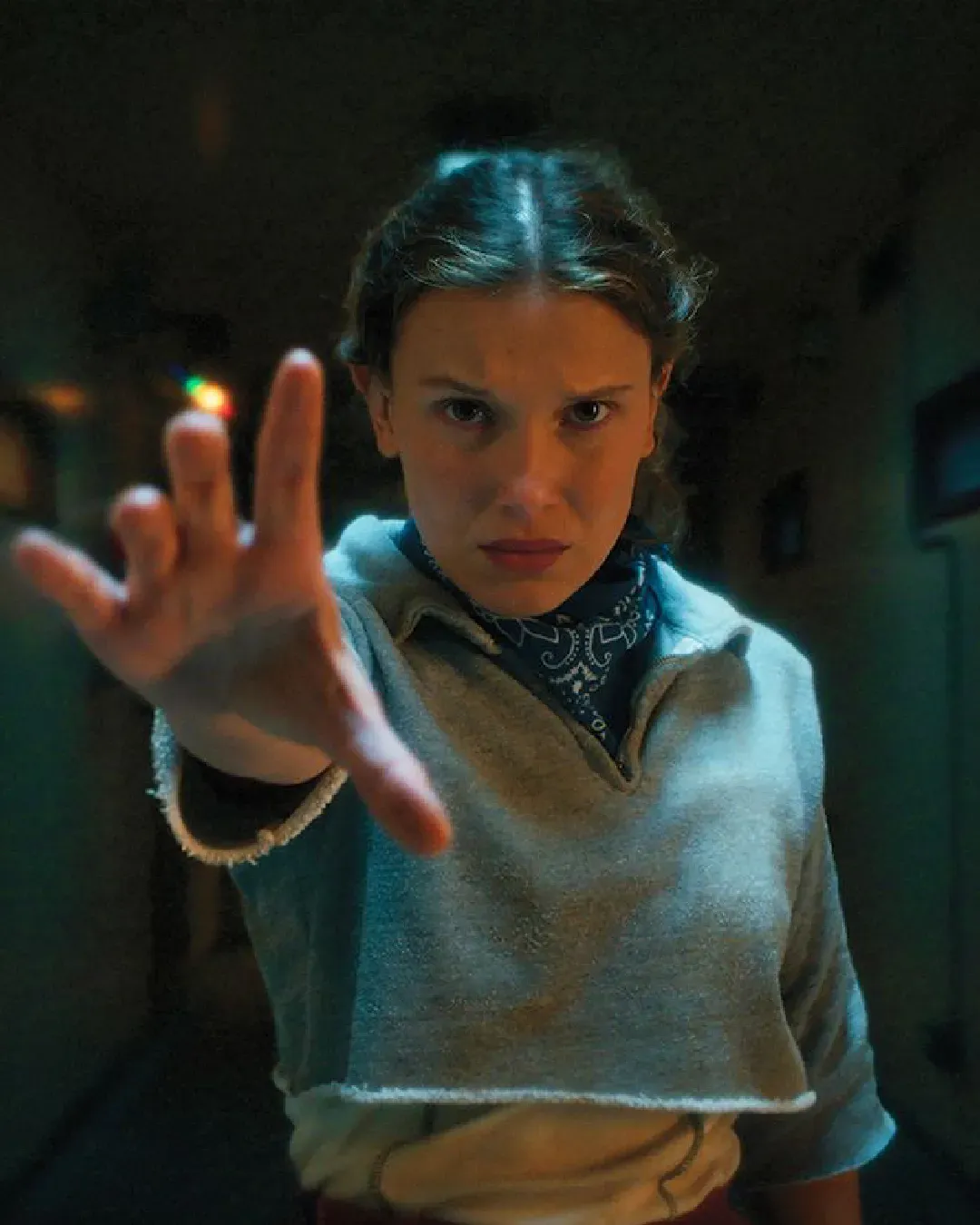
What we loved and hated about “Stranger Things 5 Volume One” Binge watching and spoilers while waiting for the grand finale
The fifth and final season of Stranger Things has arrived. Or rather, to be precise, the first volume of the fifth and final season of Stranger Things has arrived, which is more than a little disappointing. It seems paradoxical that the first Netflix product to have launched binge watching, to have made the term universal - as well as a practice that became common with the arrival and especially the expansion of the Netflix platform - is the very same one whose finale is being broken up to the point of being served to the public like crumbs to ducks.
The release strategy of Stranger Things 5
my heart pic.twitter.com/6rmENrKxsZ
— hellshee | stranger things spoilers (@_hellshee_) November 30, 2025
It’s not the first time this has happened, neither for the Duffer brothers nor for the streamer. The idea of spreading a season’s release over several weeks or months has now become a habit, not opting for a weekly release but relying on divisions such as Part One or Volume Two, hoping both that users stay subscribed as long as possible to the platform, and perhaps that they feel like rewatching the first episodes already released while waiting for the final part.
With its final season, Stranger Things has pushed the strategy to the limit: with four episodes released on November 27, three set for December 26, and the finale arriving on New Year’s Day, Eleven and her group of friends have decided that the holiday season must be spent with the Dungeons & Dragons gang, neglecting our own relatives or forcing them to watch all the episodes together under the Christmas tree between a slice of panettone and a game of bingo.
The formula, as the fourth season had already shown, paradoxically weakens the strength of the story, or, if we take Wednesday 2 as an example, it can even make viewers forget that a second volume is coming. A momentum that could have been sustained with the now-forgotten weekly release model, even if streamers like AppleTV+ and its more recent successes have shown that it can still work (the latest case? Vince Gilligan’s sci-fi series Pluribus). It is also true that the show that more than any other pushed and normalized the release of a full season at once could hardly give it up, having to adhere to its own rules, while still trying, in its own way, to bend them with this tripartite division.
The problem of spoilers
— ɥʇɐW - Portal Stranger Things | SPOILERS (@portalm4tthk) November 27, 2025
Obviously, no one forces viewers to watch all the episodes immediately. Given their length (the fourth episode runs one hour and twenty-six minutes), one could certainly take the time to reach the end of the year, thereby spreading the season’s viewing across several weeks. But there’s another obstacle that fans of Stranger Things - or any mainstream product - know they have to dodge every time: spoilers. Because weaving through Instagram stories, Facebook posts, and X gifs to arrive as unprepared as possible for the twists the new season takes is becoming increasingly difficult.
It’s often the fear of spoilers that first forces users to devour episodes without being able to enjoy them as they’d like, finishing a season in a single day just to make sure that no one can ruin any possible surprise. And perhaps, in general hypocrisy, some don’t even respect the rule of not doing to others what we wouldn’t want done to us - posting in the first place that unexpected plot twist or that death around the corner, just to feel a shiver of wickedness down their spine.
First impressions while waiting for the second volume
The frustration that comes with the return of Stranger Things is also linked to the quality of the product. With the protagonists having to live with the devastation left by Vecna, the series immediately lays out action from the very start, a feeling of constant danger, the need to bring the project to an end without wasting a single bullet out of the thousand and more that the show has and wants to fire. The strength of Stranger Things is closely tied to that of the previous season, not allowing itself even a step back and showing that it is well aware that the stakes are extremely high. They are for Eleven and her friends, who have become her family over the course of the story. They are for the citizens of Hawkins. But they are just as high for the series itself, which knows it cannot and must not get its conclusion wrong.
Stranger Things 5 immediately hits the turbo in a constant and engaging way in its first four episodes. A restlessness that pushes forward and then stops, moves ahead and stalls again, with the various volumes leaving a continuous sensation of dampening a tension that the narrative instead wants - and manages - to keep sky-high, whose interruption we hope will not weaken the arrival of the (real) finale. But the judgment, just like the story, must for now remain suspended. And so here we are, halfway through the journey, finding ourselves at least able to say, as in Mathieu Kassovitz’s famous film La Haine: so far, so good.