


















How Espace Parallèle reinvents independent culture in Paris In conversation with Rifet, the creative behind this space where exchange and connection are the watchwords
In the heart of Paris' 11th arrondissement, Espace Parallèle has become, in just one year, one of the city’s most vibrant and essential spaces. In this interview, the founder shares how the project came to life, the vision that holds together its many identities, and the lessons learned in opening, and keeping alive, an independent space in Paris. Between modularity, relationships, and an idea of creativity as a collective practice, Espace Parallèle reveals itself for what it truly is: a laboratory in motion, a community, a precisely built container where chaos is allowed to happen on purpose.
How did Espace Parallèle come to life? What was the turning point that made you say: “Paris needs this space”?
Espace Parallèle was born quite naturally. After years of working between Italian manufactories and the French fashion market, I realized there was no real space where craftsmanship, art, culture, fashion, and gallery work could meet and grow together. Paris, with its constant creative energy, felt like the right place to make that happen.
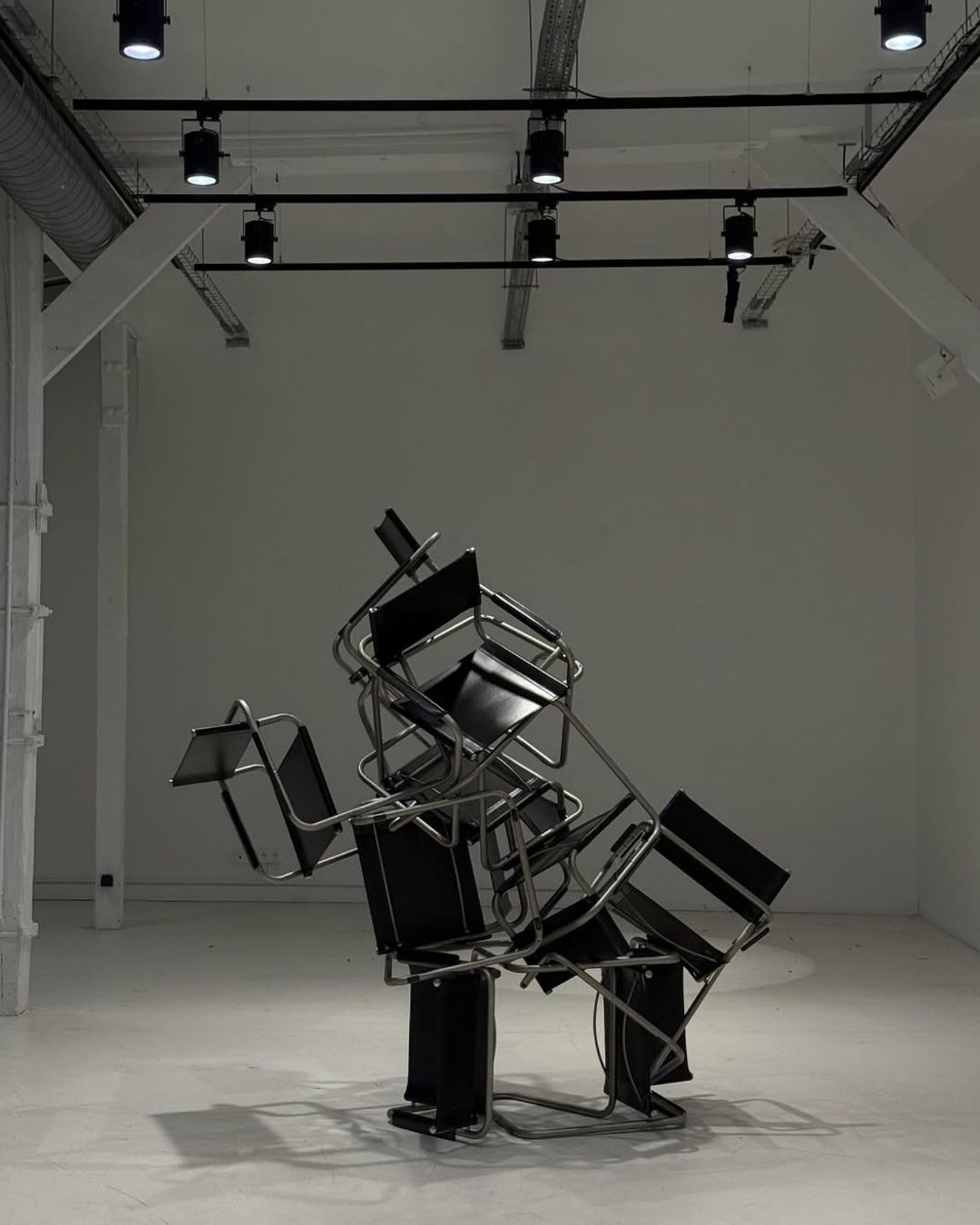
I wanted to build a modular, light-filled place that could transform at the speed of culture a space flexible enough to become a store today, a studio tomorrow, a runway at midnight, a gallery in the afternoon, and a workshop by morning. A kind of precision-built container where deliberate chaos can happen on purpose.
Espace Parallèle is a showroom, a gallery, and a cultural activation space. What is the vision that connects all these identities?
The vision is rooted in exchange and transformation. Espace Parallèle connects the dots. The design of the space reflects that: calm surfaces, minimal way finding, invisible tools that appear only when needed. It’s a place that gives freedom but within structure a living framework where identities can express themselves at full power. All these elements move in parallel, influencing each other without merging completely.
In one year, you’ve hosted very different events (Sunnei, Alan Crocetti, Serving the People...). Which project marked a turning point for EP, and why?
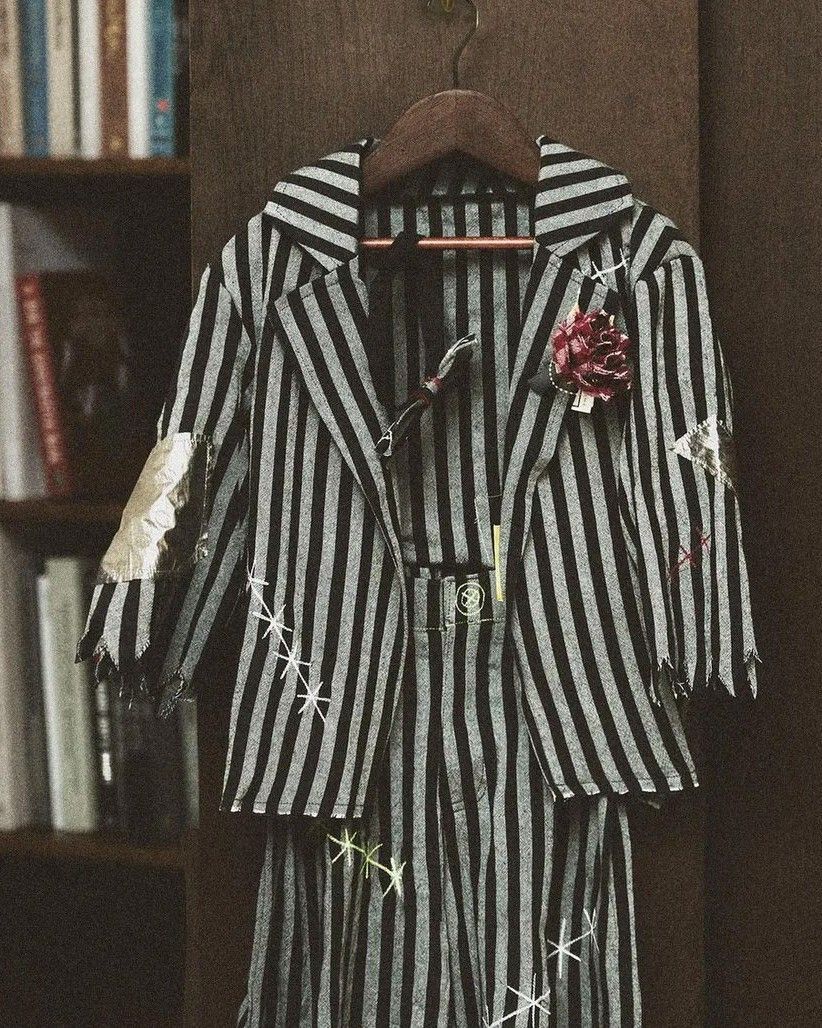
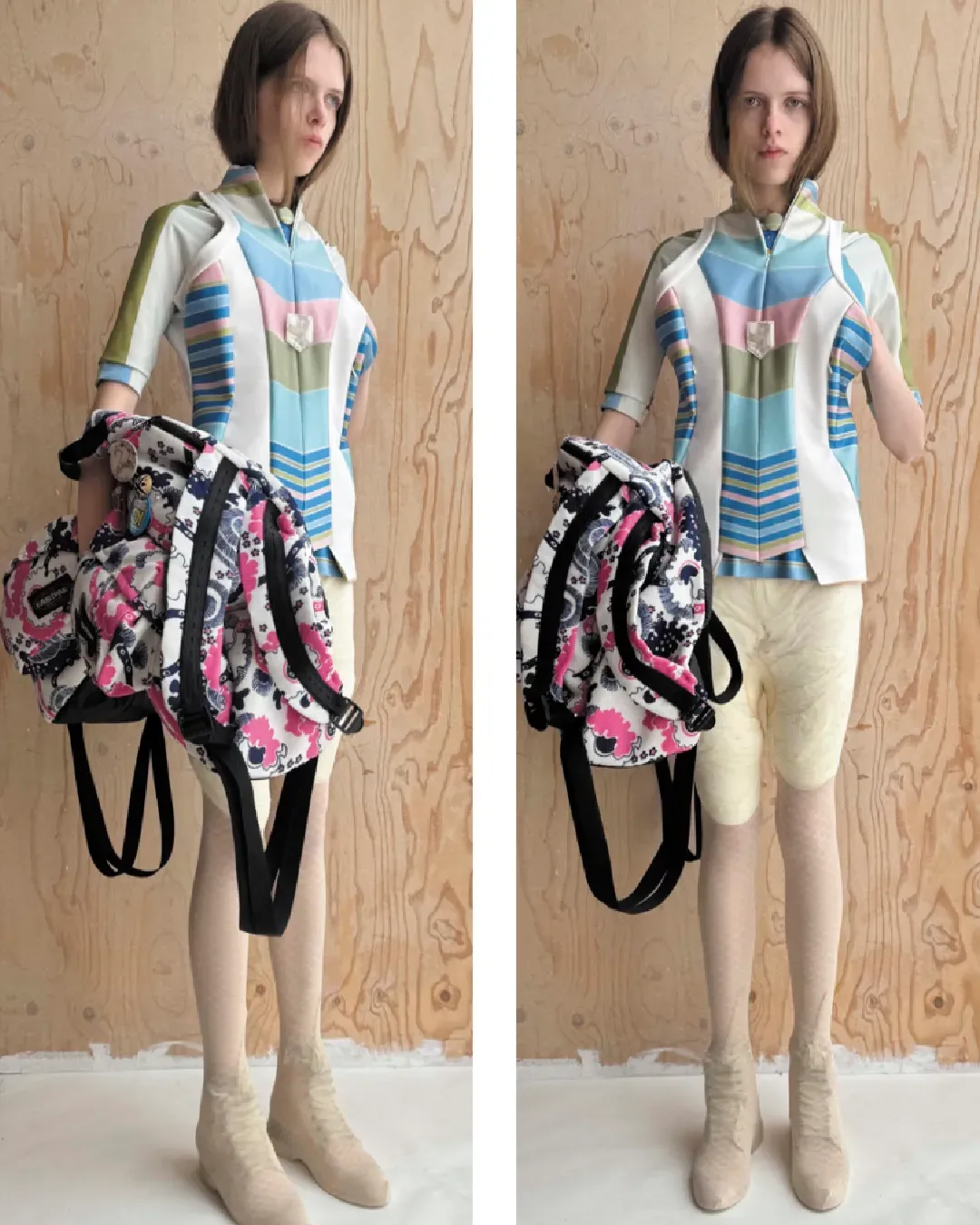
Every event has been a turning point in its own way. There isn’t one specific moment each project has revealed a different side of Espace Parallèle and shown how flexible the space can be. Each collaboration brings new energy and shows the space in a different shape that’s exactly what Espace Parallèle was created for: to adapt, evolve, and reflect the diversity of today’s creative culture.
Running an independent space in Paris isn’t easy. What is the biggest lesson you’ve learned, maybe even thanks to a mistake?
The biggest lesson is that people are everything. You can have great ideas, but without real relationships and collaboration, they don’t grow. Having the right team of people who truly believe in the project is fundamental they give it strength, energy, and direction.
We’re a small but very close team, and each of us brings something unique, often alongside our own projects: Aline Khieu, who handles all the logistics and operation of the space; Lorenzo Marcolini, our technical director and lighting expert; Roberto Rigon, our new creative director; Ettore Carfagnini, Growth manager; Valentina Peruch and Albert Blaszczyk (The Viking) who are essential to the success of every event thanks to their strong production skills. Mistakes have taught us to adapt quickly and, above all, to never be afraid of failure. Every challenge becomes a chance to improve, evolve, and grow together.
When selecting artists or brands, what do you look for? What makes you understand that a project belongs to the Espace Parallèle universe?
When we select artists or brands, we look for authentic projects that feel genuine, with a clear point of view and a strong connection to process and meaning. Whether it’s art, fashion, or design, we’re drawn to work that feels alive, curious, and in constant evolution. With the new identity developed by our new creative director Roberto Rigon, this vision has become even more defined. His work has helped us shape both the aesthetic and conceptual direction of the space, so the projects we choose are increasingly in line with what Espace Parallèle is today and what it’s becoming for the future. For us, it’s always about finding that balance between freedom and structure, between creativity and craft.
EP feels more like a community than just a physical space. How do you build a community rather than simply a calendar of events?
By listening and creating real connections. For me, Espace Parallèle is not just about hosting events it’s about people and shared energy. Public relations, conversations, and collaborations are the foundation. The space works like a living organism: it grows with the artists, designers, and communities that activate it.
The birthday party is divided into two moments: video projections + installations, and then an afterparty. How did you envision this evening, and what does it say about your identity?
It’s a celebration of what Espace Parallèle stands for movement, collaboration, and creative freedom. The projections and installations reflect the artistic and cultural side of our identity, while the afterparty represents the human side: connection, music, and joy. It’s serious work, but it’s also about having fun.
EP is turning one: What’s the next step? What does Espace Parallèle aspire to in its Year Two?
Year Two is about continuing to grow and strengthen our presence in Paris while staying true to the spirit of the beginning. We want to keep building our identity, refining the vision, and deepening the relationships that make Espace Parallèle what it is. The idea of expanding is definitely part of our long-term vision but for now, our focus is on affirming ourselves here in Paris and letting the project evolve naturally. Let’s see where it takes us.