


























How horror is taking over the box office in 2025 The return of the nightmare
For years relegated to niche festivals or late-night marathons, horror is now one of the most profitable and influential genres in the global film industry. In 2025 alone, it recorded a +22% increase in box office revenue compared to the previous year in the UK and Irish markets, rising from £68 million to over £83 million. But beyond the figures, what stands out is the quality and variety of stories told. Titles like Weapons by Zac Cregger and Sinners by Ryan Coogler have become cultural events, able to capture the attention even of those who usually avoid scares in theaters. These hybrid horrors mix psychological, social, and even satirical elements, finding a universal language. «Films like these seem to speak to everyone, even those who normally dislike the genre,» said Laura Wilson, Head of Acquisitions at Altitude. It’s further proof that horror today is less a niche and more a cultural filter to interpret the present.
The Real Monster Is Reality
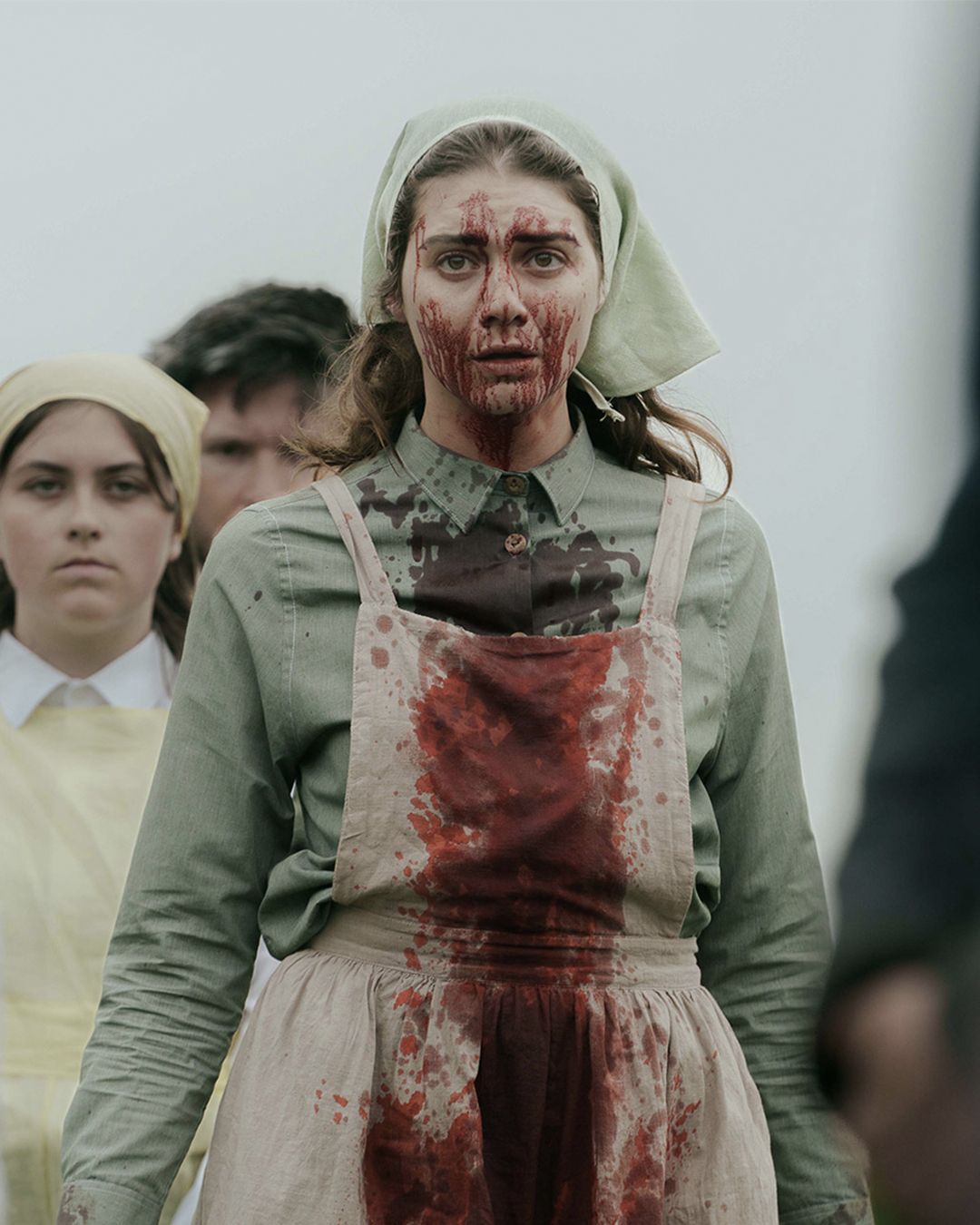
Behind the growth of contemporary horror lies not only entertainment but the need to process real fears. Social anxiety, climate crisis, economic inequalities, identity tensions, technologies out of control. In an era where the news seems written from a dystopian script, it’s almost natural that horror cinema becomes the preferred genre. «Horror exaggerates everyday fears until they become monstrous, and by doing so, it makes them manageable,» says film historian Christopher Frayling. It’s no coincidence that many recent works, from The Severed Sun to Prevenge, including Get Out, tackle themes like systemic racism, populism, and digital loneliness. These films, though using masks and archetypes, speak to the present. As Dean Puckett, director of the folk horror The Severed Sun, points out: «I wanted to tell what happens when you sit down for dinner with a friend and suddenly they start talking about far-right ideas. That kind of fear doesn’t come from ghosts, but from real people.»
Monsters That Tell Us Who We Are
There’s a reason why monsters have returned to populate our imagination: they are the mirror of our contradictions. Just like postwar German expressionist cinema or Universal’s 1930s classics, horror today experiences a golden age coinciding with a time of widespread instability. But the novelty in 2025 is that fear no longer comes only from outside, from zombies or vampires, but also (and especially) from within. The unease that crosses the characters is the same as that of the audience: frustration, loneliness, precarity. The success of «auteur» horror films by the Philippou brothers, Ari Aster, or Jordan Peele shows that audiences are willing to embrace complex experiences, as long as they are authentic.
@fragullove Nel 2025 ci saranno un sacco di film da vedere al cinema (e alcuni anche in streaming su Netflix). Ma in campo film horror soprattutto arriveranno delle chicche niente male. Ecco un bel riassunto #filmdavedere #filmhorror #horrortok #davedere suono originale - Frà Gullo Serie TV & Cinema
While Hollywood struggles to break free from its repetitive formats, small independent studios and emerging filmmakers are rewriting the rules of terror with a raw, fragmented, and deeply human language. As Dominic Hicks, founder of Nickel Cinema, says: «These films feel like they exploded from someone’s subconscious. They are imperfect, disturbing, but real.» In a world where reality surpasses fiction, perhaps it is horror that offers us the only possible catharsis.