






































How New York’s urban planning has changed over the past twenty years The attack on the Twin Towers marked a 'before' and 'after'
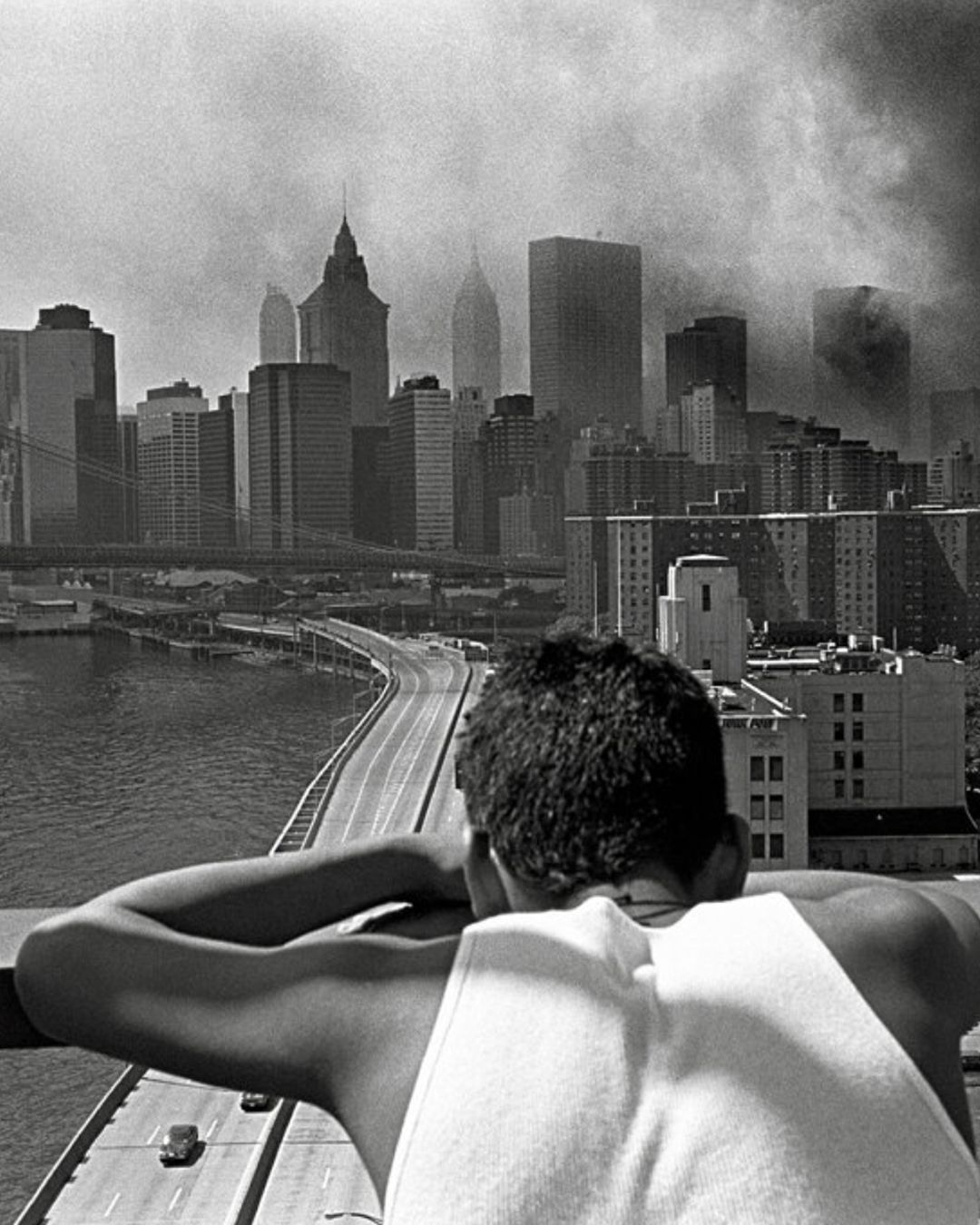
According to the renowned research center Pew Research Center, even today almost all Americans over thirty remember exactly where they were and what they were doing when they learned about the September 11, 2001 attacks – the majority of the country's population continues to consider them among the most significant events in recent history. The impact of that event was not only seen at the social and political level but also had enormous consequences on the urban development of New York. The destruction of the Twin Towers and the subsequent reconstruction of the Manhattan area marked the starting point for a broader urban development that involved several neighborhoods of the city. The Economist notes that in the two decades following, New York experienced significant improvements in terms of urban planning. Immediately after the attack, almost 5,000 Manhattan residents left the area; however, in the following years, the neighborhood’s population grew significantly, doubling by 2020 compared to 2001. During the same period, the number of apartments in Lower Manhattan also increased considerably, as did hotel facilities. After September 11, the city administration also introduced incentives to attract more technology companies to the city and promote greater economic diversification.
@nycwtc Today, like every day, is a day of remembrance. We will never forget those we lost and the lasting impact it has had on us all. #september11 #neverforget #911 #wtc #worldtradecenter original sound - World Trade Center
One of the main effects of these policies was the reduction of the weight of finance in New York: before the attacks, about 60% of Lower Manhattan workers were employed in this sector; by 2020, the share had fallen to around 25% – with notable urban and social consequences: for example, the neighborhood became much livelier in the evenings, and the number of families increased significantly, as did dedicated commercial establishments. Even though the city administration struggled to define a clear reconstruction plan for the area where the Twin Towers stood, due to high costs and technical problems, in the following years the entire city benefited from the redevelopment process that had been launched. This was largely thanks to support from the federal government, which contributed almost $30 billion to New York, specifically for urban development projects. In Lower Manhattan, for example, in addition to the World Trade Center, many new buildings were constructed, which helped revitalize the local economy and bring tourists back to the neighborhood.
@laila.zubair Learned something new this year that truly touched my heart. All video clips were taken by me on September 11, 2025 at 10:28am. #september11 #neverforget #oculus #worldtradecenter #newyorkcity @downtownnyc World Trade Center Piano Theme - Craig Armstrong
It should also be noted that many of the projects carried out after September 11 were not entirely new but rather previously planned interventions that had been delayed for a long time. Among the most significant are the redevelopment of the High Line, an old elevated railway transformed into a pedestrian park in 2009, and the extension of the 7 line of the subway. The urban renewal process also reached peripheral areas that had been neglected for years, such as Queens. Despite the profound transformation New York has undergone over the past twenty years, the pandemic represented a new phase of crisis for the city, with still visible economic and social consequences – the office real estate market remains under pressure. Additionally, there has been a slight decline in tourism, which has not yet returned to pre-pandemic levels.