



















Everything there is to know about social housing in Milan The emblematic case of the San Siro quadrilateral
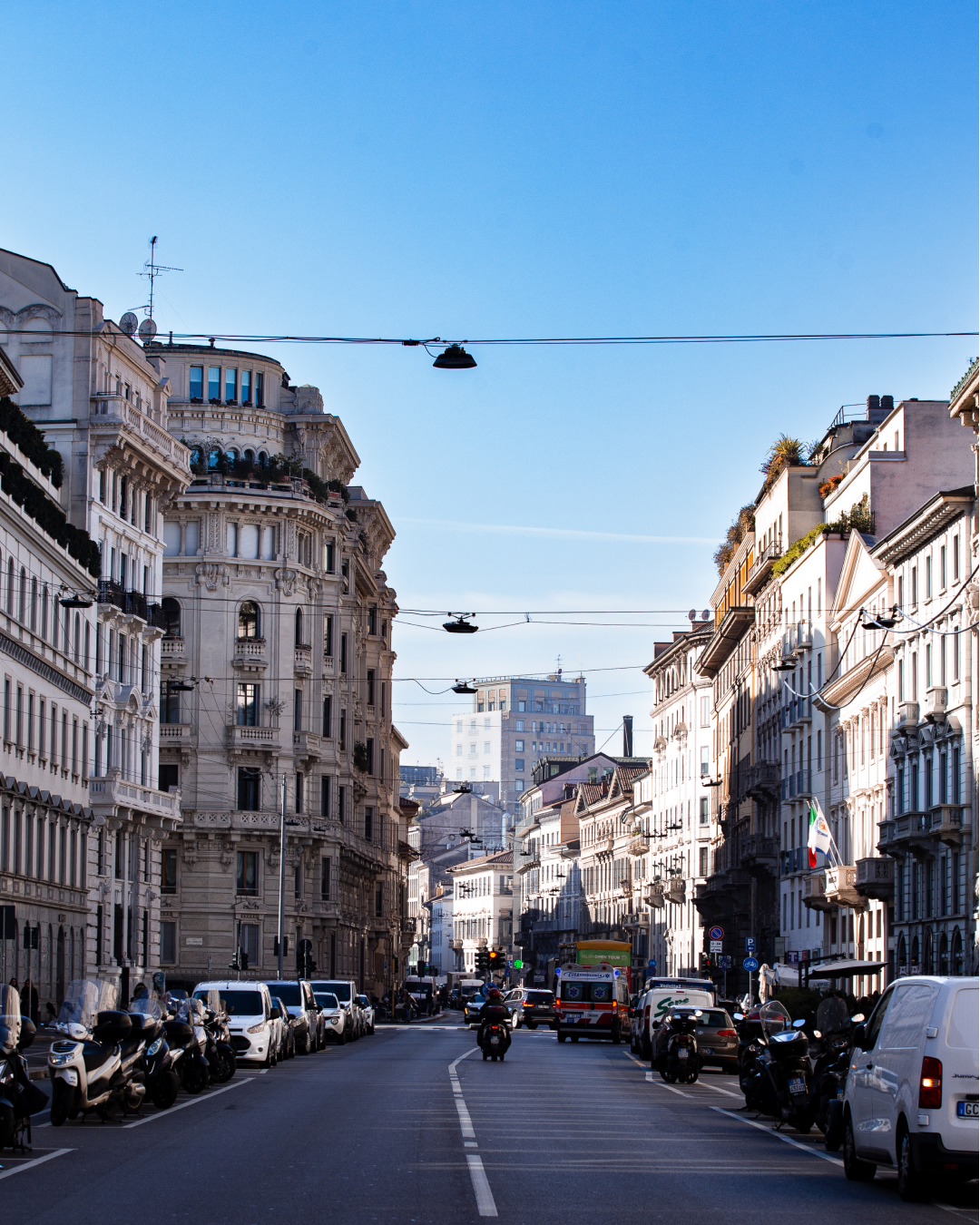
Milan is preparing for a challenging year that will kick off with the upcoming Milan Fashion Week, continue in January with the Milan-Cortina Olympics, and perhaps find some rest after the 65th edition of the Salone del Mobile. Events of enormous scale that will once again project the city onto the international stage, but which risk overshadowing far more urgent issues. Chief among them is the housing crisis, the main knot that has weighed on the city’s welfare system for years, with rising rents and a chronic shortage of housing for students and low-income groups. As reported by MilanoToday, the management of Pinqua funds (the program financed by the PNRR to improve the quality of housing) has become emblematic of this contradiction.
@bilocaliti Cosa dici, compreresti casa in quei palazzi per vivere? Per #affittare? Per rivendere dopo #ristrutturazione? Per rivendere dopo qualche anno? Cosa rispondiamo all’agente #immobiliare e la sua valutazione del prezzo?
In San Siro, a historically fragile neighborhood, the original plan included a housing emergency hub in the former Aler headquarters on Via Newton and the securing of several public housing units. Over time, however, the conditions changed: the building was designated to become a police station, while the 44 housing units obtained in exchange for Via Ricciarelli will be allocated to families with ISEE between 10,000 and 40,000 euros. A decision that, according to unions, distorts the project, shifting it more towards social housing rather than public housing proper. And yet, in the San Siro district, 44% of families live on less than 7,000 euros a year, and the waiting lists for housing far exceed the available supply. Here, more than 600 apartments remain vacant or occupied, while only a handful were actually assigned last year.
The case of San Siro is not an isolated one, but rather a reflection of a broader condition affecting the whole of Milan. In recent years, the city’s housing market has turned into an increasingly inaccessible terrain, where the supply of public housing cannot keep up with rising demand, and free-market prices have reached record highs. As reported by MilanoToday, even when public funds are allocated for redevelopment, their management often drifts away from the original goals, reducing the space reserved for the city’s most vulnerable groups. The reality is that the housing emergency does not stem from a single neighborhood, but from a structural problem affecting the entire system: according to Istat and Federcasa data, Italy has more than 850,000 public housing units spread across 7,000 neighborhoods, housing over 2.3 million people. Yet 40% of this stock requires structural interventions and waiting lists exceed 700,000 families.
@_barkissa In Milan construction sites work full speed… in august #milan #italytravel #milantips #summerinmilan #milanlife #citylife #travelitaly original sound - Barkissa
Milan embodies this contradiction: on the one hand, it is the capital of innovation and design, capable of attracting billion-euro investments and major international events; on the other, it continues to grapple with a chronic shortage of affordable housing and with entire working-class neighborhoods left halfway between decay and unfinished regeneration. Within the city’s borders alone, the gap between supply and demand is glaring: last year in San Siro, about 600 applications for public housing were submitted, compared to barely a dozen assignments. The apartments exist, but many remain unused because they are vacant, illegally occupied, or in such condition that they cannot be lived in. It is in this imbalance that the true face of Milan’s housing crisis becomes clear, where, despite thousands of families waiting, interventions continue to fragment into partial solutions or diverted projects.