


































KPop Demon Hunters is the most watched movie in Netflix history Kpop has also conquered the film industry
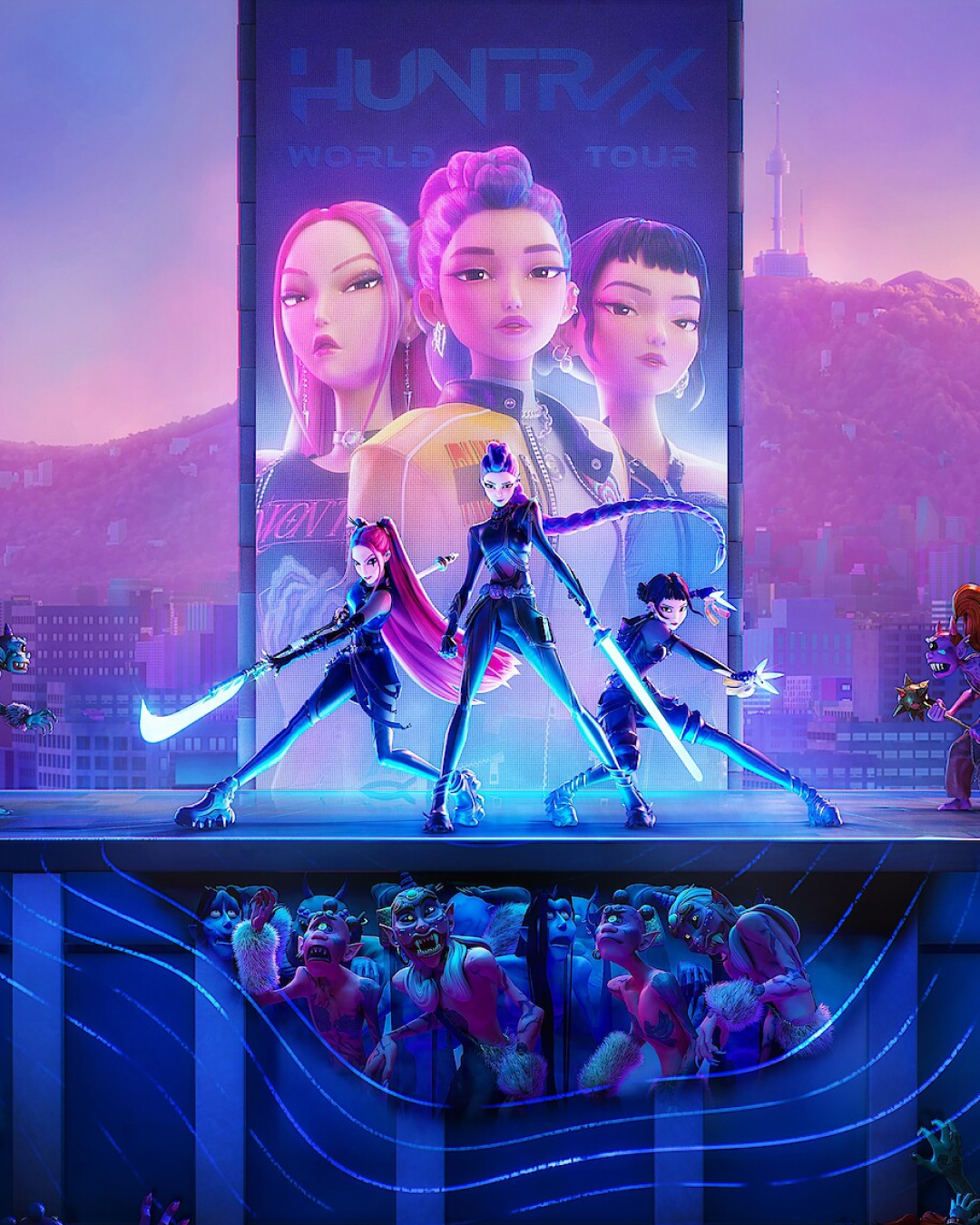
In recent years, kpop has been able to influence a wide variety of fields. The aesthetics and imagery of this musical genre can be found in fashion, in communication on social media, and, more recently, even in film production. One example is the movie KPop Demon Hunters, produced in the United States by Sony Pictures Animation in collaboration with Netflix, released on the platform at the end of June, and turned into the most-streamed movie in the entire history of the platform. Set in Seoul, it tells the adventures of a group of k-pop idols (the term used for Korean pop stars), who, in addition to singing and dancing, also hunt demons; the protagonists must face the Saja Boys as antagonists, a rival boy band made up of five undercover demons. The plot blends fantasy elements with real-life references tied to kpop, which made the film particularly popular among younger audiences, while at the same time being well-received by adult viewers as well.
The film’s international success, demonstrated both by its ranking on Netflix and by the amount of buzz it generated on social media, is particularly significant considering it is an original production, not based on already popular comics or books. In other words, it is a project that developed its own narrative universe from scratch and, despite being primarily intended for children, managed to reach a very wide audience. This achievement comes from the way the story was built, mixing emotional scenes with action sequences. Some viewers particularly appreciated how complex themes such as generational trauma, rarely addressed in animated films for children, were explored. But the real strength of KPop Demon Hunters lies in its soundtrack. The songs performed by Huntr/x (pronounced “Huntrix”), the fictional idol trio starring in the film, quickly became some of the most listened-to tracks on Spotify, even competing with real groups and topping the Billboard 100 and 200 charts, a coveted result for major Korean labels.
‘Golden’ by HUNTR/X from ‘KPOP DEMON HUNTERS’ has reached #1 on the Billboard Hot 100 charts
— DiscussingFilm (@DiscussingFilm) August 11, 2025
• First #1 for a female K-Pop artist ever
• First #1 for a girl group since Destiny’s Child
• Second song from an animated film to reach #1 this decade pic.twitter.com/juTON0rtpd
Showing just how much attention was given to the musical component of the film, the tracks in KPop Demon Hunters don’t resemble typical “cartoon songs,” but instead authentic kpop productions. Not surprisingly, leading figures in the South Korean music industry were involved, such as Teddy Park, longtime producer of Blackpink, and Lindgren, a German composer who has worked with BTS and Twice. This move legitimized the film not only as an entertainment product but also as a bridge between the cinematic and musical worlds. The experiment fits into a broader trend that has long included the creation of virtual or fictional idols. In 2021, the girl group Eternity, made up of six hyper-realistic digital characters, garnered millions of views online with the single “I’m Real.”
In Japan, similar phenomena have existed for over twenty years, but in South Korea, this practice has taken on a new scale, thanks to the use of artificial intelligence technologies and the direct involvement of fans in creative processes. Eternity, for example, was created through a kind of public poll: the tech company Pulse9 generated over 100 digital faces and asked users to vote for their favorites. The most popular were then transformed into actual characters, with defined biographies and personalities. Looking closely, kpop is experimenting far more than other music genres with digital technology, to the point that even some real artists have adopted this approach: aespa, for instance, is made up of four girls and their respective digital avatars (called æ), who often perform together both on virtual platforms online and in concert. This process, which combines music, digital technology, and storytelling, shows how kpop is redefining not only the music industry but also the film industry. KPop Demon Hunters, with its fictional idols able to climb the music charts despite originating from an animated film, stands as a concrete example of how the two fields can converge, bringing new momentum and revenue opportunities to both industries.