

































Paris fills up with artistic murals to counter the rise of graffitis When art becomes an anti-vandalism weapon
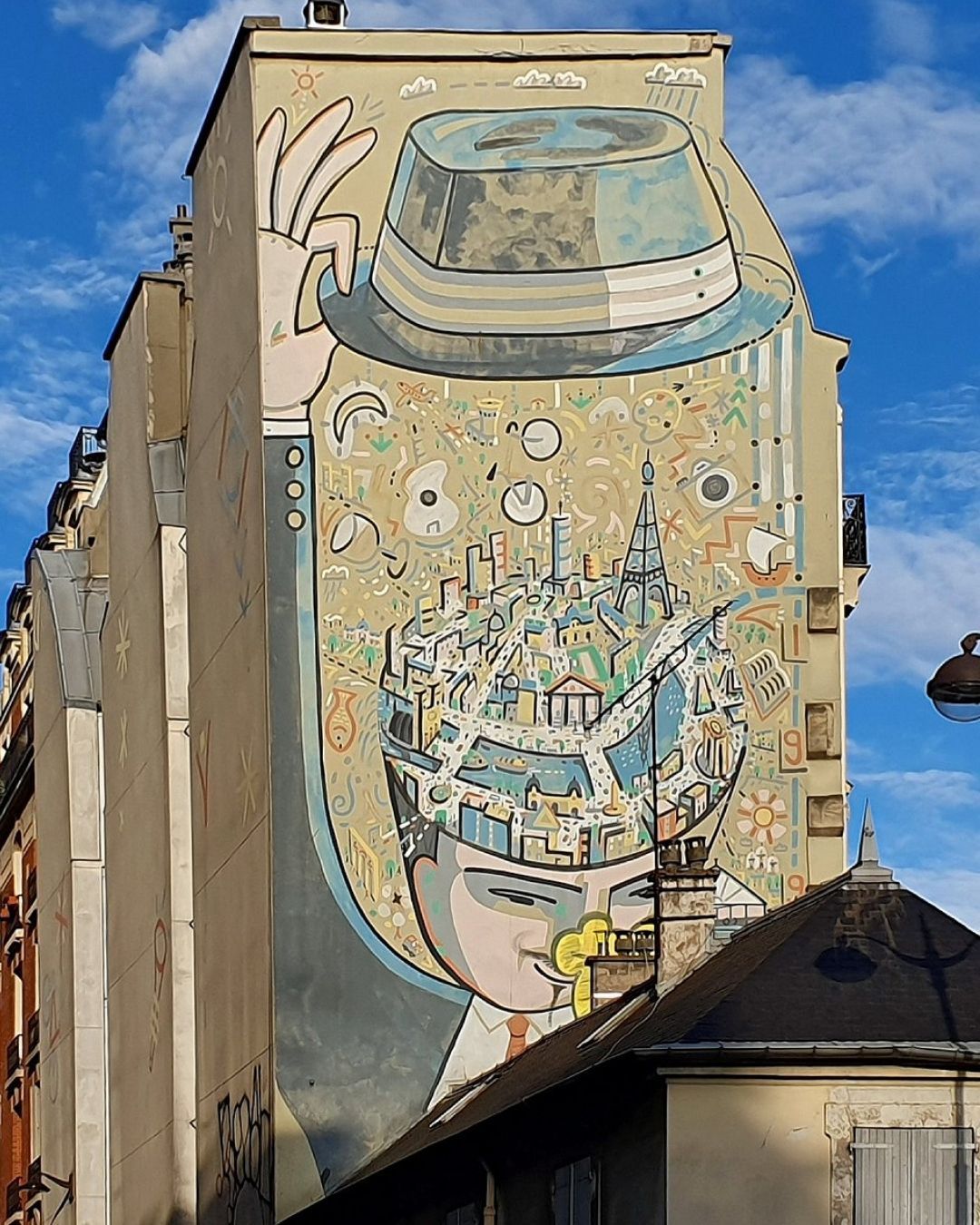
To combat graffiti that costs several million euros annually in cleanup, the city of Paris has proposed a rather original idea: beautifying shop shutters with artistic murals to deter spray paint. Last week, the City Council decided to subsidize two associations: Village Timbaud (11th) and Entreprises 13 (13th), which will be responsible for decorating the storefronts of shops affected by unwanted graffiti. The grants, totaling €41,600, aim to “beautify the urban space” and “prevent damage,” explains the city in its adopted draft resolution. Thus, the city offers anyone interested to fund this artistic project up to 80%, with a maximum of €1000 per project. Please note that only requests that meet the city’s criteria will be eligible for the grant. Additionally, applicants must prove they have been victims of or are at confirmed risk of spray paint damage to qualify. It’s important to note that cleaning up these illegal paint marks is very expensive: €6 million each year, to be exact. A staggering sum that the government aims to reduce by any means.
Nettoyage des tags à Paris : 6 millions d’euros par an.
— Aurélien Véron (@aurelien_veron) April 17, 2025
Rarement de poursuites envers les délinquants qui commettent ces délits, la mairie respecte ces « artistes » pic.twitter.com/sy8NItoifE
The strategy may partly rely on the so-called "broken windows theory," developed in the 1980s by two American criminologists. According to this concept, a degraded urban environment encourages more incivilities. Conversely, a well-maintained and enhanced setting, particularly through art, could have a deterrent effect on delinquent behavior. This is not the first time the capital has tried to combine art and prevention. In several districts, collaborative murals or trompe-l’oeil works already decorate blank walls and public facilities. But this time, the goal is more targeted: directly addressing commercial façades, often targeted overnight. However, it should be highlighted that for some, graffiti and tags themselves are considered artworks. And that the city, as a public space, is a blank canvas where all artists are free to express themselves creatively. Naturally, it is hard to promote this theory to shopkeepers affected by unwanted spray paint. Time will tell whether this initiative will be enough to permanently deter unauthorized graffiti artists. The City of Light continues to invest budgetary efforts to preserve its romanticized image, but at the very least, these measures help turn certain streets of the capital into open-air art galleries.