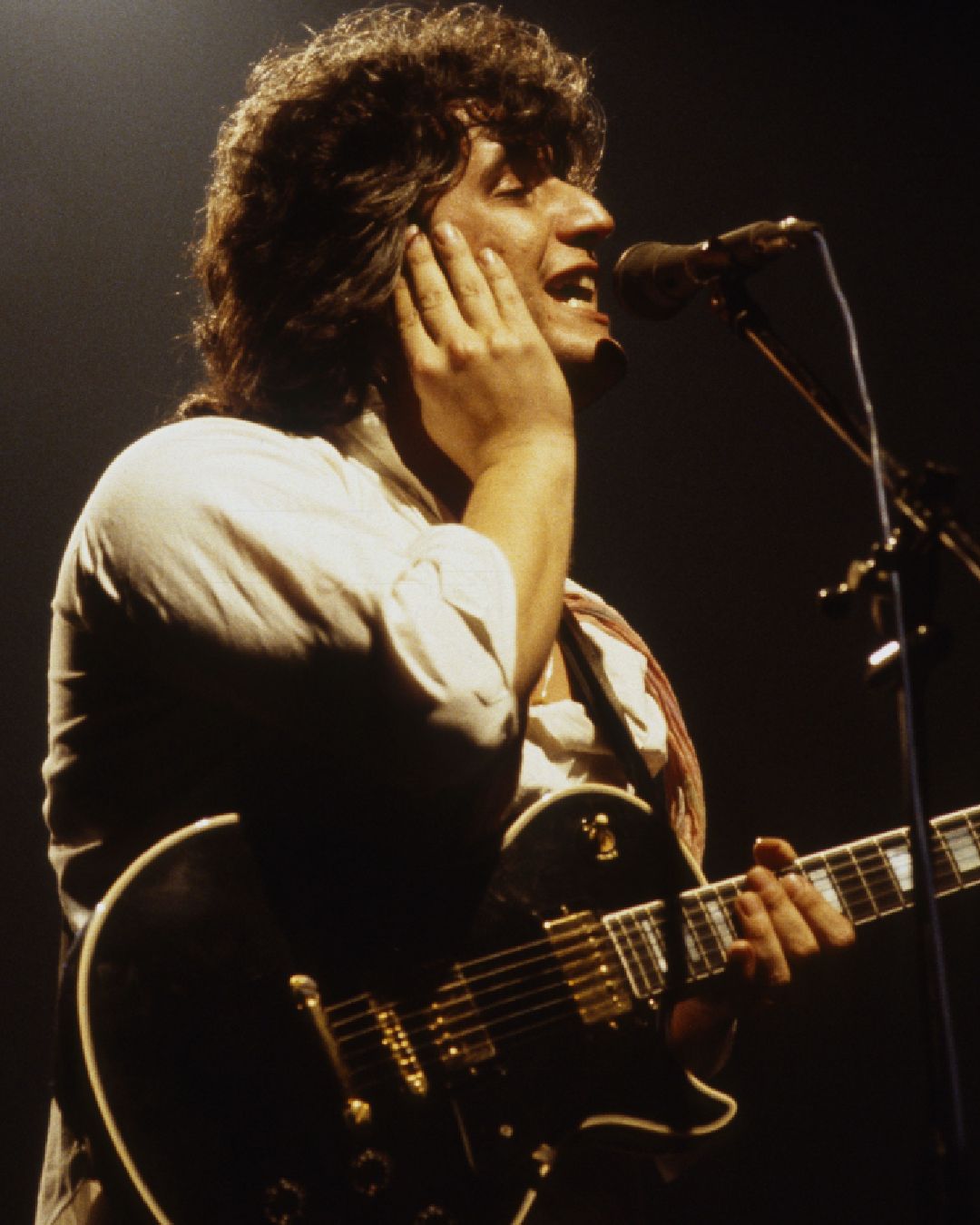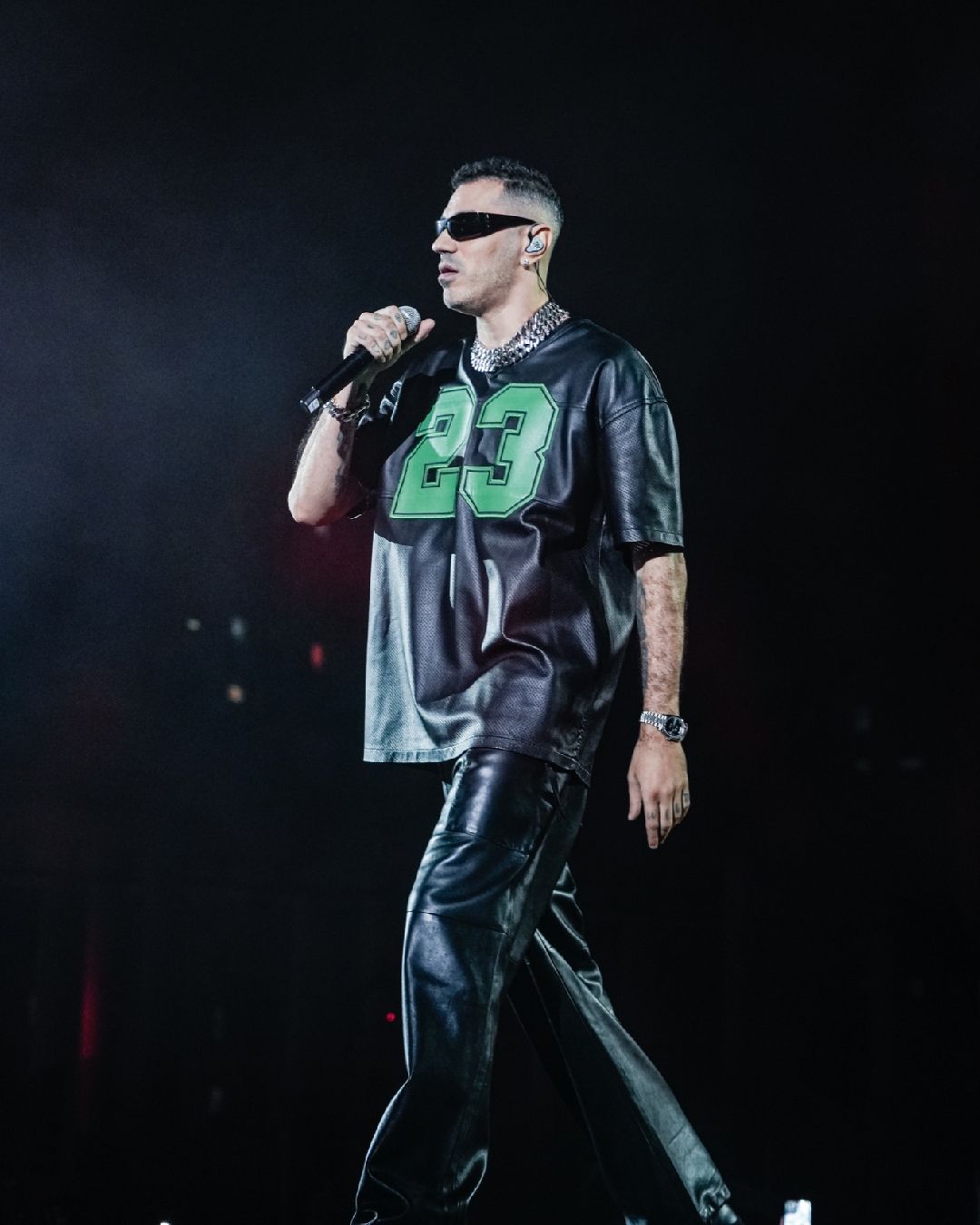
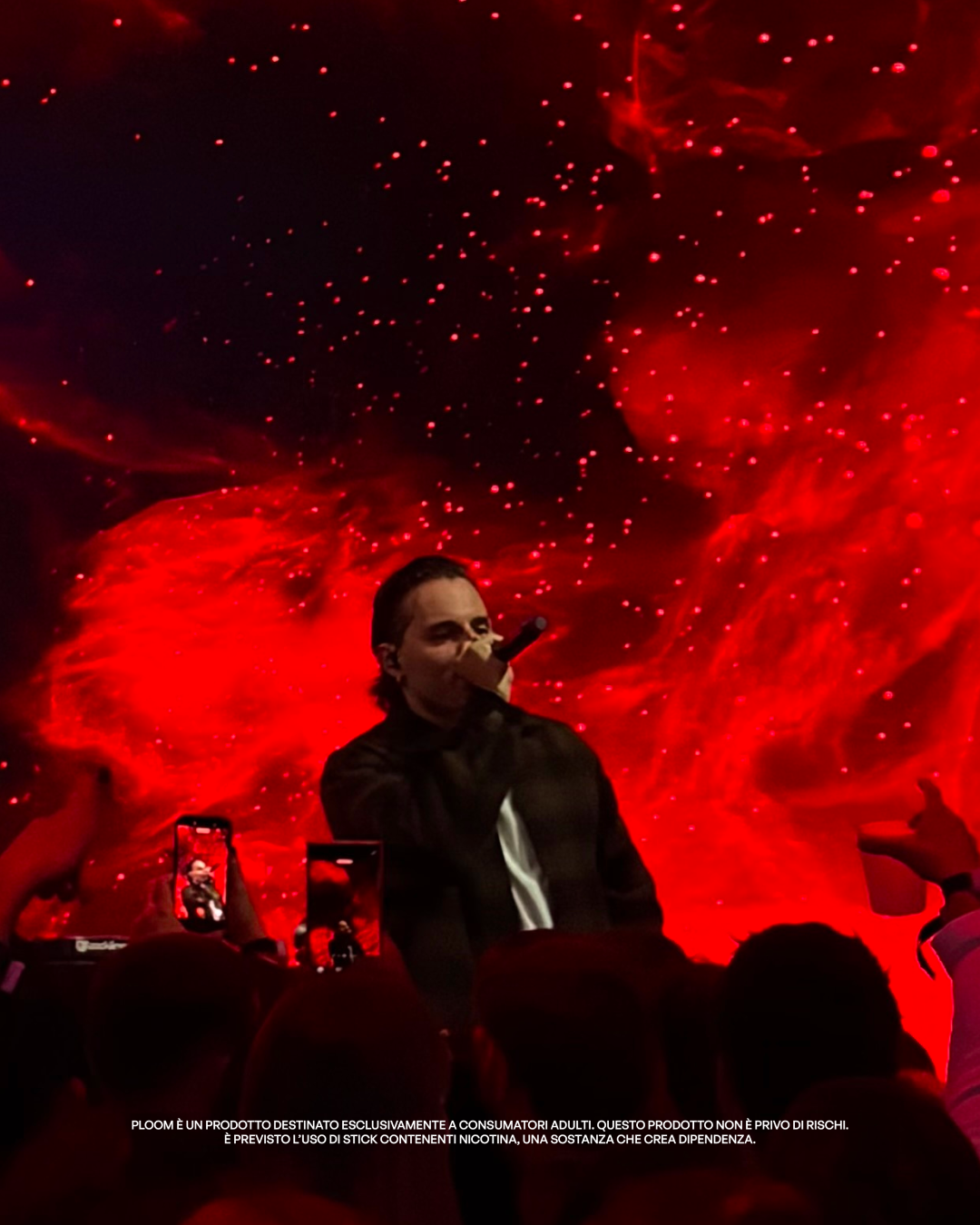

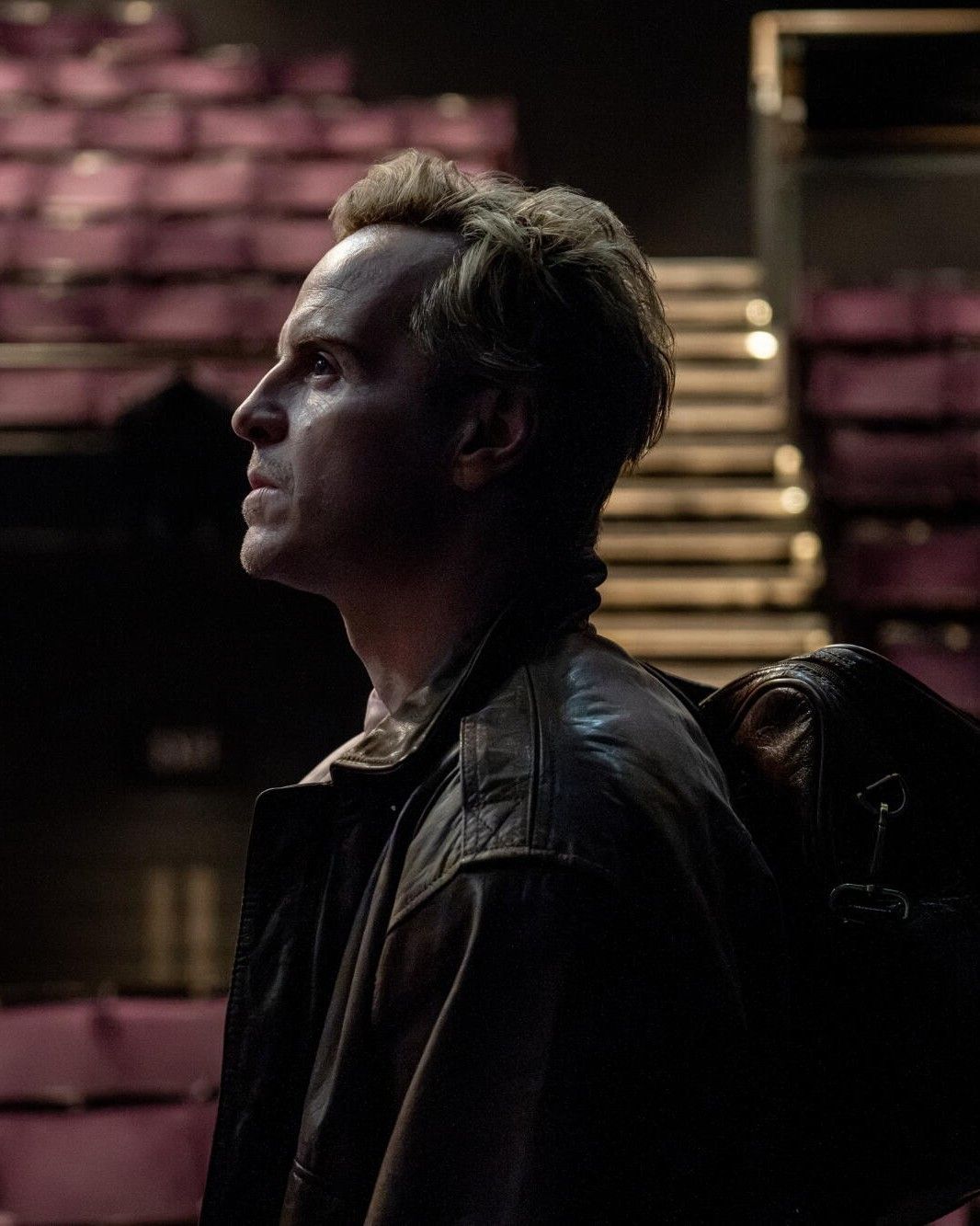
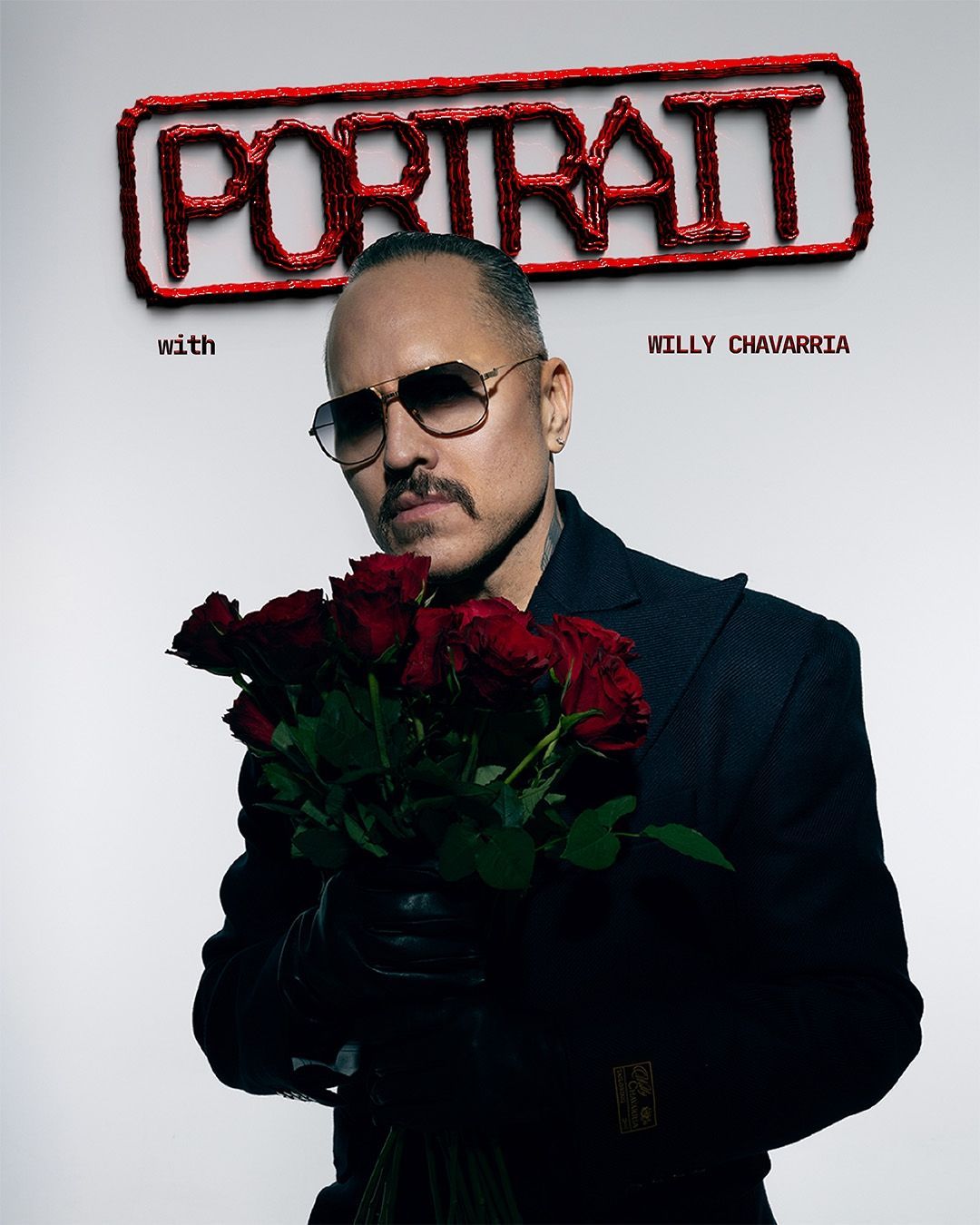


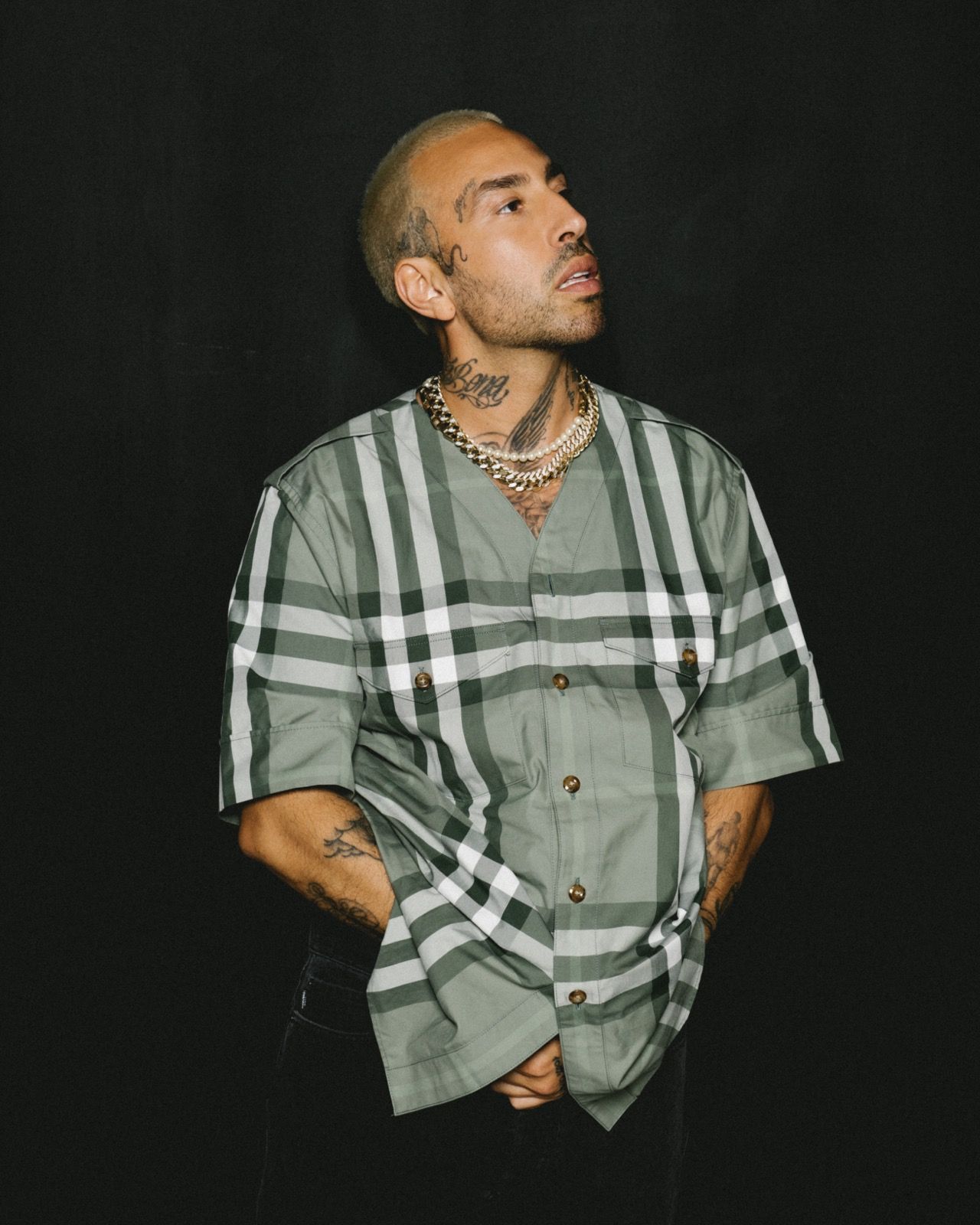
«The ambition to go beyond the possible» interview with Luca Imprudente, aka Luchè Naples between the urge to leave and the pleasure of returning
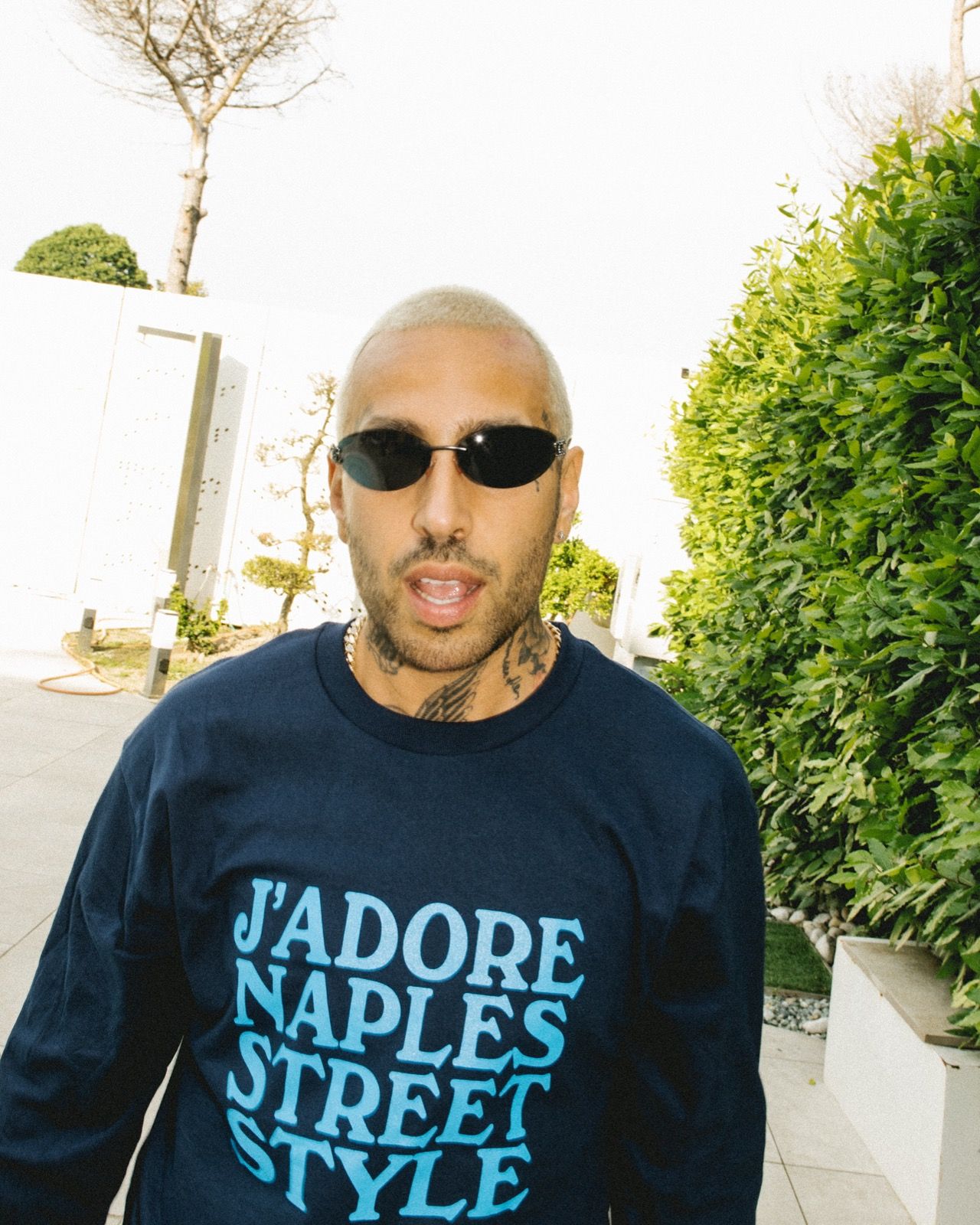
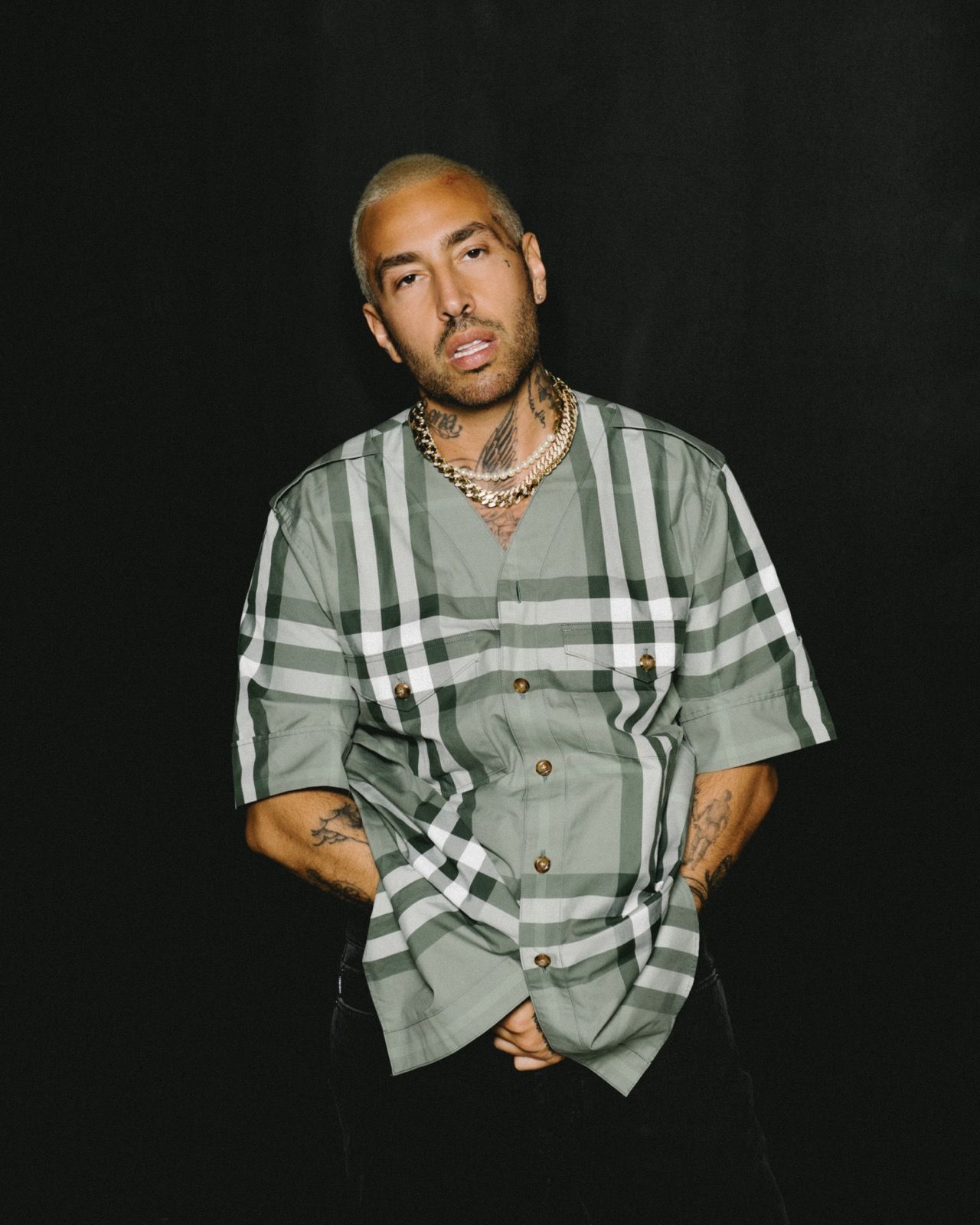
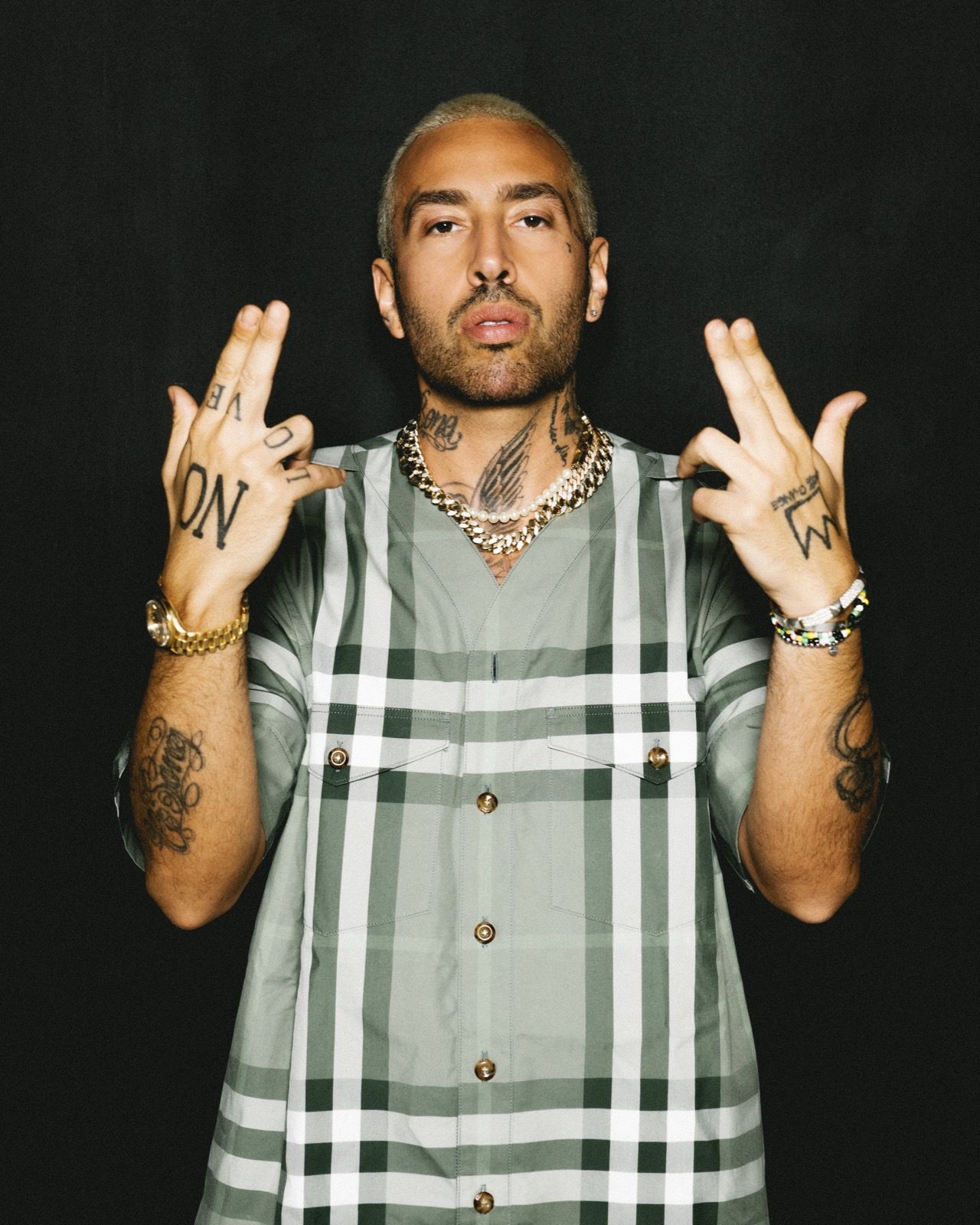
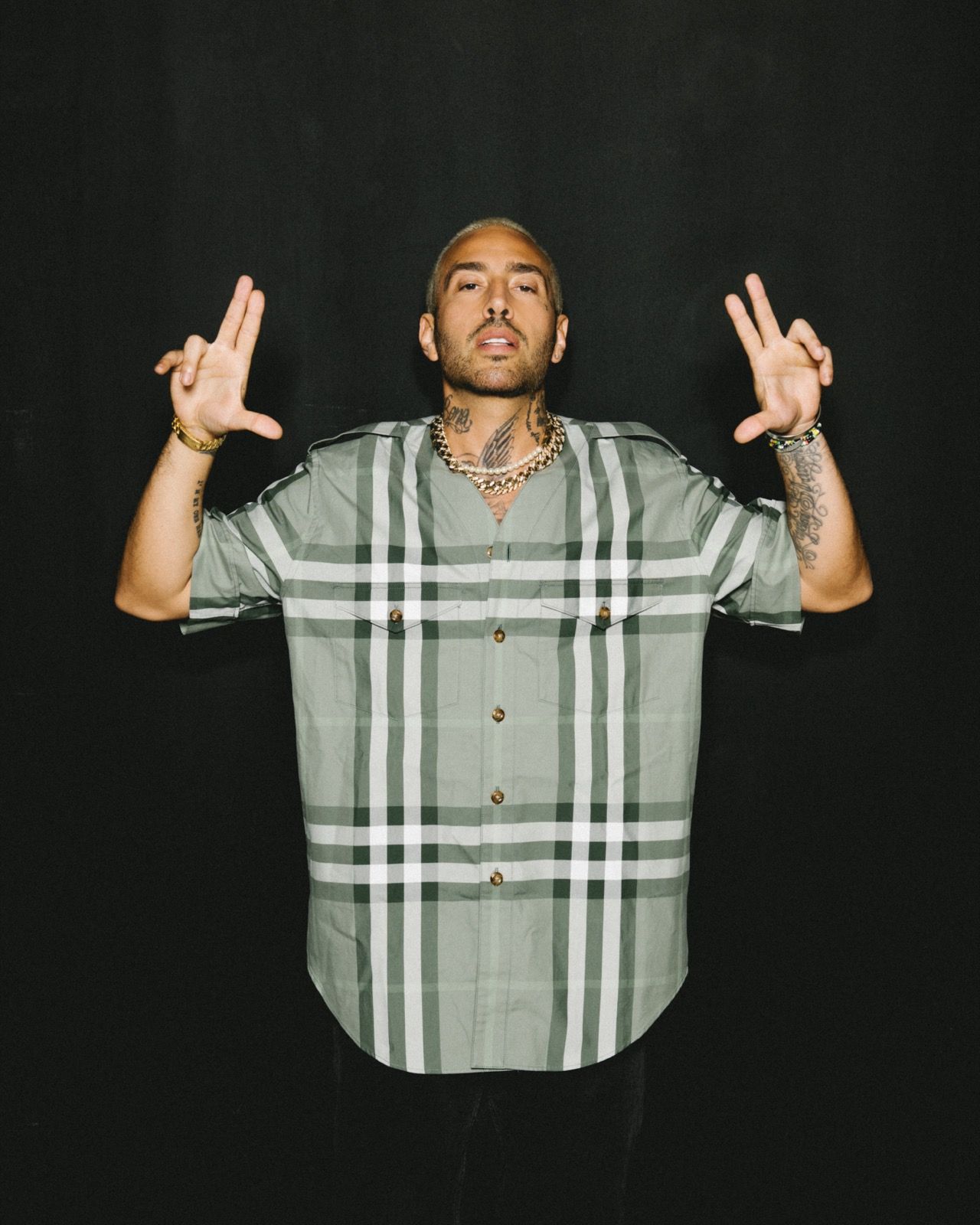
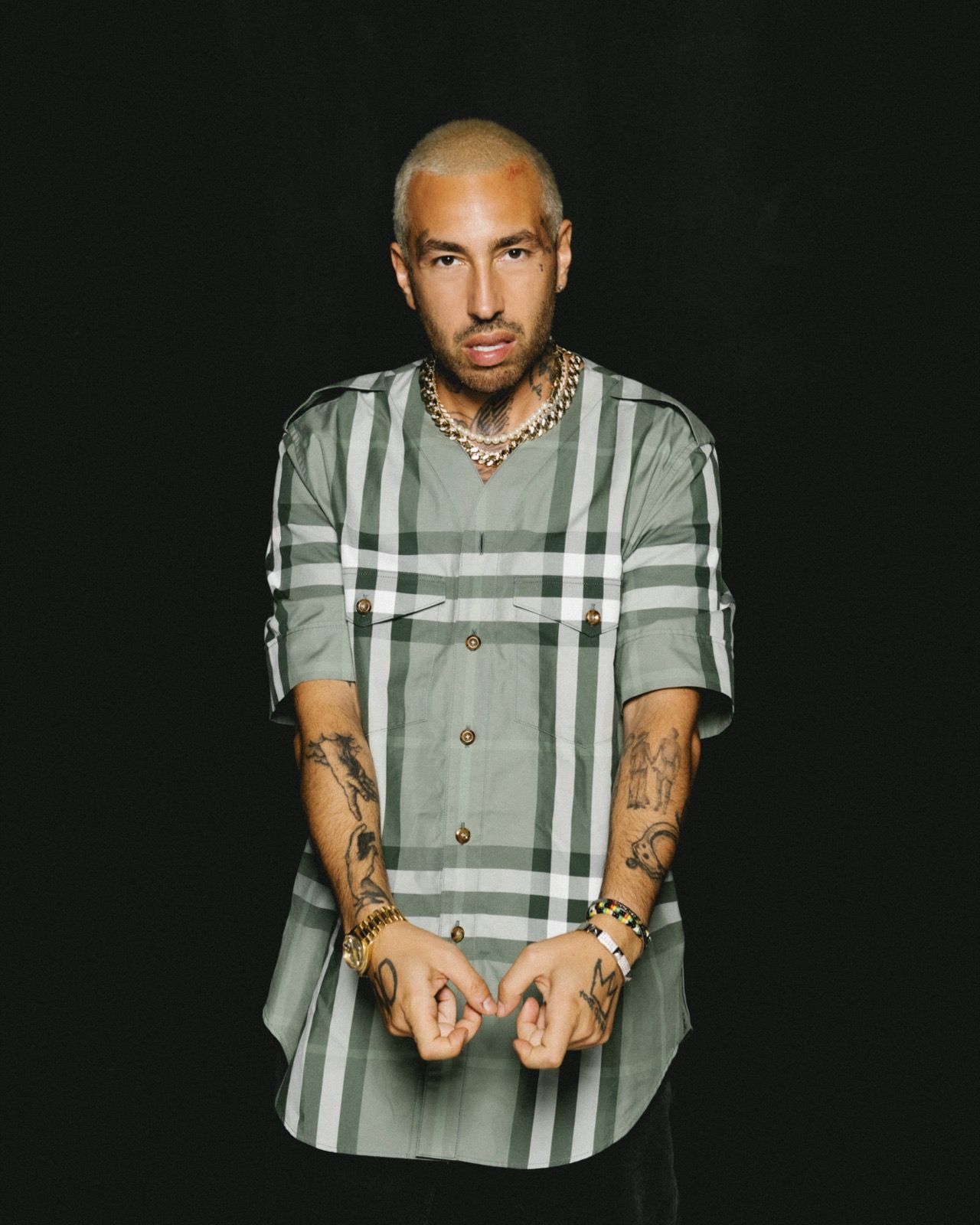
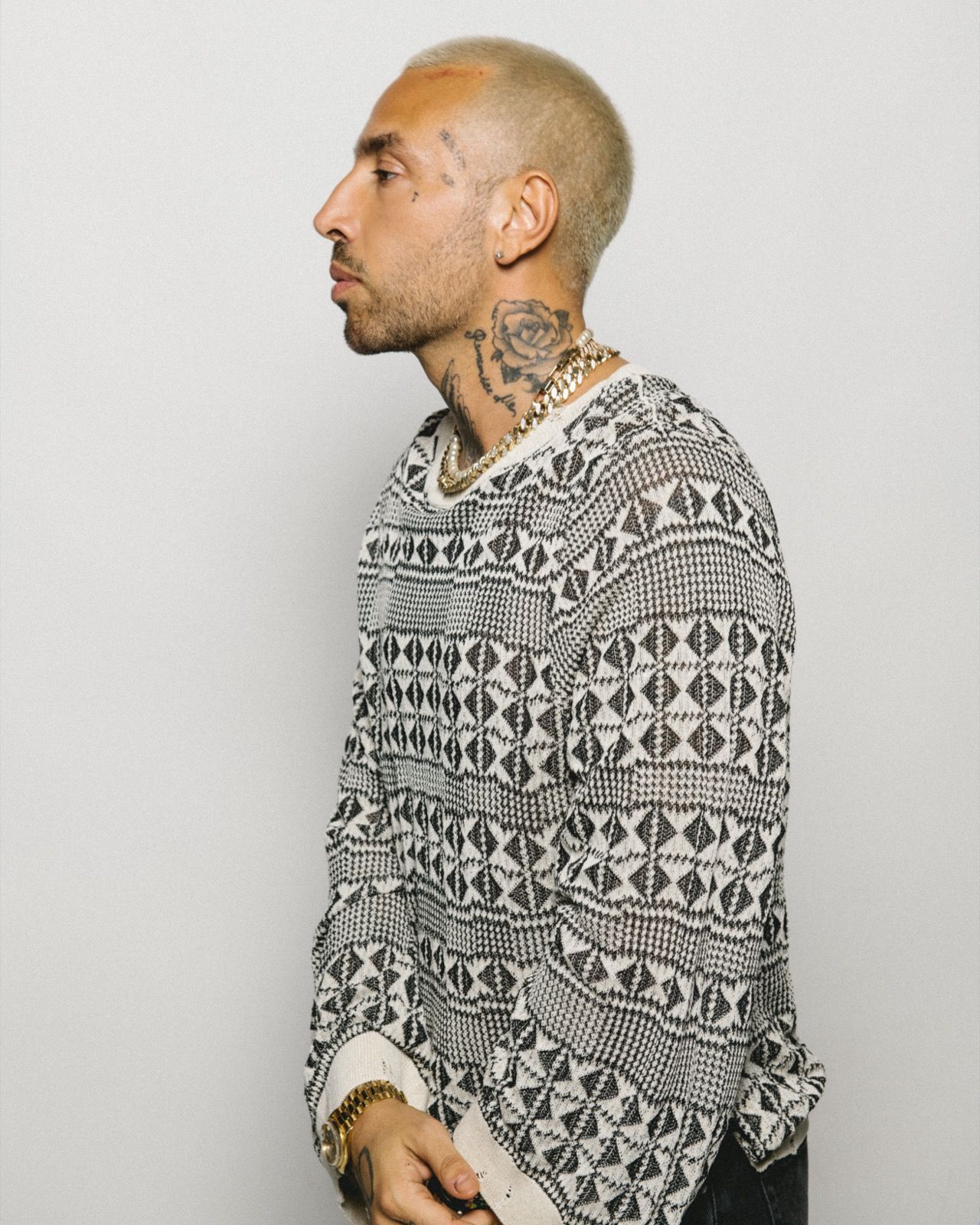
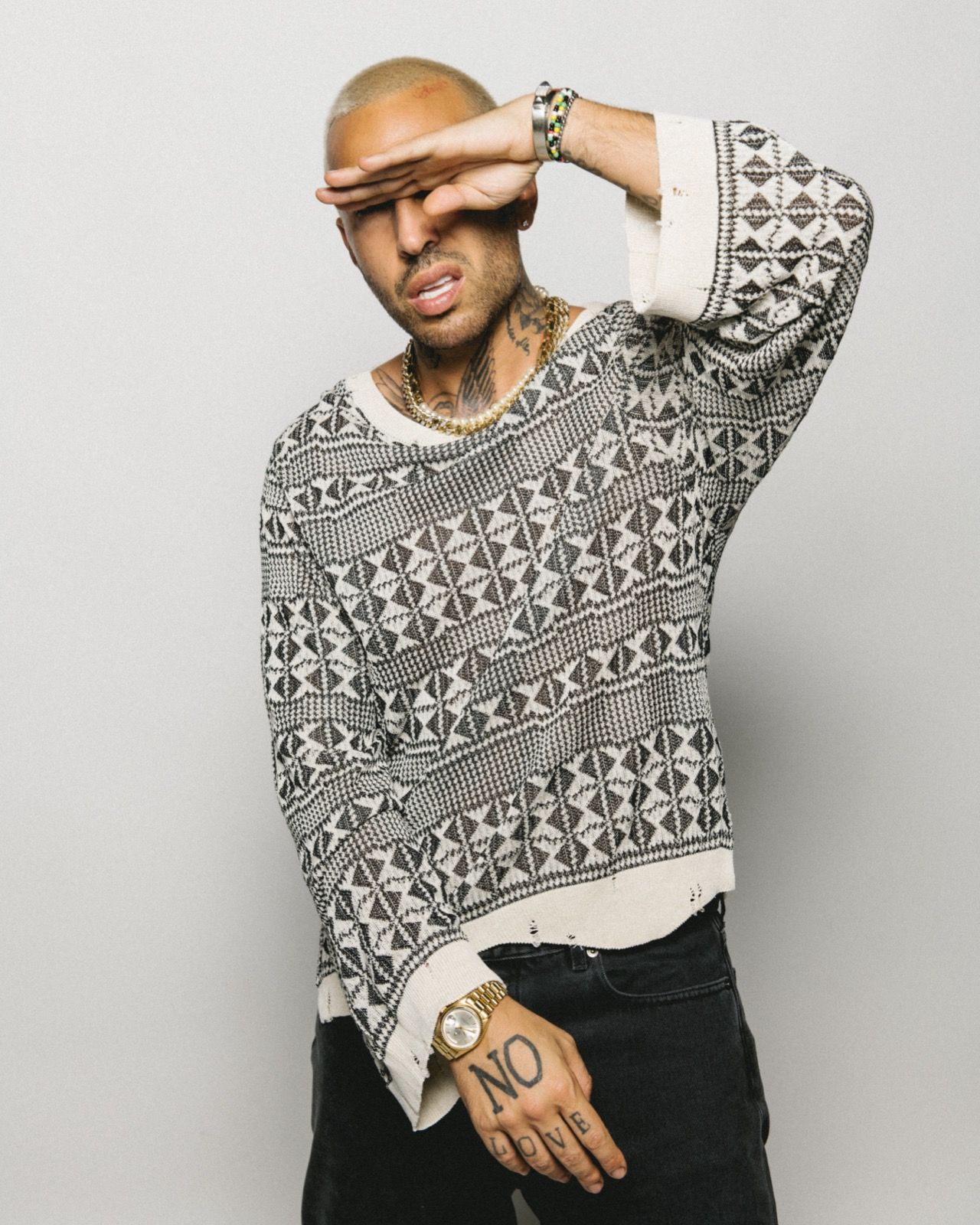
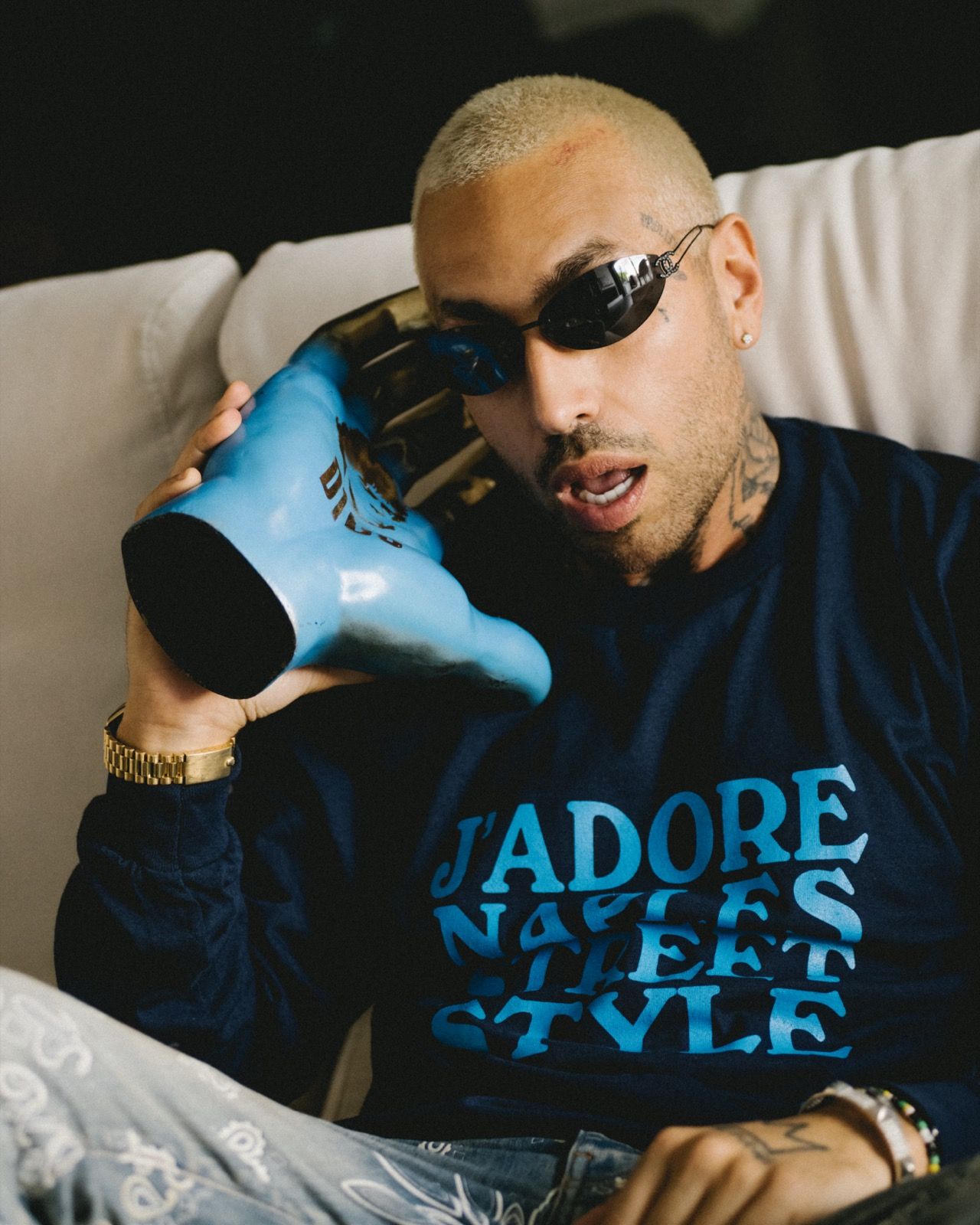
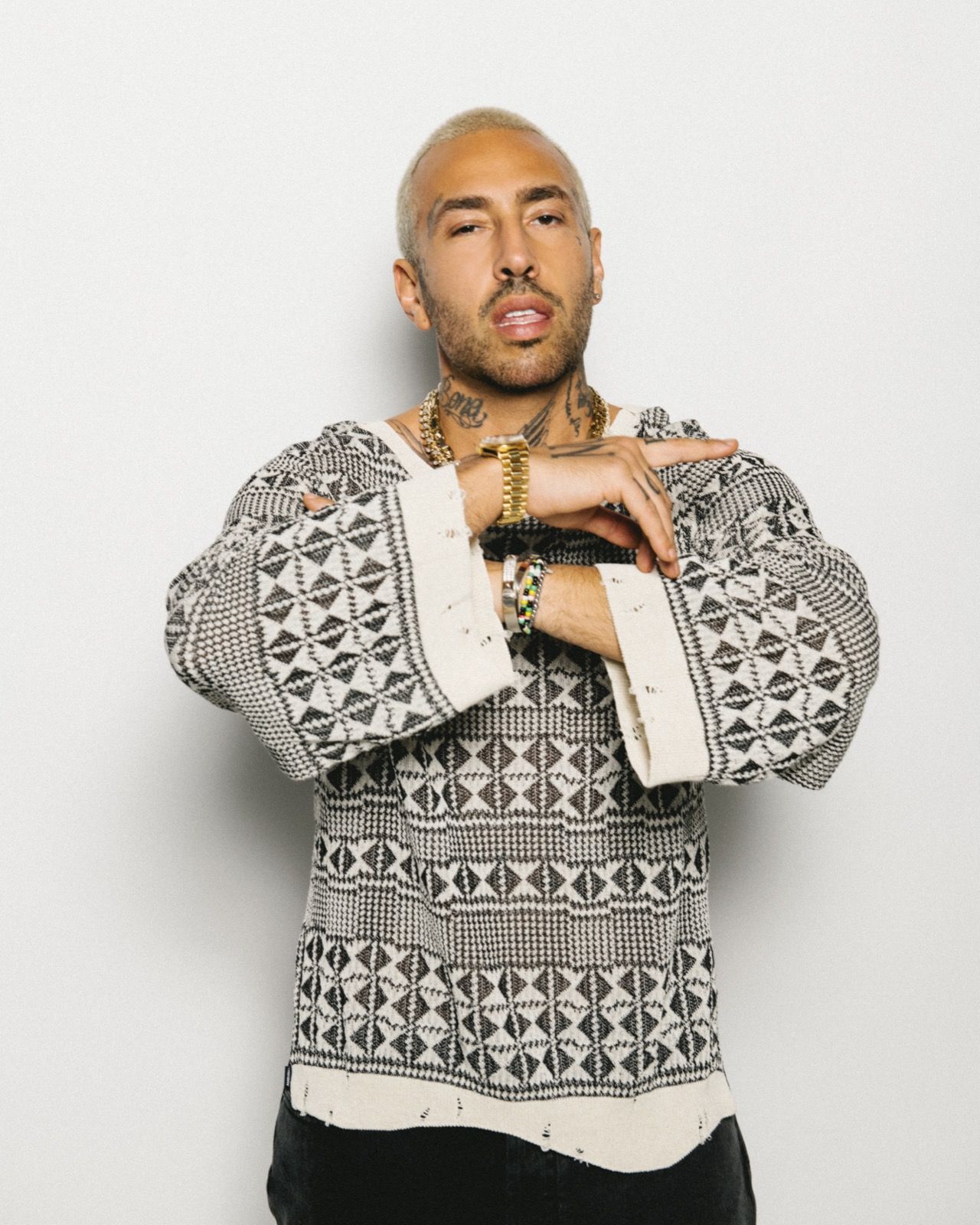
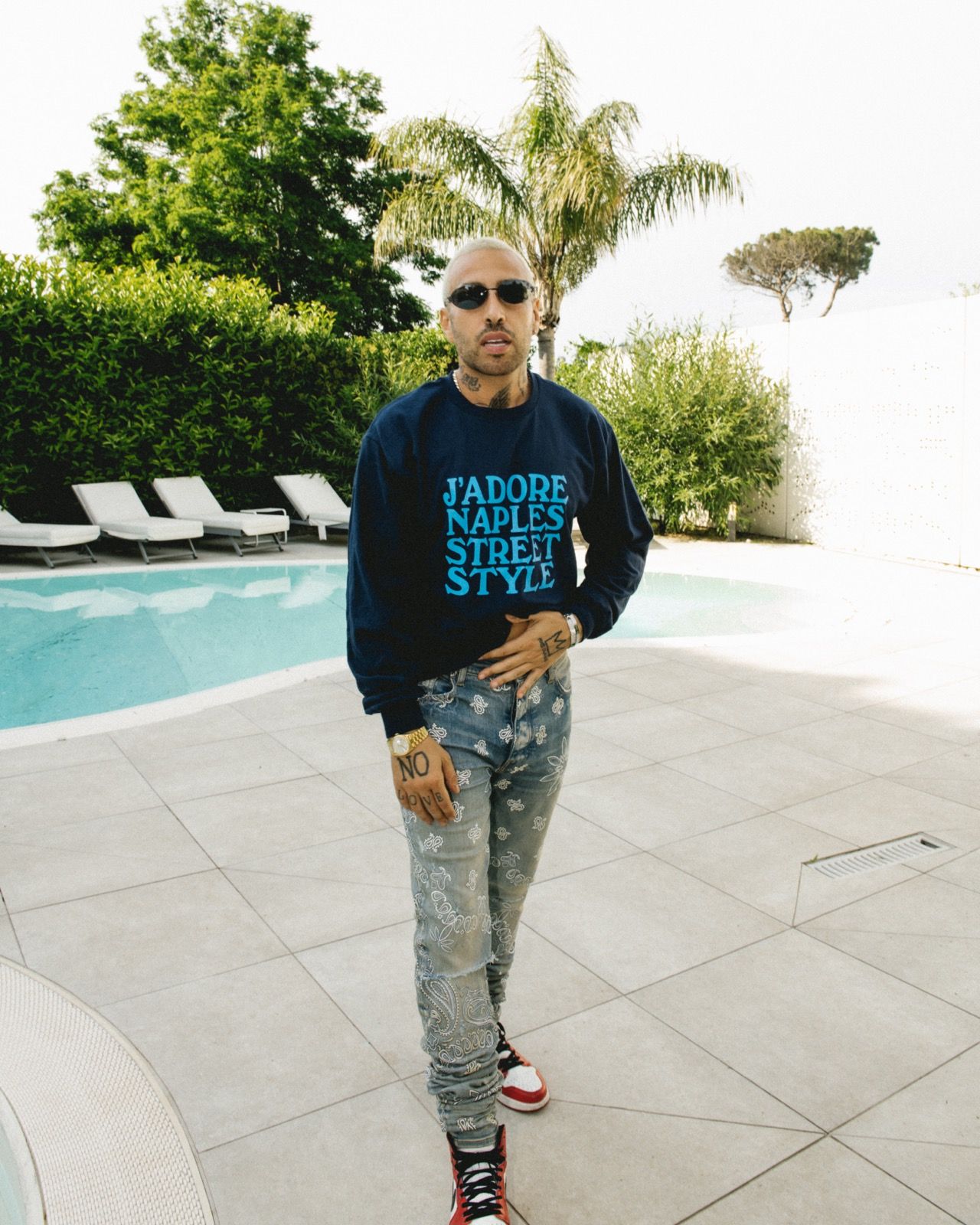
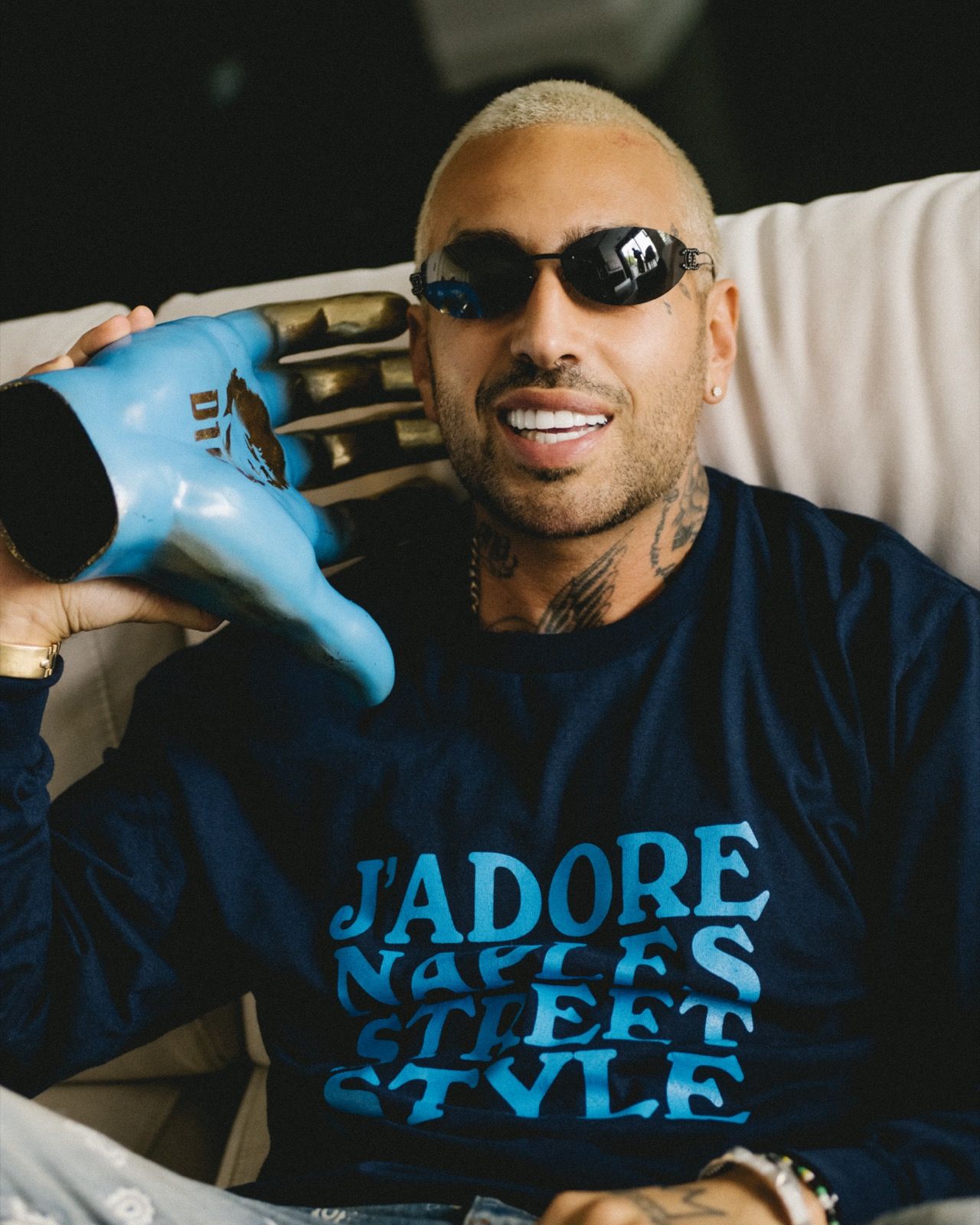
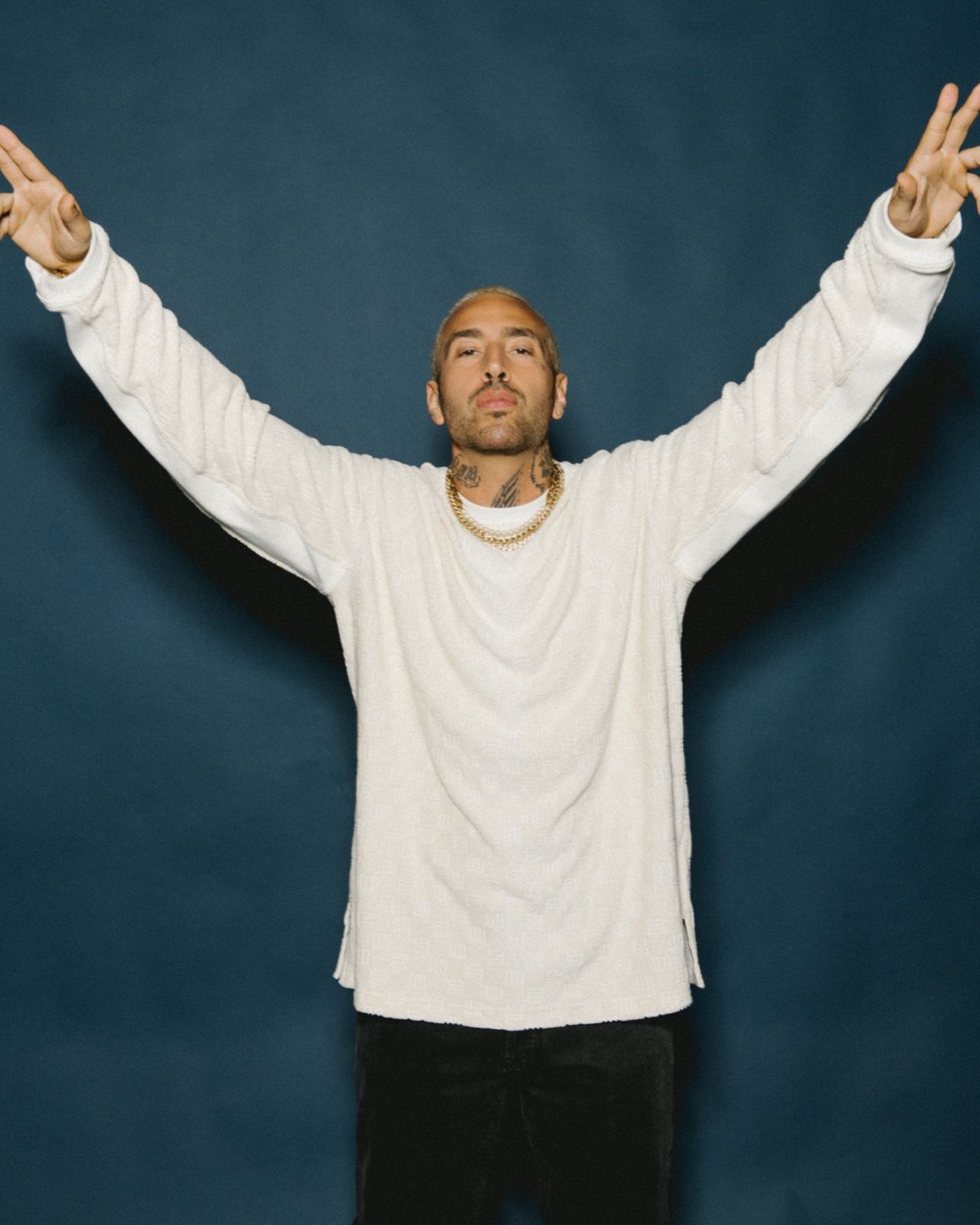
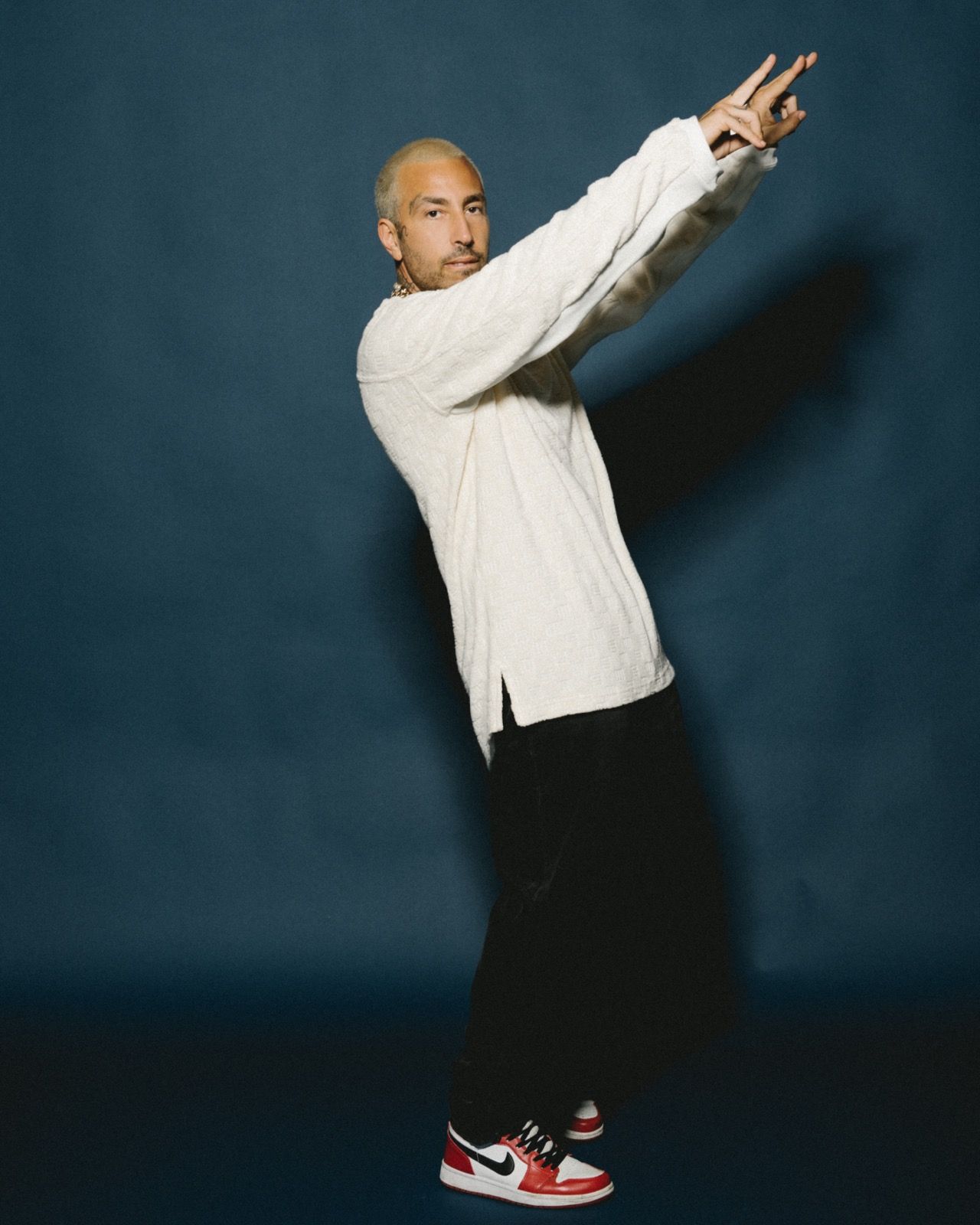
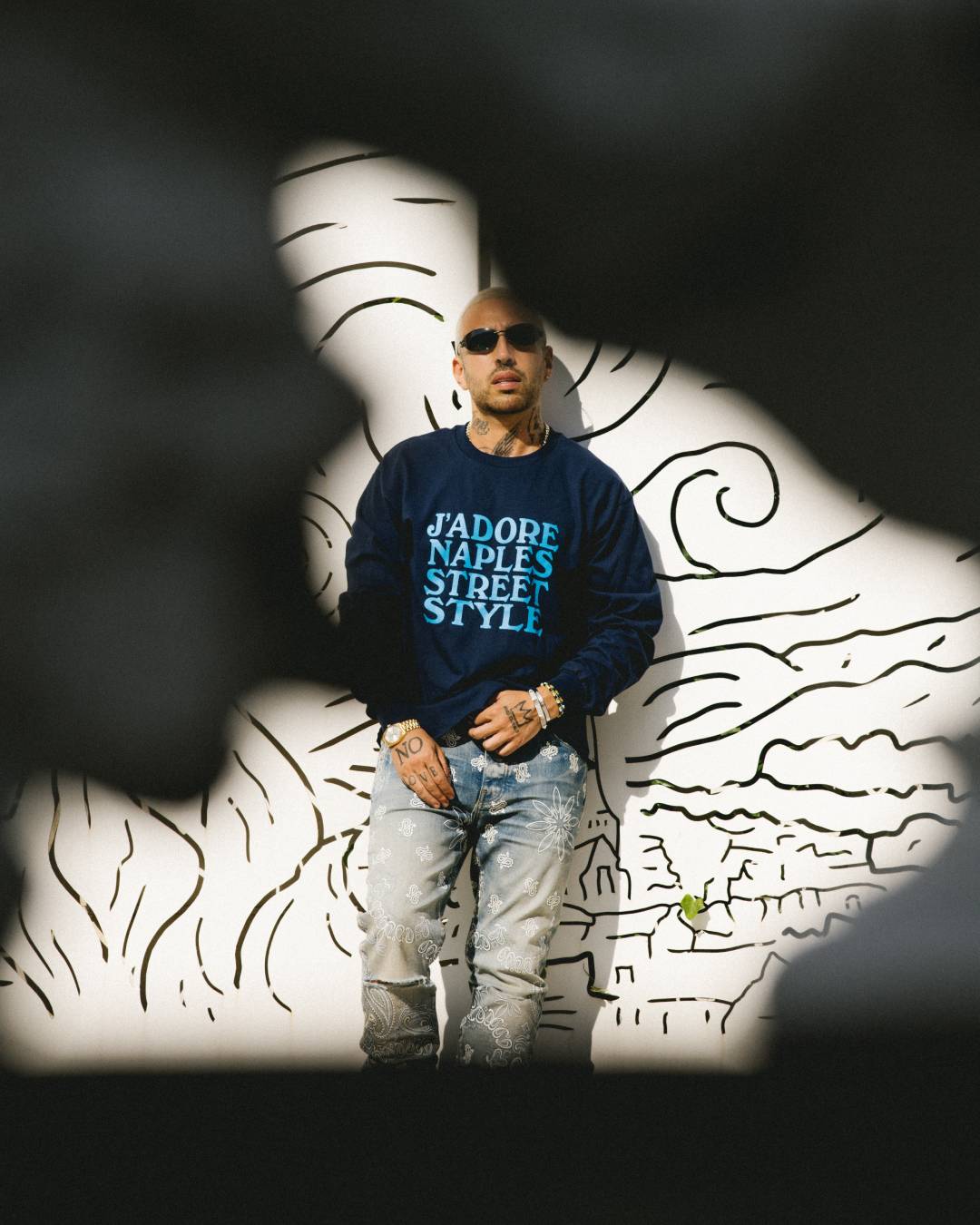
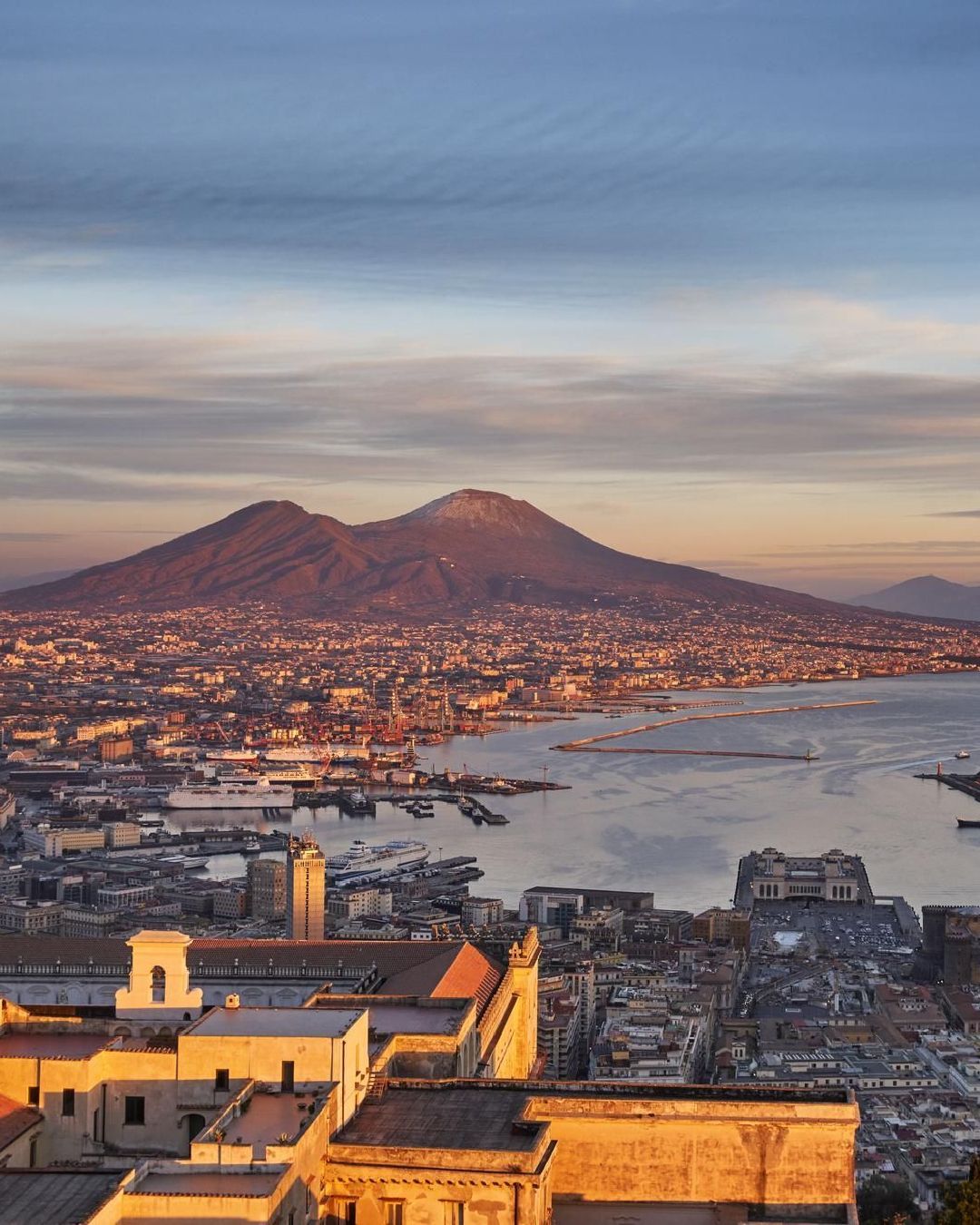
The story of Marianella is a novel within a novel. Located in the north of Naples, it is said to have been named after the residents' devotion to the Madonna and the presence of a fresco of her in the local church. A holiday resort until the 1960s, from the 1990s an extension of Scampia, the setting of Camorra, a jewel of Neapolitan prosperity slowly falling into decay. But flowers grow from dirt, as De André said in Via del Campo, as Luca himself will say in this interview, when he thinks back to his origins, to the desire for redemption that moved him from within like a fire and took him far away, to Hollywood to the stars, only to return, perhaps pacified or perhaps not yet, to where it all began. «Marianella is my skeleton, the place where I made my bones, the place that hurt me the most but also inspired me and from which I still draw my strength. Unfortunately I do not live in the neighbourhood like I used to, I am always torn, but I do not think things have changed: the power is still there, intact. I have always been proud to be from Marianella, but I had the ambition to go beyond what was possible.»
And it was precisely the ambition to go beyond the possible that led Luca Imprudente to found the Co' Sang, launch a solo career, leave Italy, become a star and then simultaneously dedicate himself to something else, entrepreneurship: «Since I have been living in Miami, channels have opened that have shifted my obsession for music to something else, it's as if America has taught me that in life I am much more than the 'Italian rapper». But without the musician Luchè and the path that La Famiglia and the 99 Posse have taken, Neapolitan rap would certainly not be the same. If 2023 was the year of cultural, musical, touristic and even sporting consecration for the city, it is also to his credit and that of all the pioneers who, like him, made the desire for redemption great for themselves and for Partenope. If in the past the narrative about the city was driven by the same morbid urge one feels when faced with crime stories (Dirty Naples, Criminal Naples, Unhealthy Naples), today, thanks also to those who had the courage to speak out when no one was ready to listen, being Neapolitan means belonging to a vital, serene, true and unique culture.
When I ask him about the reason for this media hype that has enveloped Naples like a cloak in recent years, he speaks of energy, youth, drive and the need to leave in order to understand the true value of home: «In my opinion, Naples has changed a lot, it's a much freer city now. When I was growing up we did not have so much fun, there was not all this movida or all this positive media attention. We have a chance to feel more important, even though we always have been. It was certainly a very important year, and I hope it will not be remembered as the year of Neapolitan rap, because that would mean it was just a peak, while our importance in the Italian scene will probably last forever. Let us rather define it as the year of the turning point.»
«I forget so many things but never where I come from / as soon as I started talking I said "I am hungry"», he sang in Violento, the opening track of Malammore, the album that consecrated him as a solo artist and as a bard of Neapolitanism for those who are not Neapolitans, when he decided to rap and sing in Italian as well, taking the same criticism as those who had made the same choice before and after him. «I think the purists did not understand that authenticity is not so much in the form but in the truth of the artist, although i kind of like their mentality because it means they care about rap. Neapolitan sounds great, but I do not see so many artists making a difference by rapping in the dialect. In fact, there are not that many, even though Naples has almost 4 million inhabitants. It's a confirmation that talent is worth more than form. Form is often a whim of those who do not have the courage to evolve.» If Naples today, even more than Milan, is considered the Italian rap capital and a thriving melting pot of musical subcultures, where Lele Blade and Vale Lambo have as much space as Dadà and the New Genea, it is thanks to those who have managed to explain it outside the city walls. «I do not think the way we carry Naples in our music has changed much, there has always been a great pride, because the credibility that Naples gives as a city is incomparable. Maybe it's more the rap that has changed, it has become mainstream and has reached everyone, even those who need the choruses to understand it. But those who care about carrying that flag forward, they feel Naples on them.» A story that draws its strength from contradiction and that today speaks to everyone, to those who did not want to listen before, to those who were protagonists and did not want to know more: «The possibility of travelling a lot but always returning to Naples gives me a balance that I did not want before. I used to run away from my reality and always chase something else, something new, now I enjoy my different realities instead. I appreciate both decay and beauty, I find art in poverty and determination in wealth, so Naples is a complete city for me. There would never have been Luchè if I had not been born here.»
Photographer Gaetano De Angelis
Interview Maria Stanchieri
What to read next
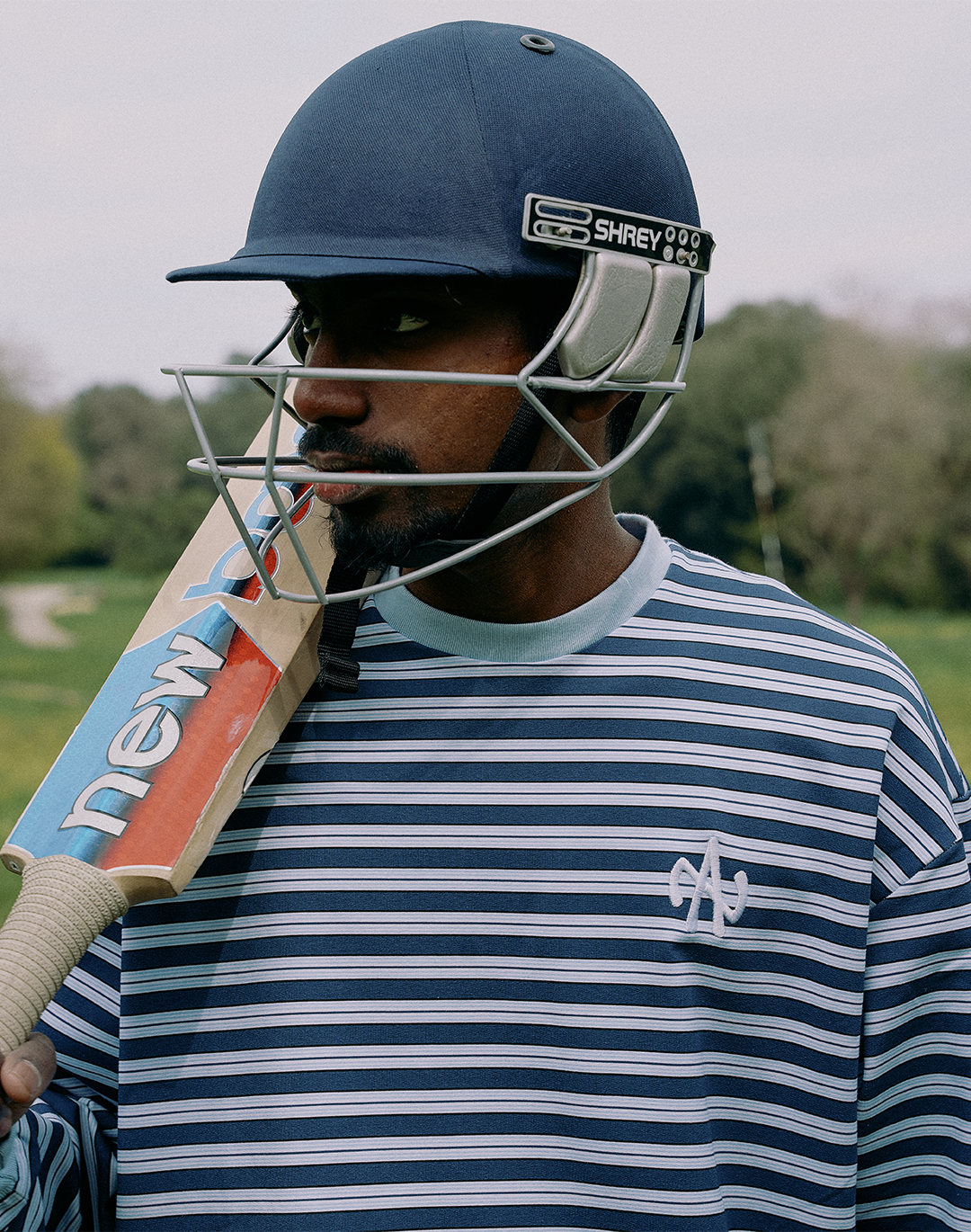
J’Adore Napoli unveils a new creative chapter with Sritaly
Transforming one’s culture into a global hybrid phenomenon
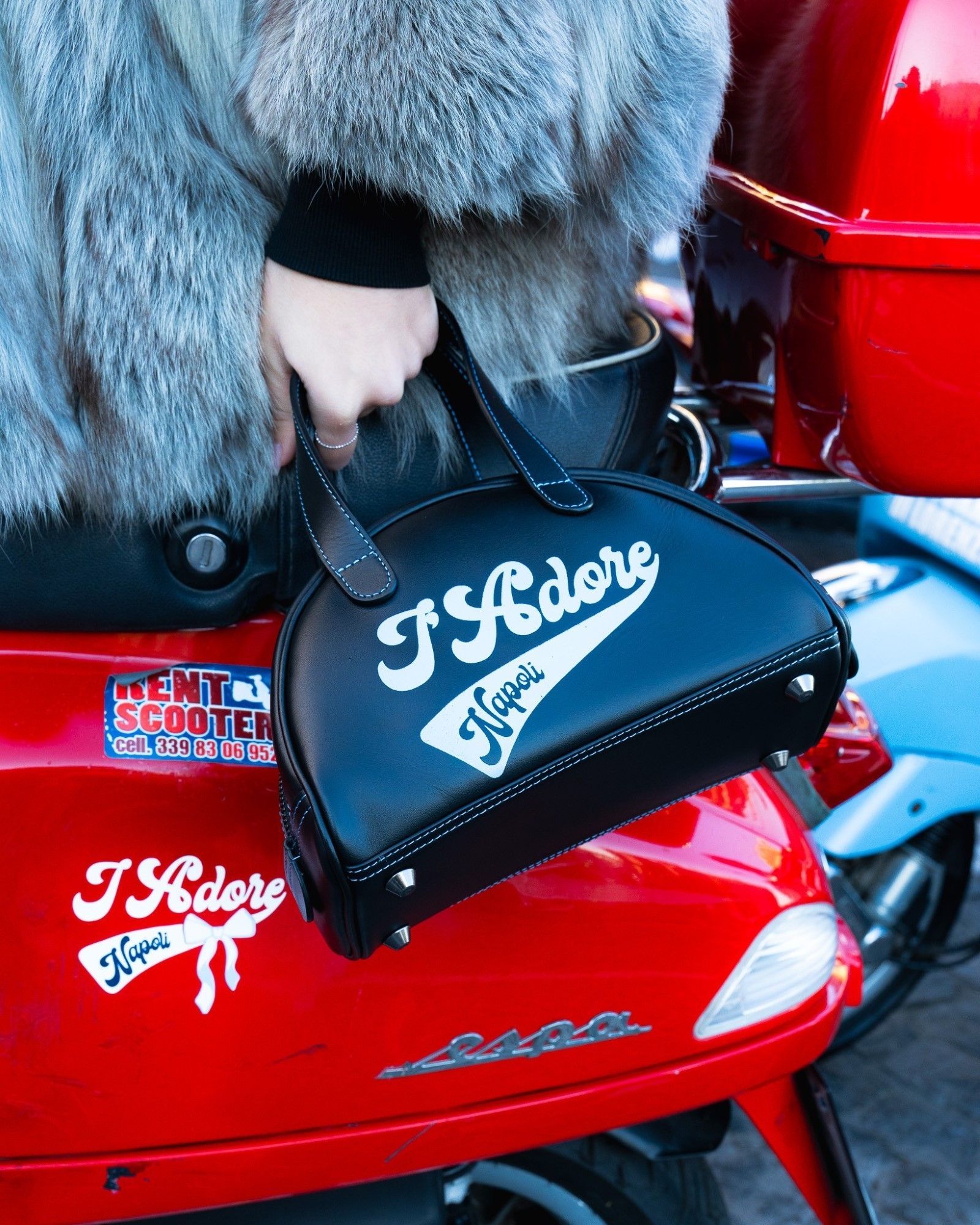
How was the J'Adore Napoli High School Experience
A tour of the city and its gastronomy dedicated to the J'Adore Napoli community