



























Why does cuteness make us feel violent? How strong emotions change market logic
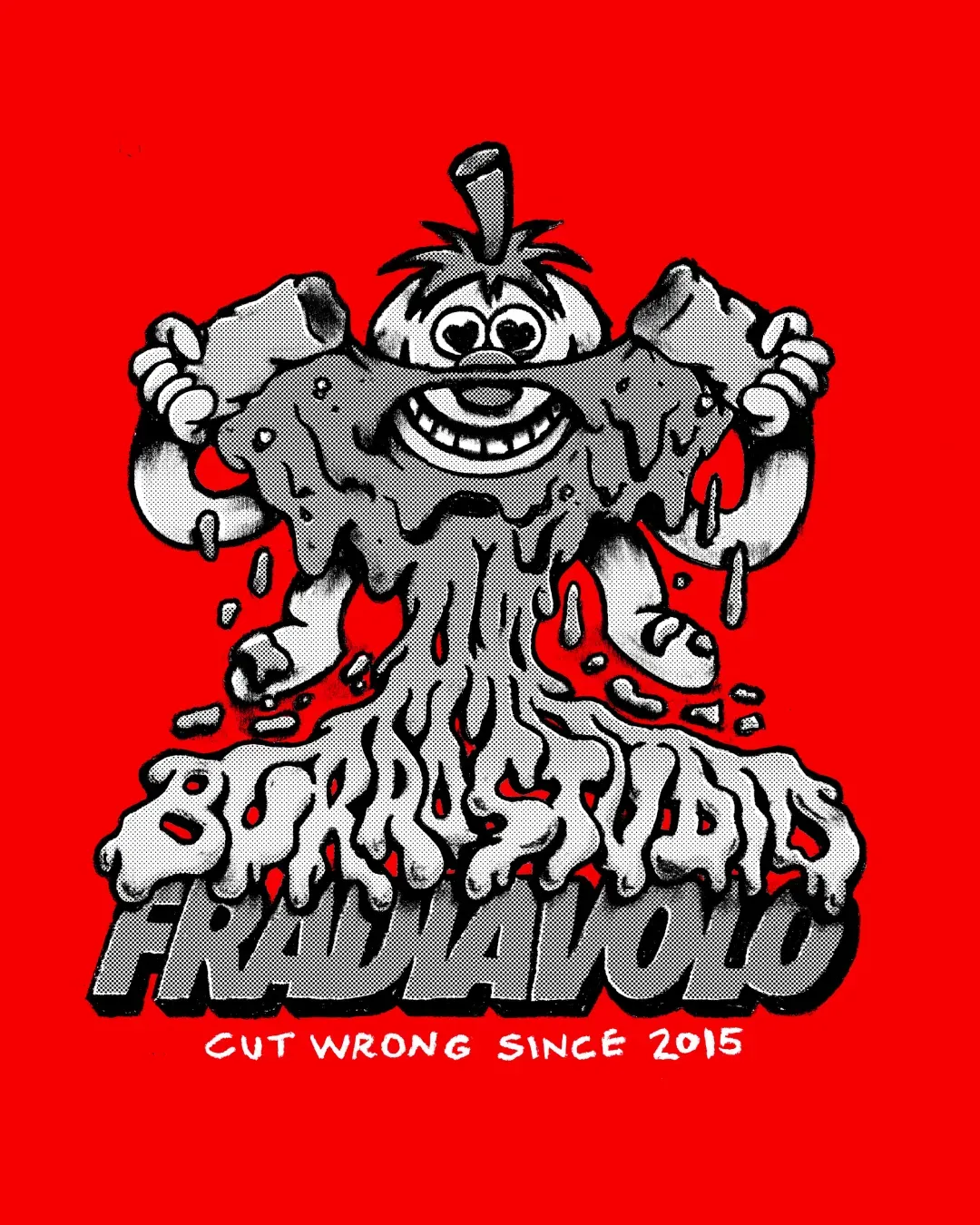
Do you know that urge to bite your partner? Or the one to squeeze a puppy until you squish it? Did you also have an aunt who would pinch your cheeks hard, as a questionable sign of affection? It turns out that almost painful display of affection wasn't so questionable after all. It is, in fact, a phenomenon with a precise name and a solid academic history, and one that today plays a fundamental role in the way capitalism produces images and content.
Let's take a closer look.
"Cute aggression" and dimorphous expressions
In 2015, psychologist Oriana Aragón, together with Margaret Clark, Rebecca Dyer and John Bargh of Yale University, published a study in Psychological Science that systematised this experience under the term «cute aggression». According to this study, very intense emotions often cannot find sufficient release through a single coherent expression, but instead generate seemingly contradictory reactions (for example, we cry with joy at good news, when we ought to be smiling).
This mechanism was defined as «dimorphous expressions of positive emotion» (that is, dimorphous expressions of positive emotion, where "dimorphous" indicates the coexistence of two opposing things). These negative expressions are not ends in themselves, nor are they meant to hurt the other person; rather, they serve to regulate the intensity of the positive feeling, acting like a release valve that activates when euphoria threatens to overwhelm us completely and rob us of our clarity.
To give credit where it's due, before Western psychology gave it a name, this feeling already had its own distinctive term: gigil, a Tagalog word (the language spoken primarily in the Philippines) that describes the urge to clench one's fists, grind one's teeth, or pinch something we find particularly cute. In March 2025, this term was officially added to the Oxford English Dictionary, among the dozens of words with no true English equivalent included that year, and is now used as an informal synonym for cute aggression — a concept Filipino culture had long been familiar with.
Why we're talking about it today
this is a capitalistic trend btw and this isn't what being whimsy/whimsical is all about
— ali ˎˊ˗ ⋆ (@scarvmonsters) September 1, 2026
(no hate to op) https://t.co/itkUvVDrhG
In this context, it's impossible not to mention the cultural theories of Sianne Ngai, now a professor at the University of Chicago. In her book Our Aesthetic Categories: Zany, Cute, Interesting (Harvard University Press, 2012), Ngai analyses three minor and ambivalent aesthetic categories: «zany», «cute» and «interesting», arguing that they are the most fitting lenses through which to read aesthetic experience in late capitalism, hyper-commodified and mediatised.
Specifically, "cute" becomes entangled with the market insofar as it brings forth «feelings of tenderness and aggression simultaneously». According to this theory, when something or someone strikes us as cute, we perceive it as small and vulnerable relative to ourselves — involuntarily positioning ourselves in a place of power — and feel the urge to squeeze and consume that object and exert our control over it.
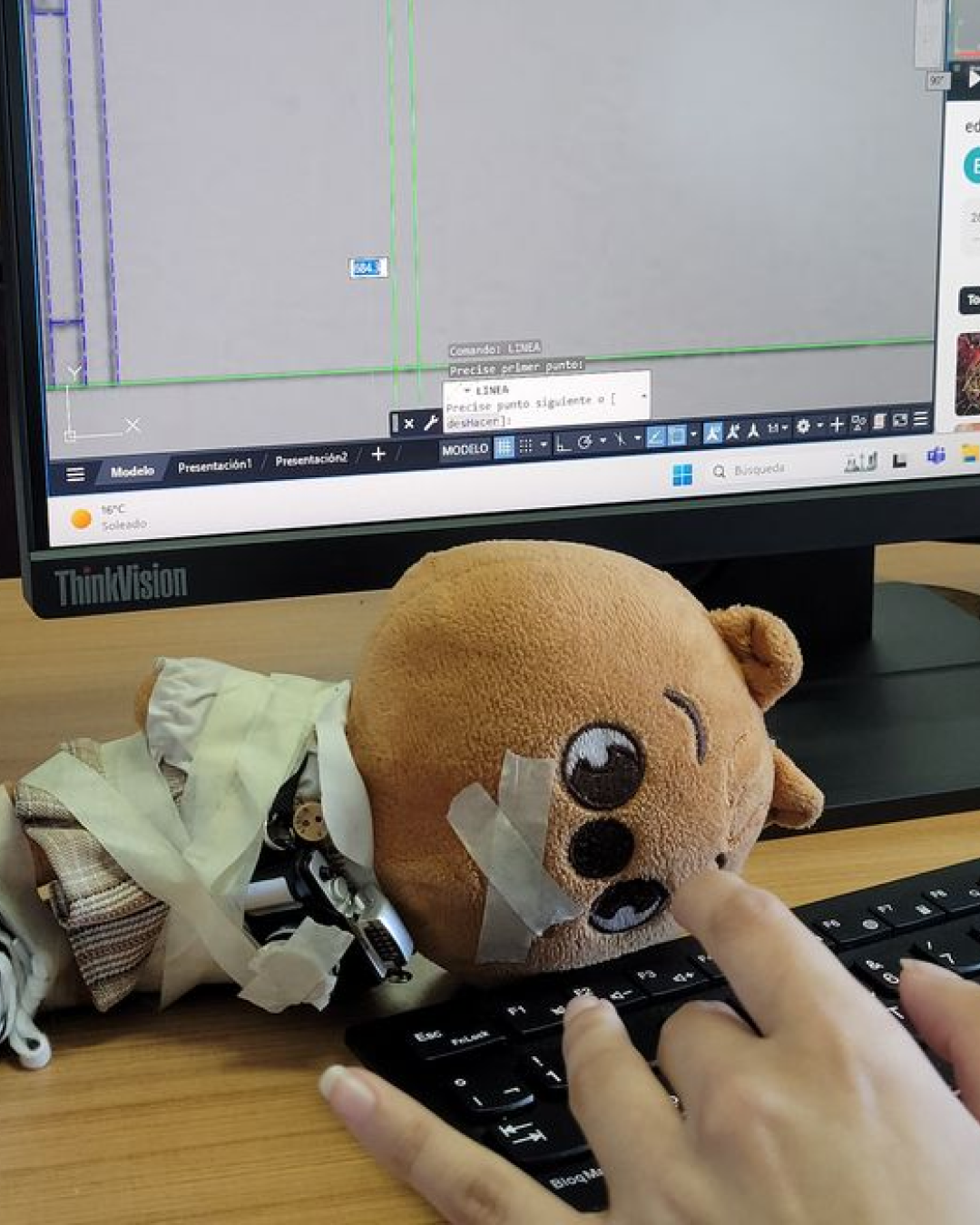
In an interview with Adam Jasper in Cabinet Magazine, Ngai herself describes her aesthetic judgements as revolving around «multiple and even conflicting feelings: tenderness and aggression, in the case of "cute"». Today, she observes, "cute" is the defining aesthetic of plush toys, packaging, mascots, and memes — all things designed to be touched, owned and consumed. This only reinforces the relationship of dominance between the emotional reaction to the aesthetic and the object itself, transforming it into shareable content, into engagement, into digital commodity.
In other words, this lever is being exploited to the fullest today, because consumption increasingly revolves around the ability to capture attention. Content that triggers in the viewer that short-circuit of «I love it, I want to squish it» is capable of generating far stronger engagement than content that is simply pleasant or interesting. We share it, we make it go viral almost instinctively, because it doesn't just capture our attention — it also draws us in on an emotional level. This is how cute aggression becomes yet another language through which platforms manage to keep us hooked and, ultimately, to sell us something.
What to read next
5 trends that Trainspotting anticipated Back in 1996
There is much more to the film than the famous Helmut Lang tank top

These are the secondhand handbags that are worth the most in 2026
Searches for the Chloé Paddington have risen by 610%, but the real star of the secondhand market is Chanel
Gen Z is spending more on art than any other generation
A new Arts Economics report on global collecting reveals the trend