





















5 Iconic moments from the Tom Ford era The man who rewrote 21st-century fashion
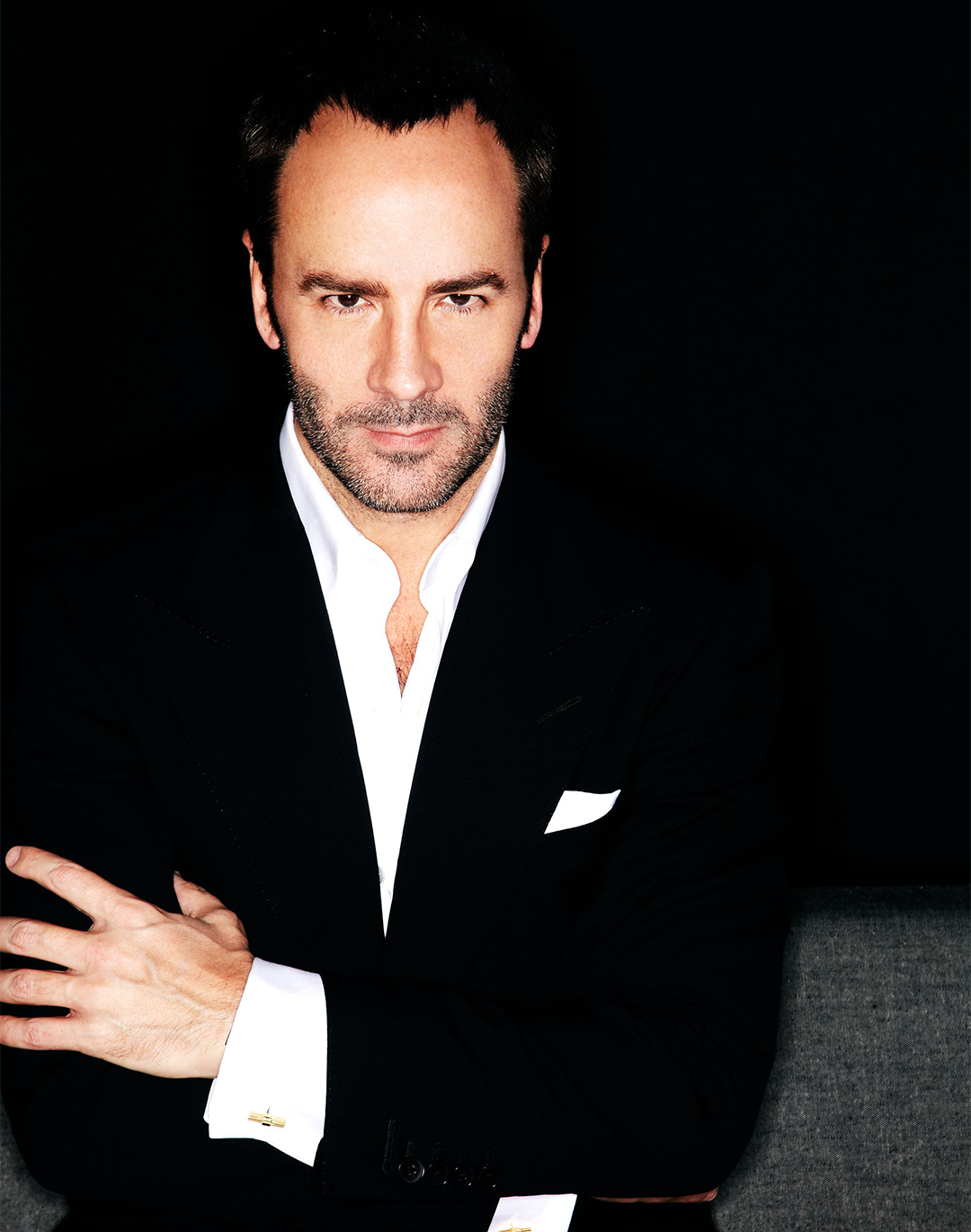
We all look back with nostalgia on the golden age of fashion, when Tom Ford rewrote the rules of luxury through provocative sensuality and glamour. First at the helm of Gucci and later of Yves Saint Laurent Rive Gauche, the Texan designer changed forever not only the way people dress, but also the way fashion communicates. His campaigns redefined the concept of desirability, his runway shows felt like Hollywood films, and each collection helped build an imagery that continues to influence designers, stylists, and creatives to this day. Amid more or less successful revivals and constant references on the runways, Tom Ford's aesthetic keeps haunting fashion moodboards. On his birthday, we look back at five moments that made his era simply unrepeatable.
The GG Logo G-String
If there is one piece capable of encapsulating Ford's concept of porno chic, it is undoubtedly the Gucci G-string. After a first hint in the FW96 collection, the iconic thong with metal GG hardware made its official debut in Gucci SS97, immediately becoming a manifesto of Tom Ford's aesthetic. Worn by both male and female models beneath sheer knits, cut-out dresses, and ultra-low-rise trousers, the G-string transformed a normally hidden garment into the most recognisable element of the look, helping to charge luxury with an explicit and provocative sensual energy.
The Advertising Campaigns That Shocked the World
If fashion today constantly plays with eroticism, much of the credit goes to Tom Ford. Among all the images that defined his creative direction, the most famous remains the "G Shaved Campaign" of 2003, photographed by Mario Testino. The shot shows a model's body with the letter G shaved into her pubic hair, turning the Gucci logo into a symbol of desire. The image was censored in several countries, yet it helped make Gucci the most talked-about brand of the moment. For Ford, sex was never mere marketing, but part of a sensual and provocative aesthetic capable of transforming a label into an object of desire while maintaining a genuine authenticity of intent.
The Gucci Menswear FW04 Show and the Perfect Farewell
@gucclframes #tomford closing his last #gucci show in #2004 original sound - 16chleclerc
Presented on 15 January 2004 during Milan Fashion Week, the Gucci Menswear FW04-05 collection is remembered as Tom Ford's final menswear show for the brand and one of his finest works. The runway was covered in a sequence of rugs, with a cinematic atmosphere: soft lighting, seductive music, and a cast of models who looked as though they had stepped out of a 1970s film. The catwalk featured velvet tuxedos, coats with contrast collars, impeccable white jackets, furs, and unbuttoned shirts. This was not simply a collection, but a creative testament. Indeed, just a few months later the designer would leave Gucci, closing one of the most influential chapters in contemporary fashion.
The Saint Laurent FW03 Fur Coat Worn by Rihanna
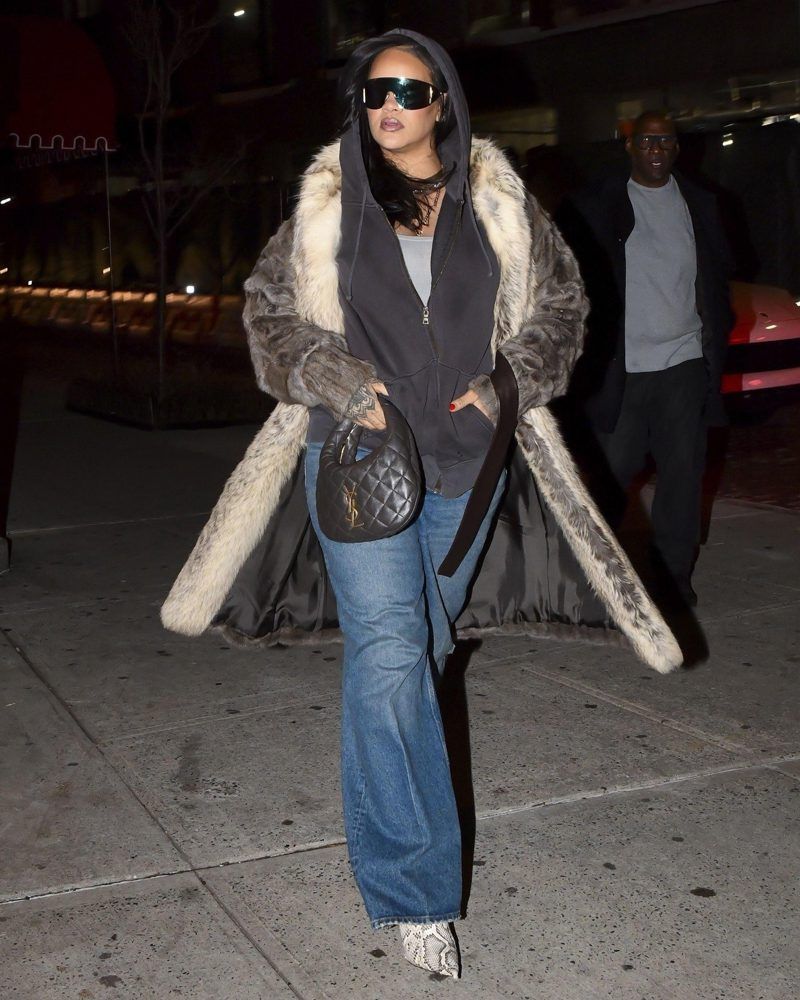
Some pieces survive the seasons; others become legend. Such is the case with the monumental fox fur coat from the Saint Laurent Rive Gauche FW03 collection, designed by Tom Ford. In 2022, Rihanna was photographed on the streets of New York wearing that very coat, bringing one of his most iconic pieces from his Saint Laurent tenure back into the spotlight. Once again, Ford demonstrated — albeit indirectly — that his archive continues to speak to the present, even through a garment from over twenty years ago, reconsecrating it as an object of desire.
The Halston House
In 2019, Tom Ford stopped staying at the Carlyle Hotel on a permanent basis and purchased one of Manhattan's most iconic homes: Halston's former residence, designed in the 1960s by architect Paul Rudolph. Valued at approximately 18 million dollars, the townhouse is a masterpiece of American modernism, distinguished by a steel-and-glass façade, suspended walkways, sculptural staircases, and a grand living room lit by a monumental skylight. For Ford, this was not simply a real estate investment — he had visited the house as a teenager and had been deeply struck by it. Once he acquired it, rather than transforming it beyond recognition, he chose to restore it while respecting Rudolph's and Halston's original vision as closely as possible, embodying his own creative philosophy: rewriting the future by honouring and celebrating the past.