










Is accessibility the new dream of fashion designers? Following Galliano, Willy Chavarria has also announced a collaboration with Zara
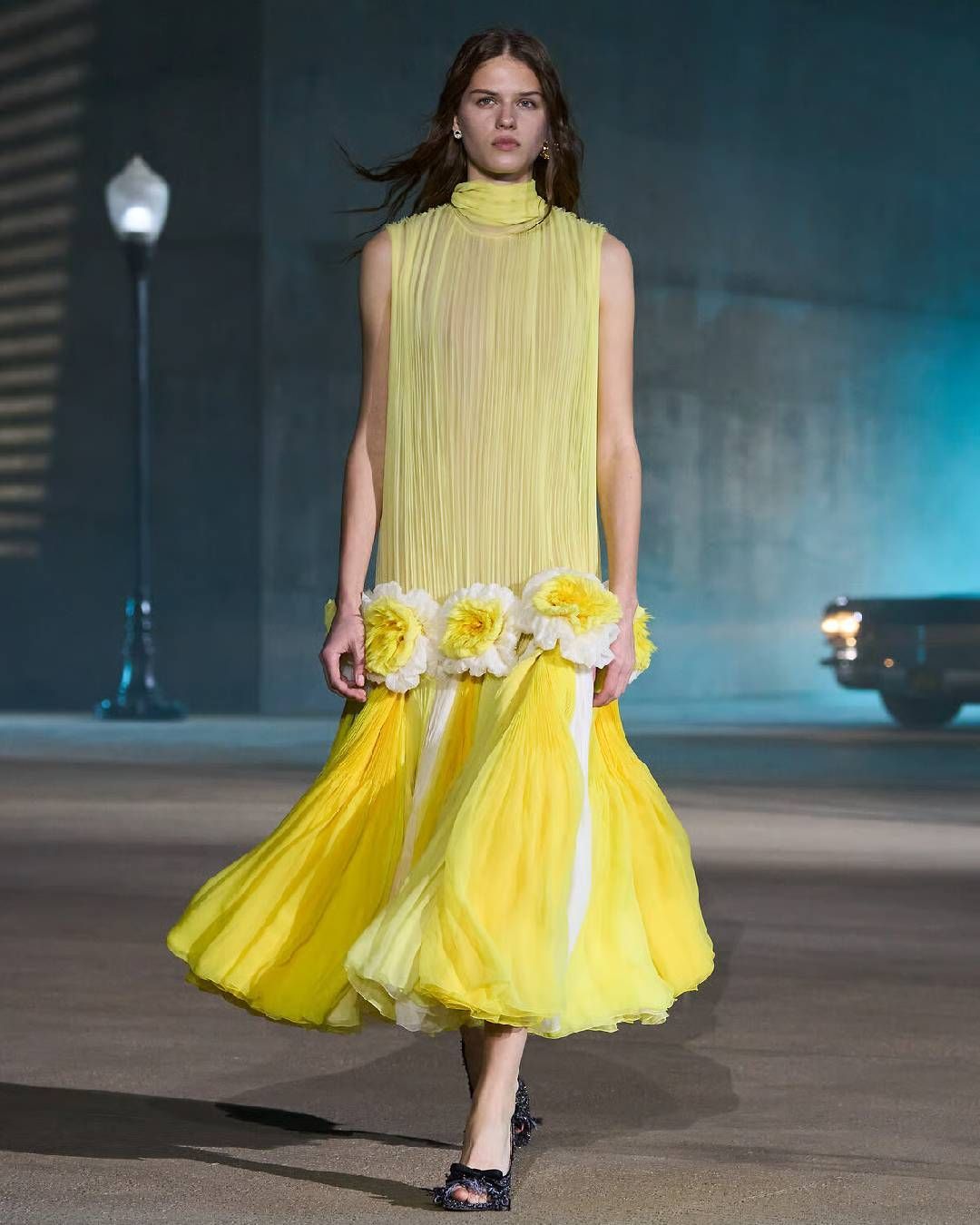
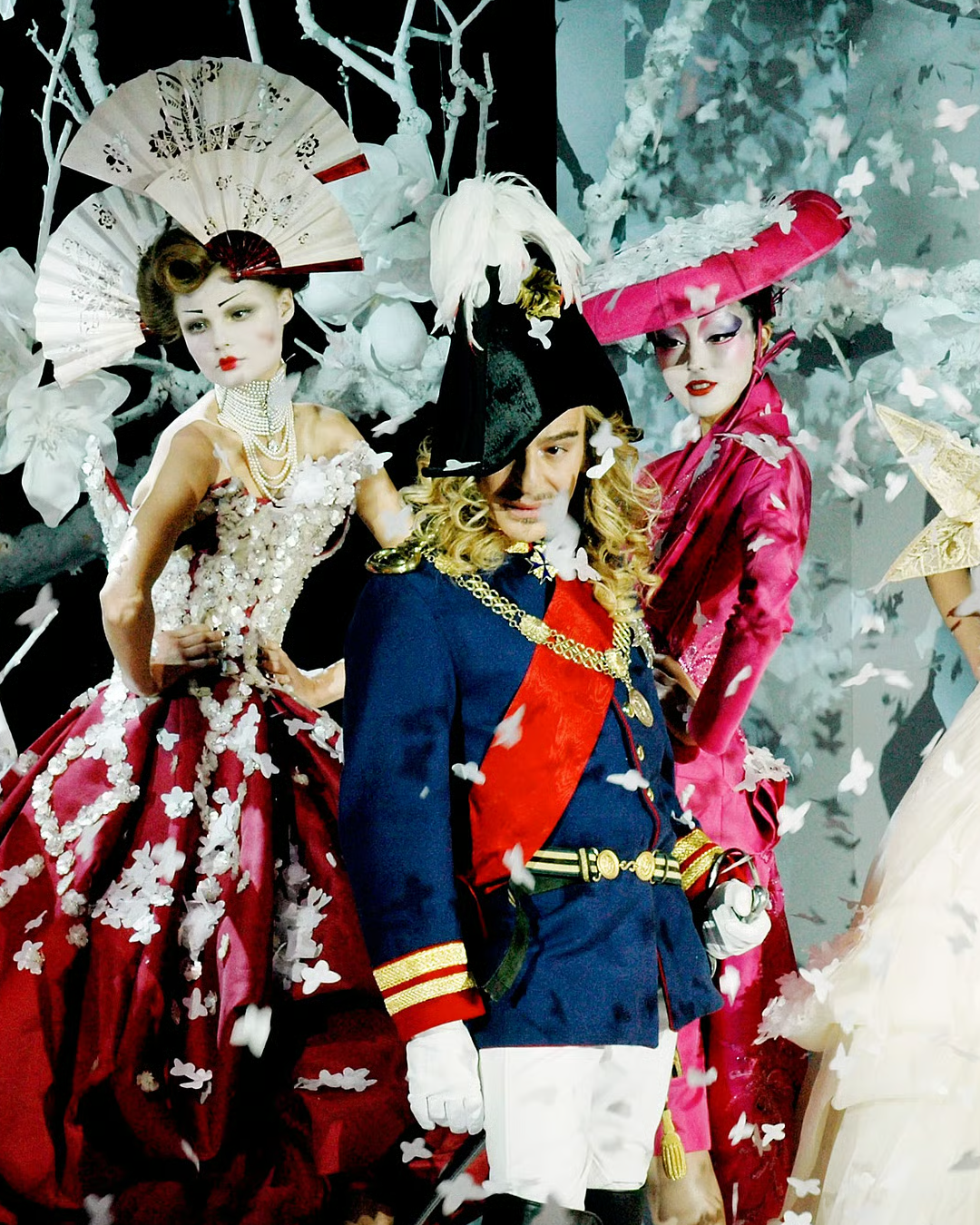
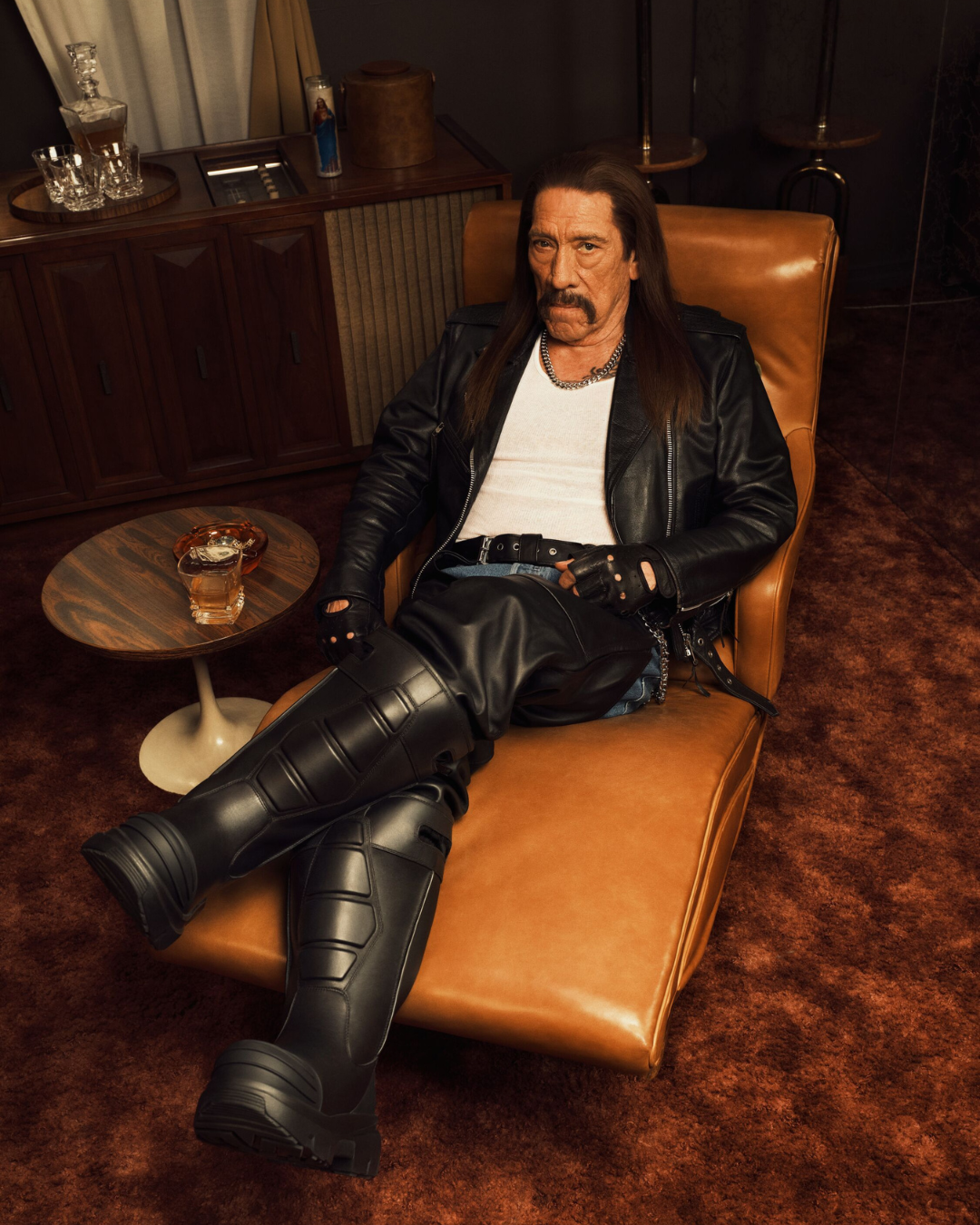
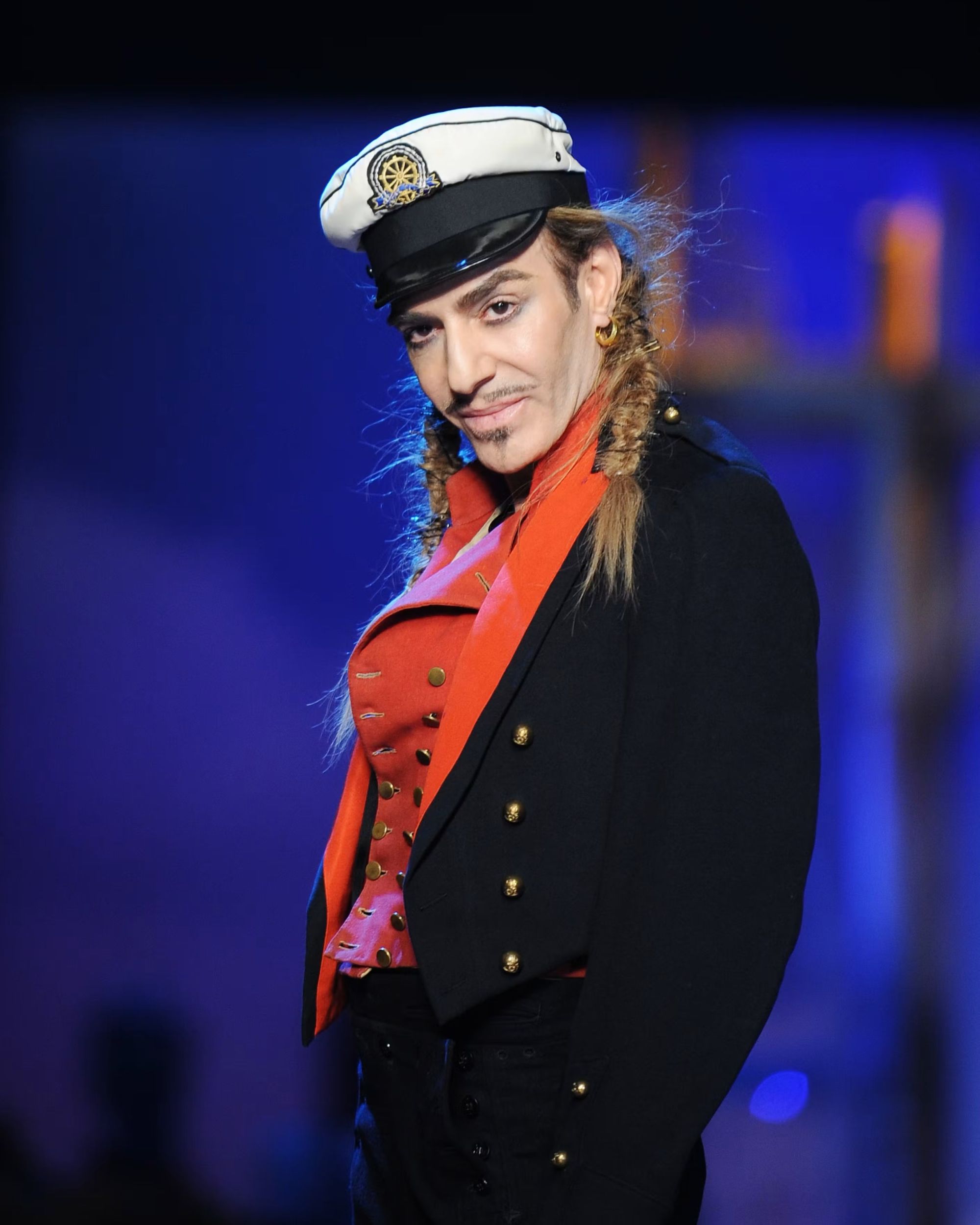
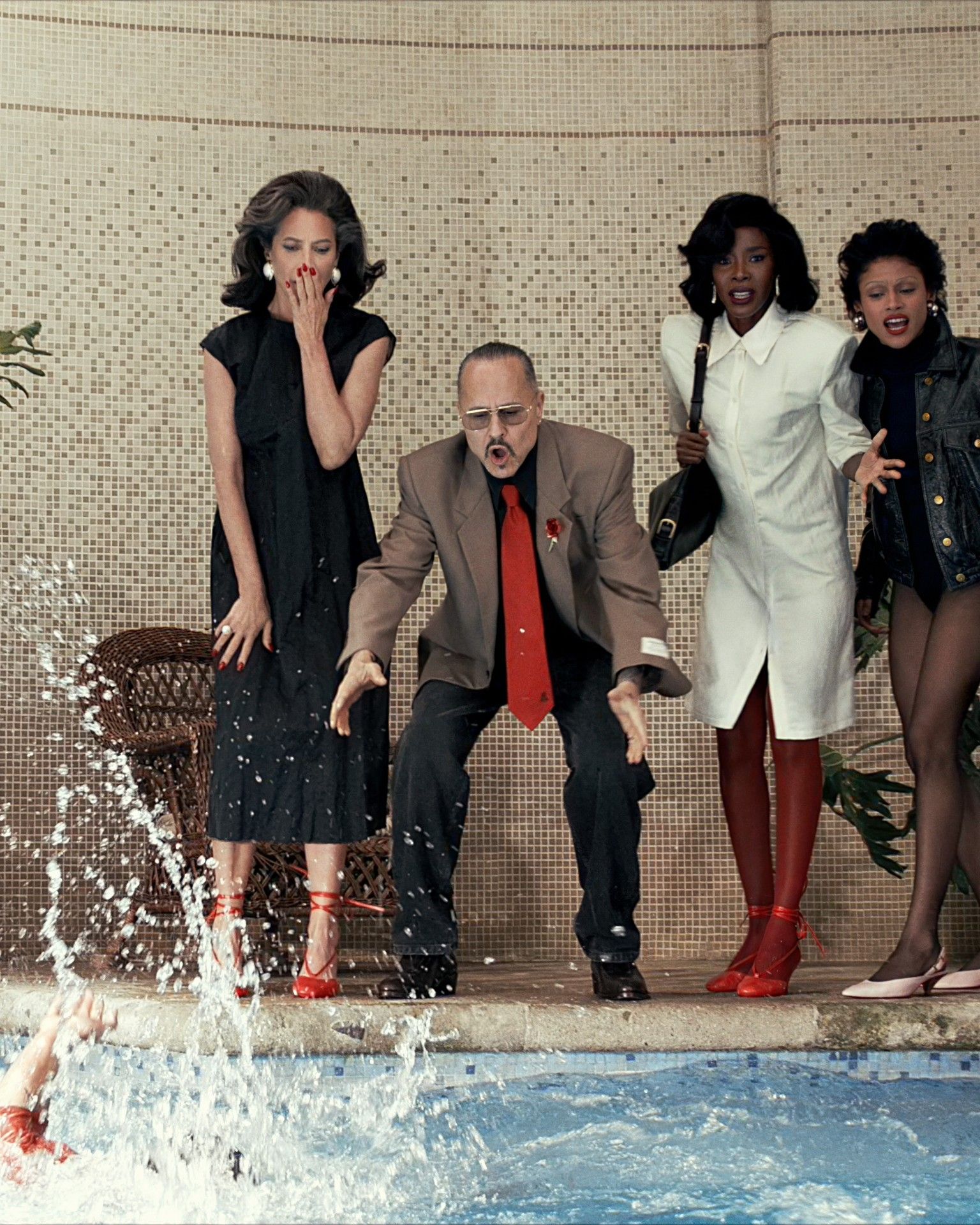
Last week, the announcement of the collaboration between John Galliano and Zara, which will be officially presented in September, shook the fashion world. And today another announcement has been made: Willy Chavarria will also collaborate with Zara on a collection named Vatìsimo. And in this project, more than in many similar ones recently announced, it seems clear that the new goal for many major fashion creatives is accessibility.
«This partnership brings Willy's creative perspective to a global platform, without dilutions and without compromises», reads the press release. «VATÍSIMO is Willy Chavarria's aesthetic with broader reach», it continues further on. And a bit later it states that the project «unites Willy Chavarria's deeply personal creative language with Zara's vast global community». And, when speaking to Vogue about his work with Zara, Galliano himself expressed enthusiasm for «creating fashion through this enormous platform». Have fashion creatives grown tired of selling only to the few ultra-rich in the world?
Beyond Elitism
@nssmagazine Following the announcement of a two-year partnership with designer John Galliano, Zara has just unveiled a new collaboration with Willy Chavarria “VATÍSIMO”. What do you think? #zara #tiktokfashion #collaboration #willychavarria #fastfashion audio originale - nss magazine
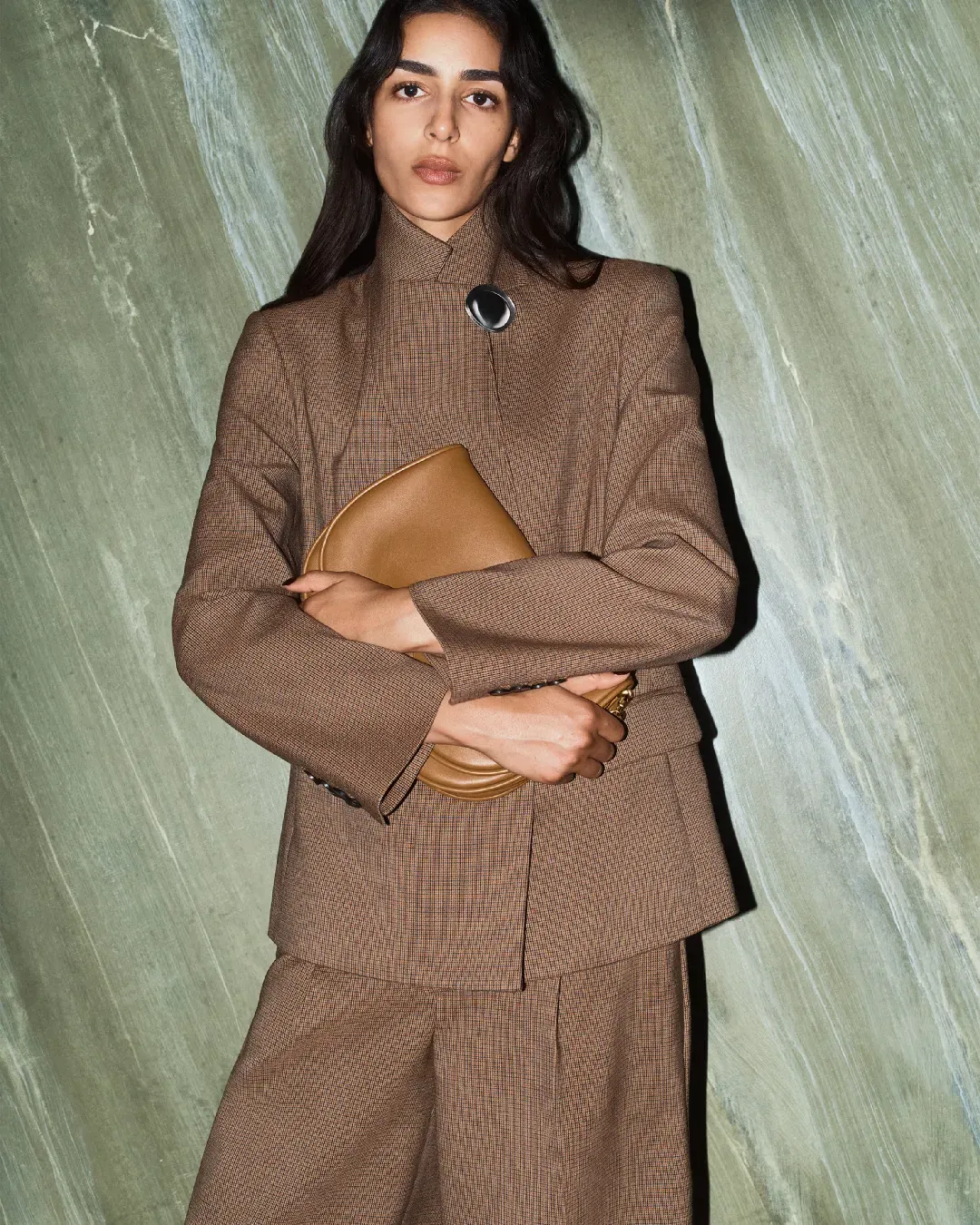
In recent years, the migration of high-profile designers from the luxury world to the mass market has been nothing short of massive: Clare Waight Keller went to Uniqlo and Zac Posen to Gap. More recently, it was Francesco Risso who “moved” to GU, Uniqlo's youthful line, and before that, Samuel Ross launched a multi-year collaboration with Zara. Even Stella McCartney has announced an upcoming collaboration with H&M. However, the narrative around all these projects has always been framed from the perspective of pure marketing and mass-market brand positioning, but not what it means for the creatives themselves.
And many of these creatives' viewpoints keep returning to the theme of accessibility and a broad audience. Risso told Vogue that he wants to «draw real clothes for real people». And even Samuel Ross, some time ago, told nss magazine about his project with Zara that «ideas shouldn't be hard to reach. Clothes are for all humanity, not for a few». Meanwhile, earlier this month, when discussing the latest collection with Uniqlo with GQ Australia, Waight Keller strongly emphasized the concept of fashion for everyone, saying she is «really proud of finding the best possible fabrics at the price we offer».
In a fashion world increasingly packed with brands, where prices are skyrocketing and quality tends to decline, and where sales are increasingly sluggish, it can be assumed that many designers have developed the desire not to design for a narrow elite but to bring their work to an audience that can have real resonance. These collaborations may therefore respond to a need that many creatives have—one that isn't given much voice: the desire to truly influence how people dress and find feedback from a less restricted and restrictive public than luxury consumers.
Is Luxury Becoming Mainstream?
Lately, another narrative is also emerging through fashion commentators, focusing on the ultimate symbol of luxury, the Hermès Birkin, essentially saying that its obviousness as a status symbol has made it almost cringe. Hiral Arora of @chaoswintour wrote in December that it is starting to become out of fashion due to its media overexposure. Nony Odum of @vibrantnony posed the most disconcerting question of all: is having a Birkin embarrassing? Even brand strategist Eugene Healey recently spoke about how the Birkin feels “flattened” by its constant presence in social feeds. In other words, classic luxury has become mainstream and signals economic status but not style nor taste.
In a Substack post by Amy Odell, a commenter writes: «They are just a loud declaration of wealth which I find crass and tacky». A comment that sums up the general mood, seeing many modern luxury icons not so much as signs of financial availability but as signs of a willingness to be influenced and conform to a completely prefabricated and increasingly stereotypical image of wealth and taste. Another Substack by Thoughtful Threads is titled How luxury became vulgar. Indeed, never before have social status and aesthetic taste been more diametrically opposed. What signals wealth also signals an embarrassing lack of originality, as well as complete submission to marketing.
And it's easy to imagine that many designers no longer want to design for a luxury client whom they themselves see as vulgar or, in any case, for such a narrow niche audience (because not only must they have the luxury budget but also want to dress in a more original way) that their entire work becomes a kind of cathedral in the desert. The search for accessibility is therefore also a request for recognition that the typical luxury consumer no longer has the willingness or cultural tools to provide. Both Telfar and the new hyper-accessible course of Yeezy respond to this need to create fashion that doesn't fall into the void but can actually be bought and worn outside the tiny bubble of the elites, today more associated with oligarchies and tyranny than with any intellectual or lifestyle superiority.
So this is not a fast fashion debate but democratization of fashion. pic.twitter.com/n6qYwcD724
— plagued by concepts (@eye______candy) March 17, 2026
Every designer knows that, for their work to exist, it must be worn by people in the world. Just as every member of the public knows that even luxury brands today are mass-market brands with hundreds of stores worldwide. Numerous pages like @fabricateurialist and @tanner.leatherstein have started analyzing luxury products, revealing that often they have nothing luxurious about them at all. On TikTok, @sara_insidefashion has a successful format unofficially called Is it worth it? that seriously questions the value of what's sold in boutiques and its prices. The point is almost never the design but the price-to-quality ratio.
And in fact, only a few brands today can associate their economic elitism with true cultural capital. As perhaps cruelly explained by the memes of @supersnake, luxury fashion belongs more to the siliconed and tacky world of influencers, sugar babies, and slimy millionaires than to the Peggy Guggenheims of the past. And perhaps behind the many collaborations between high-profile designers and mass-market brands lies the desire to establish a dialogue that bypasses the increasingly embarrassing elites and makes fashion democratic in an increasingly authoritarian world.