























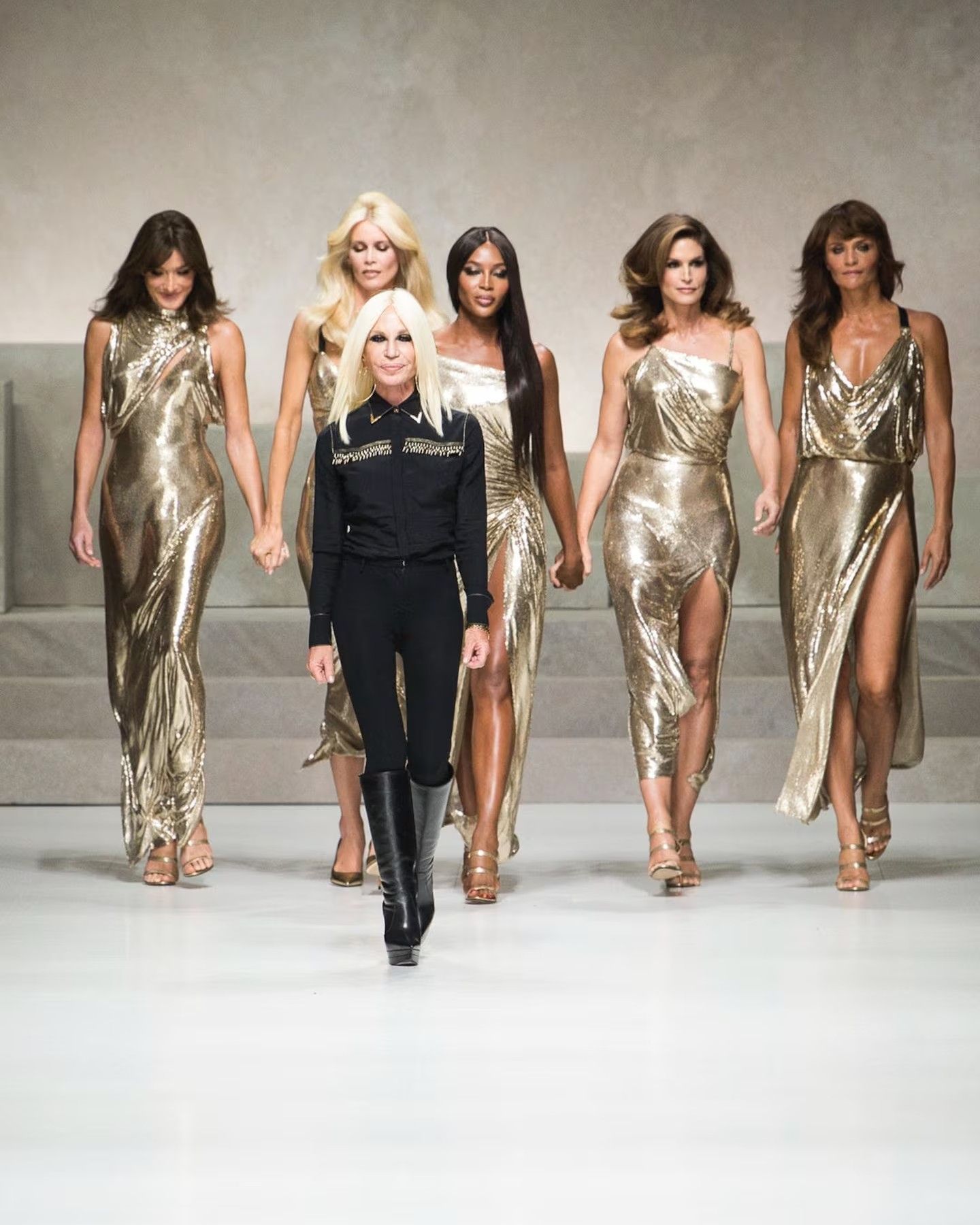
Today, Versace's future is being written A symbolic closing that takes place on the birthday of the legendary Gianni Versace
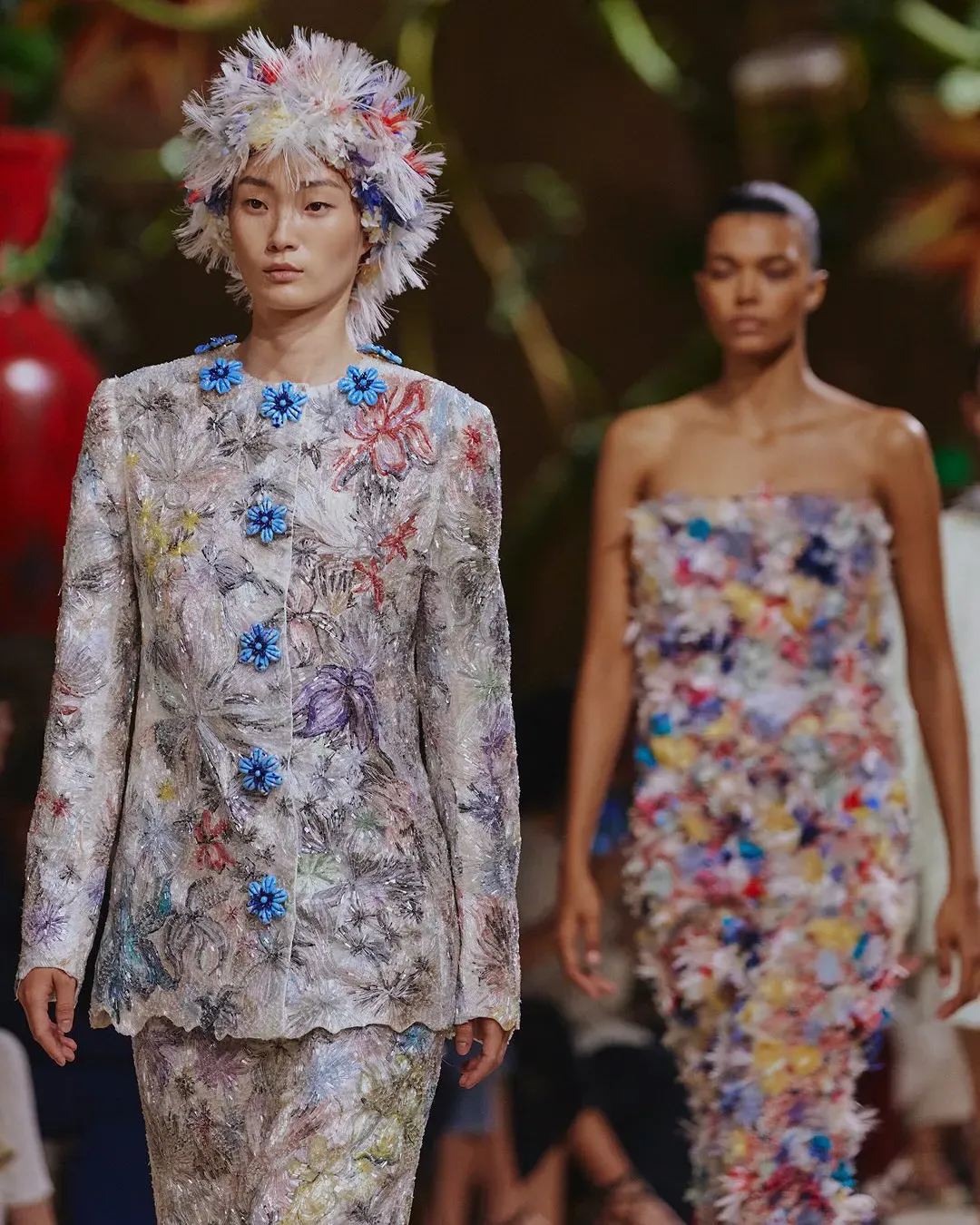
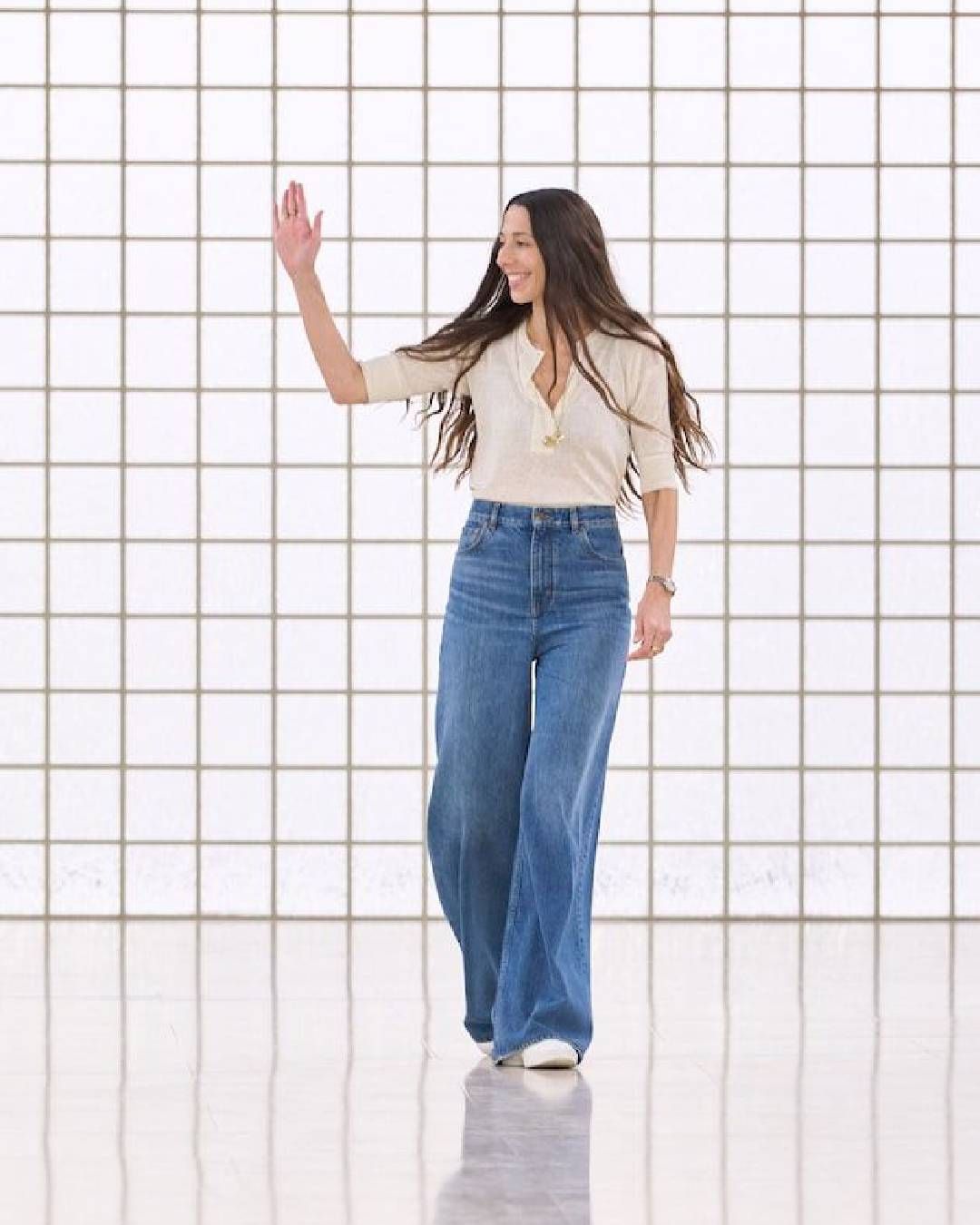
Today, on Gianni Versace’s birthday and after months of rumors and anticipation, the agreement between Prada Group and Capri Holdings has finally been signed, bringing Versace back into Italian hands after many years while the American group led by Michael Kors pockets €1.25 billion. The acquisition process unfolded alongside the creative debut of Dario Vitale, creating some confusion about the brand’s new direction — yet the collection still managed to generate buzz and win over even the harshest critics. Now, however, things are truly changing.
Speaking with the investment fund Equita, MF Fashion briefly outlined the “recipe” Prada Group has in mind to bring Versace back to the rich, profitable margins of the past. The first revelation is the very long timeline of this relaunch, which will go far beyond the creative side and Dario Vitale’s work: it will involve a complete rewrite of the brand’s internal architecture and will take two to four years. In the short MF Fashion article, the fund sums up the roadmap: «Priority will be given to brand positioning, followed by customer experience, store network, and new products», along with a rebalancing of outlets and fine-tuning of licensing agreements.
The two phases of Versace’s relaunch
From the article, the long relaunch project appears to be structured in two phases. In the first two years the focus will be on creativity, product innovation, and optimizing the customer base. An interesting detail highlighted by the fund is that the various brands within the group have complementary, non-overlapping customer bases. This suggests Prada will seek new clients for Versace without encroaching on the territory of Prada and Miu Miu.
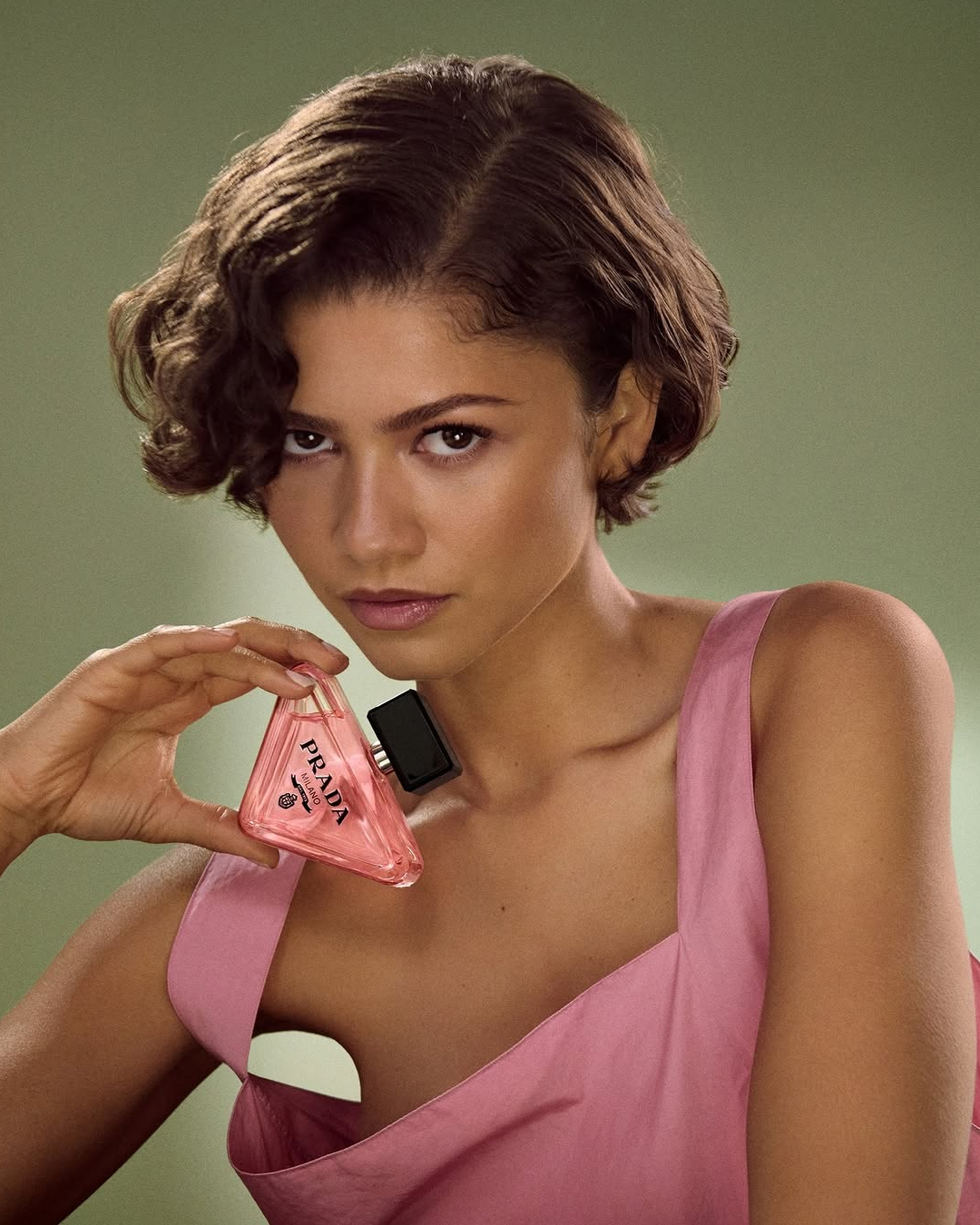
The second phase will involve deeper intervention, applying Prada Group’s proven expertise in industrial know-how, brand building, and retail network management to Versace and its store structure. Licensing agreements will also be optimized. Versace currently has five licensing deals: eyewear with Luxottica, fragrances with Euroitalia, furniture with Haworth Group, watches with Fossil, and children’s clothing. The two most important (eyewear and fragrances) will remain the priority. The fate of the others under this optimization remains unclear.
Another revealing point concerns the rebalancing of the mix between full-price stores and outlets. Official figures are not available, but according to Statista there were around sixty outlet stores a couple of years ago within a total retail network of 236 doors. Since Equita mentions a possible post-repositioning inventory clearance, it is reasonable to expect several outlets to close, with the remaining ones (mostly located in outlet villages) used to offload unsold merchandise. This excess inventory could play a significant role in the overall accounting of the operation.
How excess inventory will affect Prada’s earnings
@ajaxnae love a good pump
original sound - Ajanae <3
With this acquisition, Versace’s financials are added to those of the other brands in the group. These “consolidated sales” are expected by analysts to drive overall group revenue to grow by 10% in 2026 (the roughly €850 million Versace still generates will be added to Prada and Miu Miu’s €5.3 billion) but margins will be diluted. According to Equita’s estimates, the EBIT (the money that actually stays in the group’s pocket after paying factories, stores, salaries, etc.) should fall by 6-8% — meaning that if Prada currently earns about €22-23 net for every €100 in sales, that margin will shrink slightly because all the unsold inventory Versace currently holds will have to be cleared through outlets.
It is a short-term but calculated sacrifice that should see the brand return to solid profitability (it is currently loss-making) starting around 2027. For this reason Prada has made it clear that for at least three years it will not acquire any other brands: all energy, money, and attention will go solely into reviving Versace. The appointment of Lorenzo Bertelli, the family heir, as executive vice president of the brand further shows that the founding family views the new acquisition not just as business, but as something they will oversee very closely.
Takeaways
- Today, on Gianni Versace’s birthday, Prada has officially acquired the brand for €1.25 billion from Capri Holdings, bringing it back into Italian hands.
- The relaunch of Versace will be a very long-term project (2–4 years) divided into two phases: first creative and image repositioning, then optimisation of the retail network and licensing agreements.
- Prada will focus resources primarily on strengthening the brand, improving customer experience, and rebalancing the mix between full-price stores and outlets, reducing dependence on the latter.
- In 2026, the group’s consolidated revenue will grow by 10% thanks to the addition of Versace, but EBIT margins will fall 6–8% due to the clearance of excess inventory.
- For at least three years Prada will make no further acquisitions and will dedicate all its attention to the revival of Versace, with Lorenzo Bertelli appointed executive vice president to oversee the operation closely.