






















Why are the It-bags from the 2000s making their comeback 20 years later? Analysis of a trend created by the Millenials, worn by the Gen-Z
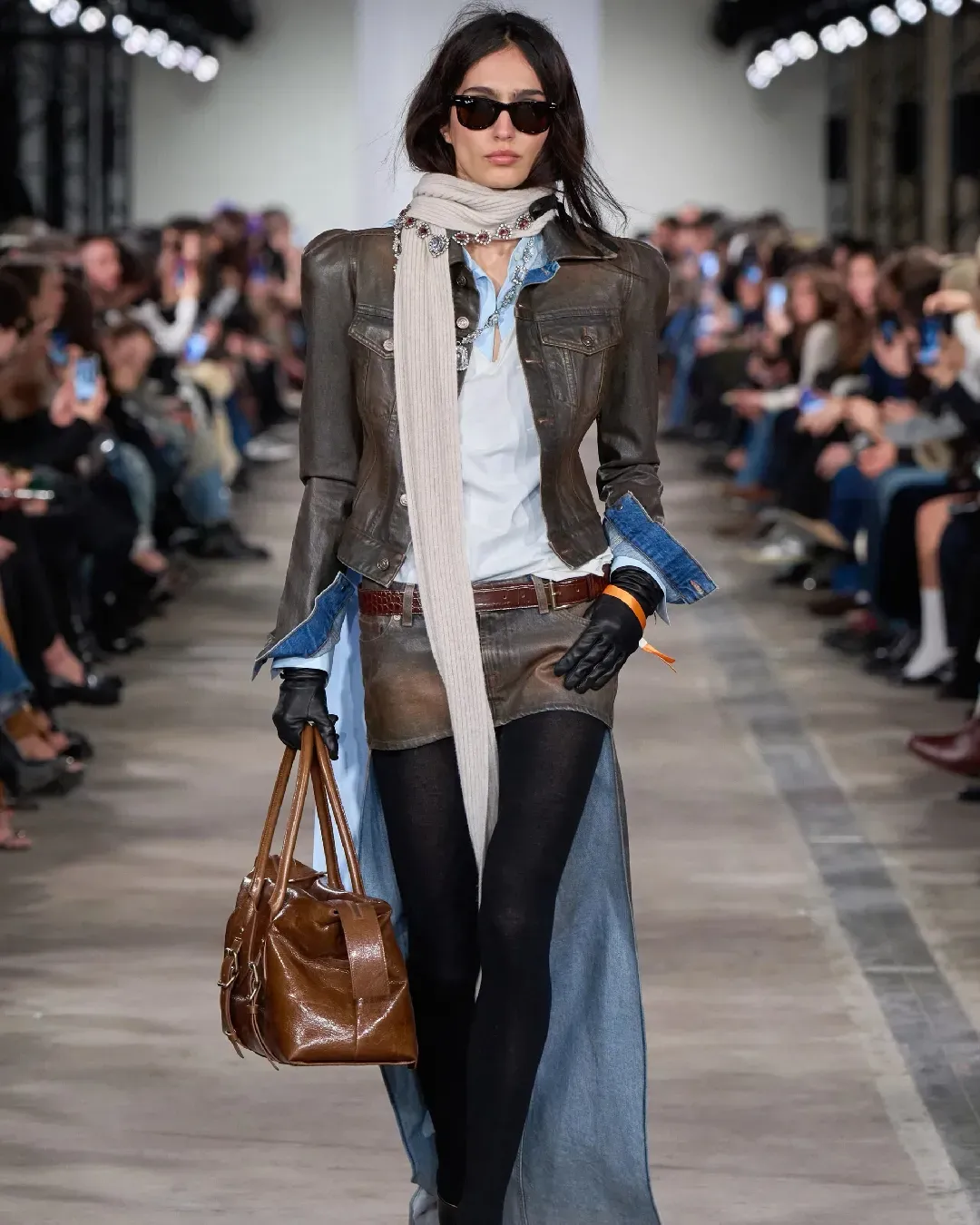
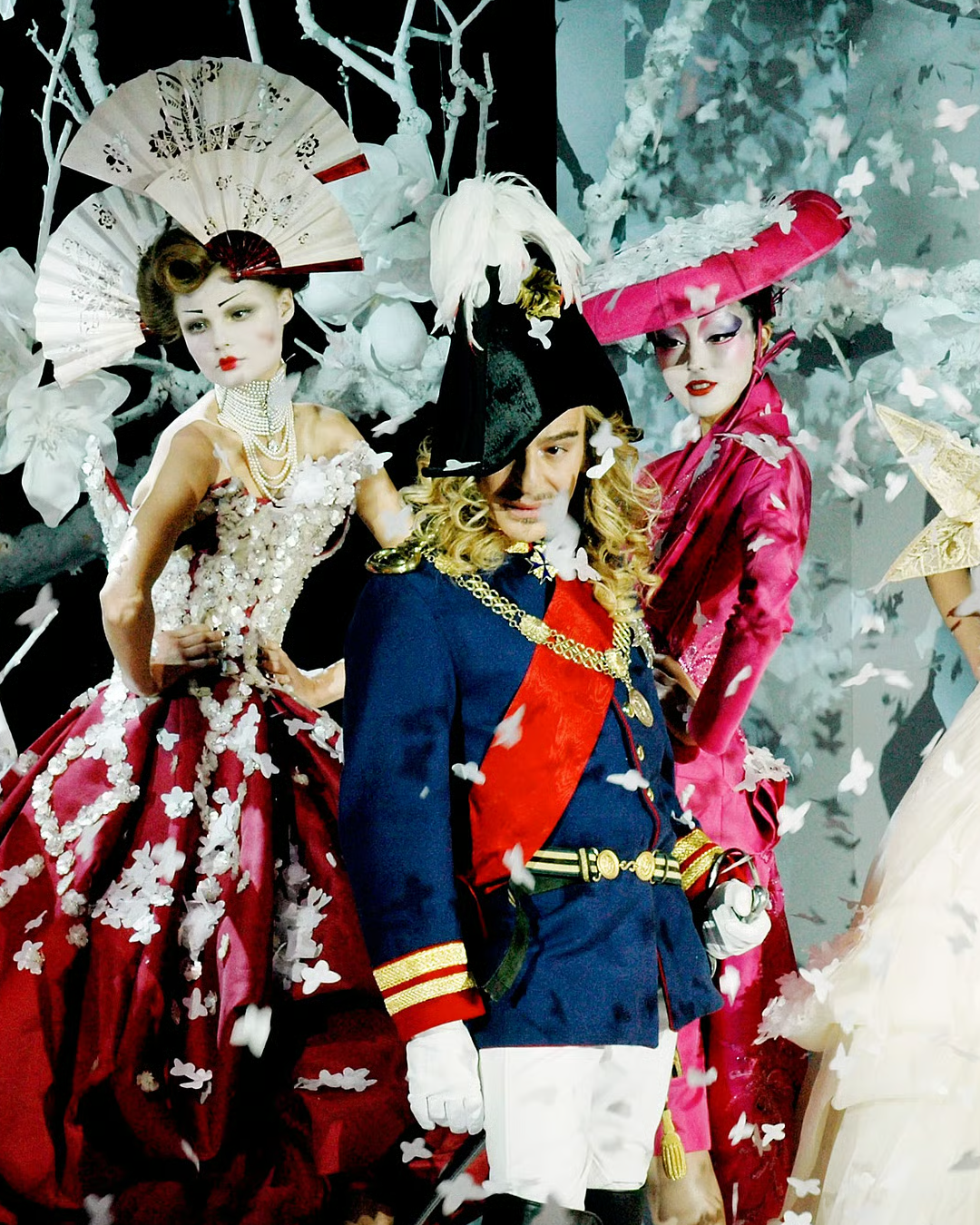
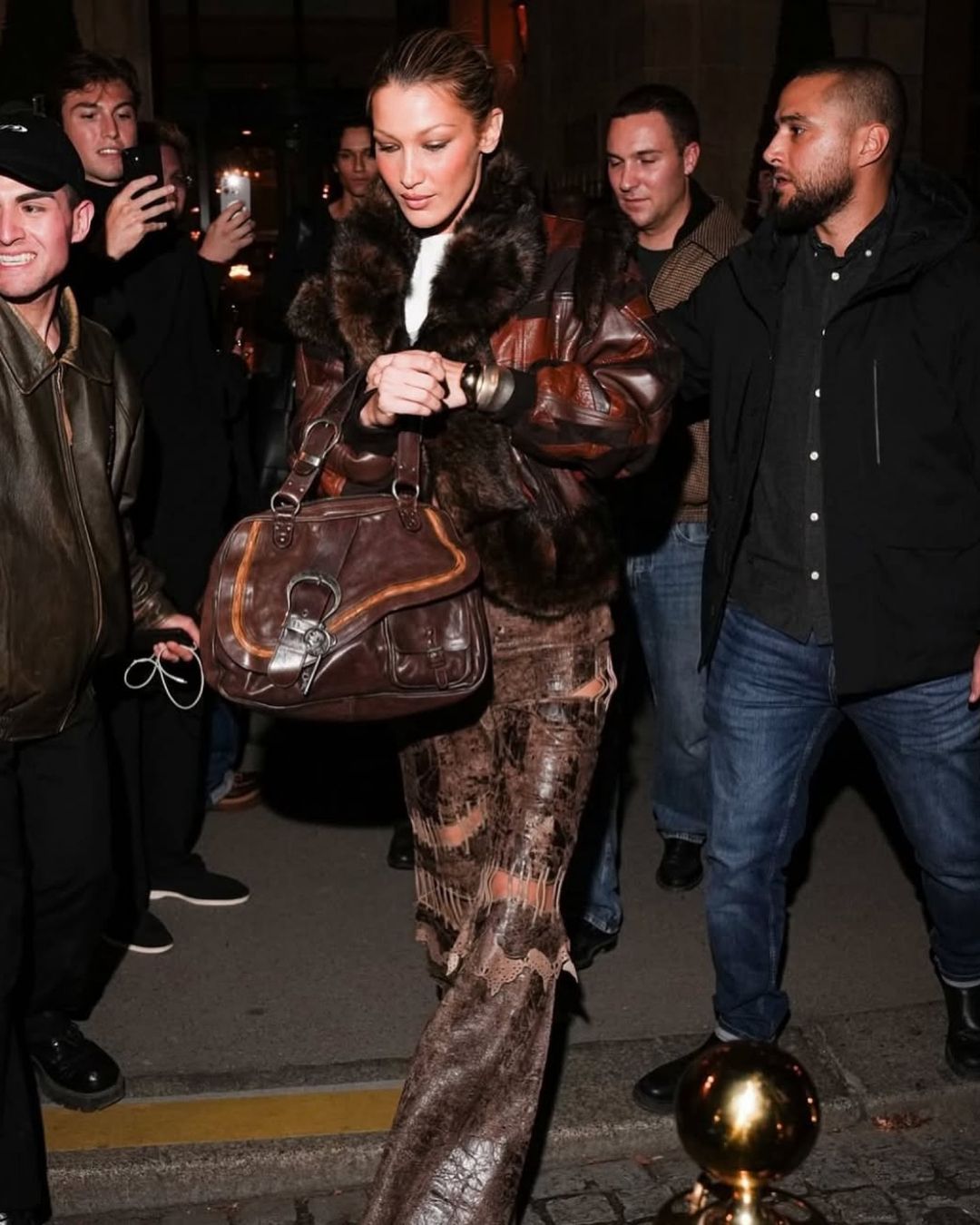
As autumn and its outfits tinted with beige and orange slowly returned last October, Bella Hadid, as she so often does, unearthed a little archival gem from her collection of vintage bags—one that would make more than a few people green with envy. Shortly after walking the Saint Laurent runway at the foot of the Eiffel Tower during the Women’s Fashion Week for SS26, she swapped her oversized sunglasses and XXL earrings for a Gaucho bag, designed by John Galliano for the Dior FW06 collection. Following the phenomenon of the Paddington by Chloé, which set trend indicators ablaze this year after Chemena Khamali revived Phoebe Philo’s model for her FW25, it seems that the iconic bags of the early 2000s are back, and they’re here to stay. To better understand this resurgence, as well as the changes that come with it, we spoke with the owner of La Perfection Vintage, a vintage luxury shop specialized in leather goods.
But before diving deeper into the world of selling, understanding customers, the market, and its fluctuations, let’s start from the beginning: what could possibly justify this return of the 2000s at our elbows and over our shoulders? The comeback of these Y2K models, each more iconic than the next, can essentially be summed up in three points: the driving force of the nostalgia factor, the silent power of social media, and the arrival of an army of new creative directors, all eager to prove they deserve their place at the helm of major Houses with leather goods archives full of treasures. But let’s take it one step at a time, starting with the factor that actually explains the other two. In times of crisis, uncertainty, and an unclear future, fashion, and the world in general, always reacts the same way: it looks back when looking forward feels too frightening. It can do this in several ways and through several tools, yet one in particular delivers archived videos and photos on a silver platter without requiring the slightest search: TikTok. While the Chinese giant has its flaws—like the dependence it creates and the unattainable standards it promotes, it also has the advantage of serving as a database accessible with a single scroll.
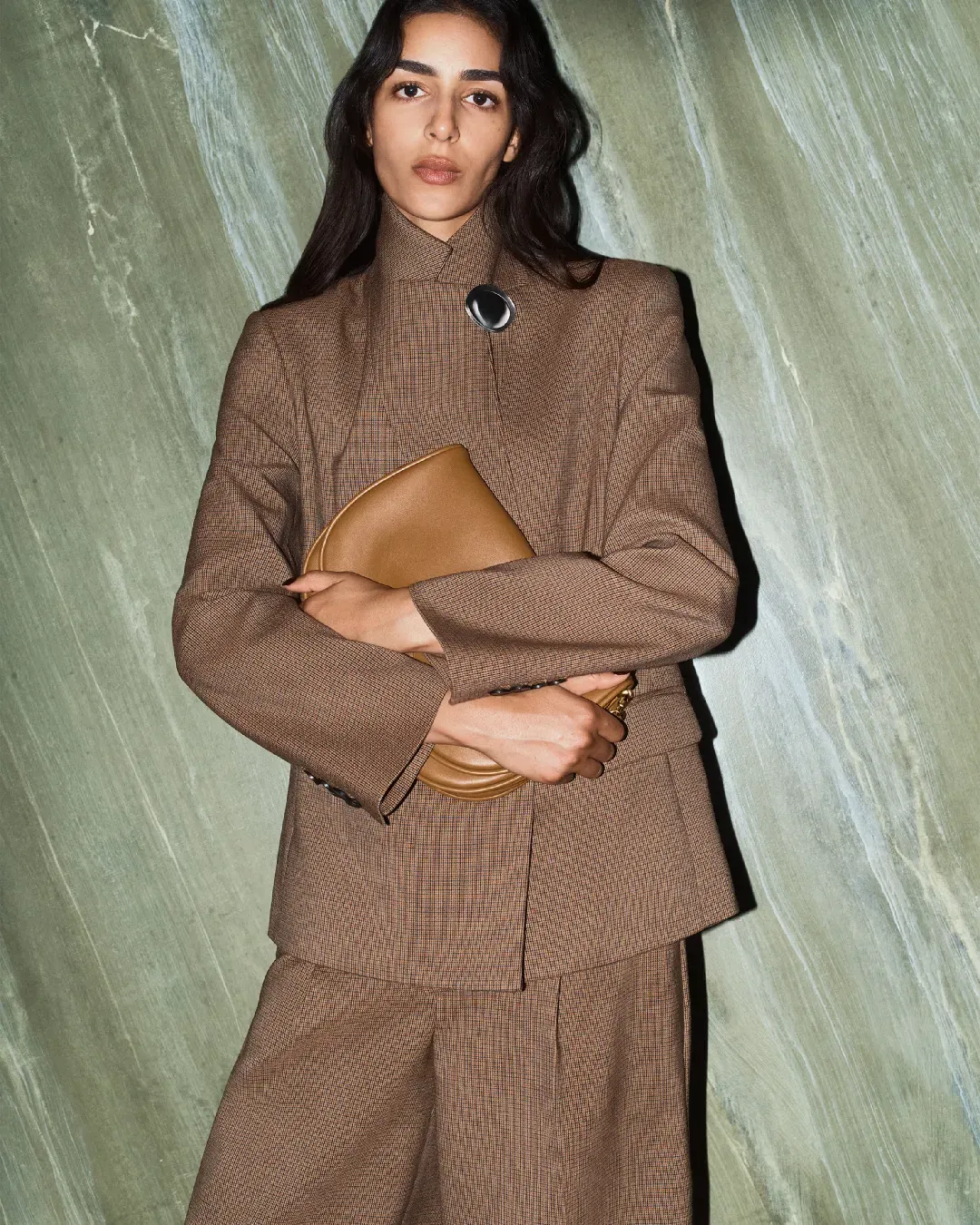
The third and final actor behind this return does not stem from society and its contrasts, but from fashion itself. This year, the system reached a record number of appointments, with a creative-director mercato more active than ever. Creative directors have a lot at stake and very little time to prove themselves. So why take risks by offering brand-new designs when taking over a House like Balenciaga, known among other things for its iconic City Bag? In the face of these re-editions, even the public who is not the target of luxury brands and cannot afford bags exceeding €2,000responds. And it’s at that moment that another key player enters the scene in this renewed popularity of forgotten models: the secondhand market.
The first observation Wafaa, the founder of La Perfection Vintage, shares with us is that although the quality and design of these archival pieces remain the same, their prices, even for second-hand items, have changed considerably. This is especially true for the Neverfull by Louis Vuitton, released in 2007 and created by Marc Jacobs, which experienced an unprecedented revival thanks to TikTok last October. While the bag did not exceed €500 in Europe at launch, today its price climbs to €1,600, over triple its original cost, in less than 20 years. An impressive fact considering that it usually takes about ten years for a luxury bag’s price to double, as was the case for the Loulou by Saint Laurent, created in 2017 by Anthony Vaccarello.
@lenasituations on en pense quoi de cette nouvelle fonctionnalité ? produit offert @Louis Vuitton #neverfullinsideout son original - Lena Situations
But price is not the only thing that has changed: customers have too, along with their tastes and criteria. According to Wafaa, the difference is quite clear: unlike Millennials, who bought these iconic bags when they were first released, today it’s Gen Z rushing toward them, and not for their design, practicality, or size. “Millennials tend to lean toward iconic, timeless pieces they can keep for years or even pass on to their children. They buy thoughtfully and reasonably, since these are pieces you can’t go wrong with, like the Speedy from Louis Vuitton, a flagship model that will never lose value. Generation Z, on the other hand, buys according to trends; they primarily want to be fashionable. The Jacquemus Chiquito bag, for example, is clearly a Gen Z item: not an investment, but a bag you regret and never wear again once the hype passes.” And the same logic applies to Y2K bags.
@break.archive perfect bag tbh x
Just A Girl - No Doubt
Of course, as Wafaa points out, what notably differentiates these two generations is the arrival and influence of social media. Even though celebrities have always existed and influenced purchases across generations, the phenomenon of being “chronically online” and the exceptionally easy access to content directly from red carpets and Fashion Week shows has had a significant impact on luxury goods and on the buying habits of a generation constantly seeking to stay on trend. In France, Léna Situations and her collection of Y2K bags perfectly exemplify this, such as her Multicolore Monogram bag from the collaboration between Louis Vuitton and Japanese artist Takashi Murakami, released in 2010 and reissued in December 2024, which she carried last January and which instantly topped many young girls’ wishlists.
But after the renewed flame sparked by the Chloé Paddington, Dior Gaucho, Louis Vuitton Monogram, and Balenciaga City Bag, which other iconic model can we expect to see back under the spotlight and on the arms of young women? According to Wafaa, the next one could be the Peakaboo by Fendi, launched in 2008 and designed by Silvia Venturini Fendi. The SS26 collection of the Roman House, Silvia’s last before she hands the reins to Maria Grazia Chiuri, seems to hint that this essential piece of leather goods could very well be revived once again.