
What are antisocial jackets? The meanings of the trend that wants us to be (in)visible
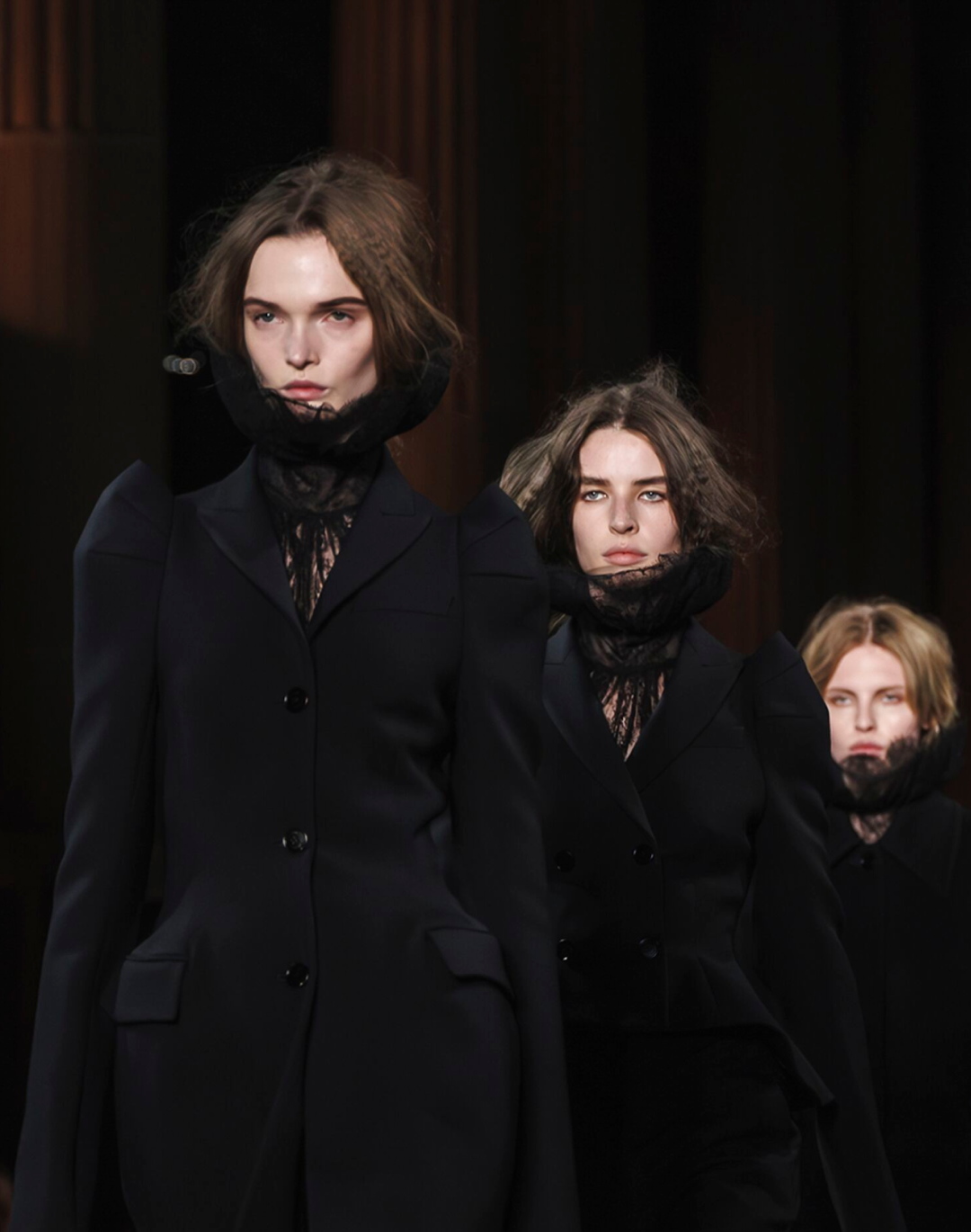
In fashion, there are trends that, more than others, can interpret the spirit of the present. In an era of overexposure and hypervisibility, both in real life and in the virtual one, marked by uncertainty and fragility, the designers of the fashion system give voice to a collective need: the need to protect oneself. In the latest wave of fashion shows, the spread of antisocial jackets—pieces that obscure the face or, more generally, wrap the body shielding it—embodies one of the paradoxes of our time: the desire to show oneself and, at the same time, to escape the gaze of others. What does this aesthetic, which prefers protection over exposure, say on a sociocultural level?
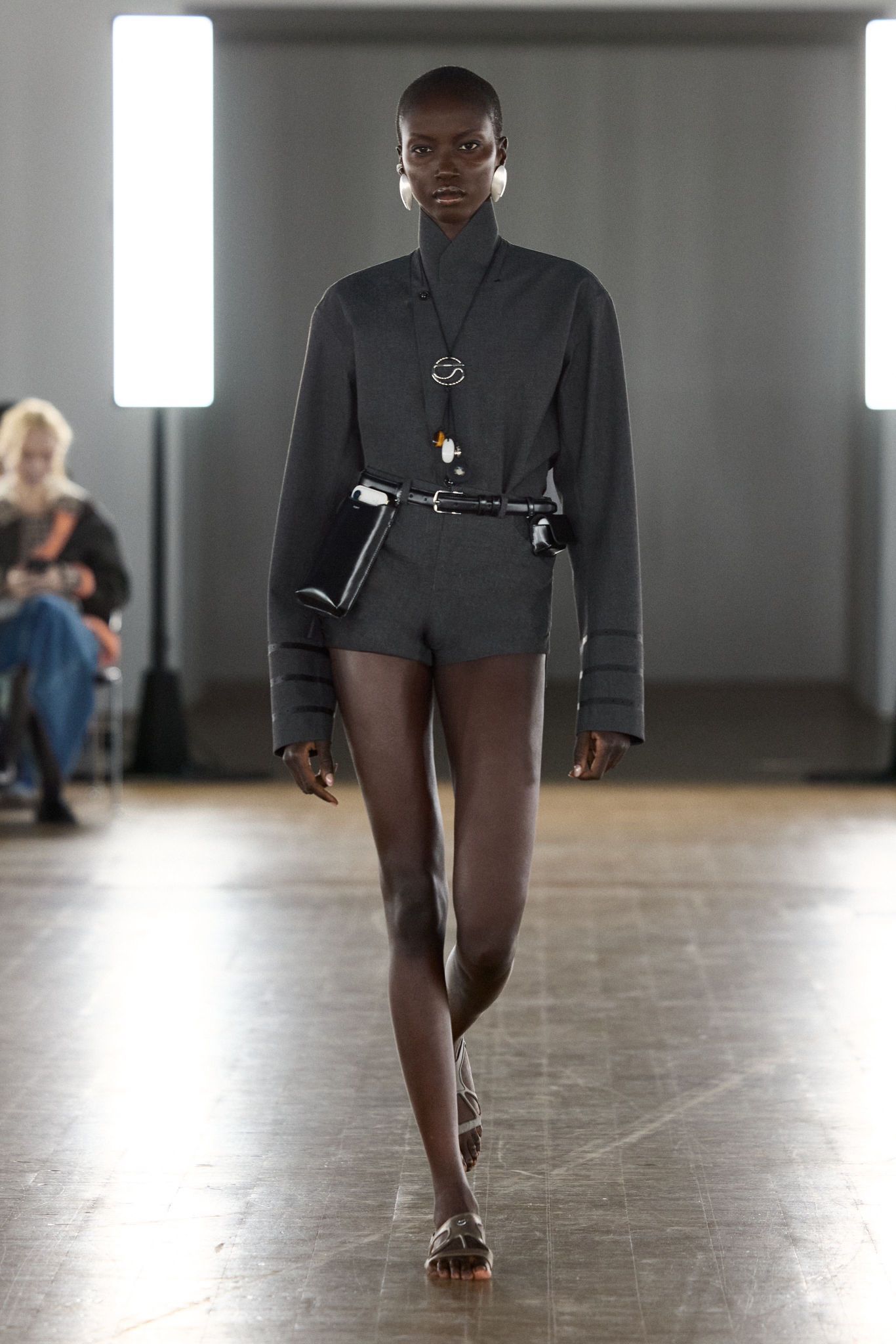
Coperni SS26
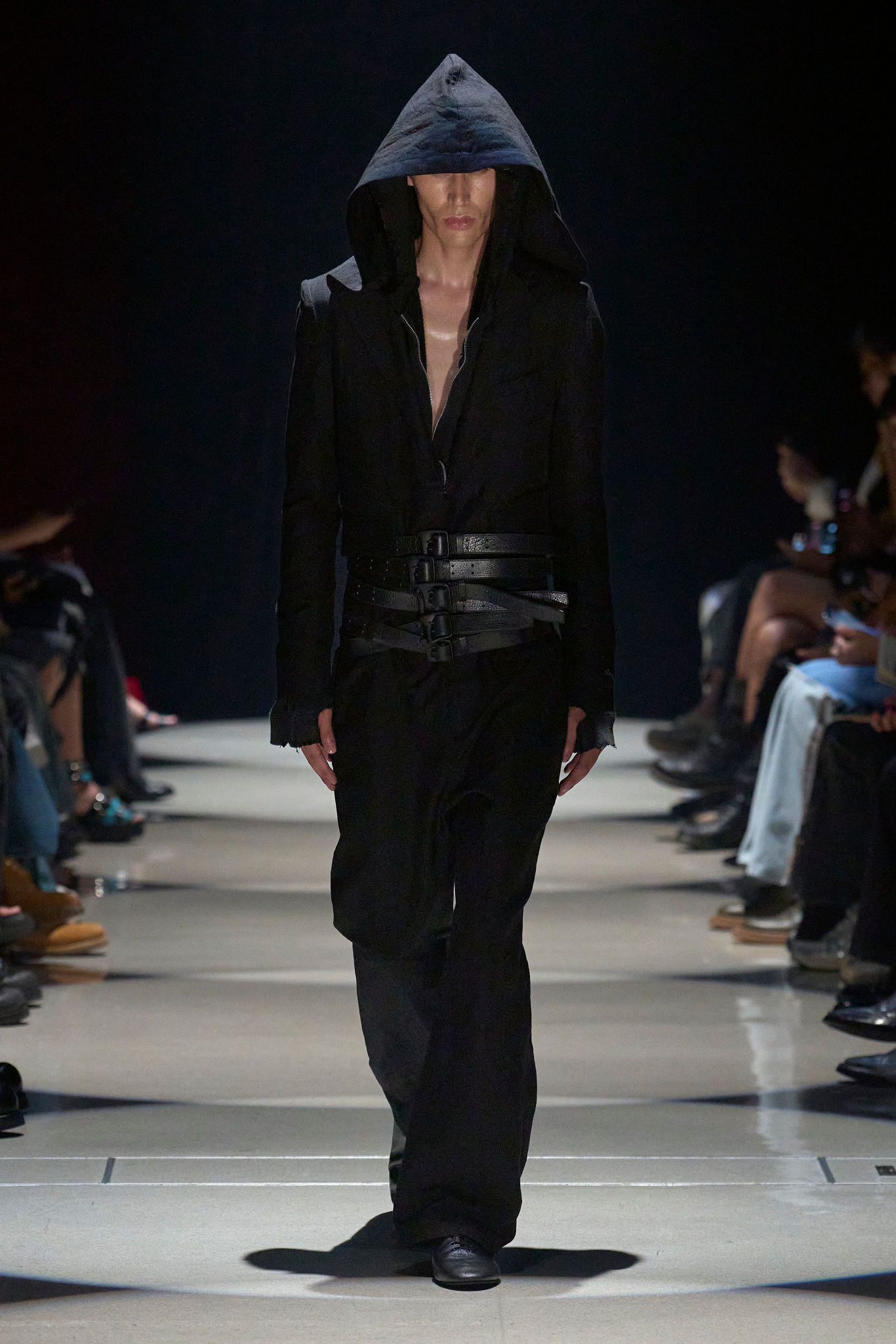
Ormi SS26
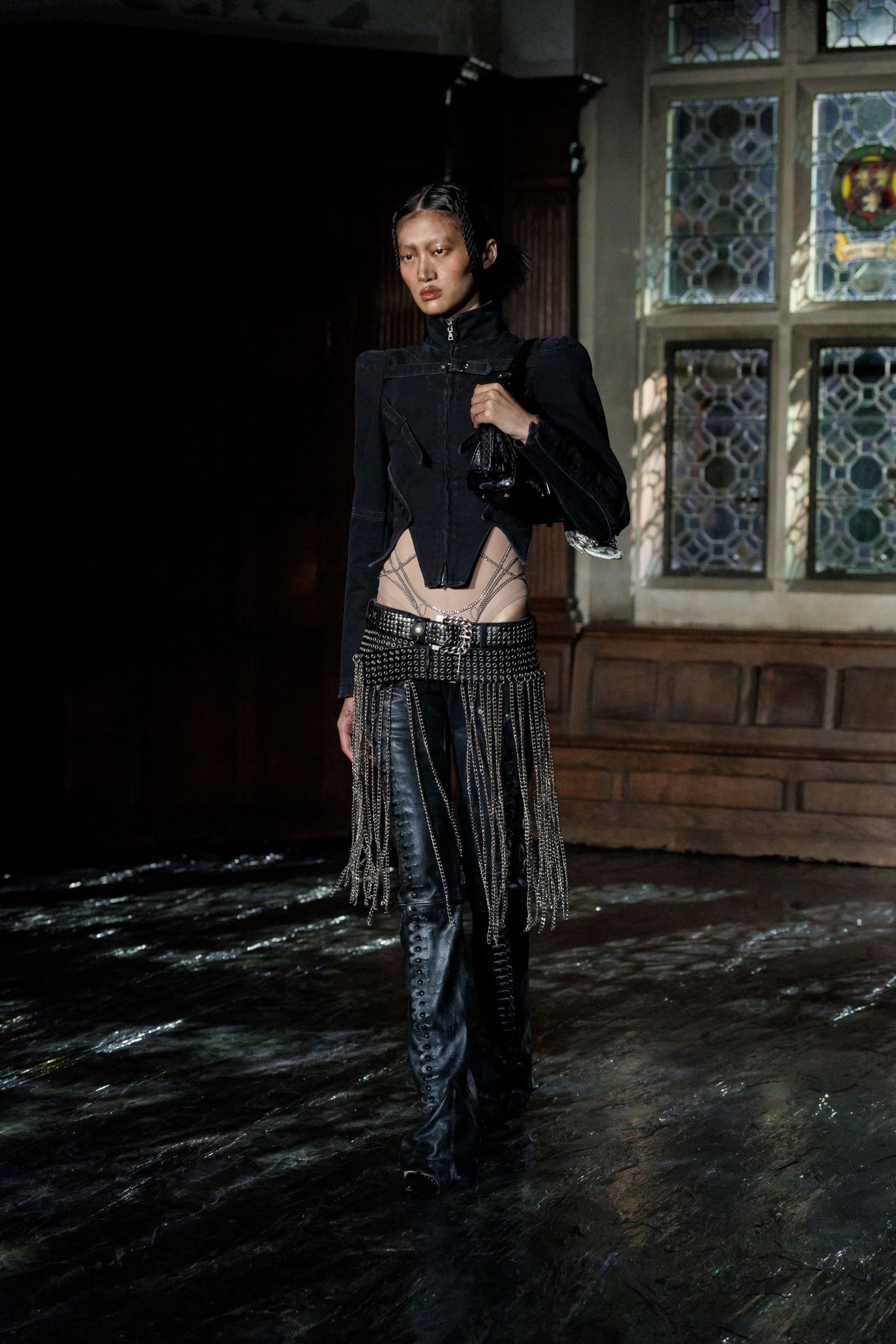
Dilara Findikoglu SS26
The most evident expression of this trend can be seen in the growing popularity of funnel-neck jackets, or high-collar jackets of military origin. Born to protect soldiers and sailors from the cold, these outerwear pieces, first adopted by the British army during World War I with the typical throat latch (a kind of tab with buttons that lifts on the neck and closes it like a bib), are making a strong comeback on the runways as part of a consolidated revival of military wear. This specific war detail takes center stage in the collections of Dries Van Noten, Giuseppe Di Morabito, and Ferragamo, who faithfully reproduce it on long trench coats, while Coach and Egonlab use it for denim and Afghan jackets. Madga Butrym also includes the funnel-neck jacket in her latest fashion show, further emphasizing the shielding effect by pairing the piece with bud-shaped hats.
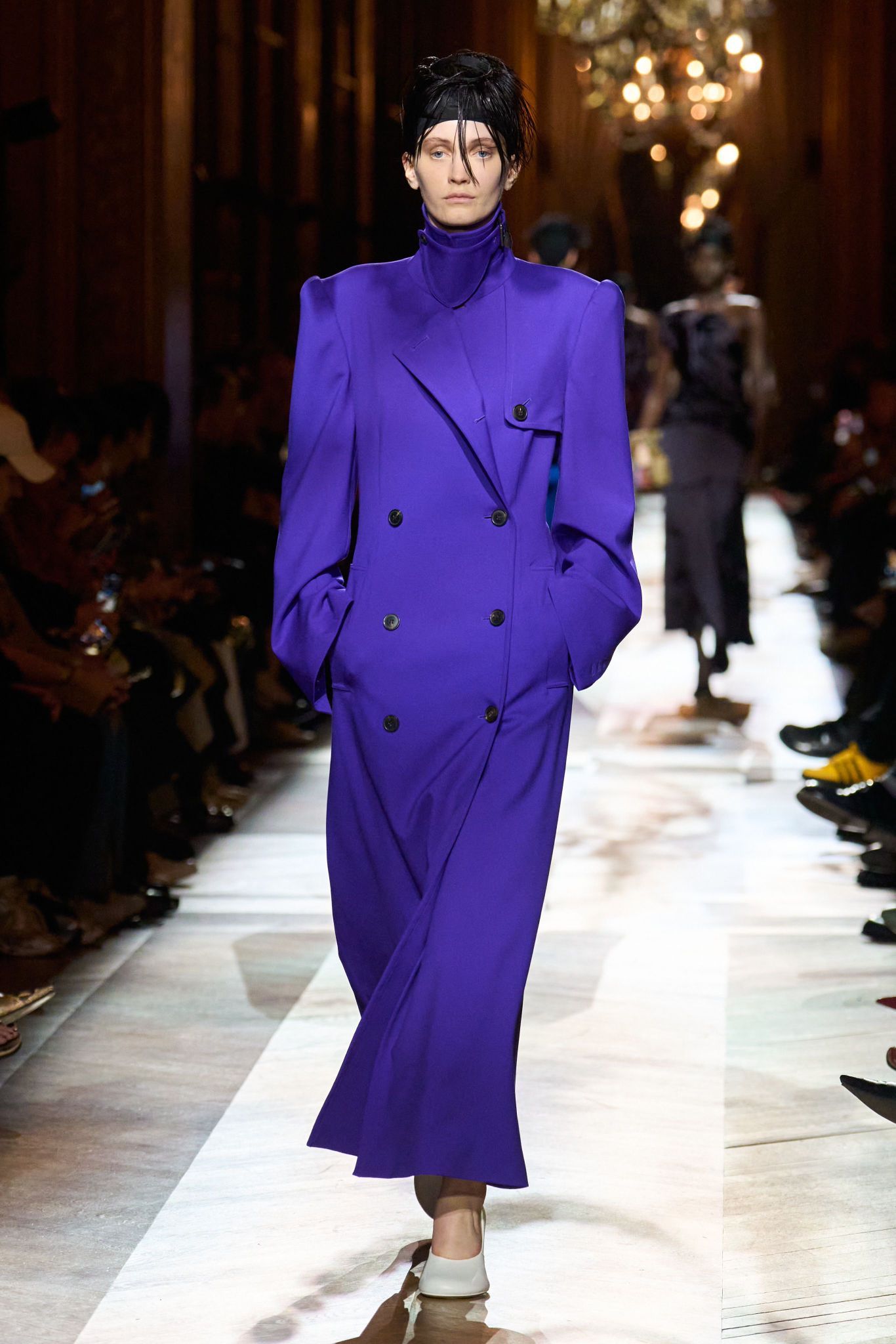
Dries Van Noten FW25
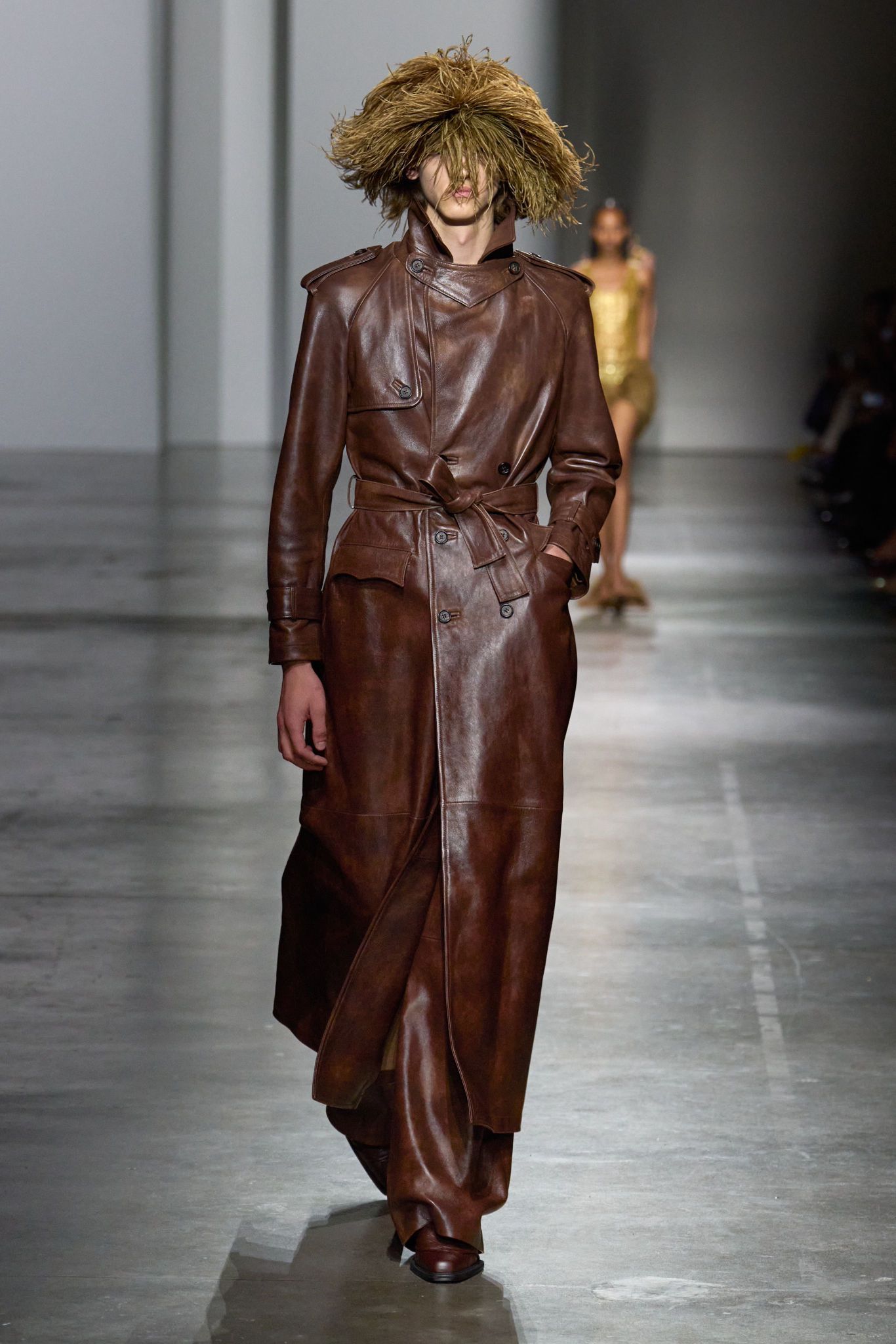
Giuseppe Di Morabito SS26
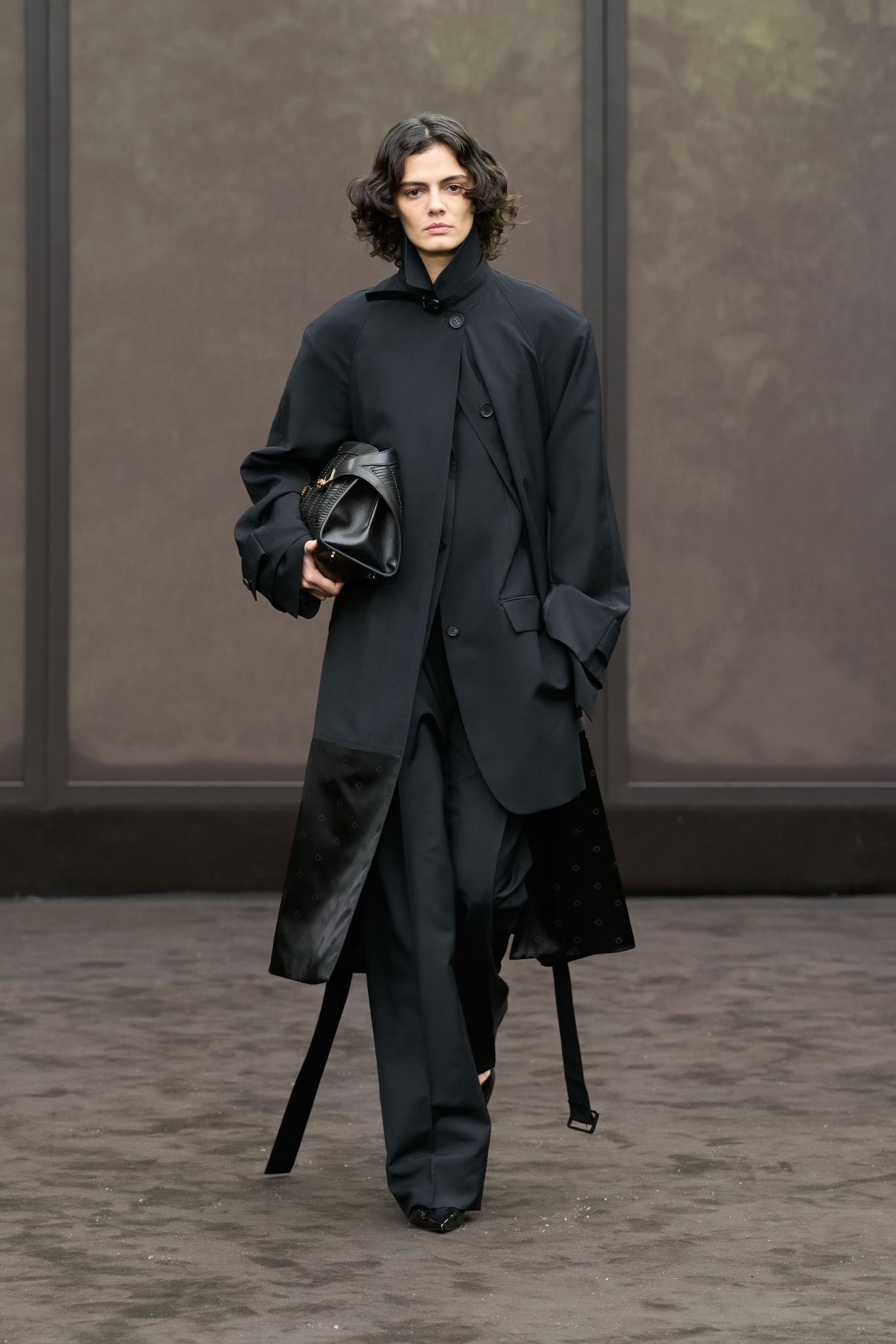
Ferragamo SS26

Coach FW25
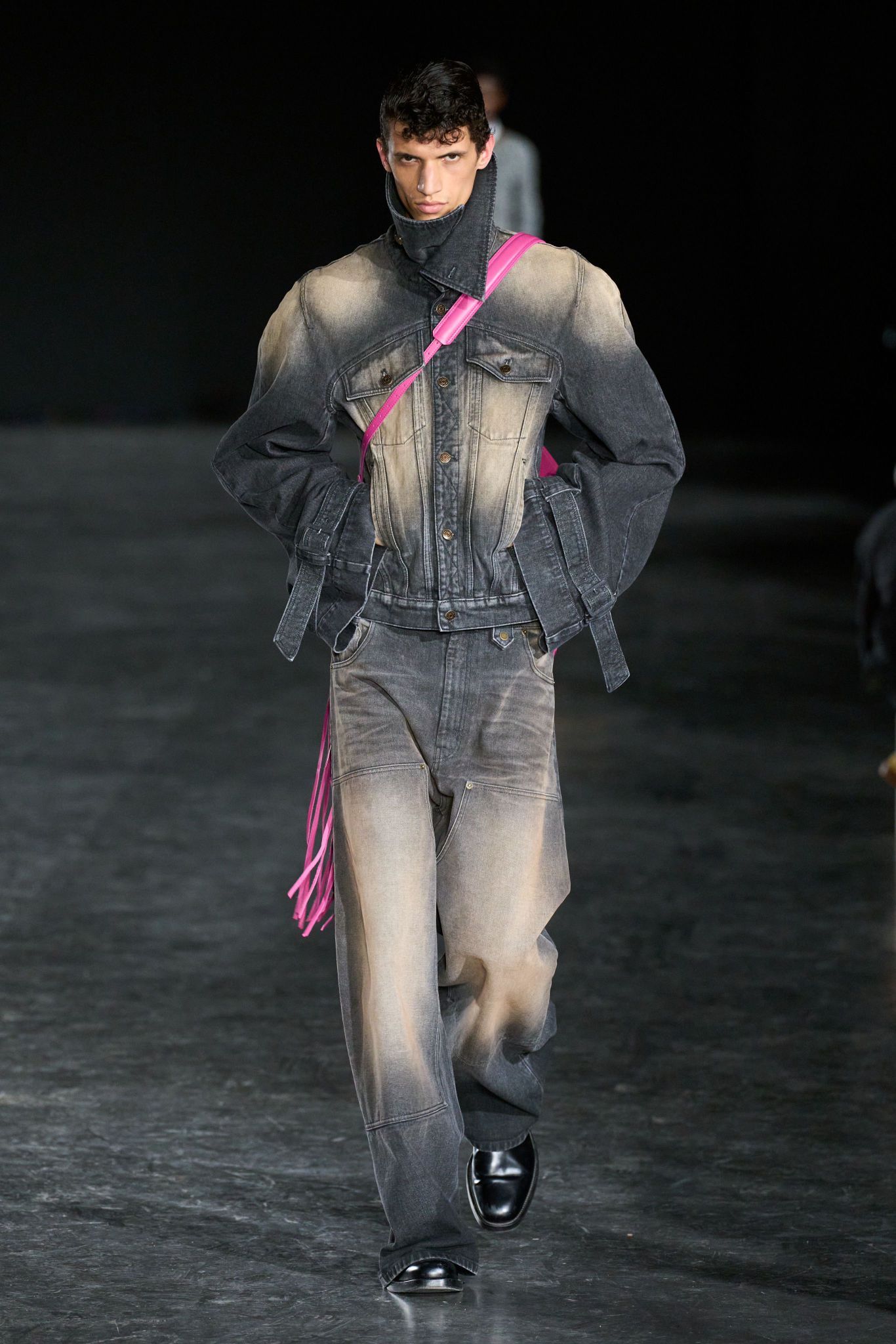
Egonlab FW25
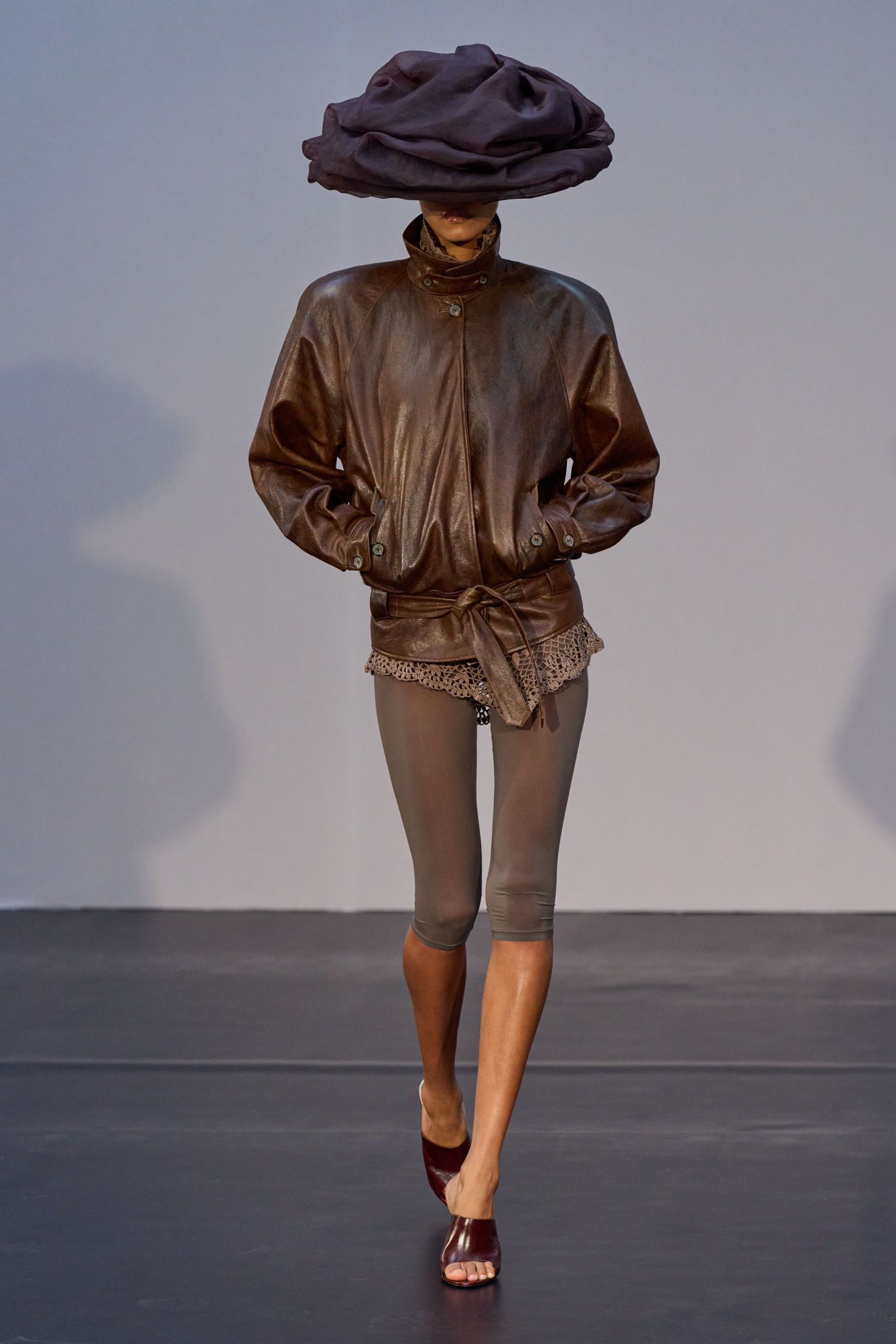
Magda Butrym SS26
The funnel-neck jacket dominates collections from Istitution, which reinterprets the trench coat with oversized shoulders and imposing collars, to Rick Owens, who works on deconstructed coats equipped with throat latches. At Saint Laurent and Chloè, the use of the high collar fits into an 1980s revival, while Stella McCartney and Victoria Beckham reinterpret the utility jacket by giving it a structured collar and turning it into an essential piece of the American urban wardrobe, especially worn by celebrities who want to escape paparazzi flashes. In this case, however, these “privacy jackets” produce the opposite effect: the attempt to become invisible generates even greater attention, making the garment mysterious and deliberately snobbish, perceived as irresistibly cool from the outside.
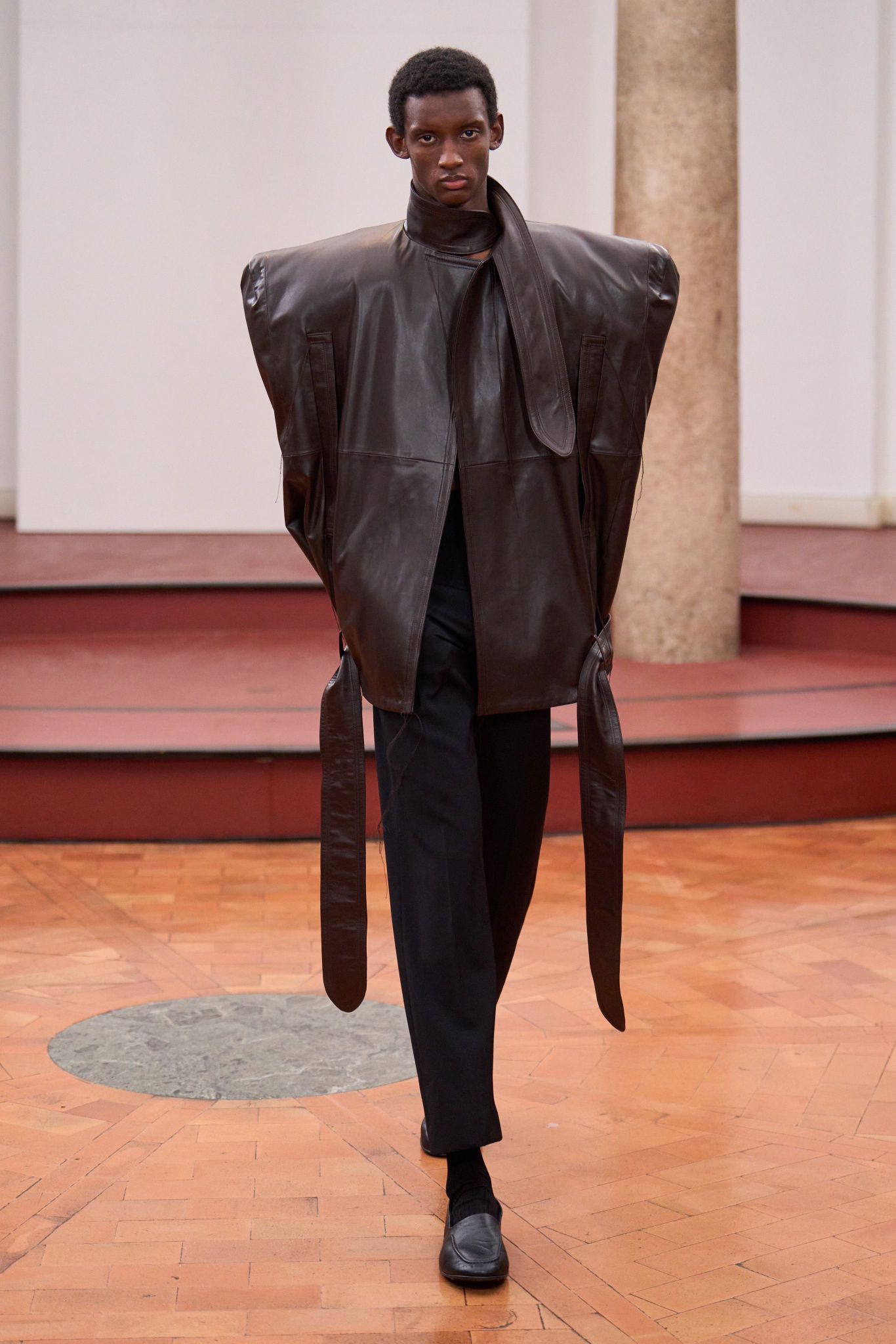
Institution by Gabil Gassanoff SS26

Rick Owens SS26
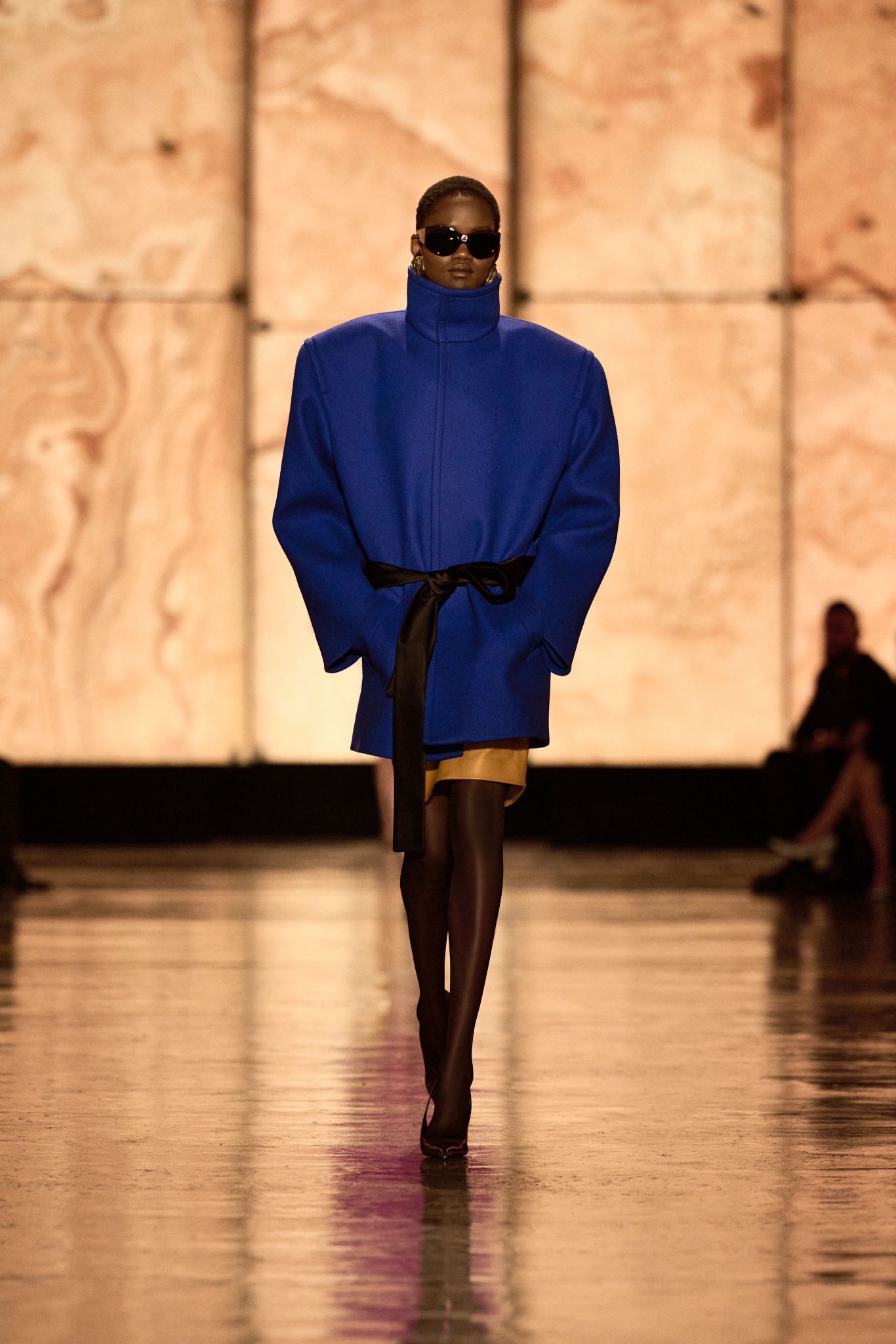
Saint Laurent FW25
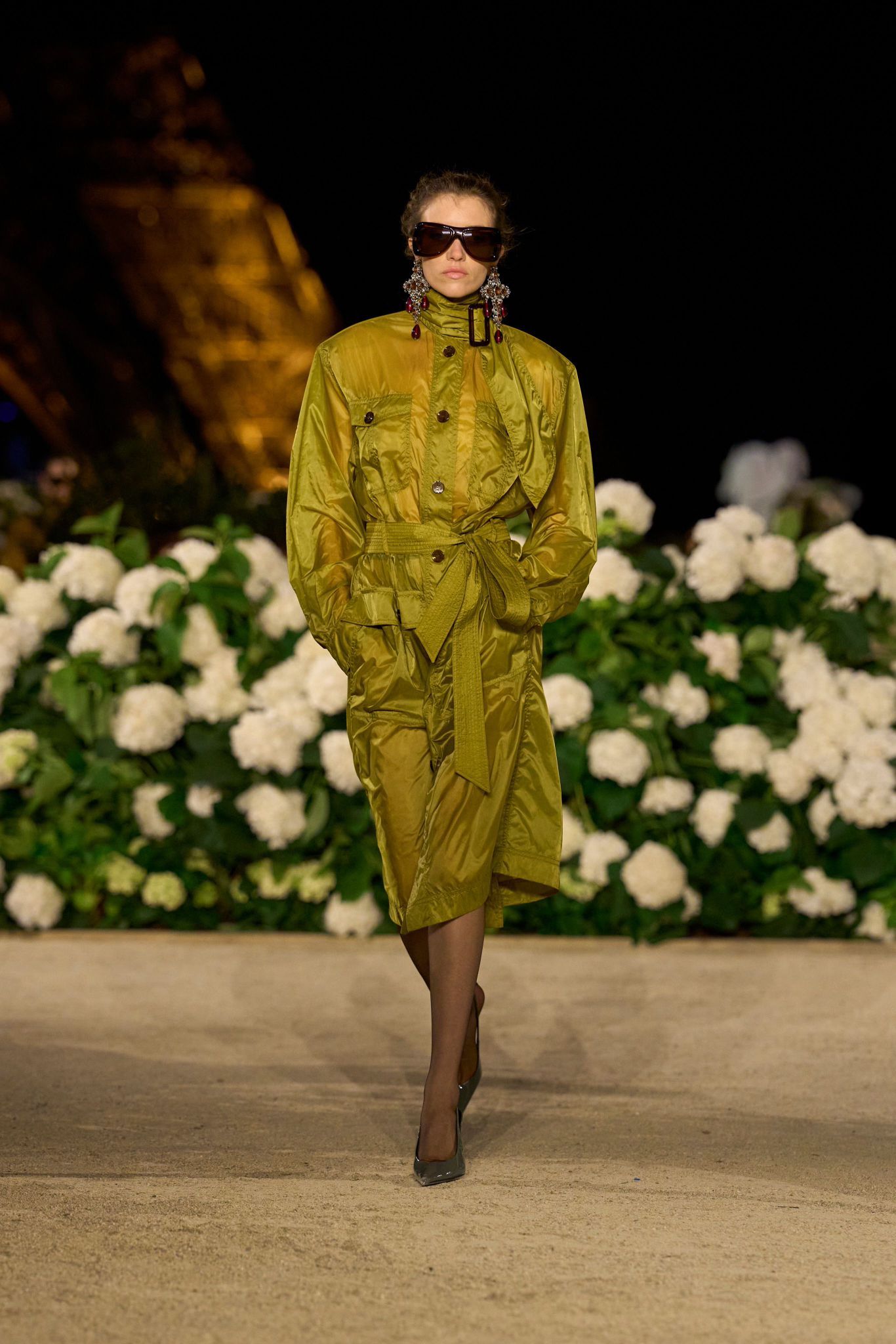
Saint Laurent SS26

Chloé SS26
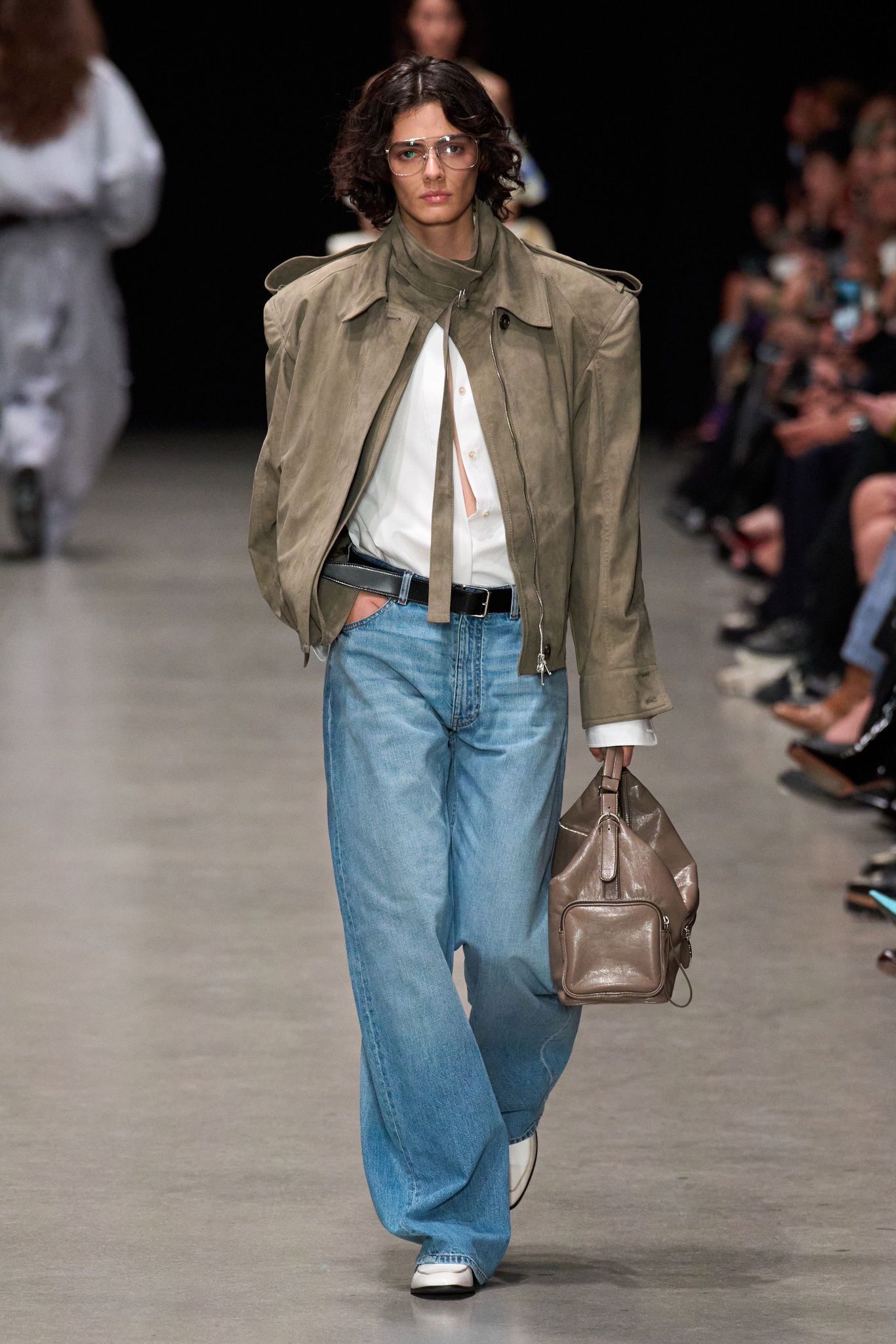
Stella McCartney SS26

Victoria Beckham SS26
The antisocial jackets, in fact, do not simply embody a protective fashion meant to defend the body from gazes and external agents but also carry a subtle and ambiguous erotic value. Haider Ackermann showed it in his latest show for Tom Ford, with jackets whose lapels folded inward, sealed by the models’ own hands. An intimate and mysterious gesture that, according to the designer, conveys discreet eroticism, played on secrecy and the seduction of the partially hidden body.
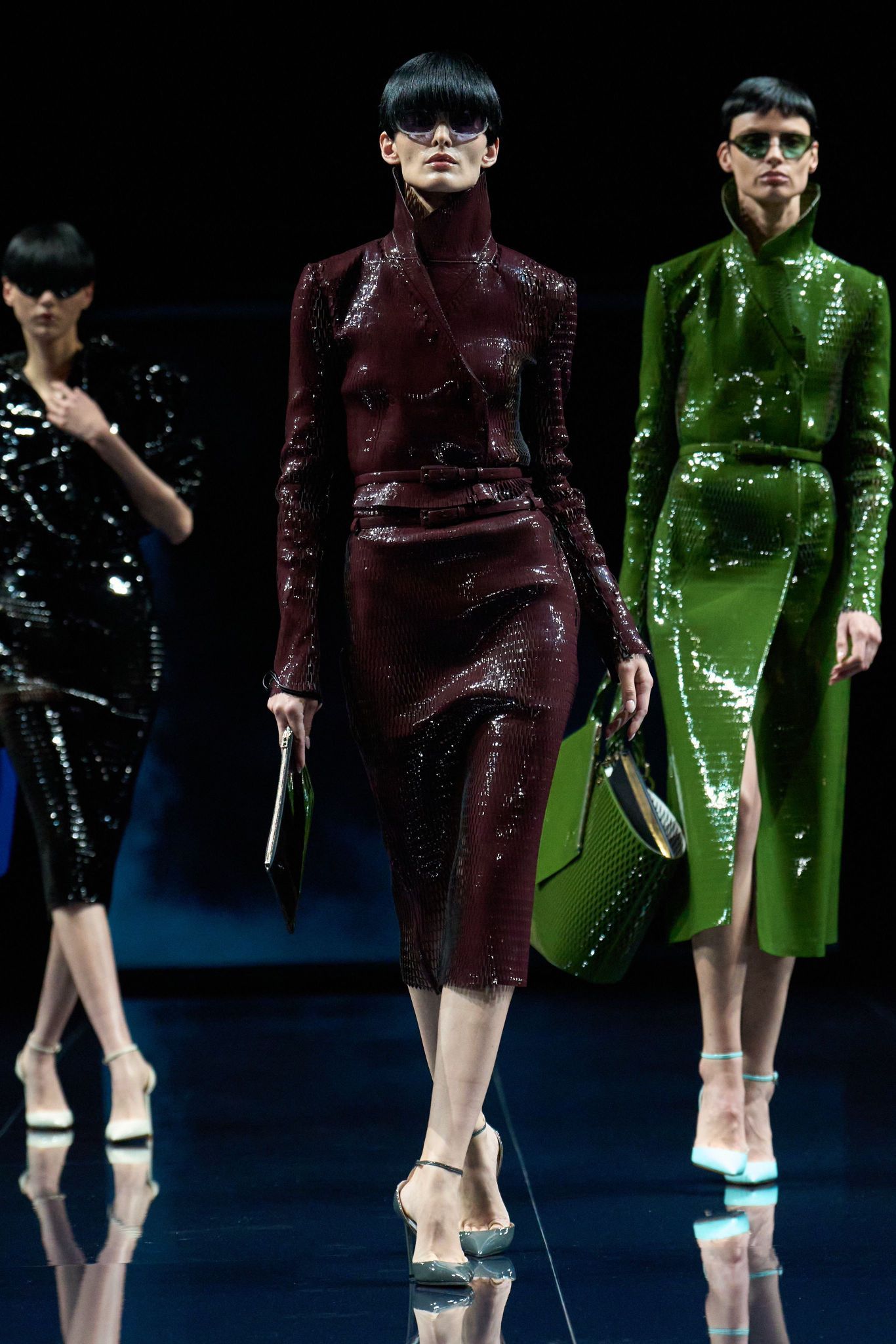
Tom Ford SS26

Tom Ford SS26
The antisocial jackets have appeared on runways with hoods and balaclavas. In the latest Courrèges show, Nicolas Di Felice, inspired by his recent trip to Thailand, designed jackets with built-in veils that have no religious origin but are real functional UV filters. At Vetements, we find fireman jackets with high collars framing the faces of models covered by a kind of semi-transparent balaclava that looks like it was made from a stocking. At Lemaire, the styling plays with layering: the French brand offers a triple combination consisting of a peacoat, a sweater with a maxi collar, and a wool balaclava, while at Kidsuper, Colm Dillane creates a sort of denim storm cape.

Courrèges SS26
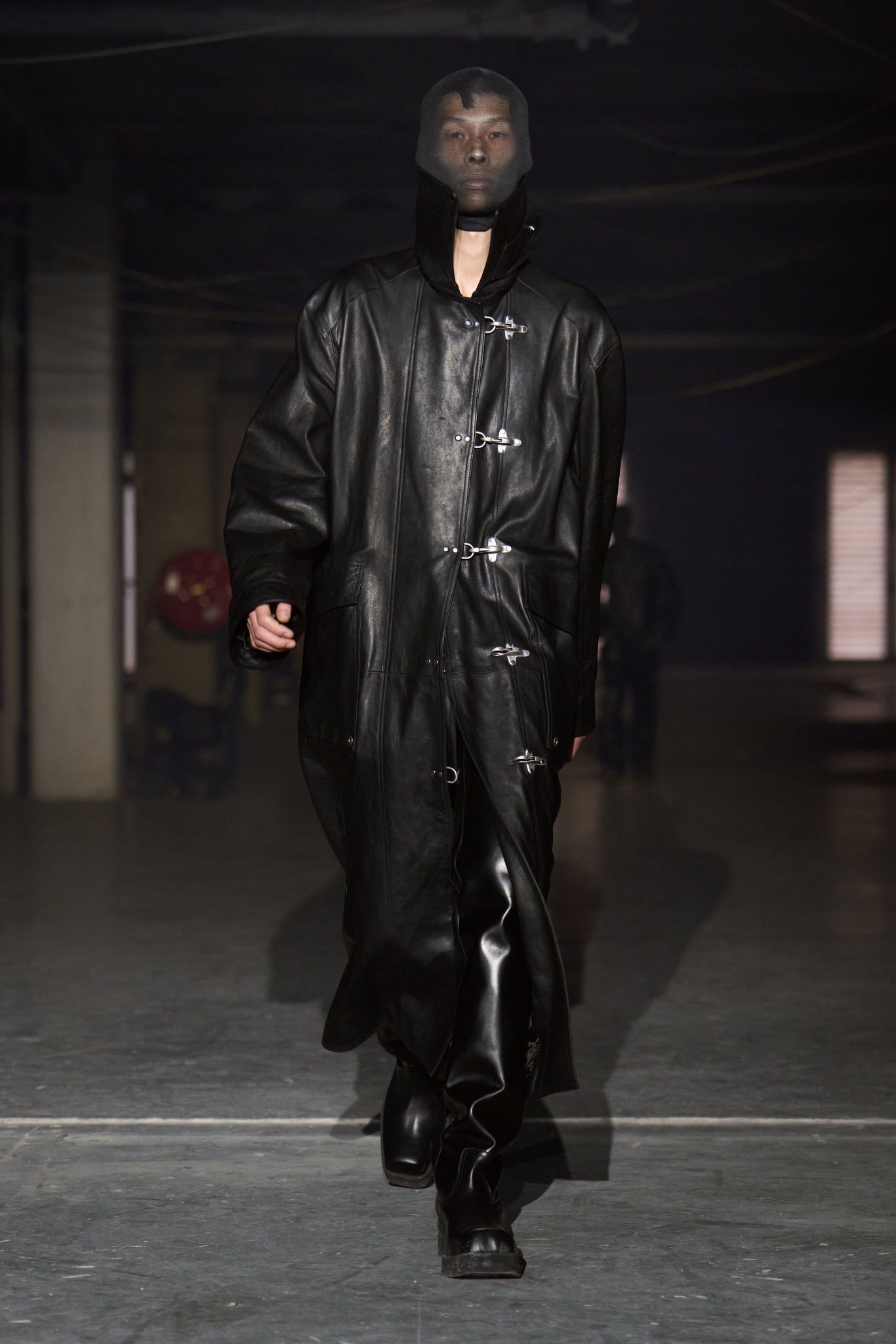
Vetements SS26

Lemaire FW25

Kidsuper FW25
Alessandro Michele also embraces this trend by using the balaclava in most of the looks of his latest winter collection for Valentino. These hoods, which seem to be incorporated into jackets and dresses, are a symbolic element connected to the theme of the brand’s FW25 show, namely the contrast between exposure and protection, between personal identity and public perception. Some designers prefer jackets with wide hoods that cover part of the face instead of balaclavas: Phil Oh, in his most recent Paris show for Issey Miyake, presented robe-like coats with enveloping hoods.
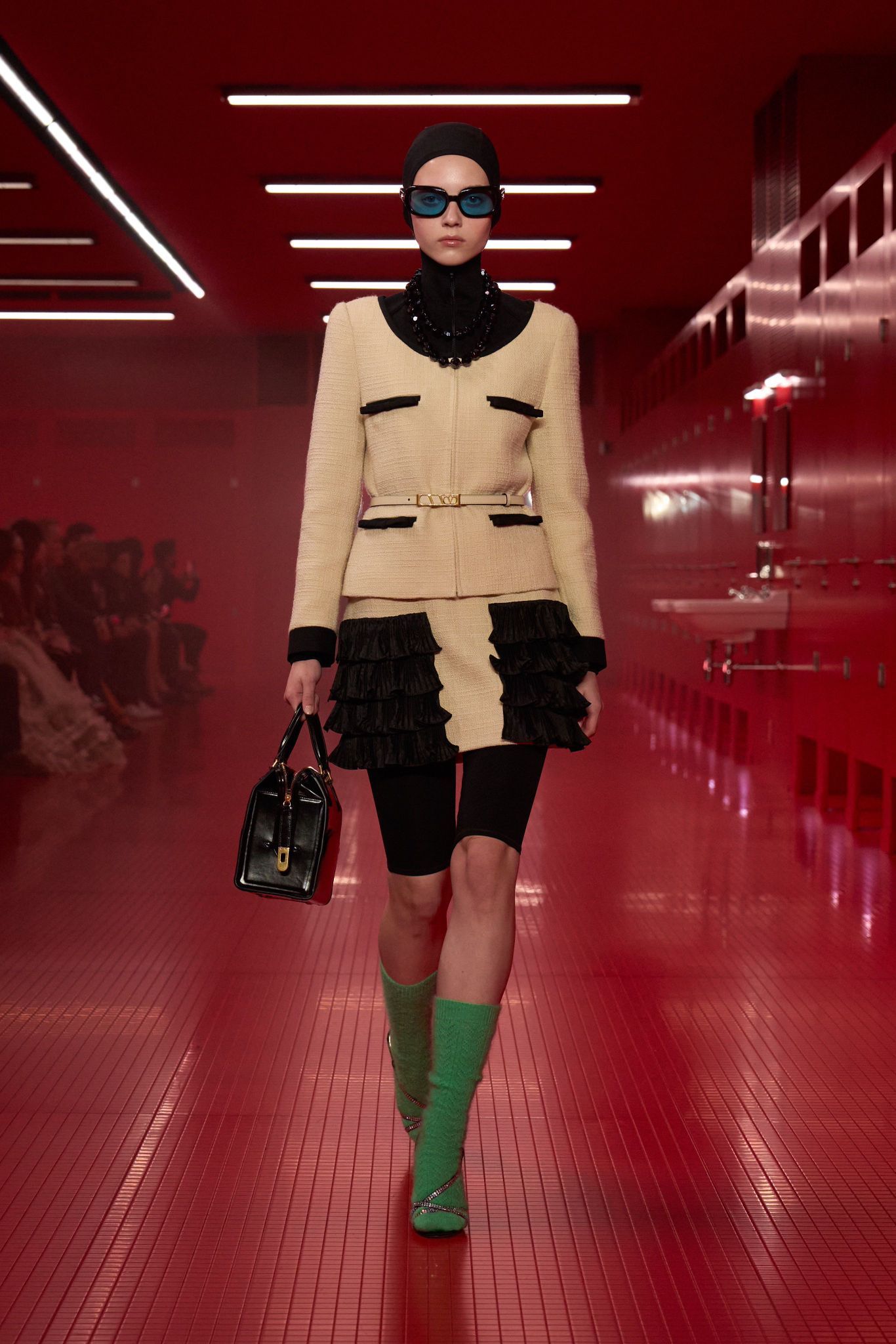
Valentino FW25
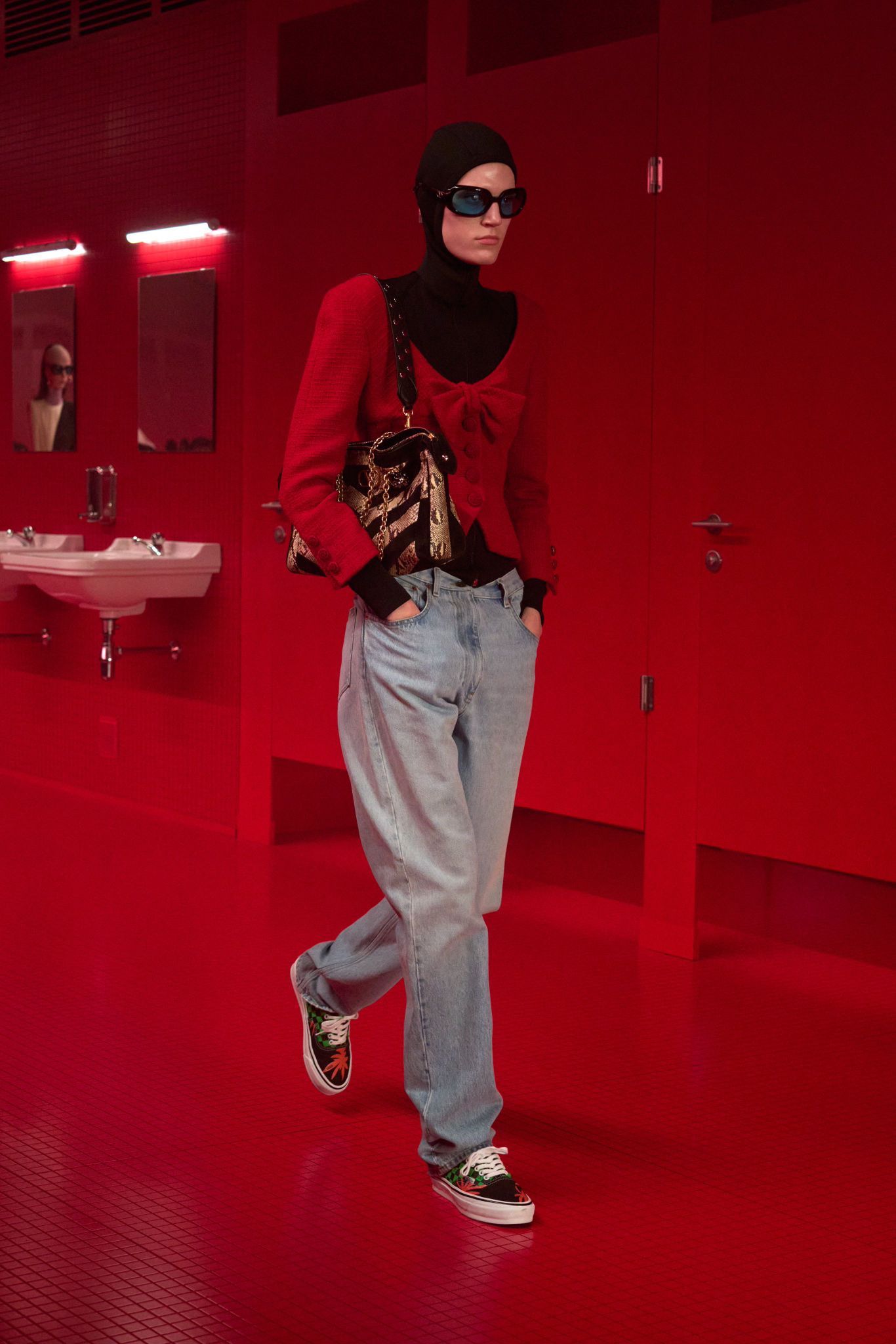
Valentino FW25
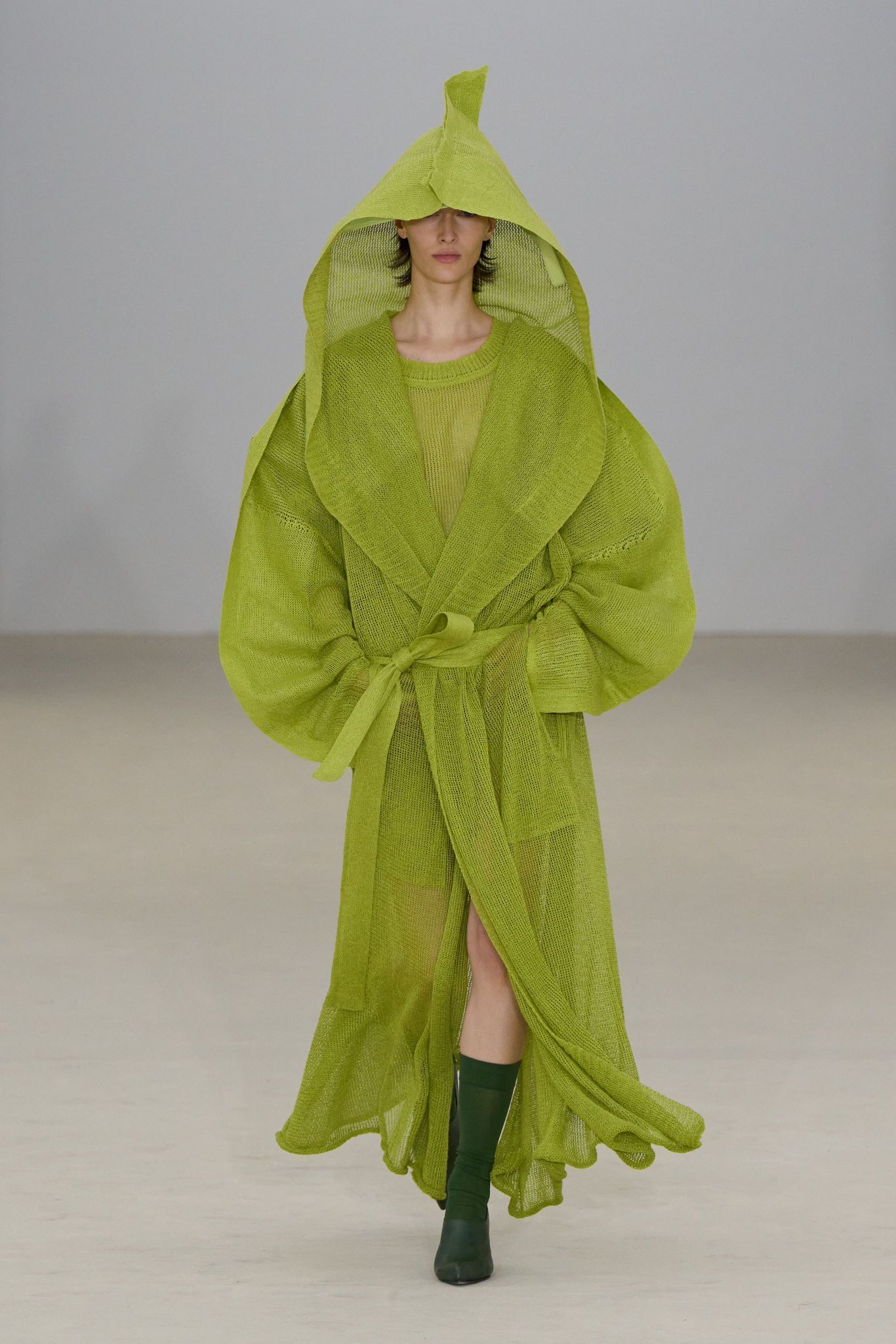
Issey Miyake SS26
The meanings of this trend cannot be understood without looking at the contemporary conservative political climate in which it develops. After all, telling someone to cover up has always been a way to call them back to a certain idea of decorum, of sobriety in dress, and thus of conformity to social norms. History shows that every phase of social control is accompanied by new, rigid forms of regulation affecting both codes of behavior and clothing, confirming what Michel Foucault identified in the body as a privileged site of power exercise. In this sense, wearing antisocial jackets can represent a silent form of adherence to the logics of surveillance and self-censorship that characterize our era.