
























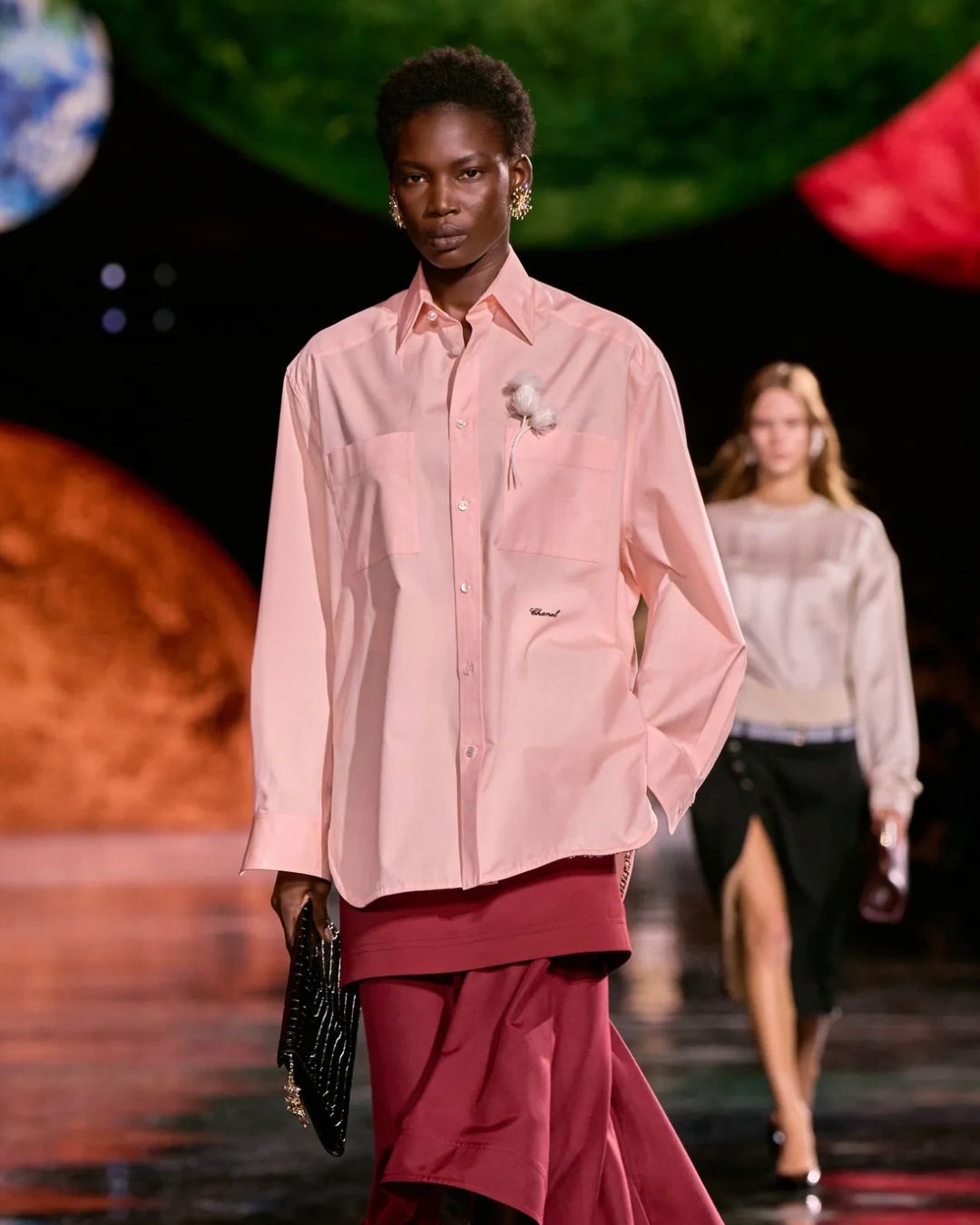
Who is Charvet, the institution that made Chanel a master in the art of shirt-making? From Napoleon to Paris Fashion Week, the world's first shirt manufacturer spans the centuries
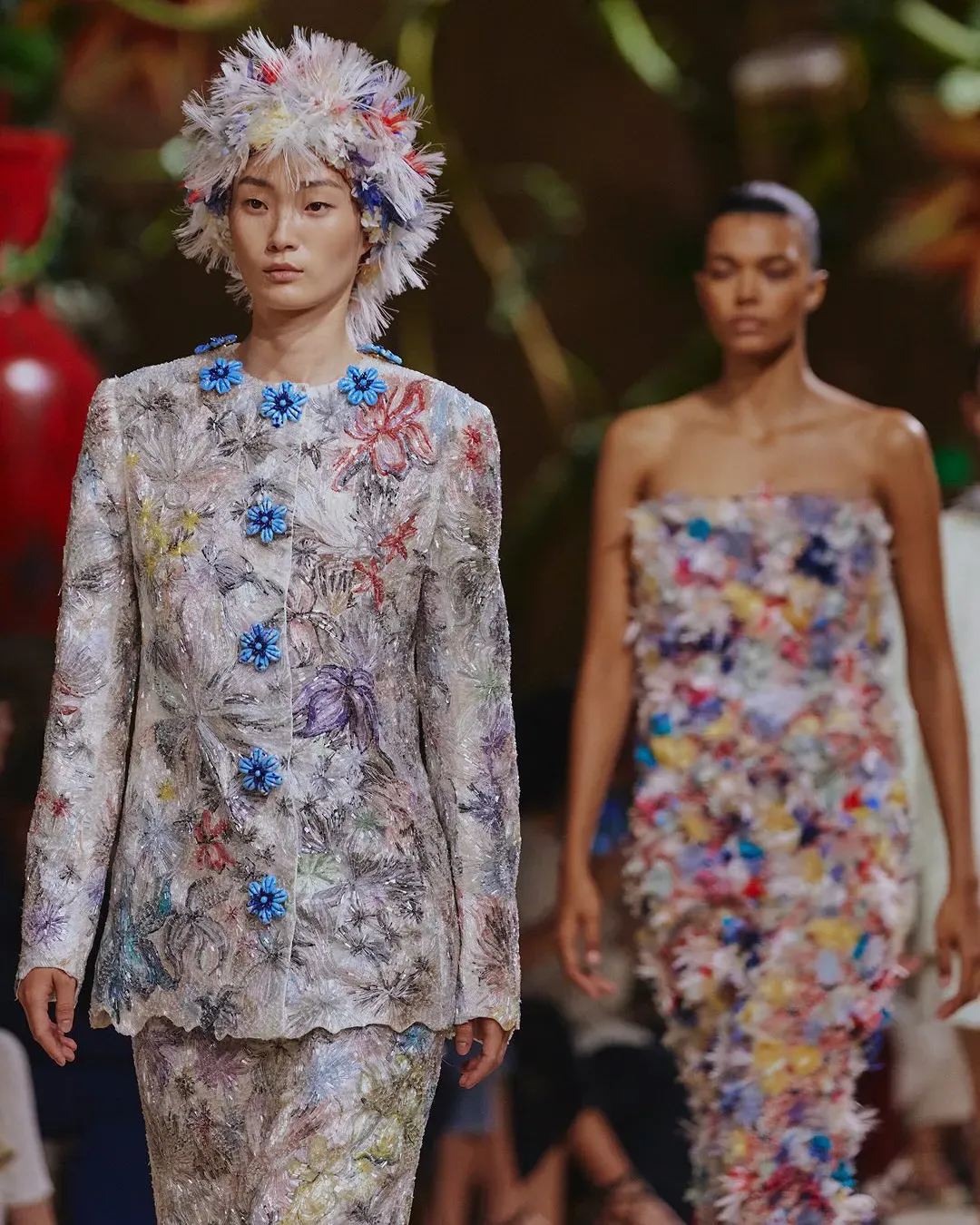
At the beginning of the 20th century, Gabrielle Chanel introduced shirts to the racks of the House bearing her name, and consequently into the wardrobes of women still trapped in corsets and suffocating tops. A century and a quarter later, Chanel, now under the leadership of Matthieu Blazy, decided to reissue these famous liberating shirts by calling on her longtime companion: Charvet. The FW25 collection recently presented in Paris — the first and highly anticipated one by the House’s new creative director — featured a multitude of shirts, sometimes loose, sometimes cropped, sometimes silk, sometimes striped, but always crafted with almost surgical expertise. But what is the story of Charvet, this shadowed Maison to whom Chanel owes many iconic pieces?
Indeed, although often hidden, it is important to shine a light on this family-run house, which is actually the oldest shirtmaker not only in France but in the entire world, giving birth to the very term “chemiserie.” An activity then reserved for drapers who had no store but visited their clients directly. It all started with the ten fingers of Jean-Christophe Charvet, son of Napoleon’s wardrobe keeper, who decided to open his own shirt shop in 1838. Very quickly, thanks to his architectural cuts, unmatched craftsmanship, and quality fabrics, the institution captivated all of Europe and gathered clients of the caliber of Charles Baudelaire, Marcel Proust (who even mentions it in his work “In Search of Lost Time”), Jean Cocteau, Charles de Gaulle, and François Mitterrand. In 1965, faced with a potential foreign sale that would have displeased General de Gaulle (a longtime client), Denis Colban, Charvet’s main fabric supplier, bought the company to keep it in France. He notably introduced colors and stripes into the collections and developed ready-to-wear. Upon his death in 1994, his children Anne-Marie and Jean-Claude Colban took over the boutique, and they still run it today.
Two centuries and many innovations later, after having toured the world and exhibited at the 1855 Universal Exhibition on the Champs-Elysées, Charvet is now returning to the runways, dazzled by the flashes of the Paris Fashion Week. Just like Chanel in her early days, who grew thanks to the bourgeois clientele of Deauville fleeing the war, “Charvet was fortunate to develop at a particular time, supported by a clientele characterized by wealth, talent and taste,” explain the Colban siblings to BoF. “Charvet once shared the same clients as Goyard or Cartier, whose tastes were both sumptuous and modern. Its clientele has always formed a cultural elite, transcending the boundaries of money and power,” they continue.
Charvet doesn’t just sell shirts — it sells an experience, a complete and unmatched service: “Our point of view is not that of a stylist or artistic director, but that of a house committed to surprising while maintaining trust. We have no catalog. We are philatelists, collectors. We buy, we renew, we respond to requests coming from everywhere. We are fortunate to have talented and demanding clients. Some buy ties they never wear, others order blue shirts, always the same ones, by the dozen; still others like to offer one to someone, to a friend, to introduce them to the house.” An elite clientele, certainly, but one that has become considerably younger over the past ten years, according to the Colban siblings, proving that even a House built on craftsmanship, expertise, and timeless elegance can conquer a young audience hungry for novelty.
Regarding this rekindled connection between the brand and Chanel, Charvet explains that it happened most naturally: “Matthieu Blazy knew the house. He called us; it all began with a meeting. The very idea of this collaboration was born — and remains — that of a conversation nourished by shared sensibilities. Gabrielle Chanel herself wore men’s shirts and pyjamas similar to those of her lover, Boy Capel. In 1929, Gabrielle Chanel, who designed the costumes for Apollon Musagète, chose to belt the muses’ tunics with Charvet ties. It is this first masculine-feminine gesture that Matthieu Blazy reinterpreted by calling on the house.”
It is indeed an obvious and deliberate tribute to its pioneer and her creations that Matthieu Blazy wanted to present at Chanel, with cotton shirts in poplin, piqué or Panama weaves. “We started with fabrics we developed ourselves. There were nearly twenty-four proposals in total to reach a color. The way we mix three shades of threads, depending on how they intertwine, determines a particular relationship with light,” explains Charvet. Today, the Parisian institution remains the oldest establishment on the Place Vendôme, the one and only boutique of this family business spread over six floors, and continues to assert itself as a true master of tailoring — one that neither time, change nor trends can weaken. A fine lesson the new guard of French fashion should keep in mind, whether they belong to great Houses like Chanel or are newcomers to the Parisian scene.