































Is the crisis over for LVMH? Well, let's just say things are less worse
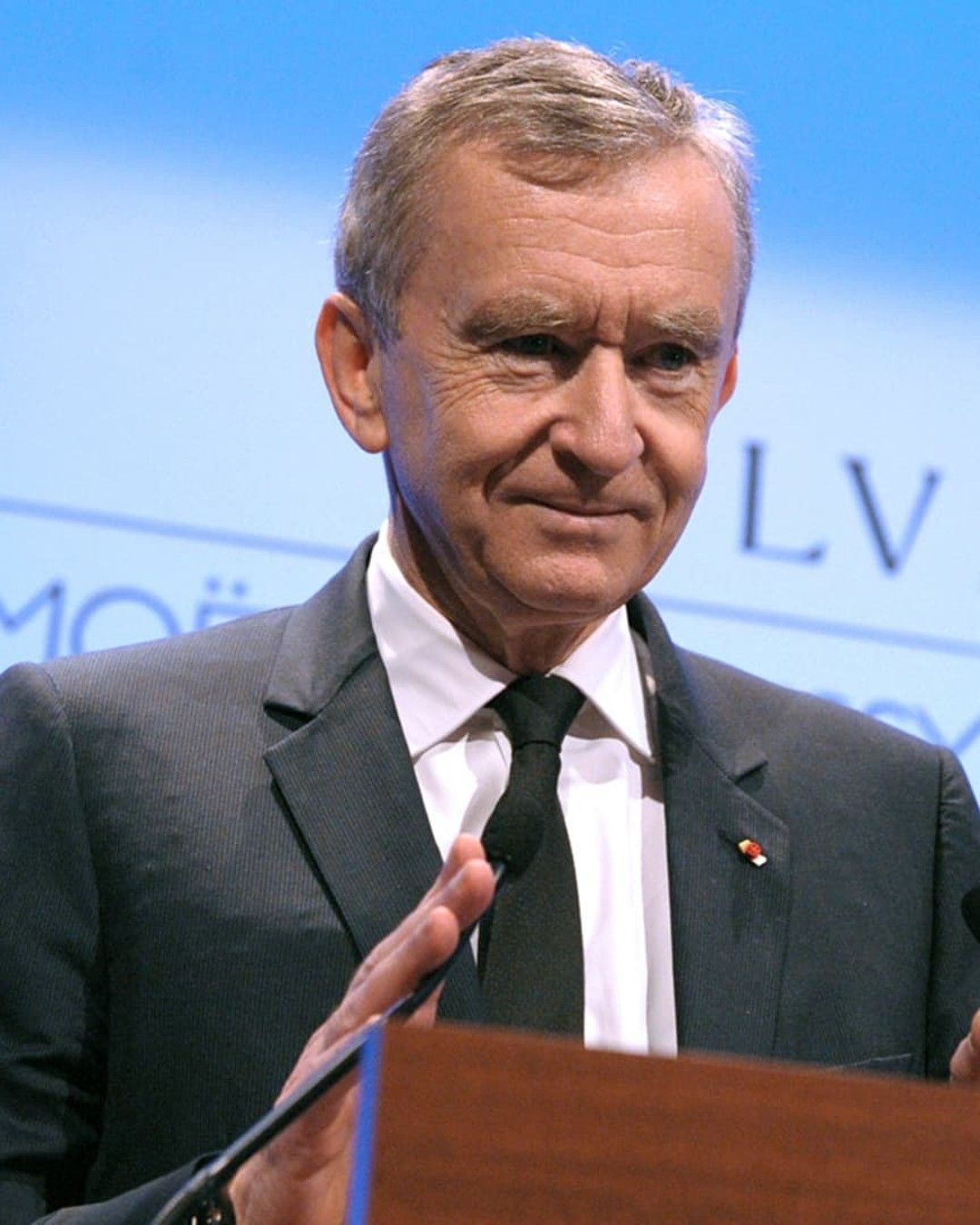
Yesterday, LVMH published the third quarter financial results of the year, which, while we cannot technically define them as positive, are however much less negative than usual since they show, for the first time this year, a modest sales growth. This data is important because it could indeed signal the easing of the crisis that has been hitting the luxury sector for over a year. With a 1% increase in revenue to 18.28 billion euros, the group exceeded analysts' expectations, which forecasted a 0.6% decline. A growth that breaks the negative trend culminated in the 4% decline recorded in the second quarter.
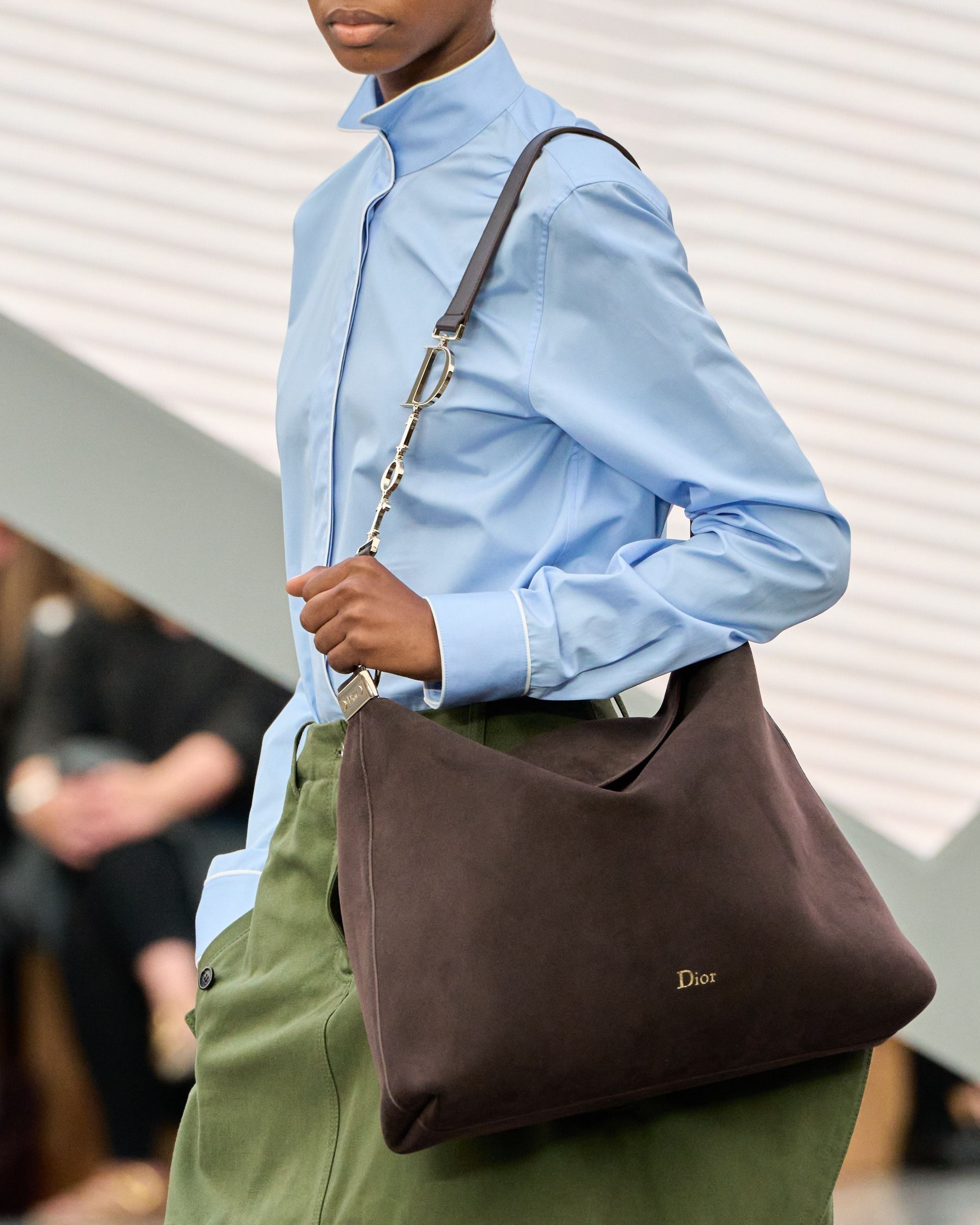
Let's be clear: these results do not reflect the success of the debuts of the new creative directors from a few weeks ago, whose products have not yet arrived on the market. For this reason, the group's top executives have expressed caution and stated that the fourth quarter will be the real test for an actual recovery. For Celine, Michael Rider's first collection will arrive in November, while the bags are already available. For Dior, the men's line will arrive in January, followed by womenswear capsules in the second quarter. In the meantime, the campaign with Mia Goth, Greta Lee, and Mikey Madison has revitalized sales of the Lady Dior while the Dior Toujours bag continues to perform well.
Fashion is still suffering, but the business is recovering
Rather than recovering, the main fashion and leather goods division has stopped bleeding. The department recorded a 2% decline in revenues, to 8.5 billion euros, which is however a clear improvement compared to the -9% of the previous quarter and better than analysts' estimates that anticipated a -4%. The group's most important engine, Louis Vuitton, performed slightly better than average while Dior, without exceptional results, has seen a «notable advancement» in all major markets according to Cécile Cabanis, LVMH's CFO.
Elsewhere things are going better. The retail department, which includes Sephora stores, luxury travel DFS, and department stores Le Bon Marché and La Samaritaine, recorded a 7% increase in revenues. Perfumes and cosmetics grew by 2%; jewelry and watchmaking also saw a +2%, with Tiffany and Bulgari fueling the increase. Finally, the wines and spirits section, which was in crisis and is now in a restructuring phase, bounced back sharply with a +1%, which disproved the initial projections of -4%. In general, it can be said that the recovery signals are good but still need to be confirmed by more robust results.
Asia and USA grow, Europe and Japan decline
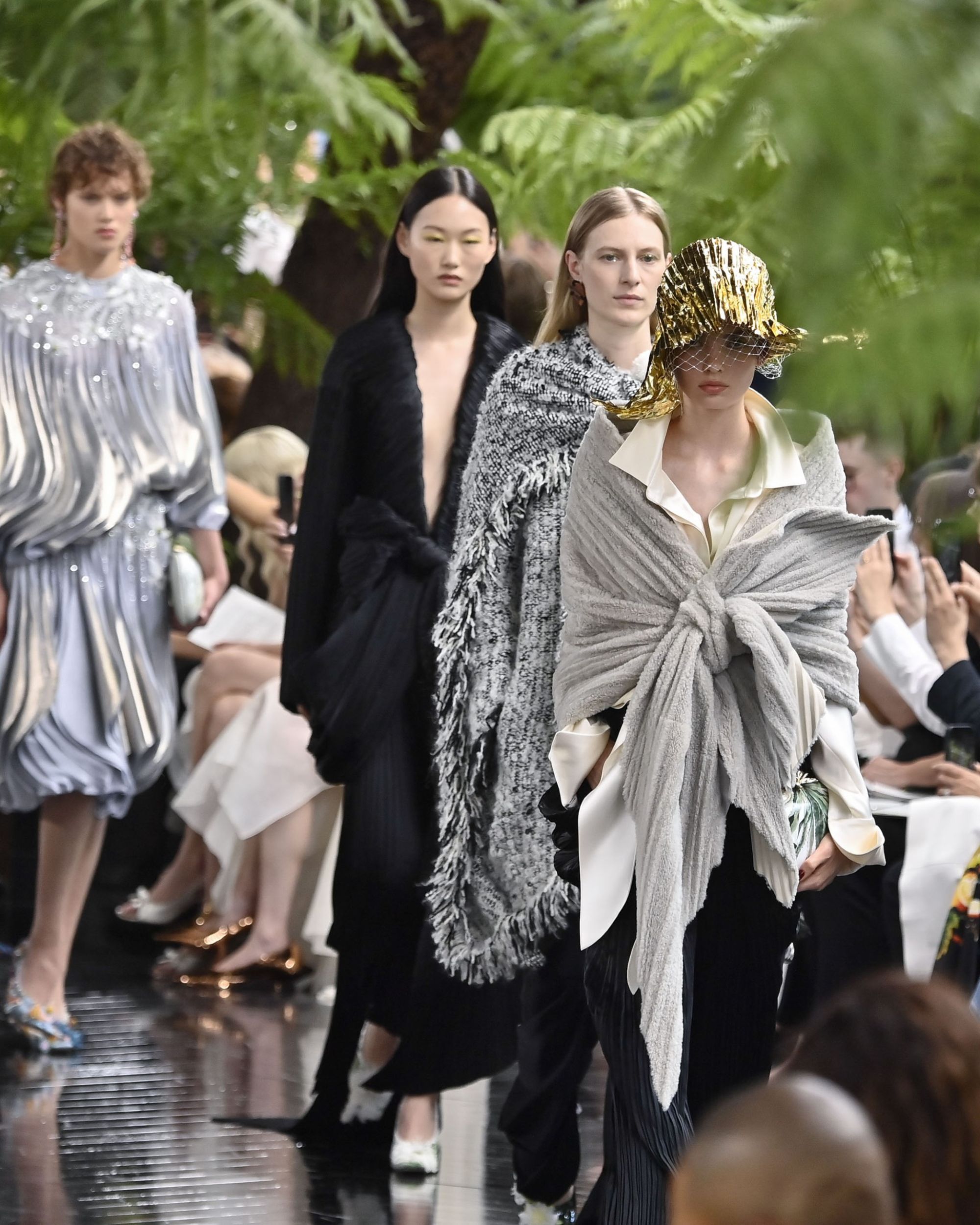
@lvmh Louis Vuitton Spring-Summer 2026 collection: Intimacy as an Art de Vivre. Presented at the Musée du Louvre in what were once the summer apartments of Anne of Austria, Queen of France, the @Louis Vuitton Spring-Summer 2026 collection celebrates the boundless freedom of private space. #LouisVuitton #LVSS26 #TikTokFashion #ParisFashionWeek #PFW son original - LVMH
On the geographic front, organic sales showed that the United States saw a +3% in sales. And perhaps that's why Dior recently opened new stores in New York and Los Angeles. The Asian continent, excluding Japan, saw a 2% recovery in sales, a very positive figure. On the contrary, Europe suffered a -2%, penalized by a decline in tourist spending linked to currency fluctuations while Japan closed with a -13%, better than the -28% of the second quarter, but still a result to improve considering the market's potential.
And the rest of the market?
As an industry, luxury fashion is in crisis.
— Steve Salter (@Steve_Salter) February 6, 2025
With a revolving carousel of creative directors, and now C-suite leaders, it’s clear that collectively, this industry is in mass panic mode.
The results have fueled renewed optimism among investors. LVMH shares, which have lost about 14% since the beginning of the year due to weak demand, a strong euro, and fears of US tariffs, have shown signs of recovery after the late June low and several analysts have revised upward their estimates on the stock. The climate is one of cautious confidence even if the problems are not over. Now we will need to wait for the rest of the results: Kering and Hermès will publish theirs on October 22, and according to many, there are expectations of an improvement for Kering and good growth for Hermès and Richemont. These updates will provide further clues on the sector's trajectory. While waiting to assess a more overall picture for the market, the problems do not seem to be over but LVMH's results seem to indicate an ongoing stabilization and a potential end to the black crisis.