

























Does today's fashion have a reference problem? In an uncertain present, the industry looks at the past
«Yes, but where’s the story?» was the most frequent question heard throughout the fashion month. There were also variations: «What’s the storytelling?», «Who is the customer?» and, not in question form, «I didn’t see the brand» and so on. In this latest fashion month, the discourse on brand identity, what constitutes it, and the plausibility of new creative directions was central. Demna, for example, successfully guessed Gucci’s identity even though for many the “true” Gucci was that of Alessandro Michele out of habit: his predecessor had failed precisely due to an absence of narrative. Identity thus exists but finding it is equivalent to guessing it, anticipating the public’s expectations. Defining it is impossible. But establishing a new identity is not easy, and during the month a clear pattern of derivativeness and similarities between one brand and another emerged, which, to mitigate, were masked by a strong recourse to references as a symbol of history, a sign of continuity, and affirmation of identity in a moment when everyone copies everyone.
«A trend starts and you find it in all brands, only the logo they slap on top changes», the person behind the anonymous page @insidethemood told us. «In this particular historical moment», they continued, «brands have lost their compass and forgotten how to tell their story». Changes in creative directors, runway collections rich in references for which, however, «in the showroom the commercial interpretation is entirely different», constant needs to reinvent themselves, and the pressures of a social media arena that is nothing short of ferocious have crumbled every form of recognizability. To better establish the features of each house’s identity, therefore, the respective creative directors have made extensive use of the so-called “references”, namely garments and designs pulled from the archive. Their importance has been greatly exaggerated by the fashion infospace, to the point that Duran Lantik’s declaration of not even having opened Gaultier’s archives sounded almost courageous. His provocation, however, prompted us to wonder: have we perhaps become dependent on the archives?
Why do so many brands seem the same as each other?
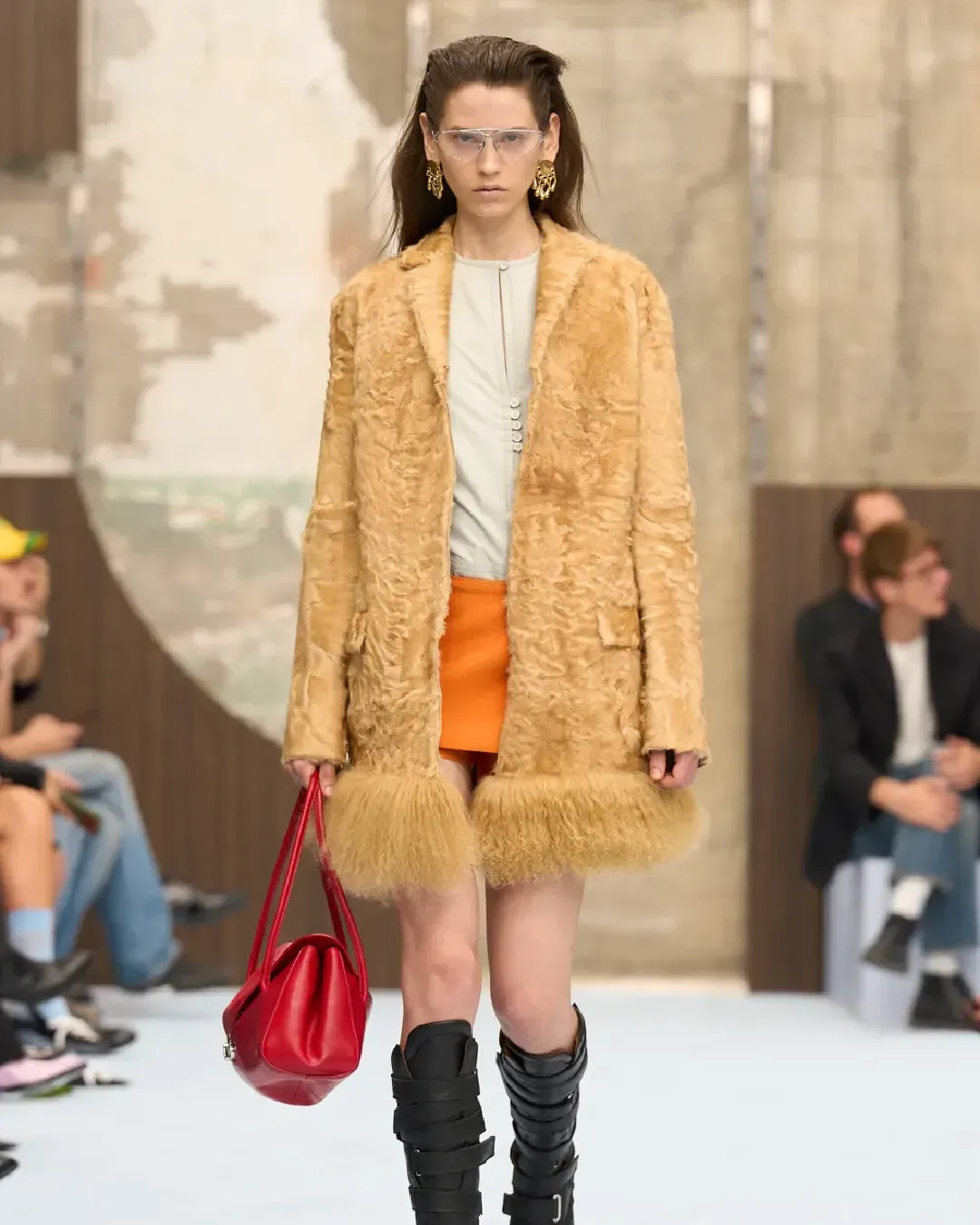
Before talking about references, it would be necessary to talk about imitations. Undoubtedly, in this period, the most copied designers are Miuccia Prada and Phoebe Philo. Miu Miu first and foremost, and then Prada too, have become in recent years precursors and creators of trends, and indeed an ever-increasing number of brands have placed themselves in their wake. Even those that wouldn’t need to “copy”. In the presence of cropped blazers and panty hems with visible logos, in fact, one can’t help but think of Miu Miu. And the same goes for elements like voluminous sculptural tops paired with sheer skirts; micro-jackets with tailored pants and a large belt; crystal-encrusted dresses and ‘60s-style outerwear in the style of Susanna Agnelli. The same applies to the many siphons from Prada’s archive, between references to ‘90s minimalism and ugly-chic combinations.
Interesting how Phoebe Philo is shaping the modern fashion world through her protégés:
— Las lentejuelas (@lentejuelassv) October 2, 2024
Matthew Blazy at Bottega
Daniel Lee at Burberry
Adrián Appiolaza at Moschino
Peter Do at Helmut Lang and his namesake brand
Nadège Vanhée-Cybulski at Hermès
Now Michael Rider back at Céline
The same goes for Phoebe Philo. The English designer did well to open her own brand more or less on the sidelines of fashion, a bit like the Olsen sisters of The Row, because literally every brand that wants to sell to sophisticated women of this world (from Givenchy to Stella McCartney, from Sacai to Schiaparelli, from Calvin Klein to Khaite) is plundering her archives as if there were no tomorrow. Deconstructed dresses, modernist volumes, pops of color entrusted to material accessories, abstract draping. All of it, of course, in severe palettes of grays, whites, blacks. Today, certain oversized pieces in soft colors that are a bit droopy but formal, suitable for a vernissage but not for the office, could belong to a dozen different brands all indistinguishable from each other. Phoebe Philo’s talent is also retroactive: both Chloé and Céline have recently restarted production of the Paddington and the Luggage stimulating sales not a little.
This problem of imitations is due to multiple factors. Executives, first and foremost, chase sales in an often blind and instinctive way, and thus, if Miu Miu or The Row sell, they must copy exactly them in the most obvious and blatant way – we wouldn’t have had the invasion of flat sneakers first and the boat shoes after. In the style offices, then, ways of making jackets, sweaters, dresses, and shirts have run out: after all, it’s impossible to reinvent the wheel. Moreover, according to @insidethemood, «with how fast fashion is going, with how the rhythms have become frenzied, it’s difficult for designers to focus and produce an original narrative». In this context, the value of the archive and references has emerged: signifiers of history as surrogates of identity.
The problem with references
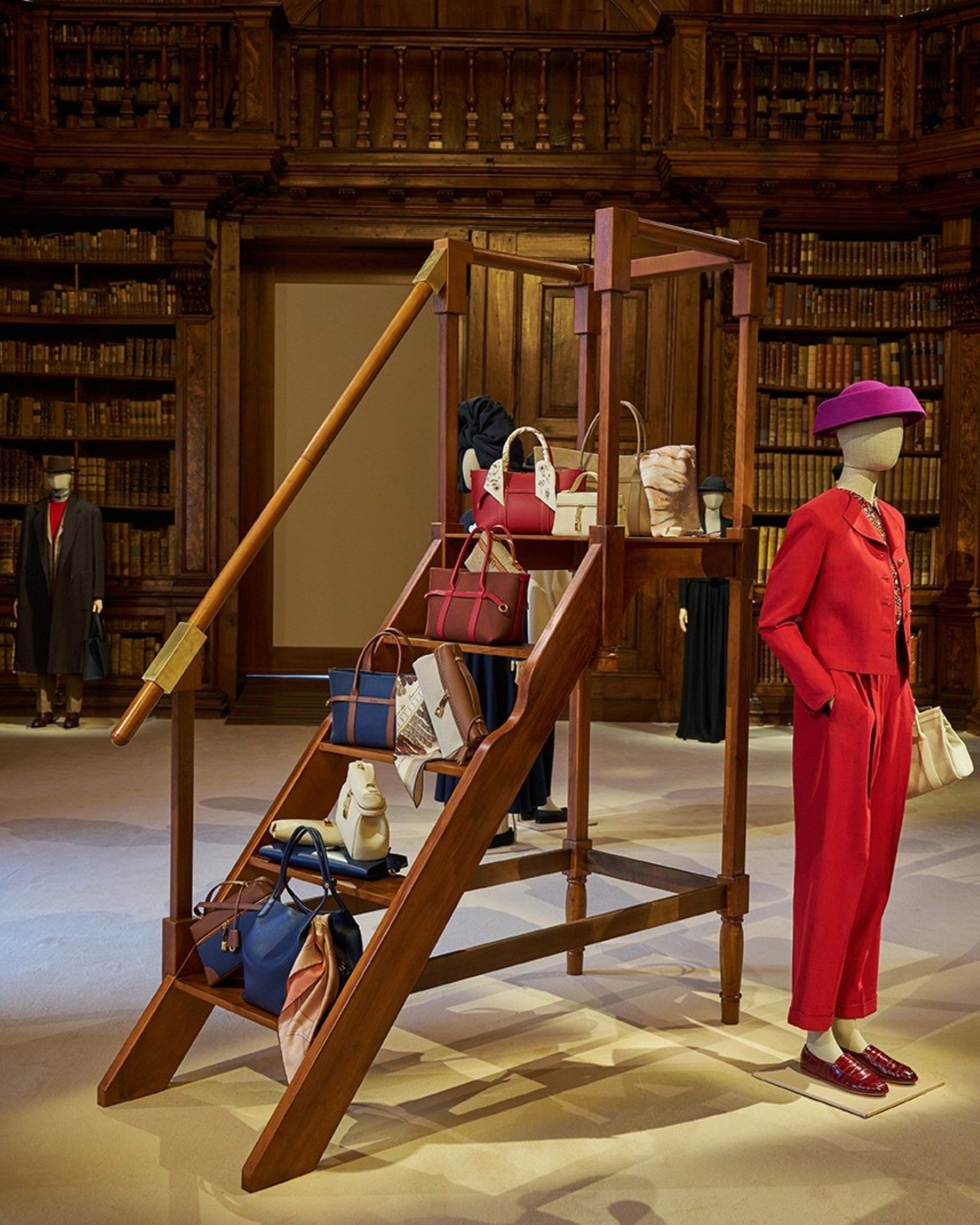
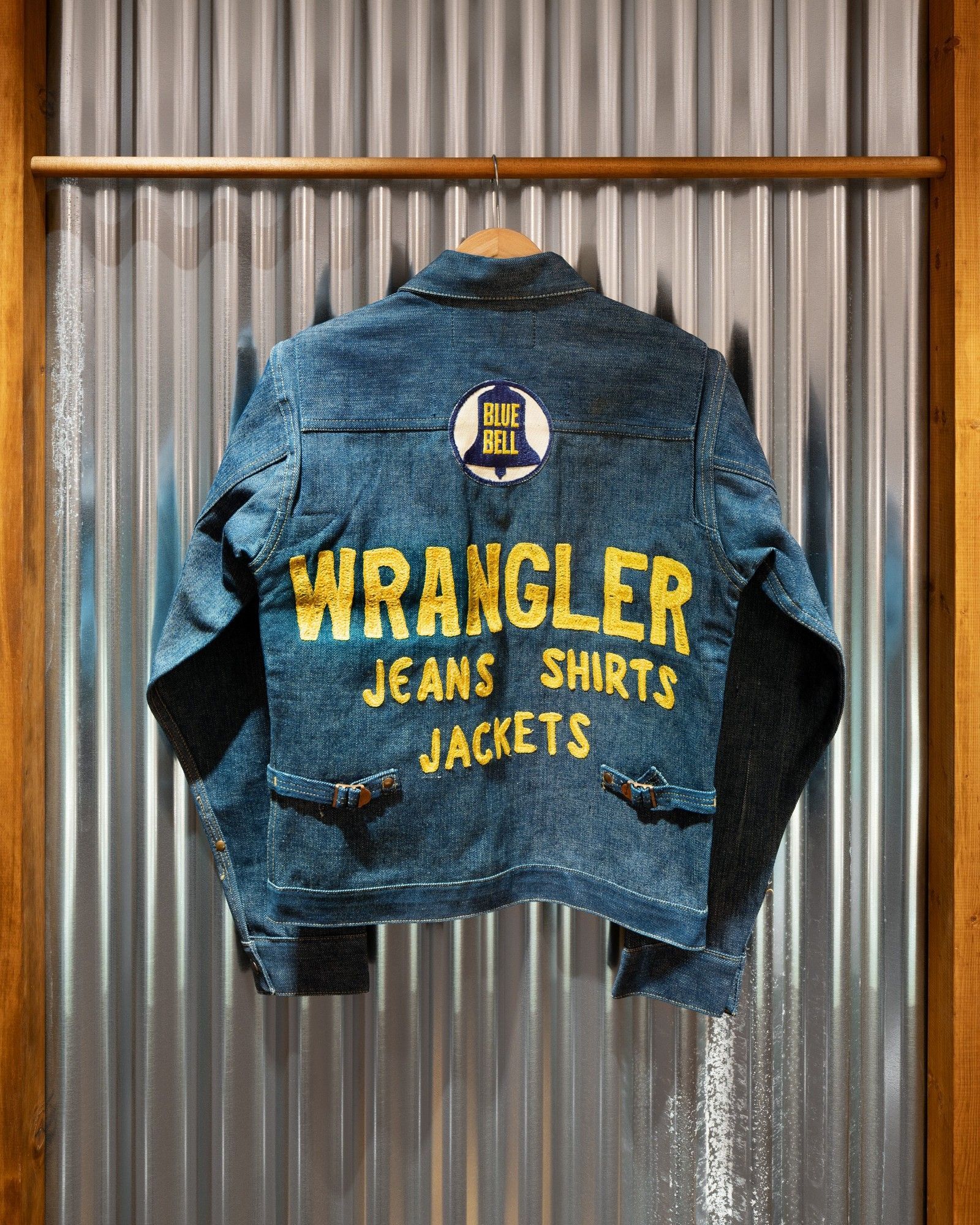
For @insidethemood, finding references in collections «has become something like the national sport» of insiders. «Given the speed at which collections are made, presented, and digested, references have become a security blanket for designers, to feel safe», explains the anonymous voice behind the account. «Certainly it’s a bit short blanket». A reference, in fact, is a bit like a promissory note: it promises value but it’s not legal tender. And that of references in historic brands is a gigantic speculative bubble waiting to burst. In a world where brands must produce and sell basic clothes, searching the archives for a principle of authority and continuity has become a ritual. And indeed, in recent times, all designers about to debut describe their wonder at descending into the archive, discovering this beauty, and reprising heritage pieces that, however, are not the fruit of new ideas.
Another problem related to references was stated with great precision by Argentine designer Sofia Abadi who wrote this on Twitter: «Fashion is stuck because, having unlimited access to images, we continue to reference the past literally. We create clothes inspired by other clothes, seeking ideas for fashion within fashion itself. Once, designers had an external obsession and used fashion to tell us about it». A theme echoed also by @insidethemood, for whom «designers should take references from the archive but should still filter them through their own references: their lived experiences, their cultural background, the films they love, art. And make it all accessible to the modern public». A reference is like a joke: if you have to explain it, it doesn’t work.
For @insidethemood, however, this search doesn’t serve to «comfort the public» through signals of stylistic continuity. «In my opinion, more than the public, it’s the designer who is comforted by slipping in a reference», they say. «They can say they did what was in the archive and feel reassured». An intellectual game of hide-and-seek reinforced also by the press. More and more articles replace thoughtful criticism with a recap of a show’s references. The public apparently craves it: according to the page manager, posts «with the most “lowbrow” reference» get more engagement from the public even though «the ones I love making the most are those where within the brand I find references to worlds outside fashion».
All these dior "references" tweets are killing me https://t.co/FVxzXkYT0u
— Chungmuro Rose (@chungmuro_rose) October 1, 2025
The result is the creation of useless distortions through decontextualized quotes. A certain look from Jonathan Anderson’s Dior had the face covered by a lace element: a bizarre detail if you don’t know that the same element was in a Haute Couture collection that Yves Saint Laurent created for Dior almost a century ago. From Saint Laurent, instead, many of the puffiest outfits referenced a collection that, in the ‘70s, the founder had created inspired by the Proust Ball, that is, an elegant masked ball that the Rothschild barons had given by dressing as early 1900s gentlemen. No one asked what relevance this quote had to the present, why it was chosen for this collection and not the next. Two looks from the latest Blumarine were almost photocopies of a look from Tisci’s Givenchy and another from Rahul Mishra, two extremely different designers. Not to mention how Matières Fécales and Dilara Findikoglu, though talented, depend largely on Alexander McQueen without possessing his technique: good ideas but second-hand.
The list could go on. The feathers on one of Mugler’s looks or the fake lion’s mane were they a true inspiration from creative director Freitas or were they triggers for nostalgia from collections with a completely different concept? Even Dario Vitale’s collection for Versace becomes more understandable by studying Gianni Versace’s ‘80s collections, but what did those who don’t know what Versus, Versace Jeans Couture, and even the Istante line were think? Those critics who remembered got it immediately, even saying that the Versace we were used to until now was Donatella’s, different from Gianni’s. There were those who didn’t understand, understandably. But at this point who establishes the “true” identity of a brand? One might say that this identity is the result of a negotiation between the brand itself and the public. However, there is a lack of an objective criterion for definition that cannot be entirely entrusted to history. The principle of fashion, after all, is immanence, the most pressing actuality.
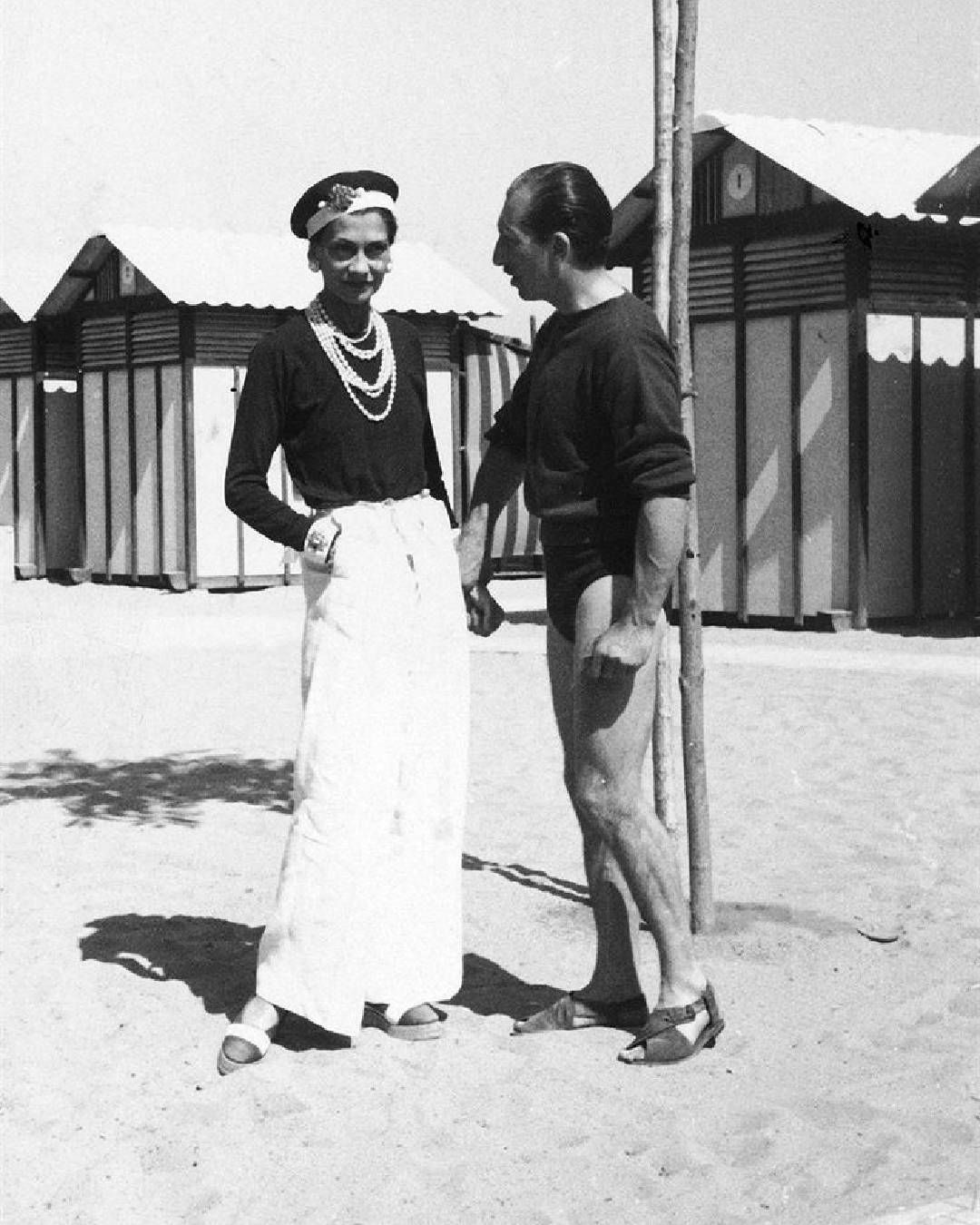
Sometimes the quotes are impossible to grasp without an explanation: at Chanel, the shirts were co-signed by Charvet because they referenced Arthur Campbell’s Charvet shirts that Coco Chanel, his lover, had started wearing. Wonderful products, but why does it take reading a history book to appreciate them? Does the referential detail increase their intrinsic value or does it only concern the intangible perceived? We can’t answer off the cuff, but one thing is certain: reference experts are seeing too many of them. «This constant re-proposing of pieces pulled from the past is starting to bore me a bit», concludes @insidethemood, who now prefers references «to a film, a sculpture, a design object, a book, music. Really anything».
Getting off a running carousel
«[Fashion] it kind of hit a ceiling. I think now what fashion needs to do is to rethink its own model […]. What needs to be done is a deep work on what fashion stands for. Who is it for? What do we want? […]. Everything cannot be done just by communication, image, putting something on a celebrity. […] I think we are at a stage where fashion needs to re-imagine its own narrative. Luxury is not enough anymore. It’s expensive and it’s rare, so it’s good? That’s not enough», said Mathieu Blazy to BoF these days. We fully agree with him. What distinguishes fashion from simple clothing is its cultural baggage. «It would be the moment for brands to slow down and perhaps rediscover their own identity and be able to say what they must always do without necessarily having to make internal references», said @insidethemood. In fact, by repeating their own past without producing design for today’s context and remaining out of reach of the masses, fashion has lost their attention because, simply put, it no longer concerns them and no longer knows how to produce culture as it once did. By ceasing to look at the broader world context, fashion has become irrelevant: a bubble where the noise of the world doesn’t reach. Just think that during Paris Fashion Week the French government fell for the umpteenth time and during Milan Fashion Week there were huge marches in Milan and throughout Italy that substantially paralyzed the city.
A disconnection from the present that has not gone unnoticed. On Puck, Lauren Sherman noted: «Fashion is no longer at the center of the culture as it was even three or four years ago, and designers and executives must now figure out what role it plays in the lives of those who consume it». Echoing her is Vanessa Friedman who at the opening of fashion week wrote: «Fashion is teetering on a relevancy brink, at risk of toppling off. [...] Going through the same motions again and again, and taking refuge in nostalgia at this moment of high anxiety [...] may be tempting, but it is making the whole proposition seem increasingly disconnected and static. [...] How to connect fashion to the urgency of the moment, and thus get distracted, jaded, fearful people excited about the transformative potential of clothes is one of the questions hanging over every collection.» At this moment, however, the only feeling is that those who watch fashion and those who sell it are going in opposite directions: the former continue to dream of Galliano and McQueen; the latter seek only to figure out how to reach their wallet.