.gif 2000w)








How to recognize the '80s style A possibly useful guide while waiting for the upcoming revival
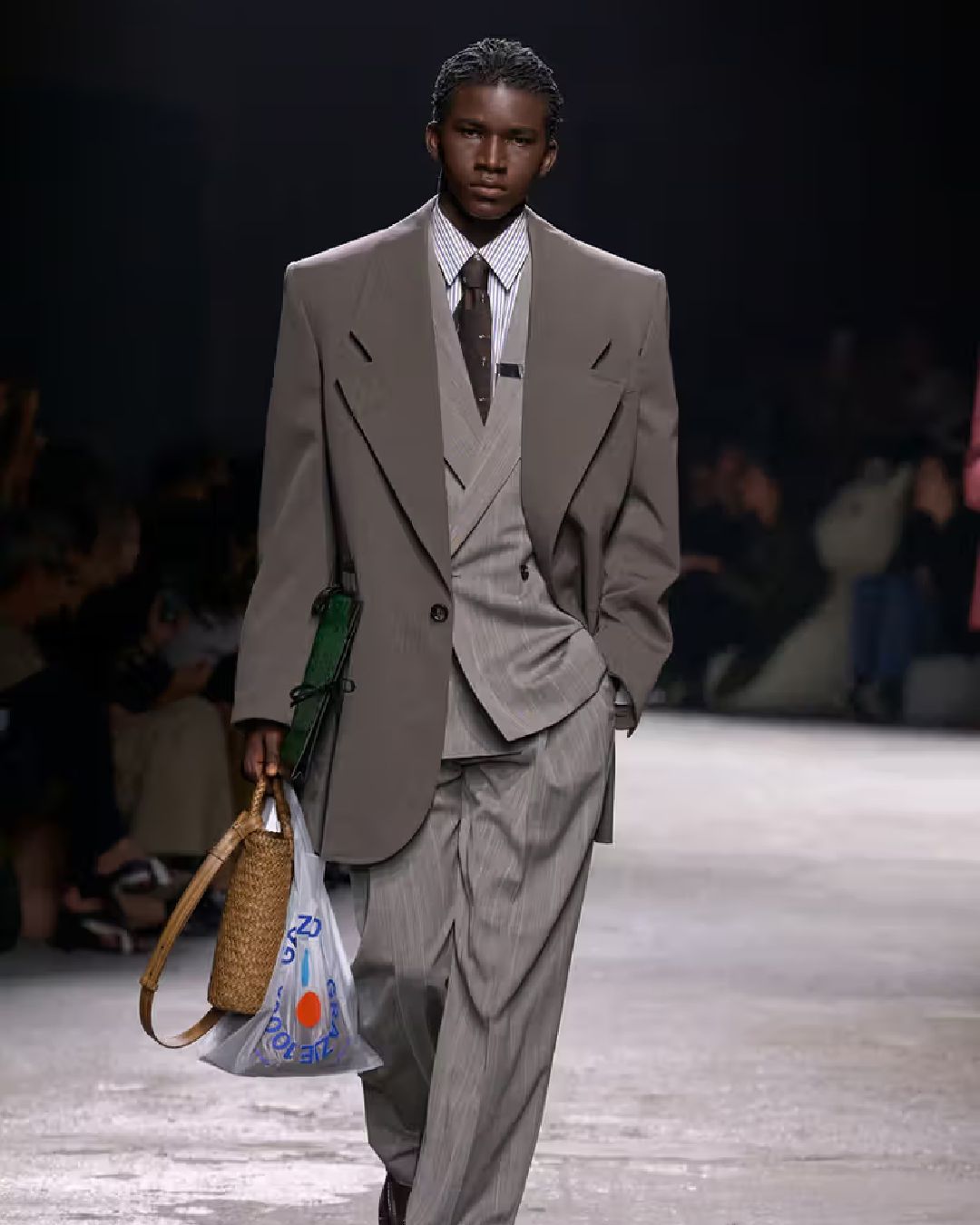
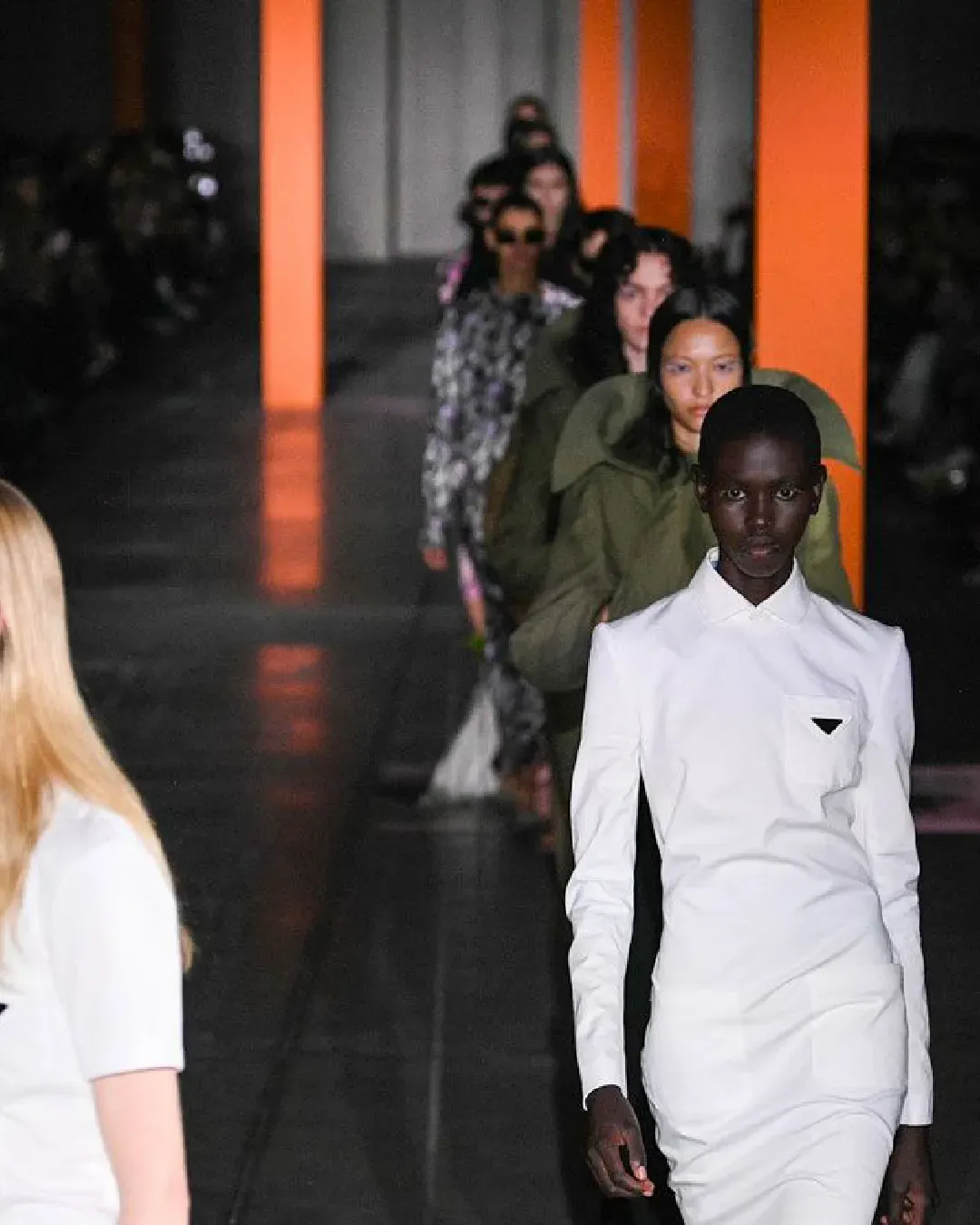
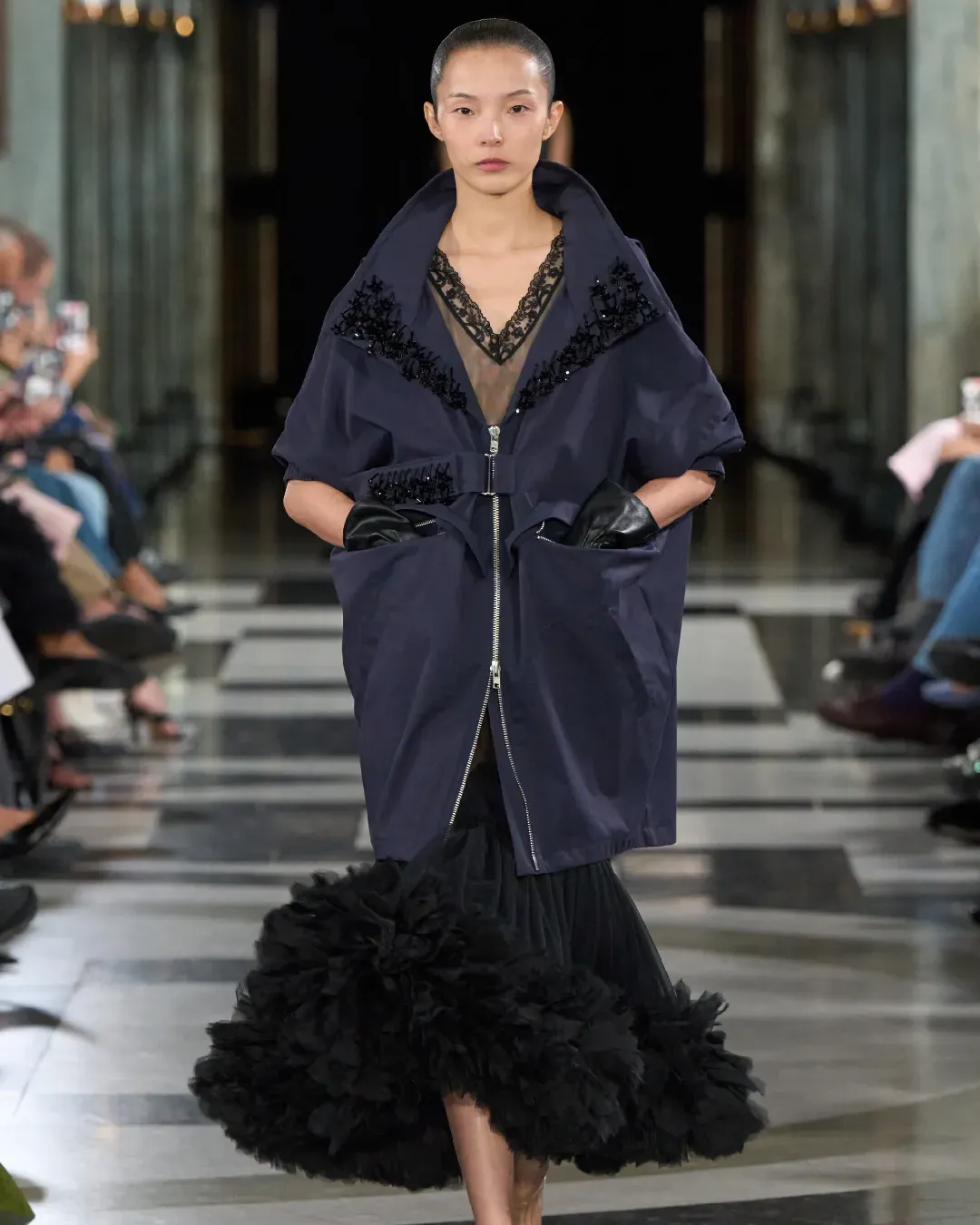
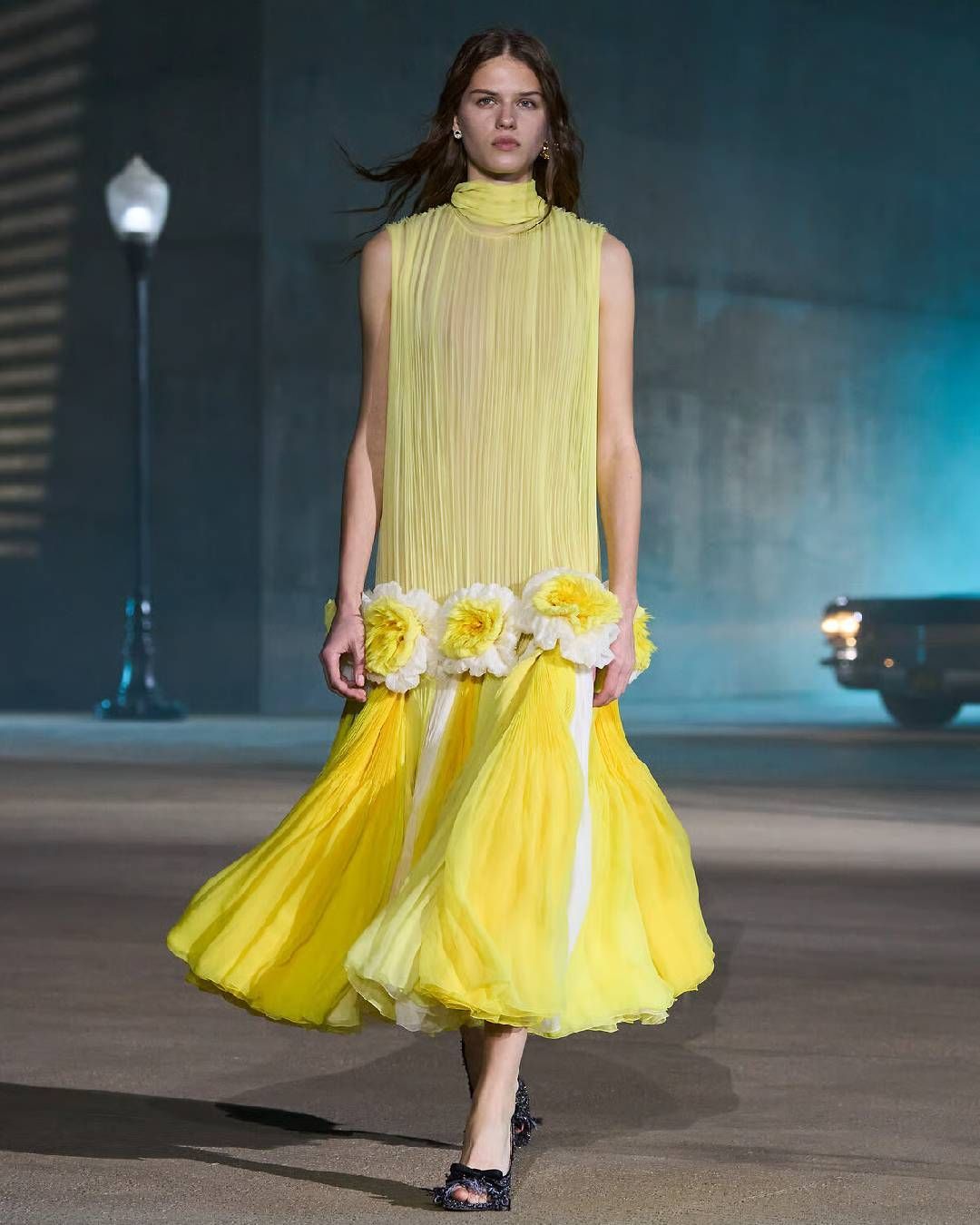
Preppy shirts and club ties, ruffles, scarves, mega-shoulders and high-contrast bright colors, floral prints for spring, sportswear, striped shirts. Looking at many of the runways, from Versace to MaxMara, from Celine to Chloé, passing through the menswear of Dior and of course Saint Laurent it seems that a revival of 80s fashion is now imminent. There's only one problem: the new generations never saw the 80s. And while Millennials can draw from images of old movies that Gen Z no longer watches and even from the closets of grandparents and parents, for anyone born after 2000 the 80s are at most a Pinterest moodboard created after a binge-watching of Stranger Things. But how do you recognize the 80s style?
Understanding the Spirit of the 80s
The aesthetic of the 80s was represented by exaggerations in volumes and colors (often neon) proportions as dilated as the ambitions of their era and synthetic materials like lycra and lamé. All an exuberance of shapes, colors and materials that responded to the consumeristic and assertive spirit of the Reagan and Thatcher economic boom, to the triumph of yuppie capitalism against the recession of the 70s, influenced by the novelties of MTV, aerobics fitness and increasingly interesting subcultures like punk and hip-hop. In high fashion, they were the years of Giorgio Armani and Gianni Versace; Gianfranco Ferré designed for Dior; Issey Miyake, Rei Kawakubo and Yohji Yamamoto were new and fresh names; Mugler, Romeo Gigli and Jean-Paul Gaultier organized overflowing shows; Vivienne Westwood debuted with her "pirates" and created the uniform of the New Romantics. Christian Lacroix and Claude Montana defined a new maximalist spirit while Azzedine Alaïa, Norma Kamali and Donna Karan sculpted the body in lycra. On the radio, of course, David Bowie was playing.
Some key moments defined the style of the decade. The launch of MTV in 1981 democratized pop style, especially that of Madonna. Designers like Saint Laurent and Thierry Mugler codified the female power suit, reprised in the giant-shouldered suits of Melanie Griffith in Working Girl (1988) and which still defines the era today. In 1983, Flashdance was the watershed film: it popularized aerobics outfits, with ripped leotards and headbands and defined the passage to an image society (the film had little plot and vibes to sell, plus insane music) that triumphed for the rest of the decade. In 1984 Jean-Paul Gaultier revisited corsets and ruffled skirts, which then influenced Madonna's punk outfits in Desperately Seeking Susan (1985). Finally, the arrival of Rei Kawakubo of Comme des Garçons in Paris in 1981 introduced into the collective language deformations, deconstructions and asymmetries that were reflected in many anti-conventional garments of the era like batwing sweaters or harem pants.
How Did Women Dress in the 80s?
@history Any of these #1980s trends you'd want to see make a comeback? #History original sound - ilovethe80s
In general, the 80s were an era where the sense of kitsch was not perceived. The aesthetic favored curves accentuated by structured shoulders and new elastic fabrics, which symbolized both enthusiasm for new technologies and female empowerment in an era of professional and sexual emancipation. Not missing were brooches and scarves, teased hair, leg warmers and all a visually "heavy" apparatus that in the 90s the minimalist wave would clean up for about a decade. The trends ranged from power dressing with oversize blazers and shoulders with huge glasses, to pleated miniskirts and many bodies and leggings coming from the aerobics world: the cult of the gym and the muscular, tanned body was born precisely in the 80s. Iconic outfits of the era include the asymmetrical cut leotard with sweatshirt and pink leg warmers of Jennifer Beals in Flashdance from 1983, but also the structured suits with multiple pearls, voluminous blouses and midi skirts of Joan Collins in Dynasty.
Jennifer Beals
— Ms. Movie (aka Yeppers) (@mrskeatz) September 22, 2024
Flashdance (1983) pic.twitter.com/OeSPtSDdp4
It was an era in which dressing was not post-ironic: it was all literal and unsubtle. From mega-polka dots to somewhat cartoonish sweaters of Iceberg; from visible white knee socks to high-waisted jeans and overalls. Even shirt collars were popped, prints were all colors and geometric shapes and, a bit like Sigourney Weaver in the first Alien or April from Teenage Mutant Ninja Turtles, one-piece overall-style jumpsuits were hugely popular. Obviously everything was highly decorated: jumpsuits shimmered, draped; blouses were silk and full of bows and puffed sleeves; sweaters had batwing sleeves, evening dresses were an orgy of ruffles, ribbons, sparkling fabrics. Belts were worn at the waist over shirts and sweaters while the element disappeared into the mists of time is the “day dress”, more formal and important than the classic casual little dress and, for us moderns, closer to wallpaper than fashion. It was an era of accumulation and decoration.
And Men?
If you want to understand how people dressed in the 80s, look at your dads. Suede jackets and boat shoes, bright or pastel polos, aviator glasses like Tom Cruise in Top Gun or the Wayfarers of the Blues Brothers. The preppy aesthetic, that of the “city cowboy” and the rocker in leather biker jacket; colorful gym tank tops and baggy pants all came from this era. There was a generational dualism at play: for mature men, evoking certain 40s and 50s lines with very squared shapes and a nod to true preppy elegance; for the younger ones denim, oversize jackets, workout clothing and sneakers, in soft and voluminous silhouettes. Here too everything was colorful and visually heavy and cluttered even if, windbreakers in color aside, we still dress like this today albeit with more modern silhouettes.
In knitwear and shirts, polos were a preppy pillar, in pink or bright colors with rugby stripes, contrasting collars and pockets along with button-down shirts often striped, or with checks and paisley. By the end of the decade, "Memphis-style" with abstract patterns were very popular as were graphic T-shirts and thick knitwear. Pants were loose and not too different from today's while padded shoulders dominated jackets even though later many jackets with dropped shoulders spread. The myth of Vans, Adidas and Nike emerged here, as did boat shoes. Very wide ties, braided belts and gold chains completed the look, while activewear remained skimpy so much so that at the time men's crop tops were not the exclusive domain of queer individuals, performative males and models on Instagram.
How to Tell if a Look is Inspired by the 80s
@ilyysabella Here’s some of what 1980s style actually looked like. #1980s #1980sstyle #80sstyle #80saesthetic #vintagestyle What's on Your Mind (Pure Energy) - Information Society
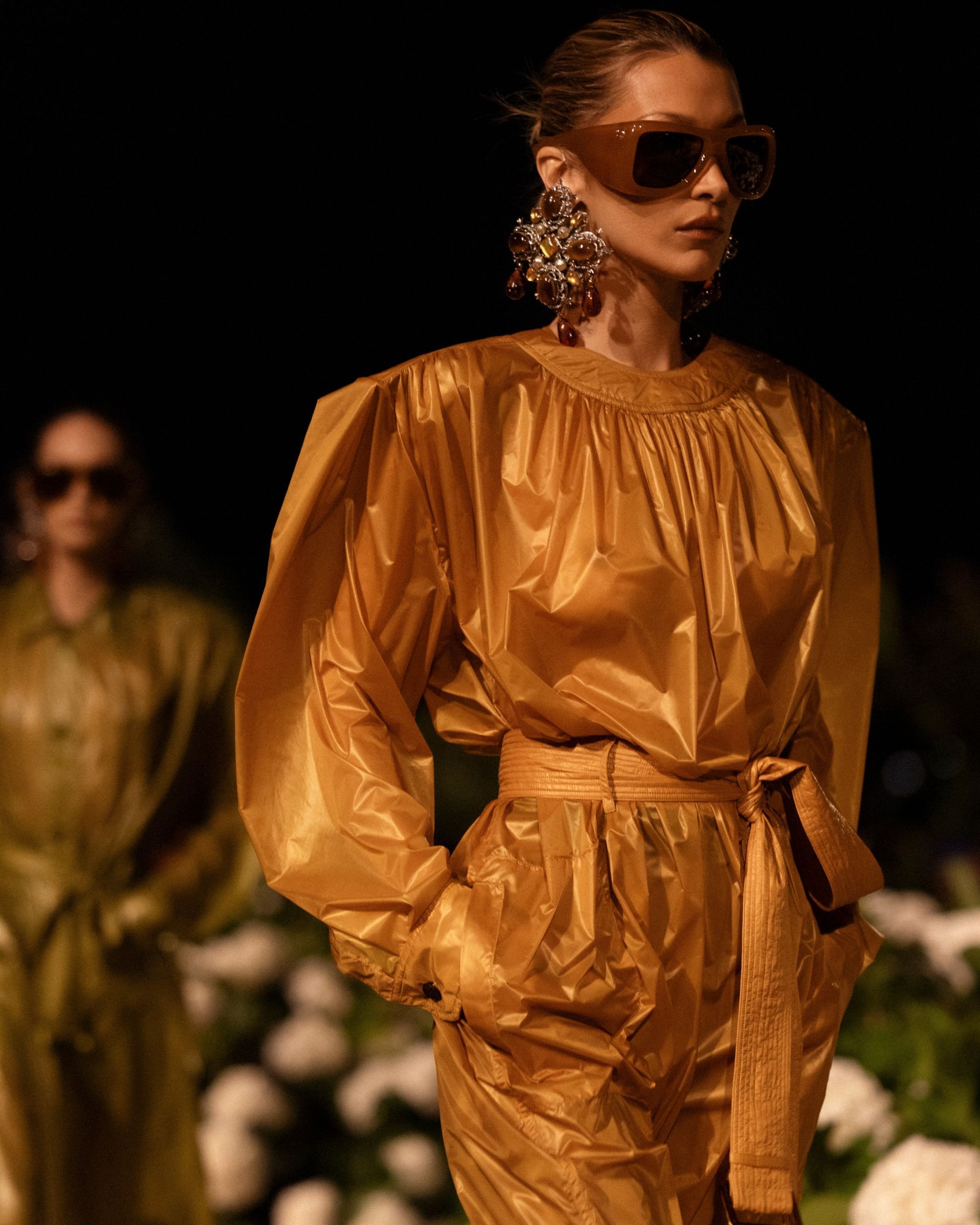
In womenswear, the 80s silhouette is recognized by the exaggerated proportions that create an inverted hourglass effect, with broad and squared shoulders that dilate the bust beyond the natural line, balanced by a waist accentuated by belts or corsets. The lower volumes compensate with pleated ruffled skirts that float to mid-calf, while crop tops in lycra or satin expose the abdomen for a strategic display of the waist. Reflective fabrics like lamé or metallic silk are not missing often with angular geometric lines in pointed collars and squared cuffs. A good distance from the fluid and bohemian silhouette of the 70s, with its soft drapes and ethnic prints, or from the linear minimalism post-90s, devoid of extreme volumes and with clean cuts. Sharp angularity and vibrant chromatic contrasts like fuchsia on black are symbolic of the 80s while, in comparison, 60s looks appear much more neutral and delicate.
In the #1980s men could dress like this without being considered gay. pic.twitter.com/vTgQPVrWNp
— Retro Coast (@RetroCoast) September 27, 2025
Harder to talk about menswear, where the 80s vibes are given by glasses and hair. Usually here too the silhouette is well squared, with oversize blazers wide on the shoulders thanks to and straight or pleated pants, emphasized by wide ties. Here the revealing sign are colors and textures, all intense and heavy as mentioned. Pastel colors on faded denim or exuberant graphic prints, as well as varsity jackets, are very 80s compared to the athletic and slim silhouette of the 70s. Just as the detail of rolled-up sleeves on bombers or in general emphasized layering is: it's no coincidence that the watch worn on the cuff à-la-Gianni Agnelli was a symbol of that era. Among the iconic outfits remember the pinstripe suits of Gordon Gekko in Wall Street (1987), the pastel suits of Miami Vice, the Top Gun bomber and the outfits of Michael J. Fox in Back to the Future (1989).