























The 5 best sets from Milan Fashion Week SS26 Women's When the design of the collection is also reflected in the seating arrangements
Presenting a collection with a fashion show today is not easy. The format, one of the most complex and expensive of all, needs to capture the attention of those present both through the clothes and through the set. In 2025, everything about a show needs to be memorable, from the invitations to the seating for the guests, from the overall atmosphere to the lighting, with the addition (sometimes) of catering and gift bags. Fortunately, at Milan Fashion Week, which closed this Sunday, several shows managed to make an impact, and not only because it was the debut of a creative director or a posthumous collection. By now, the big brands have legitimized fashion shows with sets more interesting than the collections themselves, a detail that excites all interior design enthusiasts while sparking broader reflection on the complexity of today’s fashion industry. To sell clothes, are clothes alone no longer enough?
Here, then, are the five most interesting sets of Milan Fashion Week SS26 Women’s.
The Murano glass chairs of Bottega Veneta
The Bottega SS26 show seating stools were designed by Milan based Murano glassmakers 6:AM Glassworks pic.twitter.com/HOSmrdAjfC
— hionfashion (@hionfashion) September 28, 2025
Three-dimensionality, complex textures, and alternative structures seem to be the guiding features of the new artistic direction of Louise Trotter for Bottega Veneta. Against a nearly blinding white backdrop, looks full of color, materiality, and brilliance walked the runway, elements reflected in the set through materials that tell as much of Bottega Veneta’s history as of the new creative direction. Around the runway were arranged colored Murano glass chairs, an addition that reclaims the Venetian roots of the brand to translate them into contemporary design, while crochet creations hanging in the air artistically redefined the maison’s iconic Intrecciato motif: like Bottega Veneta’s pattern, crochet is a continuous work, made with a single piece knotted onto itself.
The orange floor of Prada
Prada’s sets are always show stoppers. The brand has been working for years with AMO, a component of OMA, the architecture and urban planning project led by Ellen van Loon and Giulio Margheri. But while in the past AMO’s sets for Prada were particularly complex—from the scaffolding of FW25 to the white fence of SS25—this time minimalism prevailed. For SS26, Prada walked on a stretch of caramel orange, a colored flooring that emphasized the color-blocking that was central to the new collection. A commentary on the need to return to the basics of fashion—the color—in order to build something new?
Fendi’s pixelated seats
Fendi’s show also paid particular attention to the set and seating. Designed by Marc Newson, a renowned Australian industrial designer, the set consisted of a huge installation of cubes in analogous and pastel colors that, besides referencing some accessories from Silvia Fendi’s collection, gave the impression of a pixelated image. Guests were seated directly on the pixels, as if becoming part of the artwork itself—a concept that could reflect the relationship between artificial, digital, handmade, and human; one of the favorite themes of both fashion and contemporary art.
Gucci’s theater
Gucci did not choose an actual runway show to present the new collection, the first created under the creative direction of Demna, but the set in which it debuted was undoubtedly spectacular. The film The Tiger, directed by Spike Jonze and featuring a star-studded cast wearing the maison’s new SS26, was screened at the cinema of Palazzo Mezzanotte, a symbol of Italian Rationalist architecture. Soft colors like the red of velvet and the amber of the carpet built a warm and welcoming palette extending to the building’s foyer, while inside the theater a coffee-colored carpet, brown velvet seating, and frosted glass chandeliers elevated the grandeur of this precious cinema’s interiors. Demna must have loved this palace and its cinema so much that he wanted to take inspiration from it for the restoration of Gucci’s stores, with some of the flagship stores soon to be fitted with interiors inspired by Palazzo Mezzanotte.
Armani’s lanterns
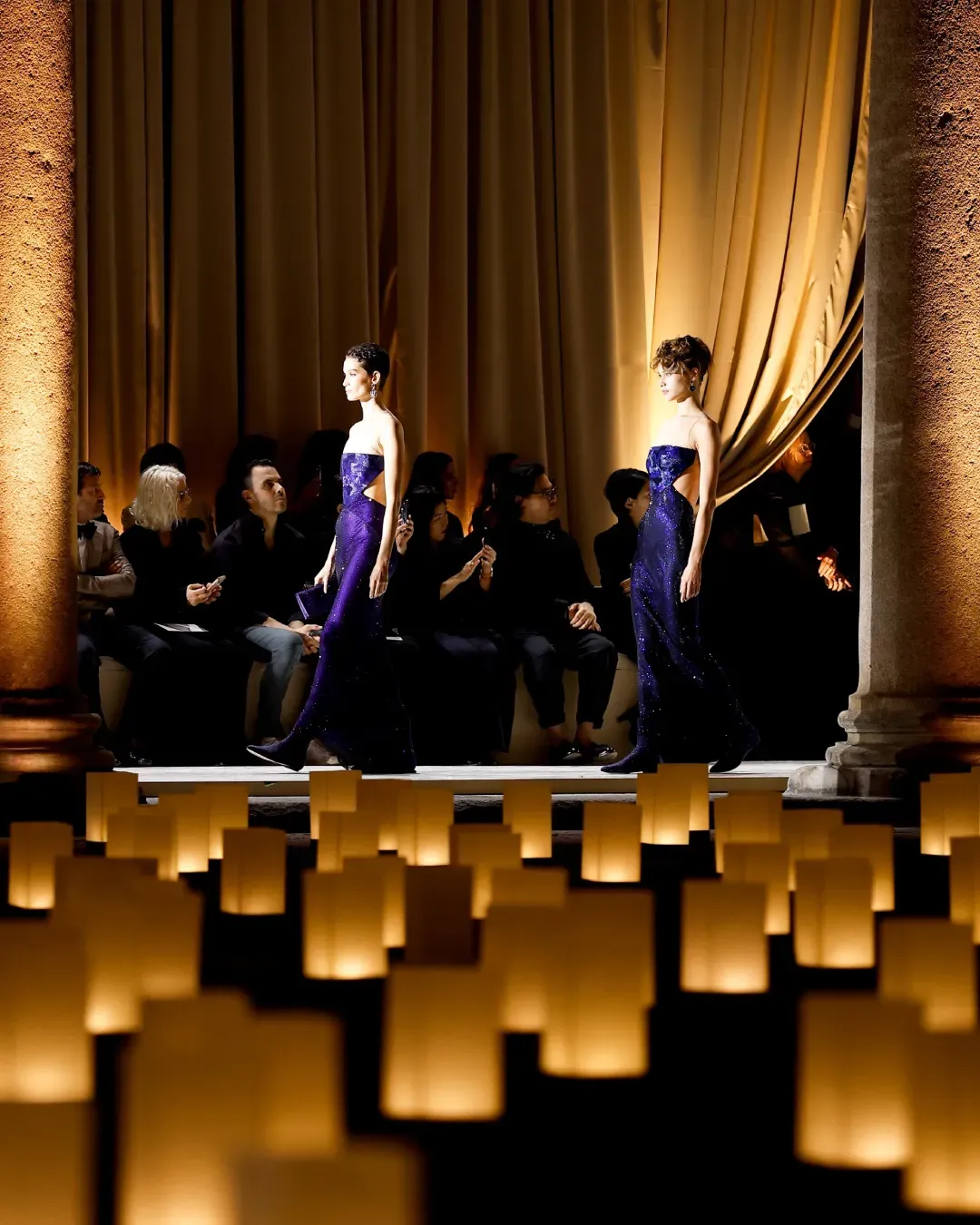
Armani’s show at Milan Fashion Week has always been special, given that he is one of the most influential designers of the 20th century and his has always been the closing show of the week, but this time the significance of the event was amplified even further. Just a few days after the designer’s passing, the maison decided to honor him with an elegant yet impactful show, much like his creations always were. A sea of white lanterns flooded the already evocative Pinacoteca di Brera with light, while a symbolic silence was colored only by the poetic notes of Ludovico Einaudi. Before a packed and emotional audience, a solemn collection of 127 looks walked the runway. A memorable moment that will go down in history, culminating in a warm and prolonged applause from those present.
What to read next
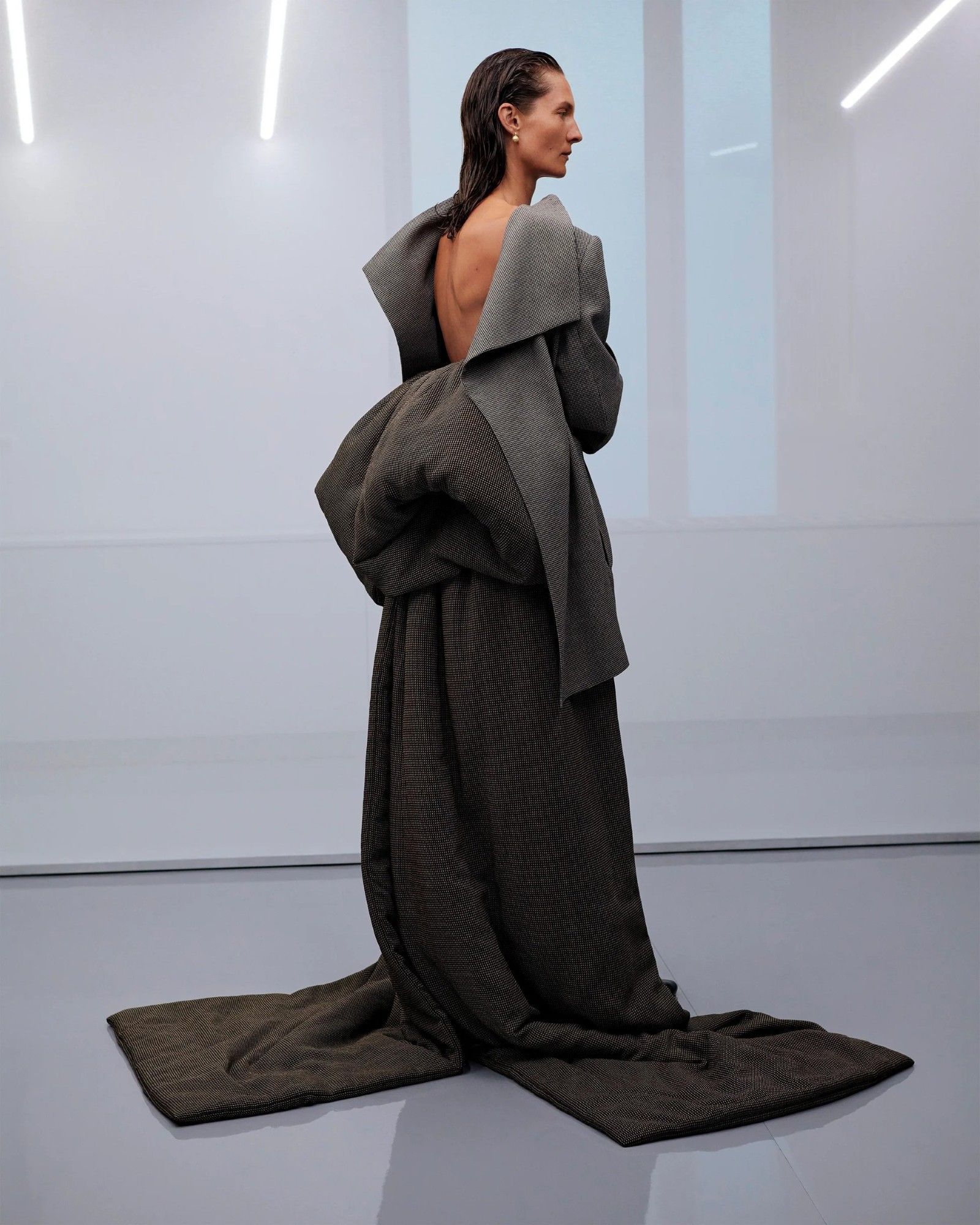
Now Phoebe Philo Wants You to Dress Avant-Garde
With Collection F, the designer plays with silhouettes in an entirely new way
These are the secondhand handbags that are worth the most in 2026
Searches for the Chloé Paddington have risen by 610%, but the real star of the secondhand market is Chanel
Calvin Klein has opened a Denim Kiosk in Piazza Castello in Milan
Here is what went down at the opening event